Day 0
— Buenos Aires
Ezeiza International Airport, the airport for Buenos Aires. Referred to as the "Paris of South America", Buenos Aires is considered as one of the most livable cities in South America. Although the bustling capital city has just under 3,000,000 inhabitants and a population density of 13,680 inhabitants per square kilometer (34,800 per square mile), it was rated in 2018 as one of the top cities on the continent for its ‘quality of life’. Twinned with world cities such as Moscow and Miami, Buenos Aires displays through its architecture, a cultural past rooted in both the Old and New Worlds. A vibrancy for life can be seen everywhere. Crowded public markets, street performers dancing the tango, colorful graffiti-style street art, ultra-modern buildings, a dramatic skyline and a bustling port. Culturally, Buenos Aires has the busiest live theatre industry on Earth, outperforming New York, London and Paris. Every weekend, over 300 theatres are active with plays and productions. Buenos Aires was founded in 1580 by Spanish explorer Juan de Garay, and has changed hands many times during its history.
Days 0-1
— Buenos Aires, Argentina
In 1580, Spanish explorer Juan de Garay planted the seeds of what would become Buenos Aires. Today, it flourishes as the captivating capital of Argentina and a cosmopolitan metropolis that elegantly straddles two worlds. Often hailed as the "Paris of South America," Buenos Aires enchants with its blend of European elegance and Latin American vibrancy. As a sister city to global hubs like Moscow and Miami, Buenos Aires wears its rich cultural heritage on its sleeve. Its architectural diversity is a testament to a past deeply rooted in both the Old and New Worlds, offering a visual narrative that spans centuries and continents.
Day 1
— Buenos Aires
In 1580, Spanish explorer Juan de Garay planted the seeds of what would become Buenos Aires. Today, it flourishes as the captivating capital of Argentina and a cosmopolitan metropolis that elegantly straddles two worlds. Often hailed as the "Paris of South America," Buenos Aires enchants with its blend of European elegance and Latin American vibrancy. As a sister city to global hubs like Moscow and Miami, Buenos Aires wears its rich cultural heritage on its sleeve. Its architectural diversity is a testament to a past deeply rooted in both the Old and New Worlds, offering a visual narrative that spans centuries and continents.
Day 1
— Ushuaia, Argentina
Once deemed too harsh for European settlement, Ushuaia's rugged beauty was the realm of its native inhabitants - the Yahgan People. Today, it holds the distinctive title of being the southernmost city on Earth, often referred to as "the end of the world." Situated along the banks of the Beagle Channel, Ushuaia unveils itself like an artist's masterpiece. A mosaic of vibrant houses adds a splash of color against the dramatic backdrop of snow-capped mountains. Dominating this breathtaking panorama is Monte Olivia, its jagged peaks soaring 4,530 feet above the landscape. The terrain transforms from dense forests of Southern beech trees at sea level to alpine ecosystems as you ascend. Thanks to its strategic location and proximity to the Antarctic Peninsula, Ushuaia has earned its status as the gateway to the Great White Continent. Yet, Ushuaia is more than just a stepping stone to Antarctica. It's a treasure trove of natural history, indigenous heritage, and the spirit of exploration. From embarking on awe-inspiring treks in the nearby Tierra del Fuego National Park to delving into the rich narratives at "The End of the World" museum, Ushuaia promises a plethora of experiences that cater to the curious and the adventurous alike.
Days 2-3
— Days At Sea
Day 4
— The Seabourn Antarctic Experience (Day 1)
This is no ordinary day— with no fixed itinerary, the day unfolds like a secret whispered by nature herself. Depending on weather, ice conditions and reported wildlife distribution during your voyage, your Expedition Leader will craft a bespoke adventure, guided by tides and instinct for you to discover.
Day 5
— The Seabourn Antarctic Experience (Day 2)
This is no ordinary day— with no fixed itinerary, the day unfolds like a secret whispered by nature herself. Depending on weather, ice conditions and reported wildlife distribution during your voyage, your Expedition Leader will craft a bespoke adventure, guided by tides and instinct for you to discover.
Day 6
— The Seabourn Antarctic Experience (Day 3)
This is no ordinary day— with no fixed itinerary, the day unfolds like a secret whispered by nature herself. Depending on weather, ice conditions and reported wildlife distribution during your voyage, your Expedition Leader will craft a bespoke adventure, guided by tides and instinct for you to discover.
Day 7
— The Seabourn Antarctic Experience (Day 4)
This is no ordinary day— with no fixed itinerary, the day unfolds like a secret whispered by nature herself. Depending on weather, ice conditions and reported wildlife distribution during your voyage, your Expedition Leader will craft a bespoke adventure, guided by tides and instinct for you to discover.
Day 8
— The Seabourn Antarctic Experience (Day 5)
This is no ordinary day— with no fixed itinerary, the day unfolds like a secret whispered by nature herself. Depending on weather, ice conditions and reported wildlife distribution during your voyage, your Expedition Leader will craft a bespoke adventure, guided by tides and instinct for you to discover.
Day 9
— Days At Sea
Days 10-11
— Ushuaia, Argentina
Once deemed too harsh for European settlement, Ushuaia's rugged beauty was the realm of its native inhabitants - the Yahgan People. Today, it holds the distinctive title of being the southernmost city on Earth, often referred to as "the end of the world." Situated along the banks of the Beagle Channel, Ushuaia unveils itself like an artist's masterpiece. A mosaic of vibrant houses adds a splash of color against the dramatic backdrop of snow-capped mountains. Dominating this breathtaking panorama is Monte Olivia, its jagged peaks soaring 4,530 feet above the landscape. The terrain transforms from dense forests of Southern beech trees at sea level to alpine ecosystems as you ascend. Thanks to its strategic location and proximity to the Antarctic Peninsula, Ushuaia has earned its status as the gateway to the Great White Continent. Yet, Ushuaia is more than just a stepping stone to Antarctica. It's a treasure trove of natural history, indigenous heritage, and the spirit of exploration. From embarking on awe-inspiring treks in the nearby Tierra del Fuego National Park to delving into the rich narratives at "The End of the World" museum, Ushuaia promises a plethora of experiences that cater to the curious and the adventurous alike.
Day 12
— Days At Sea
Day 13
— The Seabourn Falkland Island Experience (Day 1)
There is nowhere else in the world like the Falkland Islands. This archipelago is a remote, wind-swept place of stunning landscapes, dazzling white sand beaches, magnificent wildlife, and a rather gregarious mix of people. Over 200 islands surround the two main islands of West and East Falkland. These isolated and treeless shores are home to an overwhelming abundance of birdlife: albatross, penguins, caracaras, geese, and many others. Perhaps it was the very remoteness of the islands; the allure of its barren landscapes, pure in their austerity and colorful in their details, and the immensely large open skies that attracted settlers to its shores long ago, the islands have an accumulated a wealth of maritime and military history. More than three hundred shipwrecks litter its shores, while the stark white crosses of both British and Argentine soldiers stand as a silent reminder to the war of 1982. Numerous claims for the islands have been put forward in the course of their history. Nowadays the Falkland Islands are a self-governing British Overseas Territory.
Day 14
— Stanley/Falkland Is/Islas Malvinas
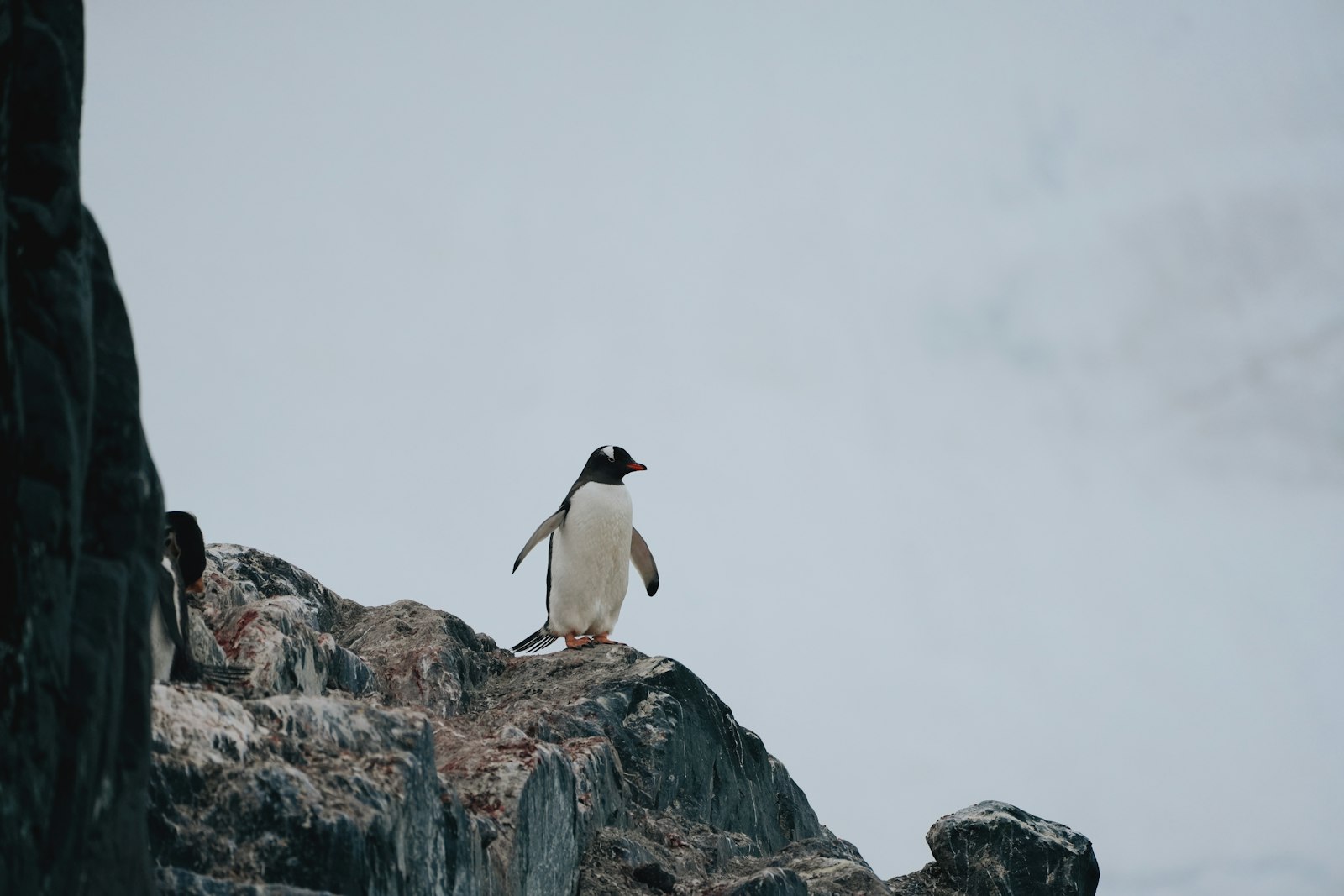
The lonely lighthouse at Cape Pembroke welcomes arrivals to Stanley. It alerts ships to the treacherous rocks, reefs and shoals for which the Falkland Islands have long been known. With a population of over 2,000 people, Stanley is the largest settlement on the islands. Its gardens, tea rooms, brightly colored houses and hotels lend it a slightly Victorian feel, seemingly suspended in time. The Anglican Cathedral, the southernmost in the world, stands prominently on Stanley’s waterfront. The Falklands’ unique abundance of wildlife is evident in Stanley. Dolphins visit its harbor, while steamer ducks, kelp gulls, and other birds abound on shore. Southern sea lions can be spotted basking in the sun. Southern giant petrels often fly through town, oblivious to the human presence. Founded in the 1840s, the town was named after Edward Smith-Stanley, Earl of Derby, who never visited the islands. INCLUDED SHORE EXCURSION: Bluff Cove Lagoon: Penguins & Tea Discover breeding King and Gentoo penguins and the abundant bird species of the Falkland Islands on this scenic, off-road excursion to the privately-owned Bluff Cove Lagoon wildlife haven. After tendering ashore, you will be met by the Bluff Cove team and set out with your driver/guide by minibus. A 20-minute journey takes you through Stanley and across the rolling hills to Bluff Cove Farm. Here, switch to a 4x4 Land Rover vehicle. Your skillful driver will navigate the rugged off-road terrain for 20 minutes to the Bluff Cove Lagoon penguin rookery. A knowledgeable and friendly ranger will accompany you on a leisurely stroll through the penguin colony, which features a scenic backdrop of a large lagoon and a white, sandy beach that is occasionally patrolled by sea lions from the nearby island. This beautiful, pristine reserve is home to more than 1,000 breeding pairs of Gentoo penguins which protect the growing colony of King penguins and their chicks. Magellanic penguins, which burrow on the nearby island, can often be found on the beach. Bird species that frequent or nest in the area include skuas, upland geese, ruddy-headed geese, Magellanic oyster-catchers, South American terns, dolphin gulls, flightless Falkland steamer ducks, snowy sheathbills and southern giant petrels, among others. At the legendary Sea Cabbage Café on the beach, relax over tea, coffee and hot chocolate accompanied by delicious home-baked treats such as scones with diddle-dee jam and fresh cream. Bask in the warmth and aroma of the peat stove while the enjoying splendid vistas of waves crashing on the sandy beach and penguins porpoising in. The Bluff Cove Museum, also by the beach, depicts life in the Falklands and tells the story of Bluff Cove. You can find out about the farm, the nearby 1863 ‘sugar wreck’, the 1982 war with Argentina and the fabulous lagoon wildlife. You will have free time to take photographs, stroll along the beach and look around the museum. A small gift shop sells unique Bluff Cove souvenirs, including Bluff Cove tweed items made with the farm wool, and postcards that can be stamped and mailed from here. Look for samples of knitted, crocheted and felted local wool work displayed on the walls of the café and museum. OPTIONAL SHORE EXCURSIONS: Kelp Point Exclusive Wildlife Excursion 74 Days to Victory
Days 15-16
— Days At Sea
Day 17
— The Seabourn South Georgia Experience (Day 1)
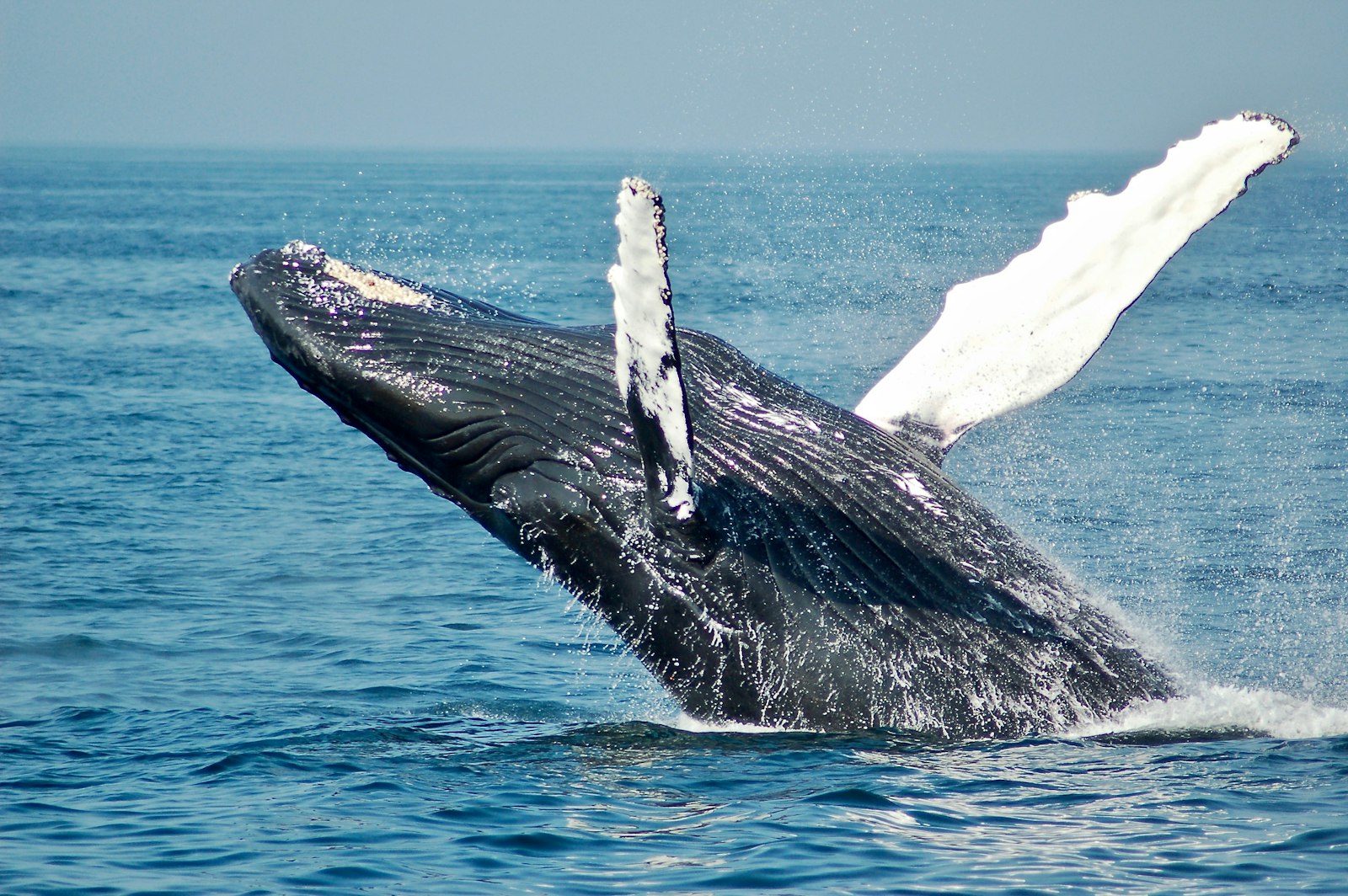
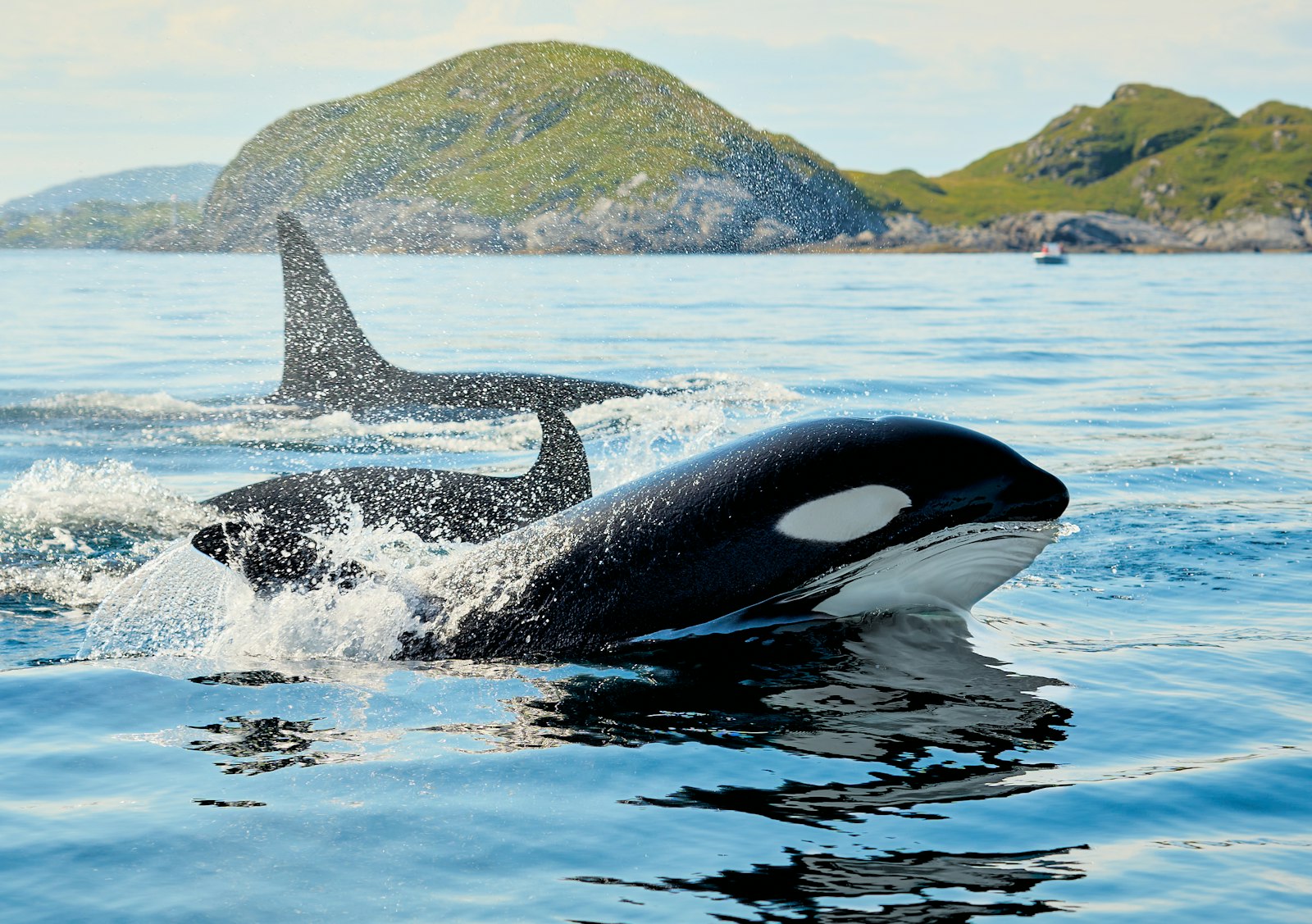
The South Georgia Islands Group, one of the least visited destinations on earth, is a gem in the heart of the sub-Antarctic. Comprising of South Georgia Island and its smaller surrounding islands and rocks, this untouched paradise houses a rich tapestry of wildlife, thriving in a climate that is as harsh as it is beautiful. Despite the presence of ice and snow, these islands are remarkably green, their vegetation a stark contrast to the icy expanses of Antarctica. This is a Lost Eden where nature reigns supreme, teeming with an array of wildlife that includes vast colonies of king and other penguin species, fur and elephant seals, albatrosses, giant petrels, and other seabirds. Offshore, whales, orcas, and dolphins thrive in the nutrient-rich waters, making this the most diverse marine ecosystem on earth. Your journey through the South Georgia Islands Group is carefully curated by your Expedition Leader based on local conditions and wildlife reports. You'll venture to historic communities like Grytviken, visit the sprawling breeding colony of king penguins on Salisbury Plain, and explore the rarely-visited, lesser-known sites nature allows.
Day 18
— The Seabourn South Georgia Experience (Day 2)
The South Georgia Islands Group, one of the least visited destinations on earth, is a gem in the heart of the sub-Antarctic. Comprising of South Georgia Island and its smaller surrounding islands and rocks, this untouched paradise houses a rich tapestry of wildlife, thriving in a climate that is as harsh as it is beautiful. Despite the presence of ice and snow, these islands are remarkably green, their vegetation a stark contrast to the icy expanses of Antarctica. This is a Lost Eden where nature reigns supreme, teeming with an array of wildlife that includes vast colonies of king and other penguin species, fur and elephant seals, albatrosses, giant petrels, and other seabirds. Offshore, whales, orcas, and dolphins thrive in the nutrient-rich waters, making this the most diverse marine ecosystem on earth. Your journey through the South Georgia Islands Group is carefully curated by your Expedition Leader based on local conditions and wildlife reports. You'll venture to historic communities like Grytviken, visit the sprawling breeding colony of king penguins on Salisbury Plain, and explore the rarely-visited, lesser-known sites nature allows.
Day 19
— The Seabourn South Georgia Experience (Day 3)
The South Georgia Islands Group, one of the least visited destinations on earth, is a gem in the heart of the sub-Antarctic. Comprising of South Georgia Island and its smaller surrounding islands and rocks, this untouched paradise houses a rich tapestry of wildlife, thriving in a climate that is as harsh as it is beautiful. Despite the presence of ice and snow, these islands are remarkably green, their vegetation a stark contrast to the icy expanses of Antarctica. This is a Lost Eden where nature reigns supreme, teeming with an array of wildlife that includes vast colonies of king and other penguin species, fur and elephant seals, albatrosses, giant petrels, and other seabirds. Offshore, whales, orcas, and dolphins thrive in the nutrient-rich waters, making this the most diverse marine ecosystem on earth. Your journey through the South Georgia Islands Group is carefully curated by your Expedition Leader based on local conditions and wildlife reports. You'll venture to historic communities like Grytviken, visit the sprawling breeding colony of king penguins on Salisbury Plain, and explore the rarely-visited, lesser-known sites nature allows.
Days 20-23
— Days At Sea
Day 24
— Inaccessible Island, St Helena, Ascension & Tristan Da Cunha
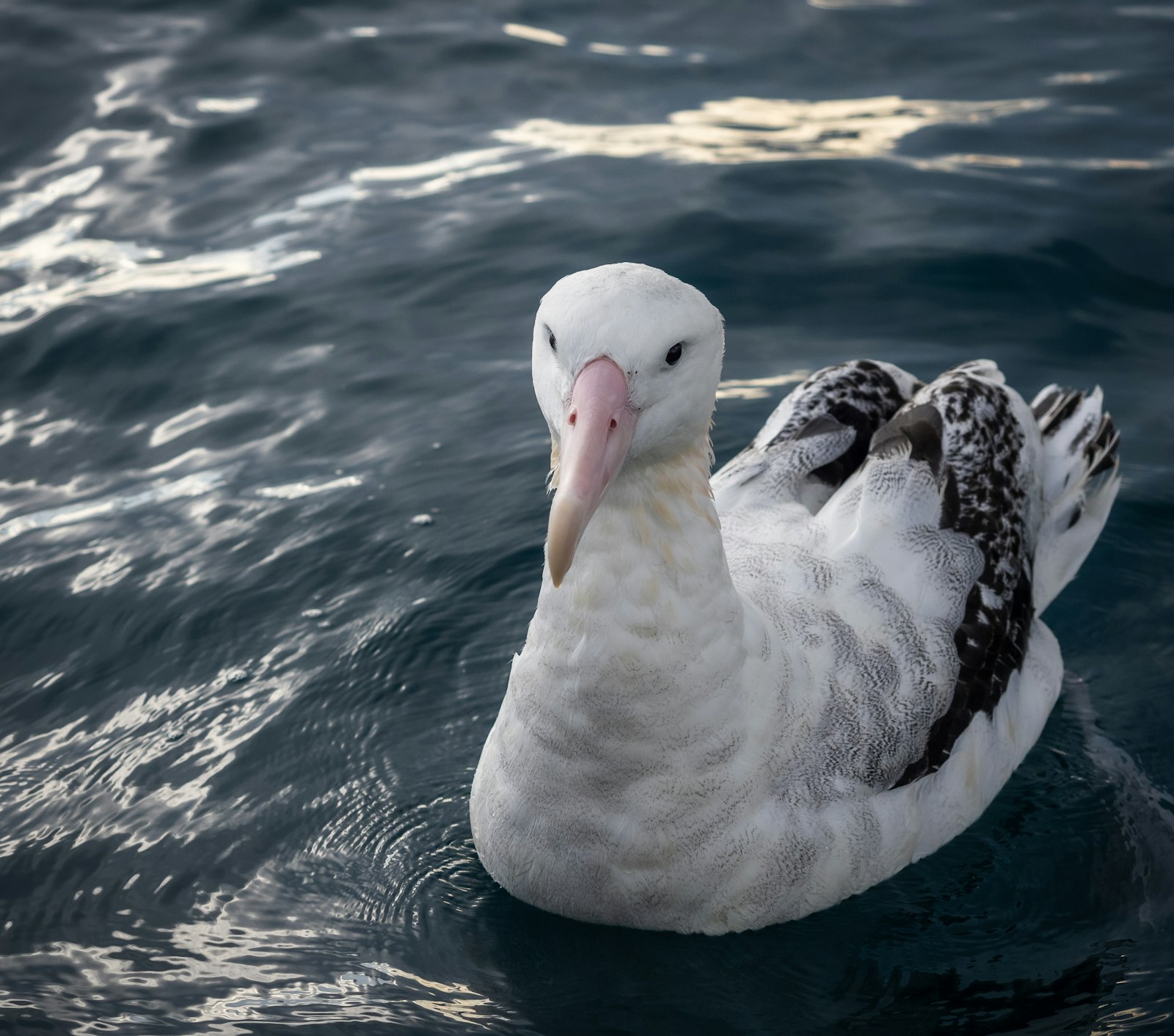
Wild and uninhabited, Inaccessible Island rises from the South Atlantic about 25 miles southwest of Tristan da Cunha, the world’s most remote inhabited island. There are no settlements, roads, or visitor facilities—only a landscape shaped by wind, tide, and wildlife. Formed by an extinct stratovolcano, the island’s cliffs rise steeply from the sea, reaching nearly 1,900 feet before leveling into a windswept central plateau. Covering less than five square miles, the island is ringed by sheer rock walls and narrow boulder beaches that make landings rare and dependent on sea conditions. Isolation has preserved one of the planet’s most intact island ecosystems. Inaccessible Island is protected as part of the UNESCO World Heritage Site shared with nearby Gough Island, safeguarding a habitat that remains largely untouched by human presence. The island is a refuge for vast seabird colonies and several rare species found nowhere else. Among them is the Inaccessible Island Rail—the world’s smallest flightless bird—as well as large populations of spectacled petrels, northern rockhopper penguins, and millions of shearwaters and prions. Encountered only from the sea, Inaccessible Island remains a place governed entirely by nature.
Day 24
— Tristan da Cunha, Saint Helena
Day 25
— Nightingale Island, St Helena
Uninhabited Nightingale Island is the smallest within the Tristan da Cunha group, the most remote inhabited archipelago in the world. Situated in the South Atlantic roughly midway between South America and South Africa, this actively volcanic chain is part of a British overseas territory that also includes St Helena and Ascension. (Nightingale is, in turn, part of an eponymous island group that includes two islets, Middle and Stoltenhoff.) BirdLife International has recognized Nightingale as an Important Bird Area—not for its namesake species (the island was actually named for a British captain), but rather the millions of seabirds that breed along its cliffs, including upward of 3 million pairs of near-endemic great shearwater or petrel alone. Three species of albatross breed here, as do endangered Northern rockhopper penguins and Antarctic terns or king birds. The island is also home to two rare, endemic land birds: the Nightingale bunting and Wilkins’s bunting. Marine life includes migratory whales and sharks, dolphins, southern elephant seals and subantarctic fur seals.
Days 26-28
— Days At Sea
Day 29
— Jamestown, St Helena, Ascension & Tristan Da Cunha
Pressed between steep volcanic cliffs and the waters of James Bay, Jamestown stretches inland along the narrow floor of James Valley on the northwestern coast of Saint Helena. Founded in 1659 by the English East India Company as a strategic stop for ships traveling between Europe and Asia, it remains the capital of the British Overseas Territory of Saint Helena, Ascension, and Tristan da Cunha. The town follows the valley’s course along a single main street. Solid Georgian buildings of dark volcanic stone line Main Street, many dating to the 18th century and giving the settlement an architectural continuity rarely preserved elsewhere. At the waterfront stands the Castle, long the seat of government, while nearby St James’ Church, completed in 1772, is the oldest Anglican church in the Southern Hemisphere. Jamestown also holds a place in one of history’s most famous exiles. In 1815, following his defeat at Waterloo, Napoleon Bonaparte arrived here before being transferred inland to Longwood House, where he spent his final years. Above the harbor, Jacob’s Ladder climbs 699 steps to Ladder Hill Fort, offering wide views across the bay and the steep volcanic walls surrounding the town. Contained within a single valley, Jamestown reflects centuries of maritime history and Atlantic isolation.
Days 30-31
— Days At Sea
Day 32
— Scenic Cruising Boatswain Bird Island
Just off the eastern coast of Ascension Island, Boatswain Bird Island rises from the South Atlantic as a rugged volcanic outcrop alive with seabirds. Though the island covers only about 13 acres, thousands of birds claim its cliffs and slopes each year, turning the rock white with nesting colonies and constant movement. This small island serves as one of the most important seabird sanctuaries in the region. Red-billed and white-tailed tropicbirds—known locally as “boatswain birds”—wheel above the cliffs that gave the island its name. Masked boobies, black noddies, and petrels gather in dense colonies along the ledges, while Ascension frigatebirds glide overhead on steady ocean winds. Rugged rock walls drop directly into deep Atlantic waters, and a natural sea arch cuts through the island’s southern shoreline, sculpted by centuries of waves and wind. From the water, the island presents a dramatic profile of dark volcanic stone framed by white seabird colonies and the endless blue of the surrounding ocean. Despite its modest scale, Boatswain Bird Island plays an important role in protecting Ascension’s birdlife. The surrounding waters and isolated cliffs provide a refuge where seabirds gather, nest, and raise their young in one of the South Atlantic’s most concentrated wildlife habitats.
Days 33-36
— Days At Sea
Day 37
— Mindelo, Cabo Verde
The most important city on the Cape Verde island of Sao Vicente, Mindelo originally thrived as a coal depot for steamships plying the Atlantic. With the advent of diesel engines, its importance waned, although it is still an important port for the maritime trade. The island is volcanic, dry and mostly low. The town has replica of Lisbon’s Belem Tower, located near the fish market, in an interesting part of the city. The late Cape Verdean singer Cesaria Evora started her career singing in the taverns of Mindelo, and later brought the uniquely lilting CapeVerdean form of fado music to the world through her bestselling records and concert tours.
Days 38-39
— Days At Sea
Days 40-41
— Santa Cruz (Tenerife), Canary Islands, Spain
Tenerife is the largest of the seven main islands, which comprise the Canaries. Beyond its quaint whitewashed villages, the Canary Islands' eternal spring keeps flowers, fruits and vegetables growing year-round. From Tenerife, you can travel up through pine forests to Mt. Teide, Spain's highest peak.The Iglesia del Salvador’s Islamic Mudéjar ceiling is one of the best in the islands, and La Palma’s odd, erosion caldera called La Cumbrecita is a UNESCO Biosphere Site.
Day 42
— Funchal (Madeira), Portugal
The Madeira Archipelago, consisting of the islands Madeira, Porto Santo and Desertas, is situated in the Atlantic, about 400 miles from the African coast and 560 miles from Lisbon. Discovered by the Portuguese in 1419, Madeira, the largest of the islands, became of great importance to Portugal for its sugar production and later on for the cultivation of wine. The unusually temperate oceanic climate and extraordinary scenery had Northern Europeans flocking to Madeira as early as the 18th century to spend the winter months. The winning combination of high, rocky peaks, steep green ravines and waterfalls in the interior, with the flowering charm of Funchal still attracts nearly half a million visitors each year.
Day 43
— Days At Sea
Day 44
— Lisbon, Portugal
The great period of "the Discoveries" accounted for phenomenal wealth brought back from India, Africa and Brazil by the great Portuguese navigators. Gold, jewels, ivory, porcelain and spices helped finance grand new buildings and impressive monuments in Lisbon, the country's capital city. As you sail up the Tagus River, be on deck to admire Lisbon's panorama and see some of the great monuments lining the river. Lisbon is one of Europe's smallest capital cities but considered by many visitors to be one of the most likeable. Spread over a string of seven hills, the city offers a variety of faces, including a refreshing no-frills simplicity reflected in the people as they go unhurriedly through their day enjoying a hearty and delicious cuisine accompanied by the country's excellent wines.
Days 45-46
— Days At Sea
Day 47
— Cherbourg (Normandy), France
The seaport and naval station of Cherbourg is situated along the English Channel northwest of Paris at the mouth of the Divette River. Believed to rest on the site of an ancient Roman station, Cherbourg has been occupied since ancient times and was frequently contested by the French and English in the Middle Ages because of its strategic location. Most recently passed to France in the late 18th century, the town was extensively fortified by Louis XVI. During WWII the Germans held Cherbourg until it was captured by the American forces shortly after the Normandy landings. Following a vast rehabilitation program that returned it to working condition, Cherbourg became an important Allied supply port. Today, Cherbourg is important for transatlantic shipping, shipbuilding, electronics and telephone equipment manufacturing, yachting and commercial fishing.
Day 48
— Plymouth, England, United Kingdom
Historic Plymouth is cradled between the River Plym to the east and the River Tamar to the west, forming a picturesque landscape that has been an inspiration for many over the centuries. Smeaton’s Tower, the iconic 18th century greets the ship as we approach the port. This restored beacon stands as a sentinel on Plymouth Hoe, a verdant expanse that also houses a statue of Sir Francis Drake and the monumental Armada Memorial. The Mayflower Steps stand as a poignant tribute to the Puritan pilgrims who embarked on their historic journey to America from Plymouth in 1620. Venture into the heart of the Barbican district, where narrow, cobblestone streets echo stories of times past. Across the harbor, the imposing 17th-century Royal Citadel stands guard, its stone walls steeped in history.
Day 49
— Lundy Island, United Kingdom
As you explore Lundy Island, you'll uncover a landscape shaped by time and nature, from sweeping grasslands to dramatic cliffs plunging into the sea. The island is home to a wealth of birdlife, including puffins and Manx shearwaters, making it a paradise for nature enthusiasts and birdwatchers alike. The Marisco Tavern, the island's sole pub, offers a warm welcome and a chance to sample local fare in a setting that exudes old-world charm.
Day 50
— Skomer Island, Wales, United Kingdom
Just off the Pembrokeshire coast, Skomer Island rises from the Atlantic as a treeless, wind-shaped landscape ringed by high sea cliffs and fast-moving tidal waters. Protected as a National Nature Reserve, the island and its surrounding seas support one of Britain’s most important seabird habitats. In spring and early summer, Skomer becomes a center of activity for nesting birds. Manx shearwaters return from wintering grounds in the South Atlantic to breed in burrows across the island, their distinctive nighttime calls carrying over the cliffs. Atlantic puffins arrive in mid-April, nesting in turf burrows often just steps from the island’s footpaths. Along the cliff faces, razorbills, guillemots, kittiwakes, and fulmars gather in dense colonies, their movement and calls filling the air above the sea. On land, the endemic Skomer vole moves through bracken and maritime grasslands, while late spring brings carpets of bluebells and red campion across the island’s interior. Offshore waters attract harbor porpoises, dolphins, and occasionally whales, while grey seals haul out along the rocky shoreline throughout the year. With no town, roads, or trees to soften the horizon, time on Skomer centers on sea cliffs, open sky, and the movement of wildlife.
Day 51
— Bantry, Ireland
Bantry Bay, framed by the Sheep's Head Hills and the Caha Mountains, offers one of the Ireland’s most magnificent seascapes and picturesque harbors. As with other areas on Ireland's south-west coast, Bantry claims an ancient connection to the sixth-century Saint Breandán the Navigator, who was, in Irish folklore, the first person to discover America. A highlight of the area is stately Bantry House and Garden Estate. The magnificent garden is laid out in the Italian style over seven terraces. In addition to the many spirited Irish pubs are the Bantry Museum and the architecture of St. Brendan's and St. Finbarr's Churches. There are pristine, white-sand beaches, interspersed with jagged outcrops of rock and bordered by the verdant-green hills that make Ireland famous. County Cork is renowned for its megalithic stone circles and standing stones. Historic castles dot the landscape. The coastline of Cork is also home to basking sharks and fin, pilot, and minke whales.
Day 52
— Schull, Ireland
On the Mizen Head peninsula in West Cork, Schull is a harbor village shaped by Atlantic light, salt air, and a strong maritime sensibility. Its sheltered harbor fills with sailing boats in summer, while the cadence of daily life remains closely tied to the sea throughout the year. Along compact streets near the waterfront, traditional pubs, cafés, and local shops give the village an easygoing charm. Rising above Schull is Mount Gabriel, whose slopes hold traces of Bronze Age copper mining—evidence of human activity here thousands of years ago. Across the surrounding countryside, ringforts and ancient burial sites speak to a long continuity of settlement along Ireland’s southwestern coast. More recent history also leaves its mark. The town’s 19th-century workhouse stands as a quiet reminder of the Great Famine, when crop failure and hardship reshaped communities across rural Ireland. Today Schull remains closely connected to the water. Sailing schools and seasonal regattas bring energy to the harbor, while one of Ireland’s few planetariums offers an unexpected perspective after a day outdoors. In Schull, the harbor and surrounding hills keep the village closely tied to the Atlantic and the rhythms of the coast.
Day 53
— Cape Clear Island, Ireland
At the southern edge of Ireland’s coastline, Cape Clear Island stands between green hills and the open Atlantic. Cliffs, narrow inlets, and small sandy coves mark the shoreline, while scattered cottages and stone walls trace the slopes above the sea. Part of the West Cork archipelago, the island sits where sheltered coastal waters give way to the wide Atlantic. Life on Cape Clear remains closely tied to the sea. Fishing boats move through the island’s small harbors, and Irish is widely spoken among the close-knit community that calls the island home. With fewer than two hundred residents, the island preserves a strong sense of place shaped by maritime traditions and Gaelic culture. Cape Clear also plays an important role in Ireland’s birdlife. The island hosts the country’s only staffed bird observatory, a long-standing center for the study of migration. Its position along Atlantic flight paths brings a steady passage of seabirds and occasional rare visitors carried across the ocean by seasonal winds. Approaching by ship, Cape Clear offers a vivid view of Ireland’s Atlantic frontier—where open ocean, seabirds, and weathered headlands define the character of this remote island.
Day 54
— Kinsale, Ireland
This captivating seaside town is known as the "Gourmet Capital of Ireland," and is a delightful blend of rich history, vibrant culture, and gastronomic delights. Wander through the winding streets, where every corner of Kinsale exudes history, from the star-shaped Charles Fort to the historic Old Head of Kinsale. Kinsale's rich maritime tradition is evident in its bustling yachting scene,; the harbor is often filled with sails fluttering in the breeze.
Day 55
— Calf of Man, Isle of Man
The Calf of Man is a small island in the Irish Sea, which sits approximately 1/3 mile from the larger Isle of Man to its northeast. For many years, the island was under private ownership, but it was donated to the National Trust due to its importance as a refuge for nesting sea birds. There are presently 33 species of seabirds who visit the island during the breeding season, but it is perhaps best known for its population of Manx Shearwater, which come to land each night and return to their burrows. The island currently has no permanent human population but visiting researchers and ornithologists may stay for short periods of time.
Day 56
— Belfast, Northern Ireland, United Kingdom
Belfast is Northern Ireland’s fun-loving and cosmopolitan capital. Its seat of government is Stormont Castle, a beautiful baronial mansion. There is something of interest here for everyone: Victorian architecture, a glittering waterfront, modern art, and over 90 Irish pubs. The Giant's Ring, a 5,000-year- old stone ‘henge’ shows occupation here since the Bronze Age. The magnificent copper dome of Belfast City Hall dominates the city centre. Belfast is also the site of the memorial statue for R.M.S Titanic, because it was here that the ship was built in 1909. Mixing the traditional with the ultra-modern, the Titanic Belfast Museum commemorates the fate of Titanic in its architecture. Shaped like the great prow of the ocean liner, the museum’s exhibits tell the story of the ill-fated vessel. Some additional icons of the city include the 113’ (34 m) Albert Memorial clock tower, the 12th century Belfast Castle, and the twin spires of St. Peter's Cathedral. Discover art galleries, the Opera house, fountains, botanical gardens, and a zoo in this dynamic city.
Day 57
— Calf of Man, Isle of Man
The Calf of Man is a small island in the Irish Sea, which sits approximately 1/3 mile from the larger Isle of Man to its northeast. For many years, the island was under private ownership, but it was donated to the National Trust due to its importance as a refuge for nesting sea birds. There are presently 33 species of seabirds who visit the island during the breeding season, but it is perhaps best known for its population of Manx Shearwater, which come to land each night and return to their burrows. The island currently has no permanent human population but visiting researchers and ornithologists may stay for short periods of time.
Day 57
— Douglas, Isle of Man
The town of Douglas is the center of the Isle of Man’s business, shipping, transport, shopping, and entertainment. It derives its name from the early Celtic word Duboglassio, meaning ‘black river.’ Located in the Irish Sea, equidistant from England, Scotland and Ireland, the Isle of Man is a self-governing possession of the British Crown and is not part of the United Kingdom, the Commonwealth, or an Overseas Territory, but instead holds a semiautonomous status. It is home to the world's oldest continuous parliament, known as the Tynwald Court.
Day 58
— Brodick, Isle of Arran, United Kingdom
Brodick sits along a broad crescent of shoreline on the eastern coast of the Isle of Arran, facing the Scottish mainland across the Firth of Clyde. Above the village, the granite slopes of Goat Fell—the island’s highest peak—rise sharply into view, creating one of the most recognizable approaches in western Scotland. Though Arran measures only about 20 miles from north to south, its landscapes are strikingly varied. The Highland Boundary Fault cuts directly across the island, dividing rugged northern mountains from the gentler hills and farmland of the south. This geological contrast has long earned Arran the nickname “Scotland in Miniature.” As the island’s principal harbor and commercial center, Brodick gathers along the waterfront in a mix of cafés, small shops, and family-run hotels. Nearby, the Isle of Arran Heritage Museum traces the island’s long human story—from prehistoric stone circles to maritime trade and clan history. Overlooking the bay, Brodick Castle stands within Scotland’s only island country park. From the village, trails lead inland toward Glen Rosa and the summit of Goat Fell, where mountain and sea meet beneath the shifting light of the Atlantic.
Day 59
— Rathlin Island, Northern Ireland, UK
Tranquil Rathlin Island is an unspoiled sanctuary of natural grandeur, rich in history and teeming with an array of flora and fauna. Its rugged cliffs serve as a haven for seabirds, making it a paradise for birdwatchers and nature enthusiasts. As you approach Rathlin by sea, the iconic lighthouses stand sentinel, guiding sailors through the often tumultuous waters. The island's charm extends beyond its natural beauty; it's steeped in a rich tapestry of history. The stories of the island’s past are woven into the fabric of its present, from the ancient legends of marauding Vikings to tales of Robert the Bruce, who sought refuge here in 1306. The island's only inhabited settlement, Church Bay, is home to a welcoming community that embraces the slower pace of island life. Explore the island's walking trails that wind across the landscape, leading you to hidden gems such as the "upside-down" lighthouse at the West Light Seabird Centre.
Day 60
— Baile Mor, Iona, Scotland, UK
Despite its size, spanning only three miles long and one mile wide, Isle of Iona's influence on Christianity in Scotland, England, and mainland Europe is monumental. Its historical significance was cemented in 563 AD with the arrival of St. Columba and his 12 followers. On the island's pristine sandy beaches, they built the first Celtic church and established a monastic community, initiating the conversion of much of pagan Scotland and northern England to Christianity. Iona's reputation as a missionary hub and esteemed learning center spread throughout Europe, transforming it into a pilgrimage site for centuries. It's a sacred isle where kings of Scotland, Ireland, and Norway were laid to rest. Over the years, the monks of Iona crafted countless intricate carvings, manuscripts, and Celtic crosses, including their masterpiece, the Book of Kells, on display in Trinity College, Dublin. INCLUDED EXCURSION: Visit to Iona Abbey: Over a century ago, the Abbey and monastic buildings were restored, and in 1938, The Iona Community was founded to continue the tradition of worship and teaching. Explore the Abbey at your own pace, taking in the cloisters, the graveyard (the final resting place of numerous early Scottish, Irish, and French kings), and an impressive collection of over 180 medieval carved stones and crosses.
Day 60
— Staffa, Scotland, UK
The petite island of Staffa found amongst the Inner Hebrides, is lauded for its remarkable geology. The Vikings named it Stafyi-øy or "stave island", as its rock formations evoked images of their vertically placed log houses. Staffa is an intriguing spectacle of hexagonal columnar basalt, formed sixty-five million years ago when erupting lava cooled rapidly. Over time, the relentless Atlantic waves eroded a weakness in the rock, resulting in the legendary Fingal’s Cave. Known previously as ‘The Musical Cave,’ it's famed for the mesmerizing sounds produced by sea water echoing against the cavern walls. This is a unique chance to explore the same island that Sir Joseph Banks, Captain James Cook’s naturalist, promoted in 1772. Numerous illustrious figures, including Jules Verne, William Wordsworth, John Keats, Alfred Lord Tennyson, Queen Victoria, Prince Albert, artist JMW Turner, and young Felix Mendelssohn have also graced Staffa with their presence. INCLUDED EXPEDITION:* Zodiac Cruise Join our expert expedition team for a Zodiac cruise around this extraordinary Scottish island, echoing the journeys of the illustrious 19th-century visitors. Keep your eyes peeled for the charming Atlantic puffin, marvel at the view into Fingal's Cave, and learn about the columnar basalt that shapes this steep-sided island. *Please note this expedition experience is exclusively available on our expedition ships, Seabourn Venture or Seabourn Pursuit. All shore excursions shared here are subject to availability and are weather and conditions permitting.
Day 61
— Tobermory, Island of Mull, Scotland, United Kingdom
Tobermory, on the island of Mull, is one of the prettiest port-towns in Scotland, with an unmistakable picture-postcard harbour front. Built as a fishing port in 1788, the town curves gently around the harbour and rises onto the hillside beyond. The name Tobermory comes from the Gaelic for ‘Mary’s well,’ a feature which can still be found at one end of the bay. Main Street is a mix of shops, eateries, hotels and guest houses. The street has an excellent selection of locally produced arts and crafts, a bookshop that also sells fishing tackle, an artisan bakery and chocolate manufacturer, and a small museum. Tobermory Distillery, which opened in 1798, is a favourite destination. Its renowned ten-year-old single-malt whisky is distilled from un-peated malted barley and matured in oak casks. INCLUDED EXPEDITION EXPERIENCES* *Please note this expedition experience is exclusively available on our expedition ships, Seabourn Venture or Seabourn Pursuit. All shore excursions shared here are subject to availability and are weather and conditions permitting." OPTION 1: Panoramic Mull Experience A panoramic tour of Mull's ruggedly beautiful coastline. Enjoying breathtaking views of the Sound of Mull, the mountains of Morvern, and Ben More, Mull’s highest mountain. Pause for a short while in Craignure, an important ferry port, as you make your way to the spectacular Glen More. OPTION 2: Tobermory Town & Lighthouse Experience Discover the vibrancy of Tobermory's Harbour, a bustling hub for fishing vessels and yachts. The multi-coloured seafront houses have earned Tobermory a starring role in the award-winning children’s TV program, Balamory. Your guide will share intriguing historical insights as you stroll along the seafront. OPTION 3: Aros Park Coastal Walk Experience Embark on a coastal walk from Tobermory Harbour through the enchanting Aros Park. Enjoy splendid views out to Calve Island and learn about the Allans, a shipping family who gifted the park to the people of Tobermory. Marvel at the Celtic rainforest's diverse flora and fauna, and if time permits, visit the Bronze Age Standing Stones at Baliscate, a significant pre-historic location on the Isle of Mull. *Please note this expedition experience is exclusively available on our expedition ships, Seabourn Venture or Seabourn Pursuit. All shore excursions shared here are subject to availability and are weather and conditions permitting.
Day 61
— Isle of Eigg, Scotland, UK
Welcome to the Isle of Eigg, a hidden gem nestled in the heart of Scotland's stunning Inner Hebrides. Seabourn invites you to experience the epitome of luxury amidst the rugged beauty of this enchanting island retreat. Upon arrival at the Isle of Eigg, guests are greeted by breathtaking panoramic views of pristine beaches, dramatic cliffs, and emerald-green hillsides. As you step ashore from your luxurious Seabourn vessel, you'll be enveloped by the tranquility and serenity of this remote paradise. Explore the island's rich history and vibrant culture with guided tours led by knowledgeable locals, or venture out on your own to discover its hidden treasures. From ancient ruins to picturesque villages, every corner of the Isle of Eigg is steeped in charm and allure. For those seeking adventure, indulge in outdoor activities such as hiking along scenic trails, kayaking in crystal-clear waters, or simply basking in the sun on secluded beaches. After a day of exploration, unwind in style aboard your Seabourn ship, where world-class amenities and impeccable service await. Experience the ultimate in luxury travel with Seabourn as you discover the captivating beauty of the Isle of Eigg, where every moment is a masterpiece of indulgence and relaxation.
Day 62
— Am Baile, St Kilda, Scotland, United Kingdom
The St Kilda volcanic archipelago has the highest sea cliffs in Britain and the most important seabird breeding colonies in northwestern Europe. The entire archipelago is owned by the National Trust for Scotland and is one of the few UNESCO World Heritage Sites chosen for both its natural and cultural qualities. In spite of its extreme isolation, some 40 miles (64 km) off of the remote Hebrides, there has been permanent habitation here for 2,000 years. The one-time population of hardy Kildians were finally forced to leave because of starvation. Their abandoned stone huts stand as silent witnesses to past settlement, but two of their ancient sheep species, dating from the Neolithic and Iron Ages, continue to thrive here. Some one million nesting seabirds breed in St Kilda, including the largest colony of guillemots on earth, and the largest colony of gannets, fulmars, Leach's petrels and Atlantic puffins in Britain. The St Kilda wren and the St Kilda field mouse are species found only here.
Day 62
— Scenic cruising St Kilda
St. Kilda is an isolated archipelago some 64 miles west of Scotland’s Outer Hebrides Islands in the North Atlantic Ocean. The largest island, Hirta, boasts the highest sea cliffs in the United Kingdom. The entire archipelago comprises one of Scotland’s six UNESCO World Heritage Sites, inscribed jointly for its natural and cultural importance. The other islands are Dun, Soay and Boreray, and have been used for farming and seabird egg harvest in the past. Today there is a small military base on Hirta, and in summer volunteers spend the season restoring the islands’ many prehistoric and historic structures. The cliffs of the islands are nesting grounds for vast populations of seabirds including northern gannets, fulmars, and Atlantic puffins. Your ship will cruise the archipelago to offer splendid views of this remote and unusual corner of the United Kingdom.
Day 63
— Stornoway, Isle of Lewis, Scotland, United Kingdom
Stornoway, on the Isle of Lewis in the Outer Hebrides, was founded by Vikings in the 9th century. Hebridean culture goes back much further in time, as testified by the circles of standing stones that are found on the island, and shards of pottery dated from at least 5,000 years in the past. There are remnants of various historic periods to be seen here, including traditional blackhouses, an ancient design, some of which were incredibly still in use into the 1970s. Lews Castle, overlooking the town, is a more modern copy of a Tudor manse, which was built by a former owner of the island. Latta’s Mill, a 19th century overshot water mill, has been reconstructed and operates as an attraction. The main occupations on Lewis are fishing, farming, and production of Harris Tweed, a traditional cloth named for another nearby Hebridean isle. INCLUDED EXPEDITION EXPERIENCES: *Please note this expedition experience is exclusively available on our expedition ships, Seabourn Venture or Seabourn Pursuit. All shore excursions shared here are subject to availability and are weather and conditions permitting." Ancient Lewis & Blackhouse Village: Embark from Stornoway to Callanish, often likened to Scotland's Stonehenge, dating back to 3000BC. The 32 stones form a captivating circular and avenue design, believed to have been erected for astronomical observations. Stop at Dun Carloway Pictish Broch, a defensive residence from the last century BC. Venture north to Gearrannan Blackhouse Village, a reconstructed settlement of traditional blackhouses with their thatched roofs, where people and animals once cohabited. Soak in the wild Atlantic coast's dramatic vistas as you conclude your circular tour.
Day 64
— Kirkwall, Scotland, United Kingdom
The Orkney Archipelago, a collection of stark, treeless islands off Scotland's northern coast, is steeped in history dating back over 5,000 years. Here you'll find Europe’s densest concentration of ancient Neolithic sites, and rugged coastlines framed by towering cliffs of Old Red Sandstone from the Devonian period.
Day 65
— Copinsay Island, Scotland, United Kingdom
Just 1.5 miles off Orkney’s southeastern coast, Copinsay emerges from the North Sea in sandstone cliffs and grass-topped slopes, uninhabited since 1958 and now protected as a nature reserve by the Royal Society for the Protection of Birds. In spring and summer, the island becomes one of Orkney’s most dynamic wildlife sanctuaries. Guillemots and razorbills crowd the near-vertical ledges, kittiwakes wheel overhead, and Atlantic puffins—known locally as “Tammie Norries”—nest in burrows above the sea. Northern fulmars occupy the higher rock faces, and thousands of breeding seabirds transform the cliffs into a living chorus. Autumn brings another spectacle as grey seals haul out along the shoreline to pup, the reserve offering one of Orkney’s most important refuges for these powerful marine mammals. Remnants of the island’s past remain: a lighthouse still in operation, former farm buildings, and fields once worked by families who lived alongside the birds. Today, Copinsay feels claimed by the wildlife that gathers each season. Landings depend on tide and weather, and time ashore feels especially elemental.
Days 66-67
— Leith (Edinburgh), Scotland, United Kingdom
Edinburgh, the capital of Scotland, is a city that effortlessly combines ancient history with a vibrant modern energy. Its streets are steeped in stories, from the cobblestones of the Old Town to the elegant Georgian avenues of the New Town, both recognized as UNESCO World Heritage Sites. Visit Edinburgh Castle, majestically poised atop an ancient volcanic rock, and stroll the Royal Mile leading to the regal Palace of Holyroodhouse. Discover world-class art at the Scottish National Gallery and find serenity in the Princes Street Gardens. Marvel at the contemporary Scottish Parliament building, tour the decommissioned Royal Yacht Britannia, and when night falls, immerse yourself in Edinburgh's thriving cultural scene.