Birdwatching
Optional activitiesSpot wandering albatrosses carving through gale winds with 3.5m wingspans, alongside snow petrels, giant fulmars, and skuas patrolling coastal nesting cliffs.
Itinerary and landing sites are indicative and subject to change based on weather, sea ice, and wildlife conditions.
We will have at least one dedicated expedition guide in our team who will share their expert knowledge about bird species and who will be available to help you identify, photograph on deck and learn more about the birds that we see. In addition to outdoor sessions, our guide will focus on species and related information on the birds of Antarctica in re-caps and lectures onboard.
Your voyage begins where the world drops off. Ushuaia, Argentina, reputed to be the southernmost city on the planet, is located on the far southern tip of South America. Starting in the afternoon, you embark from this small resort town on Tierra del Fuego, nicknamed “The End of the World,” and sail the mountain-fringed Beagle Channel for the remainder of the evening.
Several species of albatross follow the vessel into the westerlies, along with storm petrels, shearwaters, and diving petrels.
The Falkland Islands offer an abundance of wildlife that is easily approachable, though caution is always advised. These islands are largely unknown gems, the site of a 1982 war between the UK and Argentina. Not only do various species of bird live here, but chances are great you’ll see both Peale’s dolphins and Commerson’s dolphins in the surrounding waters. During this segment of the voyage, you may visit the following sites: Carcass Island – Despite its name, this island is pleasantly rodent-free and hence bounteous with birdlife and many endemic species. Anything from breeding Magellanic penguins and gentoos to numerous waders and passerine birds (including Cobb’s wrens and tussock-birds) live here. Saunders Island – On Saunders Island you can see the black-browed albatross and its sometimes-clumsy landings, along with breeding imperial shags and rockhopper penguins. King penguins, Magellanic penguins, and gentoos are also found here.
The capital of the Falklands and center of its culture, Port Stanley has some Victorian-era charm: colorful houses, well-tended gardens, and English-style pubs are all to be found here. You can also see several century-old clipper ships nearby, silent witnesses to the hardships of 19th century sailors. The small but interesting museum is also worth a visit, covering the early days of settlement up to the Falklands War. Approximately 2,100 people live in Port Stanley. Admission to the museum is included.
En route to South Georgia, you now cross the Antarctic Convergence. The temperature cools considerably within the space of a few hours, and nutritious water rises to the surface of the sea due to colliding water columns. This phenomenon attracts a multitude of seabirds near the ship, including several species of albatross, shearwaters, petrels, prions, and skuas.
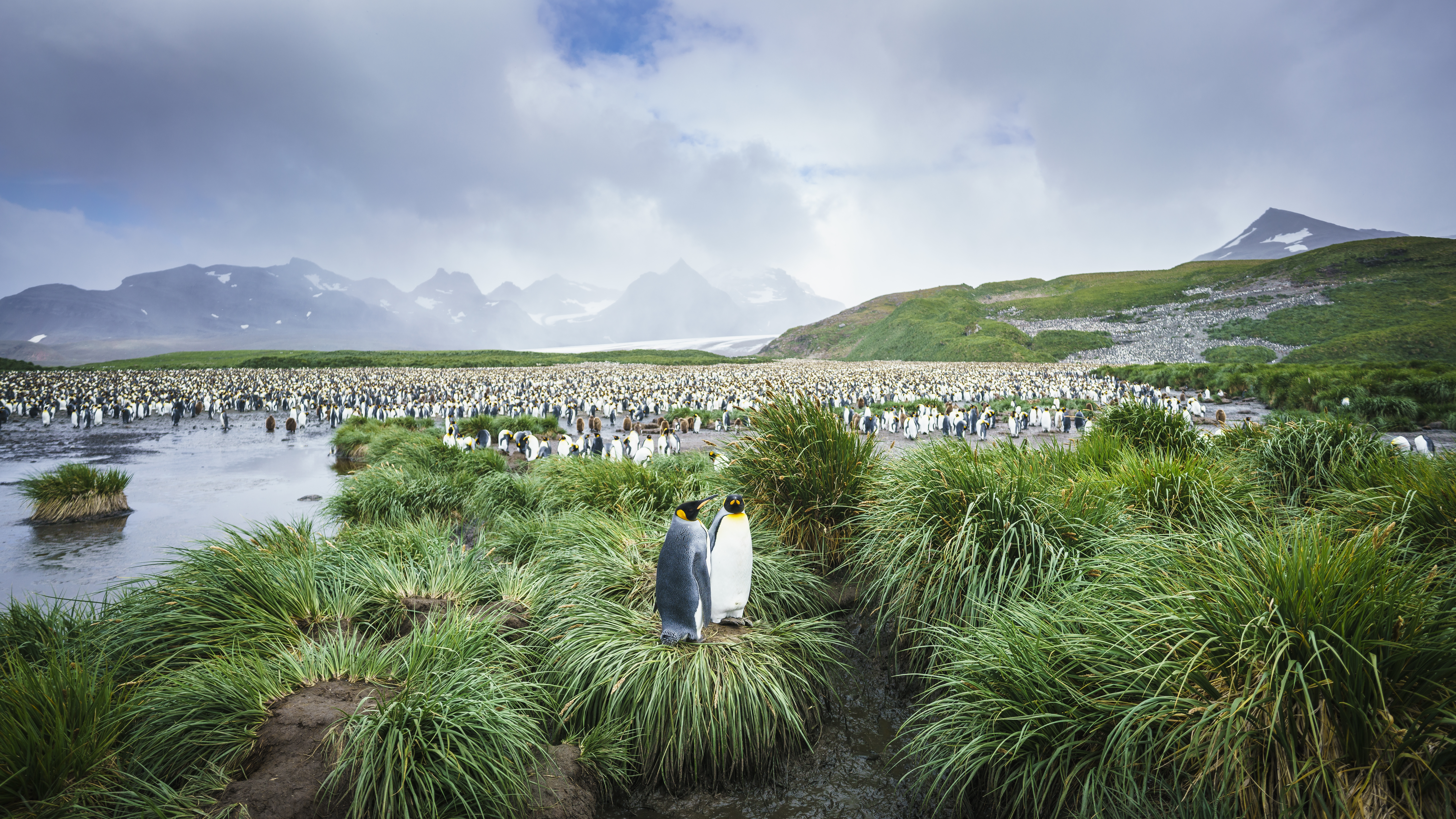
Today you arrive at the first South Georgia activity site. Please keep in mind that weather conditions in this area can be challenging, largely dictating the program. Over the next several days, you have a chance to visit the following sites: Fortuna Bay – A beautiful outwash plain from Fortuna Glacier is home to a large number of king penguins and seals. Here you may also have the chance to follow the final leg of Shackleton’s route to the abandoned whaling village of Stromness. This path cuts across the mountain pass beyond Shackleton’s Waterfall, and as the terrain is partly swampy, be prepared to cross a few small streams. Salisbury Plain, St. Andrews Bay, Gold Harbour – These sites not only house the three largest king penguin colonies in South Georgia, they’re also three of the world’s largest breeding beaches for Antarctic fur seals. Literally millions breed on South Georgia during December and January. Only during the mid-season do they peak in their breeding cycle. There will be some young adult Elephant seals as well as this seasons ‘Weaner’s; the young Elephant Seals that have been left to fend for themselves. Watch your step and stay cool when walking the beaches during this time. Grytviken – In this abandoned whaling station, king penguins walk the streets and elephant seals lie around like they own the place – because they basically do. Here you might be able to see the South Georgia Museum as well as Shackleton’s grave. In the afternoon of day 10 and depending on the conditions, we will start sailing southwards in the direction of the South Orkney Islands.
There may be sea ice on this route, and at the edge of the ice some south polar skuas and snow petrels could join the other seabirds trailing the vessel south.
Shingle Cove, on the southern shore of Coronation Island in the South Orkney Islands, is home to a large and vibrant Adélie penguin colony. Gravel beaches and metamorphic rock formations serve as key Antarctic wildlife sites, featuring penguin colonies, nesting petrels, and lounging elephant and fur seals.
Enormous icebergs and a fair chance of fin whale sightings ensure there’s never a dull moment on this last sea voyage south. Also, your best chance to spot Antarctic petrels is here. Depending on conditions, we aim to begin activities the afternoon of day 14.
If the ice conditions permit, you now sail into the Weddell Sea. Here colossal tabular icebergs herald your arrival to the eastern side of the Antarctic Peninsula. Paulet Island, with its large population of Adélie penguins, is a possible stop. You might also visit Brown Bluff, located in the ice-clogged Antarctic Sound, where you could get the chance to set foot on the Antarctic Continent itself. If conditions aren’t favorable to enter the Weddell Sea from the east, the ship will set course for Elephant Island and head into the Bransfield Strait, between the South Shetland Islands and the Antarctic Peninsula. Here you can attempt to access the Antarctic Sound from the northwest. The breathtaking scenery continues in the Bransfield Straight and, if conditions allow further South in the Gerlache Strait. Conditions on the Drake Passage determine the exact time of departure.
Your return voyage is far from lonely. While crossing the Drake, you’re again greeted by the vast array of seabirds remembered from the passage south. But they seem a little more familiar to you now, and you to them.
Every adventure, no matter how grand, must eventually come to an end. It’s now time to disembark in Ushuaia, but with memories that will accompany you wherever your next adventure lies.
Spot wandering albatrosses carving through gale winds with 3.5m wingspans, alongside snow petrels, giant fulmars, and skuas patrolling coastal nesting cliffs.
Oceanwide Expeditions operates dedicated polar expedition voyages to the White Continent with seasoned expedition teams.
Long polar days, hatching penguin chicks, and peak summer activity across rookeries and bays.

Scenic Fjord • Sea Lion Colonies & Les Eclaireurs

Rite of Passage • Albatross Alley

Iceberg Highway • Giant Tabular Bergs & Adélie Rookeries

Volcanic Isles • Penguin Rookeries & Calderas

Classic Antarctica • Towering Peaks & Wildlife

Ice-Bound Isles • Orcadas Base & Adélie Rookeries

Southern Ocean Arc • Marine Mammal Highway

Serengeti of the South • Hundreds of Thousands of King Penguins

Volcanic Arc • Million-Penguin Colonies

Subantarctic Haven • Albatross Cliffs & 5 Penguin Species
Prices are captured from operator websites and may change — the operator's site is authoritative. Captured Sep 3, 2026 06:14 UTC.
Everything worth bringing on an Antarctic expedition — an interactive checklist you can tick off as you pack, keep as a personal link and download as a PDF.
Wildlife
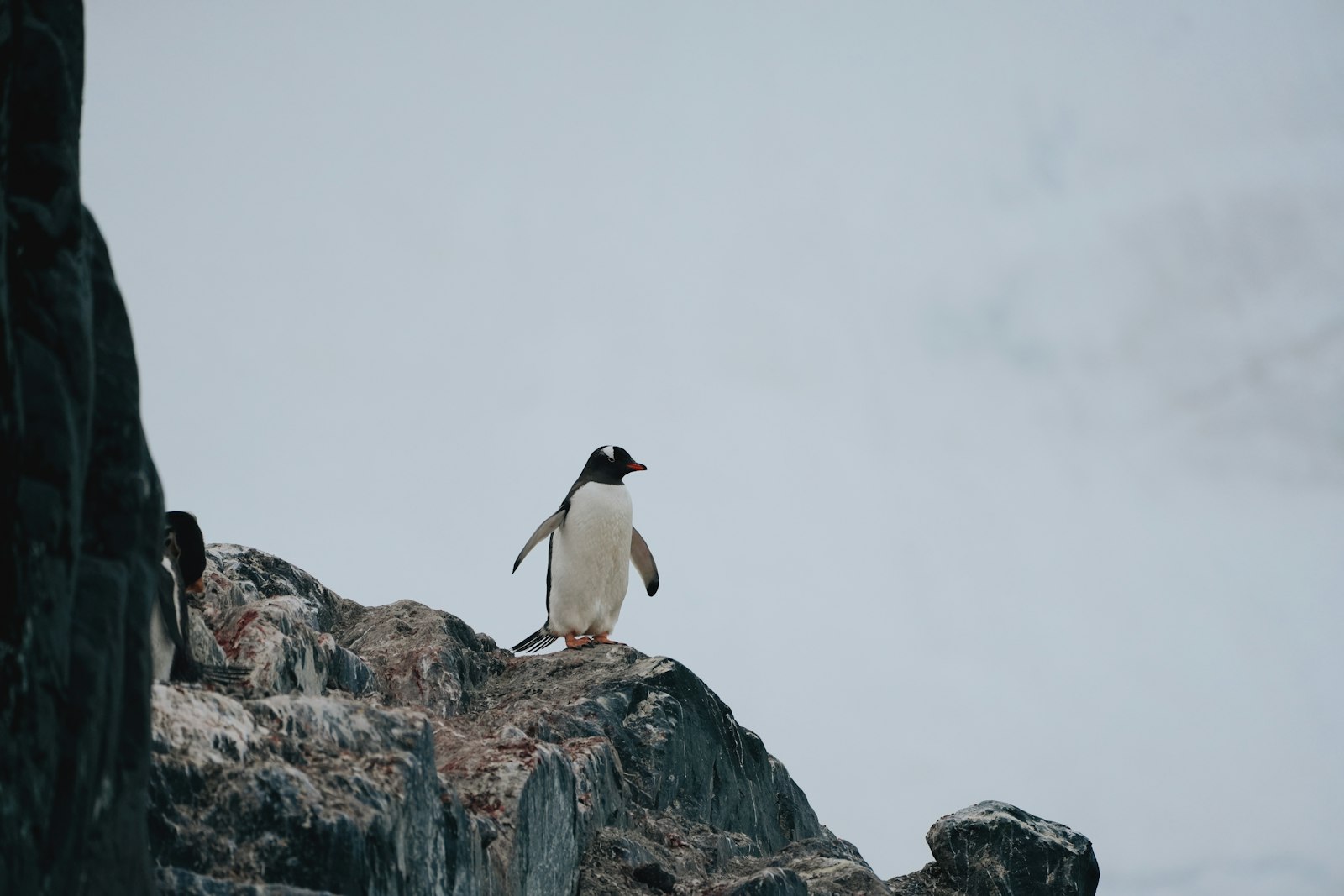
A stocky, orange-billed penguin of the genus Pygoscelis, closest kin to the Adélie and Chinstrap. Its loud, trumpeting call, delivered with head thrown back, carries across the shoreline colonies where expedition landings are made.
Wildlife
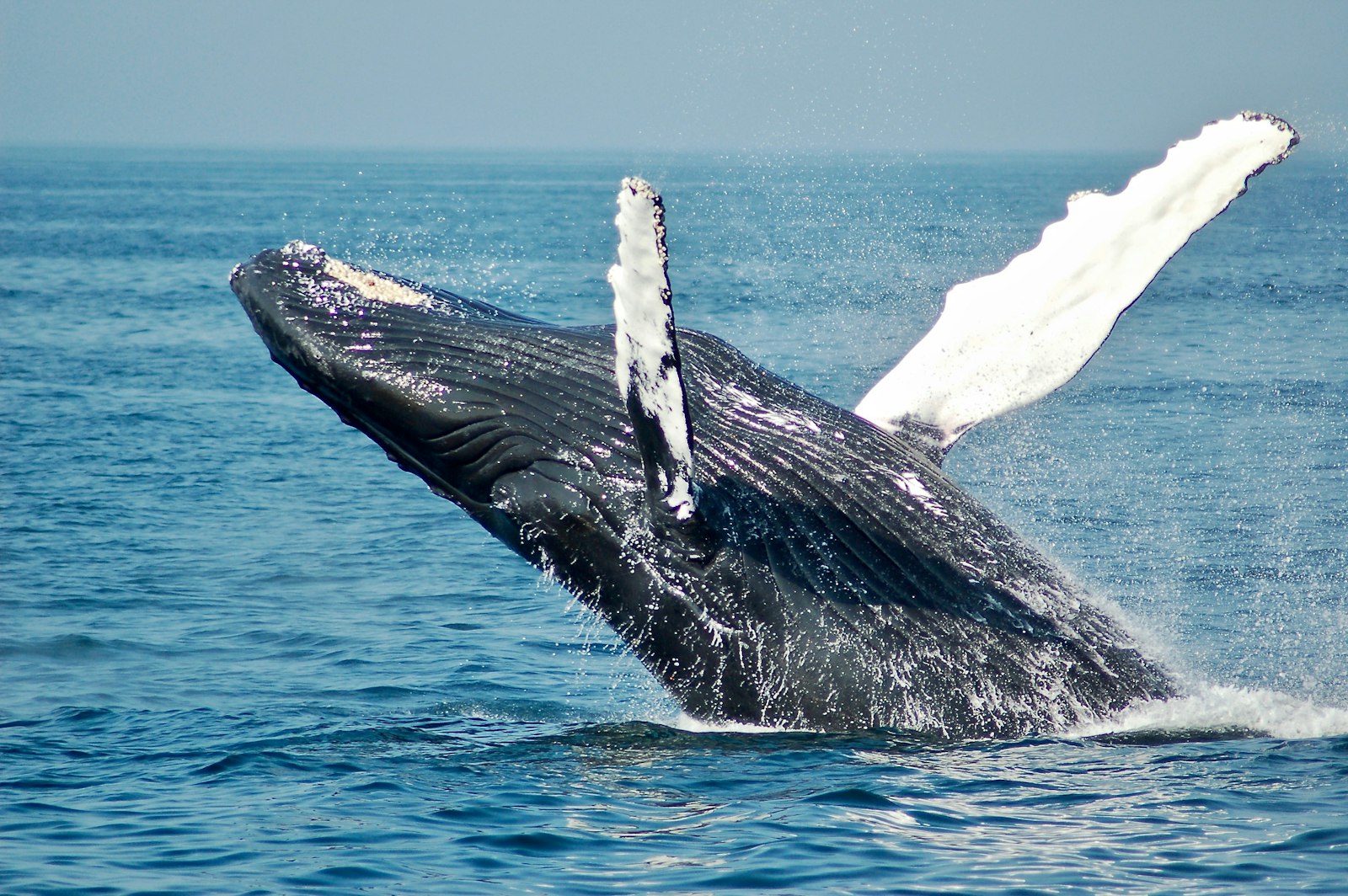
A 14–17 metre baleen whale known for breaching and long pectoral fins, often seen feeding on krill in loose groups along the ice edge.
Wildlife
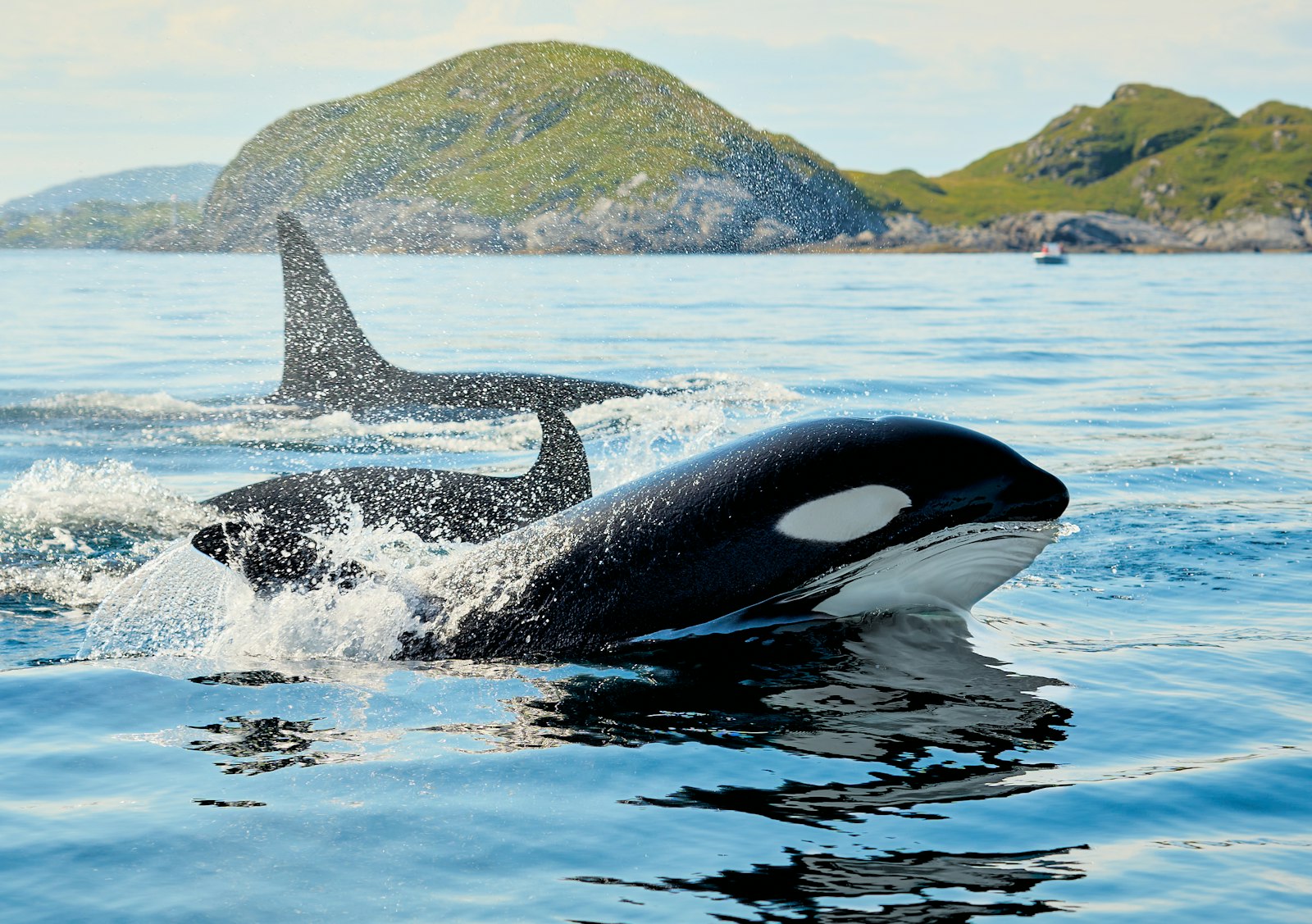
Black and white apex predator instantly recognizable by its pale eye patches, the orca is the largest of the dolphins and one of the ocean's most capable hunters. Sightings often involve a tight-knit family pod working the ice edge together.
Wildlife
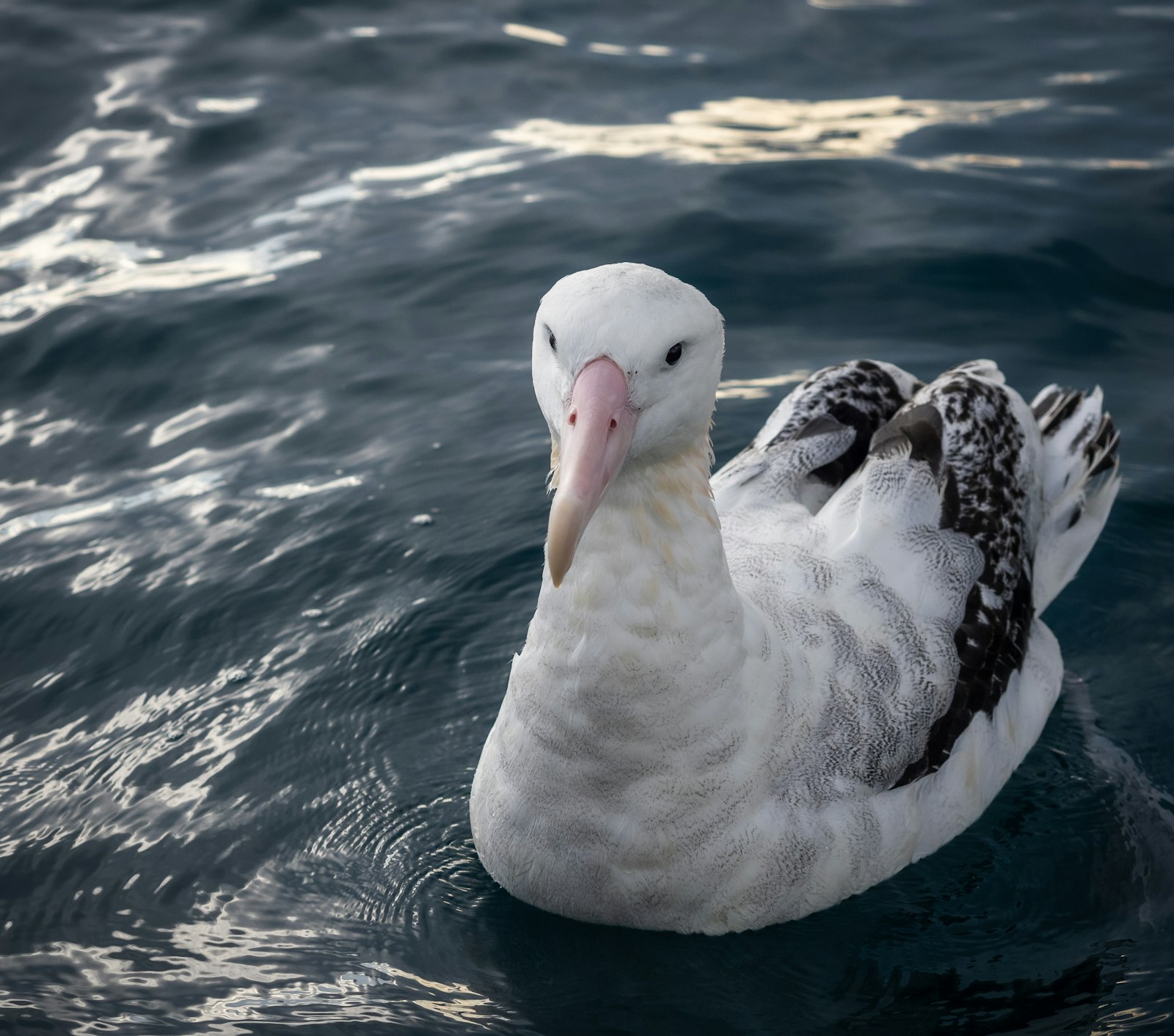
The snowy albatross, better known as the wandering albatross, has the widest wingspan of any living bird alive today. Watch for it riding the wind for hours behind the ship without a single wingbeat.