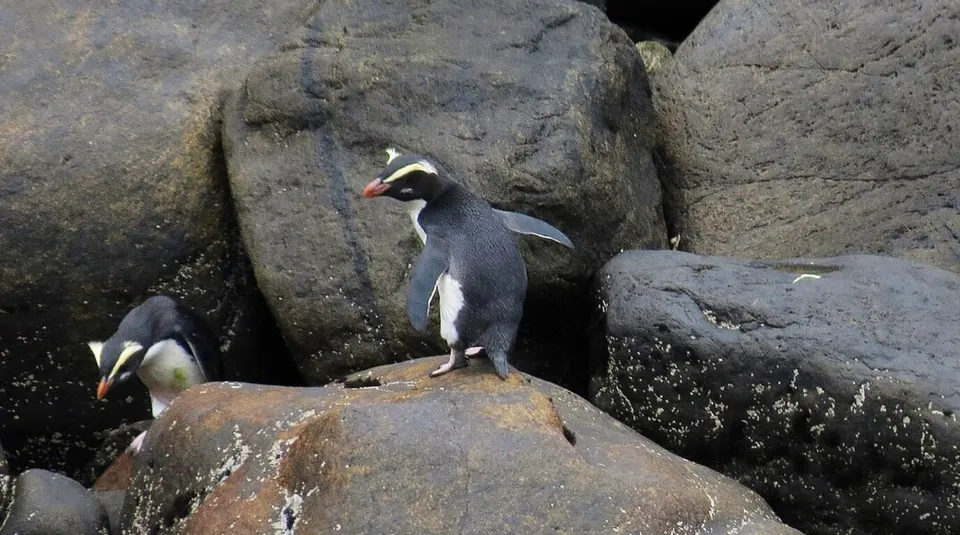
| Scientific name | Eudyptes pachyrhynchus |
|---|---|
| Conservation status | NT Near Threatened |
| Standing height | 55–60 cm |
| Weight | 2.5–5.0 kg |
| Primary diet | Arrow squid, krill & lanternfish |
| Diving & swimming | 5,000–7,000 km solo post-breeding trek |
| Did you know? | After raising chicks inside mossy temperate rainforest caves, satellite-tracked tawaki swim up to 6,800 km round-trip into sub-Antarctic Polar Front waters in just eight weeks before moulting. |
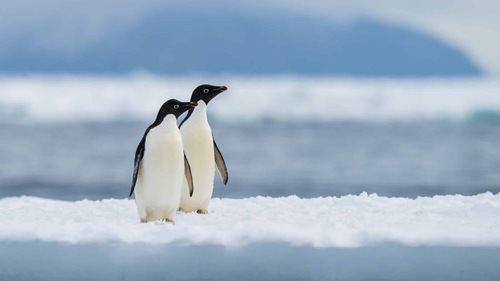
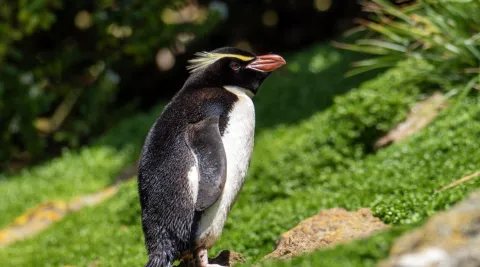
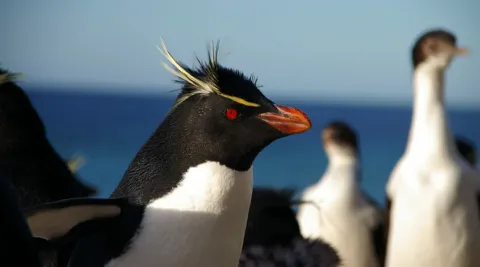
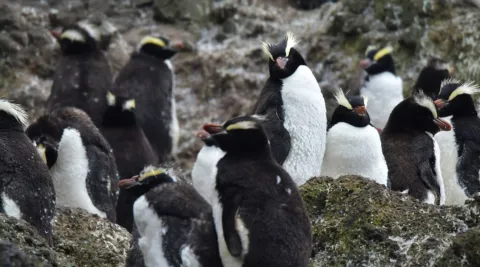
Known in Māori as tawaki, the Fiordland crested penguin is famous for trading ice and barren rock for temperate mossy rainforest, raising chicks inside root caves and fern hollows before dispersing across the sub-Antarctic Southern Ocean toward the Polar Front. Three to six pale white feather stripes across dark cheeks readily separate adults from Snares penguins.
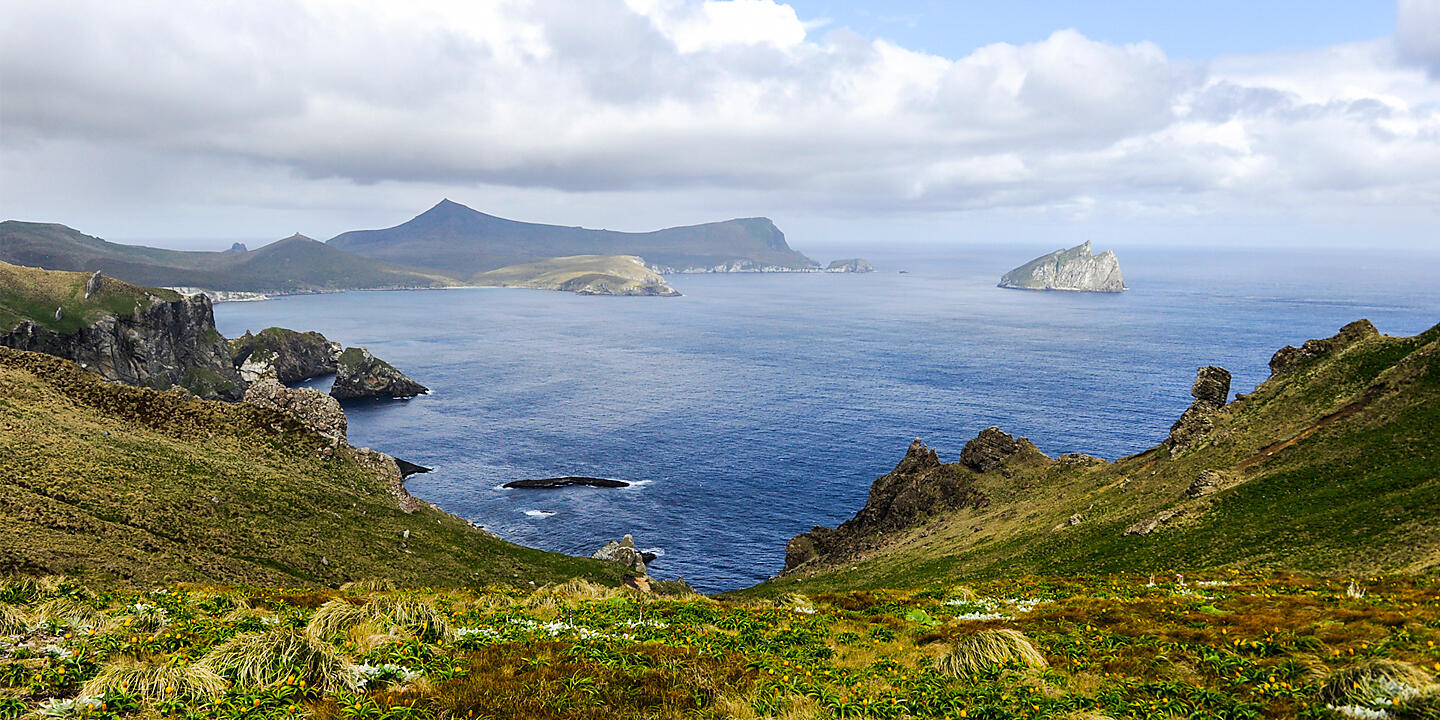
Ross Sea and New Zealand sub-Antarctic voyages departing Bluff or Invercargill occasionally encounter moulting or foraging tawaki around Stewart Island and the northern sub-Antarctic shelf early in the austral season.
When to Spot Fiordland Penguin (Oct–Mar)
Colonies build stone nests in November, hatch chicks across December–January, and fledge crèches into coastal waters during February.
Frequently asked questions about Fiordland Penguin
Browse all Antarctica expedition FAQsWhen is the best time to see Fiordland Penguin in Antarctica?
Peak sighting months for Fiordland Penguin are November, December, January. Colonies build stone nests in November, hatch chicks across December–January, and fledge crèches into coastal waters during February. See our penguin chick hatching calendar and Early vs Peak vs Late Summer guide.
Where can you spot Fiordland Penguin on an Antarctica cruise?
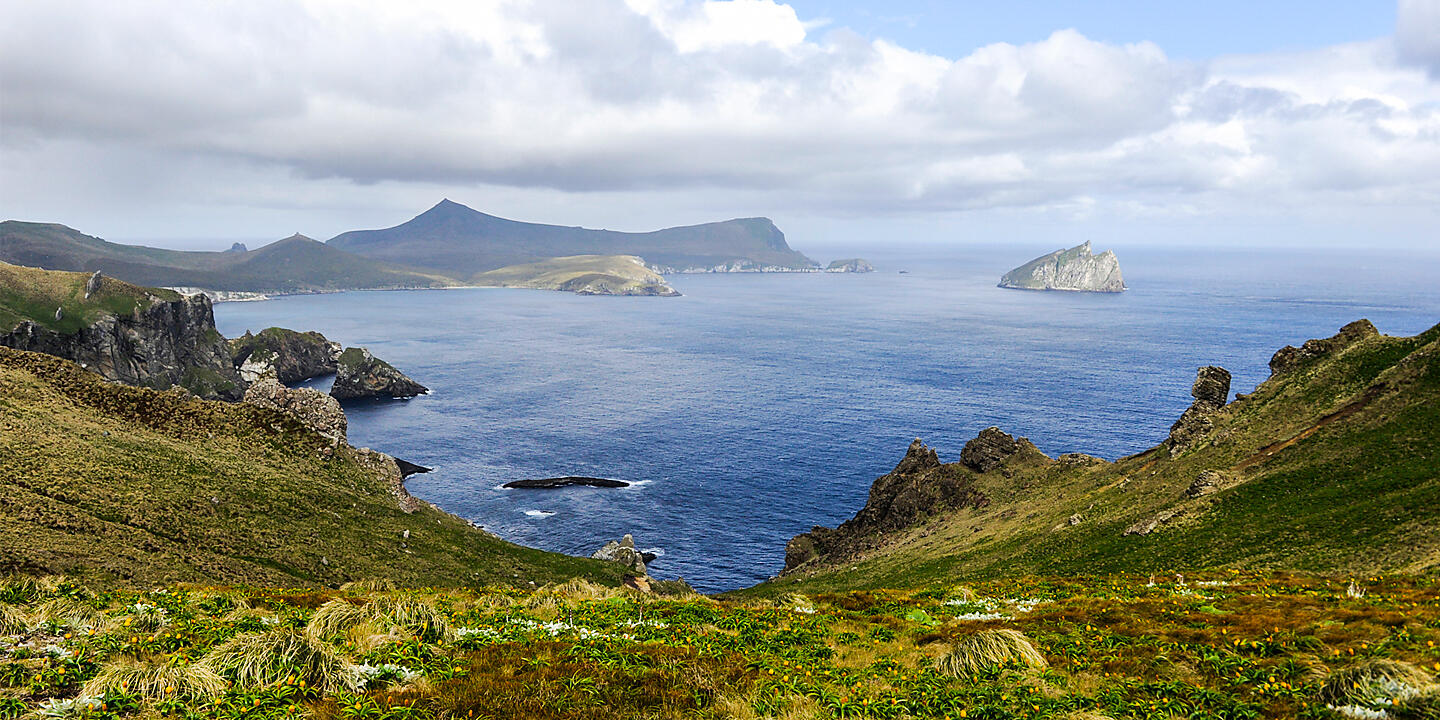
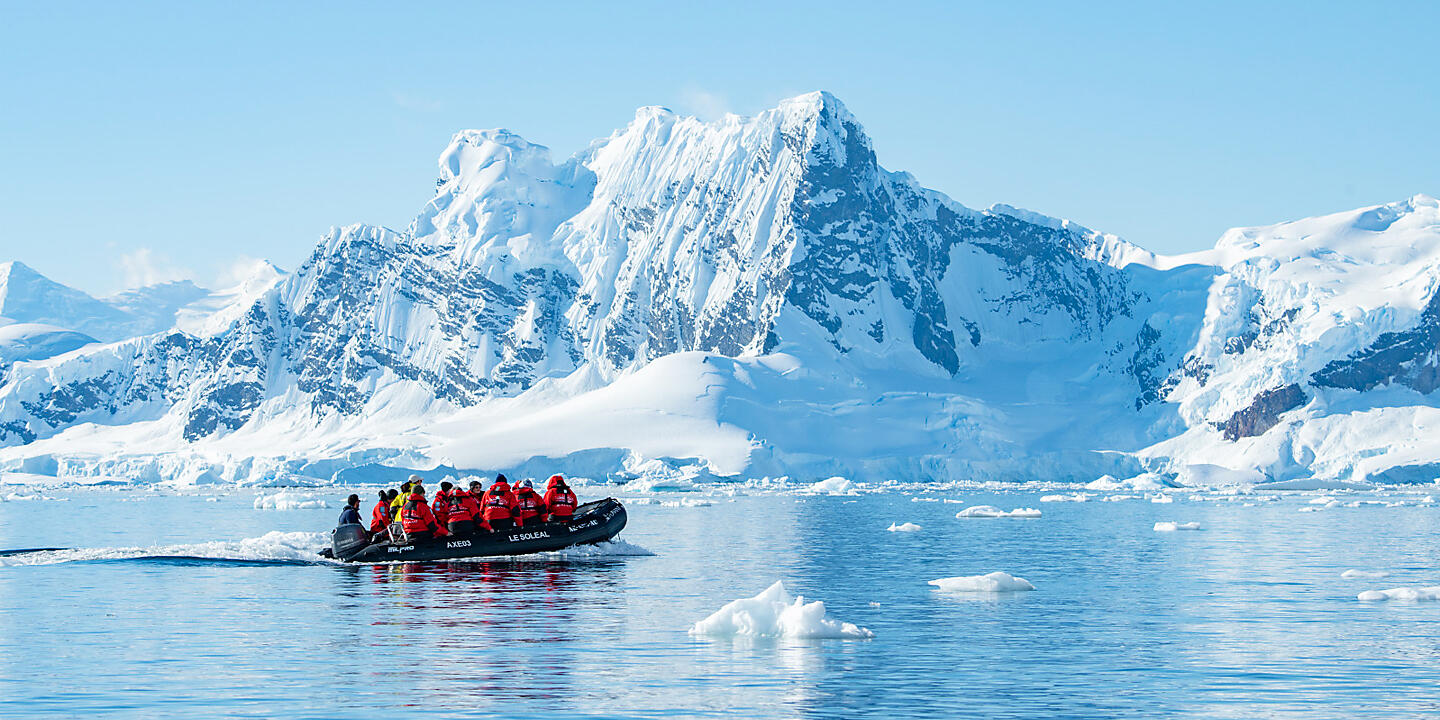
Fiordland Penguin (Eudyptes pachyrhynchus) is primarily encountered in Auckland Islands, Campbell Island, with 9 upcoming expedition departures visiting these habitats. Key field traits: diet of Arrow squid, krill & lanternfish; Diving & swimming: 5,000–7,000 km solo post-breeding trek. Learn how daily Zodiac excursions and shore landings work.
How close can you approach Fiordland Penguin under IAATO rules?
Under mandatory IAATO wildlife distance and biosecurity rules, visitors ashore must keep at least 5 metres (15 feet) from Fiordland Penguin, give birds the right of way on colony trails, and never kneel or place gear on the snow. If a curious penguin walks closer on its own, remain still and let it pass. See our recommended camera lenses (70–200mm / 100–400mm).