Day 1
— Arrive in Punta Arenas, Chile
Your adventure begins in Punta Arenas, Chile, the most populated city in southern Patagonia. If you arrive early, there are many museums, restaurants and shops to keep you busy for days. By early afternoon, a Quark Expeditions representative will meet you at the official starting point hotel, where you’ll enjoy a welcome dinner and be briefed on preparations for your embarkation day.
Day 2
— Fly to King George Island and Embarkation
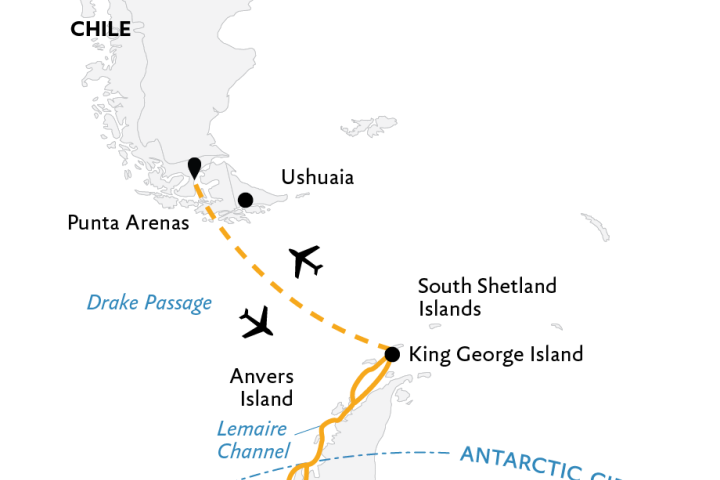
Your charter flight from Punta Arenas to Antarctica enables you to cross the legendary Drake Passage in only two hours, while far below your ship will approach King George Island for your arrival. Your first glimpse of dramatic Antarctic landscapes will be from a unique perspective, as your plane descends for landing in the South Shetland Islands. After landing, make your way to the shore, before being transferred by Zodiac to your ship to set sail for the Antarctic Peninsula!
Day 3 to 5
— Antarctic Peninsula and South Shetland Islands
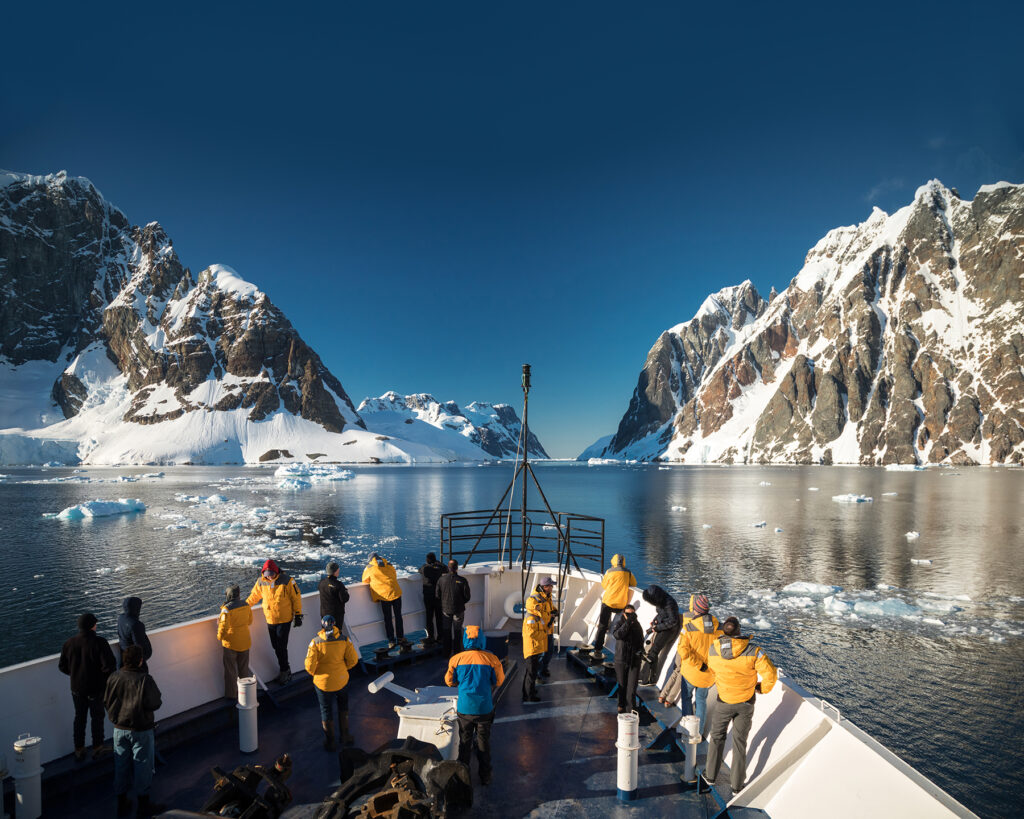
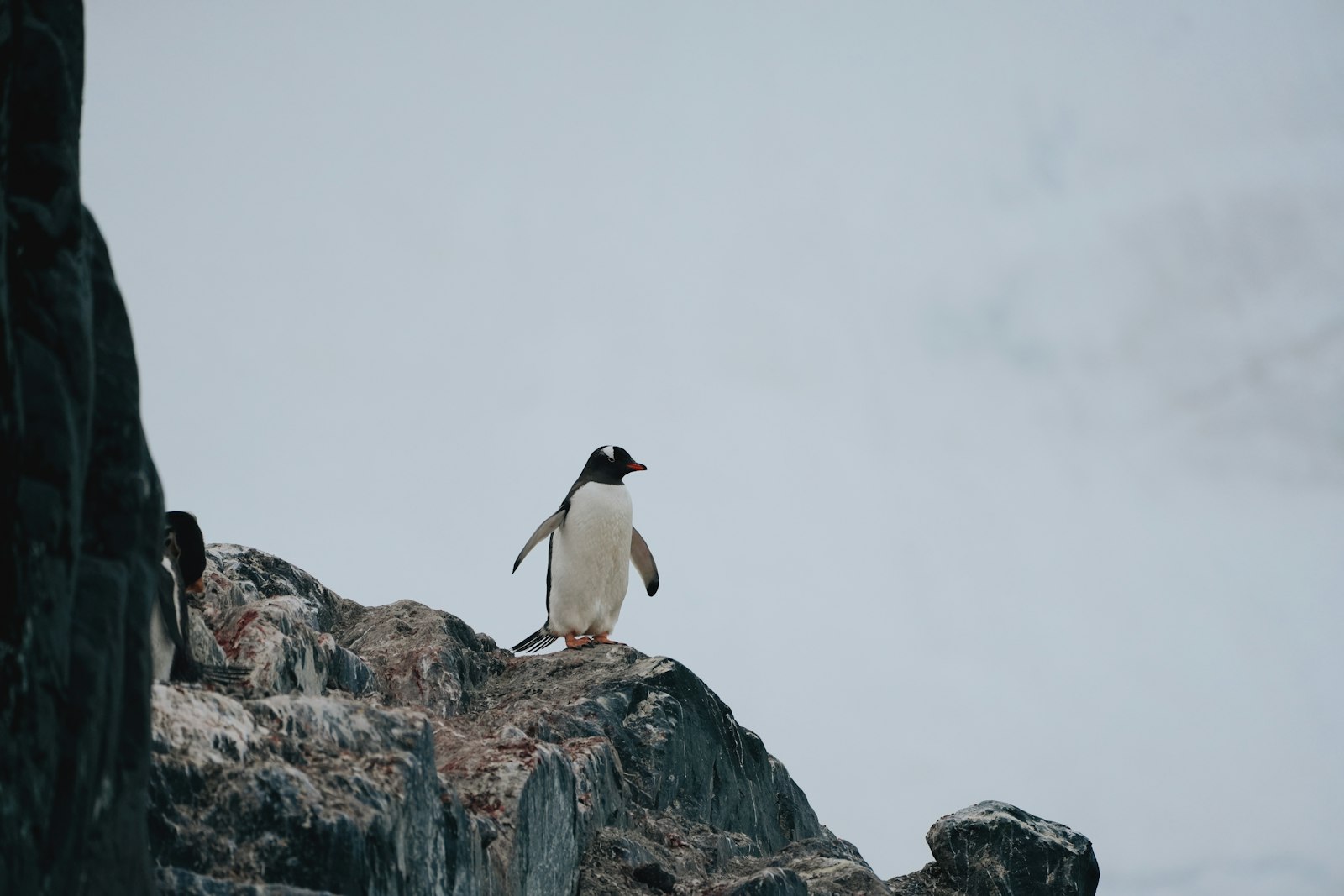
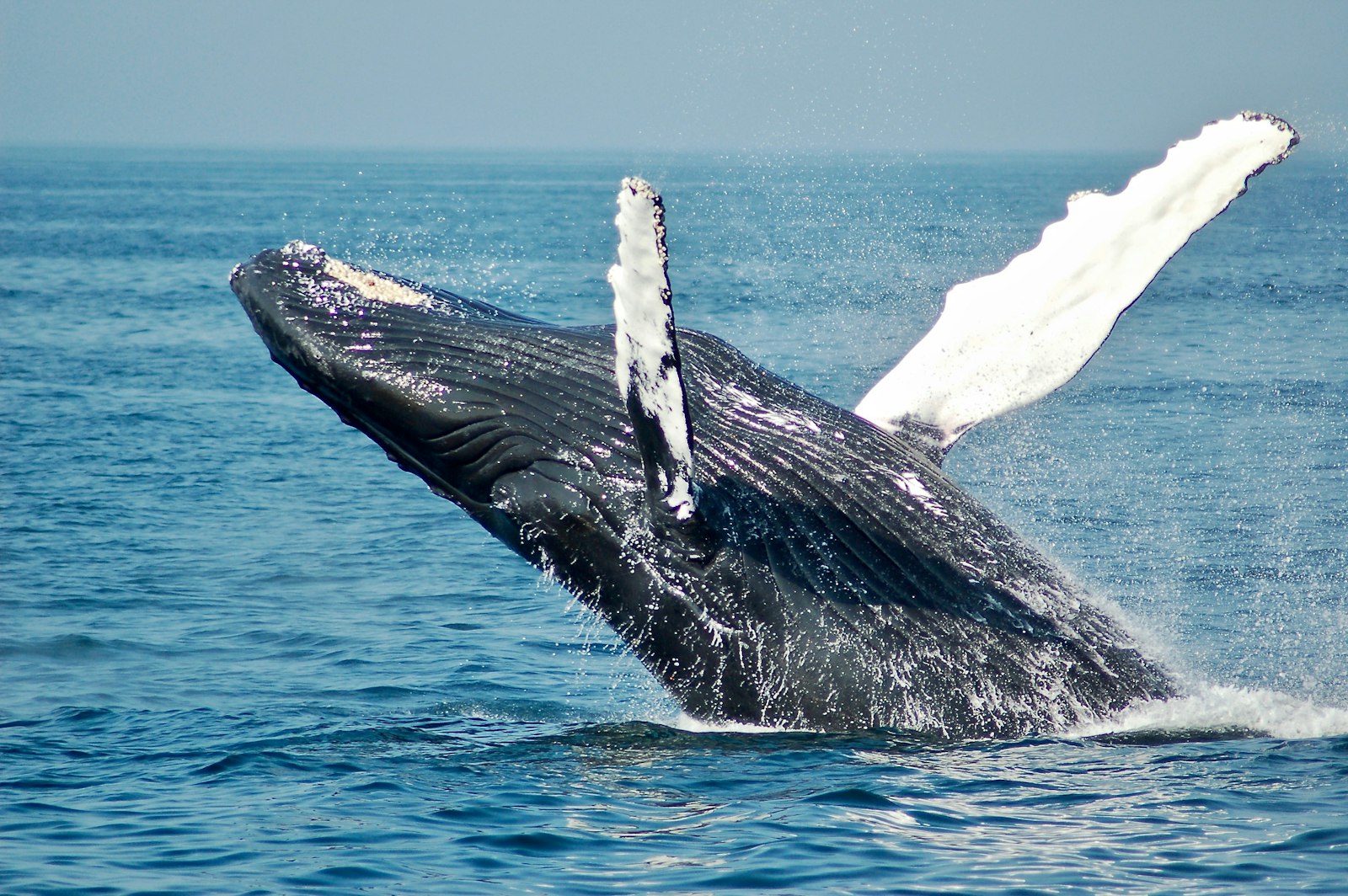
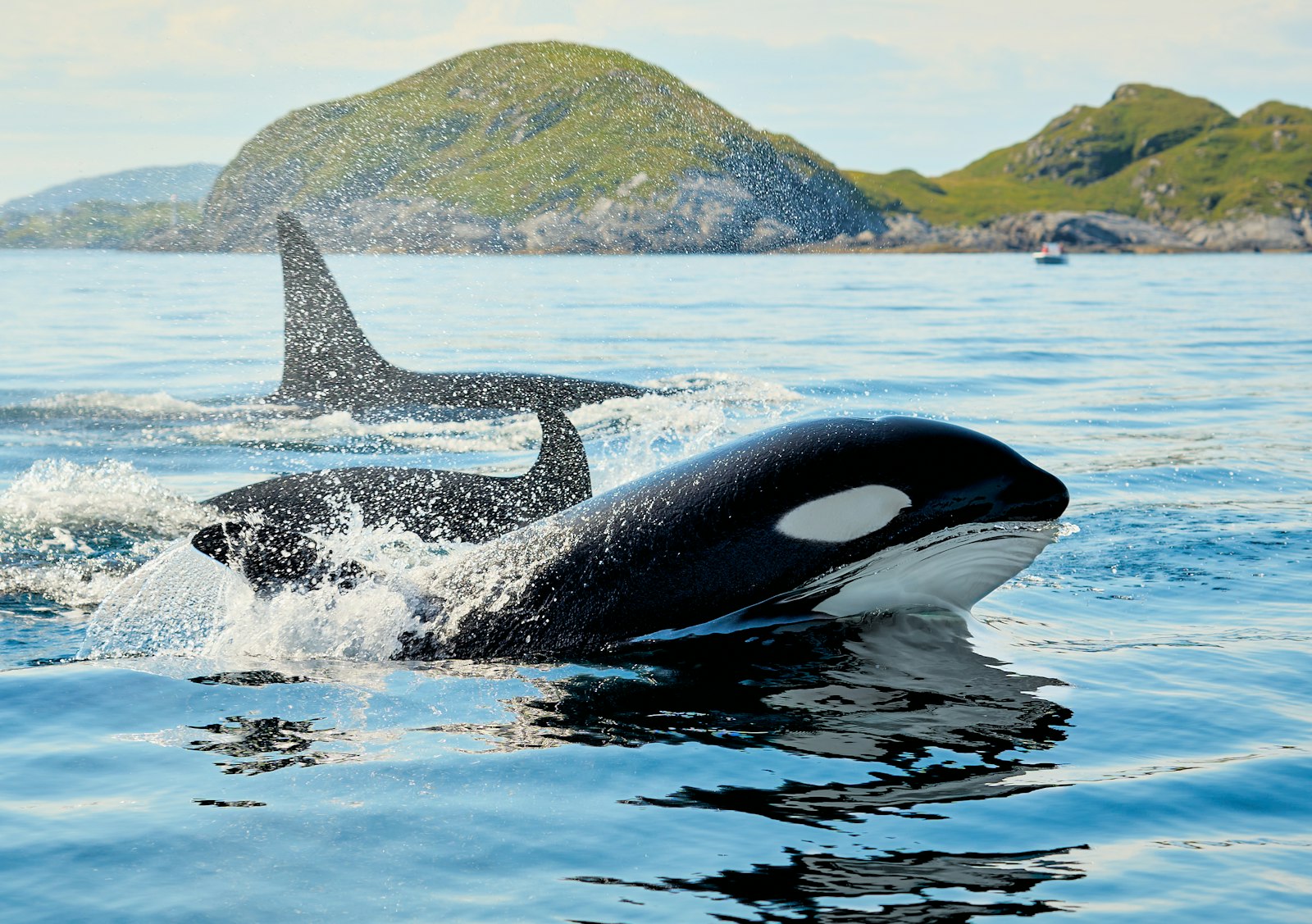
There are few places in the world as evocative as Antarctica. The Antarctic Continent is indescribable and can only be fully appreciated through your own eyes.Even more exciting are your land excursions. Your first Zodiac landing is something you’ll never forget! Setting foot on a beach inhabited by thousands of penguins is the most intimate way to experience the unique wildlife of Antarctica.Each landing is different and dependent on weather, but every day presents new sightings and photo opportunities, and it won’t be long before you can tell the difference between an Adélie, gentoo and chinstrap penguin.You may take a Zodiac cruise in search of whales and icebergs one day, followed by a hike to a penguin rookery the next day. From the booming sound of a calving glacier to the thrill of spotting apex predators like leopard seals and orcas in action, you’ll wake up early and welcome each day with a sense of adventure and a desire to explore this unrivaled wilderness experience.Your Expedition Team will accompany you along the way, ensuring safety and providing insights into the places you visit. Our expert education team will also provide in-depth explanations of the glaciology, history and wildlife of the region.
Day 6 & 7
— Antarctic Circle
Crossing the Antarctic Circle is both a memorable experience and impressive achievement, as few travelers reach so far south. If conditions allow us to cross this famed latitude of 66°33 ́ S, we’ll toast the first explorers who ventured here, and you can raise a glass and take pride in knowing you’ve made it to a part of the world visited by very few people. This is raw Antarctica, home of the midnight sun, Weddell seals, and your best chances of encountering sea ice – the foundation of the Antarctic marine ecosystem.
Day 8 & 9
— Northbound Along the Peninsula
If you haven’t had your fill of Antarctic wildlife and icebergs by now, you’ll surely be satisfied by the time you return to King George Island. You will continue to explore by Zodiac or on land as you travel north along the western Antarctic Peninsula.Your Expedition Team will always be on the lookout for species of seabirds, seals and whales that may have eluded you on your journey south.
Day 10
— Disembarkation and Fly to Punta Arenas
After your week of exploration, you’ll say goodbye to your Expedition Team and disembark at King George Island. Your two-hour flight across the Drake Passage to Punta Arenas, Chile, brings your adventure to an end. After your group transfer to the hotel, you are free to explore and enjoy an evening on your own, in the city or at the hotel to reminisce about the sights and sounds of Antarctica.
Day 11
— Depart Punta Arenas
After breakfast, you are welcome to continue on your own travels or make your way to the Punta Arenas airport for your homeward flights.
Les prix sont relevés sur les sites des opérateurs et peuvent changer — le site de l'opérateur fait foi.
Relevé le août 22, 2026 06:37 UTC.