Antarctica Unlocked

1 000 départs auprès de 14 opérateurs et 39 navires

← Tous les départs

Antarctic Peninsula: A Rare Exploration of the Weddell Sea

Disponible

Antarctic Peninsula: A Rare Exploration of the Weddell Sea
Carte de l'itinéraire — Antarctic Peninsula: A Rare Exploration of the Weddell Sea
Carte de l'itinéraire
OpérateurQuark Expeditions
NavireOcean Explorer
Taille du navire138 passagers
Départdéc. 18, 2027
Retourdéc. 29, 2027
Durée12 jours
EmbarquementUshuaia, Argentina
RégionsPassage de Drake · Îles Shetland du Sud · Détroit Antarctique · Mer de Weddell

Itinéraire

⚓ Ushuaia ⚓ South Shetland Islands ⚓ Joinville Island ⚓ James Ross Island ⚓ Ushuaia
Zodiac CruisingHikingPhotographyPolar PlungePresentations

Activités optionnelles

Sea Kayaking Paddling Excursion Guided Photography

Jour par jour

Day 1 — Arrive in Ushuaia, Argentina

You may arrive in Ushuaia at any time on Day 1. Many guests choose to arrive a day or two before embarkation day to explore this quaint port city at the bottom of South America, and the surrounding region. Based on the arrival information you send in advance, we will arrange for a transfer from the airport to your hotel.

Day 2 — Embarkation

Embarkation will occur in the late afternoon, after which your vessel will sail down the historic Beagle Channel, transecting the Tierra del Fuego archipelago in the extreme south of South America. Expect an air of anticipation as you depart—the next time you see land, you’ll be at the world’s most southern continent.

Day 3 & 4 — At Sea: Crossing the Drake Passage

You have many options of activities during the 800-km (500 mile) Drake crossing. As you gain your sea legs, our Expedition Team will begin their series of presentations to help prepare you for your upcoming Zodiac and land excursions. You officially enter Antarctica when your ship crosses the Antarctic Convergence, a boundary that f luctuates around 60° south. This is also a great opportunity to meet your fellow travelers—many of whom will become friends by the voyage end.

Day 5 to 9 — Antarctic Sound and the Weddell Sea

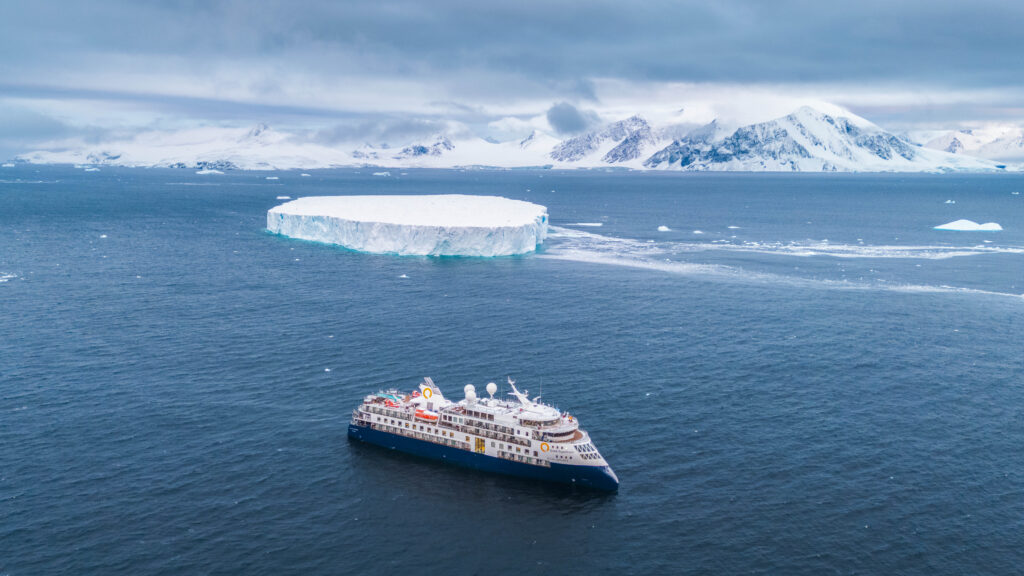
One word best describes the Weddell Sea and Antarctic Sound: immense. That applies equally to the ice formations, penguin colonies, and vast stretches of sea. In Antarctic Sound and the Weddell Sea, we will encounter massive tabular icebergs. These bergs don’t calve from tidewater glaciers but from ice shelves— and many will dwarf Ocean Explorer. Some in the Weddell Sea reach the size of a football field or larger. Their smooth, tabletop-flat surfaces reflect the ocean beneath: flat seas yield flat ice. Ice shelves stretch from land into the sea. In the northwest corner of the Weddell Sea, penguin colonies can number in the tens of thousands. For travelers seeking Adélie penguins, Antarctic Sound and the Weddell Sea offer prime viewing of this iconic species—the most southerly breeding penguin, and possibly bird, on Earth (though snow petrels, prevalent here, are also a contender for that crown). Gentoo penguins are found here too, and you’ll have chances to spot chinstraps. The legendary Snow Hill Emperor colony lies in this region; while we won’t reach it, we may encounter individual members on the ice. The Weddell Sea is less visited than the Gerlache Strait, not for lack of beauty, but due to its ever-shifting ice. On this voyage, we’ve added an extra day in this area—time enough for a true adventure into this endless wilderness, and to ensure we can fully embrace the dance with the ice. In the Weddell Sea, penguins are our priority—but ice will guide our course. Alongside towering tabular icebergs, we’ll likely encounter vast stretches of sea ice, more than on the Peninsula’s west side. Your Expedition Team and bridge officers will track charts and forecasts, seeking openings to navigate toward the region’s highlights, and intentionally visiting the ice edge to maximize our time in this remarkable environment. Our route will be shaped by sea ice and weather, but every destination— whichever we visit first or last—will be exceptional, evoking words like profound, humbling, and surreal. We’ll make every effort to visit large Adélie penguin colonies—at Brown Bluff, Paulet Island, or Tay Head—ranging from 20,000 to several hundred thousand penguins, including gentoo. Photos and documentaries can’t match the experience of standing before tens of thousands of penguins. The sounds alone—partners calling, chicks crying for parents, wind and waves against the shore, and the distant crack of calving glaciers—create an acoustic landscape of pure wildness. Add the sight of a penguin-covered landscape, and you have an encounter that’s impossible to replicate. The currents of Antarctic and Active sounds are mesmerizing. While you’re in a Zodiac, you may observe ice—large and small—flowing through narrow straits at several kilometers per hour, a raw display of the power of water. From shore, you may glimpse or sense the ice’s movement. Your Zodiac may pass through open water, while your return ride could weave among drifting floes, crackling brash, and scattered bergy bits. The Weddell Sea is known for superb birdwatching—especially cape, snow, and southern giant petrels—and the chance to spot Weddell, crabeater, or leopard seals onshore or catching rides on the drifting ice. Sightings may occur near Adélie colonies or at sites like Kinnes Cove and Active Sound. When ice opens in the Weddell Sea’s northwest, whales follow—lured by the feeding opportunities. Humpbacks and minkes are most common, with occasional killer whales. Conditions may also allow us to explore areas frequented by fin whales, and possibly southern rights. For historians, the Weddell Sea brims with stories—from Shackleton’s legendary Endurance survival and Nordenskjöld’s gallows-humored ordeal on Antarctic to far older histories told by the 60-million-year-old fossils on The Naze, Vega Island, and Cockburn Island. Fossils are discovered here partly because large areas remain relatively snow-free. Volcanic activity has painted these sites—as well as Brown Bluff on the Peninsula’s mainland—in rich reds, burnt oranges, and chocolate browns. In a landscape dominated by white, gray, and blue, these colors add a vivid layer to a region steeped in both human and ancient geological history. This itinerary offers the best of a polar expedition—soak in the vastness of the Weddell Sea and Antarctic Sound from your ship, then get up close to stunning geological formations by Zodiac or kayak.  
Day 10 & 11 — At Sea: Homeward-bound across the Drake Passage

The journey back across the 800-km (500 mile) Drake Passage provides final opportunities to enjoy the crisp Antarctic air, spend time on the outer deck watching for seabirds and whales, or attending one of our team’s expert-led polar presentations.

Day 12 — Disembark in Ushuaia

Your ship is scheduled to arrive in Ushuaia between 7 a.m. and 8 a.m. Once the ship has docked, you will bid farewell to your Expedition Team and shipmates before completing your disembarkation. You are then free to take advantage of the included transfer to the airport or, depending on the time of your flight, explore the town on your own and take a taxi to the airport later.

Offres de cabines

Cabine Occupation Prix (par personne) Promo Disponibilité Source
Triple SuiteMeilleur prix triple 15 177 $US Pay in full at time of booking & Save 5% disponible Quark Expeditions Voir chez l'opérateur
Deluxe Veranda Forward 16 954 $US Pay in full at time of booking & Save 5% disponible Quark Expeditions Voir chez l'opérateur
Veranda Stateroom 17 842 $US Pay in full at time of booking & Save 5% disponible Quark Expeditions Voir chez l'opérateur
Veranda Suite 18 892 $US Pay in full at time of booking & Save 5% disponible Quark Expeditions Voir chez l'opérateur
Studio Single single 24 464 $US Pay in full at time of booking & Save 5% disponible Quark Expeditions Voir chez l'opérateur
Penthouse Suite 25 836 $US Pay in full at time of booking & Save 5% disponible Quark Expeditions Voir chez l'opérateur
Studio Veranda Single single 26 482 $US Pay in full at time of booking & Save 5% complet Quark Expeditions
Owners Suite 27 613 $US Pay in full at time of booking & Save 5% disponible Quark Expeditions Voir chez l'opérateur

Les prix sont relevés sur les sites des opérateurs et peuvent changer — le site de l'opérateur fait foi. Relevé le août 22, 2026 06:37 UTC.

Vous préparez ce voyage ?

Tout ce qu'il faut emporter pour une expédition en Antarctique — une liste interactive à cocher au fil de vos préparatifs, à conserver via un lien personnel et à télécharger en PDF.

Ouvrir la liste de préparation

Faune sur cet itinéraire

Faune

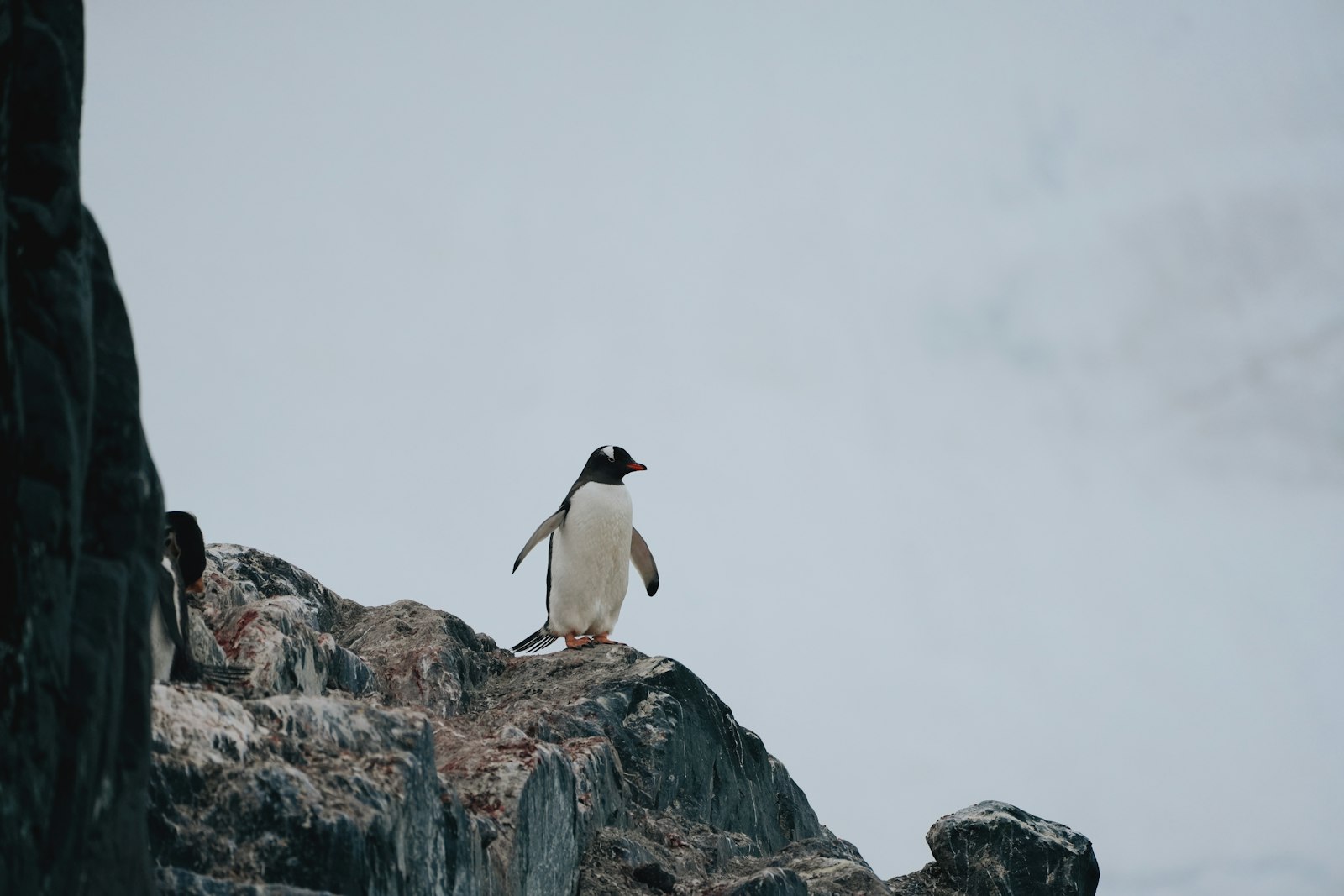
Manchot papou

Un manchot trapu au bec orange, du genre Pygoscelis, proche cousin de l'Adélie et du manchot à jugulaire. Son cri retentissant, poussé la tête renversée en arrière, résonne dans les colonies littorales où débarquent les expéditions.

Faune

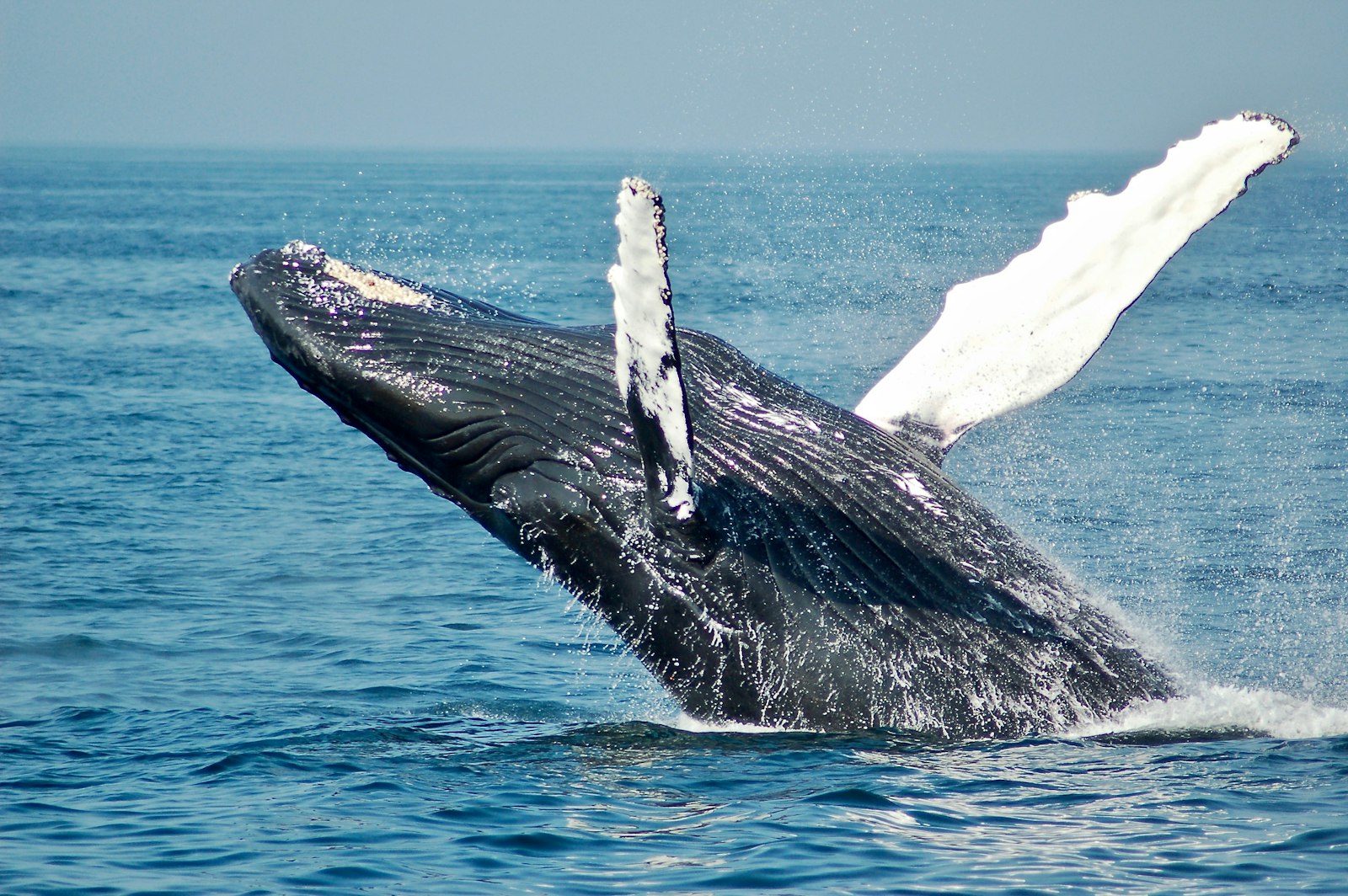
Rorqual à bosse

Une baleine à fanons de 14 à 17 mètres connue pour ses sauts et ses longues nageoires pectorales, souvent observée se nourrissant de krill en petits groupes le long de la banquise.

Faune

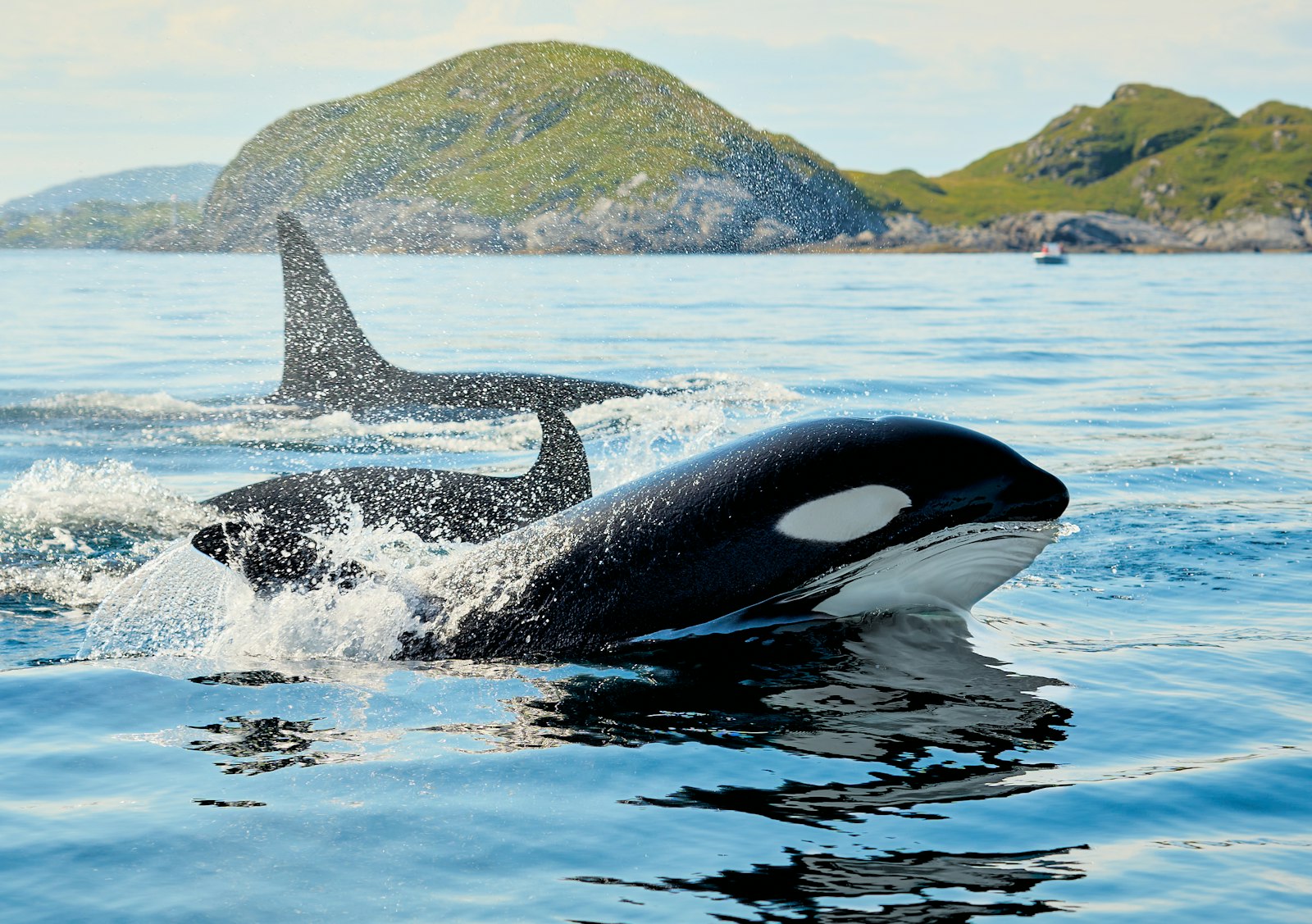
Orque

Prédateur noir et blanc reconnaissable entre tous à ses taches oculaires pâles, l'orque est le plus grand des dauphins et l'un des chasseurs les plus redoutables de l'océan. Les observations impliquent souvent une famille soudée travaillant ensemble le long de la banquise.

Faune

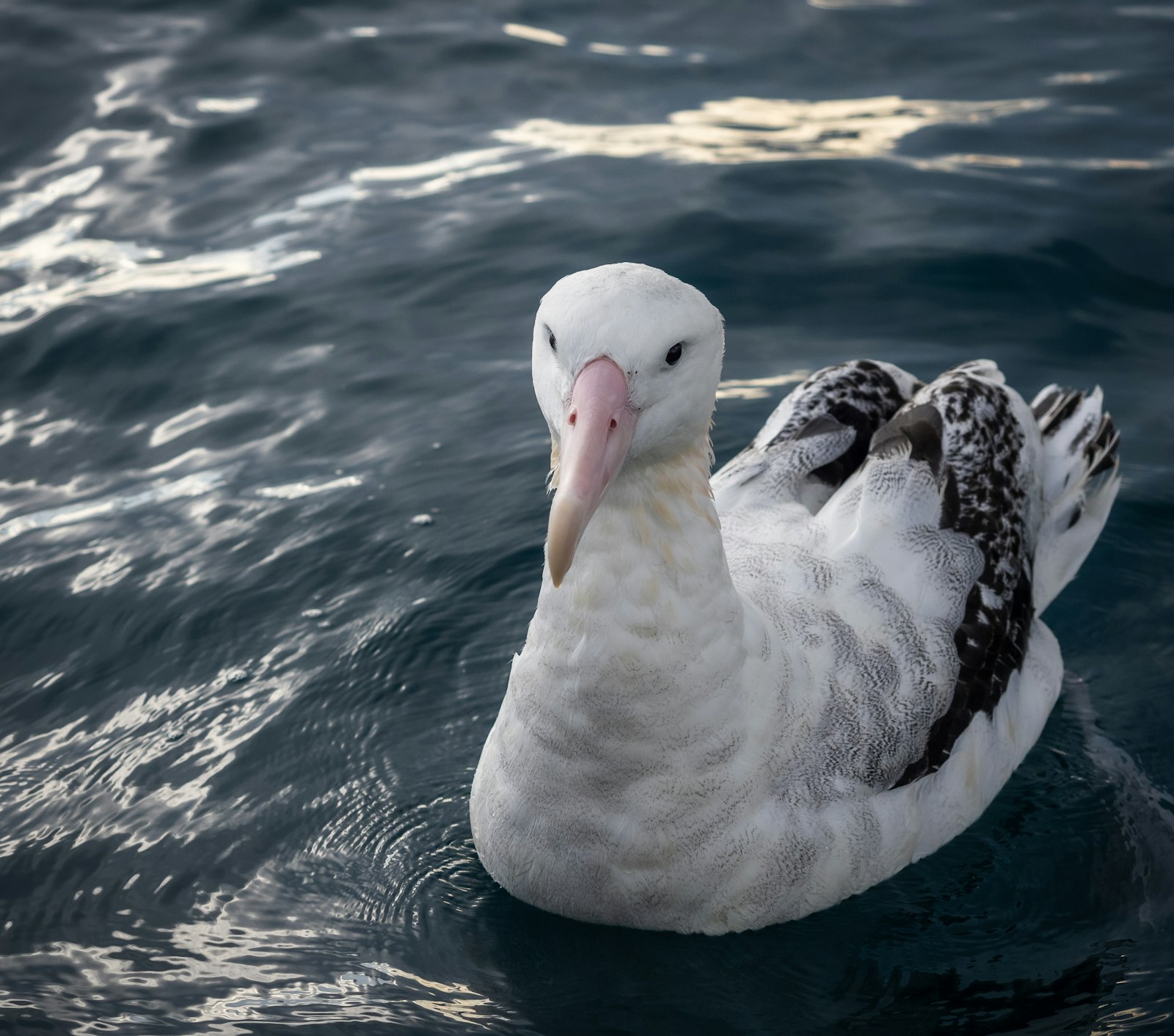
Albatros hurleur

L'albatros hurleur, plus connu sous le nom d'albatros errant, possède la plus grande envergure de tous les oiseaux vivants. Observez-le planer pendant des heures derrière le navire sans un seul battement d'aile.

15 177 $US par personne · Triple Suite · Quark Expeditions
Voir chez l'opérateur