Day 1
— Arrive in Buenos Aires, Argentina
Upon arriving in this cosmopolitan city, much celebrated for its architecture and rich European heritage, you will independently transfer to your group hotel (pre-expedition hotel night included in mandatory transfer package).
Day 2
— Fly to Ushuaia and Embark
After an early breakfast at the hotel, the group will transfer to the airport and board our private charter flight to Ushuaia, Argentina. Upon arrival, you will be transferred from the airport to a central downtown location to enjoy some time on your own to explore this quaint port town before making your way to the pier. After a late afternoon embarkation, you will sail along the historic Beagle Channel, which transects the Tierra del Fuego archipelago in the extreme south of South America. Expect an air of anticipation as you depart— the next time you see land, you’ll be in the remote Antarctic wilderness.
Day 3
— Crossing the Drake: A Polar Rite of Passage
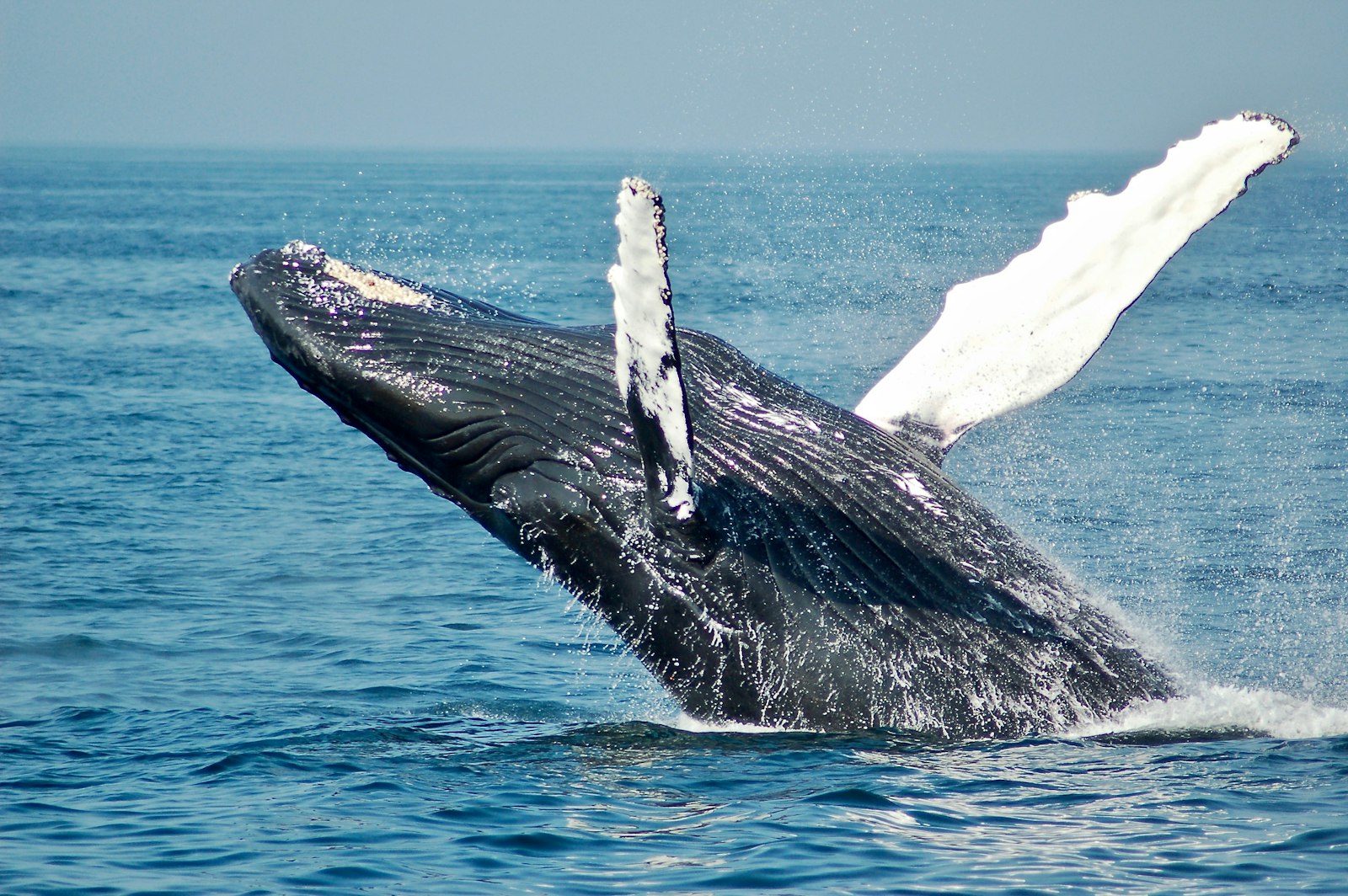
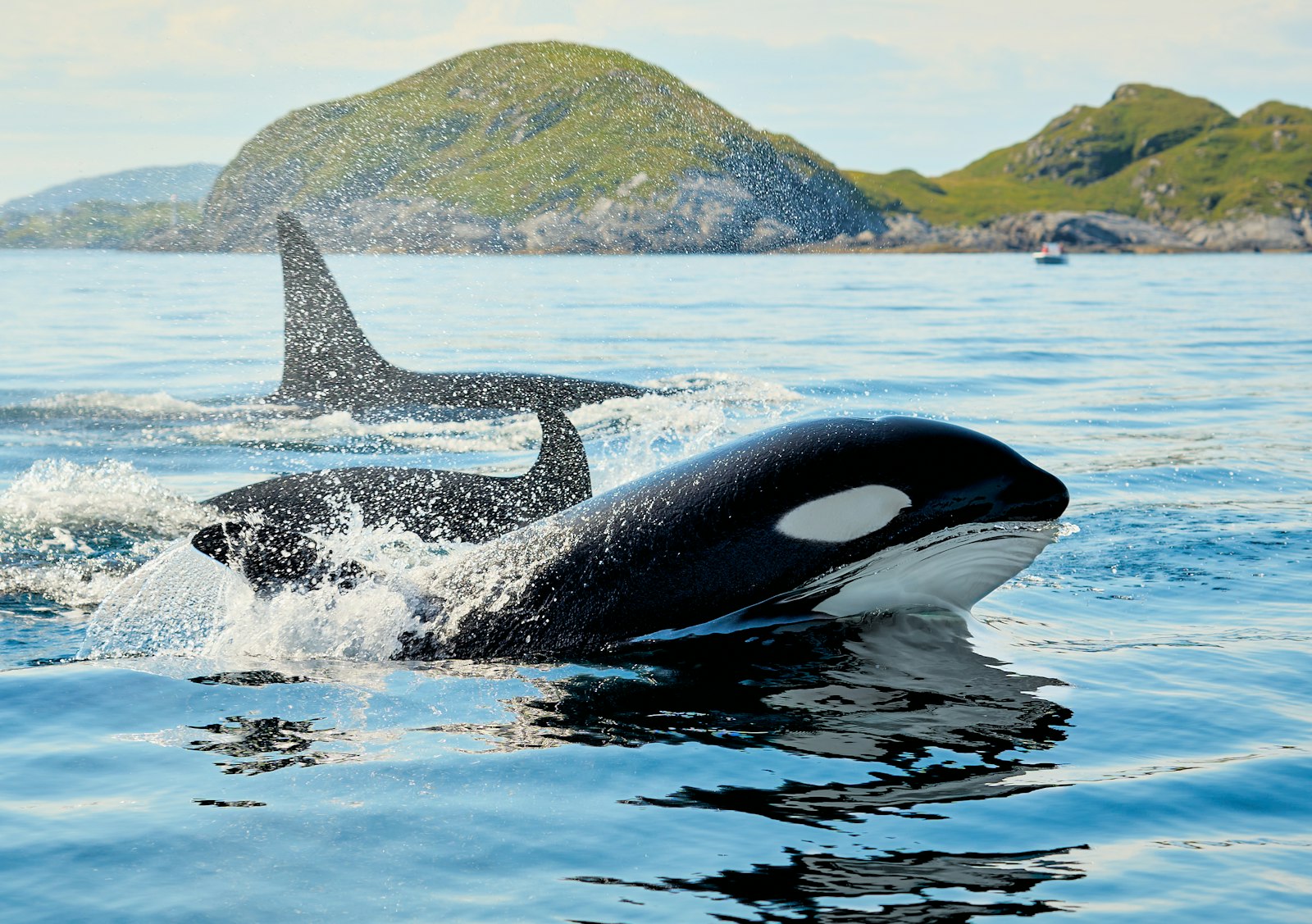
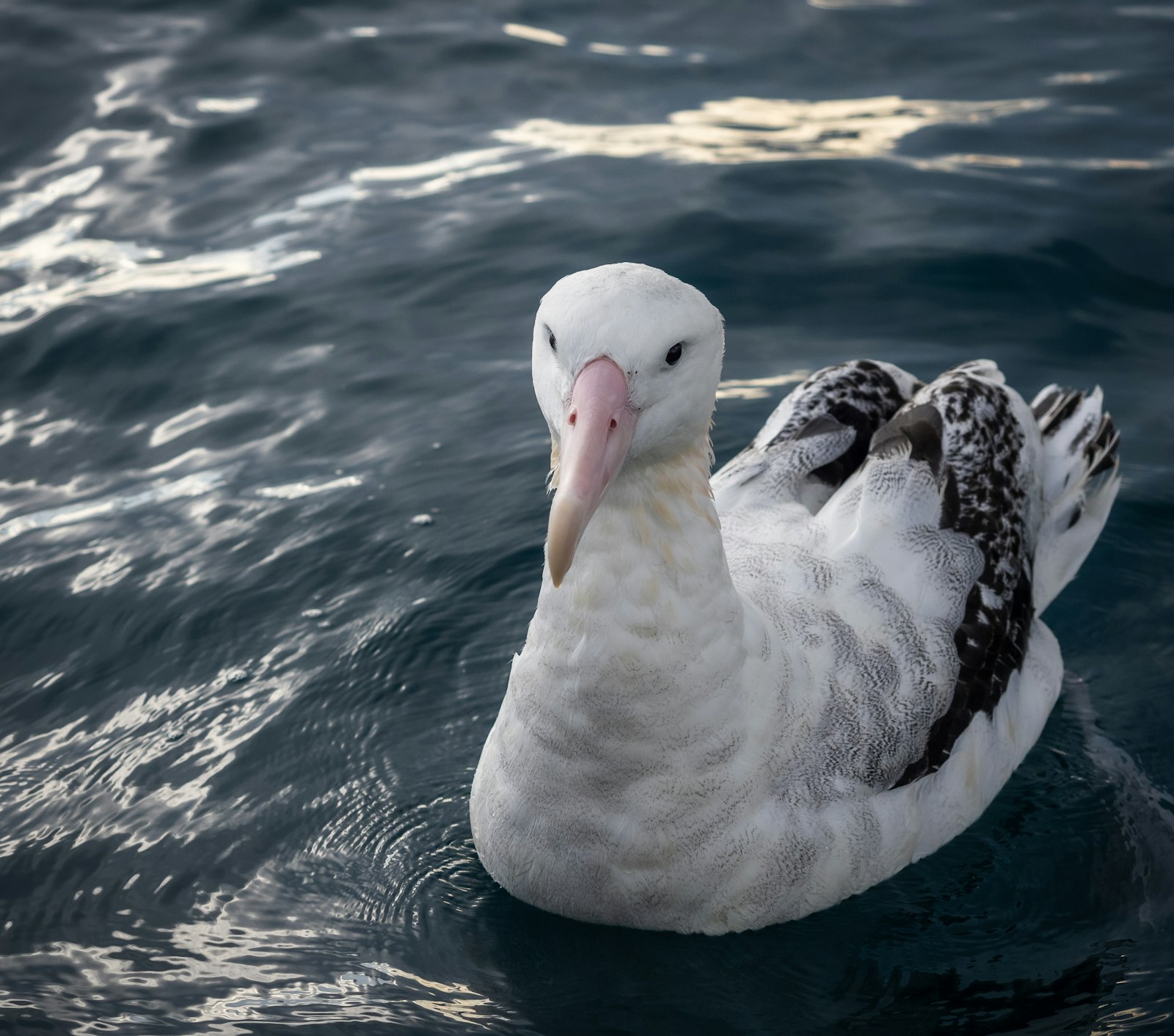
Crossing the legendary 800-km stretch of water is a must-do for many travelers. Prepare yourself for dramatic seascapes as you stand on the deck of Ultramarine and gaze at the water stretching beyond the distant horizon. Be on the lookout fo dolphins, whales, and seabirds, especially albatrosses, petrels and skuas as they glide over the sometimes rough waters. As the ship approaches the Antarctic Peninsula, keep your eyes peeled for your first glimpse of towering, multi-shaped icebergs.
Day 4
— At Sea With Polar Experts
Today we cross the Antarctic Convergence, moving into the biological Antarctic, where the warmer waters of the sub-Antarctic meet the cold Antarctic. Your days at sea are filled with presentations led by your Expedition Team on photography, wildlife, glaciology, and history. In between presentations, spend time on deck looking for wildlife or chatting with your shipmates over a drink at the bar.
Day 5 to 9
— Explore the Weddell Sea by Water, Land, & Air
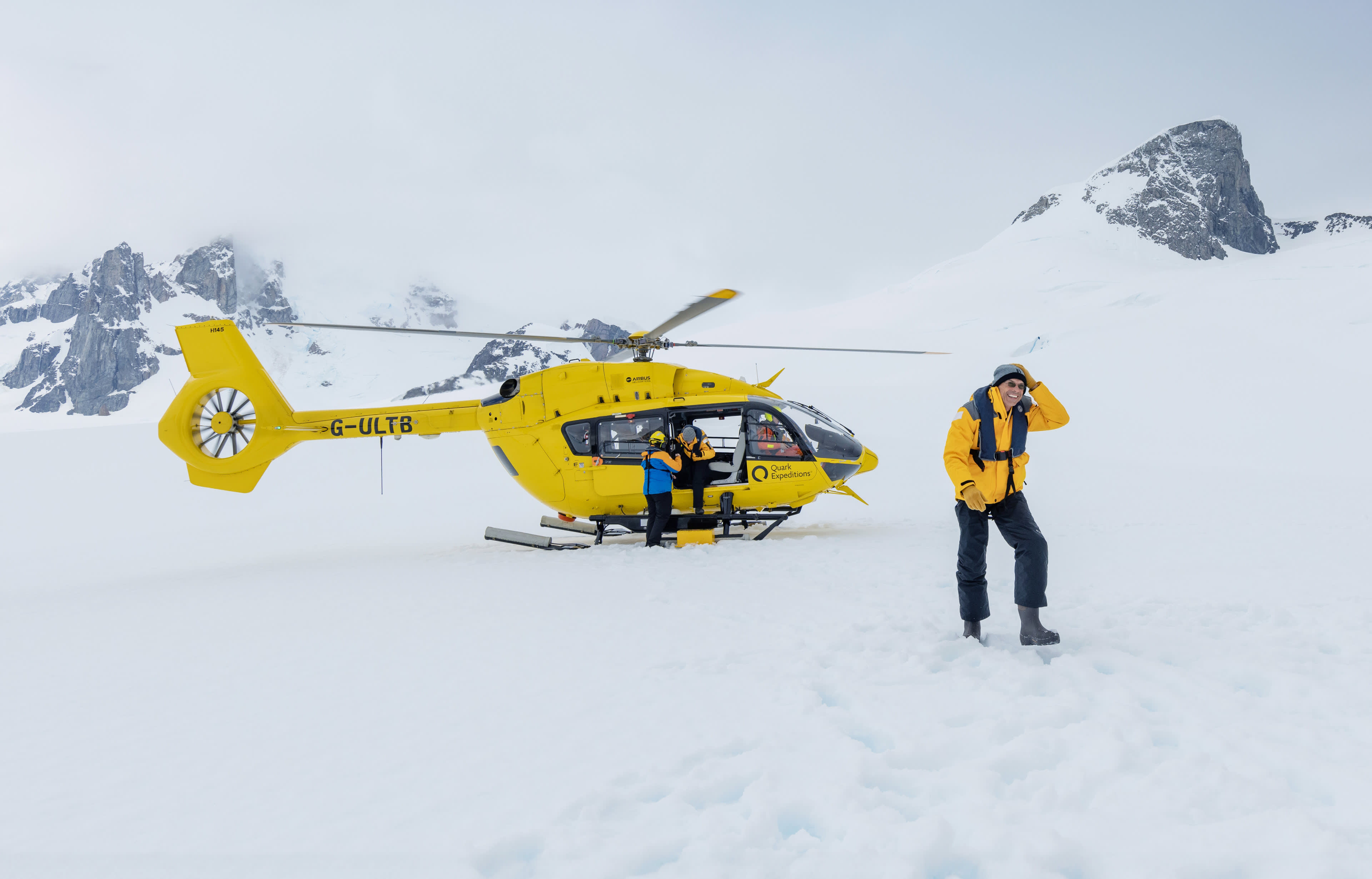
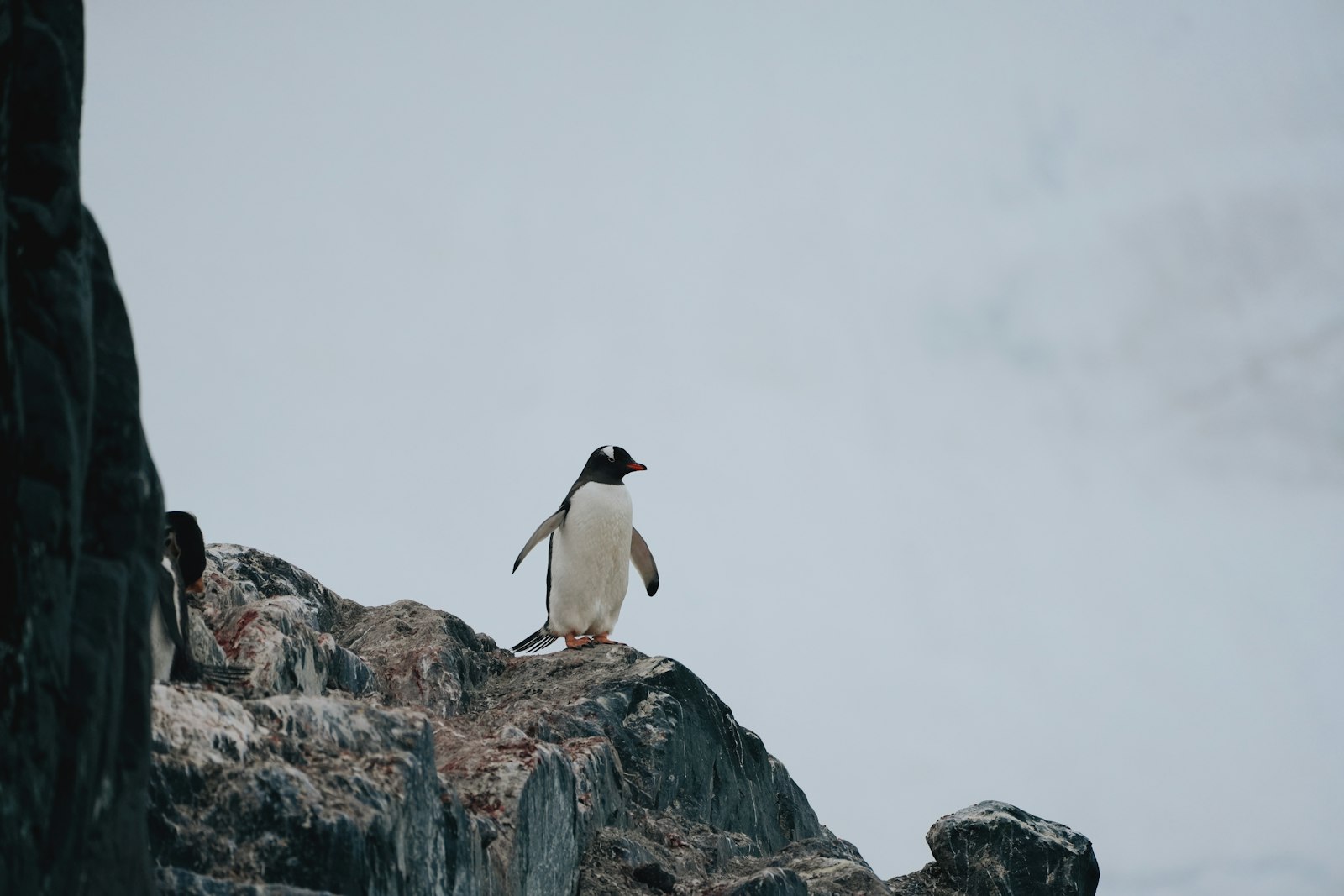
Helicopter operations in Antarctica are acutely weather-dependent. We have designed this itinerary so we can spend time each day in stunning locations that allow us to enjoy helicopter opportunities if the weather allows and, alternately, to maximize your experience of Antarctic wildlife, ice and landscapes when flying conditions are not favorable. Each day on the Antarctic Peninsula will showcase the flexibility and technical prowess of our industry-leading expedition team, pilots and crew.As Ultramarine gains access to the Antarctic Peninsula, our team will look for opportunities to experience Antarctica beyond the coast and over the expansive glacial terrain of the last great wilderness.Together, Antarctic Sound, Erebus and Terror Gulf, northwestern Weddell Sea are the theater of this venture. Initially we plan to sail into Antarctic Sound where we will visit two towering geological features:Madder Cliffs on Joinville Island, and Brown Bluff on the most northerly tip of the Antarctic Continent. Our goal is to visit large Adélie penguin colonies in this area by Zodiac. Gentoo penguins and seals also frequently roam this coast. There will be time to marvel at the impressive topography, namely the 678 meter (2,225-foot) volcanic rock cliffs at Brown Bluff- though, if weather allows, we may pivot from our marine operations and embark on our first flightseeing experience of the voyage. What you will have just seen from sea, you will now experience from the sky as you gaze over the vastness of Antarctica with the perspective of a snow petrel.Continuing through Antarctic Sound and into Erebus and Terror Gulf, located on the tip of the southeast side of the Antarctic Peninsula, Ultramarine will be positioned to maximize both helicopter and Zodiac excursions. The James RossIsland group, which comprises several Islands, offers myriad opportunities to explore historically relevant sites that were discovered by the Swedish Antarctic Expedition of 1901-04. Upon landing, we plan to hike to a summit to view an Adélie penguin colony, as well as the northern Weddell Sea. If the tide is low, there may be grounded bergs in the shallow waters— a surreal sight you’re unlikely to encounter on many polar expeditions. These islands, highly valued for their geological significance, are home to fossil finds, ventifacts (ancient rocks polished smooth over time by wind and grains of sand) and the remains of the KT Boundary, which marks the transition between the Cretaceous Period (dinosaurs and reptiles) and the Tertiary Period (mammals). Our goal is to provide opportunities for you to see ventifacts up close, to better appreciate the significance of wind erosion-by sand or ice particles— over long periods of time. These ventifacts provide valuable information about the climatic history and prevailing wind patterns of the region.As already mentioned, atmospheric conditions influence when and where we fly-on any day of our voyage-at any of the superb locations in the region.When not flying, we’ll shift our focus from geology to wildlife. For instance, we could Zodiac cruise to Devil Island and head out on a hike that will allow participants to appreciate the twin towering cones of ash and hardened lava that rises from a bay on the north shore of Vega Island. Alternatively, we may aim for renowned Paulet Island, home to one of the largest Adélie penguin rookeries in the area, as well as the historic hut built by members of the Swedish Antarctic Expedition of 1901-04. A cross marks the grave site of Ole Wennersgaard, a member of the crew.Another potential destination for helicopter operations includes the dramatic headland on the northeastern tip of Joinville island. One of the first features you’ll see as we approach the island by air is, of course, the distinct rocky headland sticking out of the rugged, icy landscape.This prominent landmark has proven useful for navigation and exploration over the years.Expect a dramatic finale to the helicopter-focused segment of the expedition as we prepare to return back across the Drake Passage. While our team has devised multiple back-up plans-crucial on any polar expedition- our ultimate goal at this point is a heli flightseeing excursion to Livingston Island, home of the most spectacular mountains of the South Shetland Islands. Among the towering peaks you’ll see from air are the Tangra Mountains (stretching 32 kilometres long by 8.5 kilometres wide), Mount Friesland (rising to 1,700 metres/ 5,578 feet) , Bowles Ridge and Pliska Ridge (667 metres/2,188 feet).Another landing option is Deception Island. Along with waddling penguins and lounging seals, you can also see the rusting remnants of long-ago whaling operations on the beach. The landscape of Deception Island often presents opportunities for longer walks to striking vistas. The stark contrast between snow and dark volcanic sand, and the geothermic steam along the shoreline gives this location an atmospheric feel.
Day 10
— At Sea Day: Rejuvenate and Relax on Ultramarine
Take some time, as we journey back across the 800-kilometer Drake Passage, to relax after your off-ship adventures.Ultramarine is home to Tundra Spa, where you can book a soothing facial treatment or massage. Additionally, you can also relax in the sauna with floor-to-ceiling windows that keep you connected to the polar seas while you rejuvenate indoors.
Day 11
— At Sea Day
Your polar learning isn’t over. Join our on-board experts as they continue to share their vast polar expertise through scheduled presentations in our Ambassador Theater. The state-of-the-art, high-resolution LED screen wall in the main theater ensures high-definition viewing of presentations from your Expedition Team from any angle. This is an excellent opportunity to ask any lingering questions you have about any aspect of your Antarctic experiences.
Day 12
— Disembark in Ushuaia and fly to Buenos Aires
You will arrive in Ushuaia in the morning and disembark after breakfast. You will then make your way towards your included group charter flight to Buenos Aires.
Les prix sont relevés sur les sites des opérateurs et peuvent changer — le site de l'opérateur fait foi.
Relevé le août 22, 2026 06:37 UTC.