Day 1
— Welcome to Patagonia!
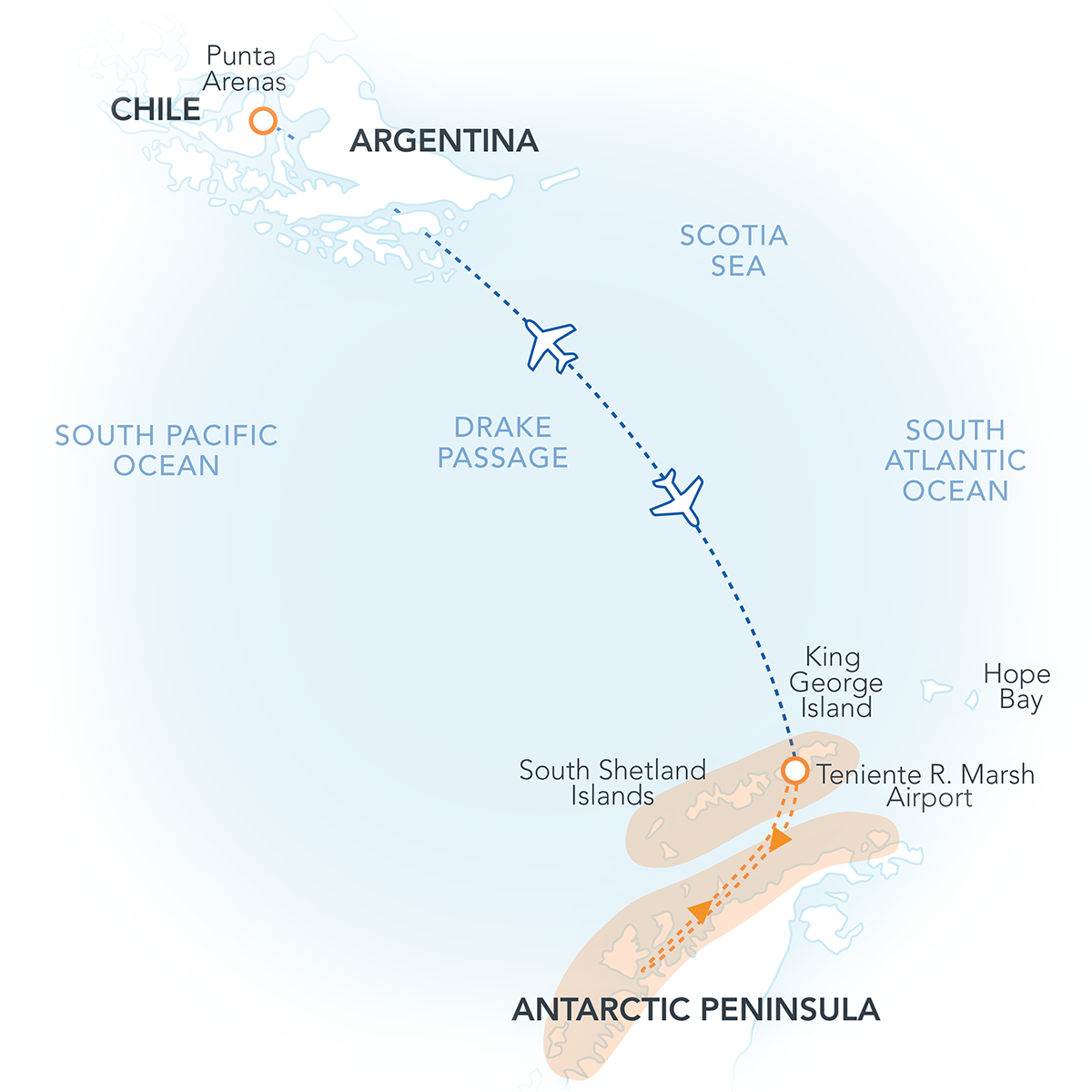
Arrive in Punta Arenas, one of Earth’s southernmost cities and Chile’s gateway to Antarctica. After lunch, check into the beautifully appointed Hotel Cabo de Hornos, where our friendly ground team awaits to prepare you for your Antarctic adventure. During the afternoon, meet your fellow explorers, join your Expedition Team to be fitted for your boots and parka, biosecure your expedition gear, and learn about responsible Antarctic exploration, Zodiac landings, and tomorrow’s travel schedule – in short, everything you need to get ready for Antarctica. Afterwards, gather for your first dinner together and enjoy irresistible Patagonian delicacies in the Faro Lounge restaurant.
Day 2
— All Aboard for Antarctica!
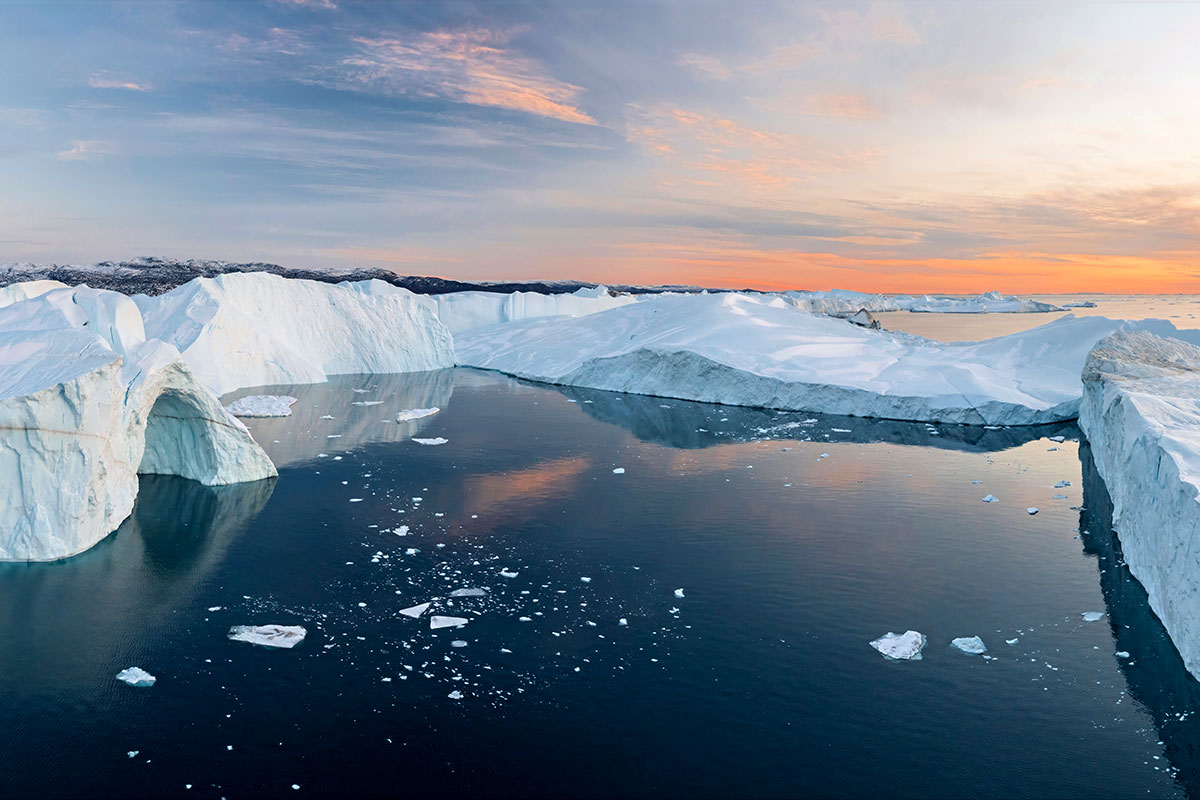
Today’s the day. After a hearty breakfast, gear up before departing for Punta Arenas airport, where your chartered aircraft awaits to whisk you across the infamous Drake Passage – waves not included. Watch from the window in awe as icebergs appear, guarding the coast of King George Island, one of Antarctica’s northernmost islands. Descend onto the gravel runway, where our Expedition Team awaits to assist you safely aboard Ocean Nova. After the mandatory safety briefing and drill, toast the start of your Antarctic voyage as Ocean Nova sets sail southward.
Days 3–5
— Immersive Antarctica
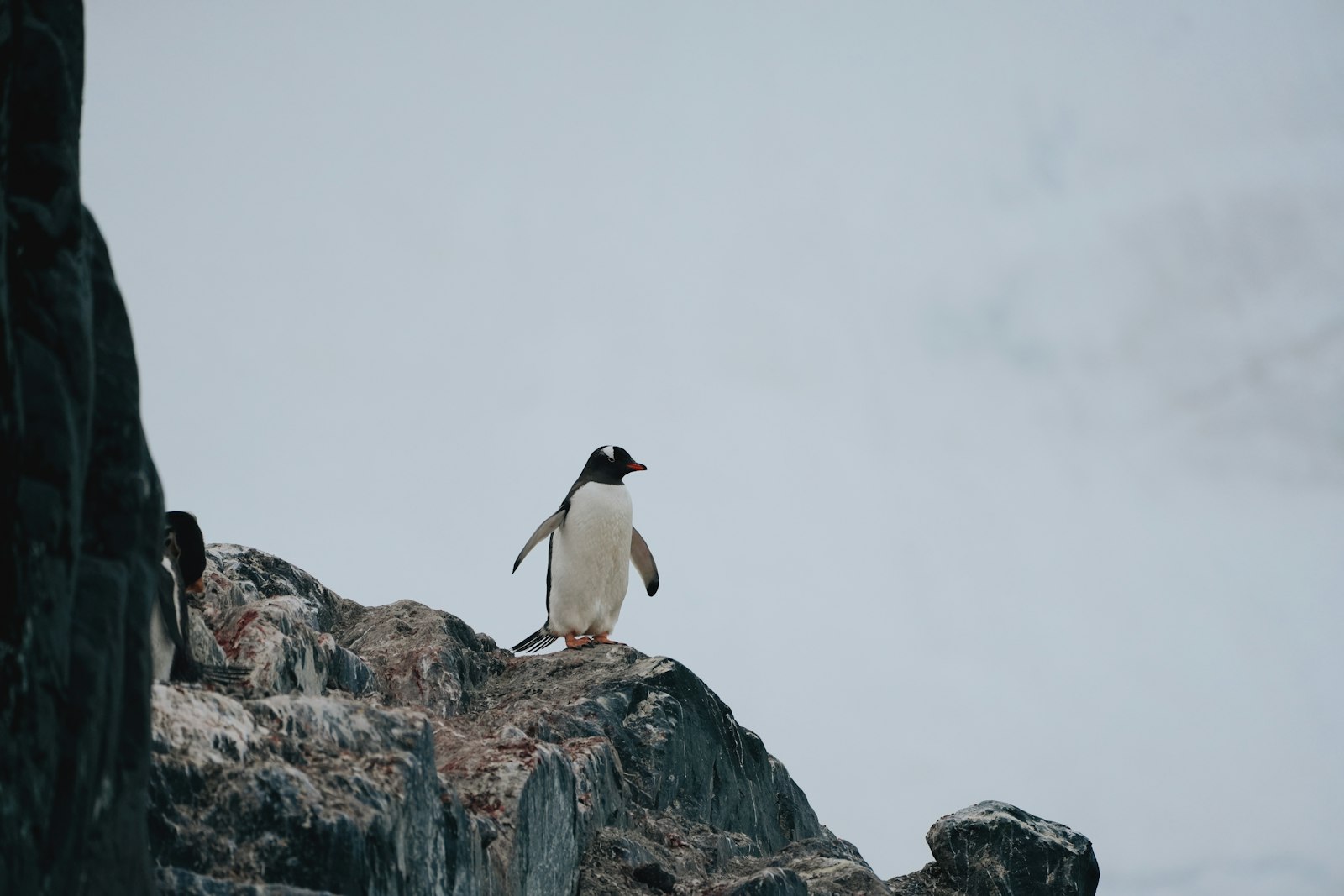
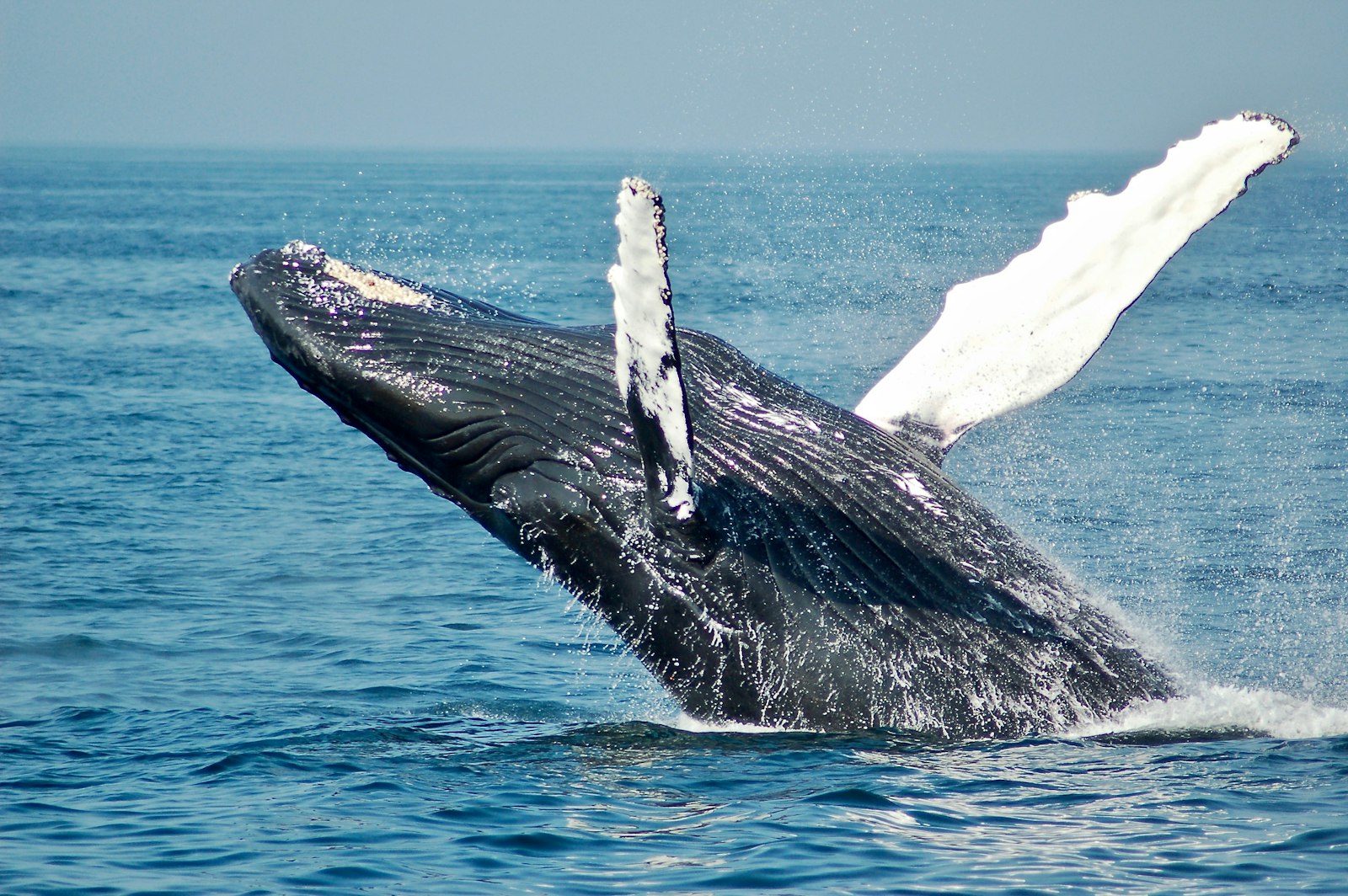
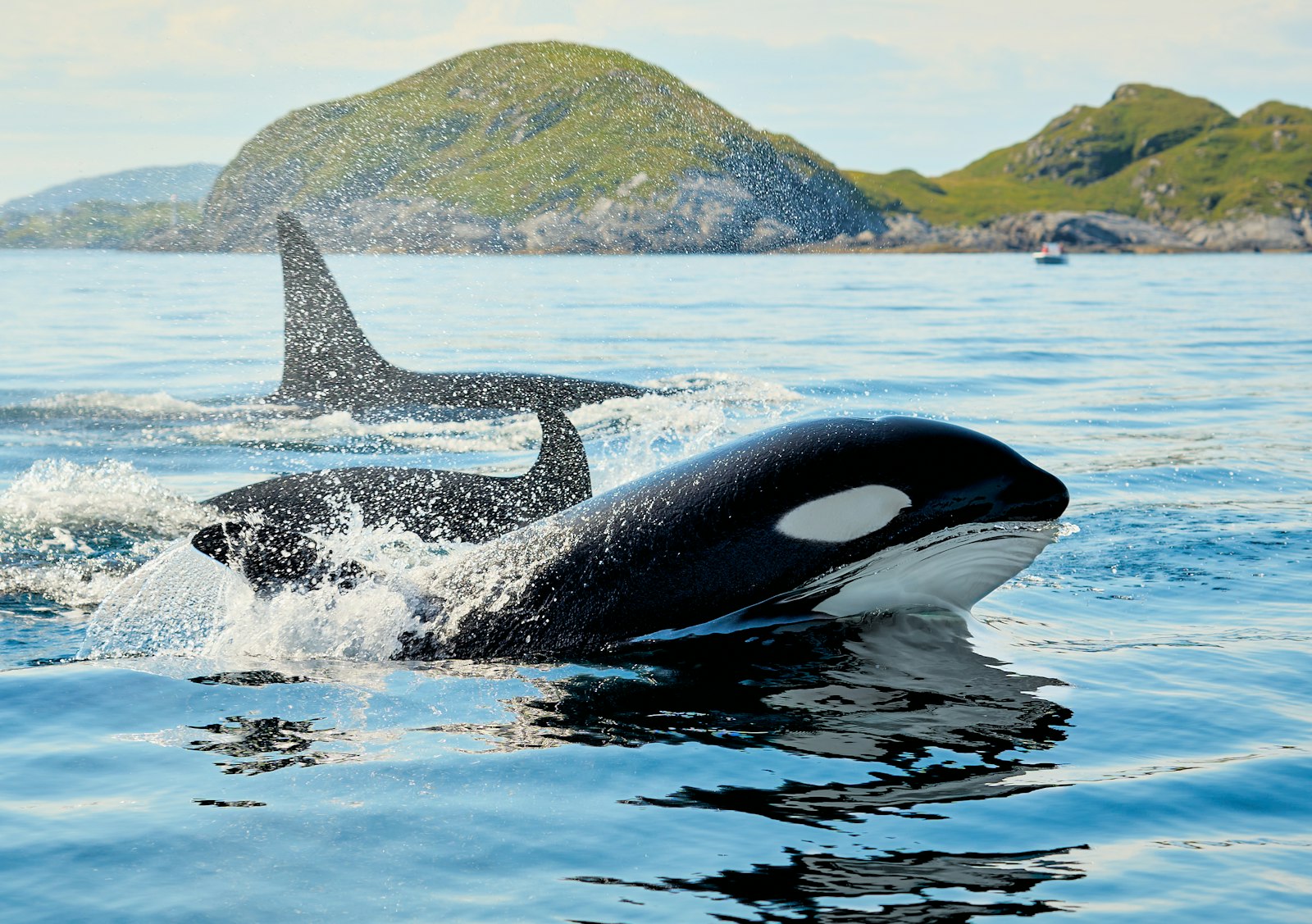
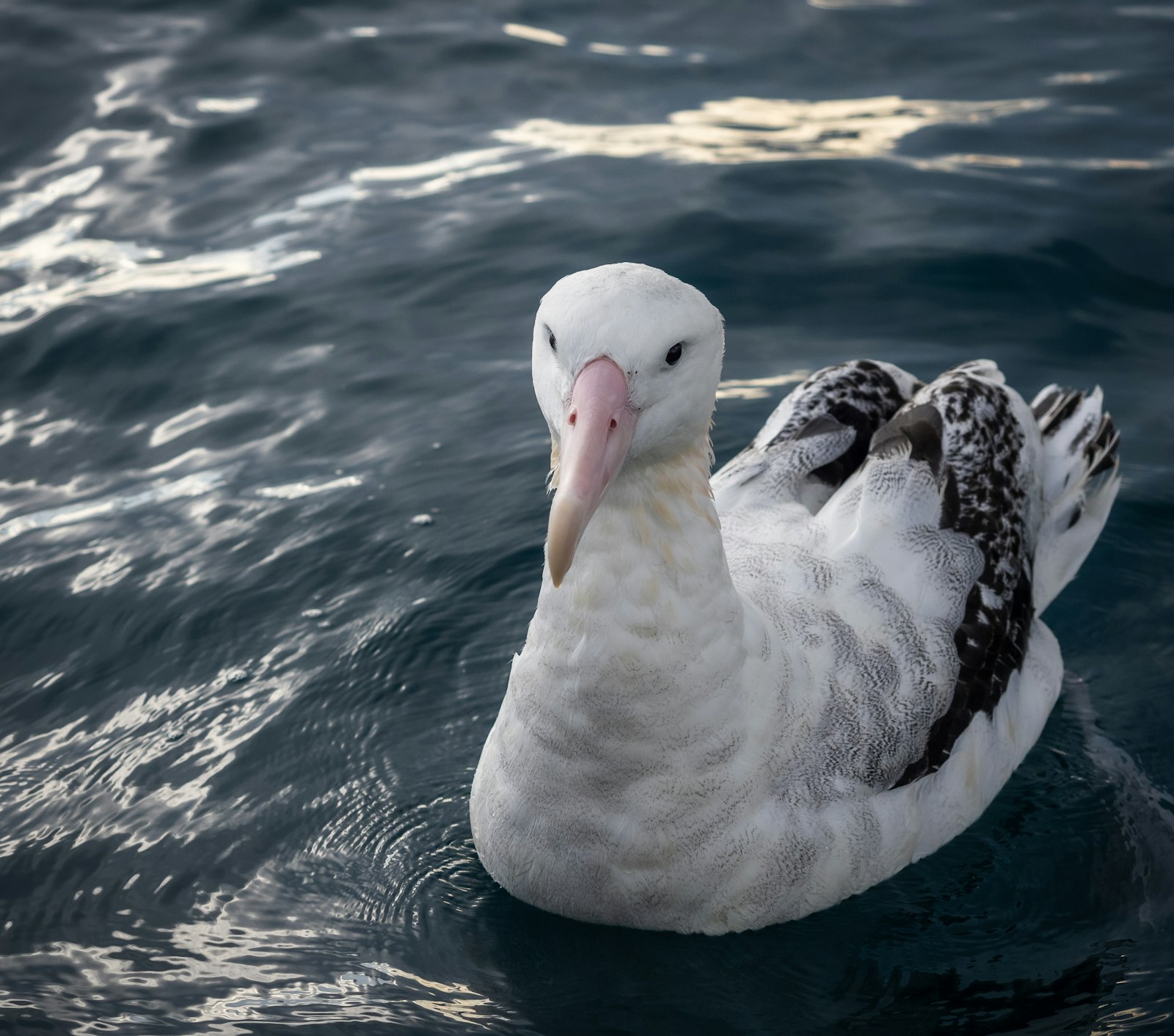
Welcome to Antarctica in all its awe-inspiring glory. For the next few days, we’ll maneuver through picturesque channels, where sculpted icebergs and an array of captivating wildlife share these dynamic waters. This is your opportunity to become more intimately acquainted with Antarctica by Zodiac, kayak, snowshoe, or while spending unhurried time ashore, taking in the silence and scale of the landscape. For those participating in our Citizen Science program, the important work of understanding and documenting this fragile environment continues. Prepare to be amazed as we encounter numerous species of penguins, seals, and whales, both along the rugged coastline and in open waters. With opportunities to visit penguin colonies and historic landing sites, we plan to take full advantage of all the White Continent has to offer.
Day 6
— South Shetland Islands
Over time, volcanic activity in the South Shetland Islands has created a geology unlike any other. Here, you can expect a spectacular display of mountains, glaciers, and wildlife, including Chinstrap and Gentoo penguins. It’s also not uncommon to share the shoreline with elephant and fur seals, while whales are often spotted offshore. We’ll settle into our Zodiacs and spend our final day in Antarctica exploring these remarkable islands.
Day 7
— King George Island – Disembarkation
On the final day aboard Ocean Nova, we arrive at King George Island, Antarctica’s most populous island. After a fond farewell to the Expedition Team, crew, and officers of Ocean Nova, disembark by Zodiac to the small Chilean station on King George Island, where your chartered aircraft awaits. Board your aircraft and watch the White Continent recede as we fly across the Drake Passage. Upon arrival in Punta Arenas, a delectable dinner and comfortable rest await you at the beautifully appointed Hotel Cabo de Hornos.
Day 8
— Punta Arenas, Chilean Patagonia
Spend the day exploring the best of Chilean Patagonia on an excursion to the famous Estancia Olga Teresa, a local ranch that embodies Patagonian hospitality. Learn about life at the bottom of the world while keeping watch for wildlife, including guanacos, rhea, and Andean condors. In the evening, relax in exceptional comfort at the Hotel Cabo de Hornos or explore the vibrant city of Punta Arenas.
Day 9
— Punta Arenas – A Fond Farewell
After bidding farewell to your fellow explorers, continue exploring the surroundings of Punta Arenas, set off for further adventure in Patagonia, or head to the airport for your return journey home and a well-earned rest.
Les prix sont relevés sur les sites des opérateurs et peuvent changer — le site de l'opérateur fait foi.
Relevé le août 22, 2026 06:15 UTC.