Day 01
— Ushuaia, Argentina
Arrive in Ushuaia , the “End of the World,” nestled among snow-capped mountains. Spend the night in a centrally located hotel and soak in the quiet charm of this southern gateway.
Day 2
— Embarkation
This morning, explore Ushuaia at your own pace before boarding the ship. We sail through the Beagle Channel , where Magellanic penguins may greet us along the way.
Day 3
— Sail across the Southern Ocean
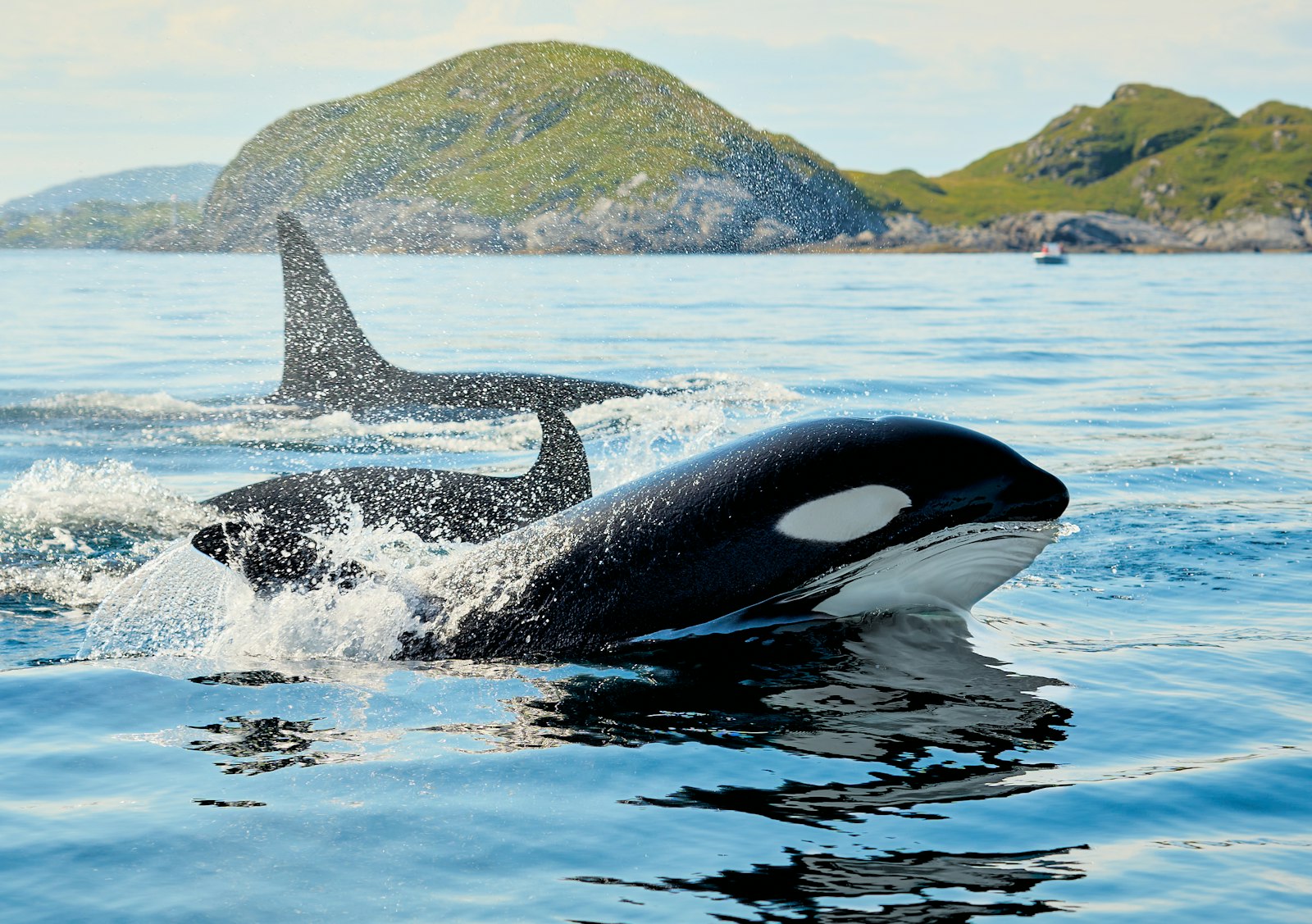
A day to settle into expedition life. Keep watch for seabirds , dolphins, and whales as our polar experts begin their onboard talks, sharing stories of exploration and wildlife. Hands-on photography sessions will help you sharpen your skills for polar environments, while time on deck offers endless opportunities to connect with the wilderness.
Day 4
— West Falklands
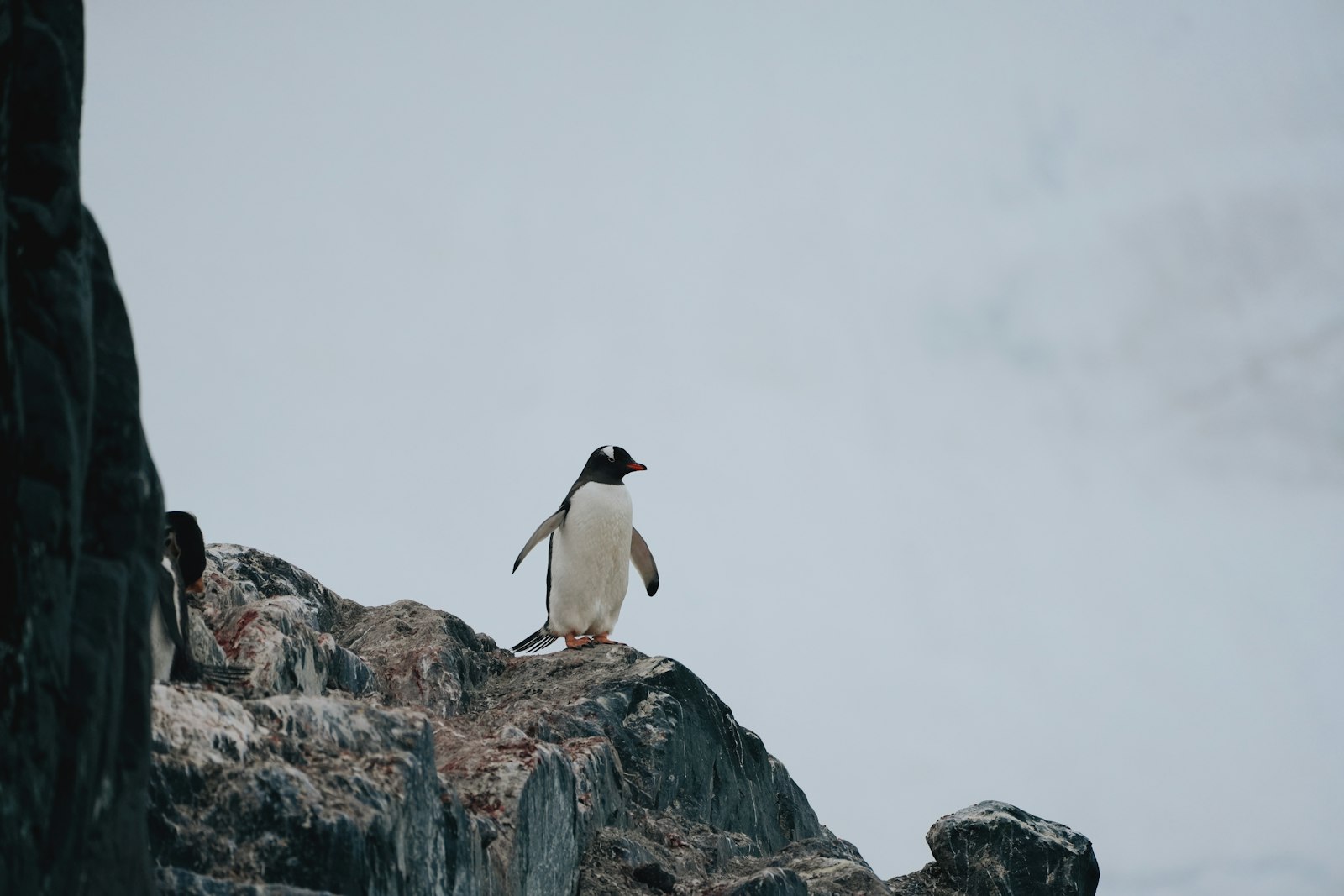
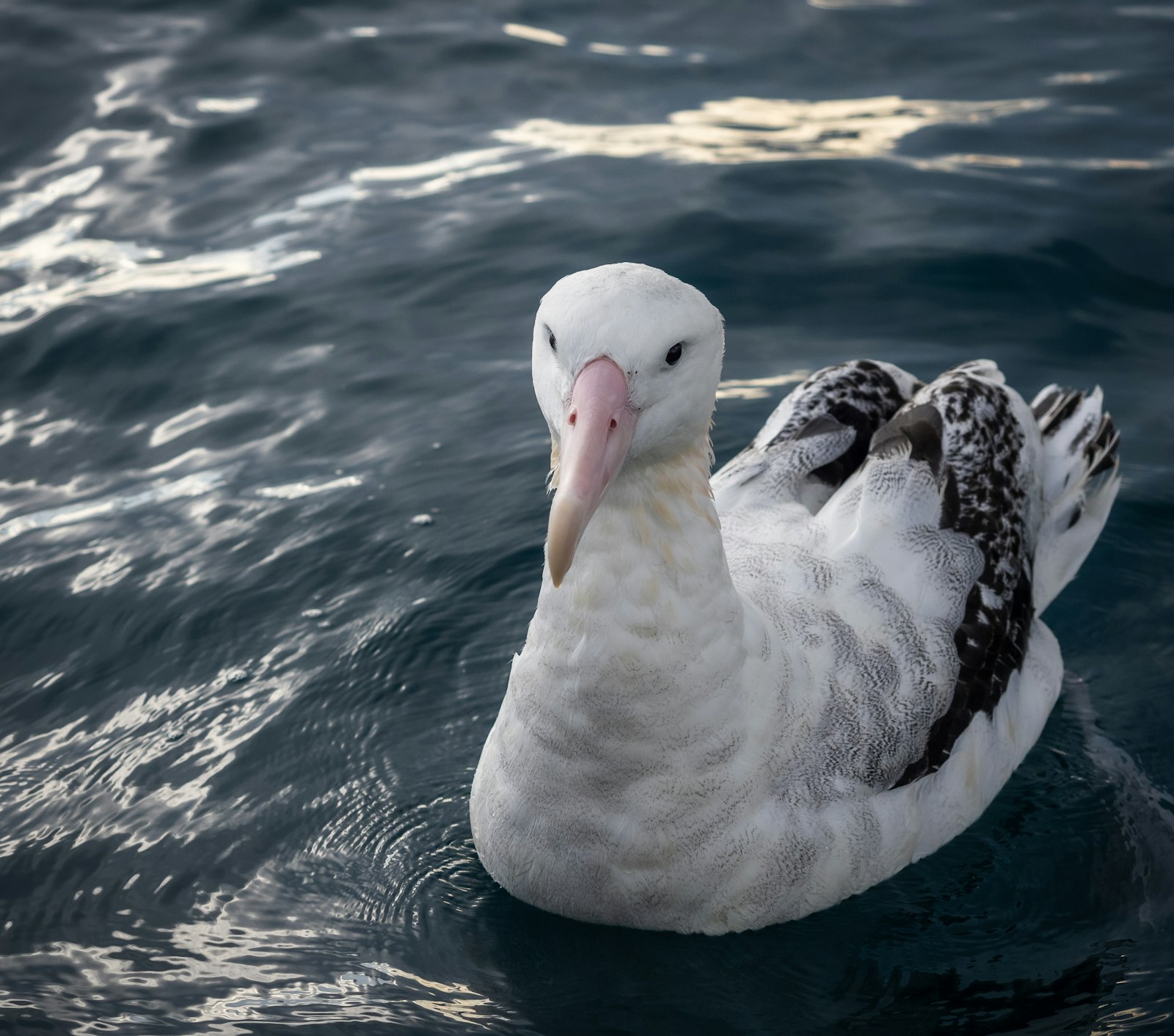
Explore the windswept western islands, home to rockhopper and gentoo penguins and nesting black-browed albatrosses. Zodiac landings provide intimate encounters with seabird colonies and pristine beaches.
Day 5
— Port Stanley, East Falklands
Arrive and disembark at Port Stanley . Wander the quaint streets of Stanley and discover its maritime history, once a key port for ships rounding Cape Horn.
Days 6–7
— Sail across the Southern Ocean
We sail southeast toward South Georgia, crossing the Antarctic Convergence and noting the first icy waters of the Southern Ocean. Lectures continue, and keen eyes may spot whales, seals, and penguins.
Days 8–11
— South Georgia
As we approach South Georgia, we may first pass the remote Shag Rocks, alive with seabirds. Depending on conditions, there’s a chance for an evening Zodiac excursion — your first thrilling taste of the subantarctic. Over four full days, we plan to explore South Georgia from north to south, aiming to visit iconic wildlife havens such as St Andrews Bay , Salisbury Plain , Gold Harbour , and Cooper Bay . Walk among vast king penguin colonies, watch elephant seals lounging on golden beaches, and visit Grytviken , the final resting place of Sir Ernest Shackleton. We’ll aim to embark on a Zodiac excursion alongside the towering glaciers of Drygalski Fjord , and witness large numbers of albatrosses heading out to fish from their nests on Prion Island .
Days 12–14
— Sail across the Scotia Sea
We begin our crossing toward Antarctica through the Scotia Sea, one of the world’s most storied seaways. As in the Southern Ocean, the days will be filled with expert-led presentations on polar science, history, and wildlife, plus active workshops in photography to refine your craft. Out on deck, keep watch for seabirds, seals, and the first Antarctic iceberg of the voyage.
Days 15–18
— Antarctic Peninsula & South Shetland Islands
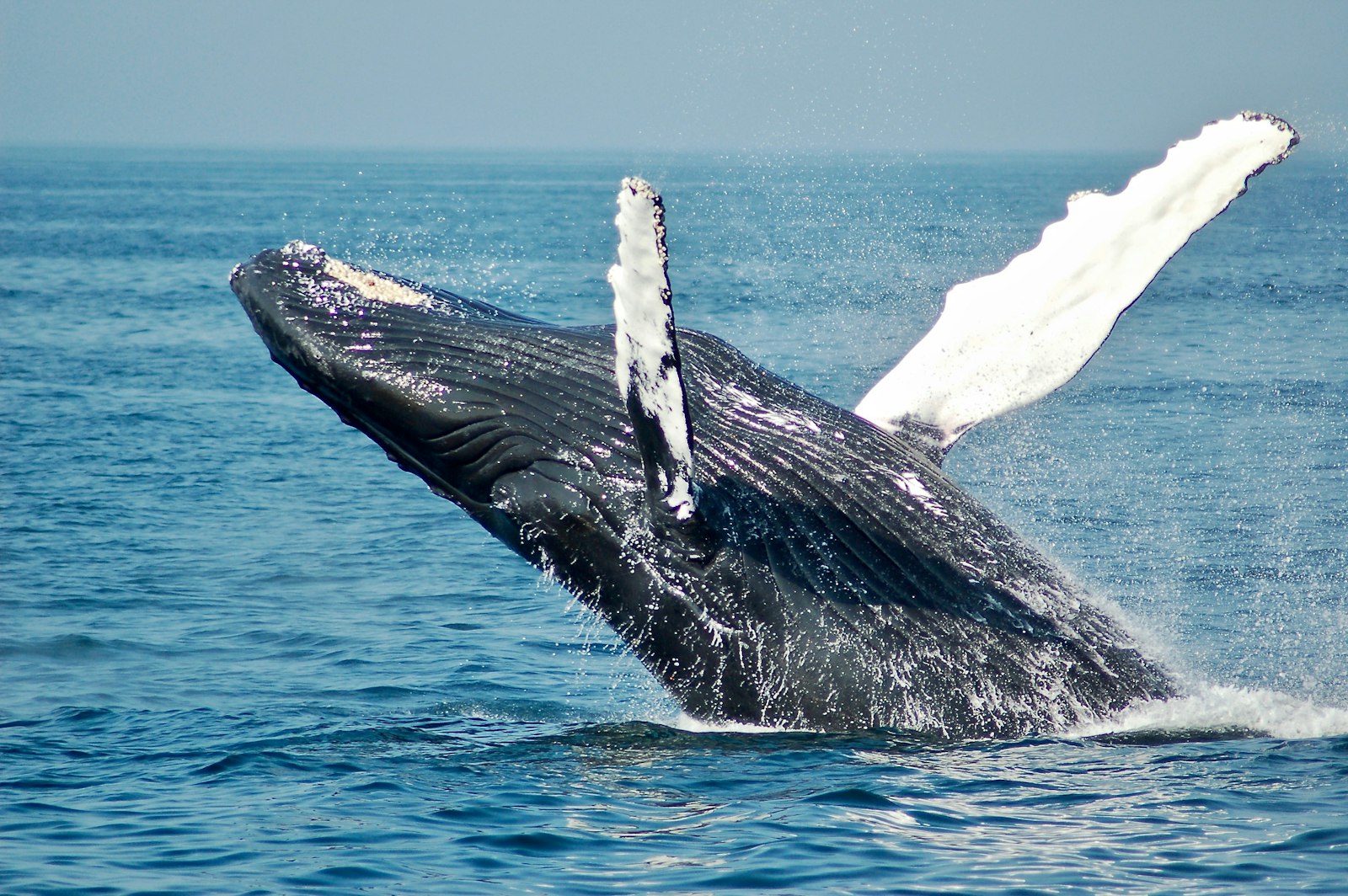
If conditions allow, we may first sail by Elephant Island — the refuge where Shackleton’s men endured months of isolation — or the South Orkney Islands . Then, the Antarctic Peninsula awaits. As you navigate through waterways like the Gerlache Strait , Neumayer , and Lemaire Channels , Antarctica will begin to astound with its array of blue ice. Land on beaches where gentoo, chinstrap, and Adélie penguin colonies stretch out in vast numbers. Zodiac cruise past magnificent icebergs of deep blue and keep watch for humpback whales bubble-netting in krill-rich waters. With flexible navigation and a small-ship advantage, we’ll venture into less-visited areas such as the Antarctic Sound or the Weddell Sea if conditions permit.
Days 19–20
— At Sea – Drake Passage
As your voyage north unfolds, icebergs and the Antarctic continent fade on the horizon. While crossing the Drake Passage , albatrosses may glide above as you enjoy workshops, and expert-led lectures.
Day 21
— Disembarkation in Ushuaia
Sail through the Beagle Channel before concluding your journey with disembarkation in Ushuaia, Argentina . Return What your expedition could look like
Les prix sont relevés sur les sites des opérateurs et peuvent changer — le site de l'opérateur fait foi.
Relevé le août 2, 2026 06:11 UTC.