Day 1
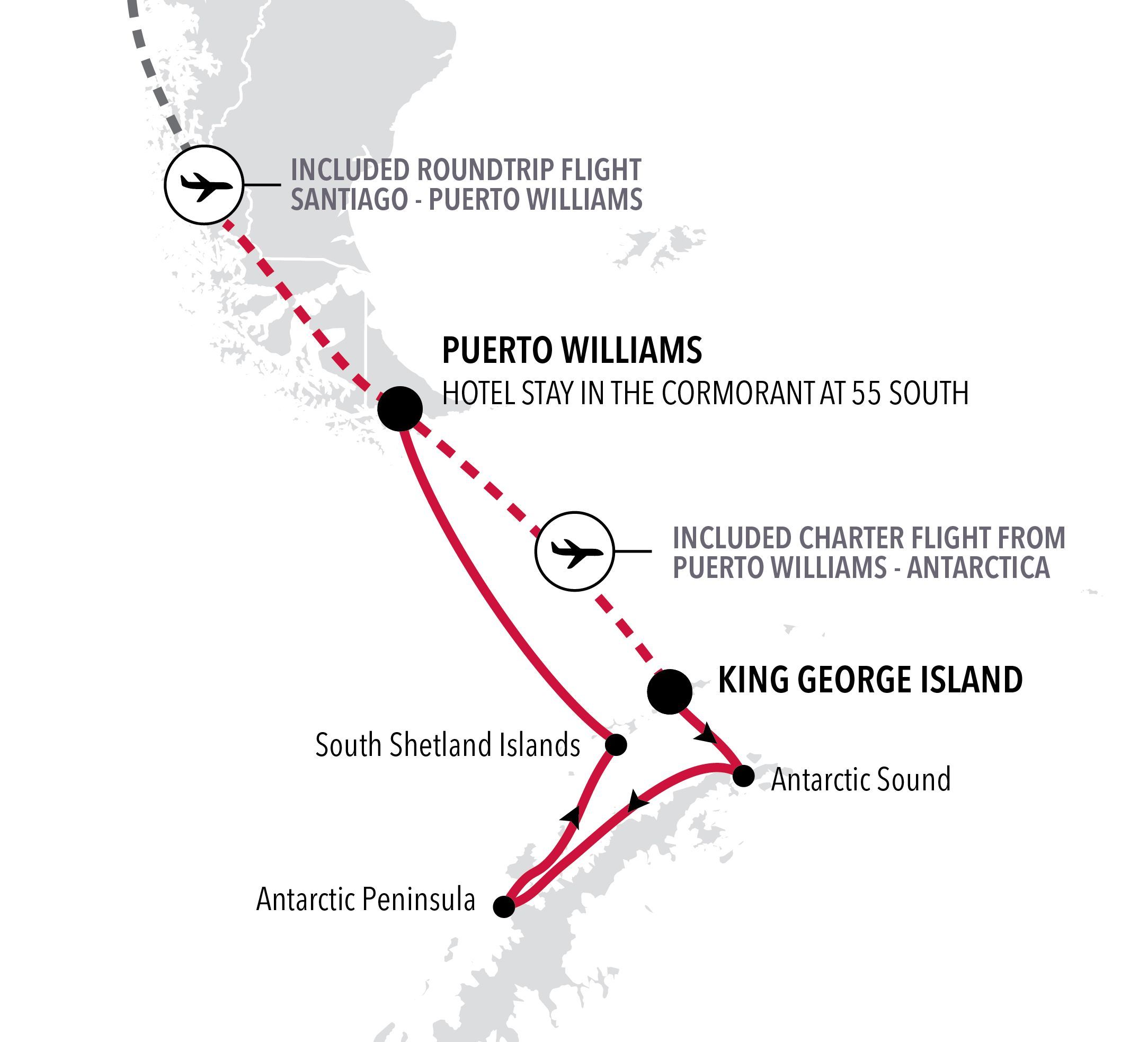
— King George Island
As the largest of all the South Shetland
Island, King George is considered the gateway to Antarctica. At just 120
kilometres from the Antarctic Peninsula and the only airport in the South
Shetlands, it is the connection between “real life” and “Antarctic life”. More
than 10 different nations have year-round or summer-only scientific research
stations on the island (considering that 90% of the island is covered by snow
and ice, that is quite an achievement!). Maintaining a base on the island
allows membership of the Antarctic Treaty. There is even a Russian Orthodox
church, with a permanent on-site priest.
The island might be home to a few
international scientists, but they are very much outnumbered by the diverse
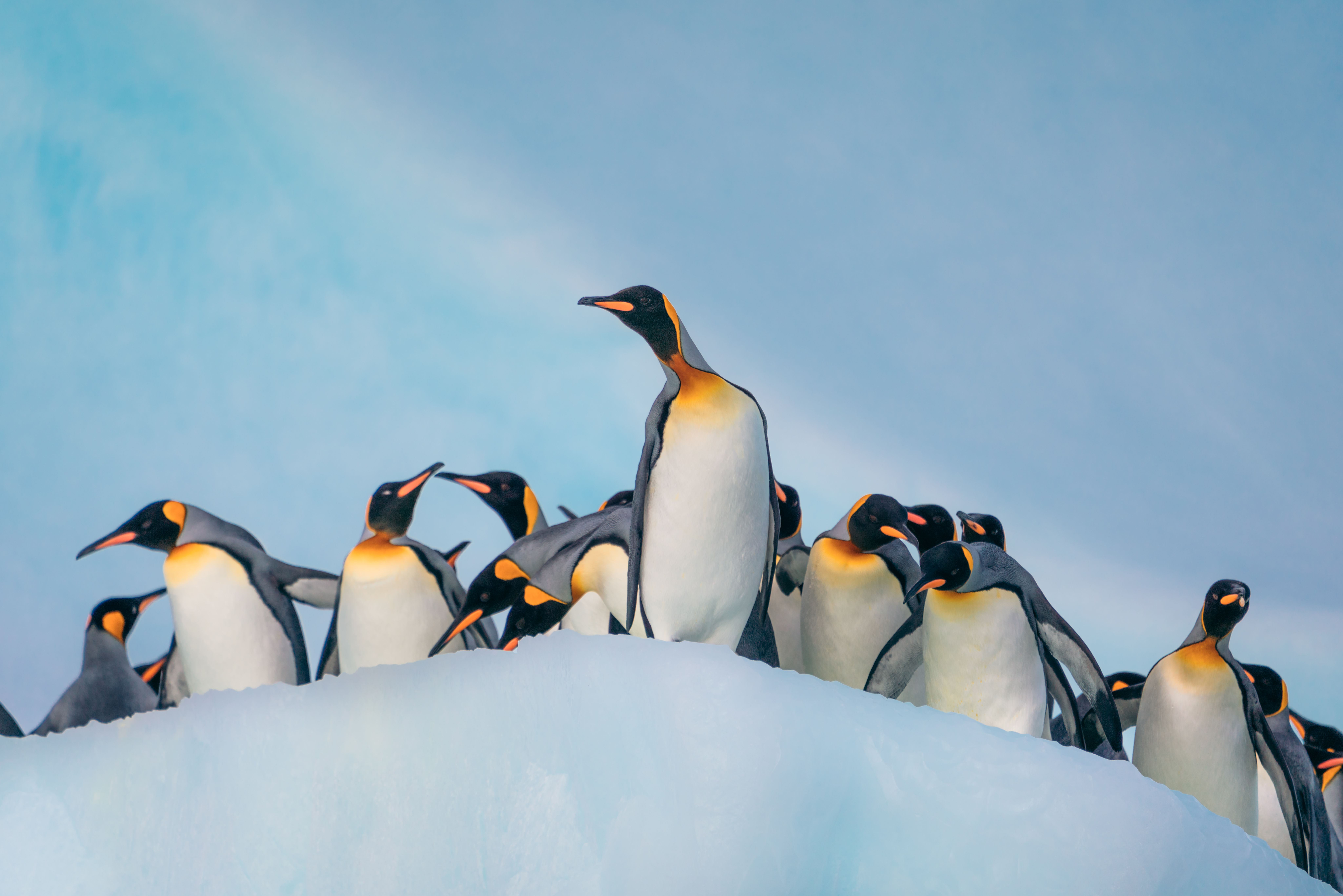
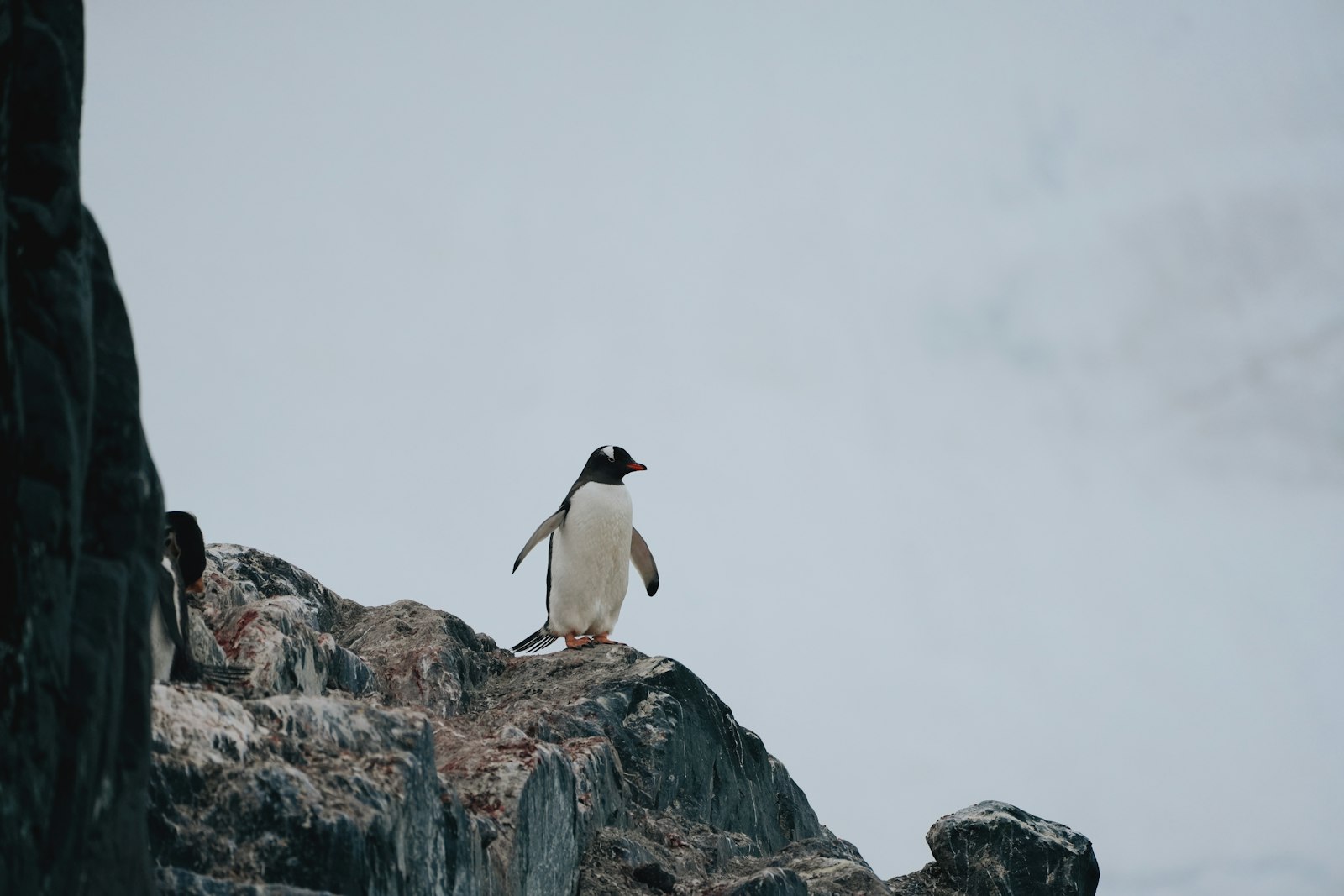
wildlife that considers King George Island rightfully theirs. Adelie, Chinstrap
and Gentoo Penguins all commute to and from the Antarctic peninsula from the
island, while Weddell and leopard seals are regular visitors and can be spotted
either in the water or on the shore. Naturally, this brings a huge amount of birdlife:
skuas and southern giant petrels are regular summer residents, attracted by the
warm climate (warm being a relative term, average temperature is between 1.5
and -6.5˚C).
The island was named after King George III
after British explorer discovered it in 1819. Since then the island has been
claimed by both Chile (1940) and Argentina (1943), but remains part of British
Antarctic Territory.
Day 2
— Antarctic Sound
Few voyages ignite the imagination like a journey down to one of the planet’s most remote extreme and enchanting wilderness Antarctica. An adventure in its purest form only a handful of people will ever be lucky enough to experience the majestic beauty of these monochrome landscapes first-hand. The Antarctic Sound will be one of your first encounters of this whitewash kingdom located at the northerly tip of the Antarctic Peninsula - which sprawls up like a tentacle towards Tierra del Fuego, South America’s most southerly point, otherwise known as the ‘End of the World’. Taking its name from the first ship to brave the passageway between the peninsula and the Joinville Island groups back in 1902, the Sound is a raw sensory assault of imposing iceberg slabs broken away from the disintegrating Larsen Ice Shelf. Come face-to-face with stadium-sized islands of ice and meet the extraordinary birdlife that call this whitewash kingdom home. Watch on as colonies of Gentoo penguins hop around and cape petrels sweep overhead as the continent’s unique wildlife thrives around you. If you’re planning your first venture into Antarctica you’ll want to brush up on your photography skills in advance to capture this unforgiving continent in all of its unrestrained glory.
Day 3
— Antarctic Peninsula
The Antarctic Peninsula unravels upwards towards South America reaching out a beckoning finger to the adventurous who dare to explore this untamed realm. Stretching up from the heart of the world’s southernmost continent the Antarctic Peninsula lies a mere 620 mile from Tierra del Fuego and for many offers a spectacular first taste of the snow-blanketed landscapes and colossal ice sculptures which make up Earth’s least-explored continent. Unseen by humans until 1820 - a blink of an eye ago in relative terms - this is an adventure sure to make your hairs stand on end as you experience the thrill of the truly unknown and extraordinary. The vast peninsula is sprinkled with research bases which are at the frontline of human scientific endeavour pushing to study and understand this unique landscape, its exceptional wildlife and the impact that humans are having on this pristine continent. Witness cathedral-sized icebergs up close and blue-hued glaciers slowly slipping from imposing locations.
Day 4
— Antarctic Peninsula
The Antarctic Peninsula unravels upwards towards South America reaching out a beckoning finger to the adventurous who dare to explore this untamed realm. Stretching up from the heart of the world’s southernmost continent the Antarctic Peninsula lies a mere 620 mile from Tierra del Fuego and for many offers a spectacular first taste of the snow-blanketed landscapes and colossal ice sculptures which make up Earth’s least-explored continent. Unseen by humans until 1820 - a blink of an eye ago in relative terms - this is an adventure sure to make your hairs stand on end as you experience the thrill of the truly unknown and extraordinary. The vast peninsula is sprinkled with research bases which are at the frontline of human scientific endeavour pushing to study and understand this unique landscape, its exceptional wildlife and the impact that humans are having on this pristine continent. Witness cathedral-sized icebergs up close and blue-hued glaciers slowly slipping from imposing locations.
Day 5
— Antarctic Peninsula
The Antarctic Peninsula unravels upwards towards South America reaching out a beckoning finger to the adventurous who dare to explore this untamed realm. Stretching up from the heart of the world’s southernmost continent the Antarctic Peninsula lies a mere 620 mile from Tierra del Fuego and for many offers a spectacular first taste of the snow-blanketed landscapes and colossal ice sculptures which make up Earth’s least-explored continent. Unseen by humans until 1820 - a blink of an eye ago in relative terms - this is an adventure sure to make your hairs stand on end as you experience the thrill of the truly unknown and extraordinary. The vast peninsula is sprinkled with research bases which are at the frontline of human scientific endeavour pushing to study and understand this unique landscape, its exceptional wildlife and the impact that humans are having on this pristine continent. Witness cathedral-sized icebergs up close and blue-hued glaciers slowly slipping from imposing locations.
Day 6
— Antarctic Peninsula
The Antarctic Peninsula unravels upwards towards South America reaching out a beckoning finger to the adventurous who dare to explore this untamed realm. Stretching up from the heart of the world’s southernmost continent the Antarctic Peninsula lies a mere 620 mile from Tierra del Fuego and for many offers a spectacular first taste of the snow-blanketed landscapes and colossal ice sculptures which make up Earth’s least-explored continent. Unseen by humans until 1820 - a blink of an eye ago in relative terms - this is an adventure sure to make your hairs stand on end as you experience the thrill of the truly unknown and extraordinary. The vast peninsula is sprinkled with research bases which are at the frontline of human scientific endeavour pushing to study and understand this unique landscape, its exceptional wildlife and the impact that humans are having on this pristine continent. Witness cathedral-sized icebergs up close and blue-hued glaciers slowly slipping from imposing locations.
Day 7
— South Shetland Islands
The ice-coated Antarctic Peninsula forms perhaps the most accessible region of mainland Antarctica lying a mere 480-miles away from South America across the fabled waters of Drakes Passage. Lying close to the northwestern tip of the Antarctic Peninsula separated by the Bransfield Strait, the South Shetland Islands fall under the jurisdiction of the Antarctic Treaty, suspending claims on their sovereignty. Several countries maintain research bases here and with plump elephant seals and crowds of Gentoo, Chinstrap, and Adelie Penguins also calling the islands home it can even feel a little crowded at times. King George Island is the largest and most hospitable island hosting the majority of the research stations - some of which are populated all-year-round by tiny hardy crews. Don’t be fooled though these islands offer extraordinary adventure in one of the most remote locations on earth. The triple peaks of Mount Foster tower above the archipelago. Hike the luna landscapes within and even dip into the improbably warm geothermally-heated waters of Pendulum Cove. Elephant Island meanwhile is written deep into the annals of Antarctic expedition legend as the site where Ernest Shackleton and the stricken crew of the Endurance miraculously survived a harsh Antarctic winter in 1916.
Day 8
— Drake Passage
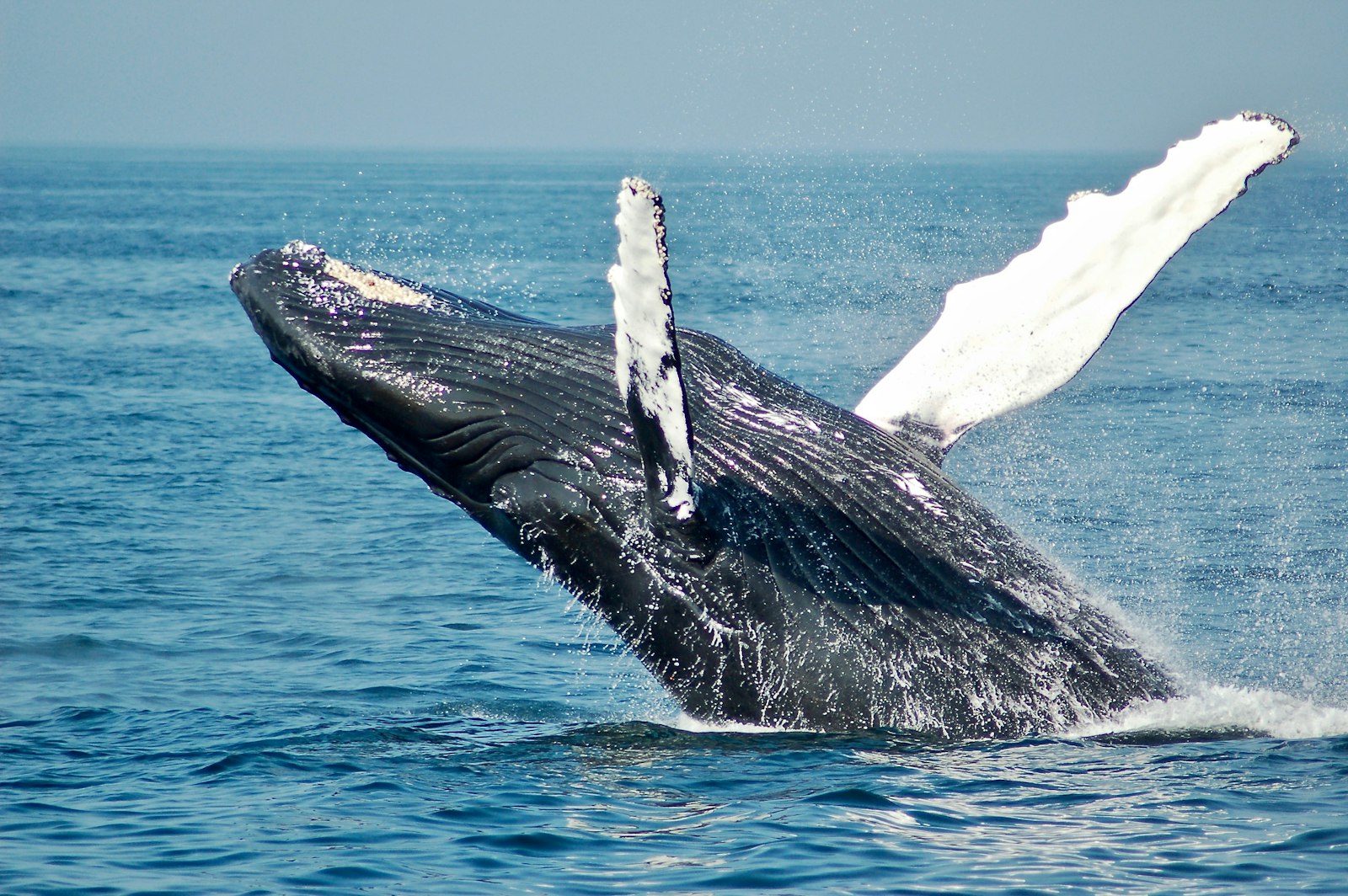
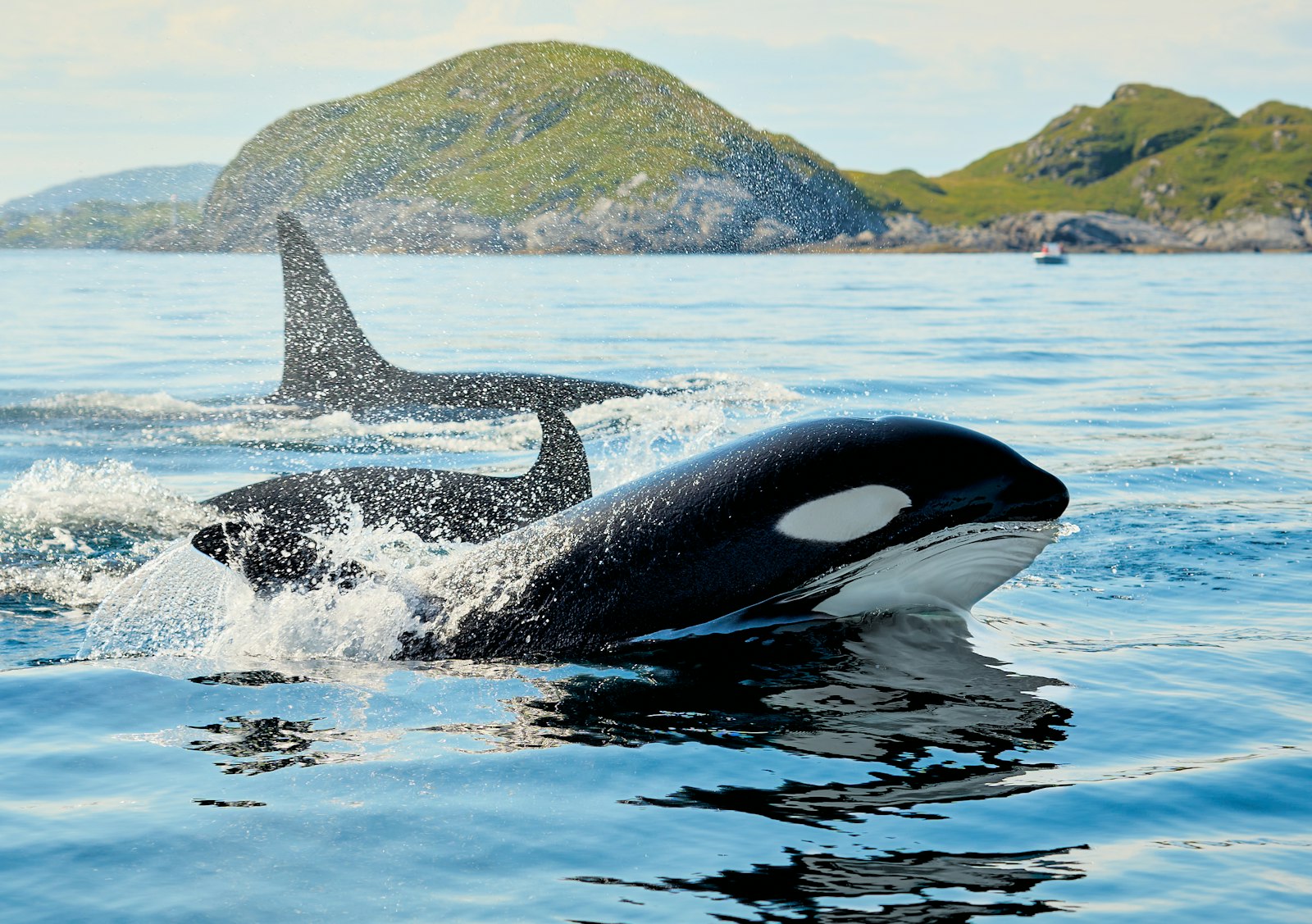
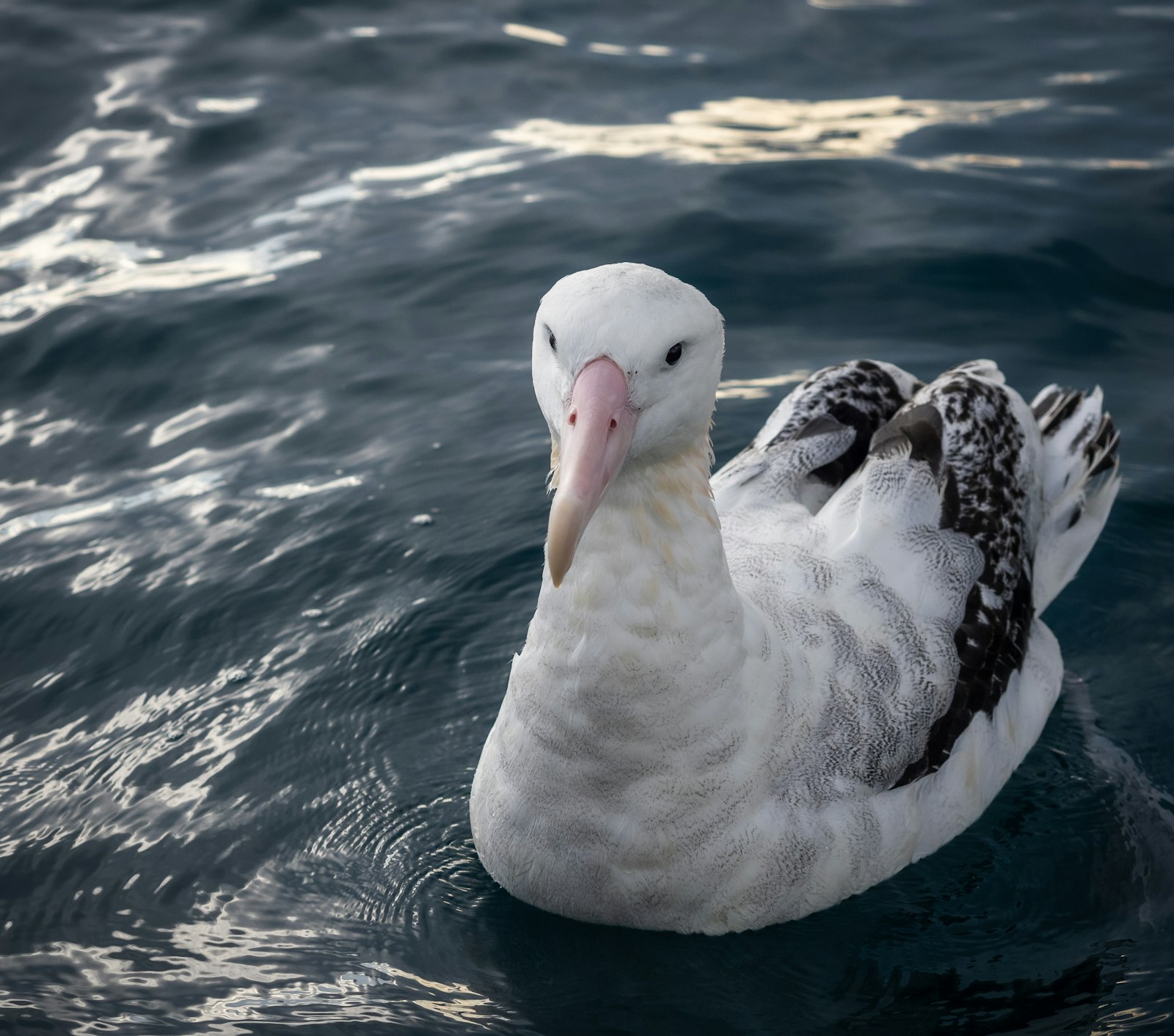
Sailing the legendary Drake Passage is an experience that few are ever lucky enough to experience. The southern tip of the Americas already feels like a wild enough environment – but the sensation of watching the distant cliffs of the peninsular known as the ‘End of the World’ fade into the horizon, is one that’s equal parts epic, eerie and magical. Set sail, to slowly drop off the bottom of the map from Cape Horn, and voyage on an expedition down into the icy underworld of Antarctica. Drake Passage is an extraordinary voyage of romantic ocean faring legend, as you aim for Antarctica’s icy realm. On arrival, skyscraper sized icebergs salute you, as you traverse the waters of this continent where snow and ice dwelling creatures like penguins and whales roam undisturbed. Your first sight of this most-unexplored place will most likely be the South Shetland Islands. Walk in the footsteps of some of history’s greatest and bravest explorers as you explore famed, snow-covered landmasses like Elephant and Deception Island. If the journey across Drake Passage sounds daunting, don’t worry – even in rough seas you’re never alone, and will often be accompanied on this spine-tingling adventure by soaring albatrosses and maybe even a protective pod of humpbacks and hourglass dolphins or two. Converging warm and cool ocean currents attract some spectacular animal life to the passage.
Day 9
— Puerto Williams
Puerto Williams is a Chilean city located on Navarino Island on the southern shores of the Beagle Channel. It claims to be the “southernmost city in the world”, however owing to its small size – 2500 residents approximately – the much larger Argentinean city of Ushuaia, which sits on the northern side of the same channel, also claims that title. The surrounding scenery is magnificent. The wild windswept mountains rise above the tree line and are regularly dusted with snow. The city itself has the dramatic backdrop called “Dientes de Navarino” (literally “teeth of Navarino”), which rival the famous Torres del Paine further to the north. The area was originally used by the Yaghan people, hunter-gatherers who despite enduring the harsh regional climate, could not weather the arrival of Europeans. The current city was established as a naval base in 1953 and honours the British-Chilean naval commander John Williams Wilson of the 16th century. Initially it served to protect territorial possessions and fishing rights of the area, as well as offering logistical support to Antarctic bases. More recently it has become a departure point for scientific and tourism trips to the Antarctic region. In contrast to the bustle and traffic of a very commercial Ushuaia, Puerto Williams offers a quieter, more relaxed experience. It charms the visitor with a small village feel, complete with rustic buildings and the homely smell of drifting wood smoke. A haven of peace at the end of the world.
Day 10
— Puerto Williams
Puerto Williams is a Chilean city located on Navarino Island on the southern shores of the Beagle Channel. It claims to be the “southernmost city in the world”, however owing to its small size – 2500 residents approximately – the much larger Argentinean city of Ushuaia, which sits on the northern side of the same channel, also claims that title. The surrounding scenery is magnificent. The wild windswept mountains rise above the tree line and are regularly dusted with snow. The city itself has the dramatic backdrop called “Dientes de Navarino” (literally “teeth of Navarino”), which rival the famous Torres del Paine further to the north. The area was originally used by the Yaghan people, hunter-gatherers who despite enduring the harsh regional climate, could not weather the arrival of Europeans. The current city was established as a naval base in 1953 and honours the British-Chilean naval commander John Williams Wilson of the 16th century. Initially it served to protect territorial possessions and fishing rights of the area, as well as offering logistical support to Antarctic bases. More recently it has become a departure point for scientific and tourism trips to the Antarctic region. In contrast to the bustle and traffic of a very commercial Ushuaia, Puerto Williams offers a quieter, more relaxed experience. It charms the visitor with a small village feel, complete with rustic buildings and the homely smell of drifting wood smoke. A haven of peace at the end of the world.
Les prix sont relevés sur les sites des opérateurs et peuvent changer — le site de l'opérateur fait foi.
Relevé le août 22, 2026 06:41 UTC.