Day 01
— Port Stanley, Falkland Islands
Embarkation day. Most guests fly into Mount Pleasant Airport, where the expedition team will meet you. Luggage is transferred directly to the vessel. A charter bus into Stanley together with the team, the first chance for introductions. If you are already on the Falklands, join us at the Tourist Office from 15:00. The afternoon is yours: the Maritime Museum, the waterfront, a pint at the Globe. Aboard by 18:00 for mandatory safety briefings. Welcome cocktail, dinner, and the official start of the expedition.
Days 02–03
— Southern Ocean
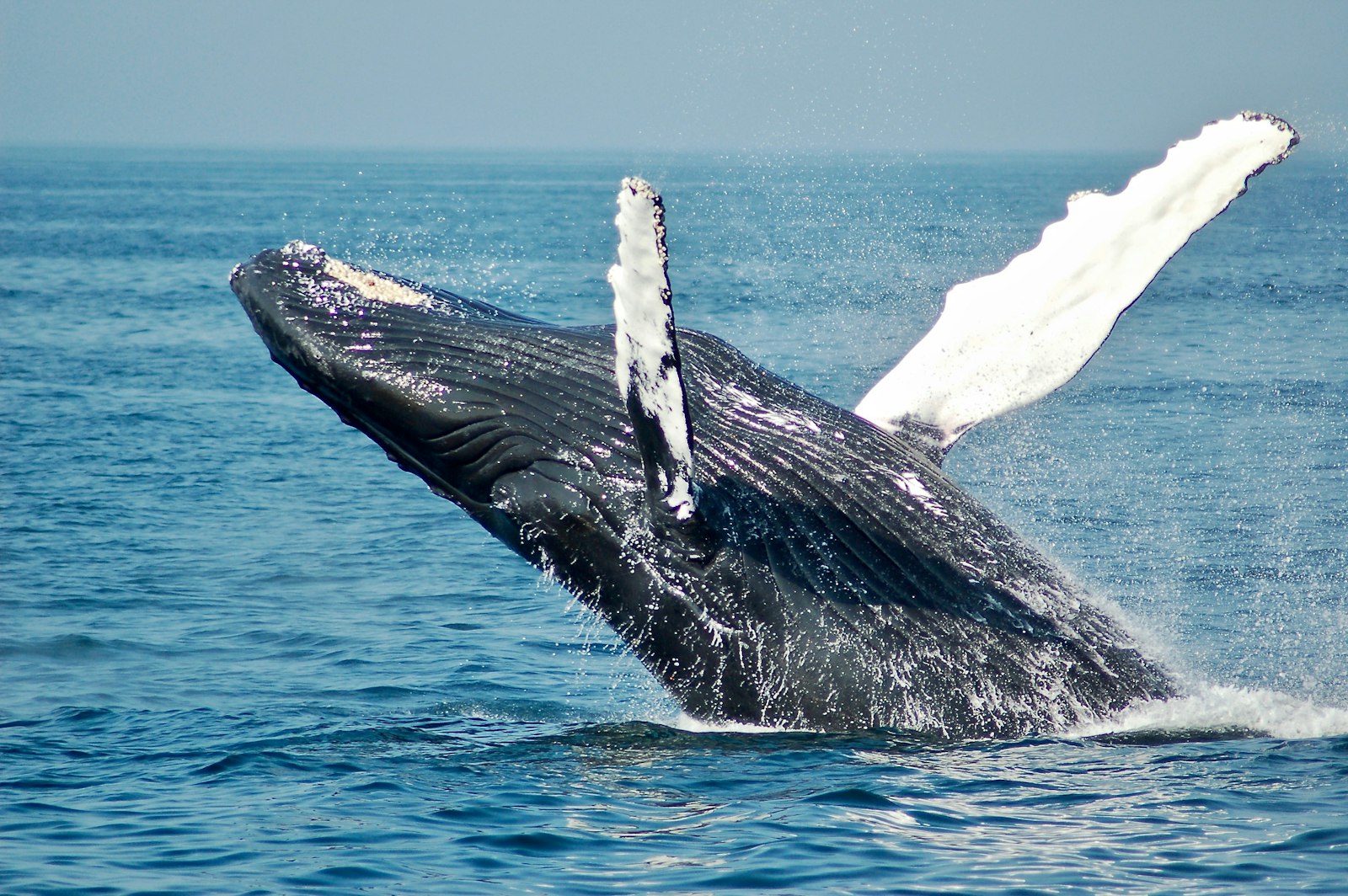
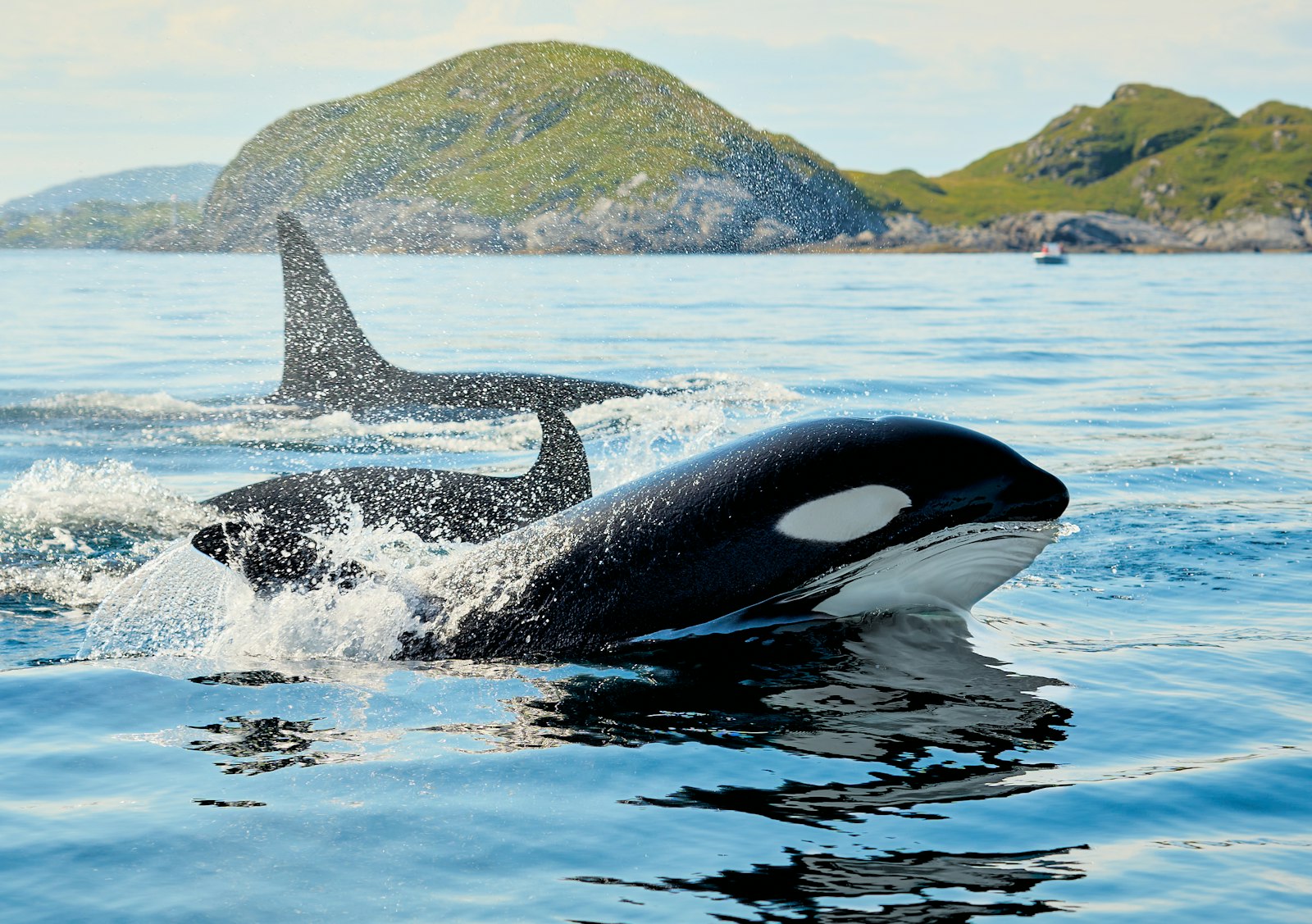
The Scotia Sea passage. Aureum's wing stabilisers manage the crossing; the onboard programme holds your attention between polar science lectures, photography workshops, and personal accounts from the expedition team. On day 3, we hope to cross the Antarctic Convergence and pass Shag Rocks; jagged, isolated islets alive with seabirds, seals, and whales, the first land since the Falklands. South Georgia is one day ahead.
Days 04–09
— South Georgia
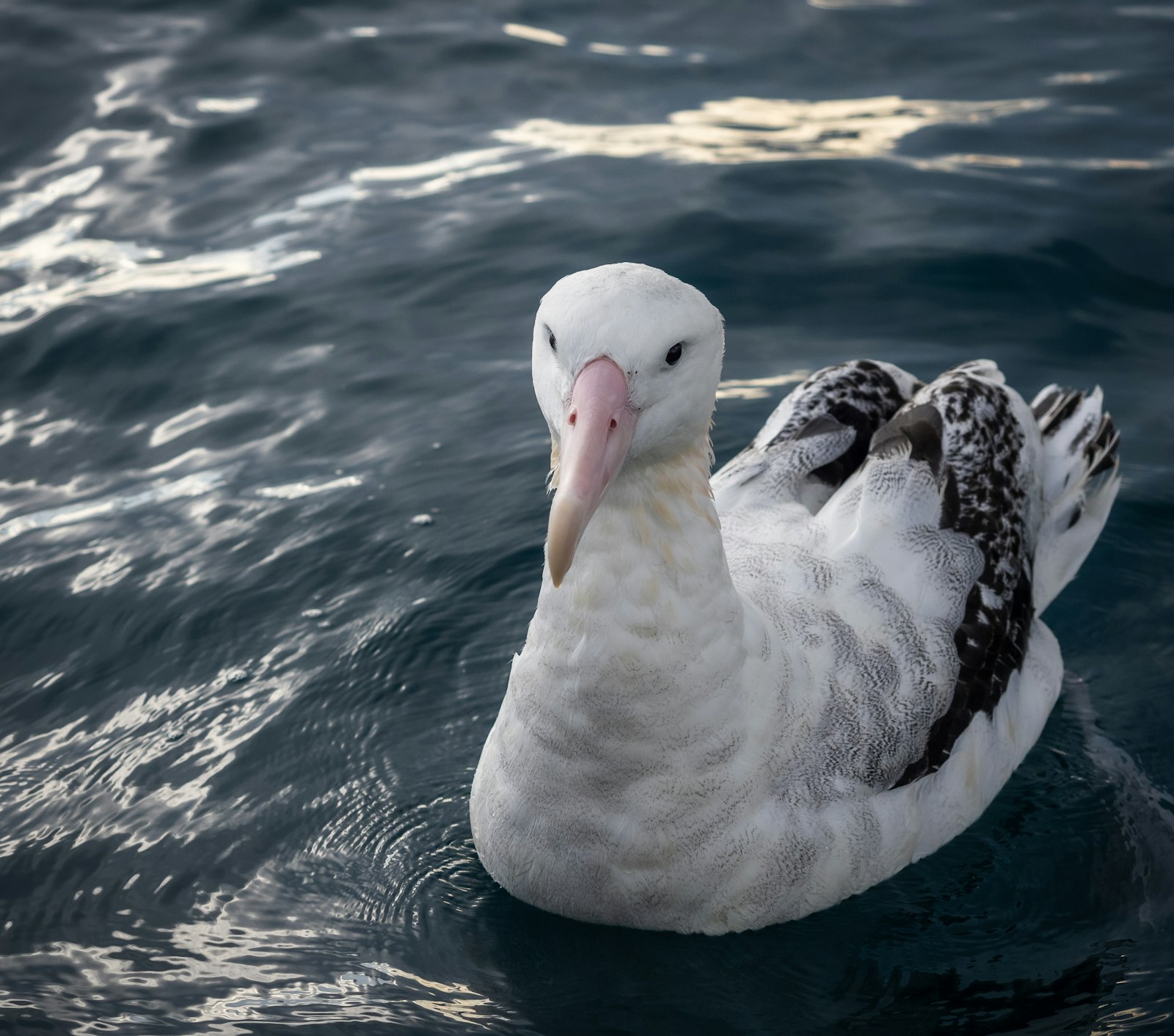
The approach takes us past Bird Island, one of the greatest concentrations of nesting wandering albatrosses on earth. Wildlife meets you before the first landing. King Haakon Bay is where Shackleton's party made landfall after the open-boat crossing from Elephant Island. The bay is remote, rarely visited, and the scale of what happened there settles slowly. Grytviken is a formal customs stop, and rather more besides. The museum, the abandoned whaling station, and in the cemetery: Shackleton and Wild under simple headstones. We take time here. The remaining days move between St Andrews Bay , Salisbury Plain , Gold Harbour , Cooper Bay , Fortuna Bay and Drygalski Fjord . At Fortuna Bay, the hike toward Stromness follows the final section of the mountain crossing, the ground Shackleton, Worsley, and Crean walked on in 1916 to raise the alarm. Early morning landings in golden light. King penguin colonies in full courtship. Elephant seal bulls compete on the beaches before fur seal numbers peak later in the season. Possible locations: Bird Island, Elsehul Bay, King Haakon Bay, St Andrews Bay , Fortuna Bay , Stromness , Salisbury Plain , Cooper Bay , Gold Harbour , Drygalski Fjord , Gryt
Days 10-11
— Southern Ocean
Aureum turns south-west across the Southern Ocean, retracing the route of the James Caird in reverse. Lectures and workshops continue on board. Time on deck if the weather permits. On day 11 or 12, we hope to reach Elephant Island — Point Wild specifically, where 22 men waited under two overturned lifeboats for four months while Shackleton sailed to South Georgia for help. We aim to land or conduct a Zodiac cruise, subject to conditions.
Days 12-16
— South into Antarctic waters. Over four days, Aureum works through narrow channels and hidden bays: the
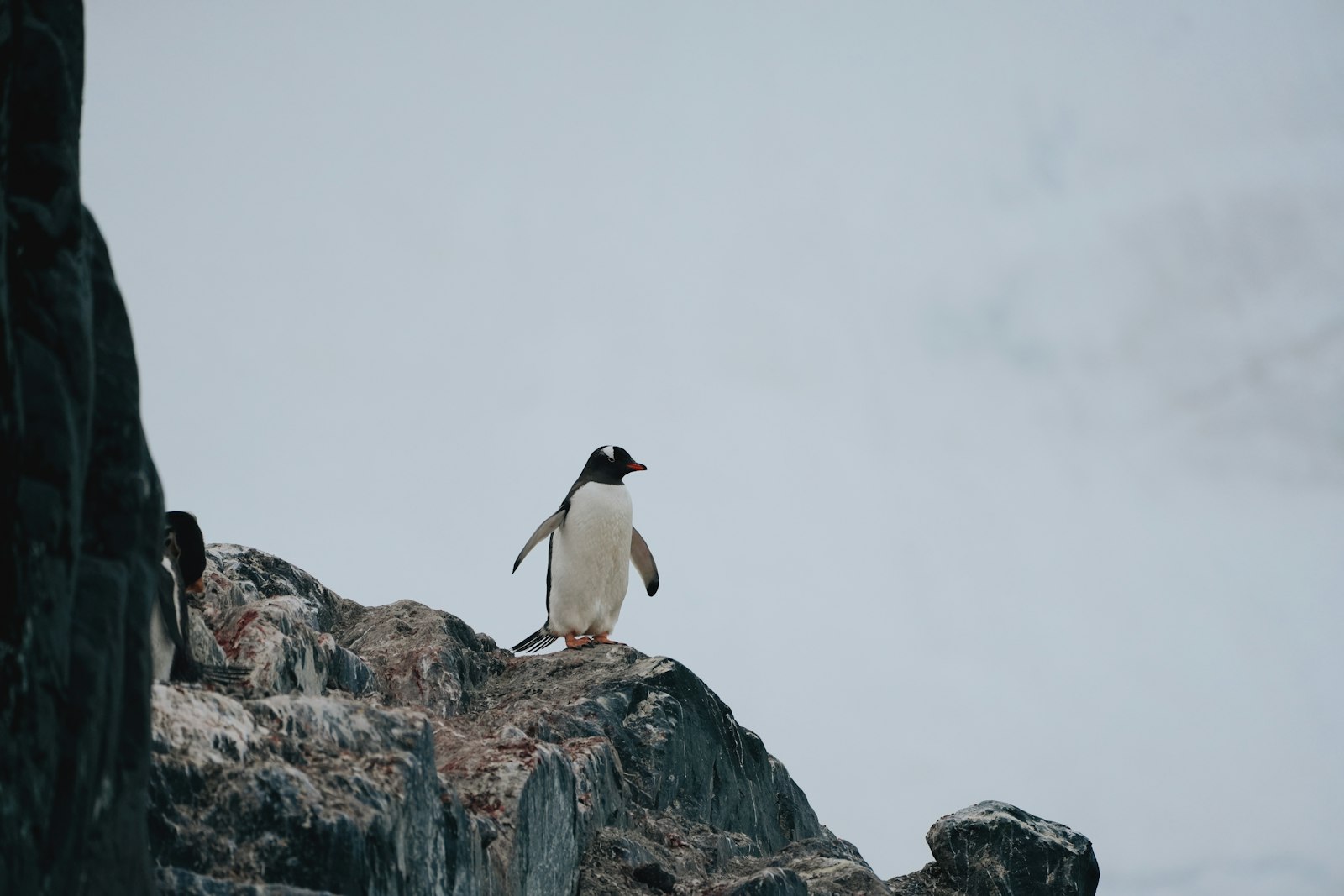
Antarctic Sound , Weddell Sea , Gerlache Strait and Deception Island . Leopard seals on ice floes. Gentoo , Chinstrap , and Adelie penguins at the nest. The silence of glacial amphitheatres broken by calving ice. For many guests, the moment that defines the entire voyage is stepping ashore on the seventh continent. November brings Antarctica's early season, largely untrafficked, ice still present in the channels, the white of the peninsula not yet softened by summer. The continent as Shackleton would have known it. Possible locations: Antarctic Sound, Paulet Island , Weddell Sea, Brown Bluff, Cierva Cove, Trinity Island, Gerlache Strait, Hughes Bay, Wilhelmina Bay , Deception Island.
Day 17-18
— Drake Passage
Cape Horn ahead. The Drake Passage , two days of sailing among the albatrosses with the programme continuing as it has throughout: lectures, workshops, time on deck. Aureum's wing stabilisers hold their value here too. The Drake earns its reputation. The crossing is manageable; what happened here is not.
Day 19
— Ushuaia, Argentina
Disembarkation after breakfast, once the ship is cleared. Typically from 09:00. The expedition ends in Ushuaia , the world's southernmost city, and a reasonable place to end 19 days that covered two of its most extraordinary islands and a continent. Return What your expedition could look like
Les prix sont relevés sur les sites des opérateurs et peuvent changer — le site de l'opérateur fait foi.
Relevé le août 2, 2026 06:11 UTC.