Day 1
— Ushuaia
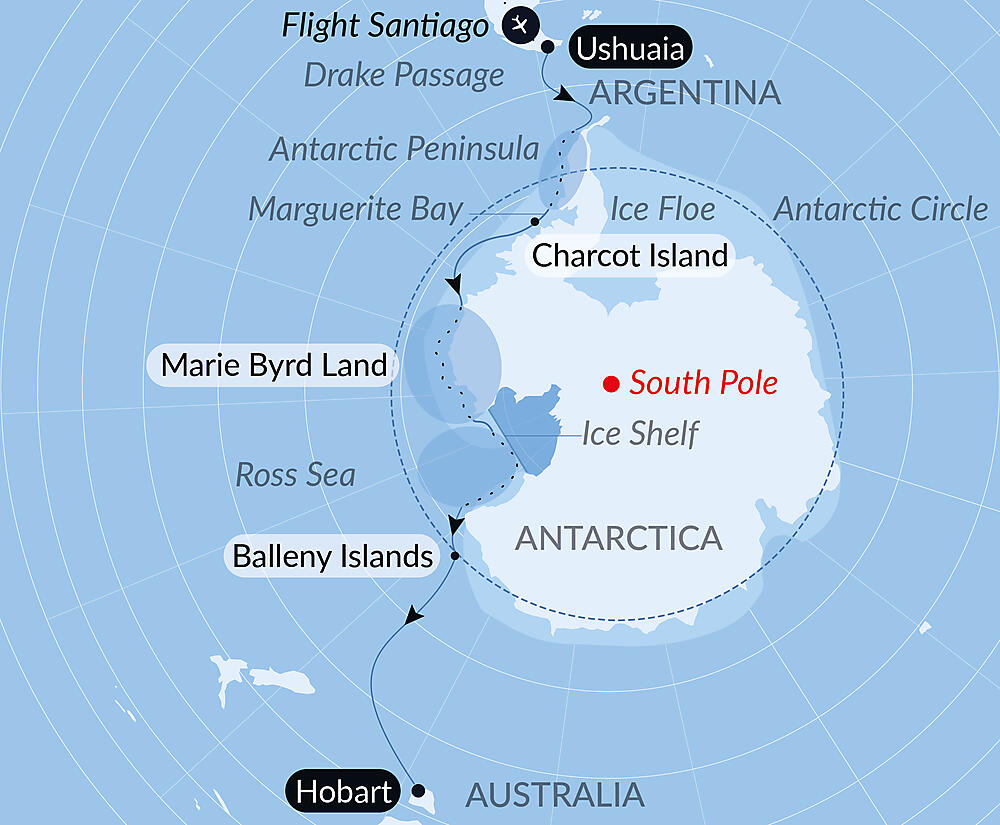
Capital of Argentina's Tierra del Fuego province, Ushuaia is considered the gateway to the White Continent and the South Pole. Nicknamed “El fin del mundo” by the Argentinian people, this city at the end of the world nestles in the shelter of mountains surrounded by fertile plains that the wildlife seem to have chosen as the ultimate sanctuary. With its exceptional site, where the Andes plunge straight into the sea, Ushuaia is one of the most fascinating places on earth, its very name evocative of journeys to the unlikely and the inaccessible…
Day 2–3
— Crossing the Drake Passage
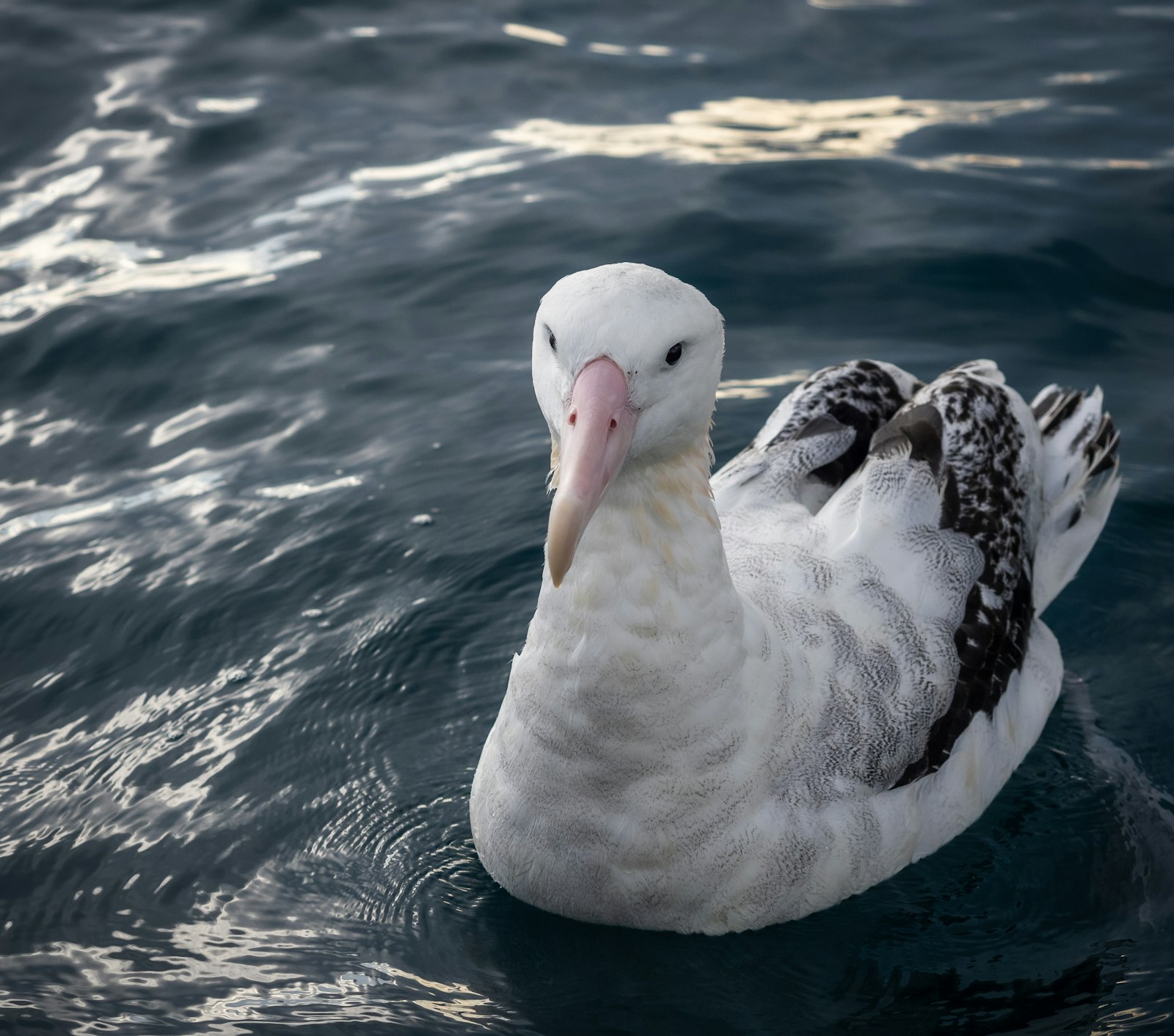
Use your days spent in the Drake Passage to familiarise yourself with your ship and deepen your knowledge of the Antarctic. The Expedition Leader will first present the IAATO rules of conduct that must be observed during landings in the region and will explain everything you need to know about the zodiac outings. Lectures about the history and wildlife of the Antarctic will be an opportunity for you to learn more about this magical region, where every cruise is a unique experience. You will experience exceptional sailing moments on board and join the naturalist-guides on your ship’s exterior decks to look out for albatrosses, cape petrels, and other seabirds flying over the Drake Passage.
Day 4
— Crossing the Antarctic Circle
Weather permitting, we'll cross the mythic line of the Antarctic Polar Circle, located along 66°33’ south of the Equator. This iconic area demarcates the point from which it is possible to view the midnight sun during the December solstice. Within this circle, the sun remains above the horizon for 24 consecutive hours at least once a year. Crossing this line, an experience known to few people, is sure to be an unforgettable highlight of your cruise through the polar regions.
Day 4–5
— Antarctic Peninsula
Day 5
— Marguerite Bay
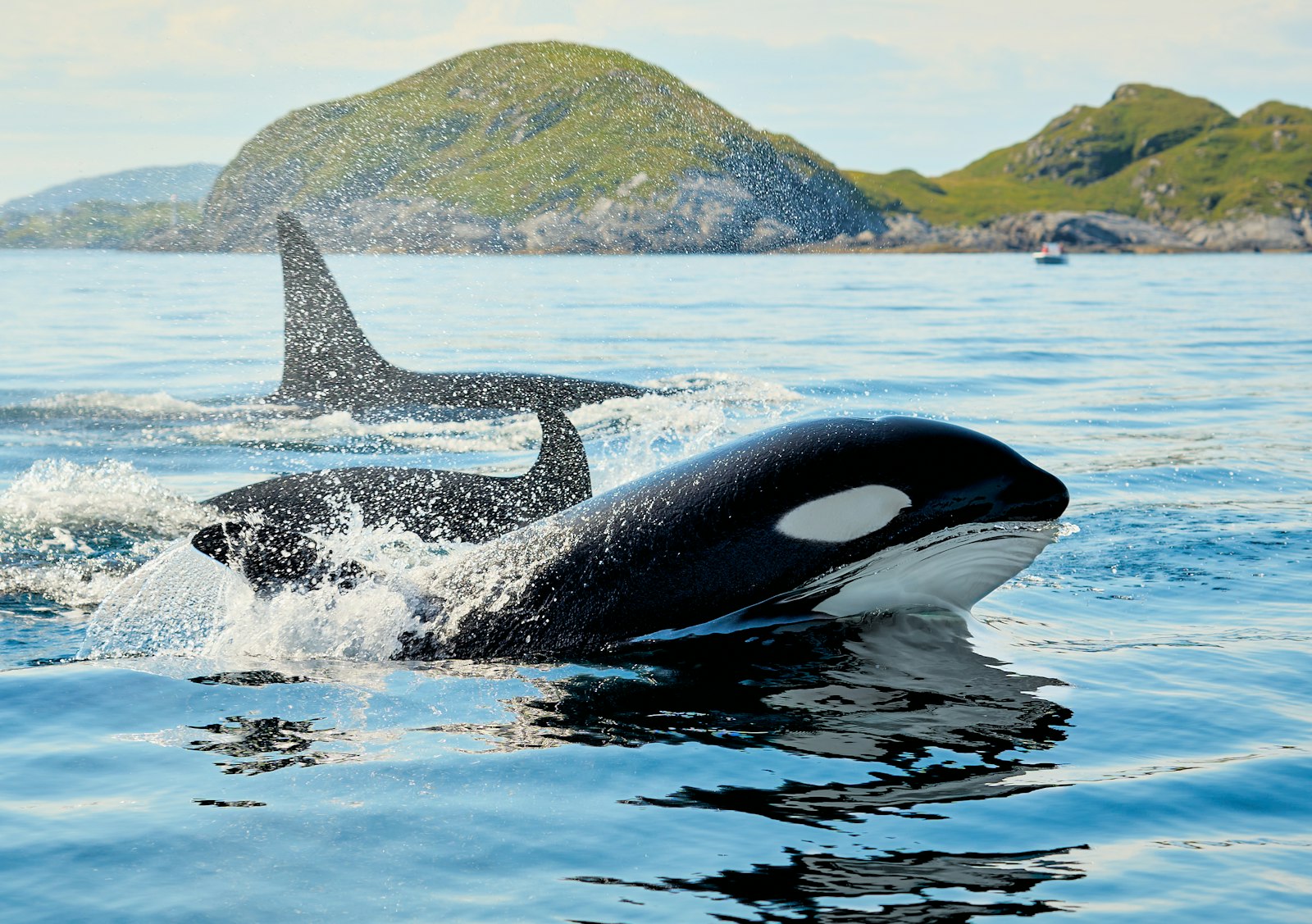
The icebergs are each more majestic than the next and scattered around the deep and intense blue waters of Marguerite Bay, one of the most beautiful regions in the Antarctic. It is delimited in the north by the mountainous Adelaide Island, in the south by George VI Sound and Alexander Island, and in the east by the Fallières Coast. Charcot named it after his wife during his second expedition to the Antarctic between 1908 and 1910. In 1909, in the southern summer when the skies are at their clearest, he led an important scientific mission to map and study this region. The bay is home to a number of cetaceans and you may get the chance to observe leopard seals or Adelie penguins.
Day 6
— Expedition to Charcot Island
When he discovered this island surrounded by sea ice in 1910 from aboard the Pourquoi Pas ? as he mapped Alexander Island, Jean-Baptiste Charcot had not be able to get less than 40 miles away from it. Situated in a zone that experiences frequent low-pressure systems and regular cloud cover, the island remains in many ways an enigma. It is entirely covered in ice and sheer cliffs, with the exception of the rocky outcrops extending over a dozen kilometres in the far north-west. The ice in the narrowest part of Wilkins Sound has been cracking in recent times, thus officially detaching this island from its neighbour, Alexander Island, lying 50 km away. Very few people have landed on this largely untouched island, whose waters attract numerous seabirds, such as petrels, Antarctic terns and skuas.
Day 7–9
— At sea aboard Le Commandant Charcot
Spend exceptional moments sailing aboard Le Commandant Charcot, the world’s first luxury polar exploration vessel and the first PC2-class polar cruise ship capable of sailing into the very heart of the ice, on seas and oceans which the frozen conditions render inaccessible to ordinary ships. Le Commandant Charcot is fitted with oceanographic and scientific equipment selected by a committee of experts. Take advantage of the on-board lectures and opportunities for discussion with these specialists to learn more about the poles. Participate in furthering scientific research with PONANT and let us discover together what these fascinating destinations have yet to reveal to us.
Day 10–15
— Marie Byrd Land exploration
Day 16
— At sea aboard Le Commandant Charcot
Spend exceptional moments sailing aboard Le Commandant Charcot, the world’s first luxury polar exploration vessel and the first PC2-class polar cruise ship capable of sailing into the very heart of the ice, on seas and oceans which the frozen conditions render inaccessible to ordinary ships. Le Commandant Charcot is fitted with oceanographic and scientific equipment selected by a committee of experts. Take advantage of the on-board lectures and opportunities for discussion with these specialists to learn more about the poles. Participate in furthering scientific research with PONANT and let us discover together what these fascinating destinations have yet to reveal to us.
Day 17
— Crossing the International Date Line
Your itinerary enables you to cross the International Date Line. This imaginary line across the Earth’s surface approximately follows the 180th meridian in the Pacific Ocean. Because of the roundness of the Earth and the necessity of having reference time meridians, we have to change dates when we cross this line. So if your ship is travelling west, you will need to add a day to the expected date; conversely, if travelling east, you will take away a day. This paradox, already noted by Magellan’s crews during his circumnavigation, serves as dramatic motivation in several novels, including Jules Verne’s famous Around the World in Eighty Days.
Day 18–23
— Ross Sea Region
Day 24
— Balleny Islands
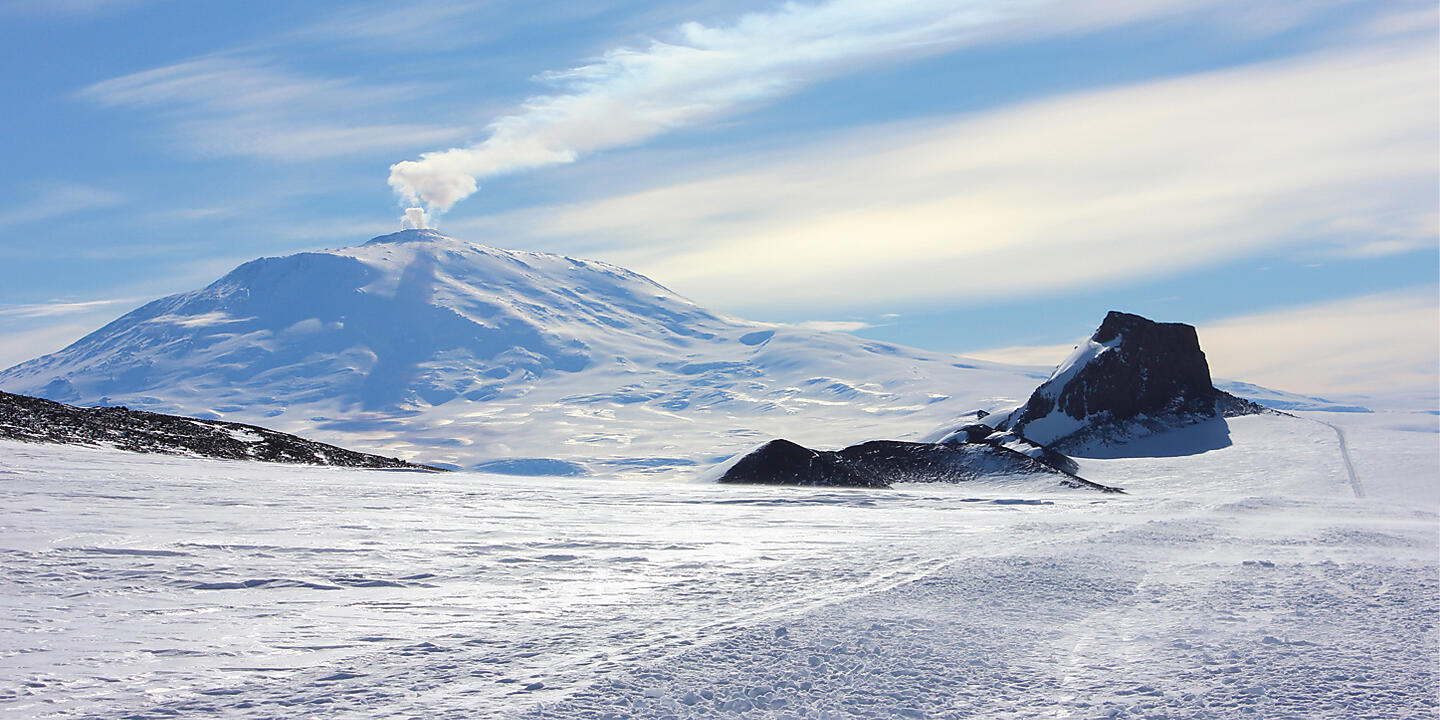
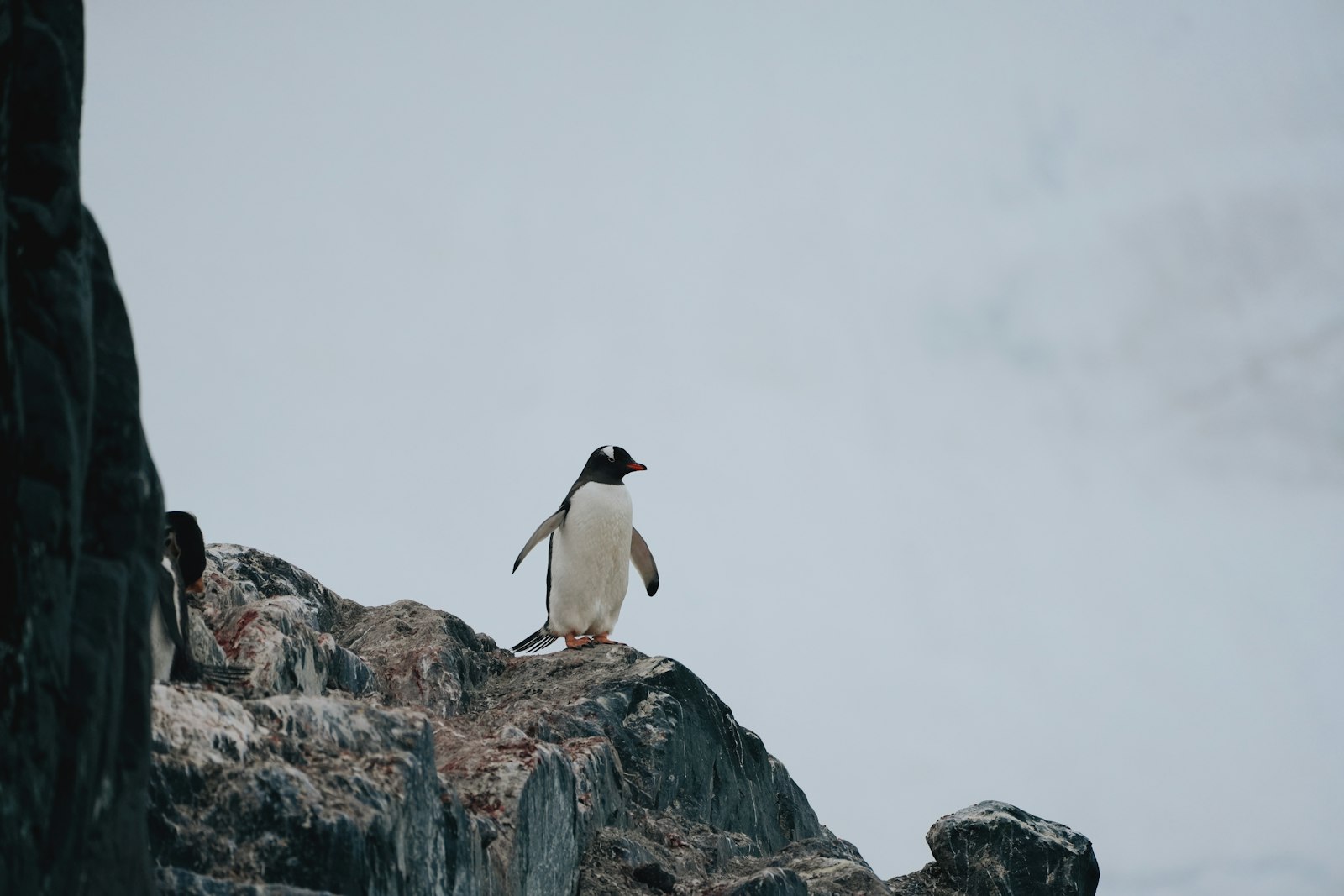
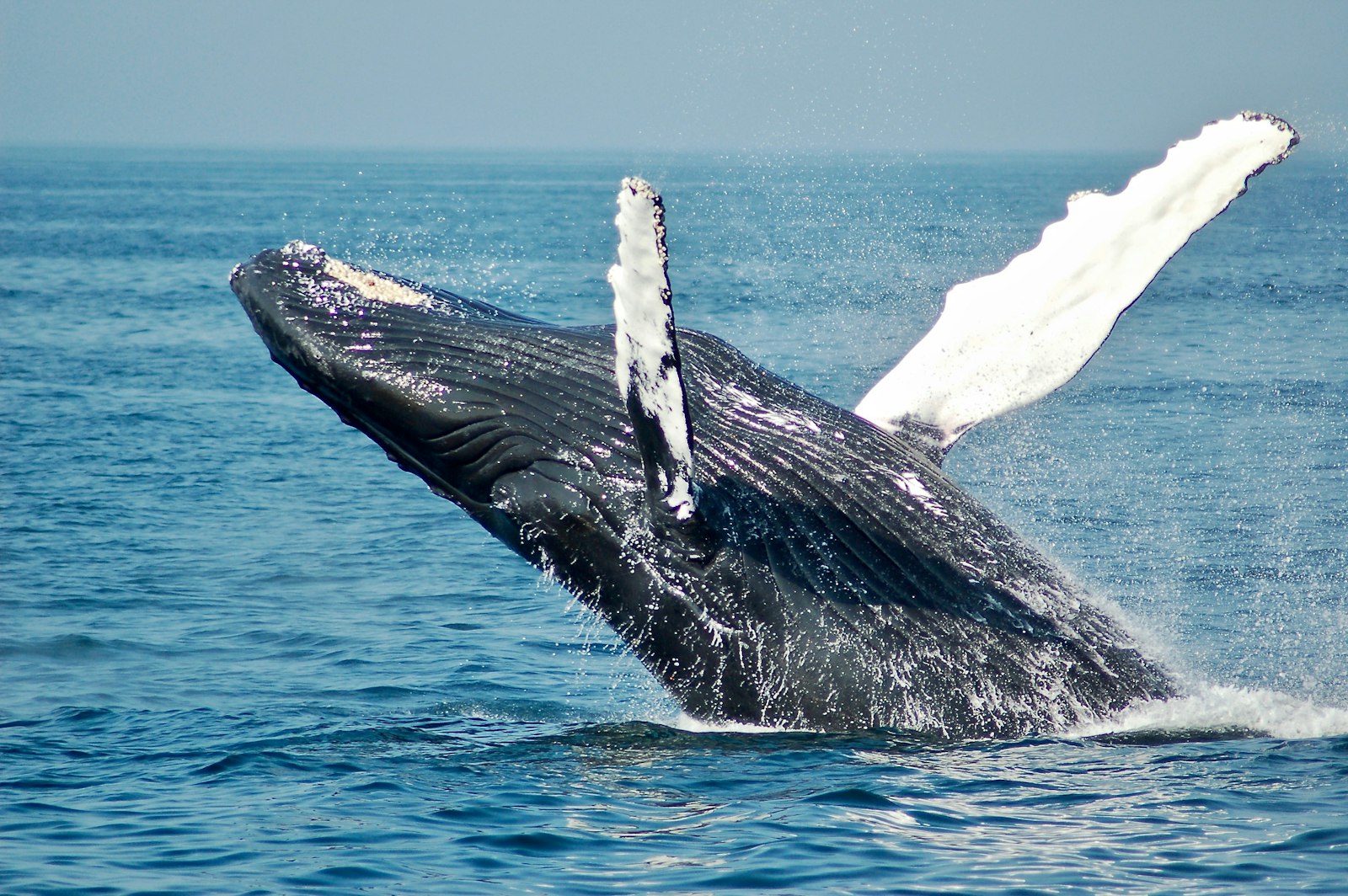
The Balleny Islands are an extremely remote series of islands extending for about 160 kilometres in a northwest-southeast direction straddling the Antarctic Circle some 270 kilometres north of the Antarctic mainland. The volcanic islands are heavily glaciated and have received few human visitors since their discovery in 1839. Their isolated location within the rich waters of the Southern Ocean has resulted in a species diversity rivalling the entire Ross Sea region. Humpback, fin and minke whales are regular visitors to the rich feeding grounds along with Crabeater, Weddell, elephant and leopard seals. Several of the islands are home to significant colonies of Adélie and Chinstrap penguins. If time and weather permit, guests will have the opportunity to explore the spectacular coastal environments and view the prolific wildlife from our fleet of zodiac.
Day 25–28
— At sea aboard Le Commandant Charcot
Spend exceptional moments sailing aboard Le Commandant Charcot, the world’s first luxury polar exploration vessel and the first PC2-class polar cruise ship capable of sailing into the very heart of the ice, on seas and oceans which the frozen conditions render inaccessible to ordinary ships. Le Commandant Charcot is fitted with oceanographic and scientific equipment selected by a committee of experts. Take advantage of the on-board lectures and opportunities for discussion with these specialists to learn more about the poles. Participate in furthering scientific research with PONANT and let us discover together what these fascinating destinations have yet to reveal to us.
Day 29–30
— Hobart, Tasmania
Hobart occupies a wonderful location at the mouth of the Derwent River, overseen by majestic Mt Wellington and surrounded by natural bushland. The Tasmanian capital is Australia's second-oldest city, after Sydney, and the picturesque waterfront is bordered by 19th-century warehouses and colonial mansions. Salamanca Place is packed with shops, galleries and restaurants and the fascinating Museum of Old and New Art (MONA) is a short ferry ride from the quay. Hobart is within easy reach of some of Tasmania's best-known destinations, from historic Port Arthur and the rugged Tasman Peninsula to Bruny Island, the Huon and Derwent Valleys and Mount Field National Park.
Les prix sont relevés sur les sites des opérateurs et peuvent changer — le site de l'opérateur fait foi.
Relevé le août 22, 2026 06:18 UTC.