Cruise Accessibility Reality Check
Experienced from Ship Deck or Zodiac Cruise
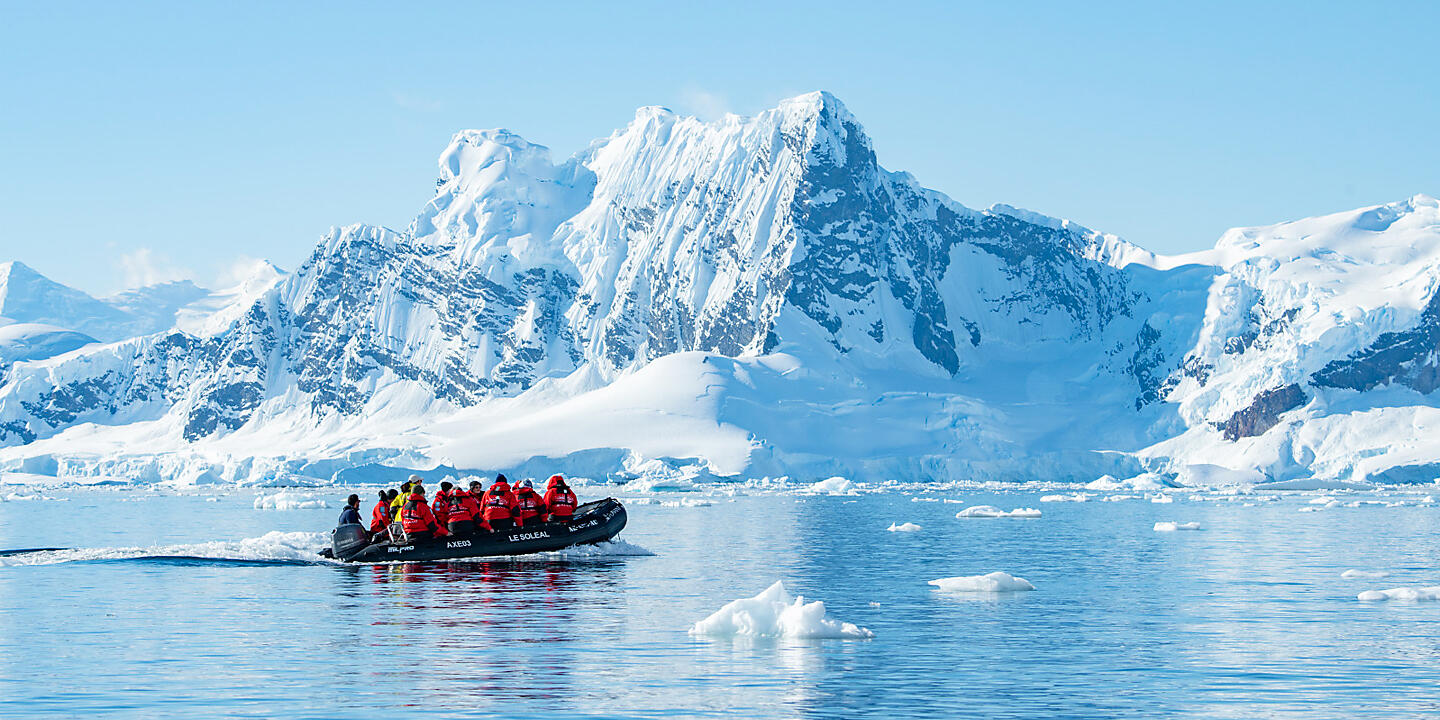
This marine landmark or towering coastal feature is experienced from the outer decks and observation lounges (or close-in Zodiac cruising) rather than a beach landing.
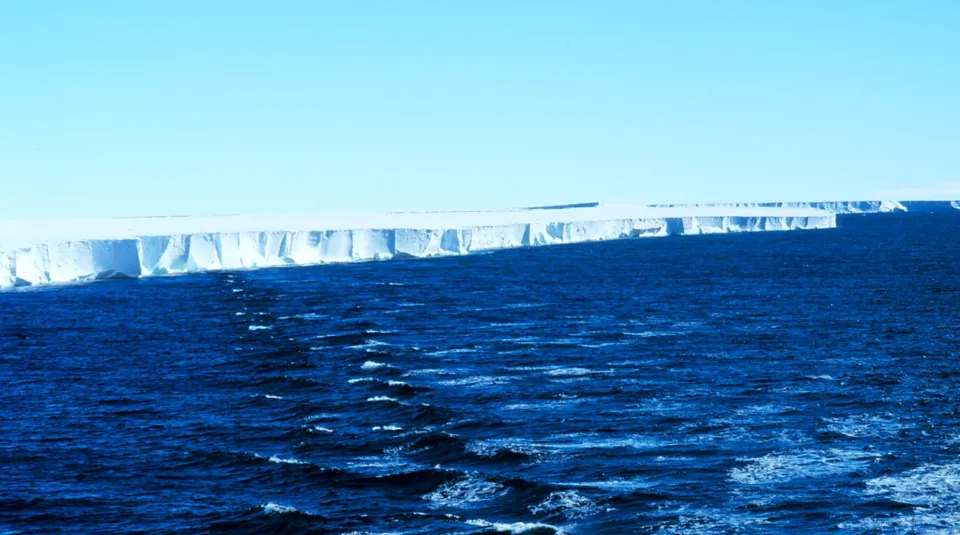
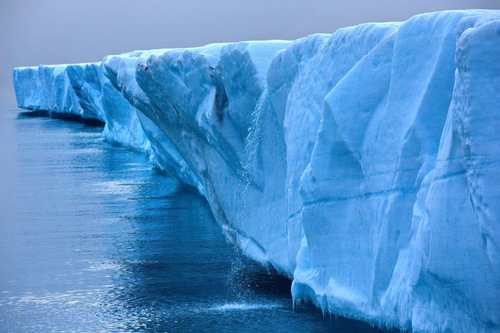
When James Clark Ross’s wooden warships hit an unbroken, 50-metre-high wall of sheer white ice in January 1841, he declared he might as well try to sail through the Cliffs of Dover. That "Great Ice Barrier" is the seaward edge of the Ross Ice Shelf: roughly 500,000 square kilometres of floating glacial ice — up to 750 metres thick — fed by immense ice streams draining both East and West Antarctica and calving the largest tabular icebergs ever recorded, including the 11,000 km² B-15.
Only long-range deep-south voyages into the Ross Sea reach the Barrier face, typically in January and February when summer break-up opens McMurdo Sound and the Bay of Whales — the historic launchpad from which Roald Amundsen struck out for the South Pole in 1911.
 (12) (2) (1).jpg)