Helicopter & flightseeing
Optional activitiesSoar above colossal tabular bergs and inland ice sheets to land on untouched glaciers and reach inaccessible colonies like Snow Hill Island's emperor penguins.
Itinerary and landing sites are indicative and subject to change based on weather, sea ice, and wildlife conditions.
Upon arriving in this splendid city, known for its architecture and rich European heritage, you will independently transfer to your group hotel (pre-expedition hotel night included in mandatory transfer package).
After an early breakfast at the hotel, the group will transfer to the airport and board our private charter flight to Ushuaia, Argentina. Upon arrival, you will be transferred from the airport to a central downtown location to have some time on your own to explore this quaint port town before meeting the bus (at a designated location) to be transferred to your ship. After a late afternoon embarkation, you will sail along the historic Beagle Channel, which transects the Tierra del Fuego archipelago in the extreme south of South America.
As we begin our exploration of Chile’s southern extent, expect a new adventure every day. Though each expedition will be different, depending on the weather, we aim to start our journey to the “edge of the earth” with a visit to historic Cape Horn (Cabo de Hornos). At the southernmost point of the Tierra del Fuego (“Land of Fire”) archipelago, this steep, rocky headland on Hornos Island marks the northern boundary of the famous Drake Passage, where the Atlantic and Pacific Oceans meet. From the 1700s to the early 1900s, prior to the opening of the Panama Canal, this cape was part of a major global trade route. IMPORTANT REMINDER If sea and weather conditions allow, you may go ashore for a hike out to the lighthouse, the tiny Stella Maris (“Star of the Sea”) Chapel, and the albatrossshaped monument honoring the many mariners who lost their lives attempting to “round the Horn.” Atop the windswept promontory, pause for a moment to take in the panoramic view and to enjoy the peaceful solitude that can only be found at one of the most southern stretches of land in the world.
As our ship sails north toward the southern edge of Tierra del Fuego, stimulating presentations by your Expedition Team will enrich your knowledge of the glacial systems, geology, environment, wildlife and storied history of the region as you retrace Charles Darwin’s historic journey through the Beagle Channel, a 150-mile (240 km) strait separating Tierra del Fuego’s main island from several smaller islands. Named after Captain Robert FitzRoy’s famous ship on which Charles Darwin was a young naturalist, the channel presents plenty of photo ops to capture seabirds hovering overhead and dramatic vistas of jagged-peaked mountains and glaciers. Rugged and untouched, this magnificent landscape is as starkly beautiful as it was when Darwin first laid eyes on it in 1833. What he experienced in this region would later help him form his then controversial theory on evolution by natural selection. Glacier Alley (as it’s nicknamed) is one of the most spectacular ship passages in Tierra del Fuego. The glaciers’ names honor the European countries that first explored the region: España (Oblicuo), Romanche, Alemania (Roncagli), Francia, Italia, and Holland Glaciers. Situated within the protected boundary of Alberto de Agostini National Park, both Pia and Garibaldi Glaciers sit at the head of picturesque, often ice-choked f jords that offer guests jaw-dropping views. Located within the Cordillera Darwin (Darwin Mountain Range), the impressive Pia Glacier extends from the soaring mountaintops down into the sea. A short hike to a lookout point provides superb vistas of the glacier and mountains. Surrounded by pristine sub-Antarctic forests, Garibaldi Glacier flows from a separate mountain, providing equally exceptional views, with the Darwin Mountains rising dramatically out of the fjord. We can explore this area by Zodiac, and include a visit to a beautiful glacial waterfall nearby. As we navigate the fjords, your Expedition Team will keep watch for Andean condors, massive birds whose wing span is second only to the wandering albatross.
Located at the end of a tranquil lagoon surrounded by lush sub-Antarctic forests in Agostini Sound, Dainelli Glacier (sometimes called Aguila— Spanish for “Eagle” Glacier) is a unique sight, as it appears to flow over rolling hills rather than mountains. Cruising aboard a Zodiac toward the blue-tinged ice, conditions permitting, you will be humbled by the wonder of nature’s power. We hope to venture ashore for an easy hike along the beach to get a more intensive look at the glacier and surrounding mountains.
Continuing north, we’ll navigate through a remote network of coastal f jords and channels, including time spent venturing out into the Pacific Ocean. Your Expedition Team will prepare you for the adventures that await, helping you further understand the glacial systems, as well as the f lora and fauna that can be found in this part of Chile. Take a moment, as we glide past soaring snow-capped peaks, to contemplate the indigenous peoples who thrived here for thousands of years and the mariners of early European exploration who traveled these same sheltered passageways, and were rewarded with the same wondrous sights.
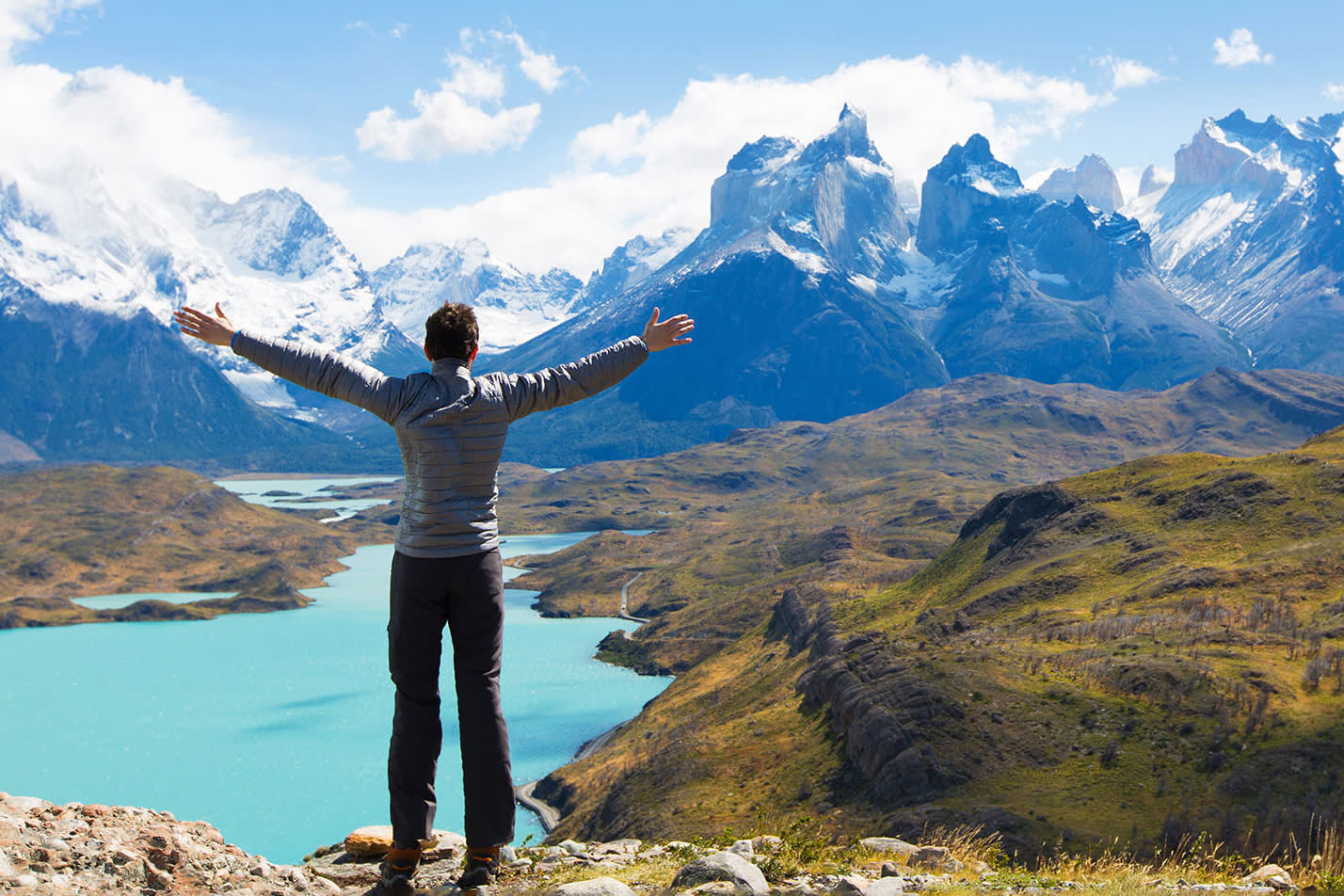
Sailing the turquoise waters of the extraordinary stretch of coastline leading to the small port of Puerto Natales, we’ll meander through a mesmerizing maze of deep, windswept fjords, narrow channels and isolated bays, with an eye toward the rugged landscape, unique wildlife and impressive glaciers that tumble from the towering mountains into the icy waters below, along with the imperial and king cormorants, South American terns, black-necked swans and southern wigeons (Chiloé wigeons) that frequent the fjords. Torres del Paine National Park is one of the most stunning wilderness areas in South America, and Puerto Natales is the gateway. This enormous park is a UNESCO Biosphere Reserve, so designated for both its natural wonders and ancient human history, and named for the three granite peaks that tower above the glacier-fed lakes. Enjoy a day of hiking, and exploration aboard chartered buses tailored to your preferred activity level with lookouts in the park, followed by traditional Patagonian cuisine in the afternoon. Taking our expedition onto dry land for another full day, we will also visit a working Patagonian estancia (“ranch”), founded in 1891 by Scottish immigrants. Here you will learn about Patagonian sheep farming in a historic pastoral setting. You may be lucky enough to spot in the surrounding grasslands wildlife such as ostrich-like rhea, and guanacos, a wild relative of the domestic llama. Complete your cultural experience with a lunch of barbecued lamb al palo (“on a stick”), and return to the ship in the early evening.
Cruising the pristine waters of the Canal de las Montañas (“Channel” or “Fjord of the Mountains”) will leave you breathless. You’ll be awed by the amazing series of waterfalls cascading down between the jagged peaks that rise up sharply on either side of the narrow, 41-mile (66 km) long channel dotted with glaciers, five of which spill dramatically into the water. Here, impressive ice fields glisten in the distance, and steeply sloped glaciers exceed elevations over 8,235 feet (2,510 meters). The channel also provides an ideal place to put our Zodiacs in the water for more detailed exploring or the chance to go ashore for a hike to scenic viewpoints. If you’re feeling more adventurous, perhaps you’ll treat yourself to an optional kayaking excursion (extra cost), an exceptional opportunity to experience the channel from a unique perspective.
A series of small islands and rocky outcrops in Almirantazgo Sound (“Admiralty Sound”), a fjord off the Strait of Magellan, Tuckers Islets is a superb location for viewing penguins. Though landing here is prohibited to protect the fragile nesting habitat, a Zodiac excursion will take you near a pebble beach to view a colony of 4,000-plus breeding Magellanic penguins, conditions permitting. Named for Portuguese explorer Ferdinand Magellan, whose crew sighted the charming creatures in 1520 during the f irst circumnavigation of the globe, the species is native to the region, and the sight of them in their burrows, lounging on the beach or waddling in and out of the water, is one you won’t forget. If we’re fortunate, we may also see Chilean skuas, Magellanic cormorants (rock shags), imperial cormorants (king shags), oystercatchers, kelp geese, or even dolphins.
Continuing our exploration of Almirantazgo Sound, we plan to explore ashore at Ainsworth Bay, one of the most picturesque and pristine places in Patagonia. Surrounded by untouched sub-Antarctic forest, this isolated bay is a protected area within the border of Alberto de Agostini National Park. It hosts abundant birdlife, so you’ll want to keep your eyes peeled as we cruise in the Zodiacs. Hiking options will be available for all fitness levels, affording panoramic views of Marinelli Glacier, Marinelli Fjord and the surrounding Darwin mountain range.
Another excellent spot for glacier exploring in Almirantazgo Sound is Bahia Brookes (Brookes Bay), where, conditions permitting, we’ll go ashore by Zodiac. The bay offers ample chances for closer views of a number of waterfalls and glaciers, including the calving North Brookes Glacier, set against the breathtaking backdrop of the towering Darwin mountain range. Amid the serene silence of this icy wonderland, the only sound you may hear is the powerful roar of ice breaking off and crashing into the frigid waters below. This is also a great location for viewing ice fall deposits, which form reconstituted glaciers, and kame (silt and sediment deposits).
In the middle of the Strait of Magellan, Marta Island (Isla Marta) is home to abundant birdlife and more than one thousand Patagonian (South American) sea lions. To protect the wildlife, shore landings are not possible here, but we do plan to circumnavigate the island, providing numerous opportunities to observe and photograph the colony from a short distance, in the comfort of a Zodiac. Called lobos marinos (“sea wolves”) by local Chileans, these giant pinnipeds—males can weigh over 700 pounds/320 kg—form quite a noisy group as each sea lion vies for a choice spot of coastline. As you cruise by, sightings of imperial cormorants, skuas, southern gulls, snowy sheathbill—and if we’re lucky, dolphins—are also possible.
After an adventurous two weeks of exploration, you’ll say goodbye to your Expedition Team and disembark in Punta Arenas, to be transferred to the airport for your charter flight to Santiago, where you are welcome to continue on your own travels or connect to your homeward flights.
Soar above colossal tabular bergs and inland ice sheets to land on untouched glaciers and reach inaccessible colonies like Snow Hill Island's emperor penguins.
Crunch through pristine snow up glaciated ridges and volcanic vantage points for breathtaking 360° panoramas over iceberg-choked straits and penguin rookeries.
Paddle in near-silence through mirror-calm glacial bays, drifting alongside iridescent ice sculptures and listening to the deep exhales of surfacing humpback whales.
Specialized workshops and excursions guided by professional polar photographers to capture the ethereal midnight sun, dynamic wildlife action, and sculpted blue ice.
Take the leap of a lifetime directly into near-freezing Antarctic waters from a Zodiac, ship gangway, or geothermal black beach for the ultimate polar badge of honor.
Navigate deep into shallow coves, iceberg labyrinths, and alongside sheer glacier fronts where ships cannot reach, observing leopard seals lounging on floating floes.
Quark Expeditions operates dedicated polar expedition voyages to the White Continent with seasoned expedition teams.
Abundant whale encounters, playful fur seal pups, and dramatic golden-hour polar light.

Scenic Fjord • Sea Lion Colonies & Les Eclaireurs

Maritime Legend • Collision of Two Great Oceans

Granite Spires • Chilean Fjords & Glacial Steppe

End of the World • Subpolar Forests & Gateway Port
Cheapest cabin across all tracked offers — 2 price changes since Jul 2, 2026
Cheapest per-person price across all cabins and operators, captured over time. Past changes don't predict future prices.
| Cabin | Occupancy | Price (per person) | Promo | Availability | Source | detail.action |
|---|---|---|---|---|---|---|
Explorer Triple
Best price
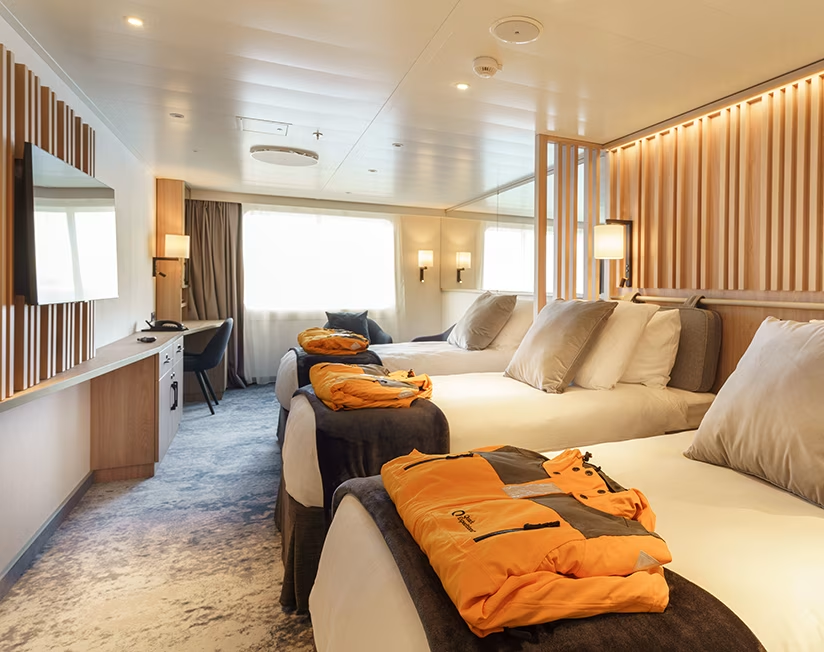
Located on Deck 3, and approximately 285 sq. ft. (26.5 m2), with a picture window; for groups of three or solo guests sharing with like-minded travelers of the same gender. Bed config: 3 single beds, two of which can be converted to a double bed.
In your cabin
|
triple | $14,071 | Save 10% | available | Quark Expeditions | View at operator |
Explorer Suite
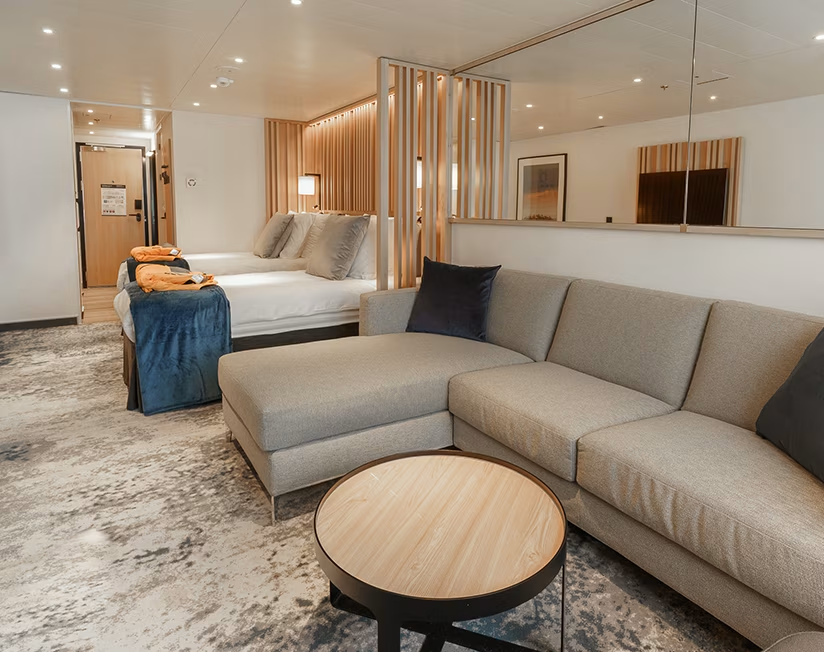
Located on Deck 3, and approximately 285 sq. ft. (26.5 m2). These entry-level twin suites maximize interior living space with a picture window; perfect for people traveling together or solo guests looking to share. Bed config: 1 double or 2 single beds.
In your cabin
|
— | $16,321 | Save 10% | available | Quark Expeditions | View at operator |
Balcony Suite
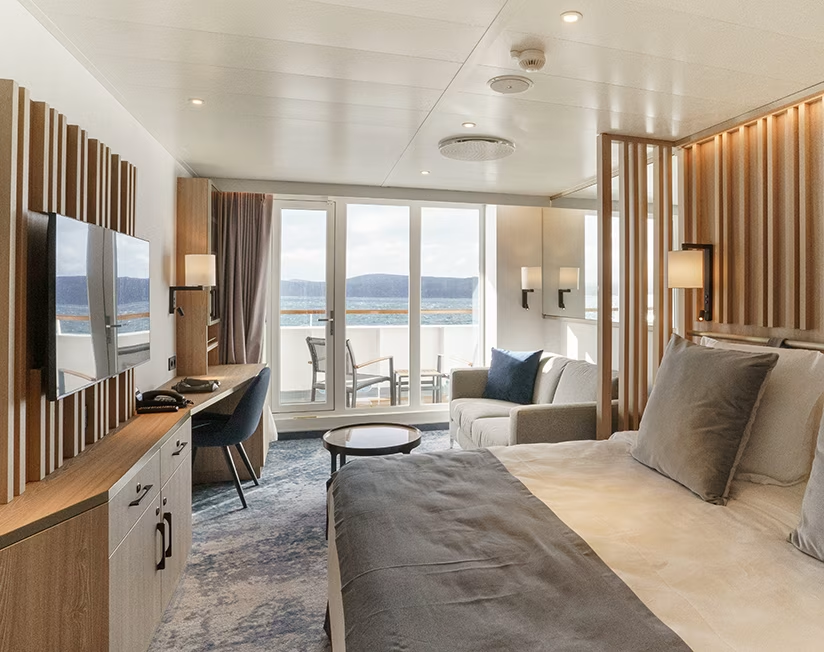
Located on Decks 4 and 6, with approximately 226 sq. ft. (21 m2) of indoor living space, and a 52 sq. ft. (4.8 m2) balcony, this entry-level balcony suite is one of the largest available on a ship of this class. This suite is perfect for guests who are looking for both indoor and outdoor living spaces. Bed config: 1 double or 2 single beds.
In your cabin
|
— | $17,851 | Save 10% | available | Quark Expeditions | View at operator |
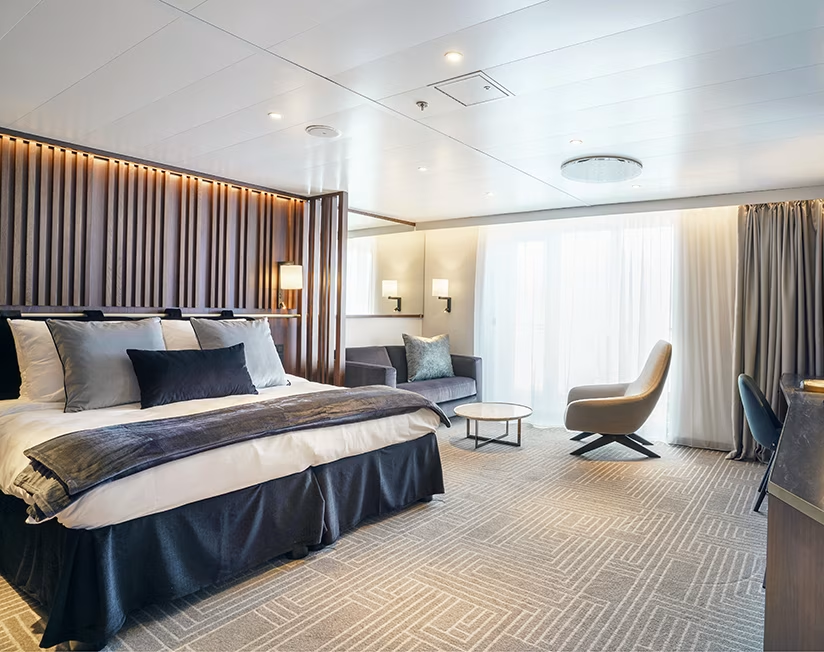
Deluxe Balcony Suite
Located on Decks 4 and 6, with approximately 299 sq. ft. (27.8 m2) of indoor living space, and a 70 sq. ft. (6.5 m2) balcony. This suite is perfect for guests wanting a larger living space, full bathroom, and a substantial balcony. Bed config: 1 double or 2 single beds.
In your cabin
|
— | $20,821 | Save 10% | available | Quark Expeditions | View at operator |
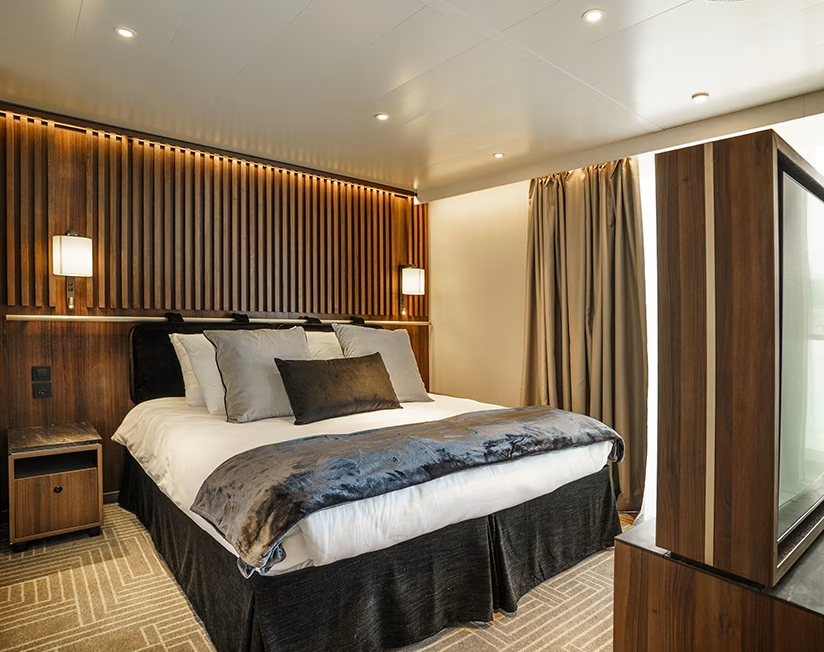
Terrace Suite
Located centrally on Deck 6, with approximately 350 sq. ft. (32.5 m2) of indoor living space and a 100 sq. ft. (9.3 m2) extra-wide balcony, the largest balconies on the ship. Bed config: 1 double or 2 single beds.
In your cabin
|
— | $21,541 | Save 10% | sold out | Quark Expeditions | |
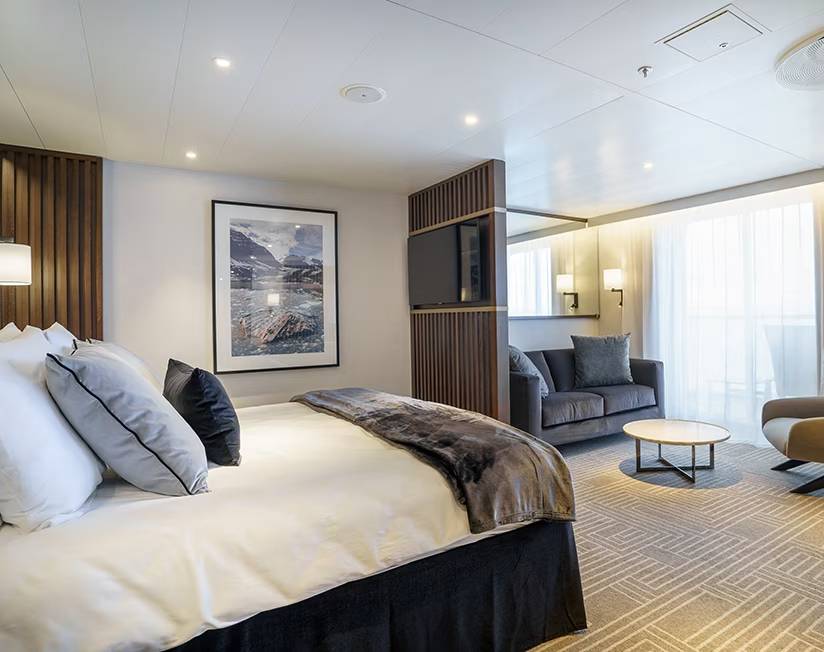
Penthouse Suite
The only suite category located on Deck 7, with approximately 369 sq. ft. (34.3 m2) of indoor living space and a 67 sq. ft. (6.2 m2) balcony, offering unobstructed polar views and easy access to the wellness centre. Bed config: 1 double or 2 single beds.
In your cabin
|
— | $23,071 | Save 10% | available | Quark Expeditions | View at operator |
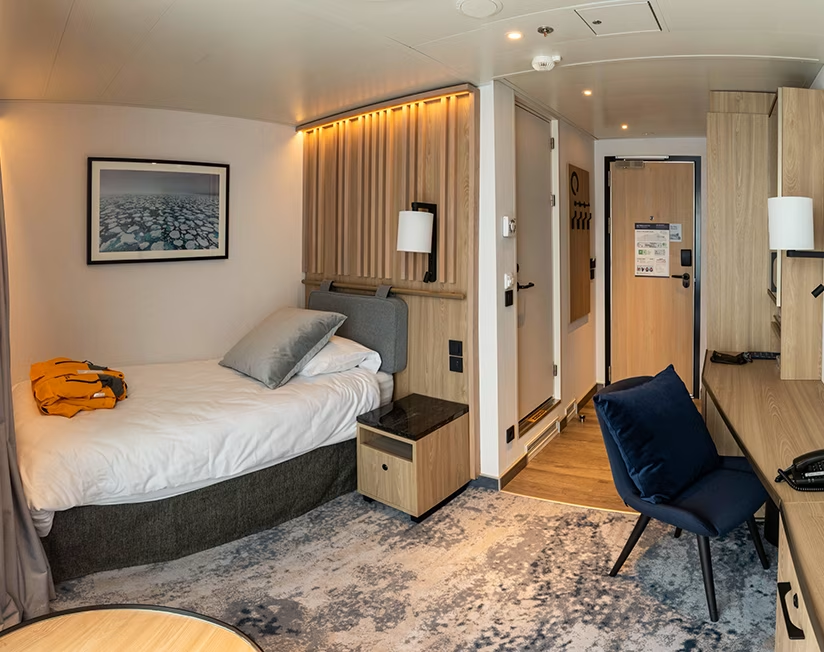
Solo Panorama
Located on Deck 6, approximately 132 sq. ft. (12.3 m2); the only solo suites with floor-to-ceiling windows on any ship in its class. Bed config: 1 twin.
In your cabin
|
single | $24,421 | Save 10% | sold out | Quark Expeditions | |
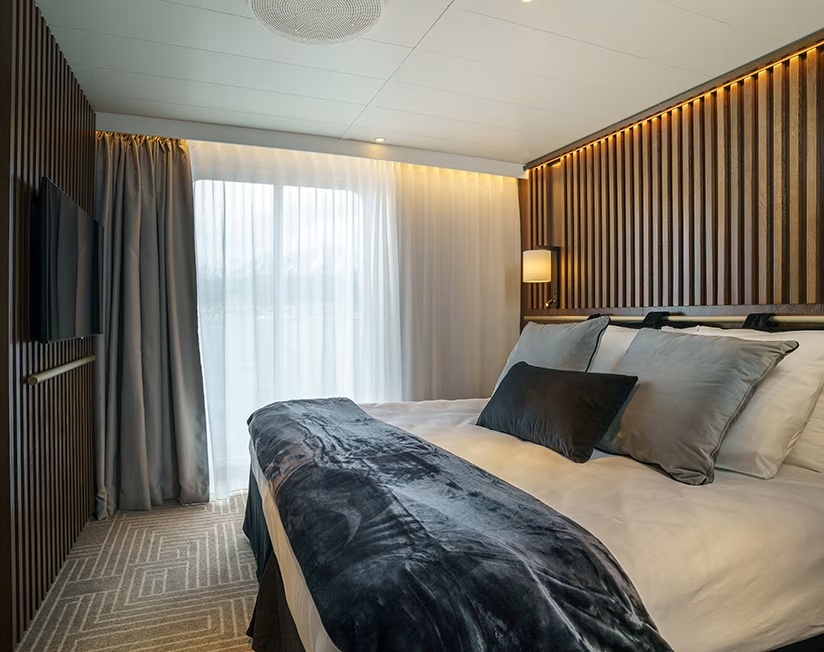
Owner's Suite
Located on Deck 6, with approximately 446 sq. ft. (41.4 m2) of indoor living space and a 46.3 sq. ft. (4.3 m2) balcony; a large suite with private bedroom, full bathroom, powder room and two separate living spaces. Bed config: 1 double or 2 single beds.
In your cabin
|
— | $28,291 | Save 10% | available | Quark Expeditions | View at operator |
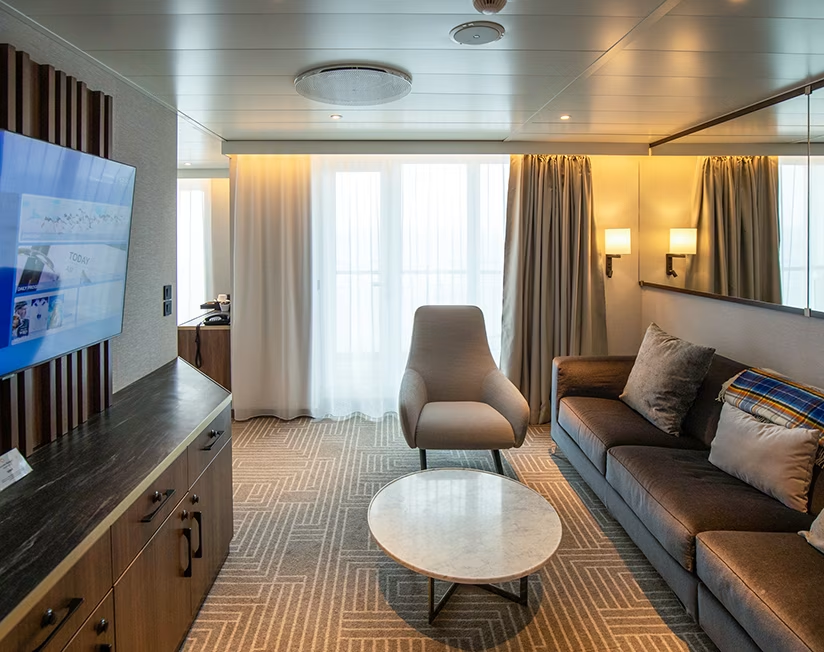
Ultra Suite
Located on Deck 6, with approximately 563 sq. ft. (52.3 m2) of interior living space and a 46 sq. ft. (4.3 m2) balcony; the ship's largest and most luxurious suite with private bedroom, walk-in closets and powder room. Bed config: 1 double or 2 single beds.
In your cabin
|
— | $31,351 | Save 10% | available | Quark Expeditions | View at operator |
Prices are captured from operator websites and may change — the operator's site is authoritative. Captured Sep 3, 2026 06:38 UTC.
Everything worth bringing on an Antarctic expedition — an interactive checklist you can tick off as you pack, keep as a personal link and download as a PDF.
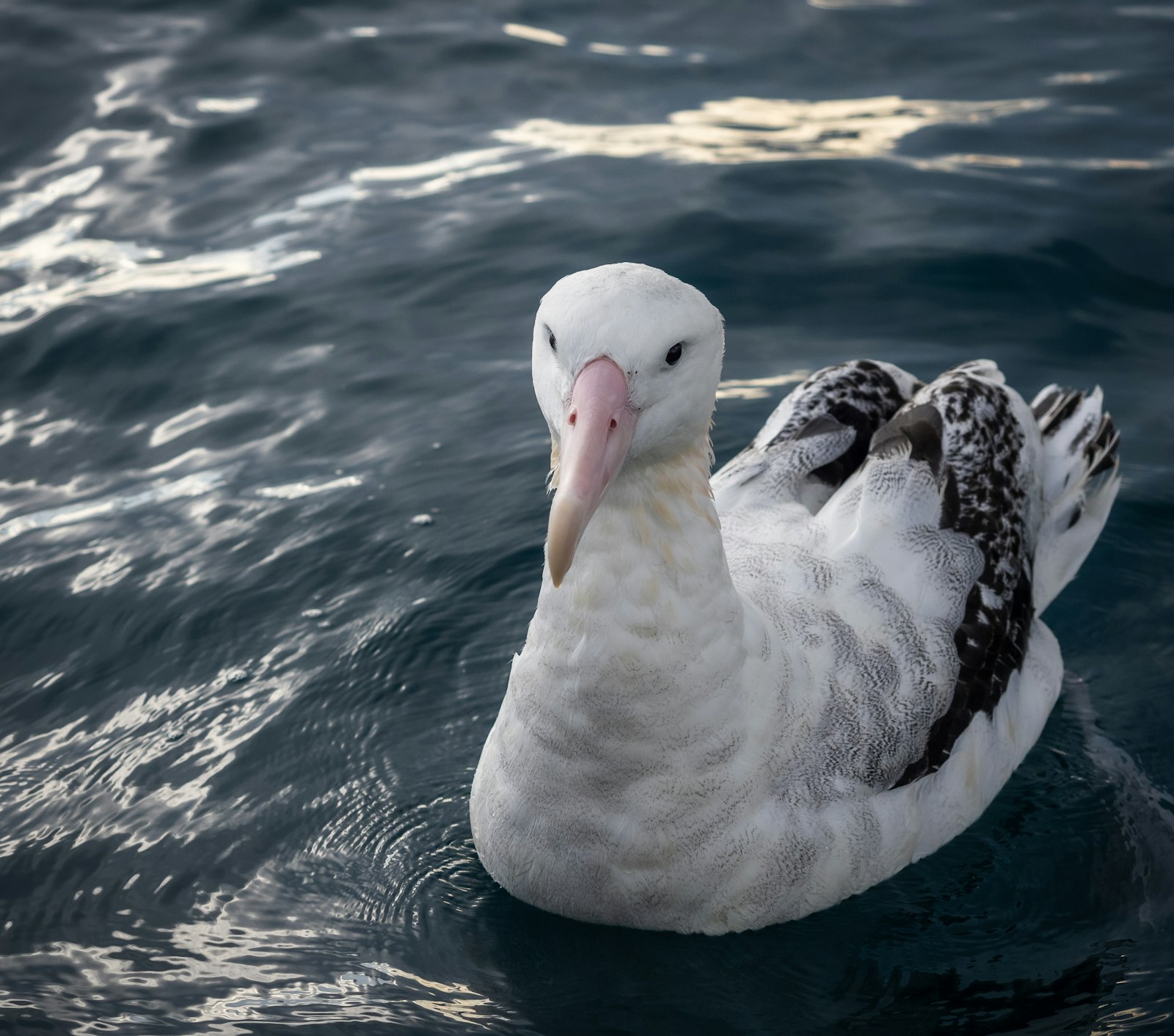
Wildlife
The snowy albatross, better known as the wandering albatross, has the widest wingspan of any living bird alive today. Watch for it riding the wind for hours behind the ship without a single wingbeat.
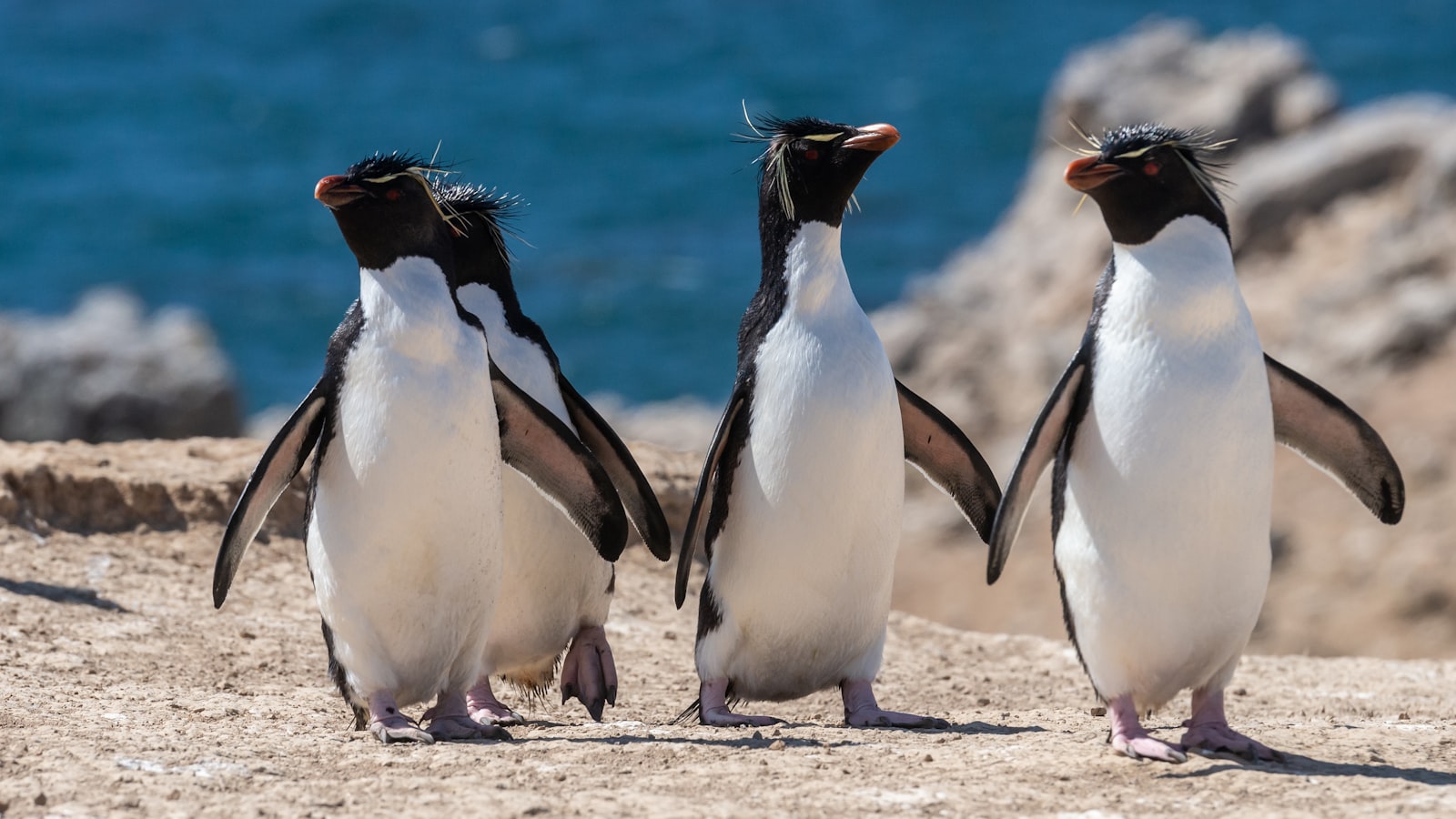
Wildlife
A small, spiky-crested penguin found around the southern tip of South America and its outlying islands. Its tangled taxonomic history makes it a quietly interesting stop on any Southern Ocean itinerary.
Wildlife
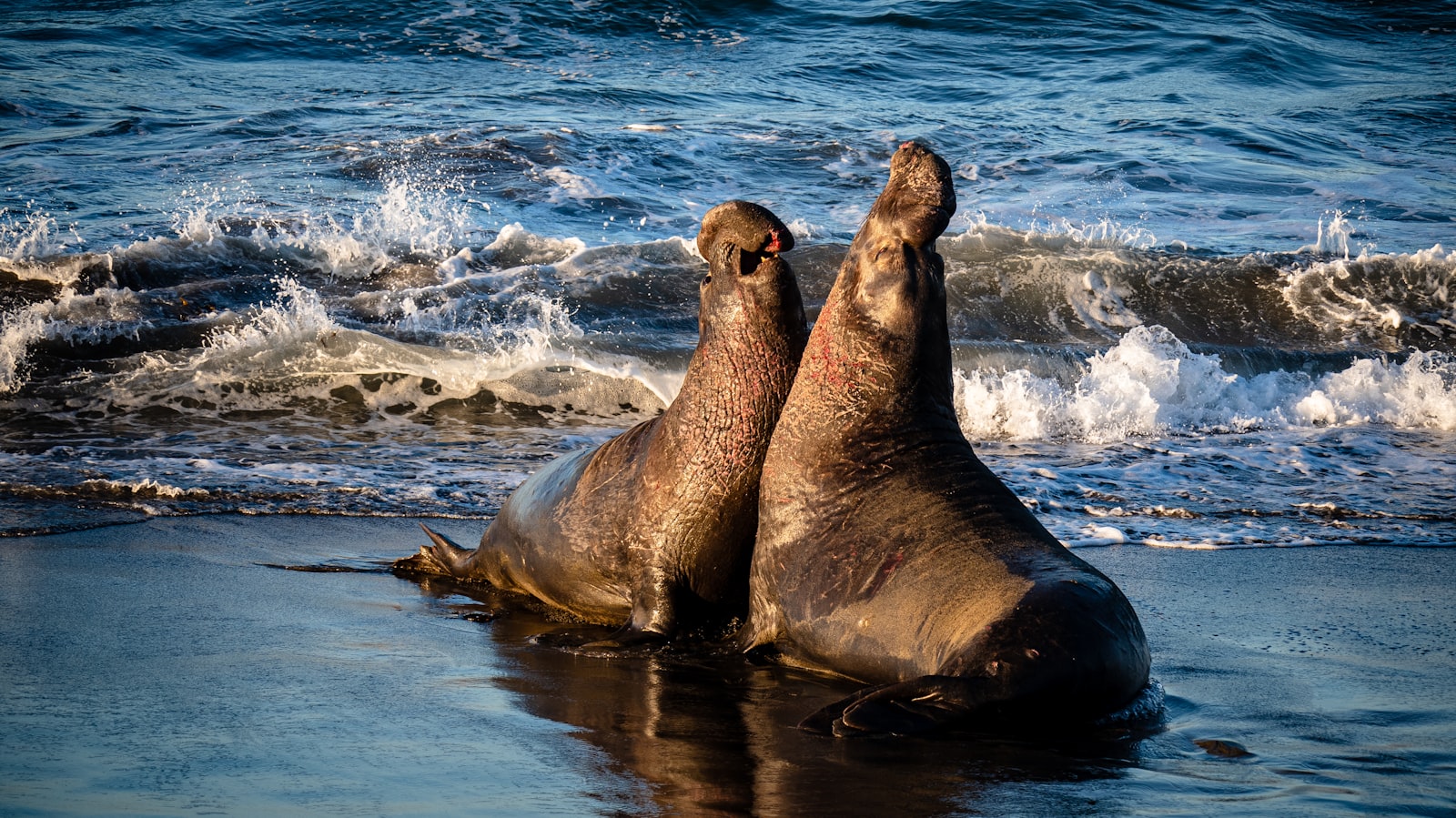
The southern elephant seal is the largest of all pinnipeds, with bulls roughly twice the bulk of a walrus. Watching a beachful of them roar and shove over territory is one of the most physical wildlife spectacles the Southern Ocean offers.
Wildlife
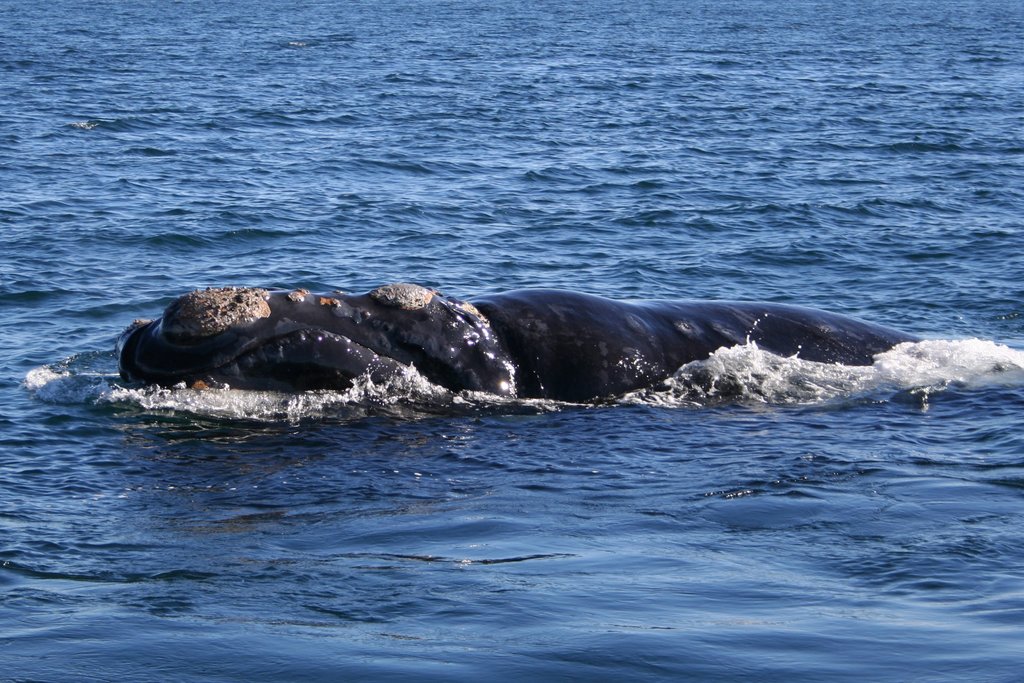
A stocky baleen whale with no dorsal fin and a head crusted in pale callosities, once hunted almost to extinction and now the whale most likely to breach or wave a fluke at passing ships. It favours the same cold, food-rich waters that expedition itineraries already follow.