Helicopter transfers
During these voyages, we transfer our passengers to shore using Zodiacs and operate helicopters in areas where Zodiacs cannot be used. If conditions allow for helicopter transfers, we will attempt landings on both land and sea ice.
Our plan is to make helicopter landings when possible, though we cannot guarantee a specific amount of helicopter time in advance. Helicopters provide a great advantage in reaching certain landing sites that are otherwise almost inaccessible, but local conditions (weather, ice, and other forces of nature) determine the final itinerary. These conditions may change rapidly, impacting our ability to use helicopters. Please understand and accept this. Safety is our greatest concern, and no compromises can be made.
The vessel is equipped with three helicopters. One helicopter always needs to be supported by a second functioning helicopter. No guarantees can be given, and in no event will claims be accepted.
Remote Weddell Sea Explorer
Starting in South Georgia after leaving Ushuaia, we will be on the trail of famed polar explorer Ernest Shackleton and his ship Endurance, experiencing the Weddell Sea’s amazing wildlife and tabular icebergs before returning via Elephant Island.
The continental borders of the Weddell Sea are formed by huge floating sheets of ice. These ice shelves produce the massive tabular icebergs that are so abundant in the Weddell Sea. Scientists have declared the waters of the Weddell Sea to be the clearest water of any sea on Earth.
The tabular icebergs and other ice formations offer fantastic landscapes and unique photo opportunities. Especially on the east side of the Weddell, the chance of landings can be limited due to these ice formations. Zodiac cruises and possible ice landings are wonderful alternatives, if conditions allow.
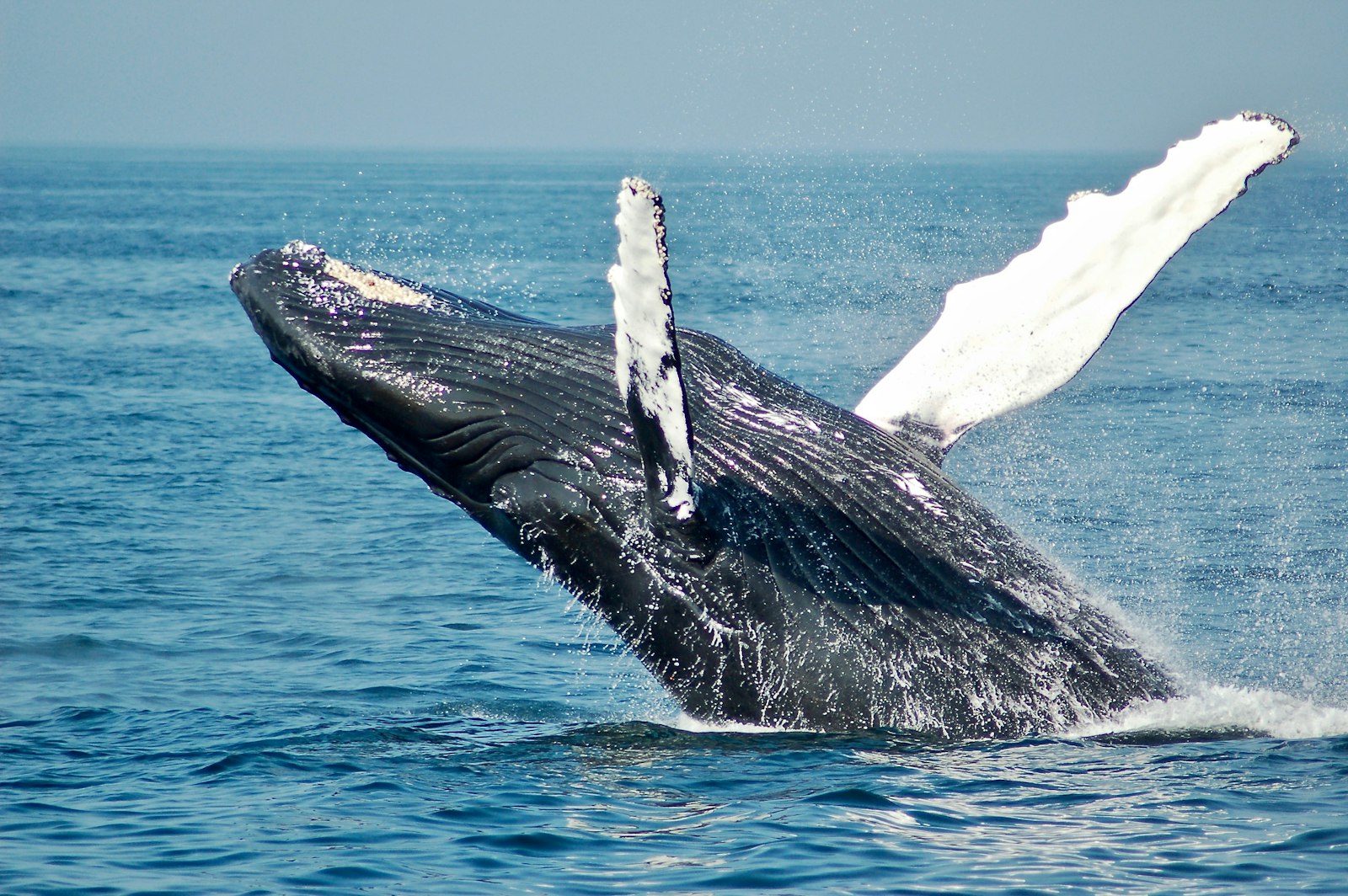
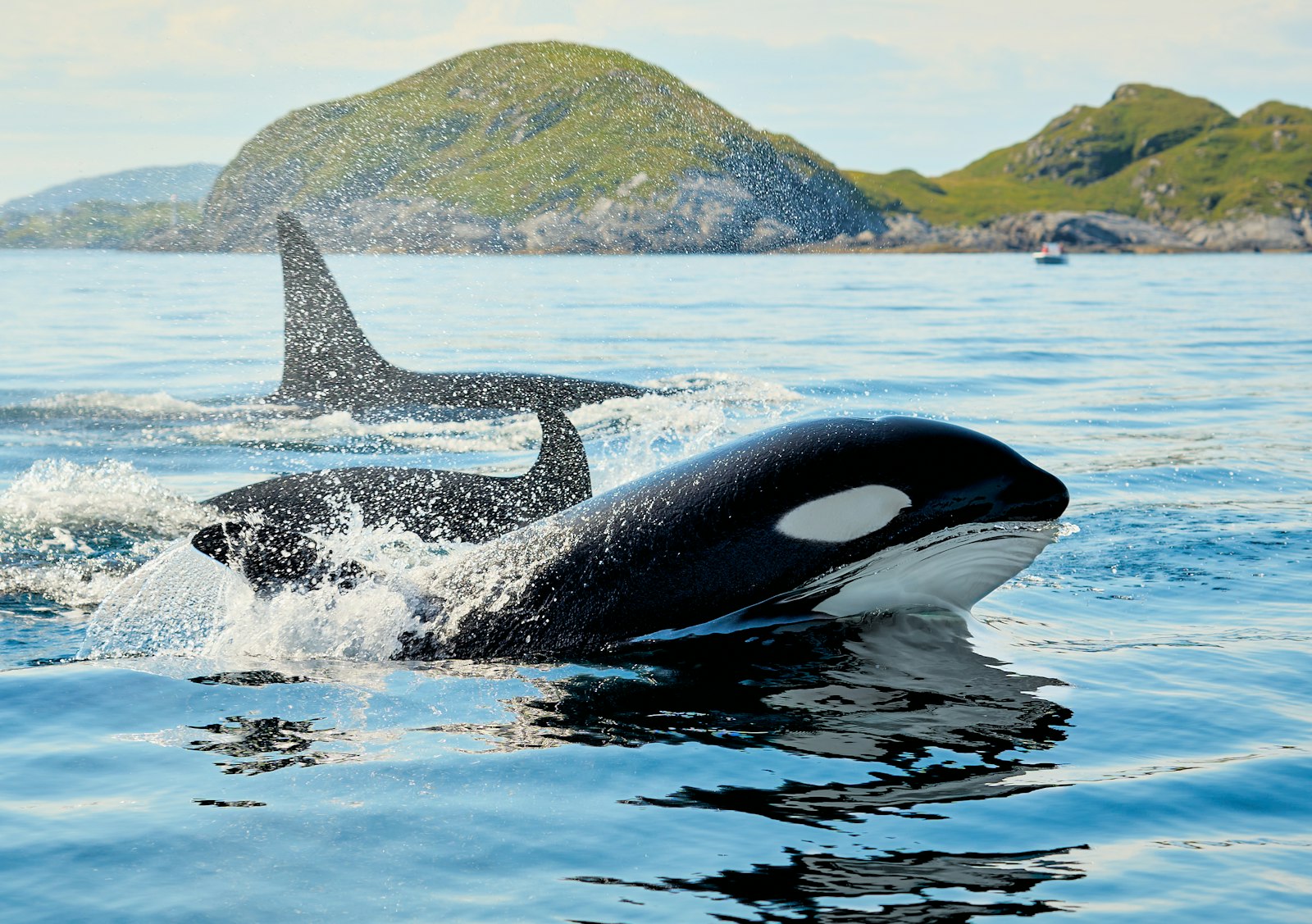
The Weddell Sea is home to a large number of orcas, humpbacks, and minke whales as well as leopard, Weddell, and crabeater seals. Several penguin species can be seen there too.
On the ship, our structured educational program will complement other activities. You will have the opportunity to attend several lectures on a variety of topics, such as wildlife, landscape, history, and more.
Day 1-3
— End of the world, start of a journey
Your voyage begins where the world drops off. Ushuaia, Argentina, reputed to be the southernmost city on the planet, is located on the far southern tip of South America. Starting in the afternoon, you embark from this small resort town on Tierra del Fuego, nicknamed “The End of the World,” and sail the mountain-fringed Beagle Channel for the remainder of the evening.
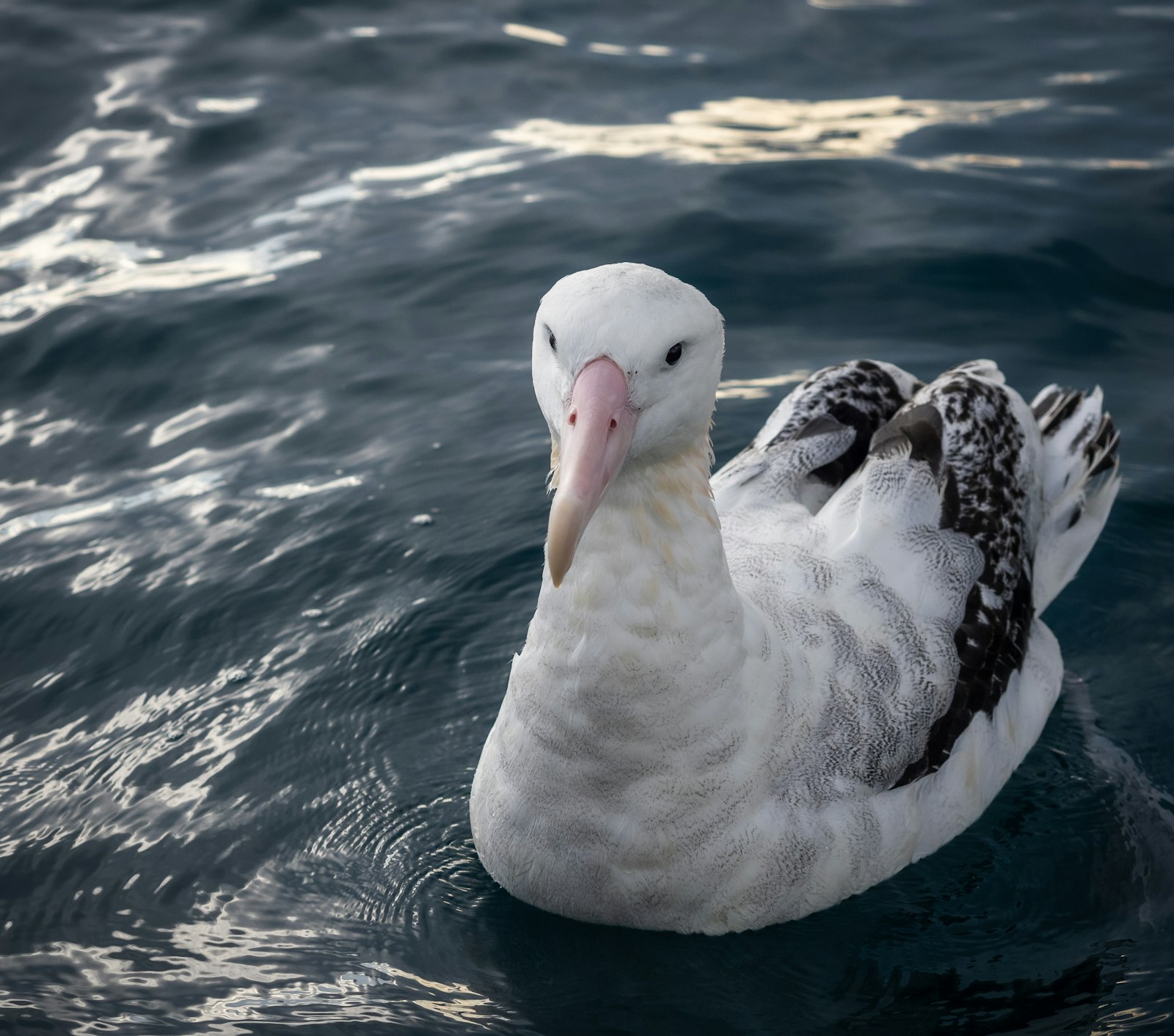
Enroute to South Georgia, you now cross the Antarctic Convergence. The temperature cools considerably within the space of a few hours, and nutritious water rises to the surface of the sea due to colliding water columns. This phenomenon attracts a multitude of seabirds near the ship, including several species of albatross, shearwaters, petrels, prions, and skuas.
Day 4 – 6
— South Georgia journey
Entering the South Georgia Maritime Zone, one of the largest protected waters in the world, we sail past the Shag Rocks. These impressive rocks lay 240km (150 miles) west of South Georgia and are home to several thousand South Georgia shags. The area around the rocks is known for its abundance of larger marine mammals, which feed on this comparatively shallow area of the South Georgia Ridge.
After reaching South Georgia, you will have the chance to visit some of the following sites:
Fortuna Bay – A beautiful outwash plain from Fortuna Glacier is home to a large number of king penguins and seals. Here you may also have the chance to follow the final leg of Shackleton’s route to the abandoned whaling village of Stromness. This path cuts across the mountain pass beyond Shackleton’s Waterfall, and as the terrain is partly swampy, be prepared to cross a few small streams.
Salisbury Plain, St. Andrews Bay, Gold Harbour – These sites not only house the three largest king penguin colonies in South Georgia, they’re also three of the world’s largest breeding beaches for Antarctic fur seals. Literarily millions breed on South Georgia during December and January. By February the young fur seals are curious and playful and fill the surf with life and fun and large elephant seals come to the beaches to moult.
Grytviken – In this abandoned whaling station, king penguins walk the streets and elephant seals lie around like they own the place – because they basically do. Here you might be able to see the South Georgia Museum as well as Shackleton’s grave.
In the afternoon of day 6 and depending on the conditions, we will start sailing southwards in the direction of the South Sandwich Islands.
Day 7-8
— Sea Days
Like Shackleton in December 1914 on the Imperial Trans-Antarctic Expedition, also known as the Endurance Expedition, we leave South Georgia and aim for the South Sandwich Islands and the Weddell Sea.
There may be sea ice on this route, and at the edge of the ice some south polar skuas and snow petrels could join the other seabirds trailing the vessel south.
Day 9
— South Sandwich Islands
While we are unable to land here, we may be able to make a Zodiac cruise among the amazing scenery of this active volcanic area. Passing between Thule and Cook Islands will be one of the trip’s many highlights and will make an everlasting impression.
There is a good chance we’ll encounter humpback and minke whales in this area. On and around the islands, we also have the chance to spot brown skuas, chinstrap or Adélie penguins, and several species of albatross: grey-headed, black-browed, and wandering.
Day 10-12
— Southward bound towards emperor penguin territory
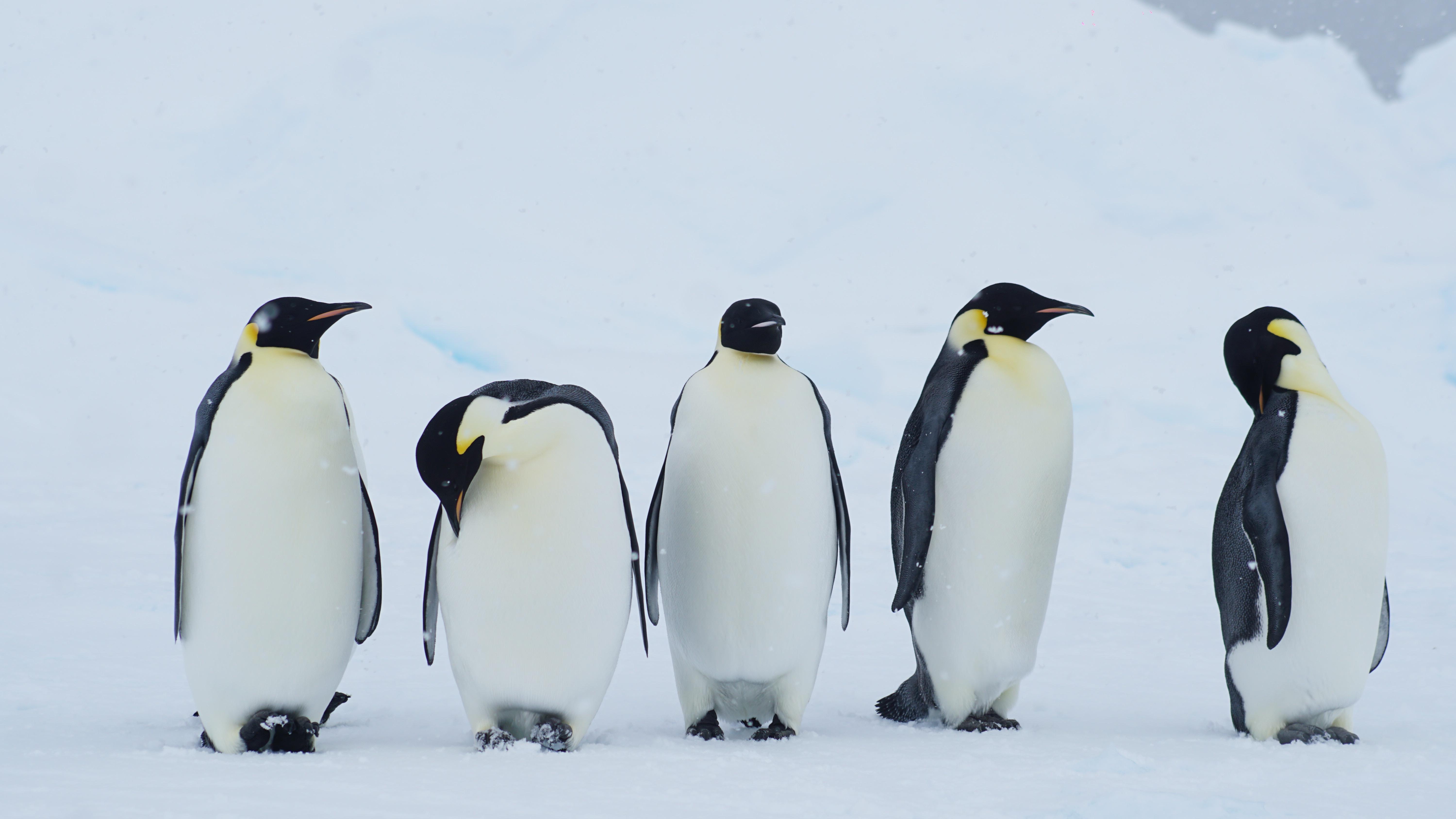
We next sail toward the Antarctic continent in the direction of Queen Maud Land and Neuschwabenland (New Swabia) on the northeast side of the Weddell Sea. As we venture further south, closer to the edge of the pack ice and into the Weddell Sea proper, the chances of encountering emperor penguins on the ice increase. In Shackleton's accounts of the Endurance expedition, emperor penguins make frequent appearances in this region, and in our two successful voyages, we have enjoyed superb encounters with these iconic birds. So it pays to keep eyes peeled and cameras at the ready.
Day 13-14
— Queen Maud Land & Neuschwabenland
Our first destination in Antarctica is the region historically known as New Swabia in Queen Maud Land. This area was explored by the third German Antarctic Expedition of 1938 – 1939, led by Alfred Ritscher. The purpose was to find an area in Antarctica for a German whaling station and scout a possible location for a naval base. In an attempt to claim the region, Nazi flags were placed on the sea ice along the coast. Survey flights also airdropped aluminum arrows with swastikas, none of which remain today.
Day 15-22
— The farthest reaches of the Weddell Sea & the Filchner-Ronne ice shelf
Sailing deep into the Weddell Sea, the chances of us spotting crabeater, leopard, or Weddell seals increase. Emperor penguins, which have been encountered on past voyages on the ice in this region, will also be more frequent the further south we venture. You will also likely spot humpback, orca, and minke whales, along with varying birdlife.
Ice conditions in the Weddell Sea vary seasonally. We will encounter a vast nautical wilderness, and as we head to extreme latitudes (far south), we will enjoy the raw beauty and power that make Antarctica so special. It will become apparent why it took so long to discover the White Continent and how tough it must have been for Shackleton's expedition.
We'll make a circular route toward the Brunt Ice Shelf and along the Luitpold Coast, discovered and named during the second German Antarctic expedition (1911 – 1912) of Wilhelm Filchner. If conditions allow, we will have opportunities for a Zodiac cruise and possibly an ice floe landing. It is in this area that, for two seasons running, we set a farthest south world record in the Weddell Sea, reaching Vahsel Bay in the extreme south in 2025 and 2026.
We now head west toward the Filchner–Ronne Ice Shelf before changing course north, following the coast and the ice edge along the eastern side of the Antarctic Peninsula and Larsen Ice Shelf. This brings us close to the spot where Shackleton's vessel Endurance was trapped in pack ice during his Imperial Trans-Antarctic Expedition (1914-17), drifting toward the Antarctic Peninsula before ultimately sinking. The wreck was discovered on March 5, 2022, the 100th anniversary of Shackleton's burial, and 107 years after the ship sank beneath the ice. While we can't get close to the discovery site, we will be in the area where the ship was trapped and abandoned. With colonies of emperor penguins nearby, our chances of further encounters on the ice are good.
Day 23-25
— Elephant Island & the Antarctic Peninsula
Our course, landing sites, and direction depend entirely on ice conditions. If conditions allow, we may head first to the eastern side of the Antarctic Peninsula, but it is more likely that we aim directly for Elephant Island. This desolate spot was the starting point from which Shackleton began one of the most epic journeys in history. Using only a small lifeboat, the James Caird, he and five of his men sailed to South Georgia, then walked 36 hours to Stromness - a herculean feat.
Twenty-two members of his expedition were stranded on Elephant Island. It took four and a half months to complete the legendary rescue. Conditions on Elephant Island are severe. The coastline is mostly made up of vertical rock and ice cliffs, highly exposed to the elements. If possible, you will take Zodiacs to Point Wild, where the marooned members of Shackleton's expedition survived against all odds.
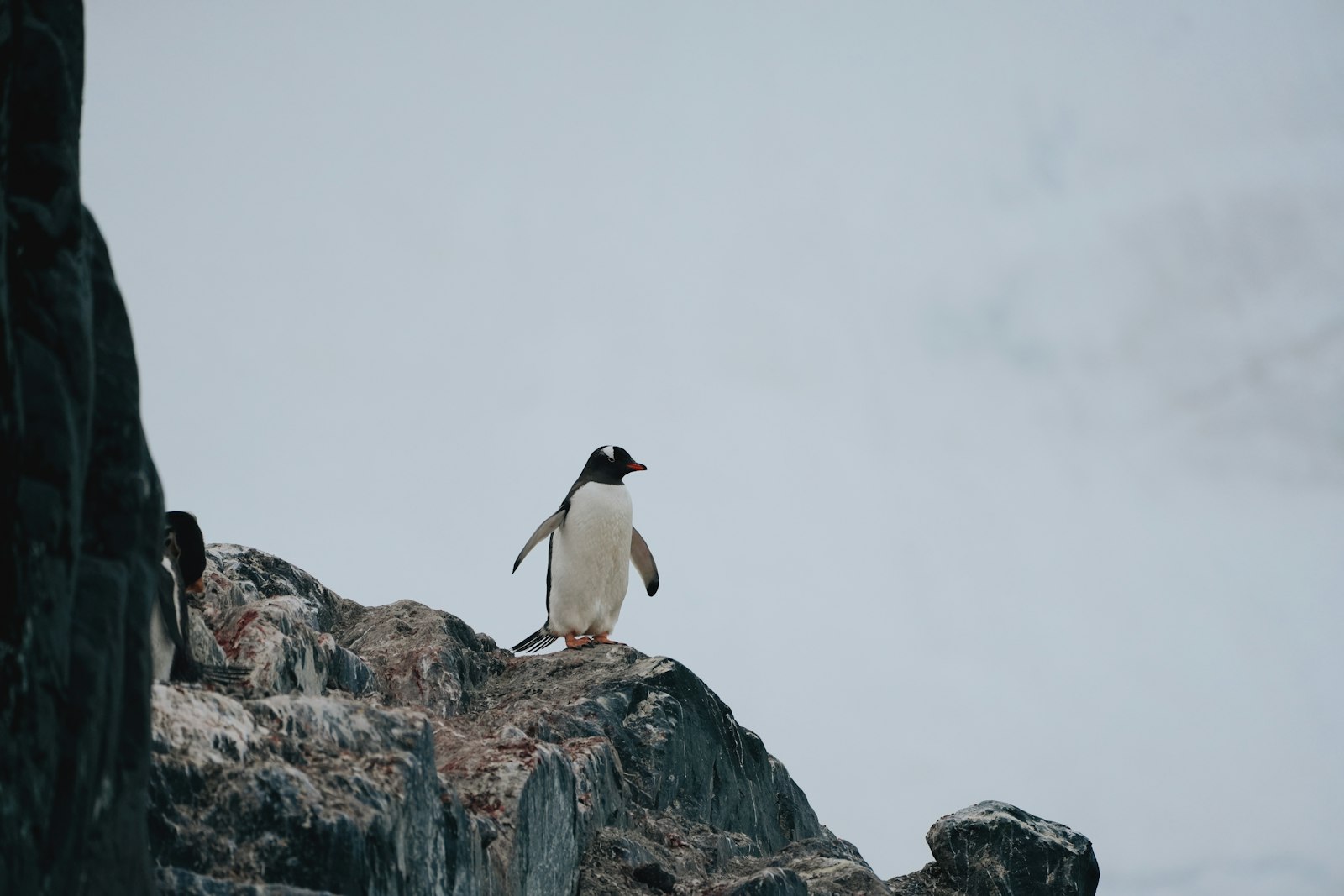
Ice-dependent, we may then enter the area of Erebus and Terror Gulf. This may be via the spectacular Antarctic Sound, where a large Adélie penguin rookery, gentoo penguins, and nesting snow petrels can be found. Possible locations include Brown Bluff, Kinnes Cove, and the famous Madder Cliffs. You will also likely spot gentoo penguins, seals, and whales in this area. If we are lucky with the ice, we may reach as far as Snow Hill Island, where the northernmost colony of emperor penguins can be found. If conditions allow, we may also attempt a landing on James Ross Island.
Day 26 – 27
— Familiar seas, familiar friends
Your return voyage is far from lonely. While crossing the Drake, you might see some of the same wildlife encountered at the start of your voyage: albatrosses, petrels, maybe even a minke whale spouting up sea spray.
Day 28
— There and back again
Every adventure, no matter how grand, must eventually come to an end. It’s now time to disembark in Ushuaia, but with memories that will accompany you wherever your next adventure lies.