Snow Hill Island
Weddell Sea – In search of the Emperor Penguin, incl. helicopters
Nov 15, 2026 – Nov 25, 2026 · 11 days
Ushuaia
Deep South & Ross Sea · 63°35′S · 55°47′W
Weddell Sea • 100,000 Adélie Penguins & Antarctic Shipwreck Hut
4 upcoming Antarctic expeditions featuring Paulet Island on the itinerary, from $11,347. Compare ships, dates and cabin fares.
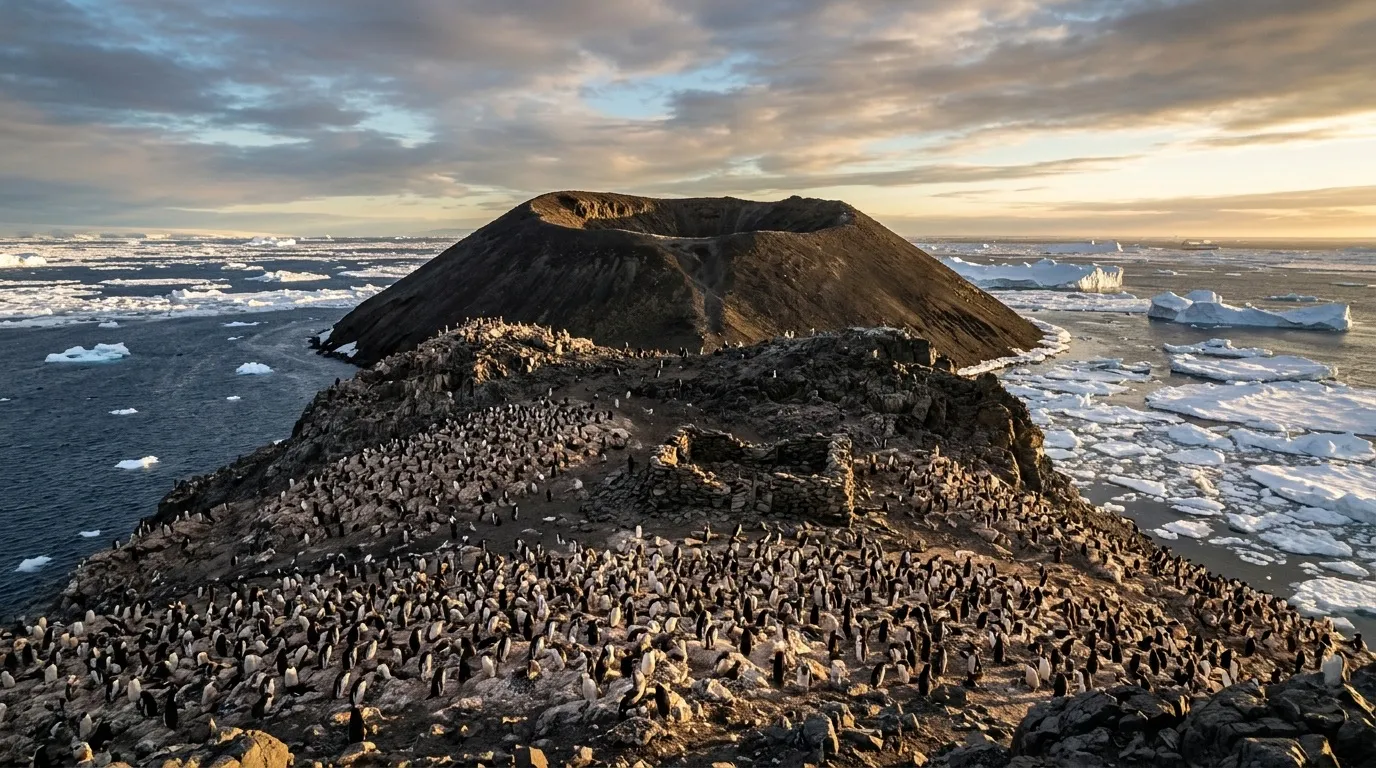
Rising out of swirling pack ice off Dundee Island, tiny 1.5-kilometre Paulet Island delivers one of the most overwhelming wildlife spectacles in Antarctica: roughly 100,000 breeding pairs of Adélie penguins and imperial shags nesting right inside the basalt walls where Captain Carl Anton Larsen and nineteen shipwrecked sailors survived the winter of 1903.
| Available departures | 4 |
|---|---|
| Price range (per person, USD) | $11,347 – $23,364 |
| Typical duration | 11–28 days |
| Active fleet coverage | 1 operator · 1 ship |
| Parent polar region | Weddell Sea |
| Geographic sector | Deep South & Ross Sea |
| Coordinates | 63°35′S · 55°47′W |
| Prices last verified | 48-hour verification methodology |
Snow Hill Island
Nov 15, 2026 – Nov 25, 2026 · 11 days
Ushuaia
Snow Hill Island
Nov 25, 2026 – Dec 5, 2026 · 11 days
Ushuaia
Snow Hill Island
Dec 5, 2026 – Dec 15, 2026 · 11 days
Ushuaia
Snow Hill Island
Feb 7, 2027 – Mar 6, 2027 · 28 days
Ushuaia
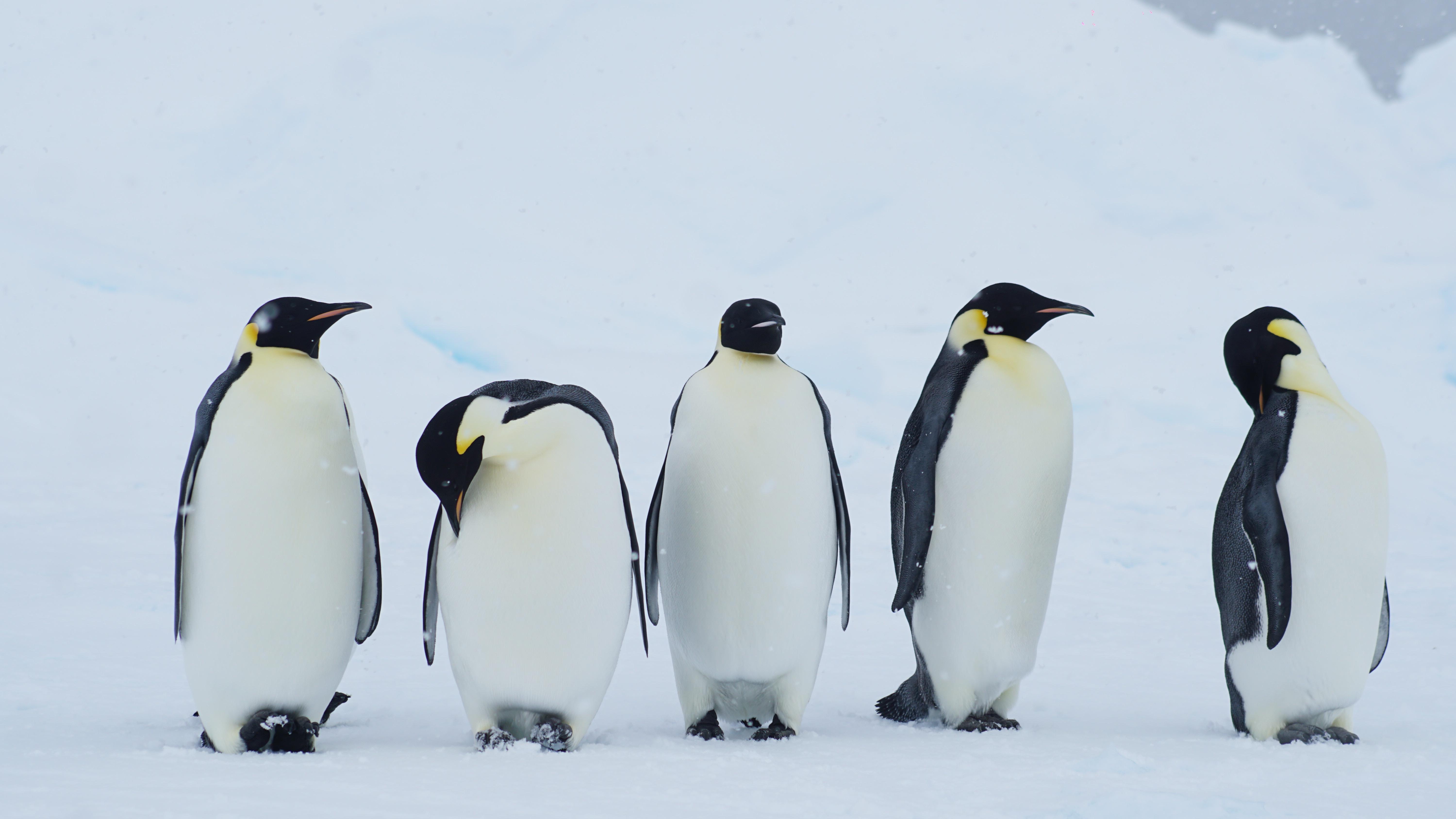
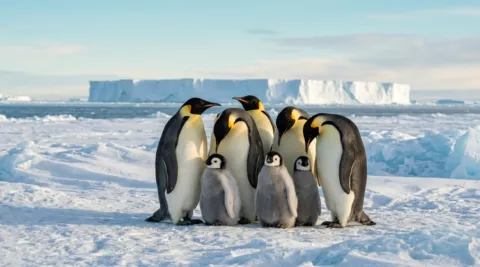
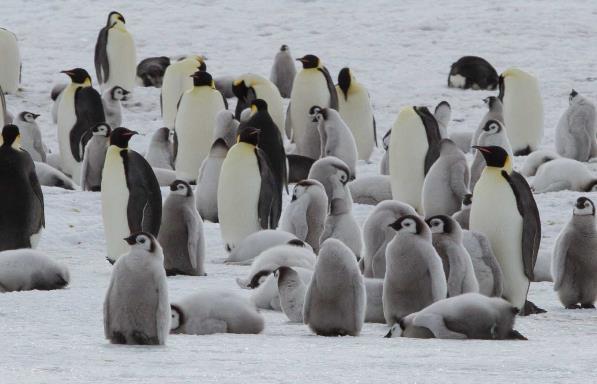
Penguins
The world's largest penguin breeds only in Antarctica's brutal winter. A rare and unforgettable sight.
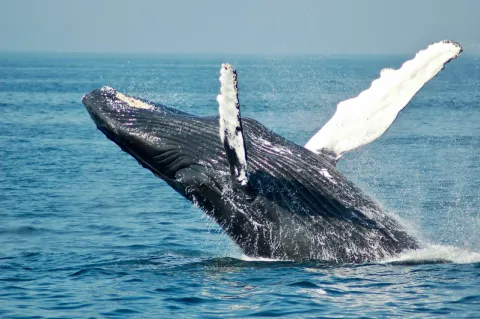
Whales & Dolphins
A 14–17 metre baleen whale known for breaching and long pectoral fins, often seen feeding on krill in loose groups along the ice edge.
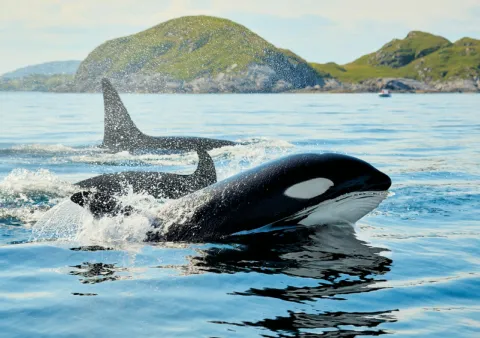
Whales & Dolphins
Black and white apex predator instantly recognizable by its pale eye patches, the orca is the largest of the dolphins and one of the ocean's most capable hunters. Sightings often involve a tight-knit family pod working the ice edge together.
Seals & Sea Lions
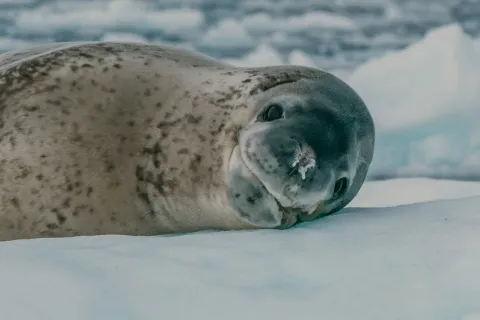
The leopard seal is the Antarctic's second-largest seal after the elephant seal, built long and muscular with a spotted, leopard-like coat. It is the region's top predator, hunting penguins, fish, and even other seals along the ice edge.
Penguins
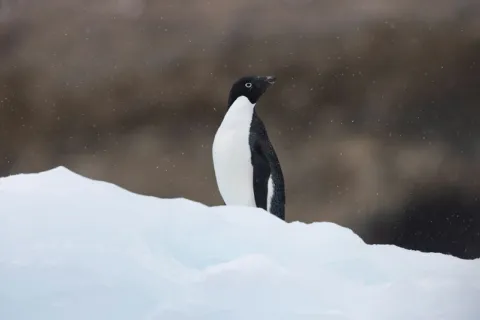
One of the most widespread penguins in Antarctica, the Adélie is often the first tuxedoed local guests meet ashore. Its stark white eye-ring and brisk, purposeful waddle make it easy to pick out along the ice edge.
Whales & Dolphins
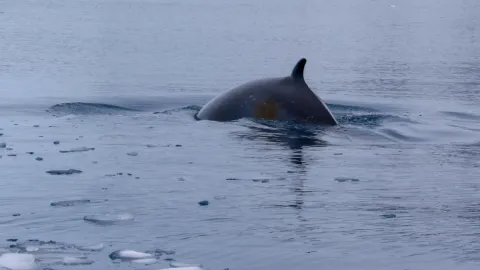
The Antarctic minke is a small, fast-moving rorqual, the most abundant baleen whale on Earth, though singles and pairs still take some looking to spot. It surfaces briefly among the pack ice, more often glimpsed than watched.
Albatrosses & Seabirds
The snow petrel is one of only three bird species ever recorded at the Geographic South Pole, and it holds the record for the most southerly breeding sites of any bird. Pure white against dark rock and ice, it is unmistakable and easy to pick out from a moving ship.
Albatrosses & Seabirds
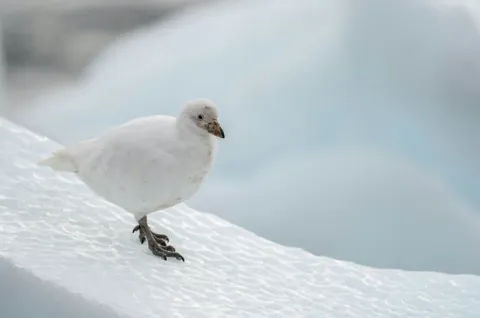
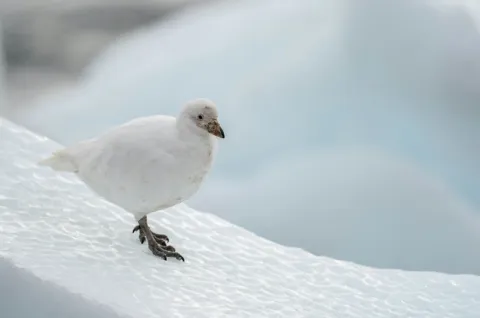
The snowy sheathbill is the only land bird native to the Antarctic continent, and one of just two sheathbill species in the world. Look down, not up: it spends its time walking the shoreline and rocks rather than flying.
Albatrosses & Seabirds
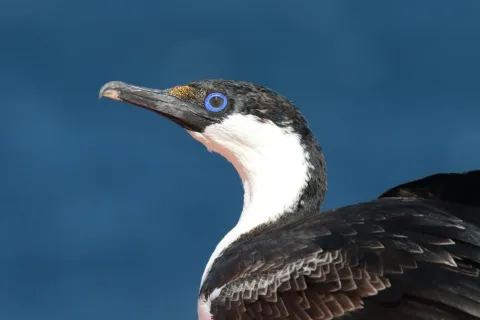
The Antarctic shag is the only cormorant species found on the continent, easy to pick out by its blue-ringed eyes as it stands stiffly upright on ice floes and coastal cliffs. It nests in small colonies apart from the penguin rookeries along rocky shorelines.
Albatrosses & Seabirds
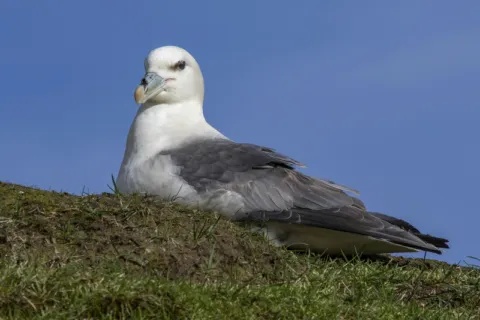
Pale grey above, white below, and marked with a distinctive white wing patch, the southern fulmar is a familiar shape trailing expedition ships south of the Antarctic Convergence. It breeds on Antarctic cliffs and islands, then disperses north with the winter ice.