Day 1
— King George Island
As the largest of all the South Shetland
Island, King George is considered the gateway to Antarctica. At just 120
kilometres from the Antarctic Peninsula and the only airport in the South
Shetlands, it is the connection between “real life” and “Antarctic life”. More
than 10 different nations have year-round or summer-only scientific research
stations on the island (considering that 90% of the island is covered by snow
and ice, that is quite an achievement!). Maintaining a base on the island
allows membership of the Antarctic Treaty. There is even a Russian Orthodox
church, with a permanent on-site priest.
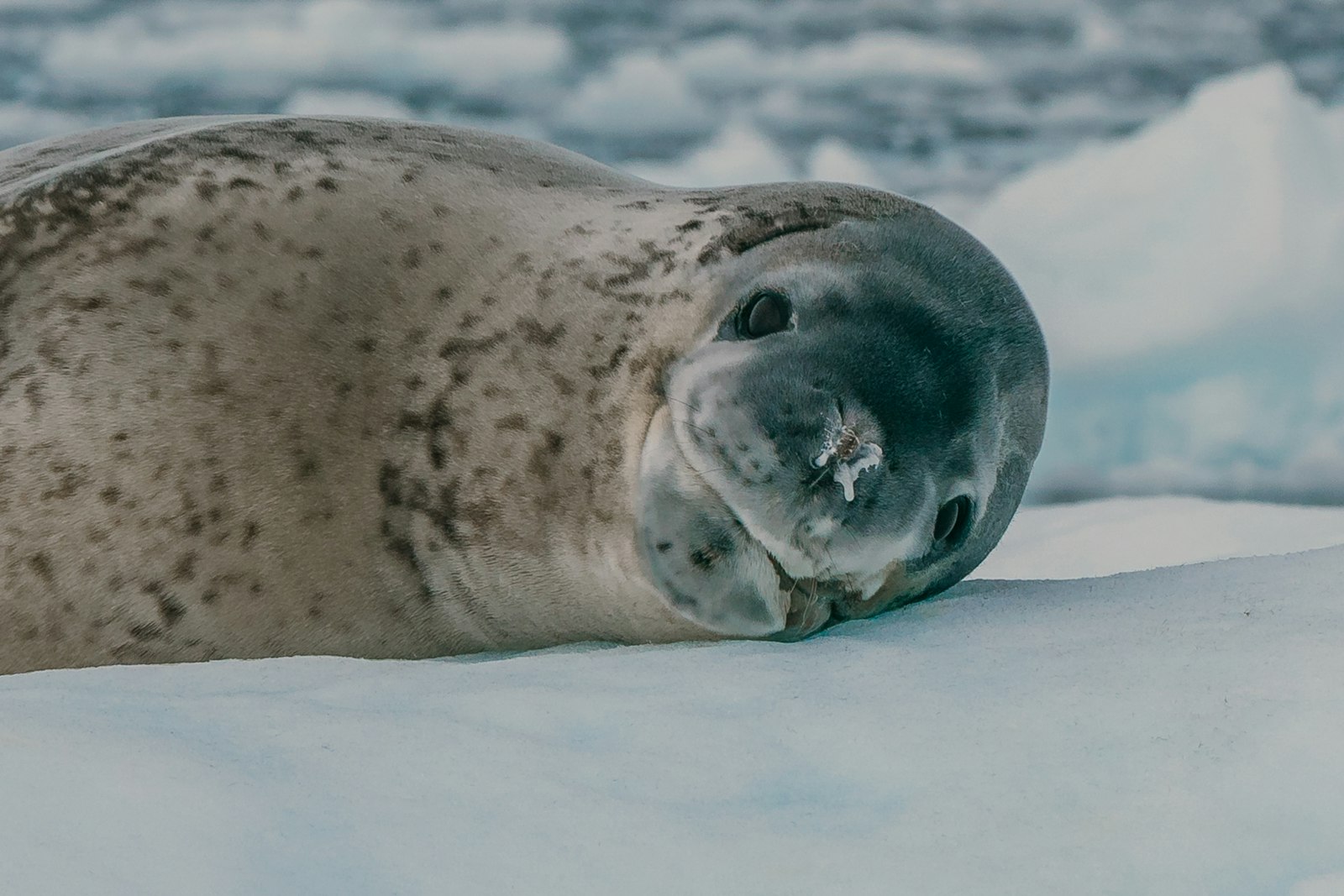
The island might be home to a few
international scientists, but they are very much outnumbered by the diverse
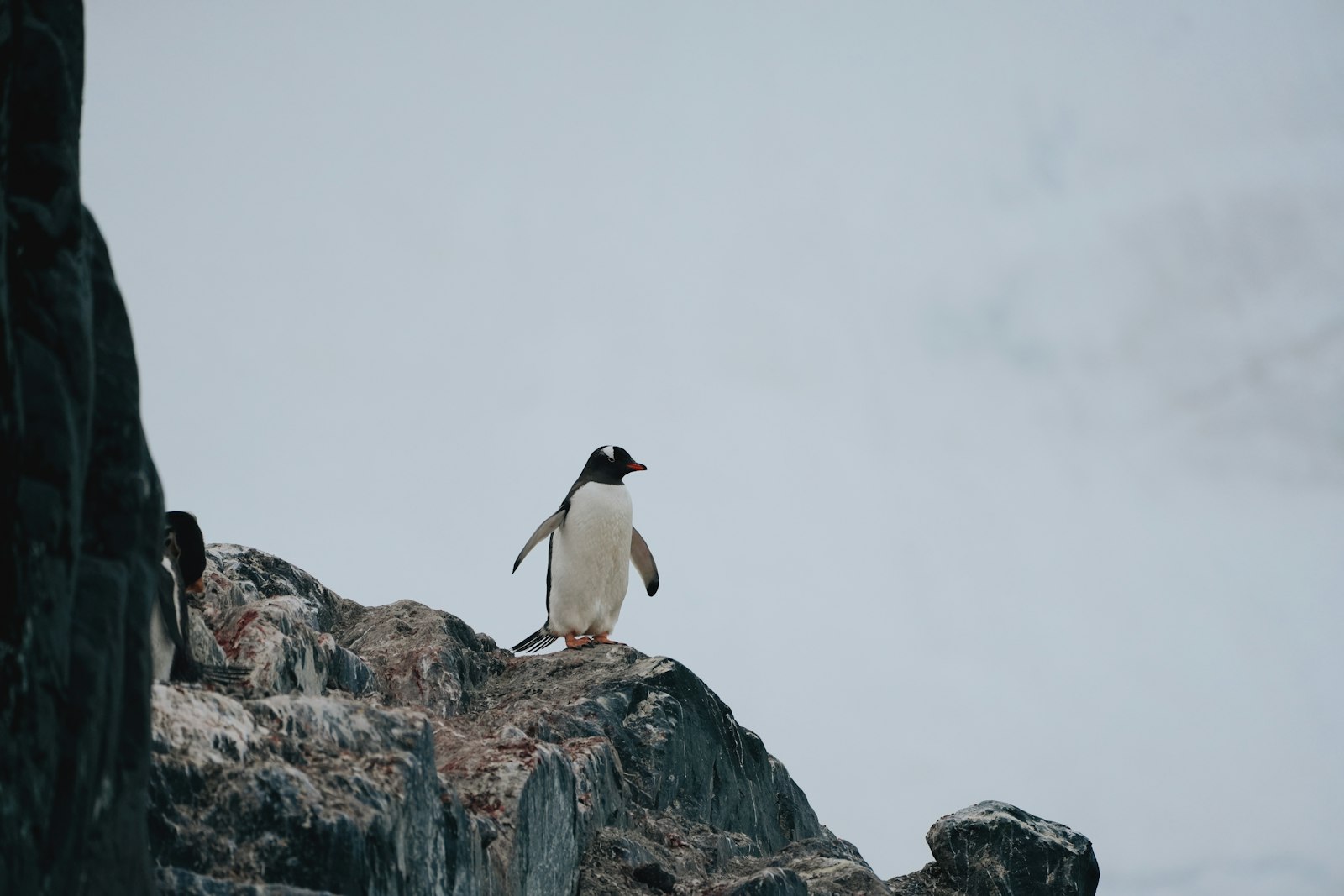
wildlife that considers King George Island rightfully theirs. Adelie, Chinstrap
and Gentoo Penguins all commute to and from the Antarctic peninsula from the
island, while Weddell and leopard seals are regular visitors and can be spotted
either in the water or on the shore. Naturally, this brings a huge amount of birdlife:
skuas and southern giant petrels are regular summer residents, attracted by the
warm climate (warm being a relative term, average temperature is between 1.5
and -6.5˚C).
The island was named after King George III
after British explorer discovered it in 1819. Since then the island has been
claimed by both Chile (1940) and Argentina (1943), but remains part of British
Antarctic Territory.
Day 2
— Antarctic Sound
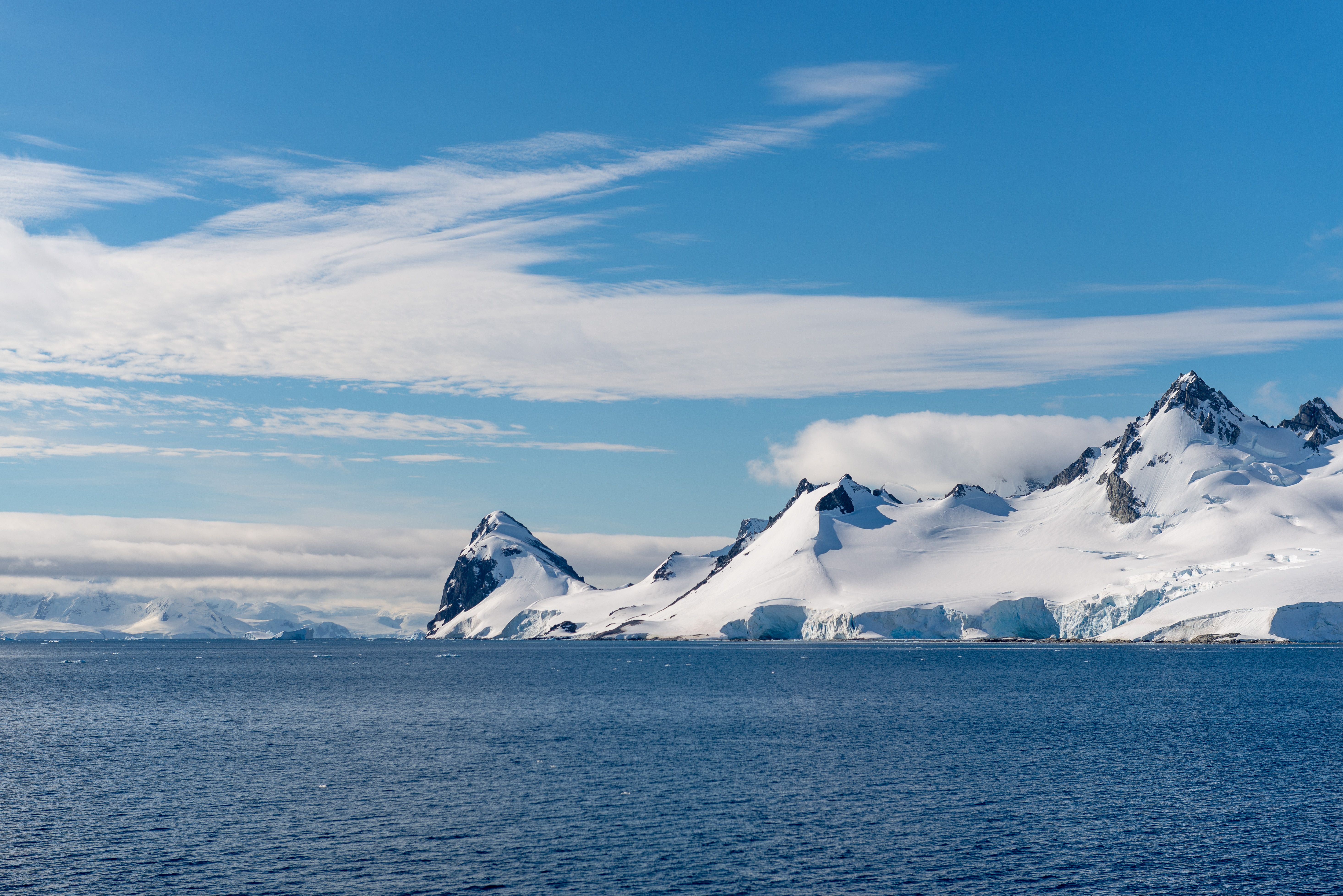
Few voyages ignite the imagination like a journey down to one of the planet’s most remote extreme and enchanting wilderness Antarctica. An adventure in its purest form only a handful of people will ever be lucky enough to experience the majestic beauty of these monochrome landscapes first-hand. The Antarctic Sound will be one of your first encounters of this whitewash kingdom located at the northerly tip of the Antarctic Peninsula - which sprawls up like a tentacle towards Tierra del Fuego, South America’s most southerly point, otherwise known as the ‘End of the World’. Taking its name from the first ship to brave the passageway between the peninsula and the Joinville Island groups back in 1902, the Sound is a raw sensory assault of imposing iceberg slabs broken away from the disintegrating Larsen Ice Shelf. Come face-to-face with stadium-sized islands of ice and meet the extraordinary birdlife that call this whitewash kingdom home. Watch on as colonies of Gentoo penguins hop around and cape petrels sweep overhead as the continent’s unique wildlife thrives around you. If you’re planning your first venture into Antarctica you’ll want to brush up on your photography skills in advance to capture this unforgiving continent in all of its unrestrained glory.
Day 3
— Antarctic Peninsula
The Antarctic Peninsula unravels upwards towards South America reaching out a beckoning finger to the adventurous who dare to explore this untamed realm. Stretching up from the heart of the world’s southernmost continent the Antarctic Peninsula lies a mere 620 mile from Tierra del Fuego and for many offers a spectacular first taste of the snow-blanketed landscapes and colossal ice sculptures which make up Earth’s least-explored continent. Unseen by humans until 1820 - a blink of an eye ago in relative terms - this is an adventure sure to make your hairs stand on end as you experience the thrill of the truly unknown and extraordinary. The vast peninsula is sprinkled with research bases which are at the frontline of human scientific endeavour pushing to study and understand this unique landscape, its exceptional wildlife and the impact that humans are having on this pristine continent. Witness cathedral-sized icebergs up close and blue-hued glaciers slowly slipping from imposing locations.
Day 4
— Antarctic Peninsula
The Antarctic Peninsula unravels upwards towards South America reaching out a beckoning finger to the adventurous who dare to explore this untamed realm. Stretching up from the heart of the world’s southernmost continent the Antarctic Peninsula lies a mere 620 mile from Tierra del Fuego and for many offers a spectacular first taste of the snow-blanketed landscapes and colossal ice sculptures which make up Earth’s least-explored continent. Unseen by humans until 1820 - a blink of an eye ago in relative terms - this is an adventure sure to make your hairs stand on end as you experience the thrill of the truly unknown and extraordinary. The vast peninsula is sprinkled with research bases which are at the frontline of human scientific endeavour pushing to study and understand this unique landscape, its exceptional wildlife and the impact that humans are having on this pristine continent. Witness cathedral-sized icebergs up close and blue-hued glaciers slowly slipping from imposing locations.
Day 5
— Antarctic Peninsula
The Antarctic Peninsula unravels upwards towards South America reaching out a beckoning finger to the adventurous who dare to explore this untamed realm. Stretching up from the heart of the world’s southernmost continent the Antarctic Peninsula lies a mere 620 mile from Tierra del Fuego and for many offers a spectacular first taste of the snow-blanketed landscapes and colossal ice sculptures which make up Earth’s least-explored continent. Unseen by humans until 1820 - a blink of an eye ago in relative terms - this is an adventure sure to make your hairs stand on end as you experience the thrill of the truly unknown and extraordinary. The vast peninsula is sprinkled with research bases which are at the frontline of human scientific endeavour pushing to study and understand this unique landscape, its exceptional wildlife and the impact that humans are having on this pristine continent. Witness cathedral-sized icebergs up close and blue-hued glaciers slowly slipping from imposing locations.
Day 6
— South Shetland Islands
The ice-coated Antarctic Peninsula forms perhaps the most accessible region of mainland Antarctica lying a mere 480-miles away from South America across the fabled waters of Drakes Passage. Lying close to the northwestern tip of the Antarctic Peninsula separated by the Bransfield Strait, the South Shetland Islands fall under the jurisdiction of the Antarctic Treaty, suspending claims on their sovereignty. Several countries maintain research bases here and with plump elephant seals and crowds of Gentoo, Chinstrap, and Adelie Penguins also calling the islands home it can even feel a little crowded at times. King George Island is the largest and most hospitable island hosting the majority of the research stations - some of which are populated all-year-round by tiny hardy crews. Don’t be fooled though these islands offer extraordinary adventure in one of the most remote locations on earth. The triple peaks of Mount Foster tower above the archipelago. Hike the luna landscapes within and even dip into the improbably warm geothermally-heated waters of Pendulum Cove. Elephant Island meanwhile is written deep into the annals of Antarctic expedition legend as the site where Ernest Shackleton and the stricken crew of the Endurance miraculously survived a harsh Antarctic winter in 1916.
Day 7
— King George Island
As the largest of all the South Shetland
Island, King George is considered the gateway to Antarctica. At just 120
kilometres from the Antarctic Peninsula and the only airport in the South
Shetlands, it is the connection between “real life” and “Antarctic life”. More
than 10 different nations have year-round or summer-only scientific research
stations on the island (considering that 90% of the island is covered by snow
and ice, that is quite an achievement!). Maintaining a base on the island
allows membership of the Antarctic Treaty. There is even a Russian Orthodox
church, with a permanent on-site priest.
The island might be home to a few
international scientists, but they are very much outnumbered by the diverse
wildlife that considers King George Island rightfully theirs. Adelie, Chinstrap
and Gentoo Penguins all commute to and from the Antarctic peninsula from the
island, while Weddell and leopard seals are regular visitors and can be spotted
either in the water or on the shore. Naturally, this brings a huge amount of birdlife:
skuas and southern giant petrels are regular summer residents, attracted by the
warm climate (warm being a relative term, average temperature is between 1.5
and -6.5˚C).
The island was named after King George III
after British explorer discovered it in 1819. Since then the island has been
claimed by both Chile (1940) and Argentina (1943), but remains part of British
Antarctic Territory.
Les prix sont relevés sur les sites des opérateurs et peuvent changer — le site de l'opérateur fait foi.
Relevé le août 22, 2026 06:41 UTC.