Day 1
— Ushuaia
Nestled in the foothills of the snow-capped Martial Range, Ushuaia’s colourful streets and mismatched buildings cascade from the imposing mountains before coming to an abrupt halt at the shores of the Beagle Channel. As one of the world’s southernmost cities, Ushuaia carries its ‘end of the world’ reputation well. The moody weather and dramatic surroundings certainly help. Board your boutique ship before departing for your journey through one of the most captivating wilderness regions of the world
Day 2
— Pia Glacier
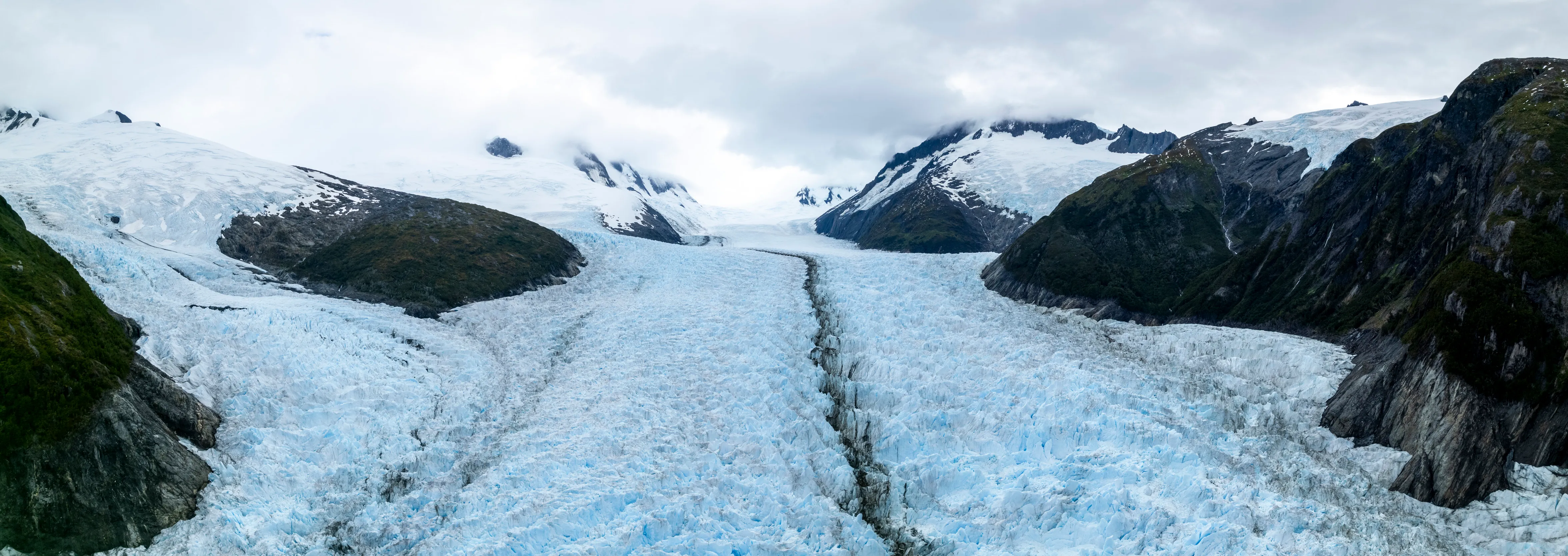
Accessible only by water, Pia Glacier is a massive, advancing tidewater glacier plunging from Chile’s Darwin Range into the Beagle Channel. Part of Alberto de Agostini National Park, it builds more ice than it loses to melting and calving. Zodiac rides take visitors close to its towering, creaking ice face, where thunderous cracks signal monumental chunks breaking loose and crashing into the sea, filling the air with awe and raw power
Day 2
— Garibaldi Glacier
Considered one of Chile’s most beautiful glaciers, the towering teal walls of Garibaldi Glacier are quite spectacular. Surrounded by pristine sub-Antarctic forests, the vegetation is just as impressive as the ice. The glacier and surrounding Garibaldi Fjord are part of UNESCO-recognised Alberto de Agostini National Park, one of the 24 most pristine ecoregions on the planet. The mighty Andean condor is often seen soaring overhead
Day 3
— Cape Horn
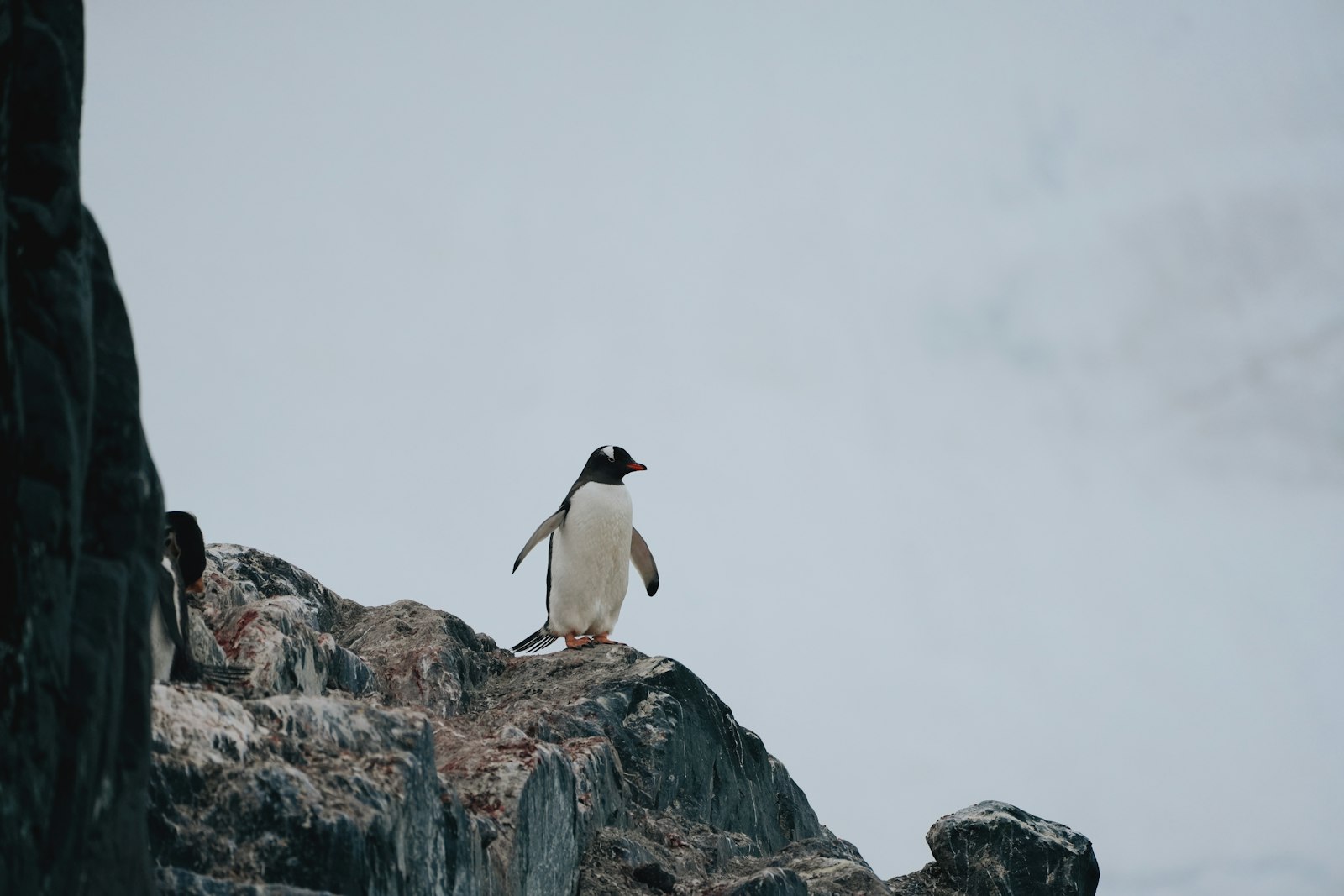
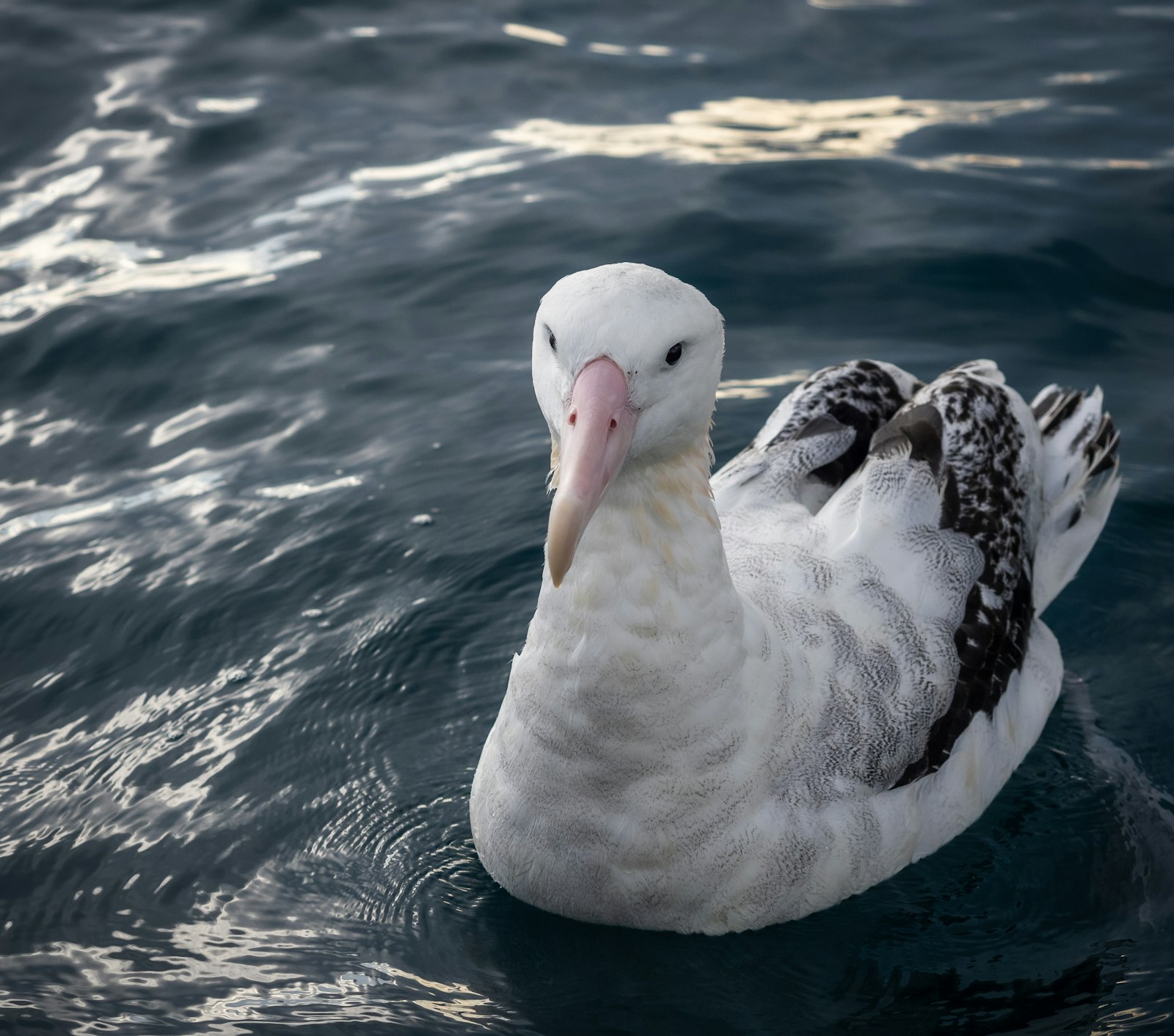
Cape Horn is a legendary nautical landmark where the Atlantic and Pacific Oceans meet. Known as the "sailor’s Everest," it is a major challenge for global sailing races. The Cape Horn Memorial, featuring an albatross silhouette, honours sailors lost at sea. Only a small family lives permanently on remote Hornos Island, while the area is rich in unique wildlife, including southern royal albatrosses and Magellanic penguins
Day 4
— Isla De Los Estados
Isla de los Estados, at Tierra del Fuego's remote eastern tip, is a strictly protected reserve. Its rugged coasts and dense forests host large colonies of Magellanic and rockhopper penguins, imperial shags and giant petrels, while kelp forests harbour rich marine life. The island also features the historic San Juan de Salvamento Lighthouse - known as the 'Lighthouse at the End of the World'
Day 5
— Barren Island
Barren Island, at the southern entrance of Falkland Sound, is a low-lying island known for its ponds and sandy coves. Conservation efforts have restored tussac grass, supporting rich wildlife such as thousands of Magellanic penguins, southern giant petrels, gentoo penguins and sea lions. It operates as an eco-friendly sheep farm along with George Island, offers easy coastal walks and is home to historic buildings including a woolshed and house
Day 6
— Bleaker Island
Recognised as an Important Bird Area, Bleaker Island is a pristine coastal sanctuary where sustainable tussac farming supports 47 breeding bird species. Over 8,000 pairs of imperial cormorants nest alongside snowy sheathbills, skuas, and gulls, while large colonies of gentoo, Magellanic and southern rockhopper penguins thrive. Freshwater ponds attract diverse waterfowl, and nearby waters are frequented by sea lions and dolphins
Day 6
— Bertha's Beach
A designated Important Bird Area and RAMSAR wetland, this white-sand beach on Fitzroy Farm, East Falkland, teems with life. It hosts gentoo and Magellanic penguins, South American terns, steamer ducks and ruddy-headed geese. Commerson’s and Peale’s dolphins are regularly spotted offshore while sea lions bask onshore. Eighty plant species thrive here: five found nowhere else, including the rare Dusen’s moonwort fern
Day 7
— Port Stanley
Anyone familiar with Britain’s trademark red post boxes might spot a resemblance in this British outpost. Port Stanley, on East Falkland, is the tiny capital of the Falkland Islands and is small enough to get around on foot. The Historic Dockyard Museum is devoted to maritime history and exploration. Magellanic penguins gather on the beach at nearby Gypsy Cove, and sea lions and dolphins frolic in the harbour.
Day 8
— Carcass Island
Carcass Island in the Falklands is a wildlife haven free of introduced predators, allowing fearless animals to thrive. The lush island features rolling hills, sandy beaches and rare mature trees and hosts large colonies of gentoo and Magellanic penguins with famous burrows. Birdwatchers can spot striated caracara ("Johnny Rook"), Cobb’s wren, and tussacbird. Marine life includes elephant seals, sea lions, dolphins and whales
Day 8
— West Point Island
Birdlife is the big draw on this lush sheep-farming island, where thousands of rams and ewes roam. Settled by British explorers in 1765, the island’s unique scenery includes golden sand beaches filled with the cacophony of rockhopper, gentoo and Magellanic penguin colonies, and the pillar-shaped nests of black-browed albatross. Nine of the Falklands’ 14 endemic plants, including silvery buttercup and hairy daisy, grow here and are a real treat
Day 9
— Pebble Island
Pebble Island, named for its colourful agate pebbles, features diverse landscapes. Family-owned, the Falklands' third largest island is home to the 6.4 km Elephant Beach and a memorial to H.M.S. Coventry. The island supports abundant birdlife, including 1,000 pairs of Imperial shags, 8,500 breeding pairs of southern rockhopper penguins, and black-necked swans. Also here are endemic Falkland plants, while Commerson’s dolphins are often spotted
Day 9
— Saunders Island
Black-browed albatross grace the skies over this remote Falkland Island, while Commerson's dolphins play in its waters. With a sparse population of people and sheep, the island is also a sanctuary for fur seals, rockhopper penguins, Magellanic penguins and imperial cormorants, nesting amid its cliffs and the impressive Cliff Mountain. Hiking through the moss-covered terrain unveils beautiful wildflowers like pink-petalled Felton's
Days 10-11
— Day at sea
Sea days are rarely dull. Take the time to sit back and let the world go by. The ship’s observation decks provide stunning views of the passing ocean. A day at sea gives you the opportunity to mingle with other passengers and share your experiences of this incredible trip or head to our library which is stocked full of reference books. Get an expert’s view in one of our on-board lectures or perhaps perfect your photography skills with invaluable advice from our onboard professional photographers
Day 12
— Puerto Madryn
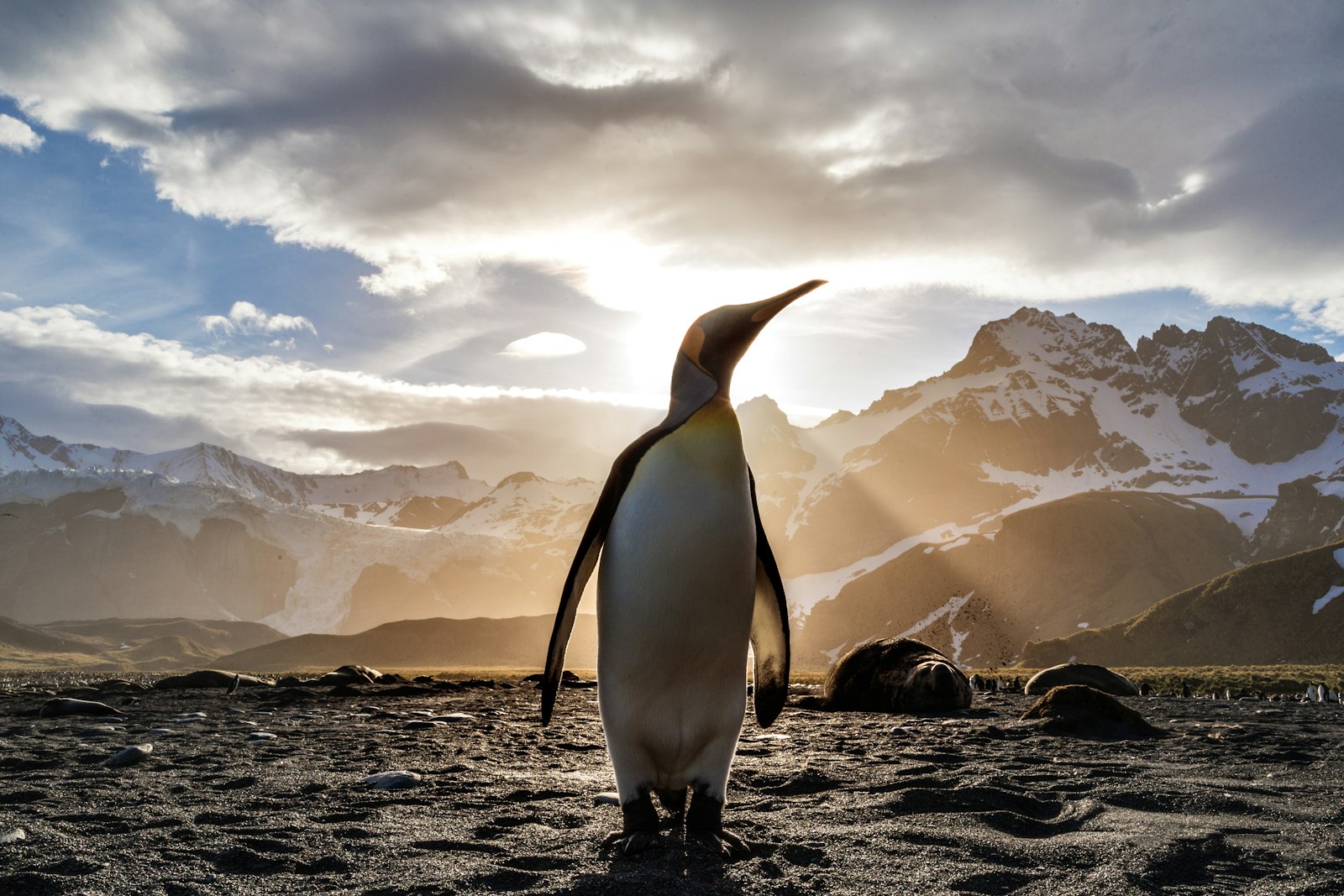
In the northern Patagonia region of Argentina, the fast-growing coastal city of Puerto Madryn is known for sandy beaches, its lighthouse and for watching frolicking southern right whales from Playa El Doradillo beach. At Caleta Valdés on the Valdes Peninsula, white bull elephant seals who are ever watchful for hungry orcas haul out next to penguins. The Ecocentro museum is the place to learn about Patagonia's natural environment
Days 13-14
— Day at sea
Sea days are rarely dull. Take the time to sit back and let the world go by. The ship’s observation decks provide stunning views of the passing ocean. A day at sea gives you the opportunity to mingle with other passengers and share your experiences of this incredible trip or head to our library which is stocked full of reference books. Get an expert’s view in one of our on-board lectures or perhaps perfect your photography skills with invaluable advice from our onboard professional photographers
Day 15
— Montevideo
Across the Río de la Plata from Buenos Aires, Uruguay's charming capital Montevideo is an authentic gem with timeless architecture, leafy plazas and sandy beaches. A city steeped in literary history, Montevideo was home to famed writers like Benedetti, Onetti and Peri Rossi. Nicknamed the 'Athens of the Rio de la Plata,' it is the cradle of Gaucho literature and the only UNESCO City of Literature in Latin America
Les prix sont relevés sur les sites des opérateurs et peuvent changer — le site de l'opérateur fait foi.
Relevé le août 2, 2026 06:18 UTC.