Faune
Southern Fulmar
Pale grey above, white below, and marked with a distinctive white wing patch, the southern fulmar is a familiar shape trailing expedition ships south of the Antarctic Convergence. It breeds on Antarctic cliffs and islands, then disperses north with the winter ice.
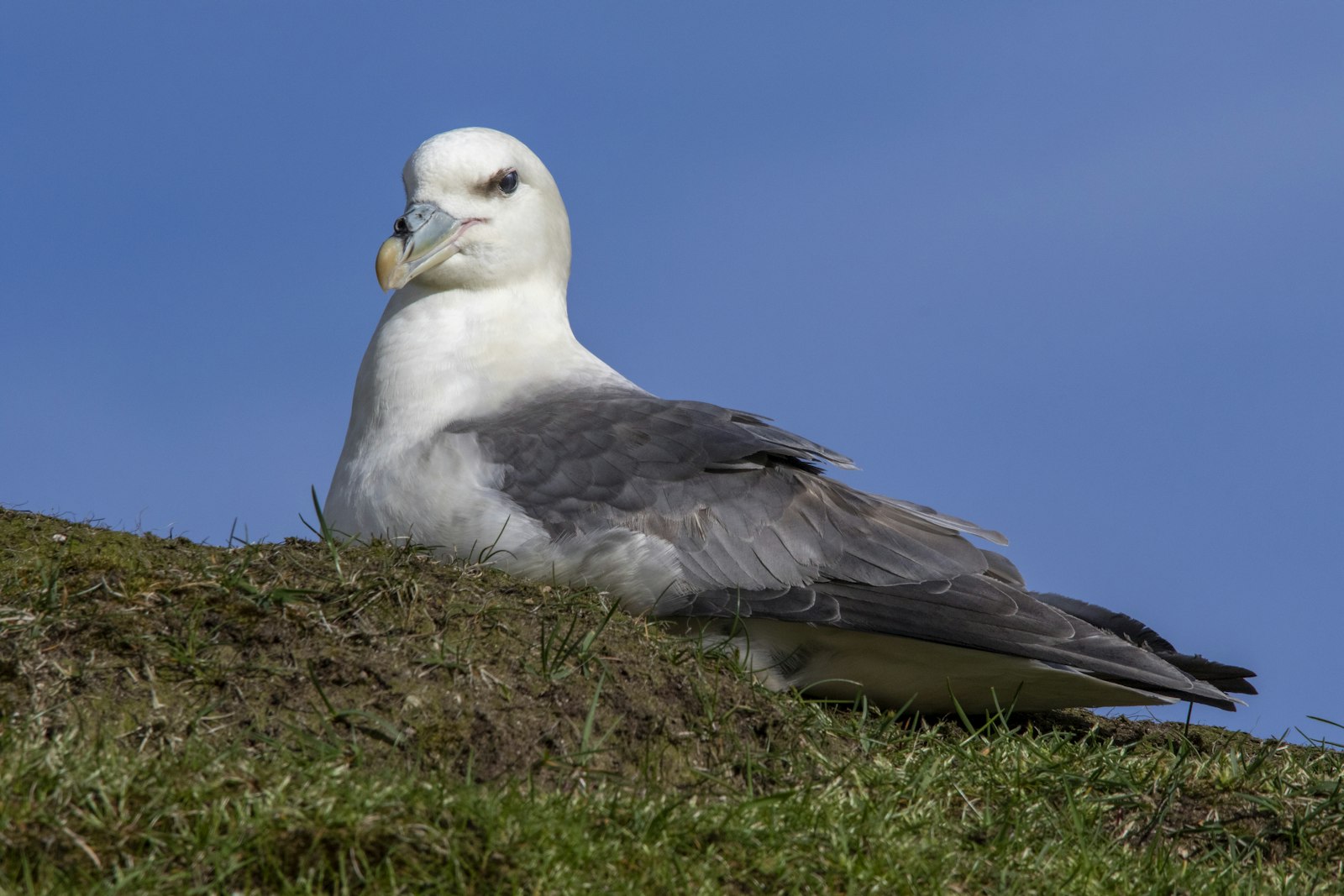
Travellers usually meet the southern fulmar well offshore, riding the ship's wake with the loose, stiff-winged glide typical of true petrels. Look for the pale grey back and crown, the clean white underparts, and that giveaway white patch on the wing when it banks in the light. It is a common companion along the Antarctic Peninsula and through the Scotia Sea, where ships cross its foraging range on the way south, and it turns up just as reliably in the Weddell Sea and the Ross Sea.
Breeding colonies are tucked onto coastal cliffs of the Antarctic continent and its surrounding islands, each pair laying a single egg on a bare ledge or in a crevice, so you are far more likely to see the birds at sea than at a nest site from a ship's deck. Numbers along the peninsula and Scotia Sea build through the austral summer season, before the birds move north again as winter closes in.
Feeding is opportunistic and low-effort: southern fulmars pick krill, fish and squid straight from the surface rather than diving, which makes them easy to watch from the rail as they work a slick beside the hull. It is a small, unglamorous habit, but it is one of the more dependable wildlife sightings of an Antarctic crossing.
Trouvez les départs qui s'y rendent →
Autres incontournables

Activité
Alpinisme et ski de randonnée
L'alpinisme et le ski de randonnée emmènent de petits groupes hors du navire sur les pentes et crêtes antarctiques, encordés ou en peaux de phoque, loin des sites de débarquement habituels. Cela remplace la croisière en zodiac par une découverte plus lente et physique du même paysage blanc.
Activité
Camping
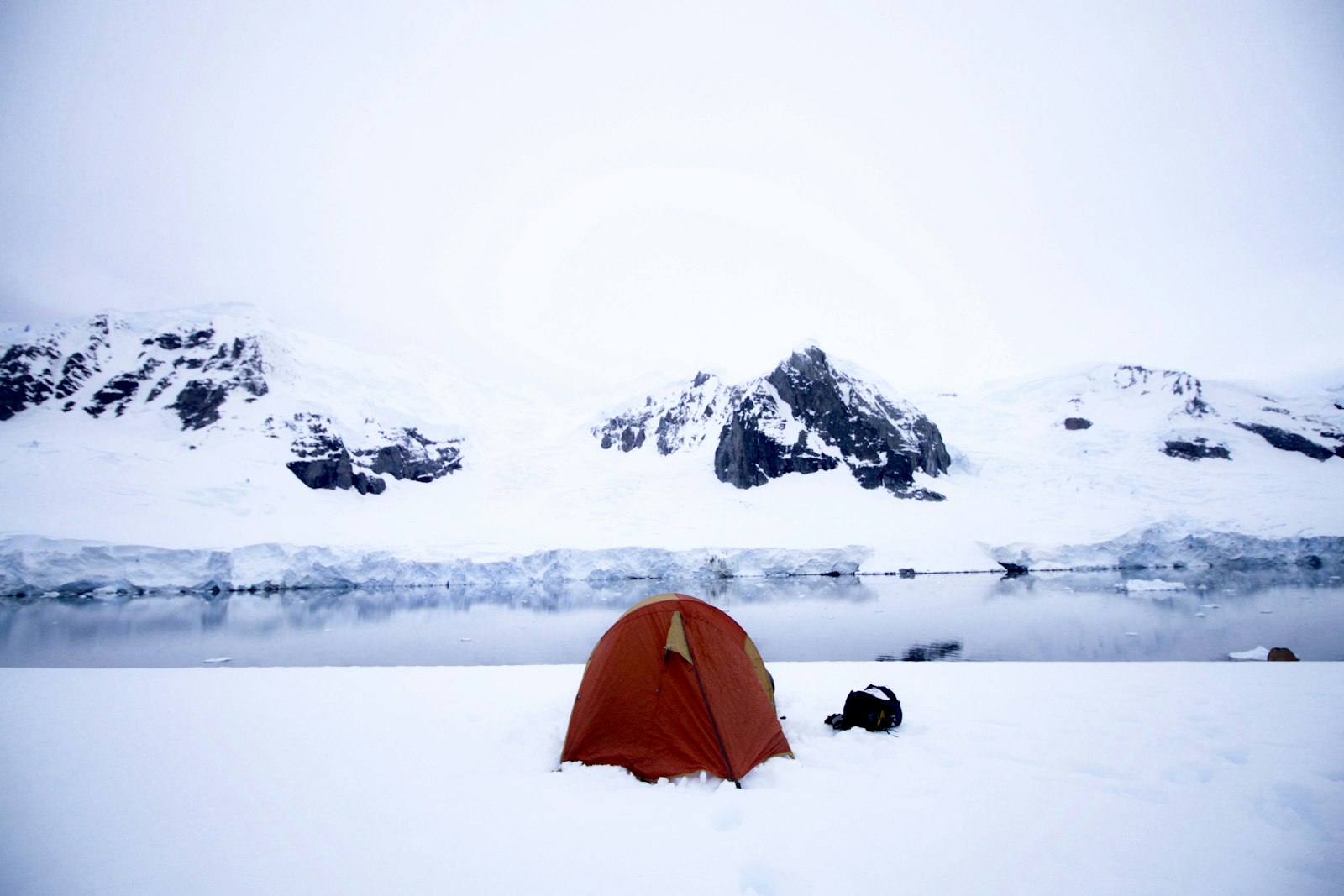
Camper sur le continent antarctique, c'est dormir dans un sac bivouac à même la neige, sous un ciel qui reste rarement totalement sombre en été. L'activité a lieu certaines nuits selon les conditions, avec des places limitées par le permis de débarquement de chaque navire.
Faune
Manchot papou
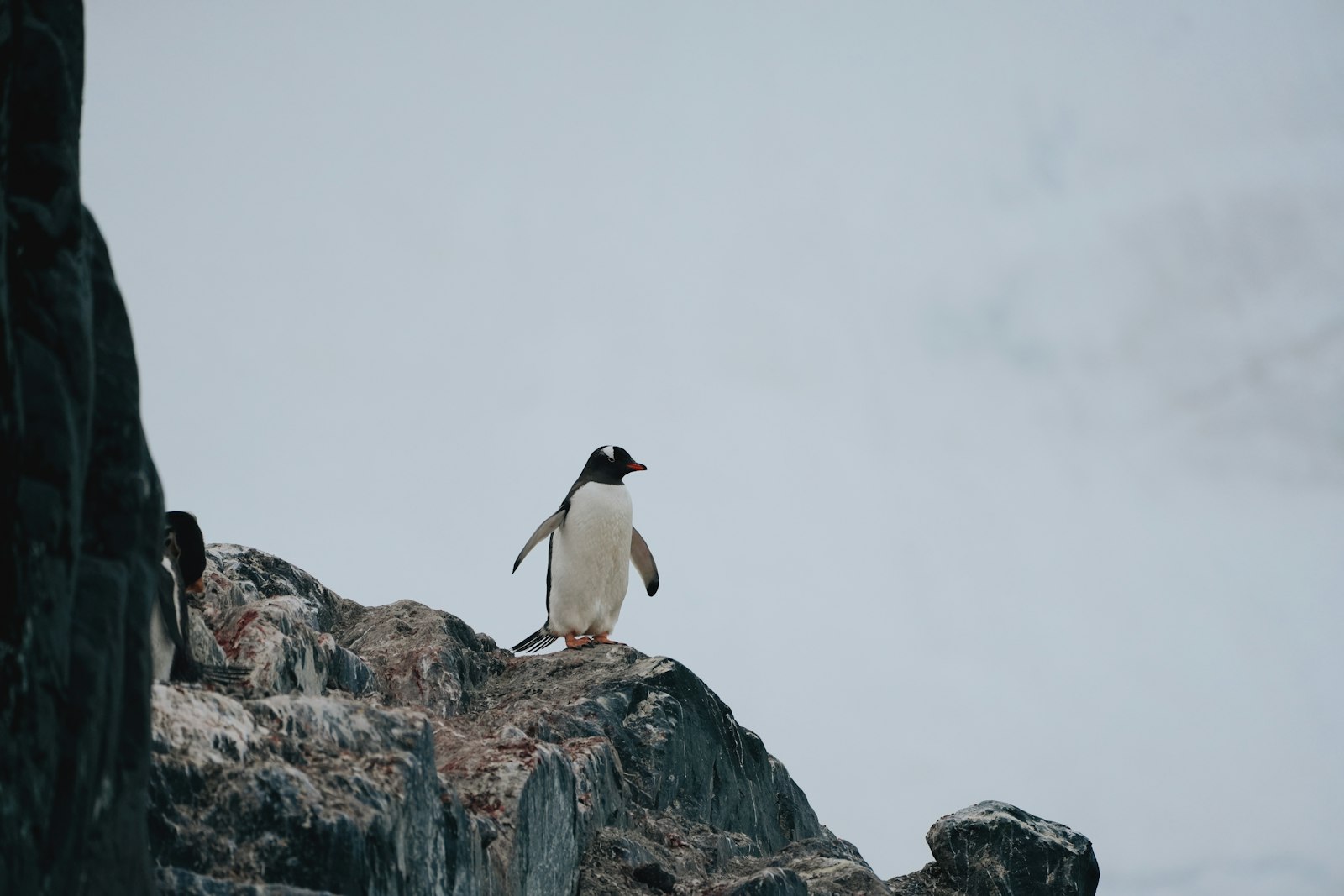
Un manchot trapu au bec orange, du genre Pygoscelis, proche cousin de l'Adélie et du manchot à jugulaire. Son cri retentissant, poussé la tête renversée en arrière, résonne dans les colonies littorales où débarquent les expéditions.