Wildlife
Southern Fulmar
Pale grey above, white below, and marked with a distinctive white wing patch, the southern fulmar is a familiar shape trailing expedition ships south of the Antarctic Convergence. It breeds on Antarctic cliffs and islands, then disperses north with the winter ice.
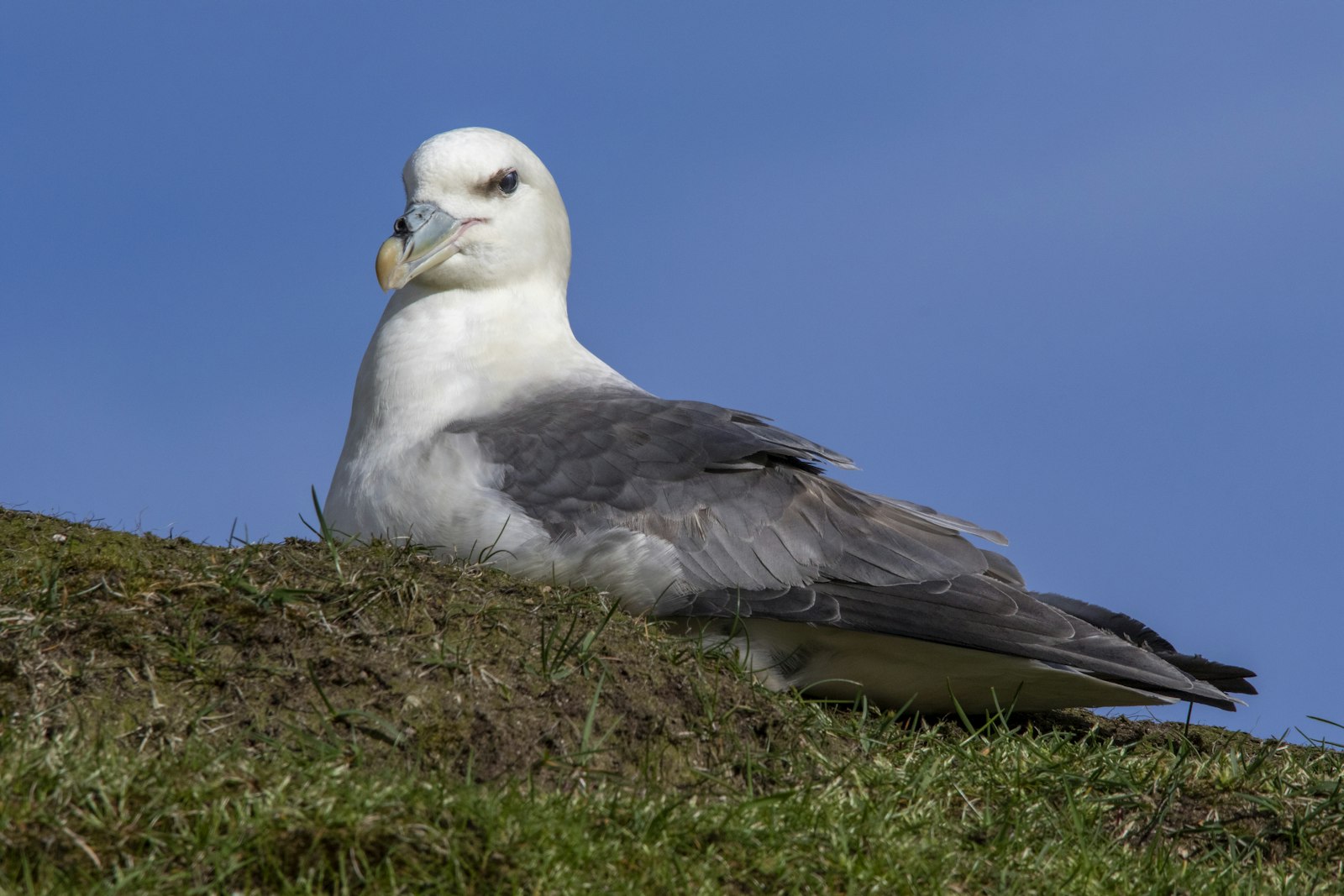
Travellers usually meet the southern fulmar well offshore, riding the ship's wake with the loose, stiff-winged glide typical of true petrels. Look for the pale grey back and crown, the clean white underparts, and that giveaway white patch on the wing when it banks in the light. It is a common companion along the Antarctic Peninsula and through the Scotia Sea, where ships cross its foraging range on the way south, and it turns up just as reliably in the Weddell Sea and the Ross Sea.
Breeding colonies are tucked onto coastal cliffs of the Antarctic continent and its surrounding islands, each pair laying a single egg on a bare ledge or in a crevice, so you are far more likely to see the birds at sea than at a nest site from a ship's deck. Numbers along the peninsula and Scotia Sea build through the austral summer season, before the birds move north again as winter closes in.
Feeding is opportunistic and low-effort: southern fulmars pick krill, fish and squid straight from the surface rather than diving, which makes them easy to watch from the rail as they work a slick beside the hull. It is a small, unglamorous habit, but it is one of the more dependable wildlife sightings of an Antarctic crossing.
Find departures that go there →
More highlights
Wildlife
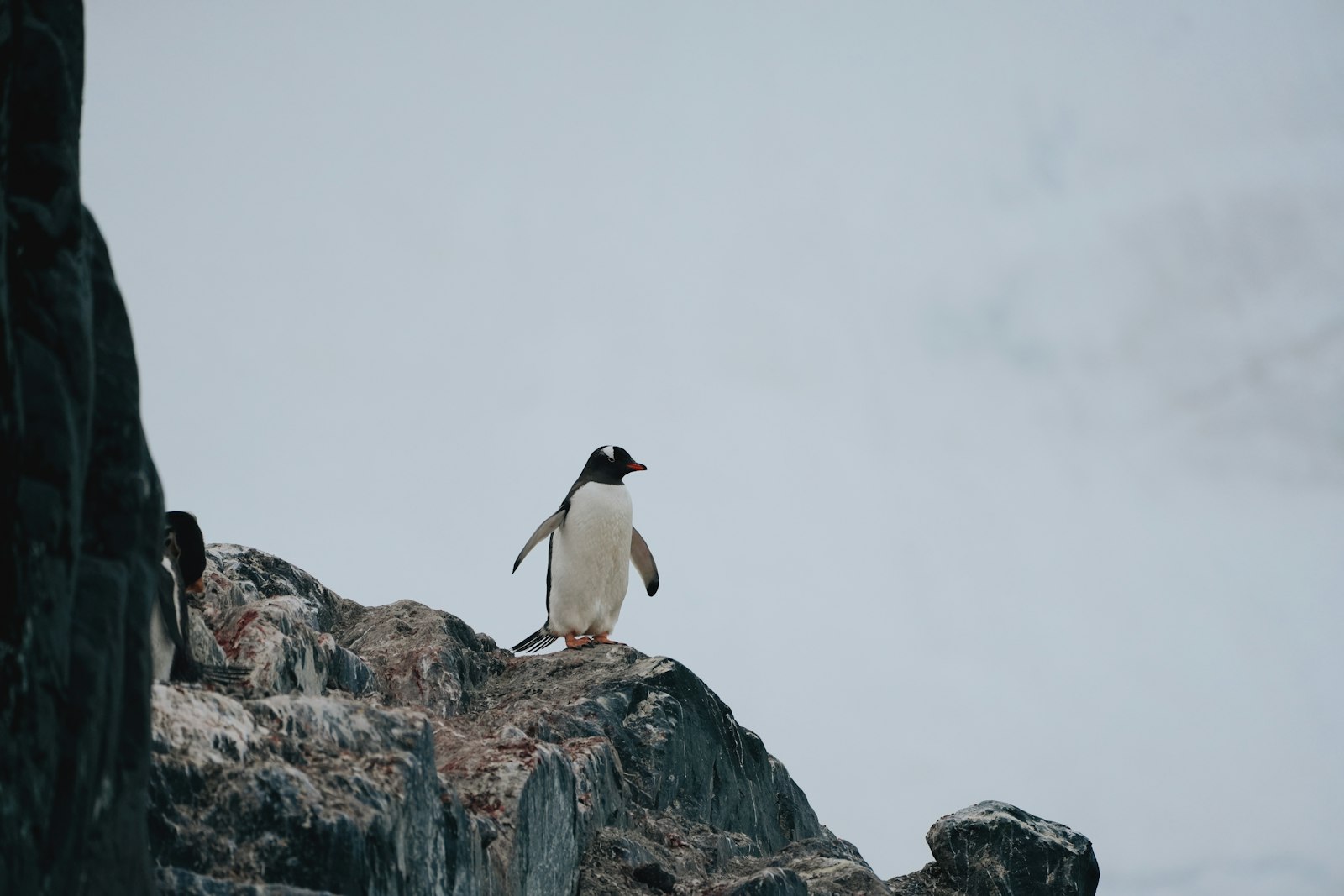
Gentoo Penguin
A stocky, orange-billed penguin of the genus Pygoscelis, closest kin to the Adélie and Chinstrap. Its loud, trumpeting call, delivered with head thrown back, carries across the shoreline colonies where expedition landings are made.
Wildlife
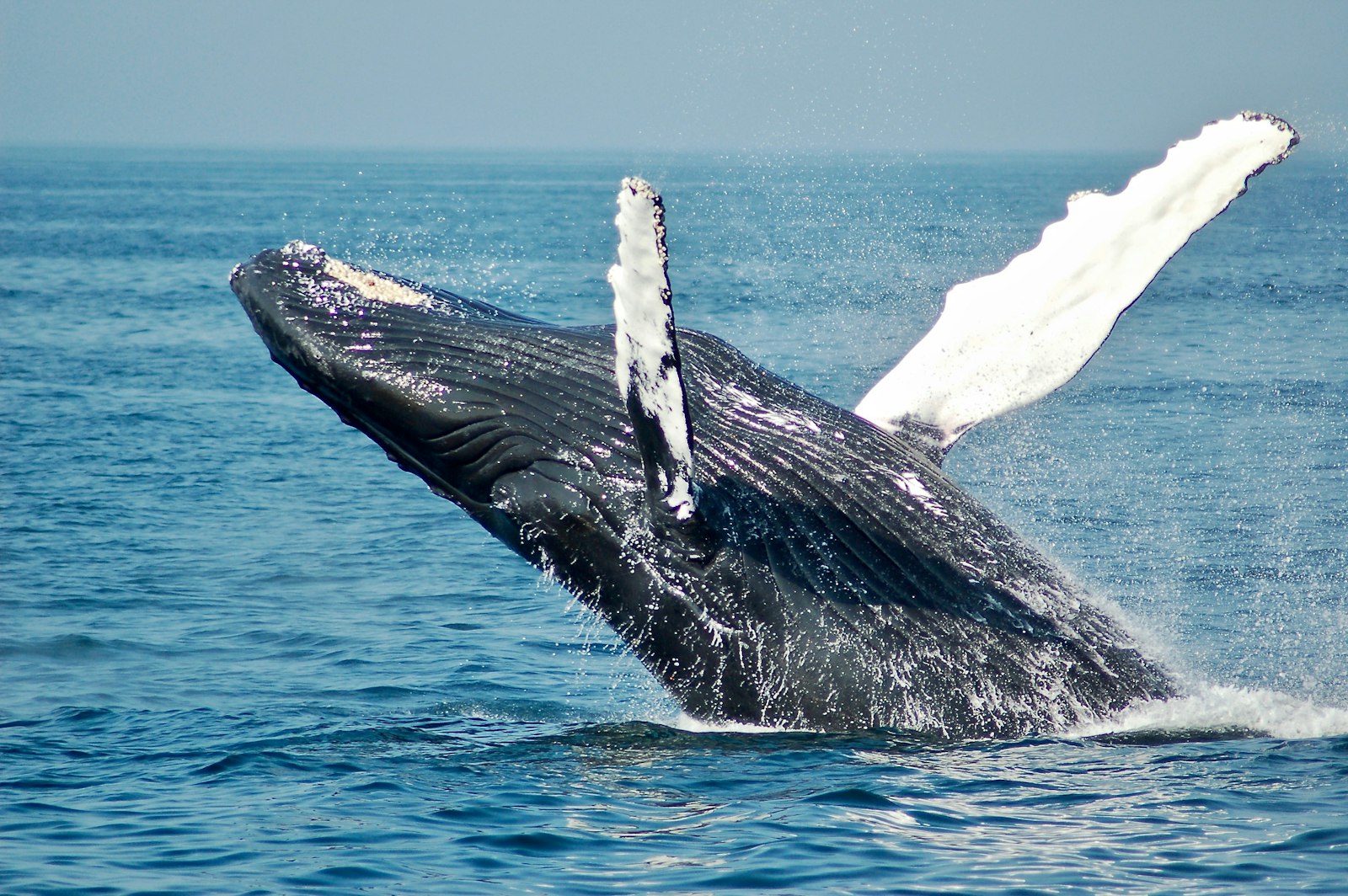
Humpback Whale
A 14–17 metre baleen whale known for breaching and long pectoral fins, often seen feeding on krill in loose groups along the ice edge.
Wildlife
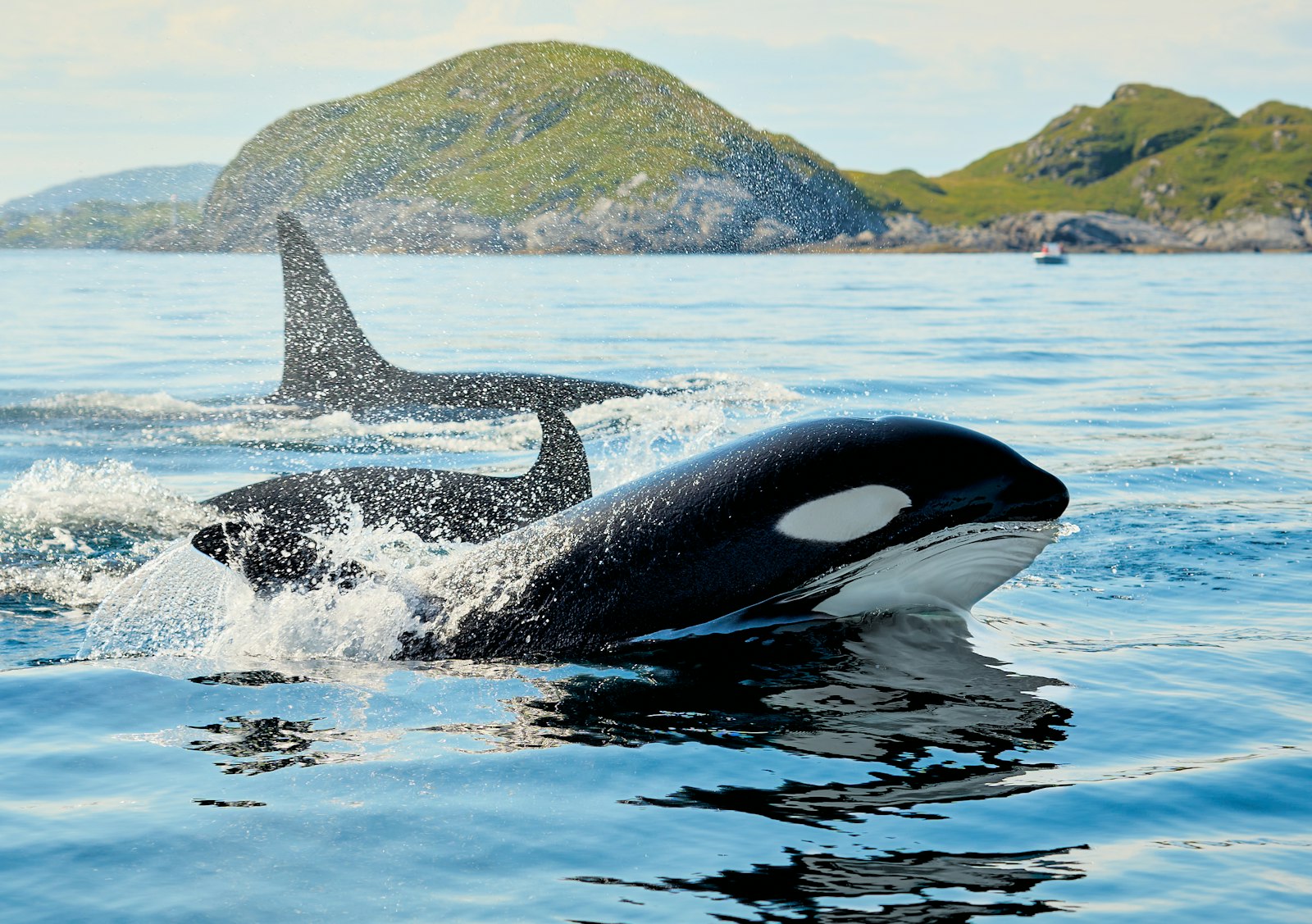
Orca
Black and white apex predator instantly recognizable by its pale eye patches, the orca is the largest of the dolphins and one of the ocean's most capable hunters. Sightings often involve a tight-knit family pod working the ice edge together.