Wildlife
Adélie Penguin
One of the most widespread penguins in Antarctica, the Adélie is often the first tuxedoed local guests meet ashore. Its stark white eye-ring and brisk, purposeful waddle make it easy to pick out along the ice edge.
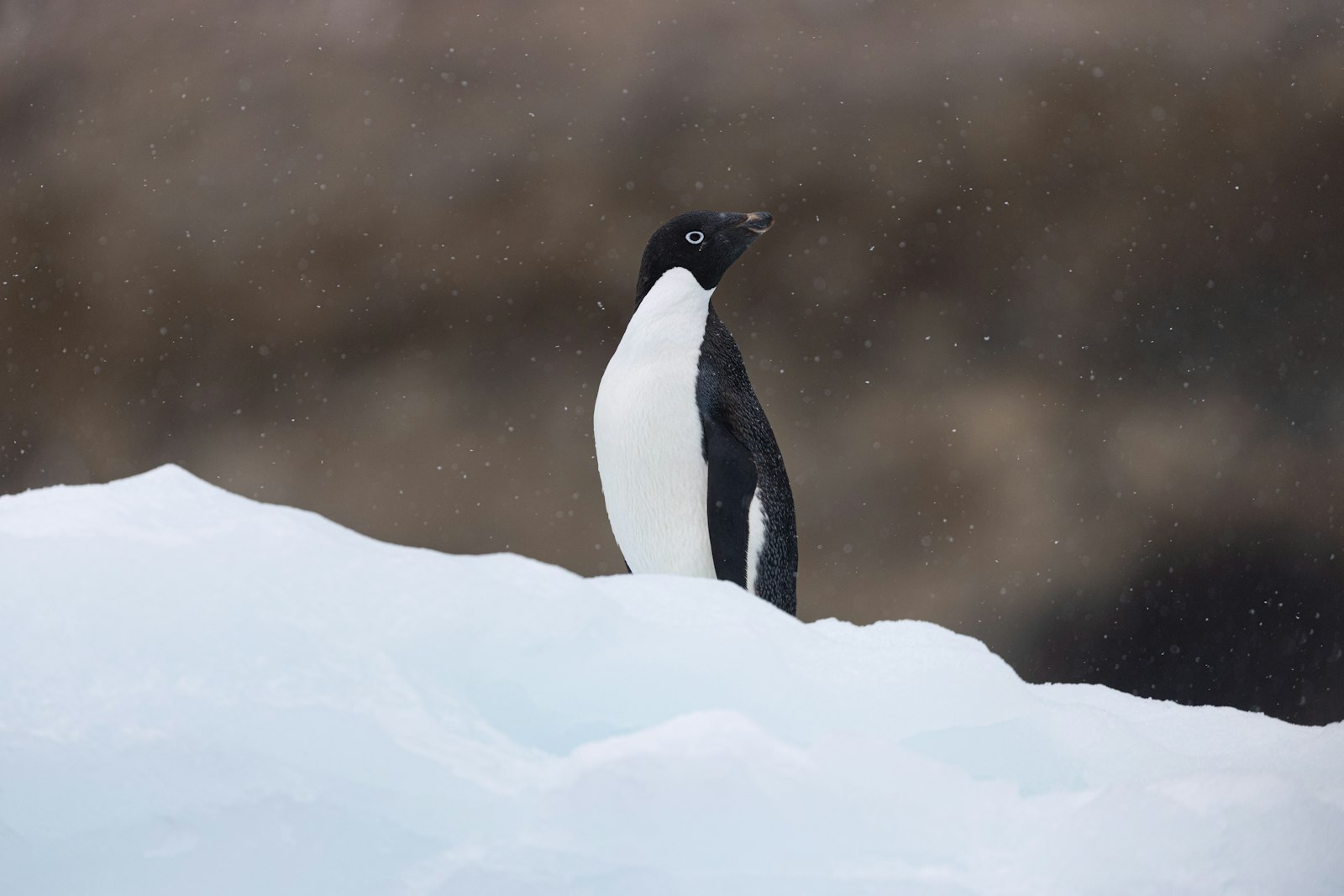
Adélie penguins turn up on almost every itinerary that reaches the Antarctic coastline, and they are usually the species travellers see in the greatest numbers. Expect sightings in the Ross Sea, around Antarctic Sound, along the Weddell Sea coast, and further south toward the Ross Ice Shelf and the Antarctic Circle, generally during the austral summer months from November through February when ships can work close to the ice.
The species takes its name from Adélie Land, itself named for Adèle Dumont d'Urville, wife of the French explorer Jules Dumont d'Urville, who first recorded the bird in 1840. Along with the emperor penguin, it is the most southerly distributed of all penguin species, which is part of why it turns up on so many different Antarctic routes rather than being confined to one region.
On the water and on the ice, most of what you are watching is foraging behaviour: Adélies feed mainly on krill and fish, diving and porpoising in tight groups between hauling out onto floes. Watch for the quick, upright walk on land and the sudden shift into a fast, low torpedo shape the moment they hit the water.
Find departures that go there →
More highlights
Activity
Mountaineering & ski touring
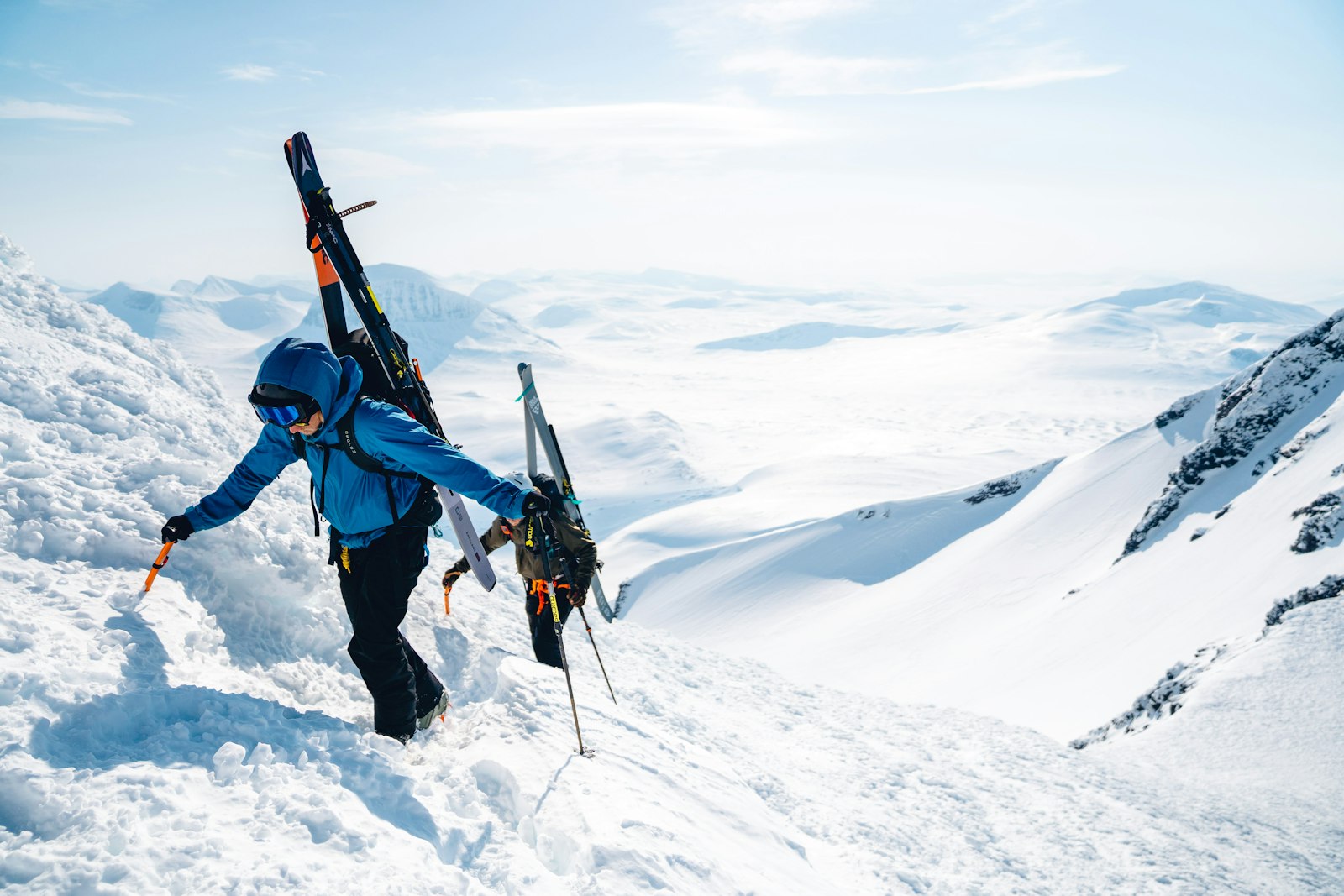
Mountaineering and ski touring take small groups off the ship onto Antarctic slopes and ridgelines, roped up or on skins, away from the usual landing sites. It trades the zodiac cruise for a slower, physical read of the same white terrain.
Activity
Camping
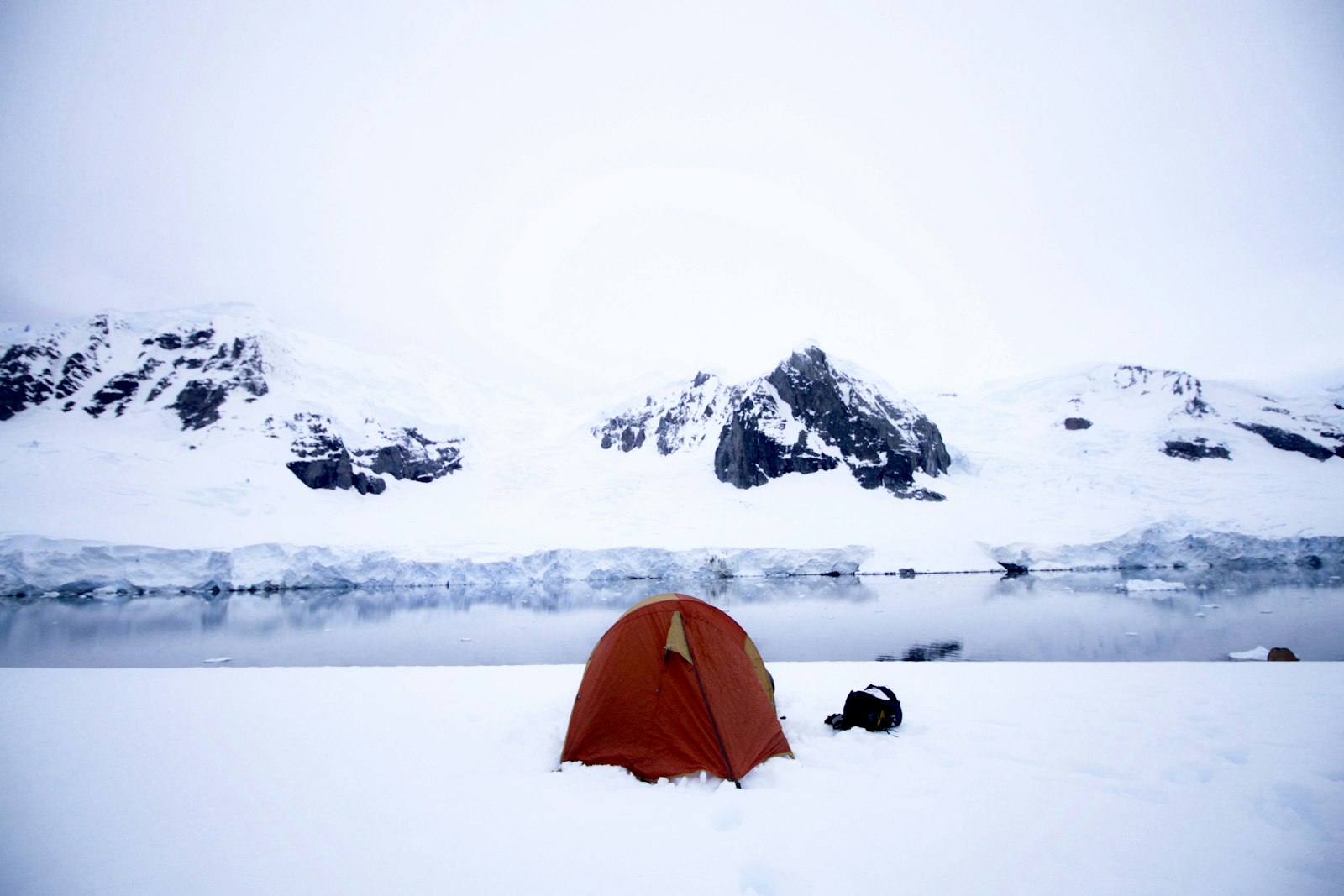
Camping on the Antarctic continent means sleeping in a bivy bag directly on the snow, under a sky that rarely goes fully dark in summer. It runs on select nights when conditions allow, with places limited by each ship's shore permit.
Wildlife
Gentoo Penguin
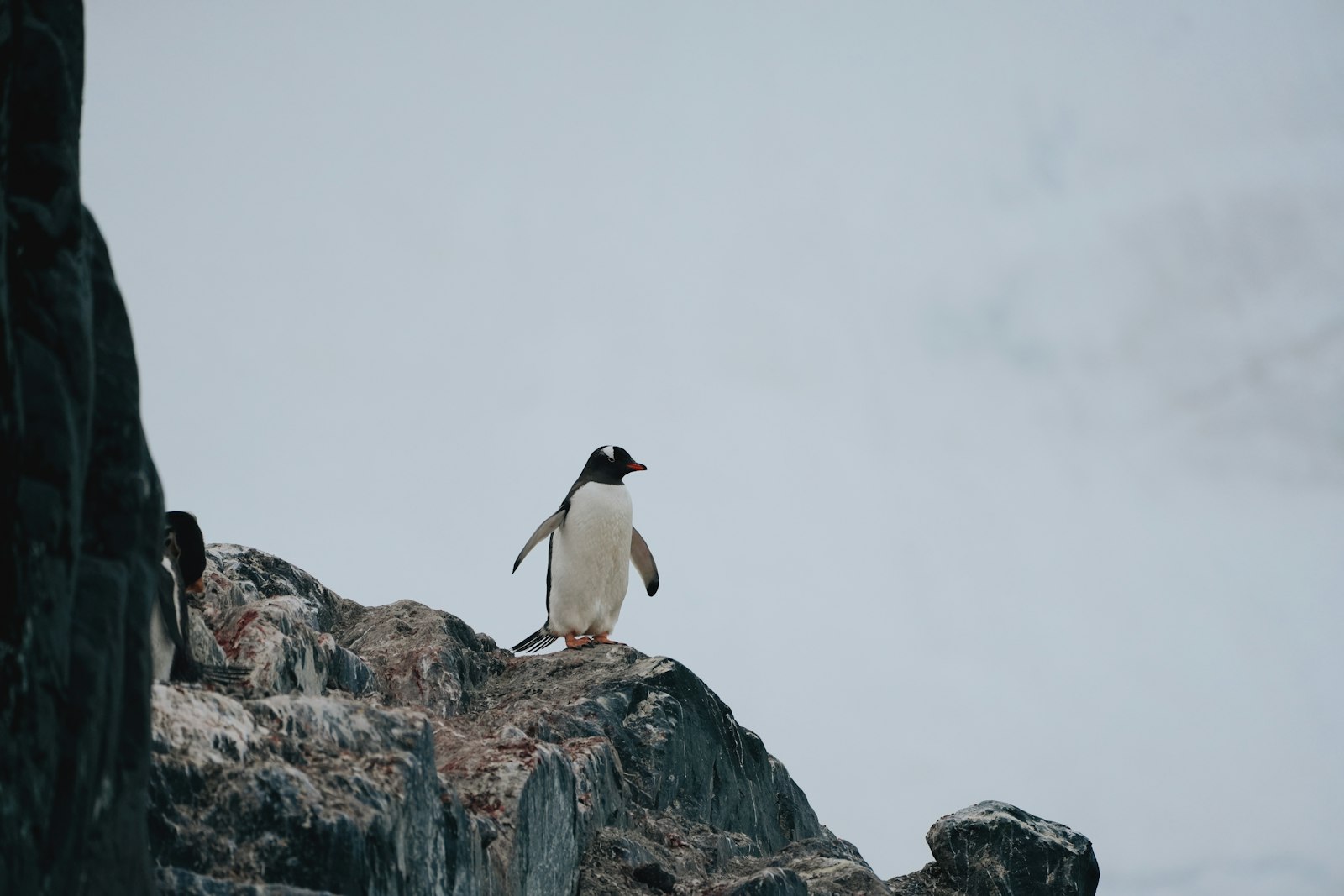
A stocky, orange-billed penguin of the genus Pygoscelis, closest kin to the Adélie and Chinstrap. Its loud, trumpeting call, delivered with head thrown back, carries across the shoreline colonies where expedition landings are made.