Activity
Camping
Camping on the Antarctic continent means sleeping in a bivy bag directly on the snow, under a sky that rarely goes fully dark in summer. It runs on select nights when conditions allow, with places limited by each ship's shore permit.
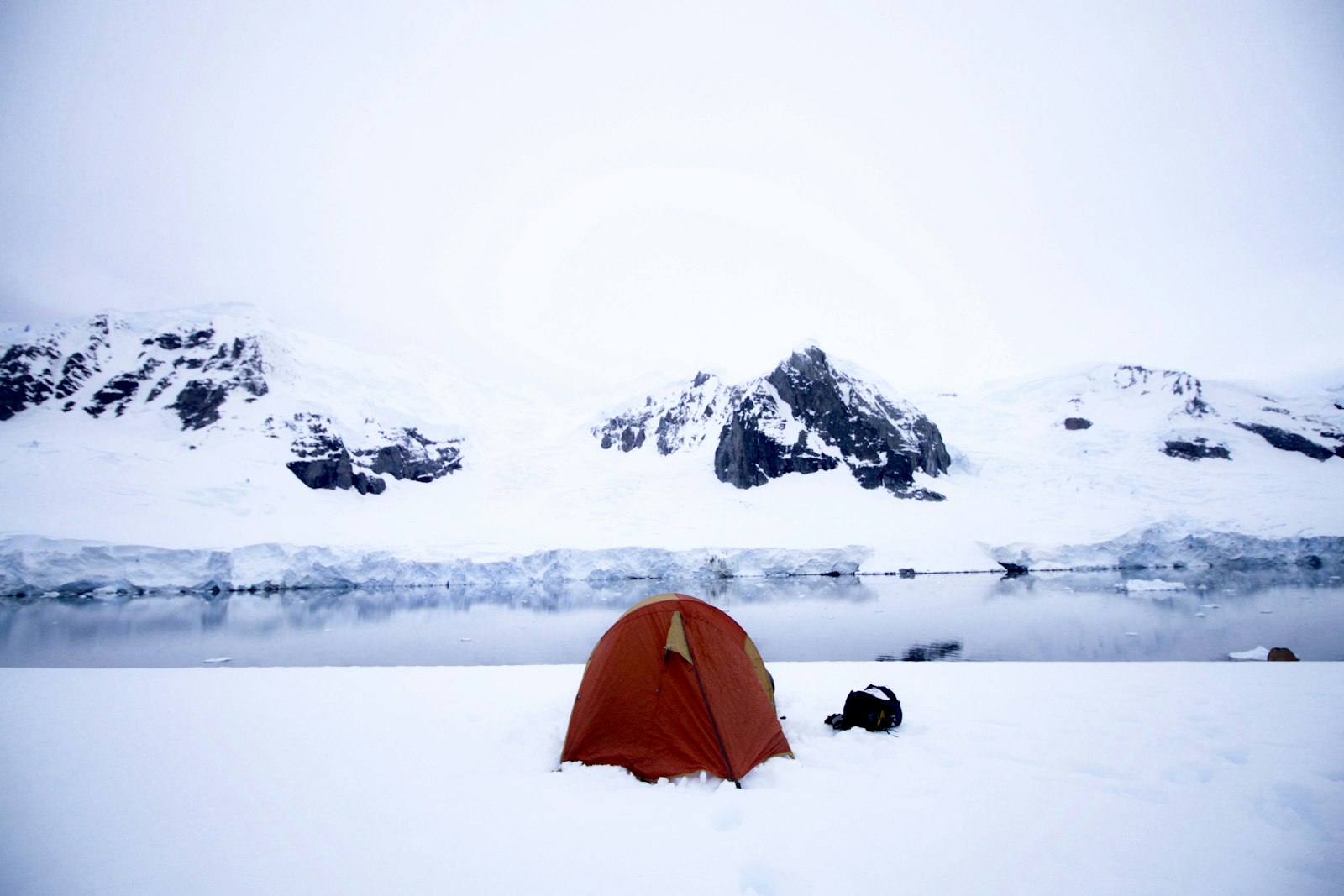
Camping ashore is usually offered once or twice per voyage, on a night when the ship is anchored somewhere sheltered on the Antarctic Peninsula. Guests are ferried ashore by zodiac after dinner, shown how to dig or flatten a sleeping platform in the snow, and left in bivy bags in a roped-off area away from wildlife. There are no tents in most programs, no fires, and no toilets beyond a bucket system; everyone is back on the ship by early morning for breakfast and the day's first landing.
Because it depends on calm weather, stable ice and a suitable landing site, camping is confirmed only a day or two in advance and can be cancelled or moved at short notice. It typically runs opposite an evening zodiac cruise or lecture, so it is a choice rather than an add-on to the regular schedule, and spaces are capped well below the ship's full guest count under the operator's Antarctic Treaty shore permit.
It suits travellers who are more curious about the experience of a night on the continent than about a full night's sleep, and who are comfortable with cold, close quarters and basic sanitation. Sign-up is usually handled through an onboard list opened early in the voyage, often on a first-come basis and sometimes for an additional fee, so it is worth asking the expedition team about it at the first briefing rather than waiting.
Find departures that go there →
More highlights
Activity
Mountaineering & ski touring
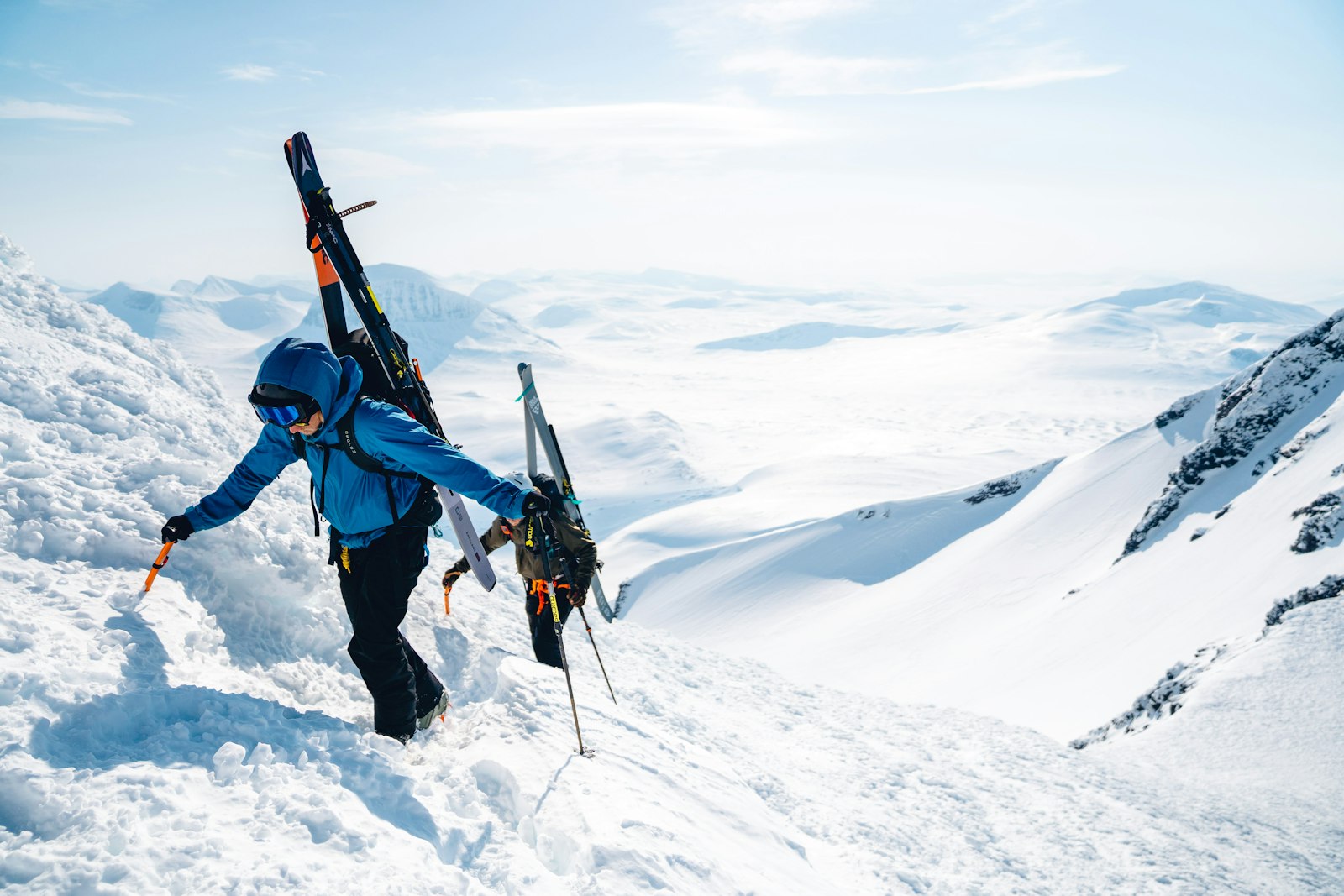
Mountaineering and ski touring take small groups off the ship onto Antarctic slopes and ridgelines, roped up or on skins, away from the usual landing sites. It trades the zodiac cruise for a slower, physical read of the same white terrain.
Wildlife
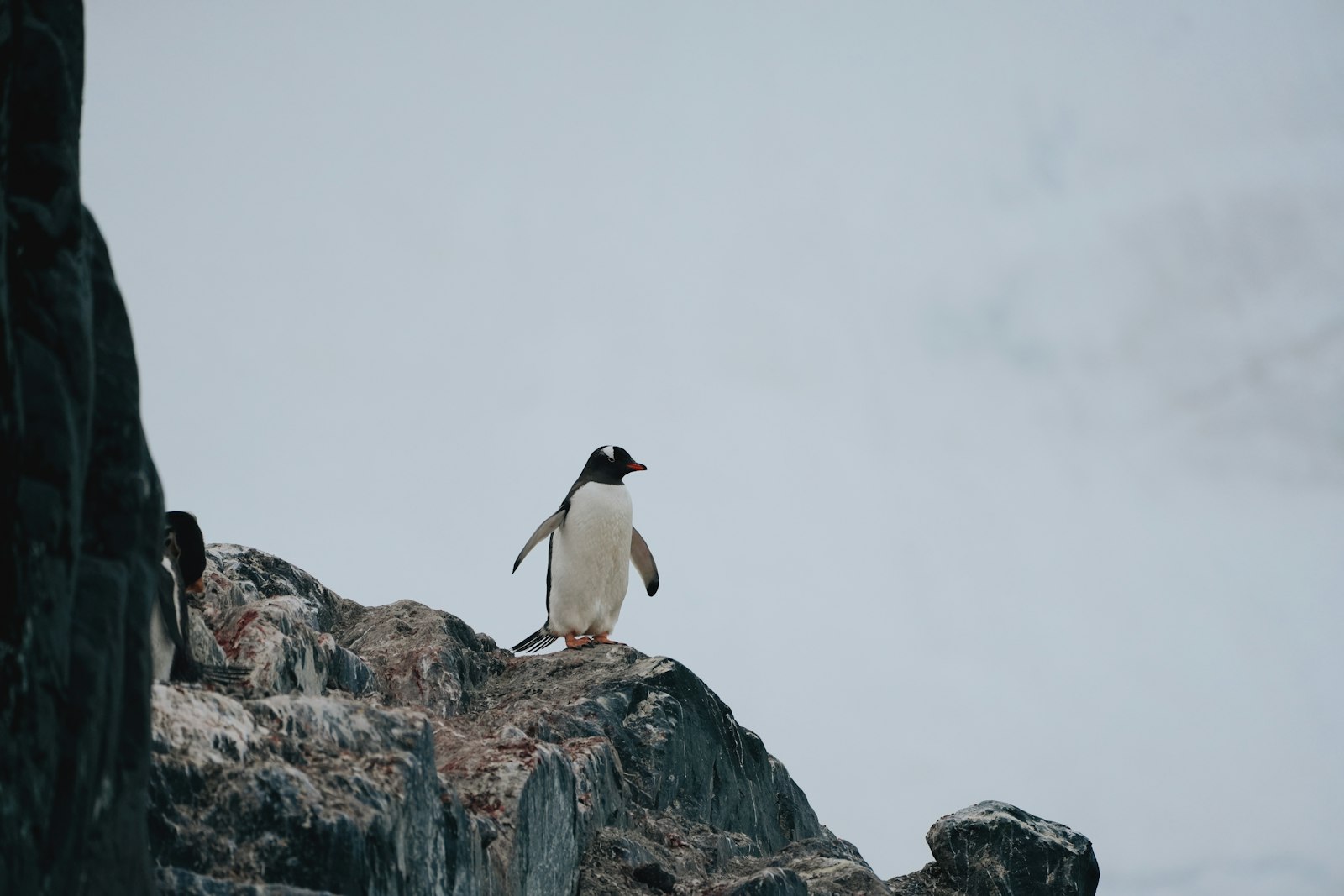
Gentoo Penguin
A stocky, orange-billed penguin of the genus Pygoscelis, closest kin to the Adélie and Chinstrap. Its loud, trumpeting call, delivered with head thrown back, carries across the shoreline colonies where expedition landings are made.
Wildlife
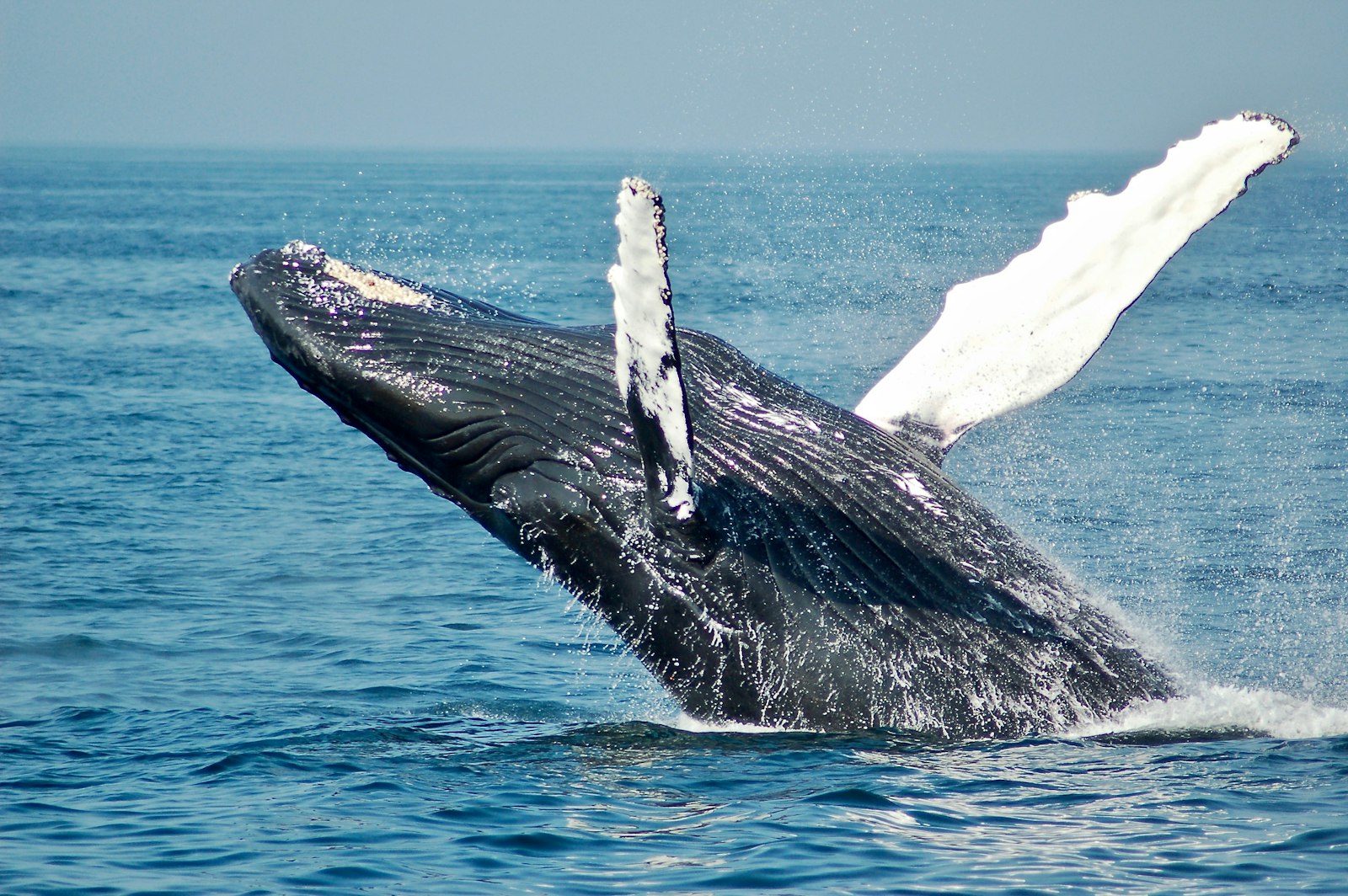
Humpback Whale
A 14–17 metre baleen whale known for breaching and long pectoral fins, often seen feeding on krill in loose groups along the ice edge.