Wildlife
Antarctic Shag
The Antarctic shag is the only cormorant species found on the continent, easy to pick out by its blue-ringed eyes as it stands stiffly upright on ice floes and coastal cliffs. It nests in small colonies apart from the penguin rookeries along rocky shorelines.
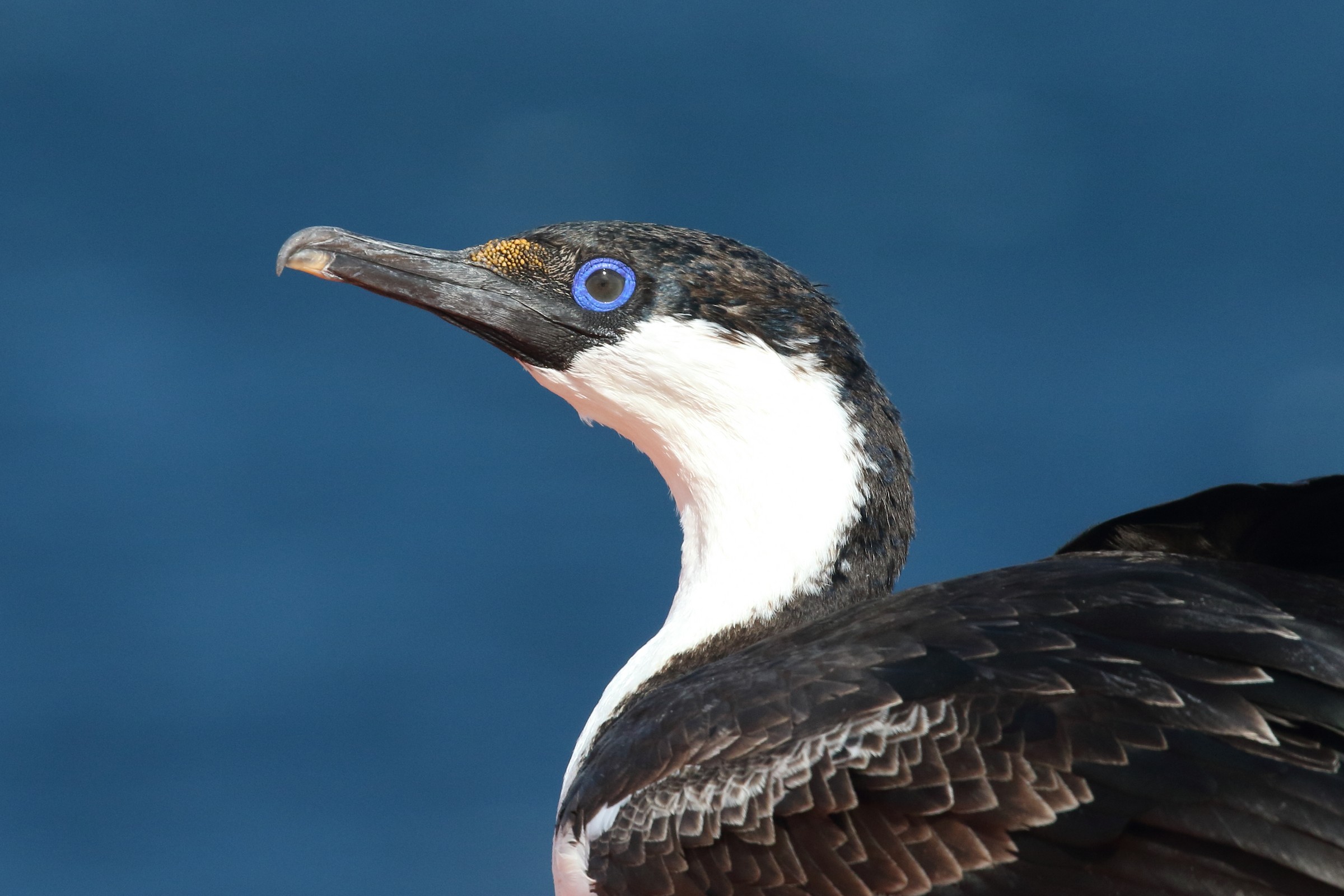
Cruise past the rocky headlands of the Antarctic Peninsula and you'll likely pick out small, dark-plumaged birds standing stiffly upright on ledges and ice floes — this is the Antarctic shag, easy to tell apart from the penguins and petrels sharing the same cliffs by its slender neck and hooked bill. Zodiac cruises around the South Shetland Islands and along the ice-choked waters of the Weddell Sea often bring passengers close enough to notice the bright patch of skin around its eye, a feature that has earned it nicknames like blue-eyed shag and imperial cormorant among expedition guides.
Further south, small colonies turn up on the exposed rock outcrops of the Antarctic Sound, nesting apart from the penguin rookeries. The Antarctic shag is notable for being the only cormorant established on the Antarctic continent itself, and some ornithologists still treat it as the same species as the more widespread Imperial shag found further north — so don't be surprised if a naturalist on board debates the point over dinner.
Find departures that go there →
More highlights
Activity
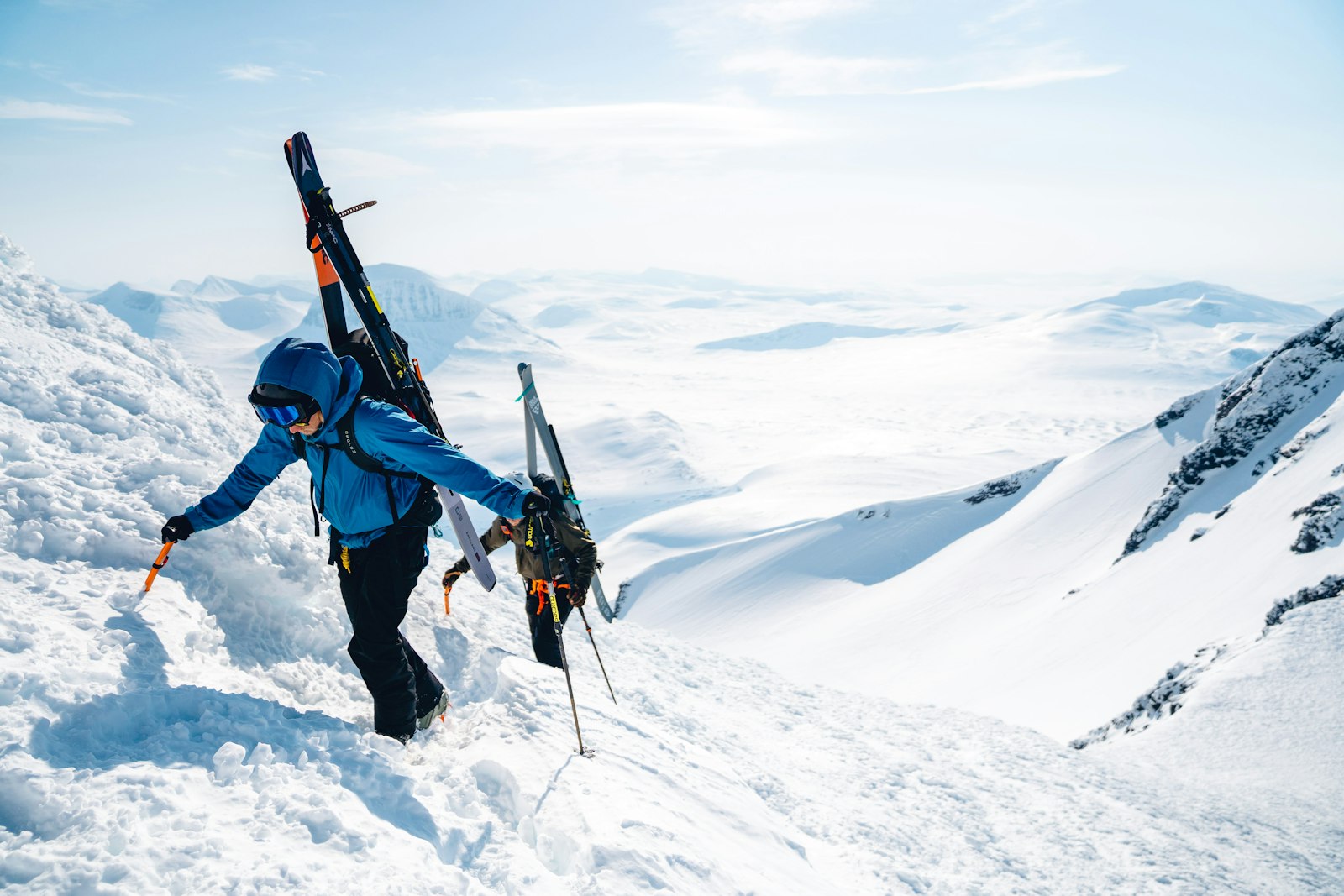
Mountaineering & ski touring
Mountaineering and ski touring take small groups off the ship onto Antarctic slopes and ridgelines, roped up or on skins, away from the usual landing sites. It trades the zodiac cruise for a slower, physical read of the same white terrain.
Activity
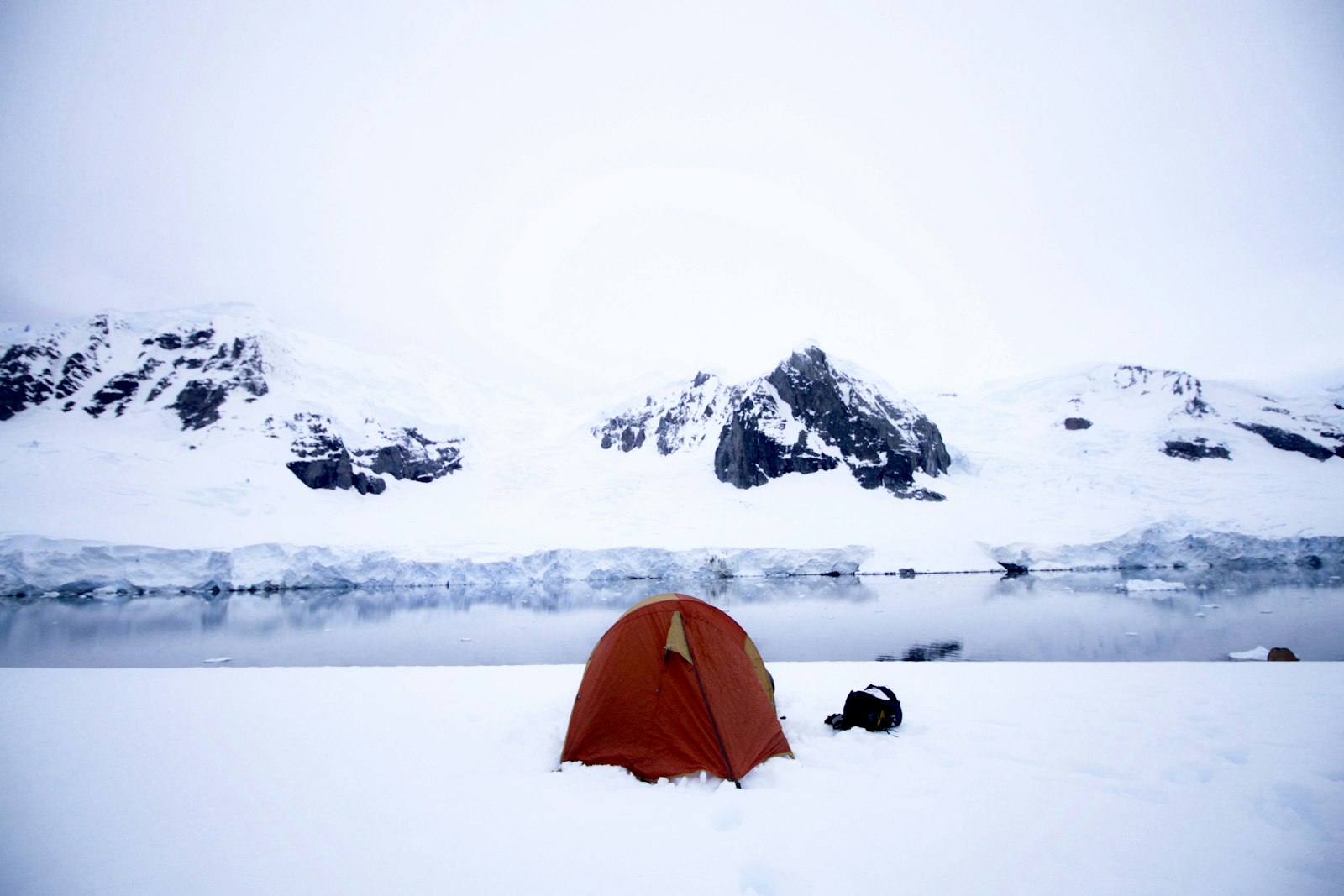
Camping
Camping on the Antarctic continent means sleeping in a bivy bag directly on the snow, under a sky that rarely goes fully dark in summer. It runs on select nights when conditions allow, with places limited by each ship's shore permit.
Wildlife
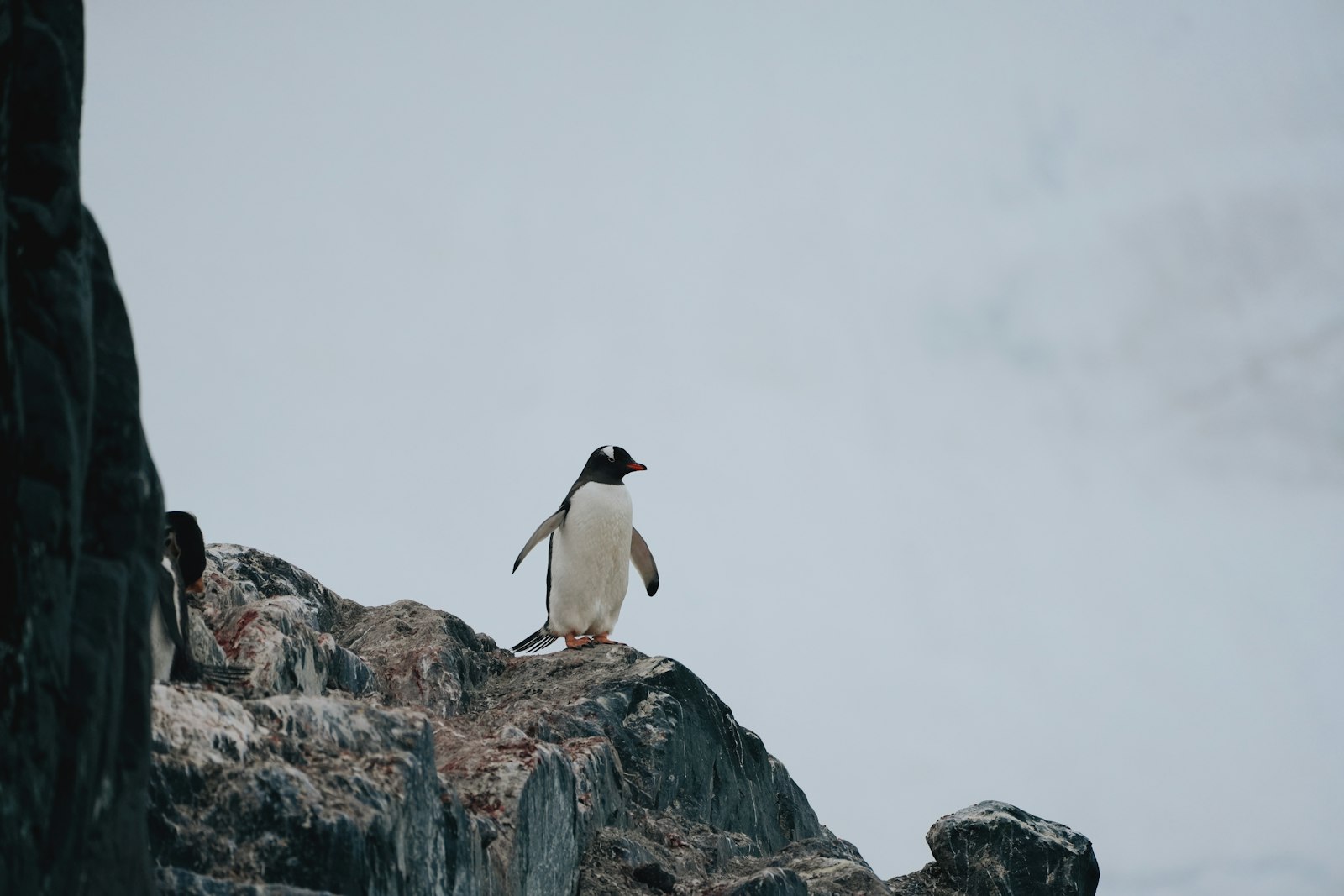
Gentoo Penguin
A stocky, orange-billed penguin of the genus Pygoscelis, closest kin to the Adélie and Chinstrap. Its loud, trumpeting call, delivered with head thrown back, carries across the shoreline colonies where expedition landings are made.