Wildlife
Black-Browed Albatross
A large seabird of the albatross family, the black-browed albatross is the most widespread and common of all albatrosses. Its dark eye-stripe makes it one of the easiest albatrosses to pick out from a rolling deck.
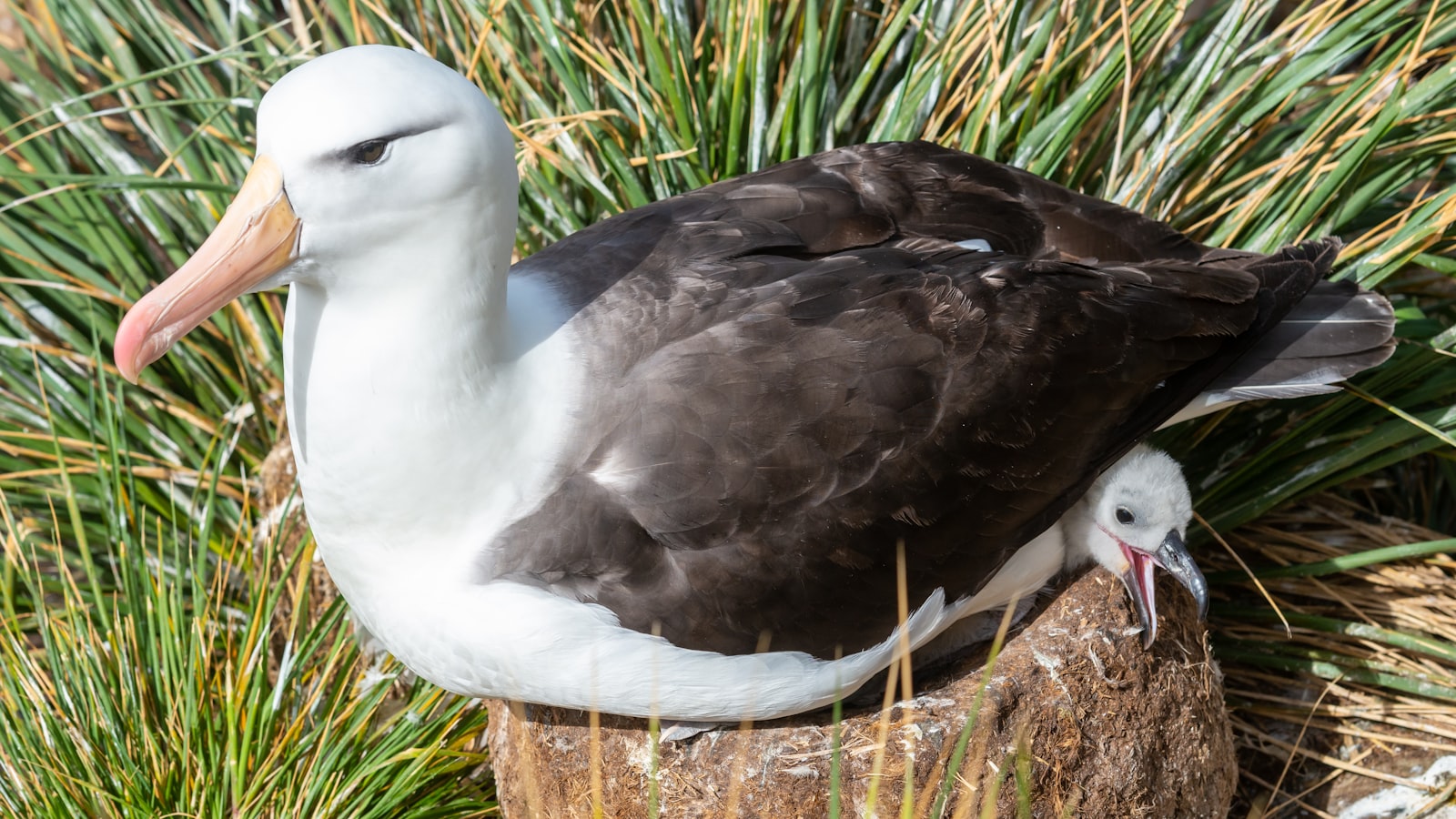
The black-browed albatross belongs to the Diomedeidae, the albatross family, and within it holds a particular distinction: it is the most widespread and common species of albatross found anywhere. On an Antarctic expedition that counts for a lot, because it means this is the albatross you are statistically most likely to actually see, rather than merely hope for, over the course of a voyage.
Travellers tend to meet it early and often. It follows ships through the Falkland Islands, where colonies nest on the outer coasts, and stays with the wake as vessels push south across the Drake Passage. Further along the route it turns up again over the South Georgia shelf and across the open water of the Scotia Sea, and it is a regular sight for ships transiting the Beagle Channel as well, gliding on stiff, motionless wings just off the stern.
What stays with most people is how effortless the flight looks — long stretches with barely a wingbeat, riding the air off the ship's wake for minutes at a time. It is a bird you get used to having around, which, given how large a family Diomedeidae is, says something about just how common this particular albatross really is.
Find departures that go there →
More highlights
Activity
Mountaineering & ski touring
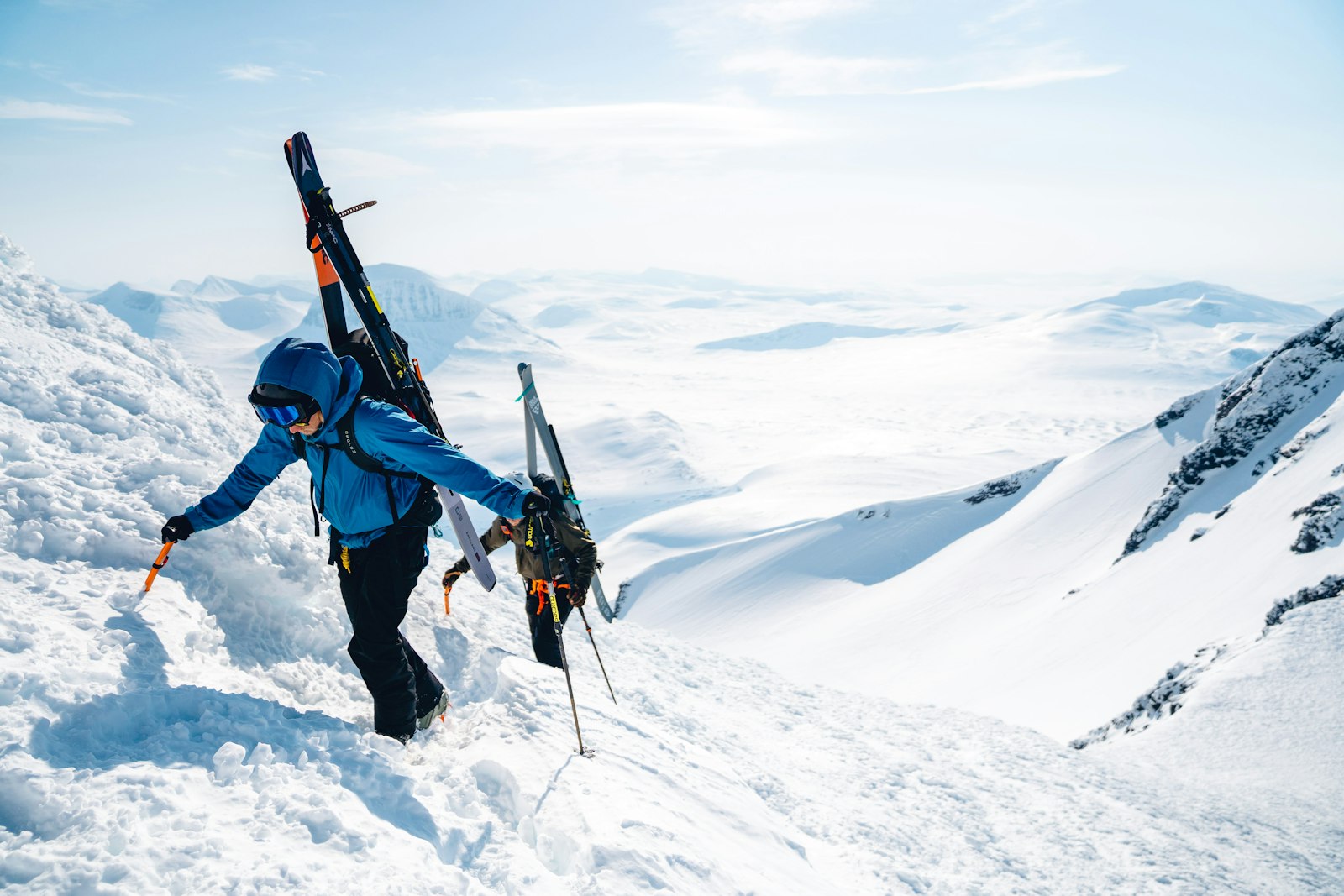
Mountaineering and ski touring take small groups off the ship onto Antarctic slopes and ridgelines, roped up or on skins, away from the usual landing sites. It trades the zodiac cruise for a slower, physical read of the same white terrain.
Activity
Camping
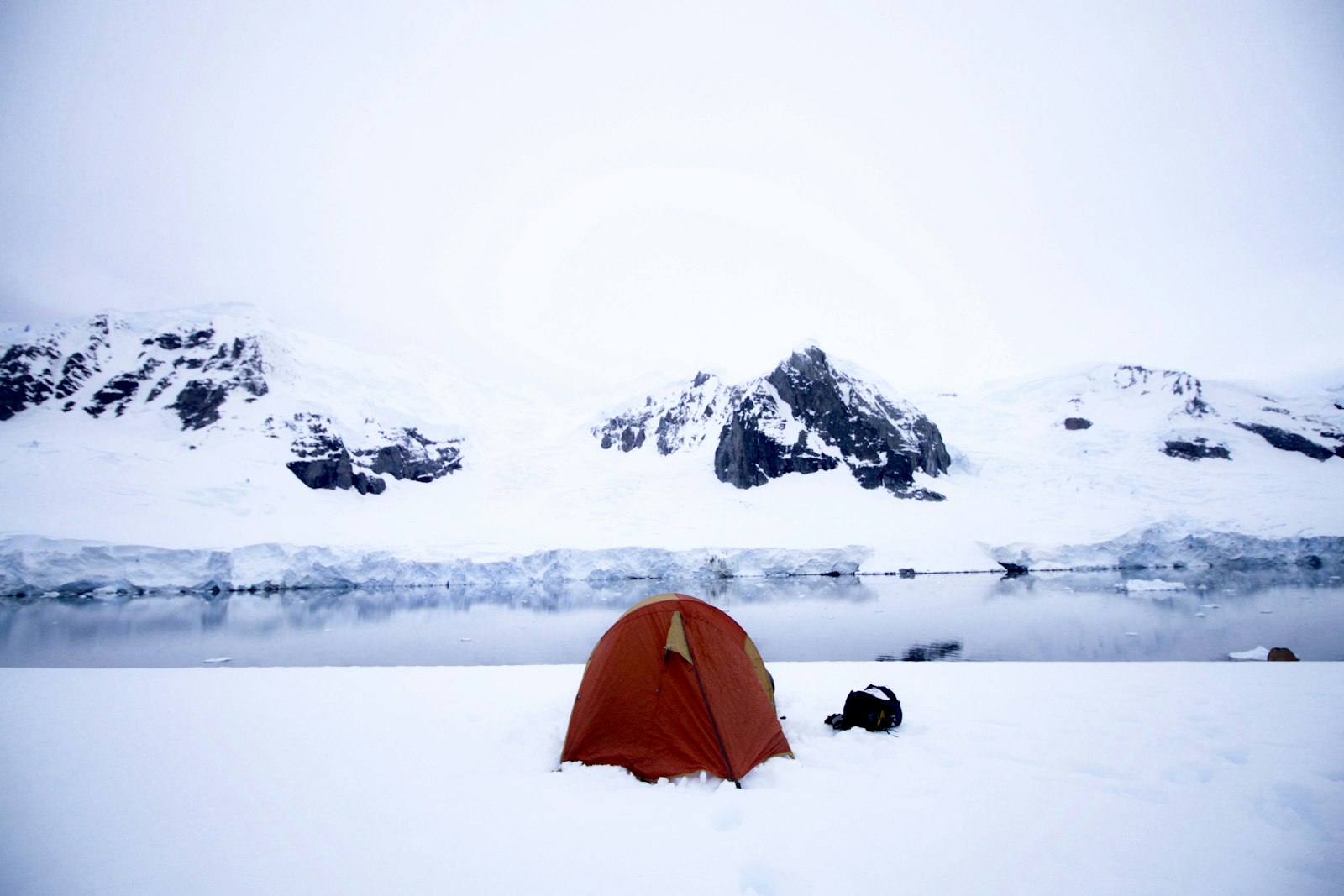
Camping on the Antarctic continent means sleeping in a bivy bag directly on the snow, under a sky that rarely goes fully dark in summer. It runs on select nights when conditions allow, with places limited by each ship's shore permit.
Wildlife
Gentoo Penguin
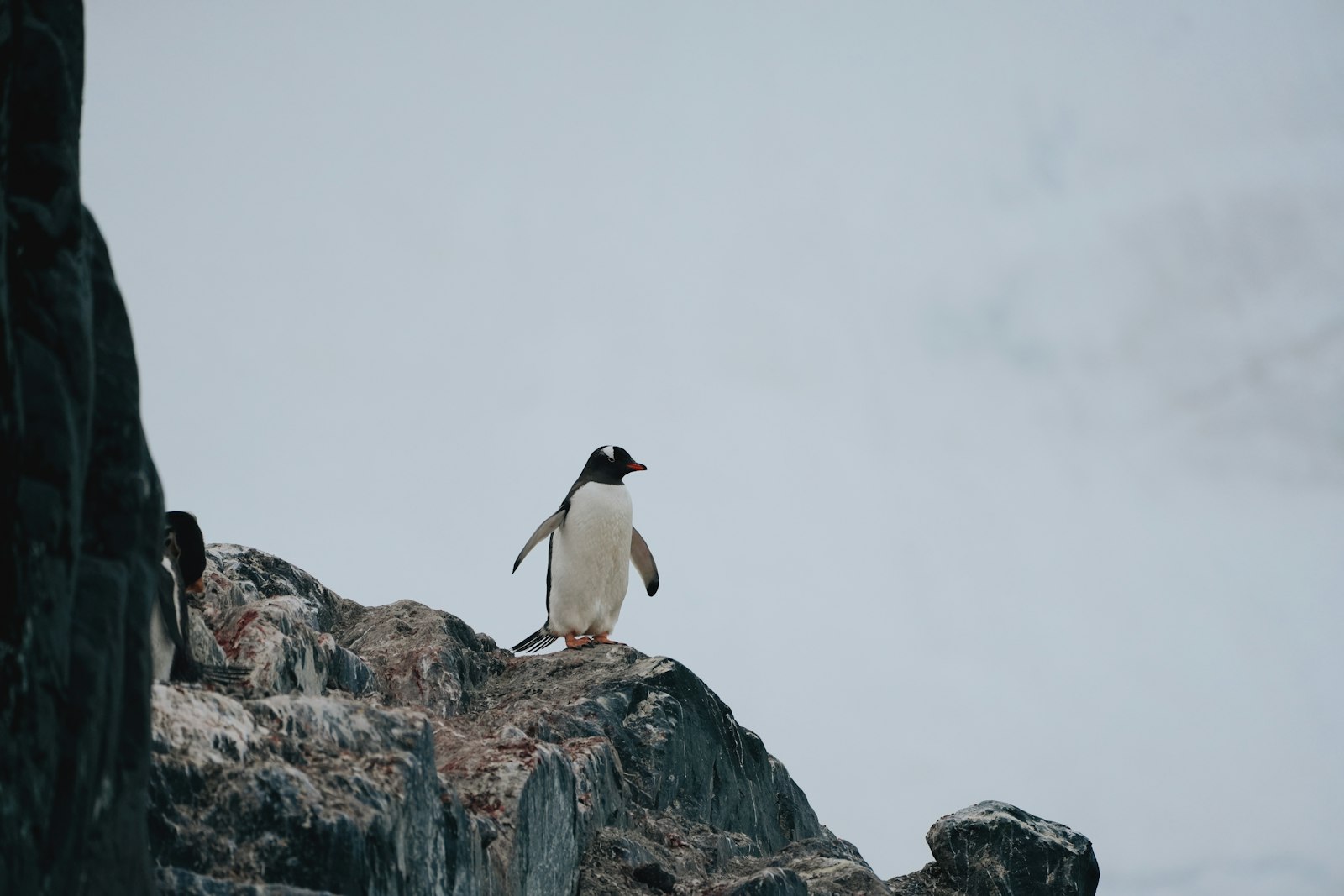
A stocky, orange-billed penguin of the genus Pygoscelis, closest kin to the Adélie and Chinstrap. Its loud, trumpeting call, delivered with head thrown back, carries across the shoreline colonies where expedition landings are made.