Wildlife
Humpback Whale
A 14–17 metre baleen whale known for breaching and long pectoral fins, often seen feeding on krill in loose groups along the ice edge.
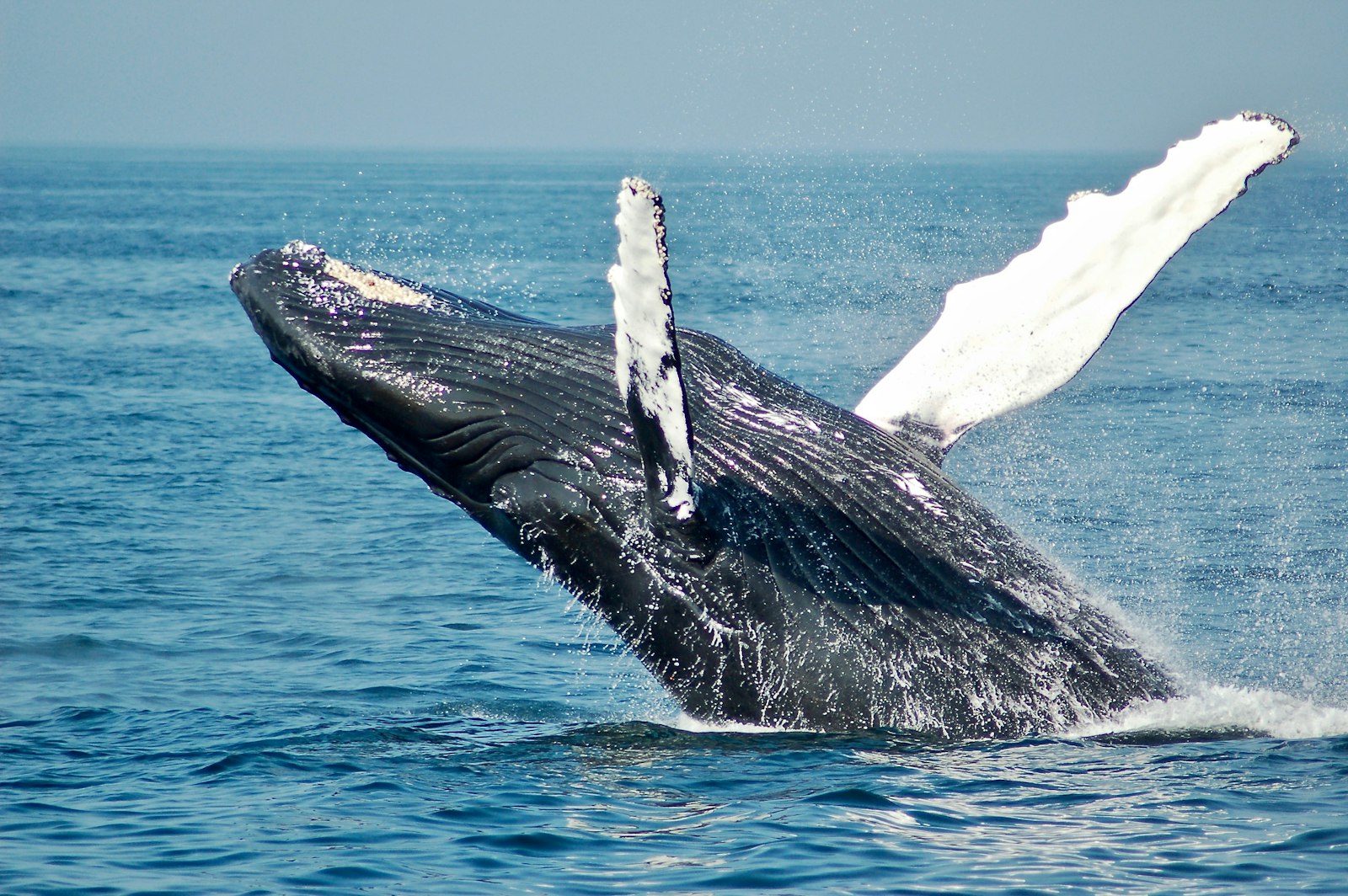
Humpbacks are among the most reliable large-whale sightings on an Antarctic voyage, and by January and February they gather in numbers to feed on the season's krill blooms. The sheltered waters of the Gerlache Strait and the wider Antarctic Peninsula are dependable places to find them working a bay in loose groups, sometimes using bubbles blown underwater to corral prey before lunging through the surface together.
Adults reach 14–17 metres and up to 40 metric tons, but they are surprisingly acrobatic for their size, breaching clear of the water and slapping long, white-edged pectoral fins on the surface — behaviour that has made them a favourite with whale watchers everywhere. Further north, South Georgia sees them too, part of a broader migration between polar feeding grounds and warmer breeding waters near the equator.
It's worth remembering how close this species came to disappearing: commercial whaling reduced the global population to around 5,000 animals by the 1960s. Numbers have since recovered to roughly 135,000 worldwide, though entanglement in fishing gear and ship strikes remain ongoing threats — context that adds some weight to an otherwise straightforward, joyful sighting from the deck.
Find departures that go there →
More highlights
Wildlife
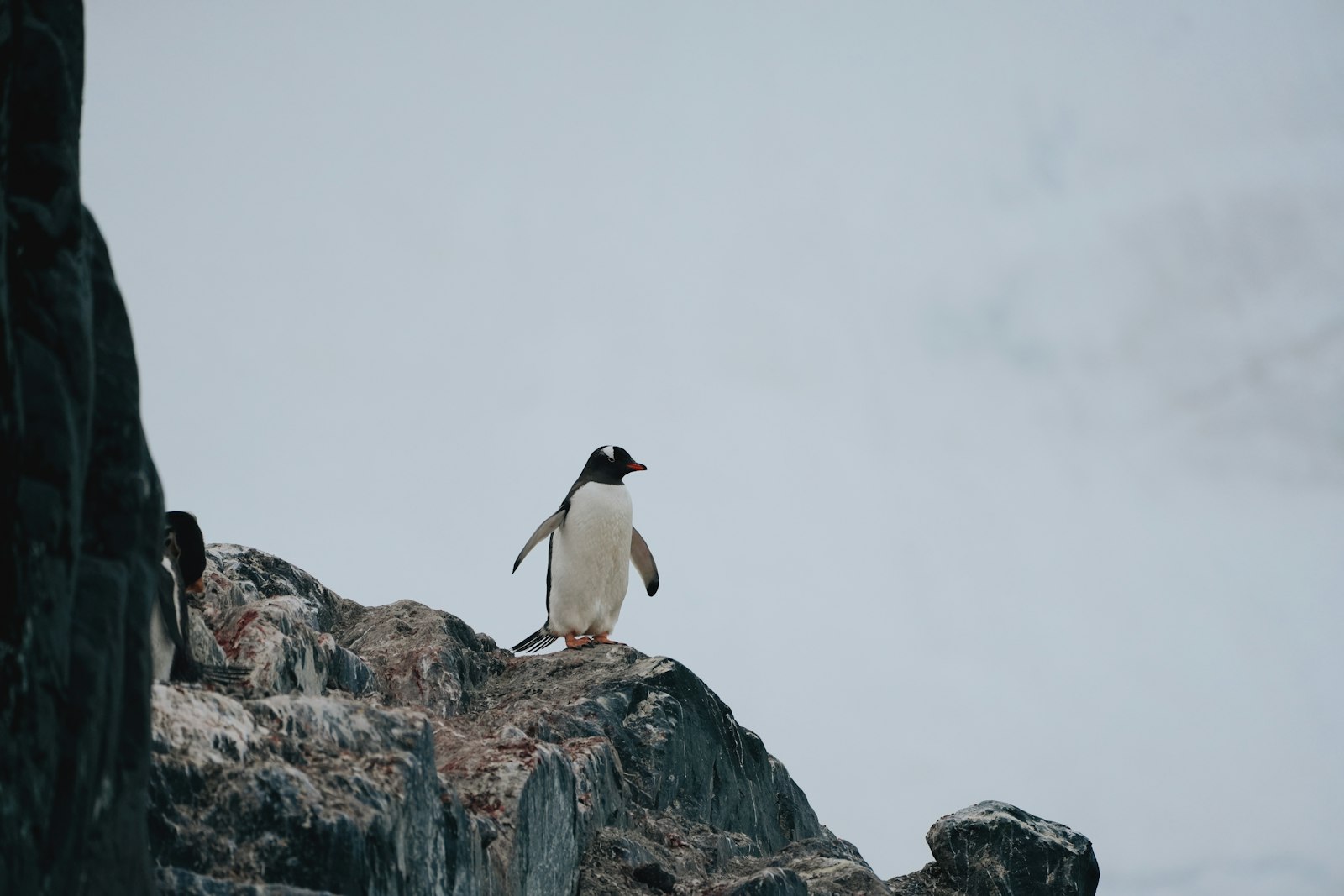
Gentoo Penguin
A stocky, orange-billed penguin of the genus Pygoscelis, closest kin to the Adélie and Chinstrap. Its loud, trumpeting call, delivered with head thrown back, carries across the shoreline colonies where expedition landings are made.
Wildlife
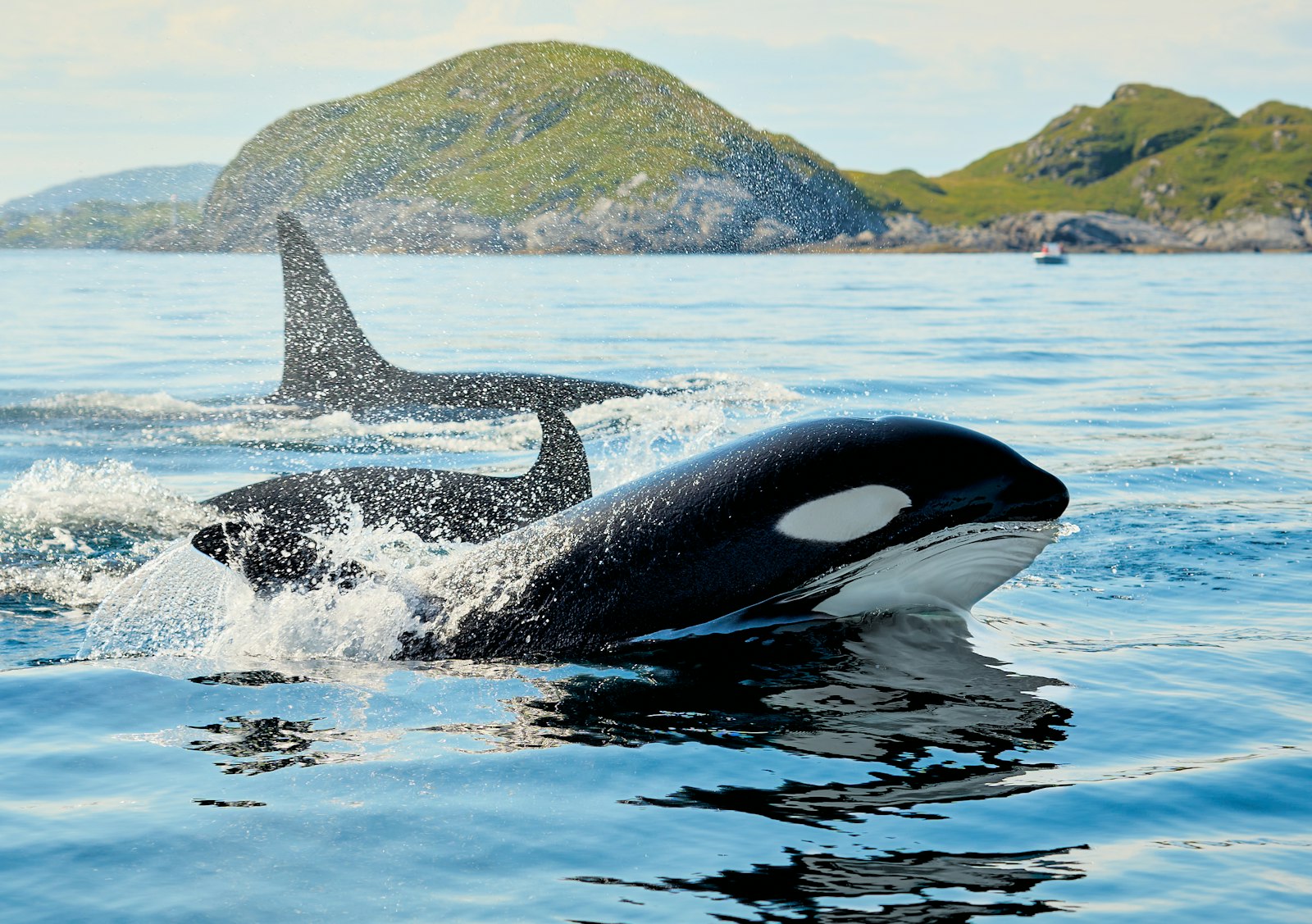
Orca
Black and white apex predator instantly recognizable by its pale eye patches, the orca is the largest of the dolphins and one of the ocean's most capable hunters. Sightings often involve a tight-knit family pod working the ice edge together.
Wildlife
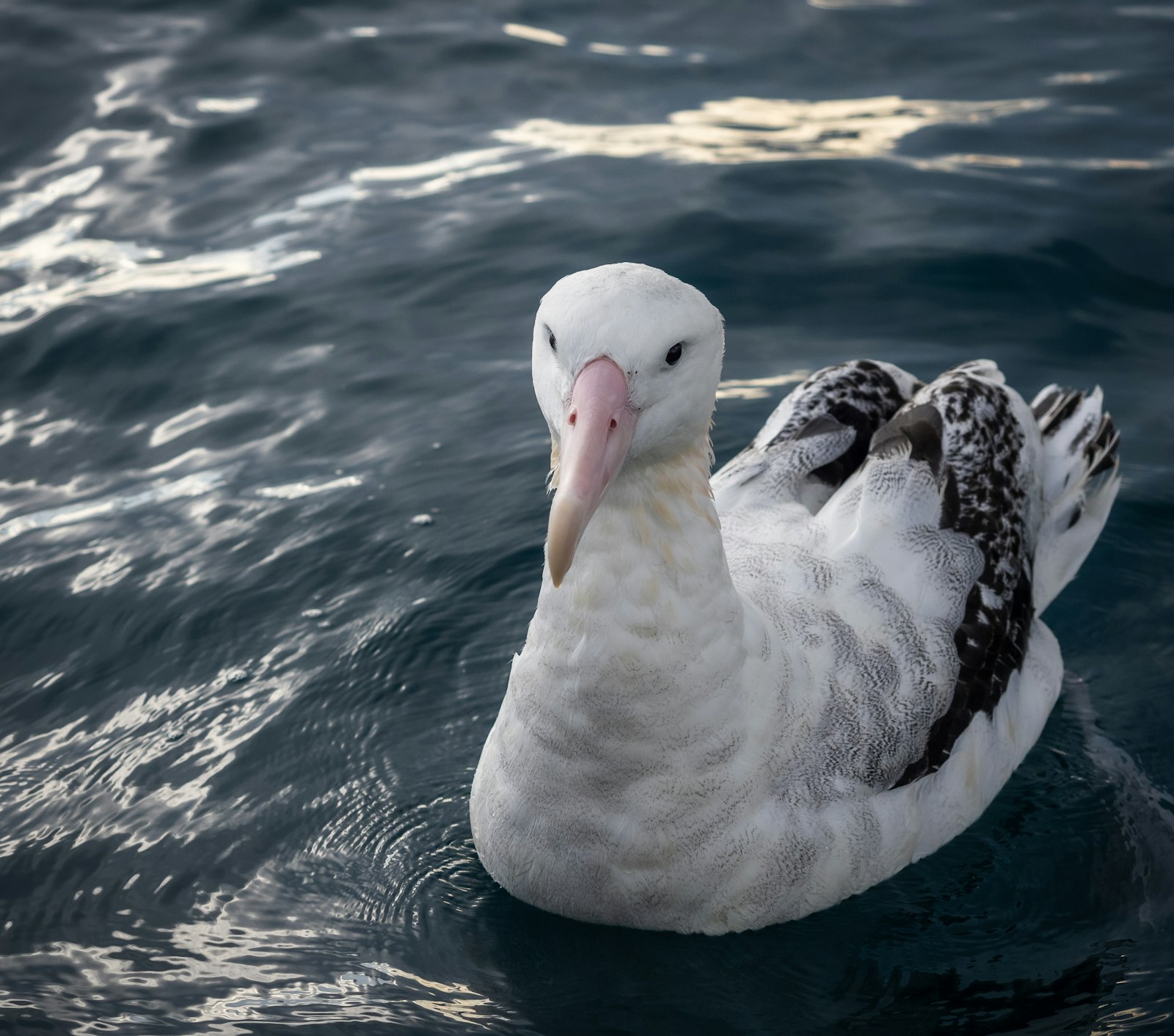
Wandering Albatross
The snowy albatross, better known as the wandering albatross, has the widest wingspan of any living bird alive today. Watch for it riding the wind for hours behind the ship without a single wingbeat.