Wildlife
Chinstrap Penguin
Named for the thin black band under its chin, the chinstrap penguin looks as if it is wearing a helmet. Listen for it before you see it: it has one of the loudest, harshest calls of any penguin.
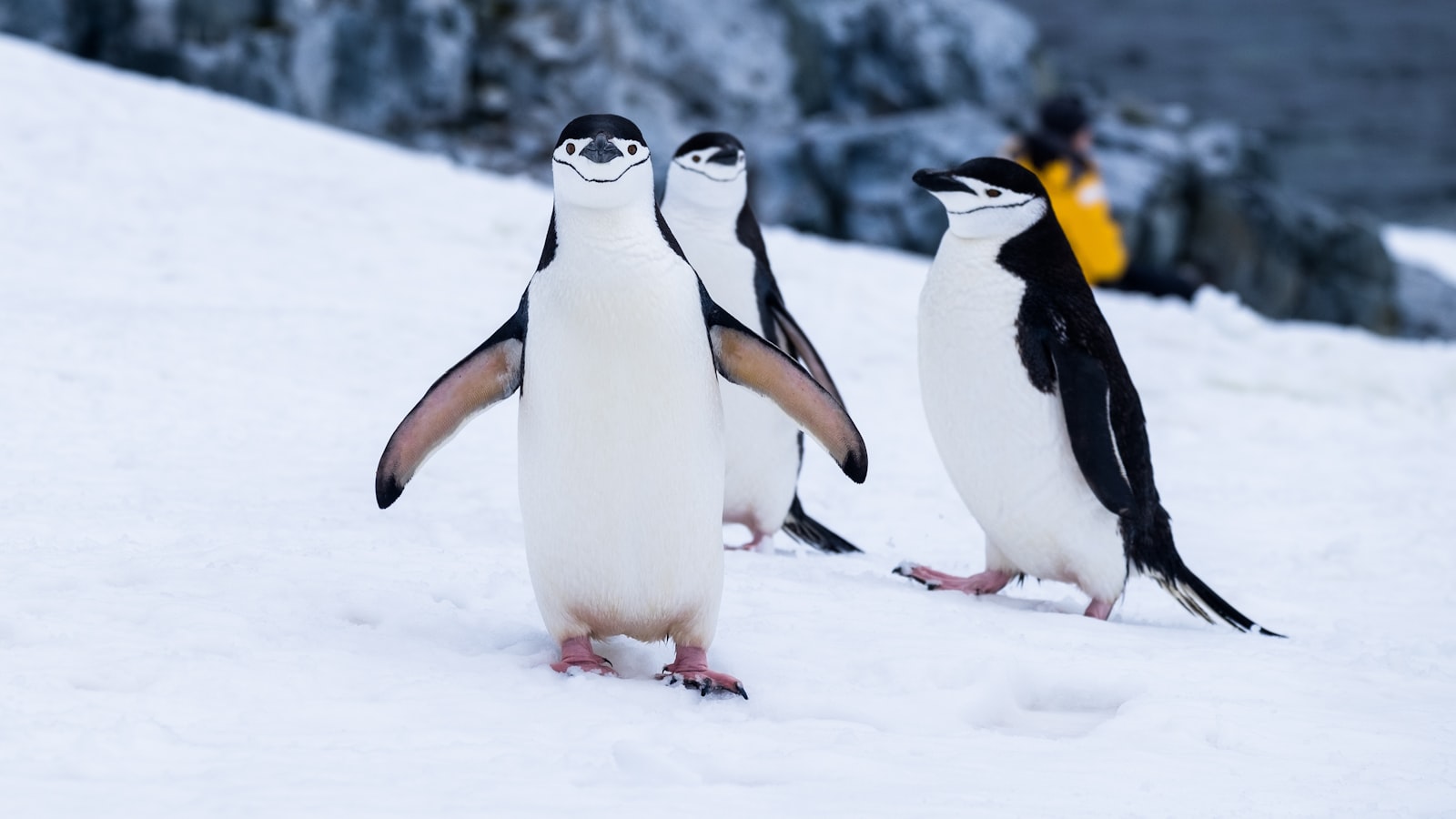
Chinstraps turn up on rocky shores right across the peninsula region, and they are one of the more reliable landings on a South Atlantic itinerary. Expect them hauled out on the black-sand slopes of Deception Island, packed onto the beaches of Elephant Island, and scattered along the coasts of the South Shetland Islands and the South Orkney Islands.
The name comes from the narrow black band running under the head, which gives the bird the look of wearing a dark helmet strap — it is also sometimes called the ringed, bearded, or stonecracker penguin. That last nickname is well earned: long before you spot a colony, you will likely hear its loud, harsh call carrying across the water or up from a beach in the Antarctic Sound.
They favour the same exposed, wave-battered shorelines that make for dramatic Zodiac cruising, so sightings often come as part of a landing rather than a dedicated wildlife stop. Keep an eye on rocky points and cobble beaches as your ship works through open water like Bransfield Strait between islands.
Find departures that go there →
More highlights
Activity
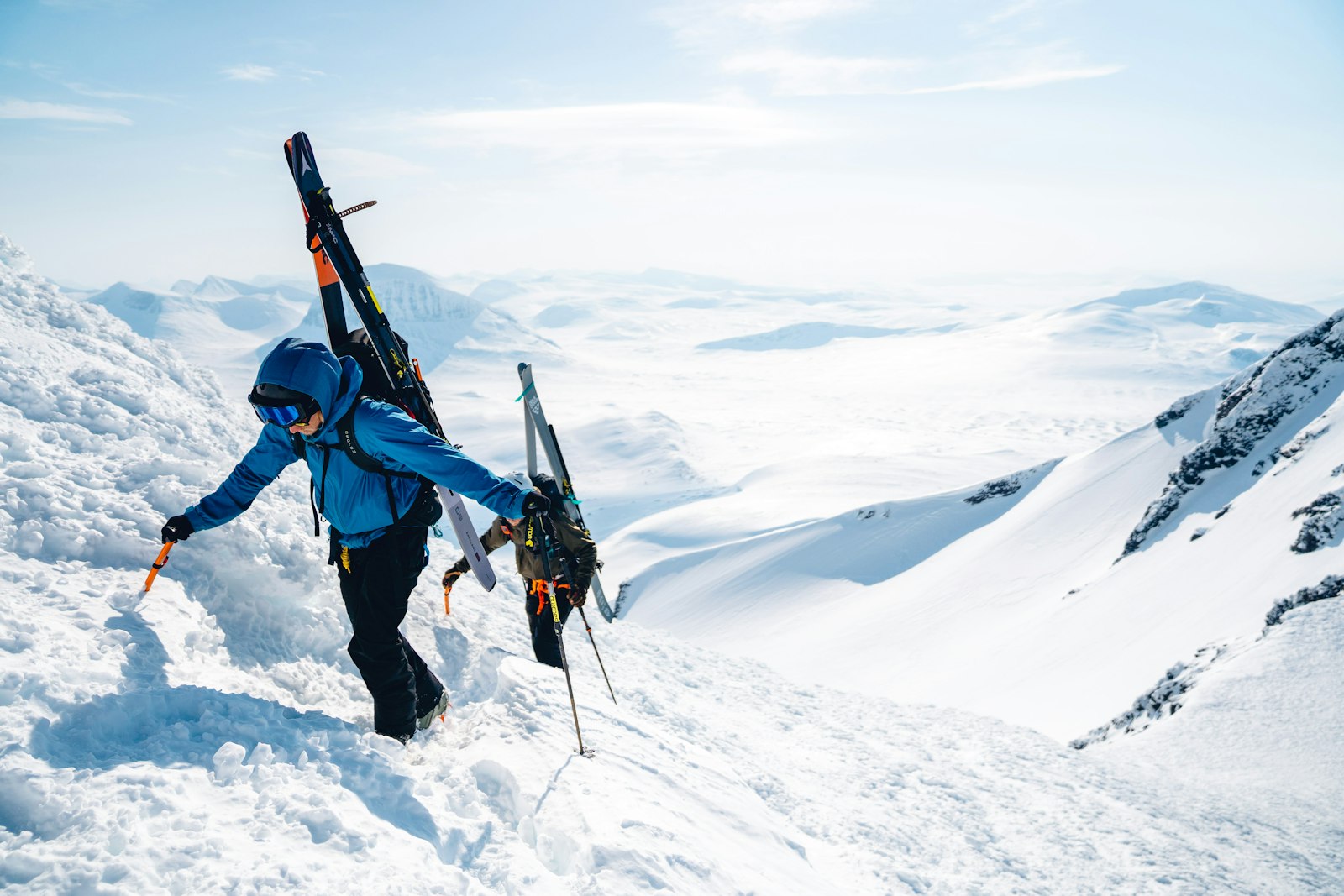
Mountaineering & ski touring
Mountaineering and ski touring take small groups off the ship onto Antarctic slopes and ridgelines, roped up or on skins, away from the usual landing sites. It trades the zodiac cruise for a slower, physical read of the same white terrain.
Activity
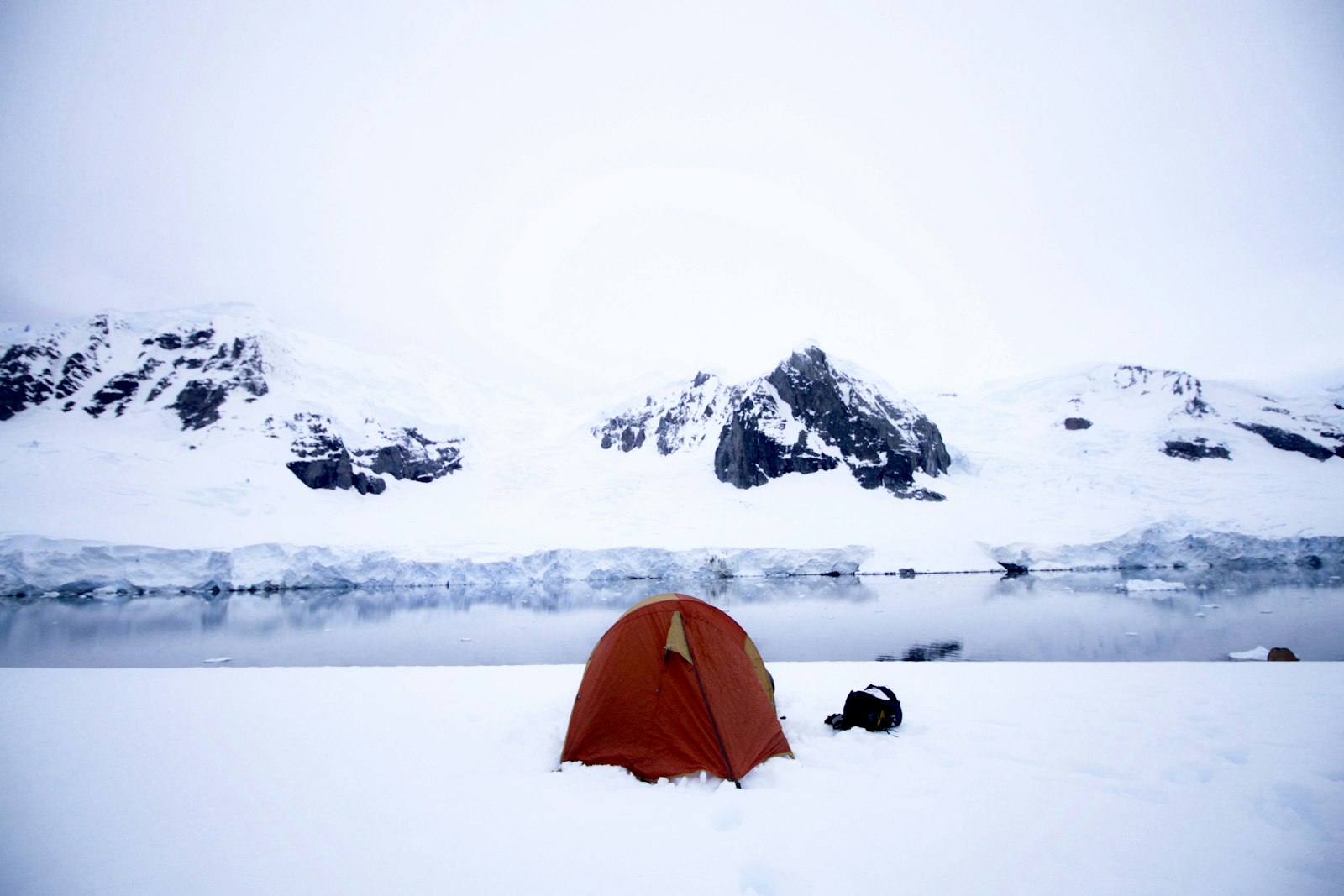
Camping
Camping on the Antarctic continent means sleeping in a bivy bag directly on the snow, under a sky that rarely goes fully dark in summer. It runs on select nights when conditions allow, with places limited by each ship's shore permit.
Wildlife
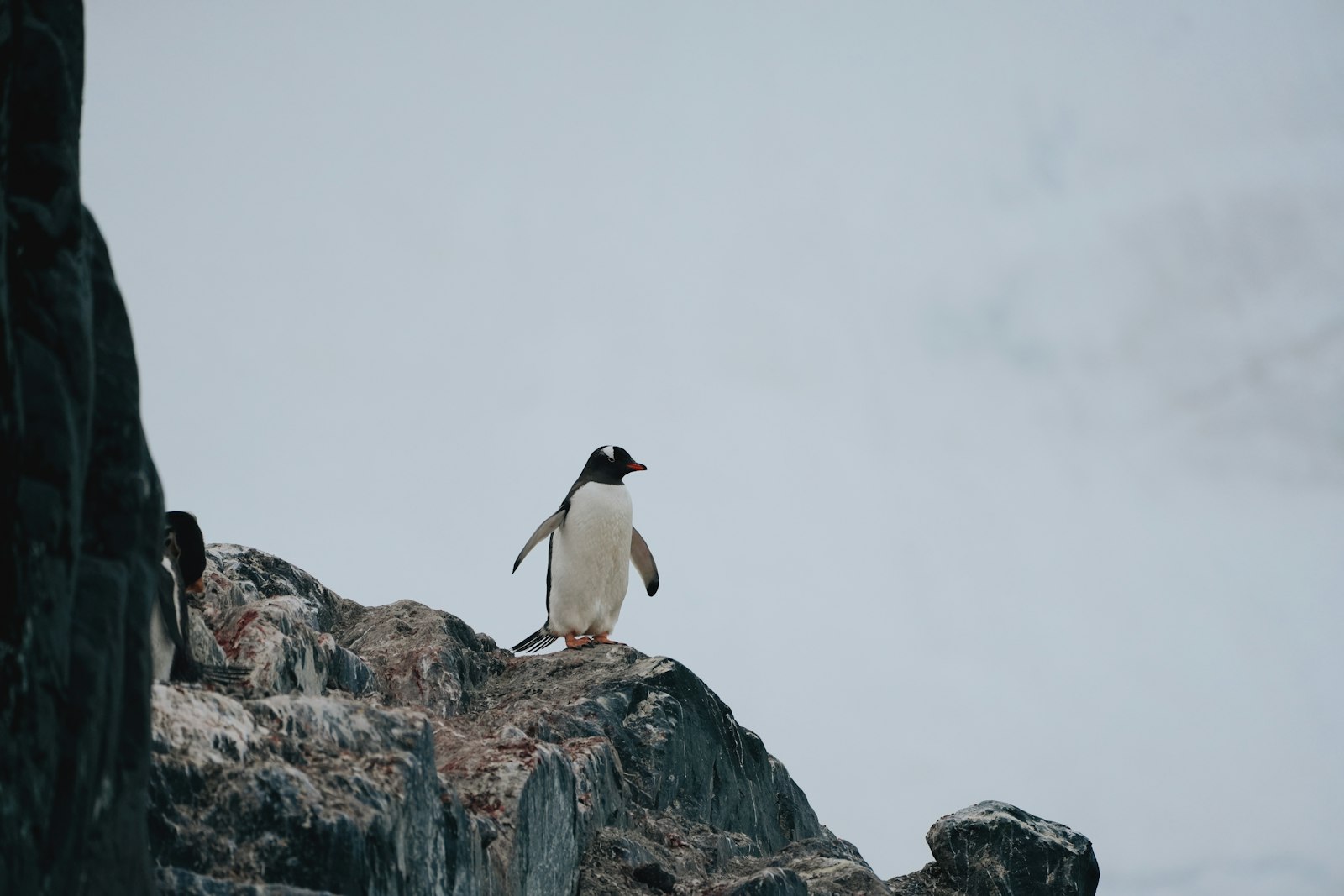
Gentoo Penguin
A stocky, orange-billed penguin of the genus Pygoscelis, closest kin to the Adélie and Chinstrap. Its loud, trumpeting call, delivered with head thrown back, carries across the shoreline colonies where expedition landings are made.