Wildlife
Grey-Headed Albatross
A large mollymawk with an ashy-grey head, throat and neck, ranging further south into the Southern Ocean than any other albatross of its kind. Look for it wheeling low over the wake in open water far from any coastline.
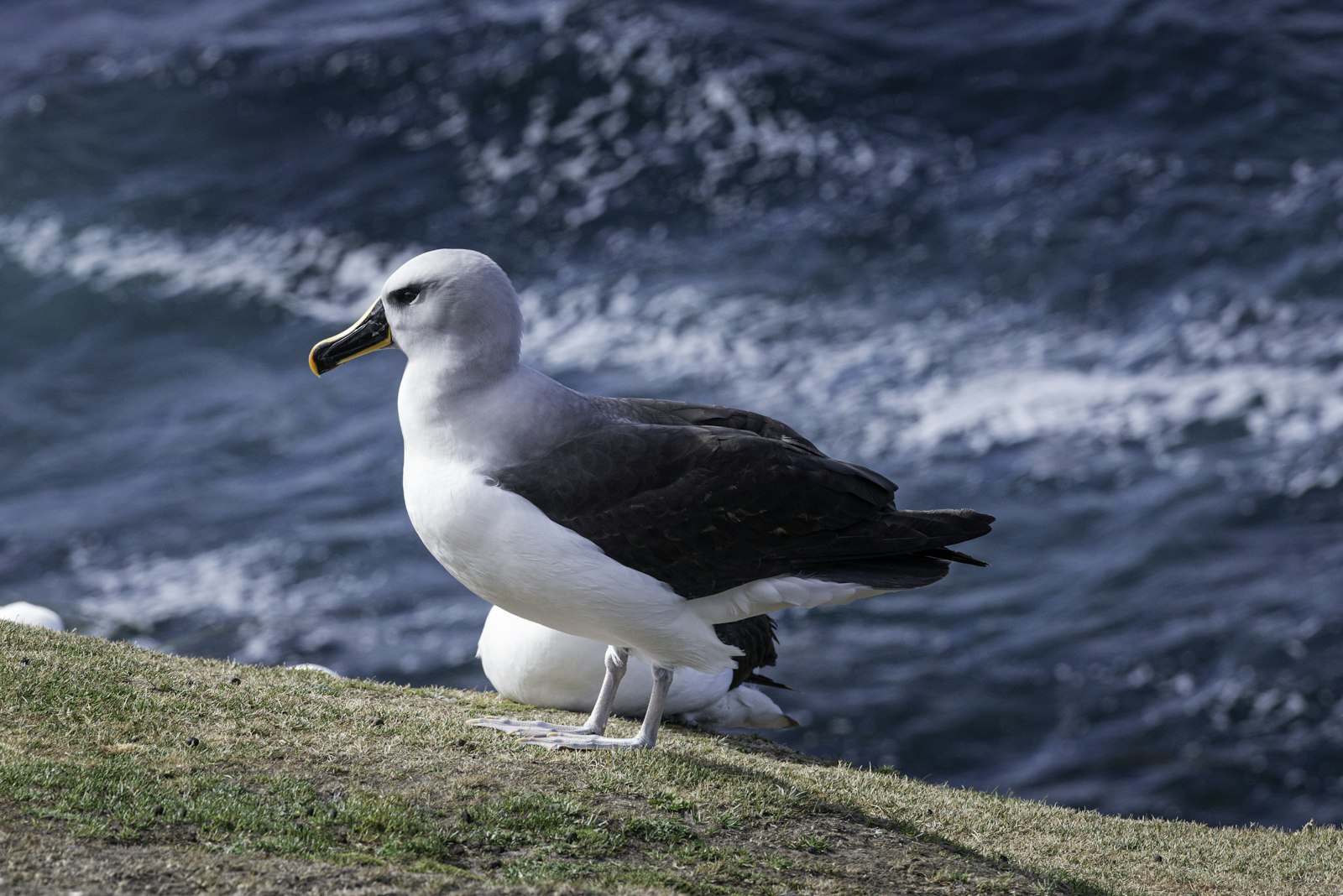
The grey-headed albatross is a bird of open water rather than sheltered coasts, so it tends to appear where the ship is furthest from land: crossing the Drake Passage or working through the swells of the Scotia Sea. It feeds at higher latitudes than the other mollymawks, which is exactly why sightings cluster in these stretches of open Southern Ocean rather than in more sheltered channels.
Its nesting grounds are the isolated islands scattered across the Southern Ocean, and South Georgia is where travellers on these routes have the best chance of seeing breeding colonies up close, alongside the wandering and black-browed albatrosses that share the same cliffs. The name is a simple, literal one: an ashy-grey wash across the head, throat and upper neck, visible even at a distance once you know to look for it against the darker mantle.
It is a circumpolar species, so the same bird you watch gliding beside the ship in the Drake could, in principle, be one that fledged on a remote island on the far side of the Southern Ocean. That scale is part of what makes an otherwise unremarkable grey-headed shape on the horizon worth a second look through the binoculars.
Find departures that go there →
More highlights
Wildlife
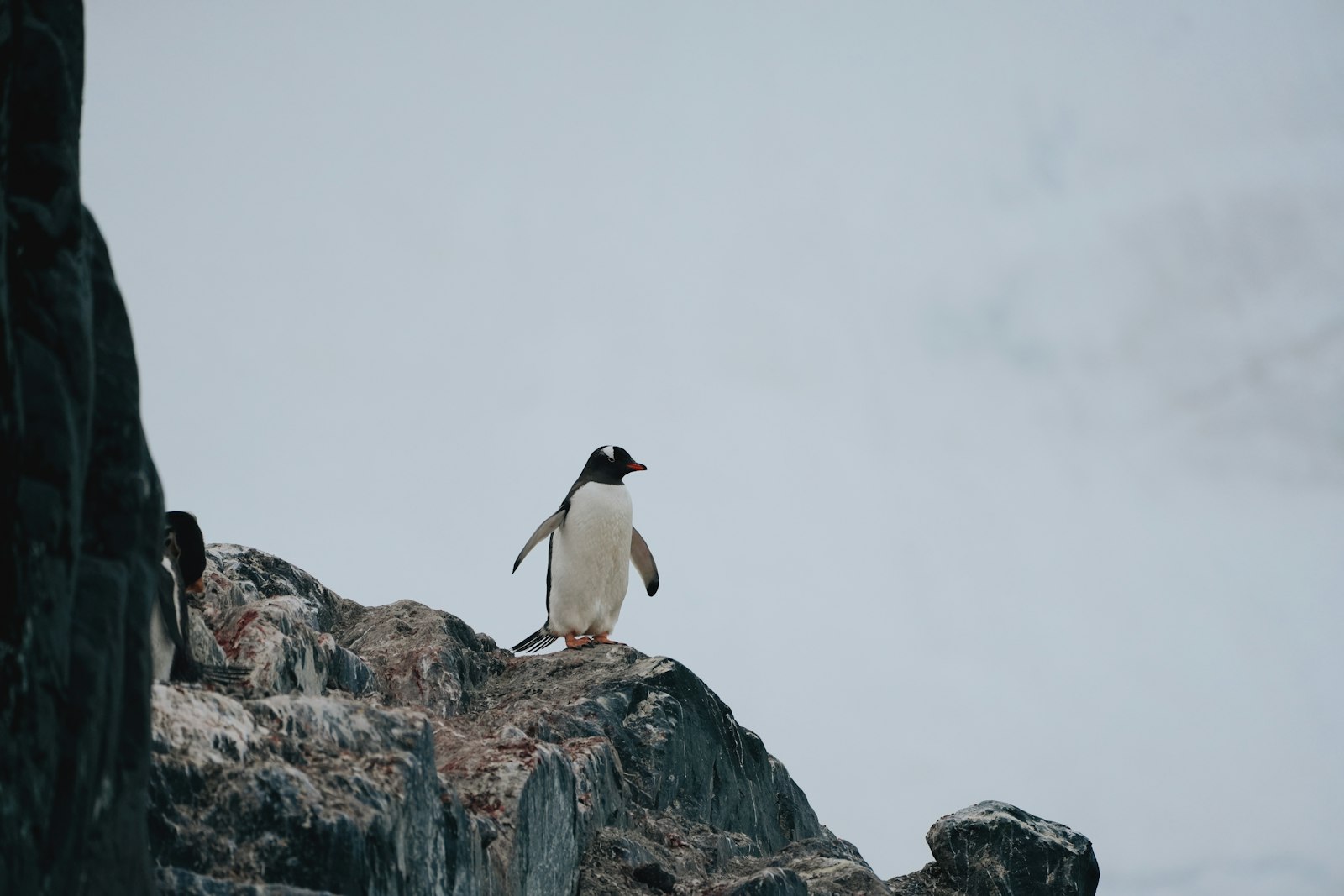
Gentoo Penguin
A stocky, orange-billed penguin of the genus Pygoscelis, closest kin to the Adélie and Chinstrap. Its loud, trumpeting call, delivered with head thrown back, carries across the shoreline colonies where expedition landings are made.
Wildlife
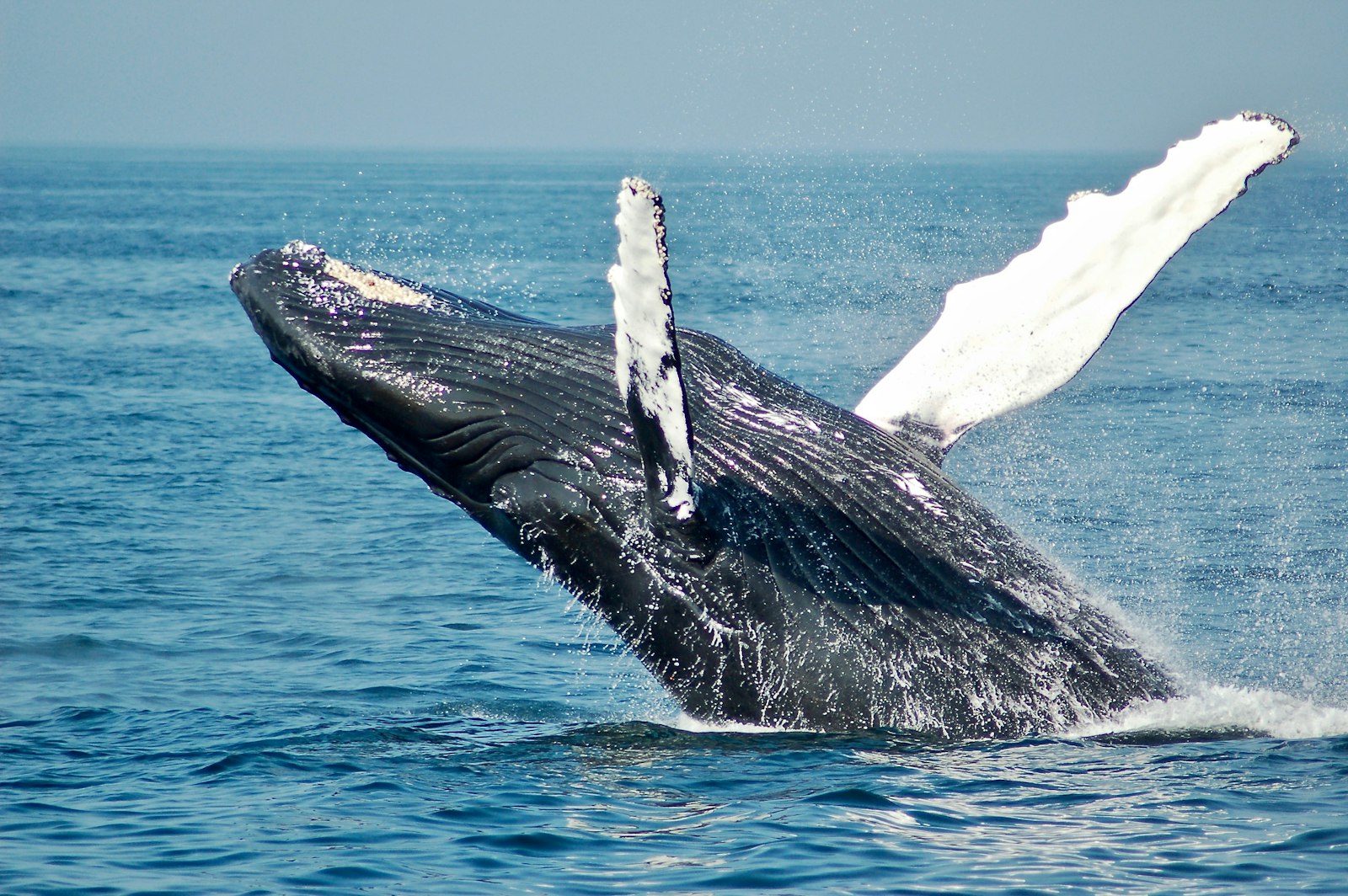
Humpback Whale
A 14–17 metre baleen whale known for breaching and long pectoral fins, often seen feeding on krill in loose groups along the ice edge.
Wildlife
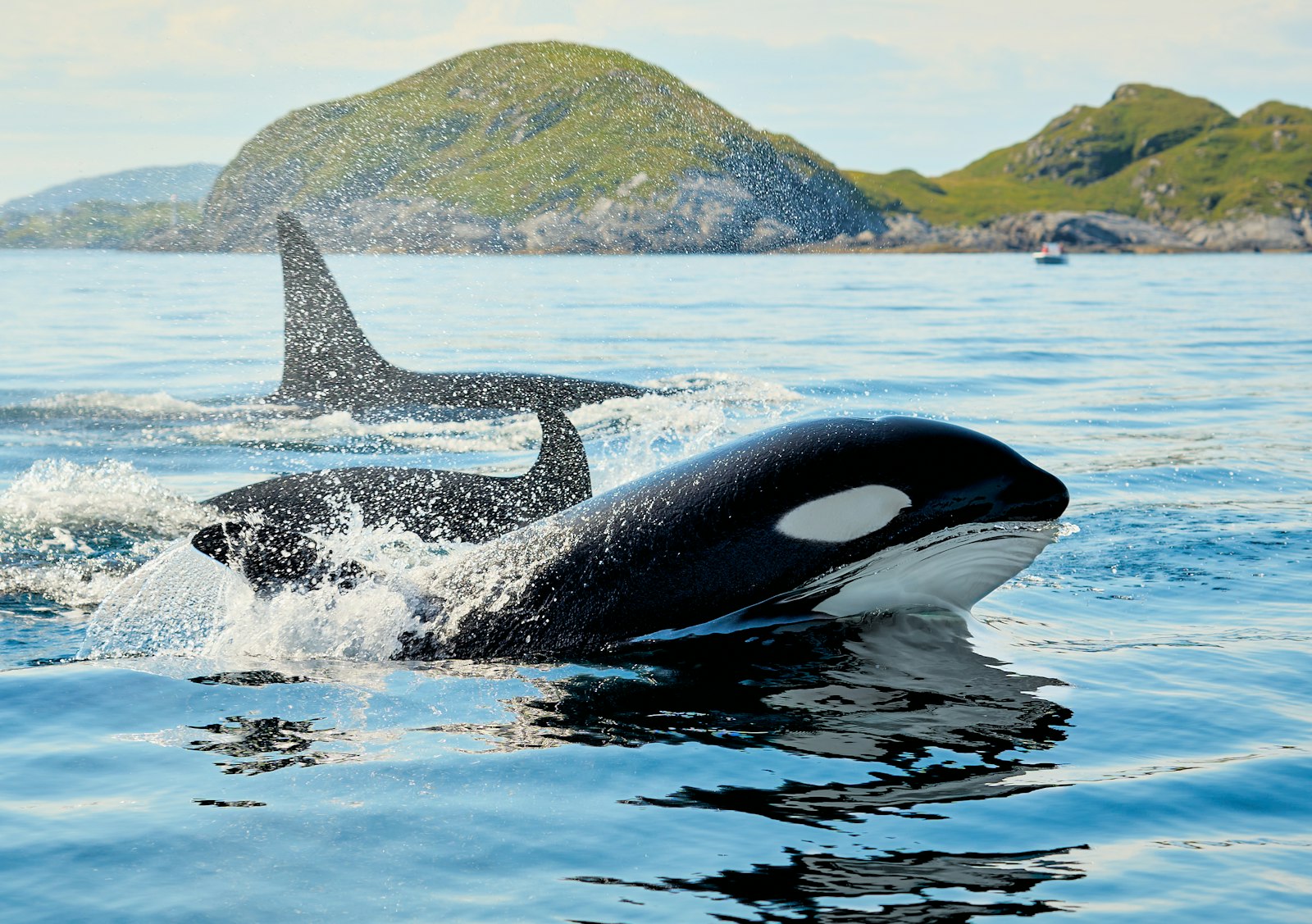
Orca
Black and white apex predator instantly recognizable by its pale eye patches, the orca is the largest of the dolphins and one of the ocean's most capable hunters. Sightings often involve a tight-knit family pod working the ice edge together.