Wildlife
King Penguin
The king penguin is the second-largest penguin species, closely resembling but smaller than the emperor penguin. Look for its dense, noisy colonies on South Georgia's beaches, one of the more reliable large penguins to watch up close on these voyages.
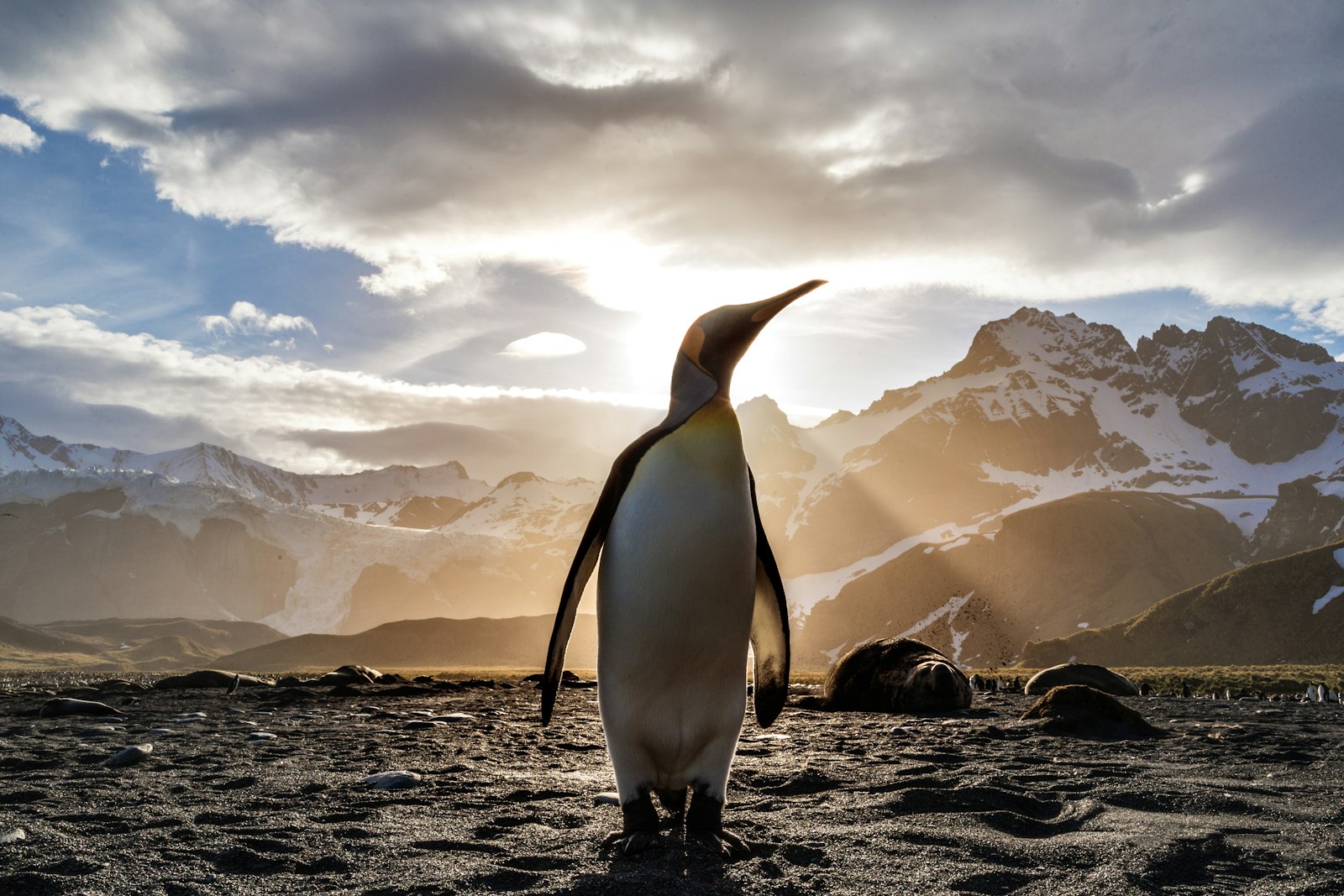
Second only to the emperor penguin in size, the king penguin is often mistaken for its larger cousin at a distance, though the orange-gold flashes on its neck and bill are usually diagnostic. Its main stronghold along our routes is South Georgia, where colonies of tens of thousands crowd the tussock-backed beaches at sites such as Salisbury Plain and St Andrews Bay.
Beyond South Georgia, travellers also land among king penguins in the Falkland Islands, on Macquarie Island in the Southern Ocean, and further south on Campbell Island and the Auckland Islands, all part of the bird's scattered subantarctic breeding range.
At sea these are serious divers, routinely working past 100 metres and occasionally beyond 300 metres in pursuit of lanternfish, squid and krill; ashore and in the water they have rather more to fear, from giant petrels, skuas and snowy sheathbills to leopard seals and orcas. Hunted commercially in the past for blubber, oil, meat and feathers, king penguins are now fully protected, and the large colonies expedition ships visit today are a direct result of that recovery.
Find departures that go there →
More highlights
Wildlife
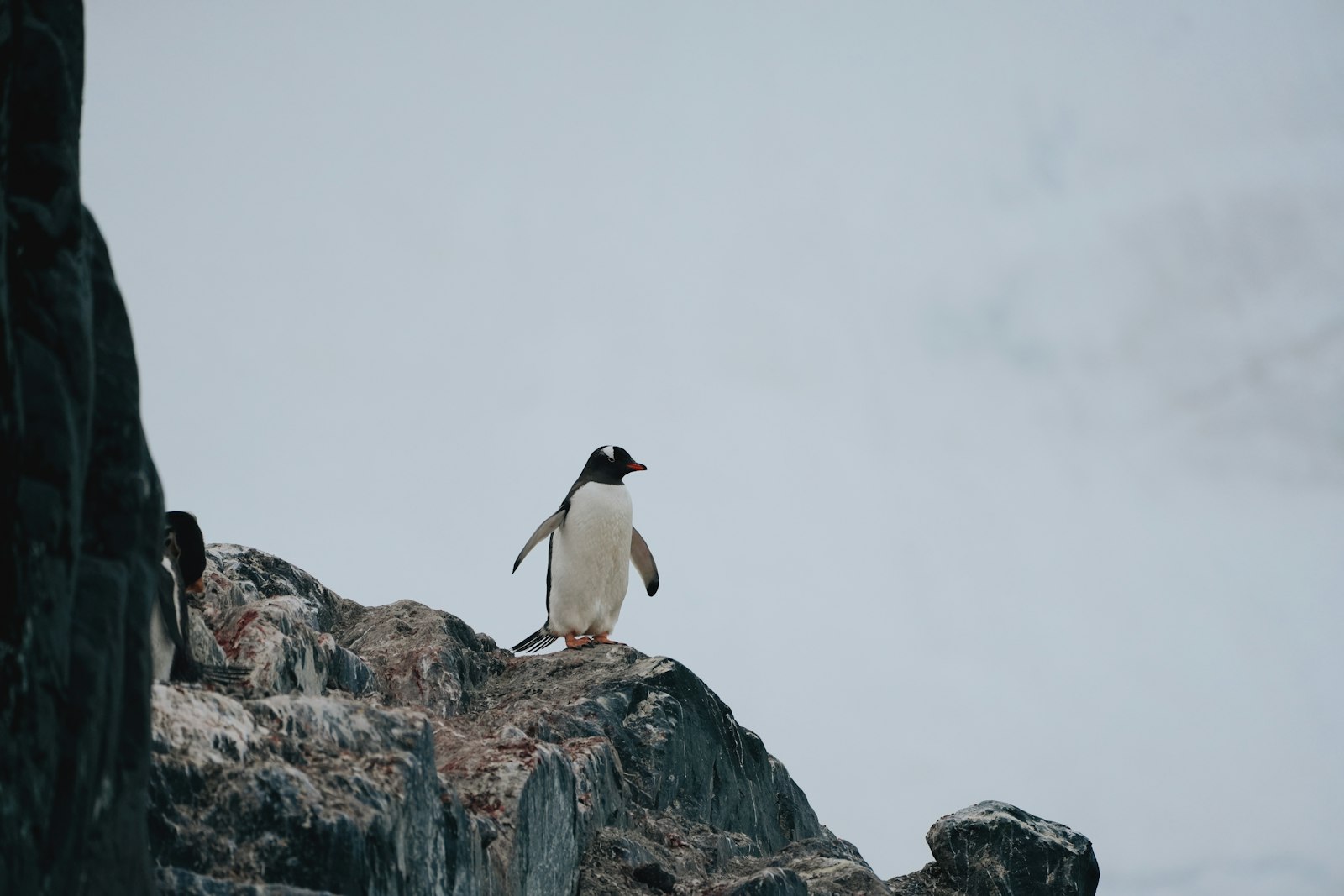
Gentoo Penguin
A stocky, orange-billed penguin of the genus Pygoscelis, closest kin to the Adélie and Chinstrap. Its loud, trumpeting call, delivered with head thrown back, carries across the shoreline colonies where expedition landings are made.
Wildlife
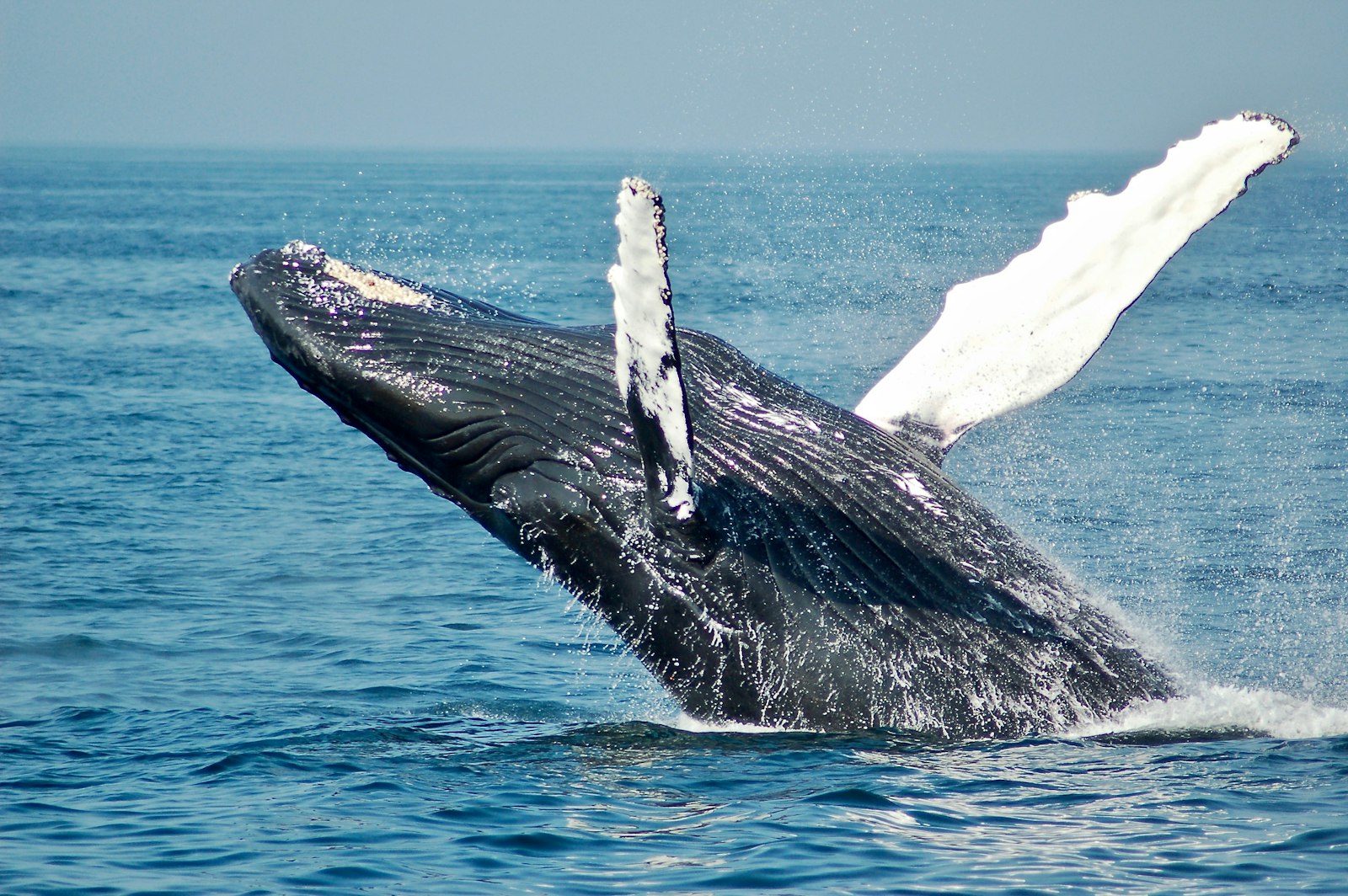
Humpback Whale
A 14–17 metre baleen whale known for breaching and long pectoral fins, often seen feeding on krill in loose groups along the ice edge.
Wildlife
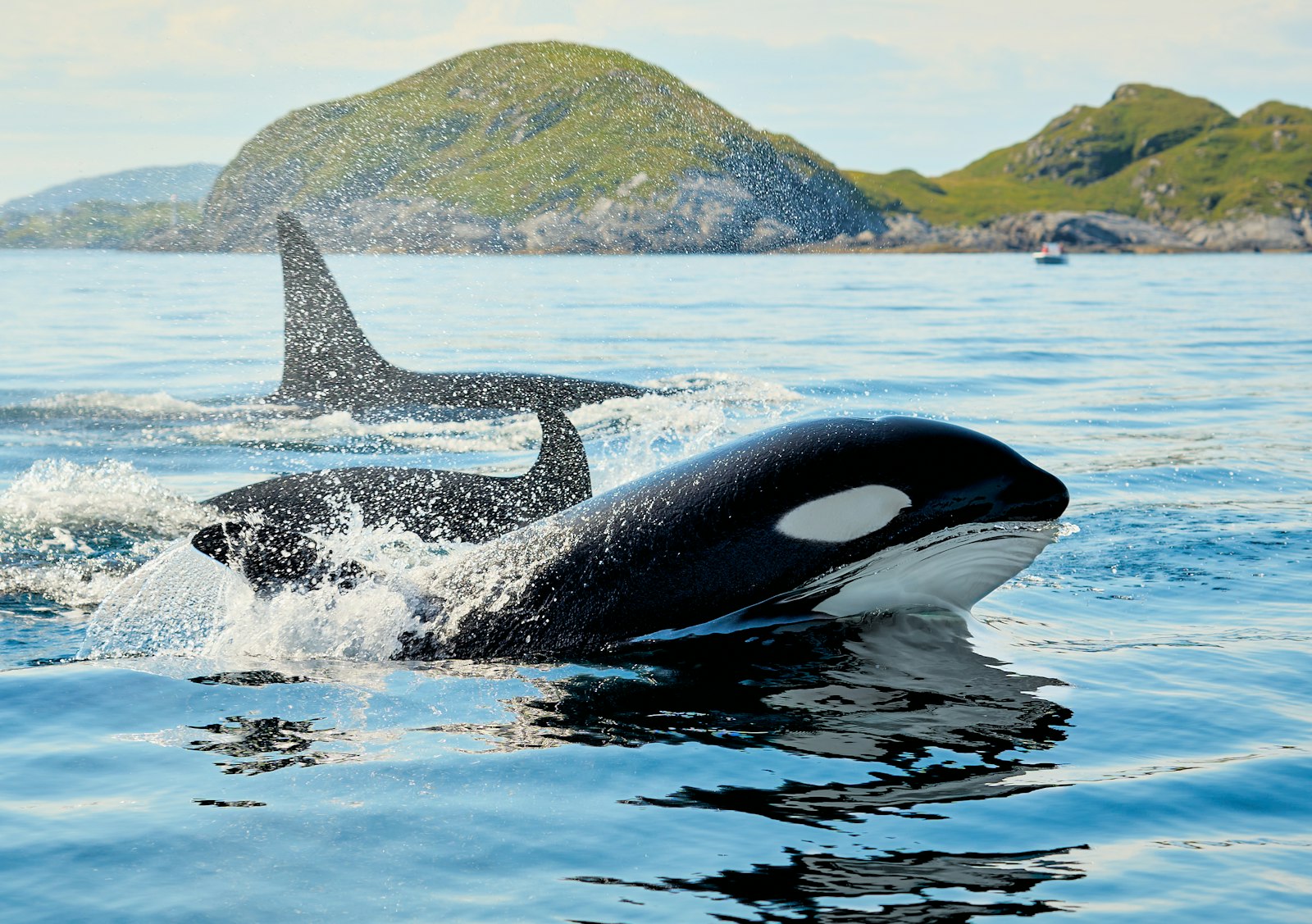
Orca
Black and white apex predator instantly recognizable by its pale eye patches, the orca is the largest of the dolphins and one of the ocean's most capable hunters. Sightings often involve a tight-knit family pod working the ice edge together.