Wildlife
Peale's Dolphin
A small, sturdy dolphin found only in the waters off southern South America, sometimes still called the black-chinned dolphin for the dark patch under its jaw. Watch for it riding bow waves as your ship threads the channels toward Antarctica.
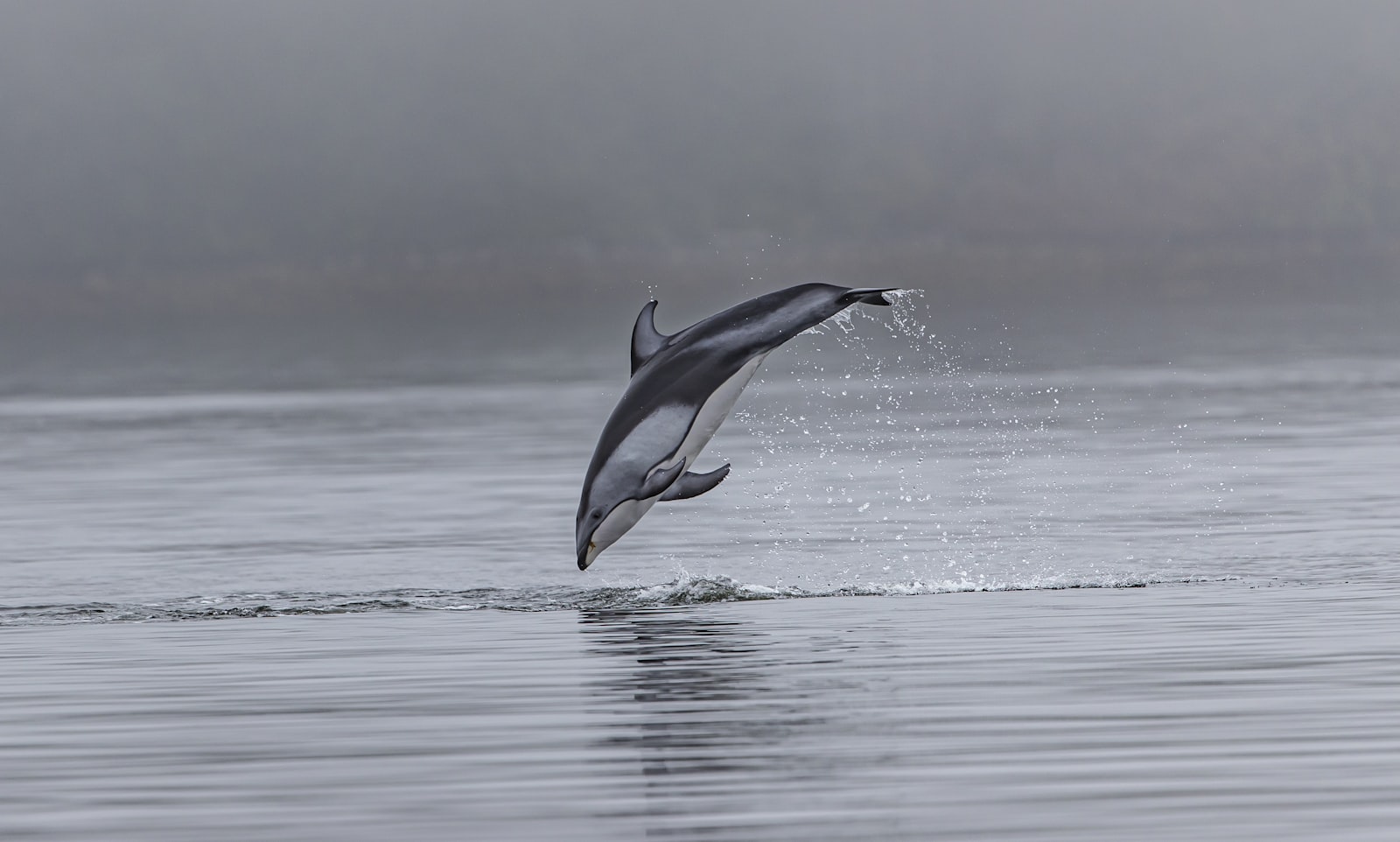
Peale's dolphin is a local specialist: it lives nowhere but the waters around Tierra del Fuego and the southern reaches of Patagonia, which makes an expedition voyage through this part of South America one of the few reliable ways to see it at all. Small and compact, with a dark cap and the throat marking that earned its older name, black-chinned dolphin, it tends to travel in tight, active groups that come to investigate passing ships.
The most consistent sightings on these routes are in the Beagle Channel, where the narrow, sheltered water concentrates both the dolphins and the boats looking for them, and around the kelp-fringed coastlines of the Falkland Islands. Keep an eye on the bow rather than the horizon: Peale's dolphins are bow-riders, and a group can appear alongside the hull with little warning before peeling away again into open water.
Find departures that go there →
More highlights
Wildlife
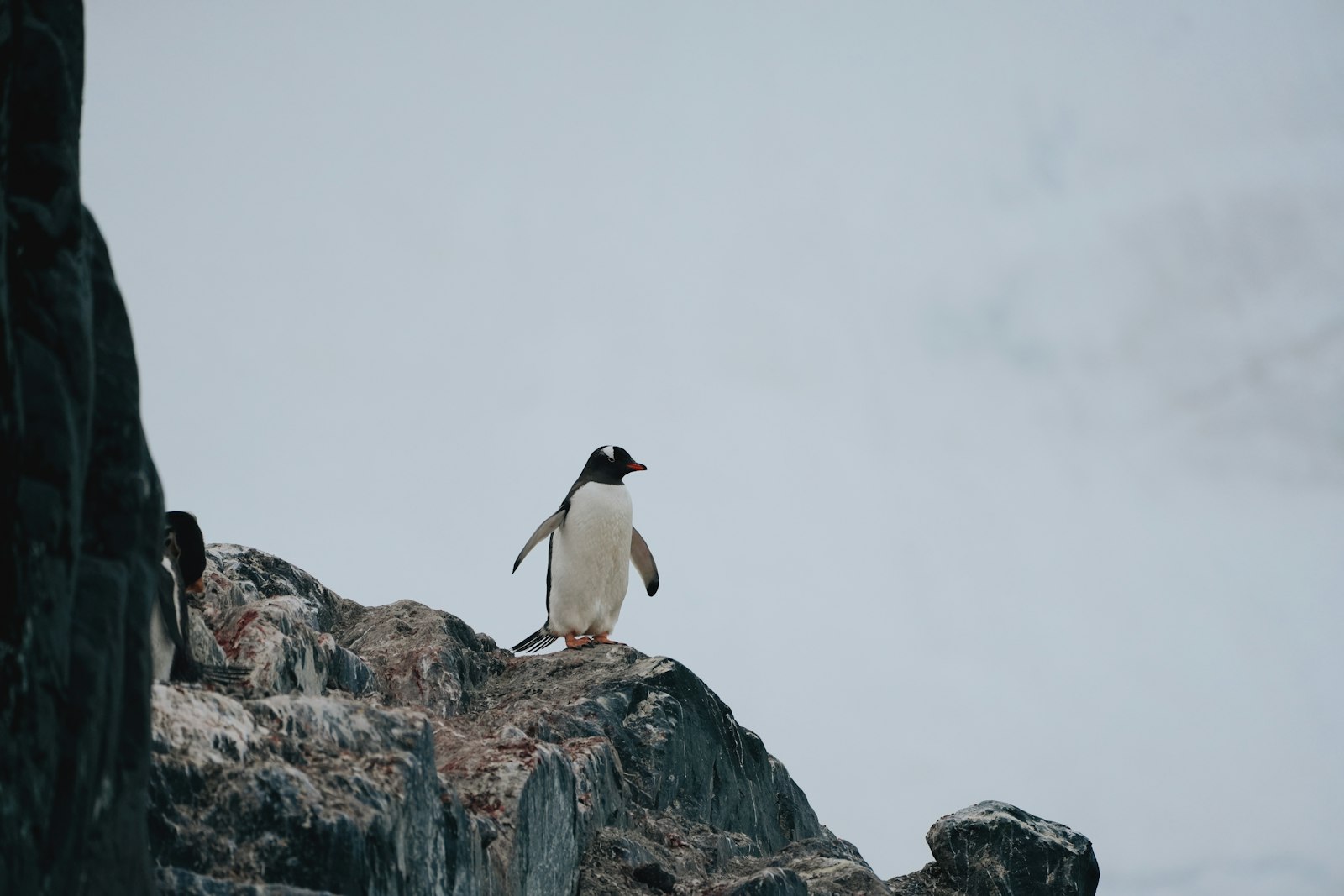
Gentoo Penguin
A stocky, orange-billed penguin of the genus Pygoscelis, closest kin to the Adélie and Chinstrap. Its loud, trumpeting call, delivered with head thrown back, carries across the shoreline colonies where expedition landings are made.
Wildlife
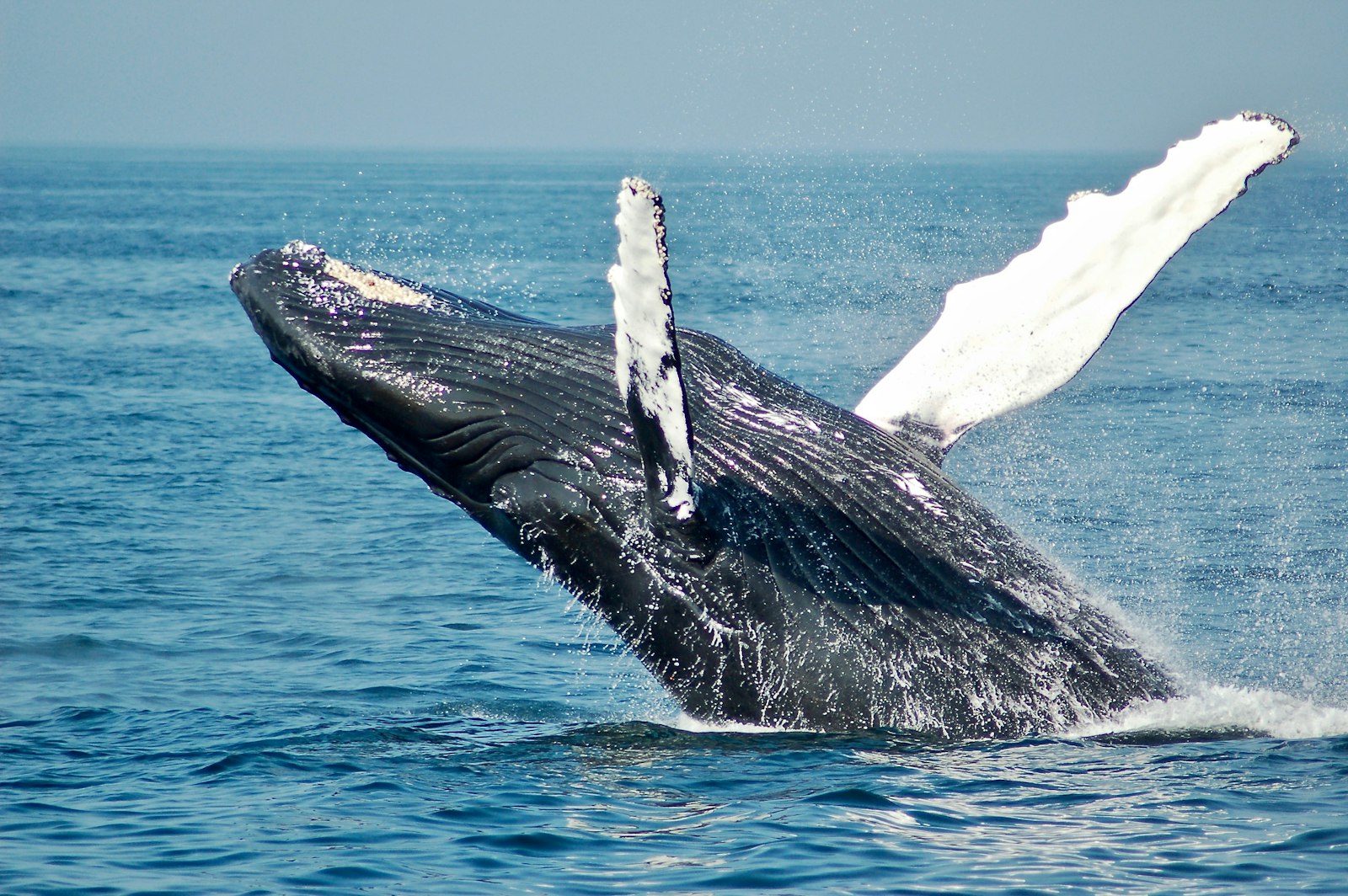
Humpback Whale
A 14–17 metre baleen whale known for breaching and long pectoral fins, often seen feeding on krill in loose groups along the ice edge.
Wildlife
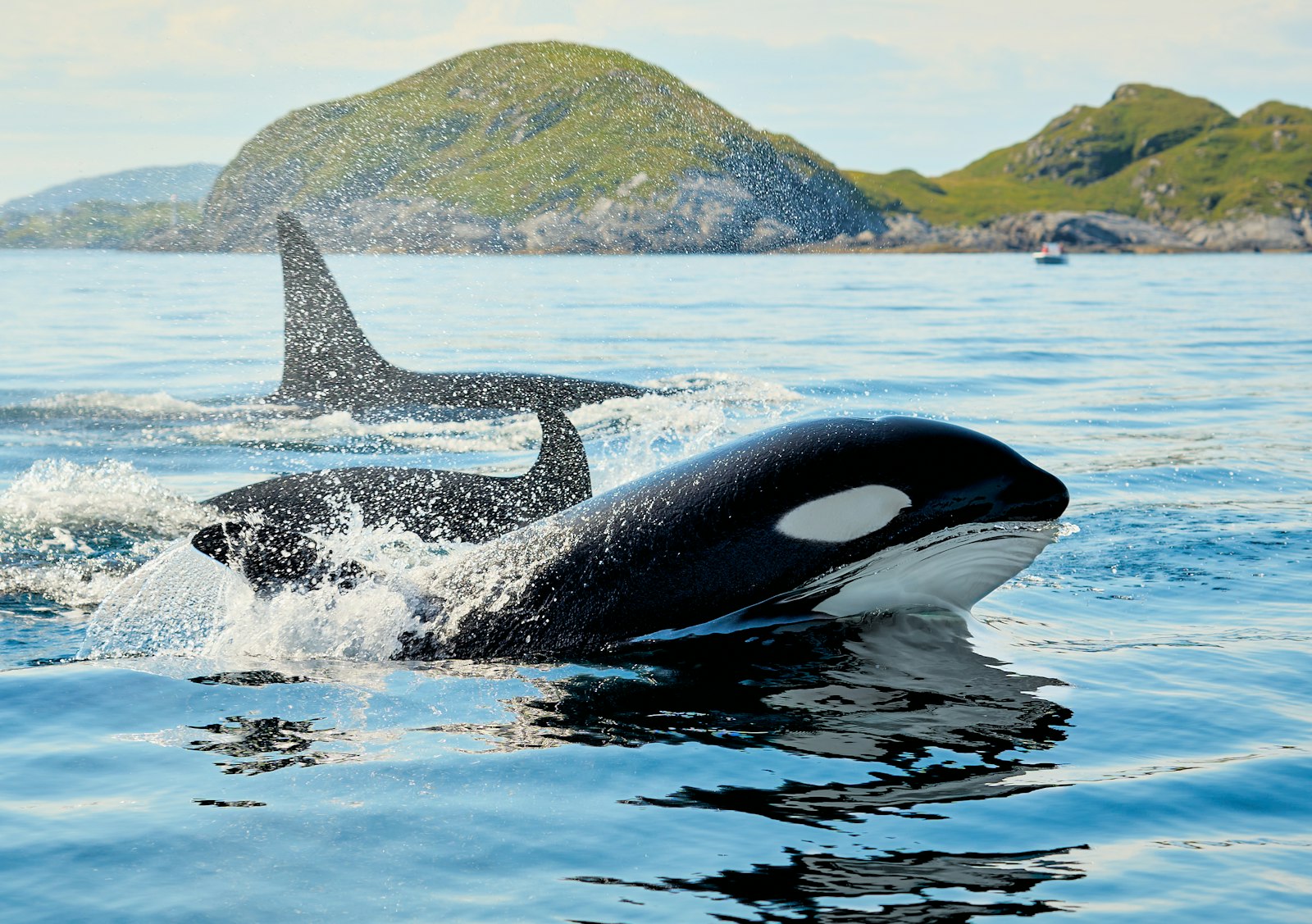
Orca
Black and white apex predator instantly recognizable by its pale eye patches, the orca is the largest of the dolphins and one of the ocean's most capable hunters. Sightings often involve a tight-knit family pod working the ice edge together.