Wildlife
Snow Petrel
The snow petrel is one of only three bird species ever recorded at the Geographic South Pole, and it holds the record for the most southerly breeding sites of any bird. Pure white against dark rock and ice, it is unmistakable and easy to pick out from a moving ship.
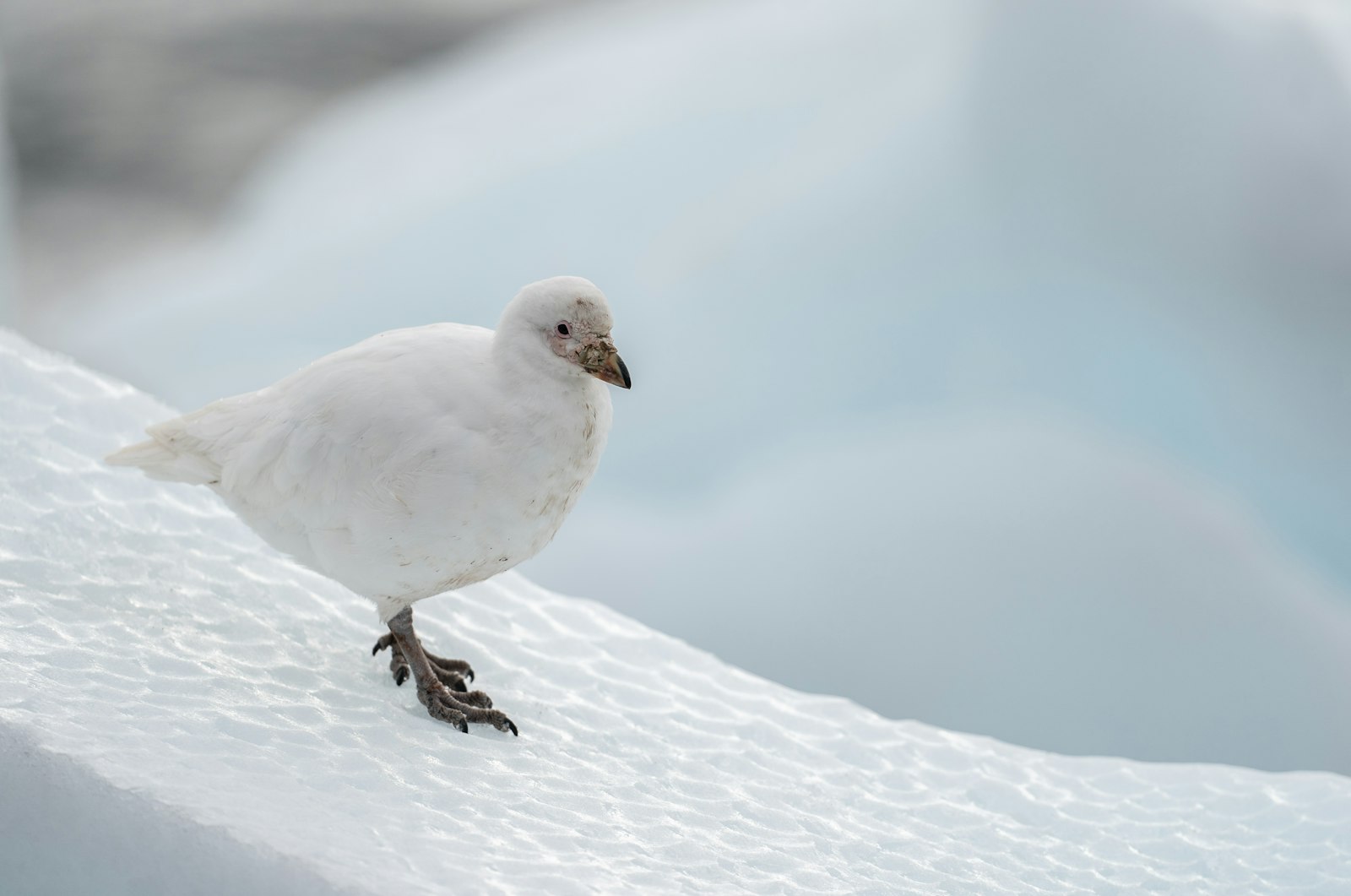
The snow petrel is the sole member of its genus, Pagodroma, and it turns up wherever pack ice meets open water. On our voyages that usually means the fringes of the Weddell Sea and the narrow, berg-choked waters of the Antarctic Sound, where small flocks wheel low over the ship from November through March. Its plumage is entirely white, which makes it almost vanish against snow and only reappear as it banks against dark cliffs or open sea.
Further south, past the Antarctic Circle, sightings become more frequent as the ship pushes into the bird's true breeding range. This is a species that nests further inland and further south than any other bird alive, including sites close enough to the pole that it shares the distinction of having been seen at the Geographic South Pole itself, alongside only the Antarctic petrel and the south polar skua.
Travellers rarely see snow petrels on land, since their nesting sites are tucked into remote nunataks and cliff faces, but they are a near-constant companion at sea in these latitudes, gliding on stiff wings just above the wave crests.
Find departures that go there →
More highlights
Activity
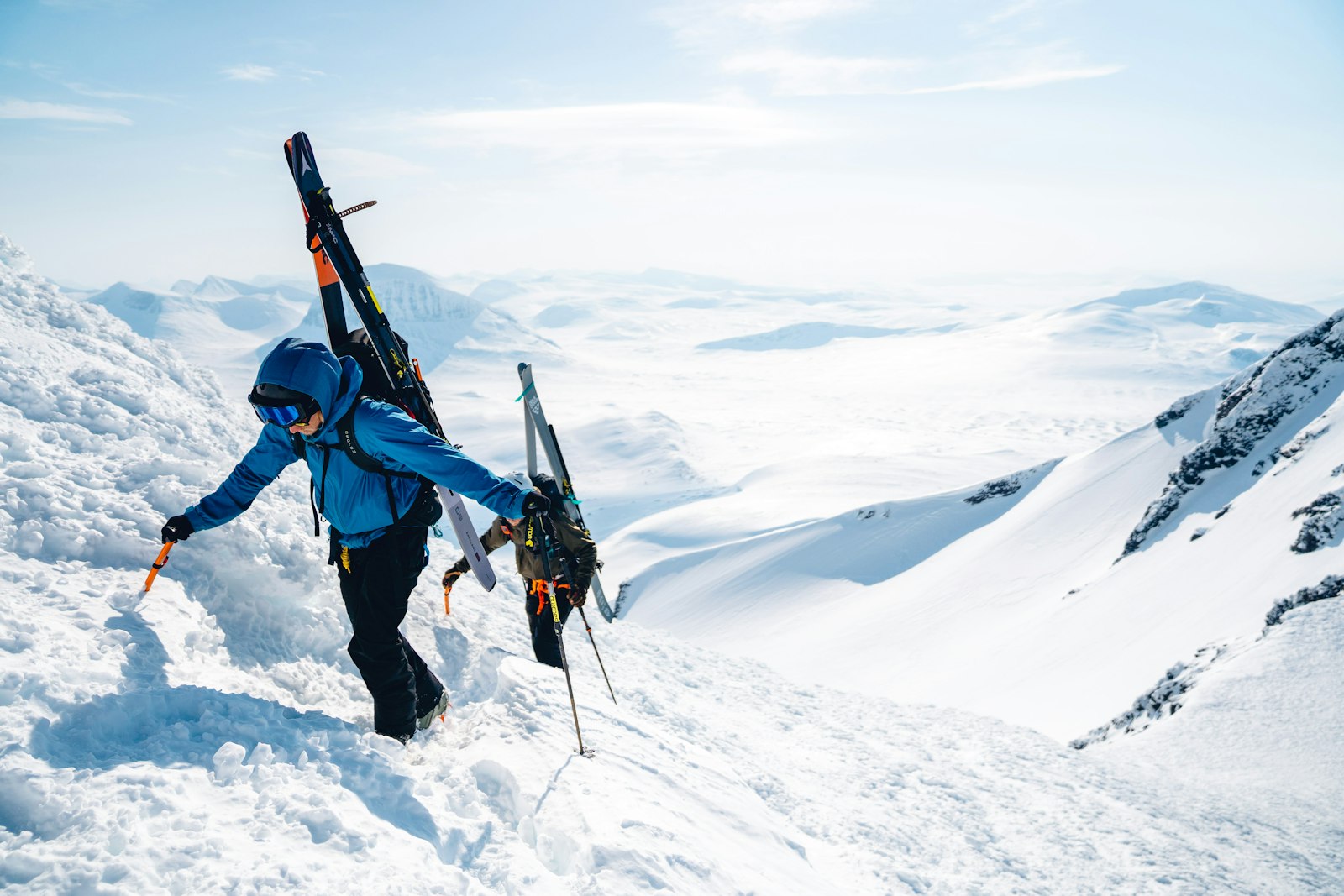
Mountaineering & ski touring
Mountaineering and ski touring take small groups off the ship onto Antarctic slopes and ridgelines, roped up or on skins, away from the usual landing sites. It trades the zodiac cruise for a slower, physical read of the same white terrain.
Activity
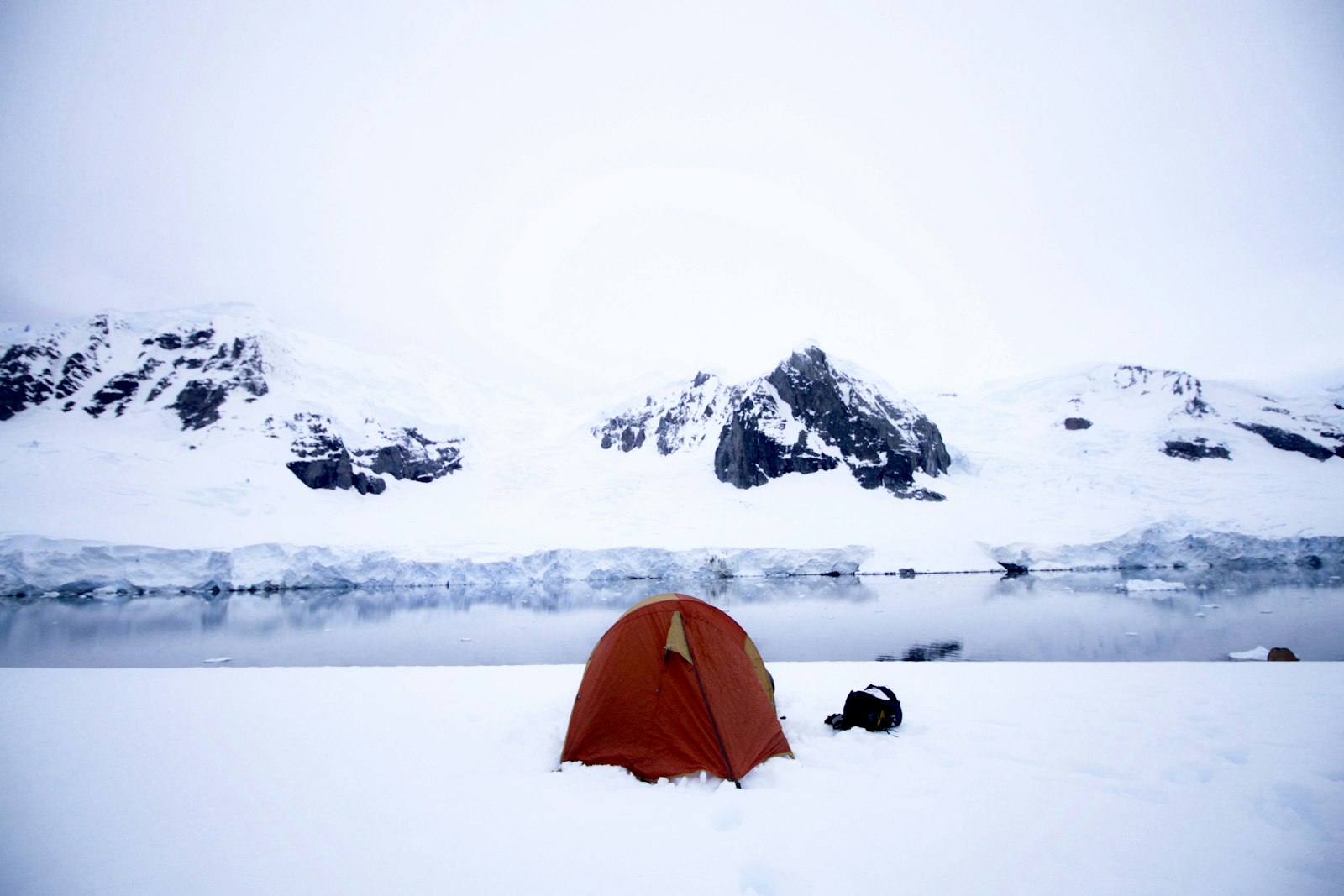
Camping
Camping on the Antarctic continent means sleeping in a bivy bag directly on the snow, under a sky that rarely goes fully dark in summer. It runs on select nights when conditions allow, with places limited by each ship's shore permit.
Wildlife
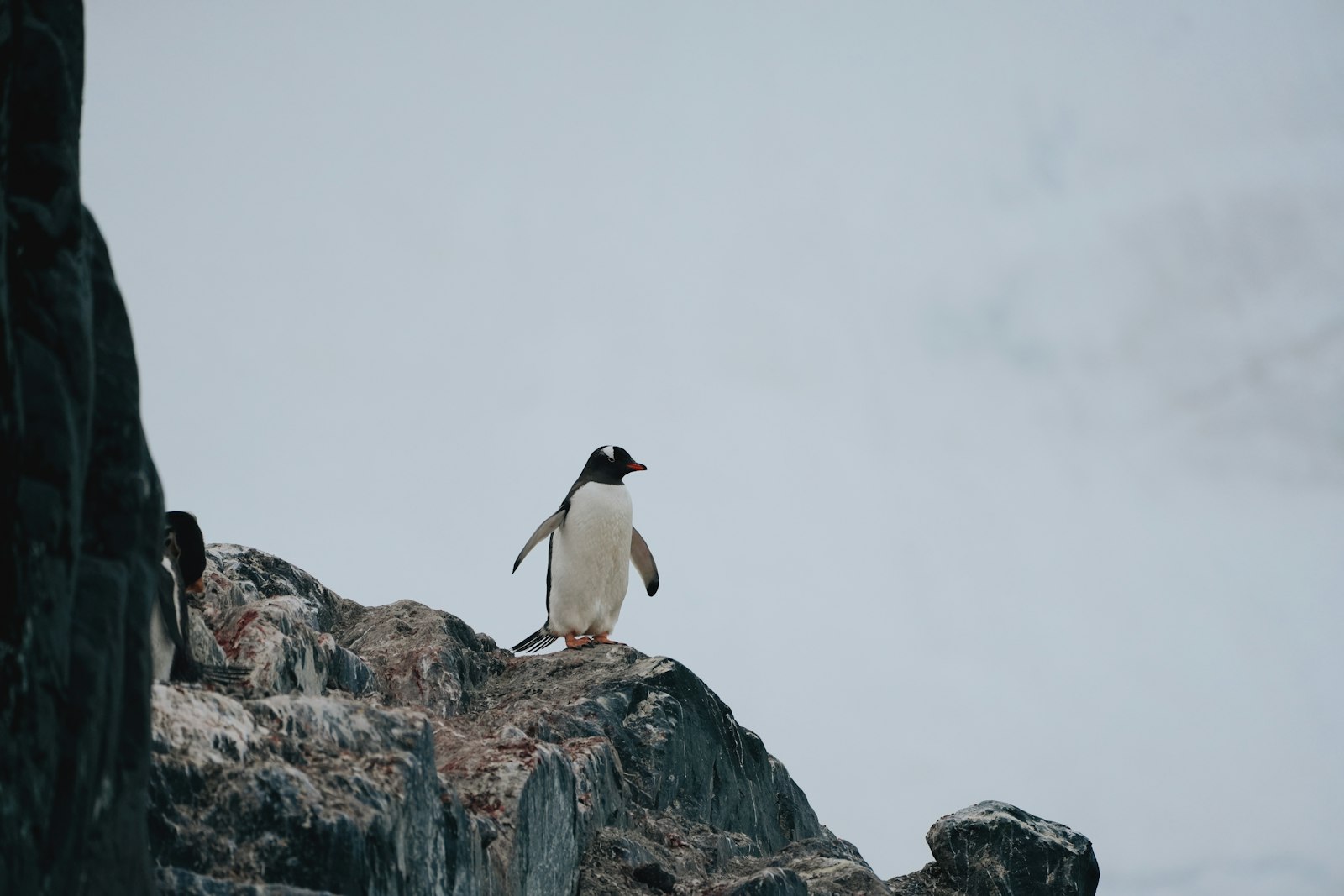
Gentoo Penguin
A stocky, orange-billed penguin of the genus Pygoscelis, closest kin to the Adélie and Chinstrap. Its loud, trumpeting call, delivered with head thrown back, carries across the shoreline colonies where expedition landings are made.