Wildlife
South Polar Skua
A large, heavy-built seabird of the skua family, the south polar skua ranges the Southern Ocean and its ice edges with an unmistakable, gull-like silhouette. Its older name, MacCormick's skua, recalls the naval surgeon who collected the first specimen.
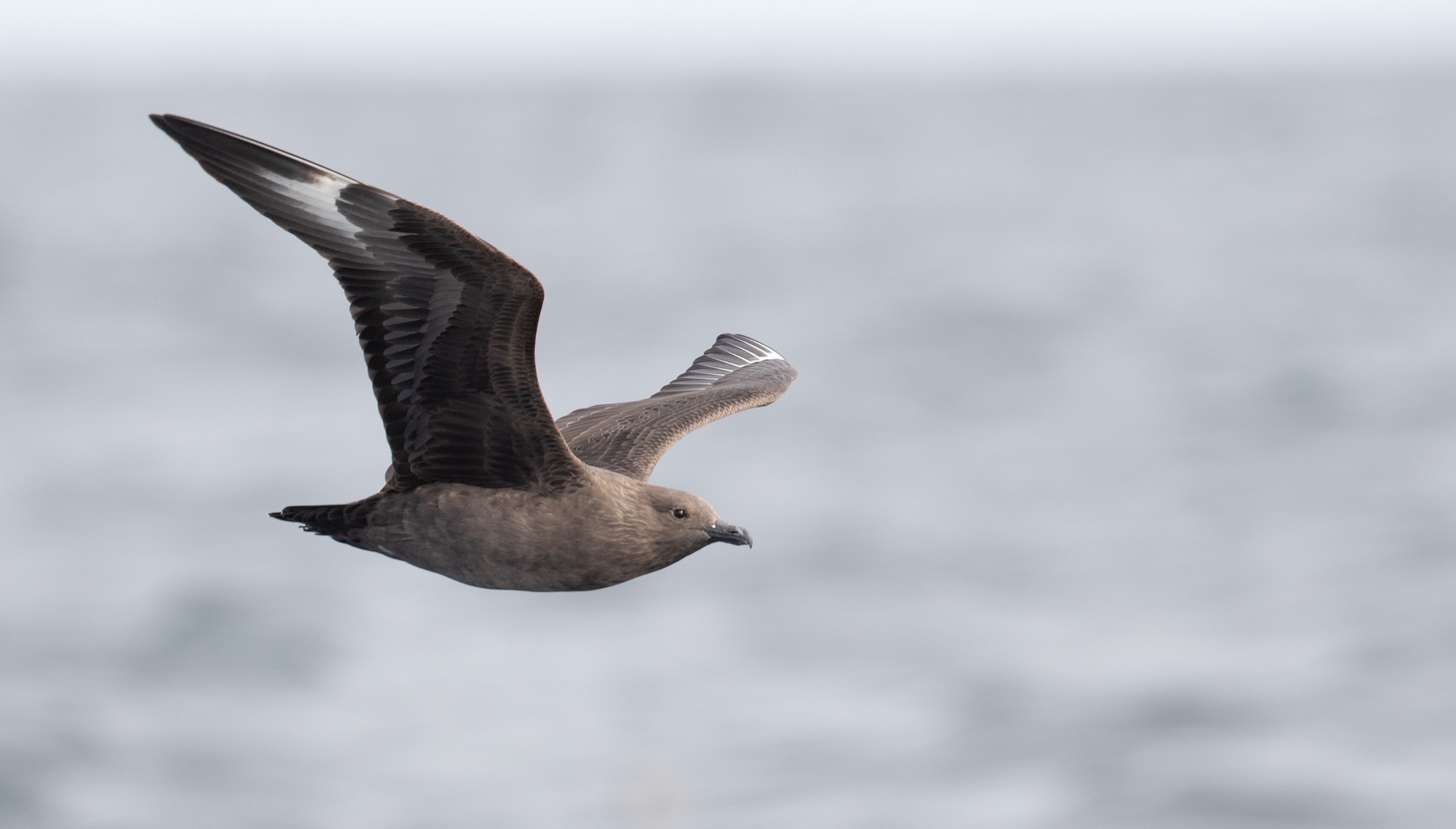
You'll most often spot the south polar skua patrolling above ship wakes and cruising low over beaches in the Antarctic Peninsula and the South Shetland Islands during the austral summer sailing season, roughly November through March. Further south, it turns up around the Ross Sea's ice edges as well, a reminder of how far this bird ranges across the continent's coastal waters.
It's a large seabird, one of the bulkier members of the skua family, Stercorariidae, and taxonomists have at times lumped it with the great skua and other big skuas in a separate genus, Catharacta, reflecting how closely related these tough, wide-ranging birds are. The older name for the species, MacCormick's skua, honours Robert McCormick, the explorer and naval surgeon who first collected the type specimen, a small footnote of expedition history that's easy to appreciate once you're watching the bird itself work a shoreline in the Antarctic Sound.
Find departures that go there →
More highlights
Activity
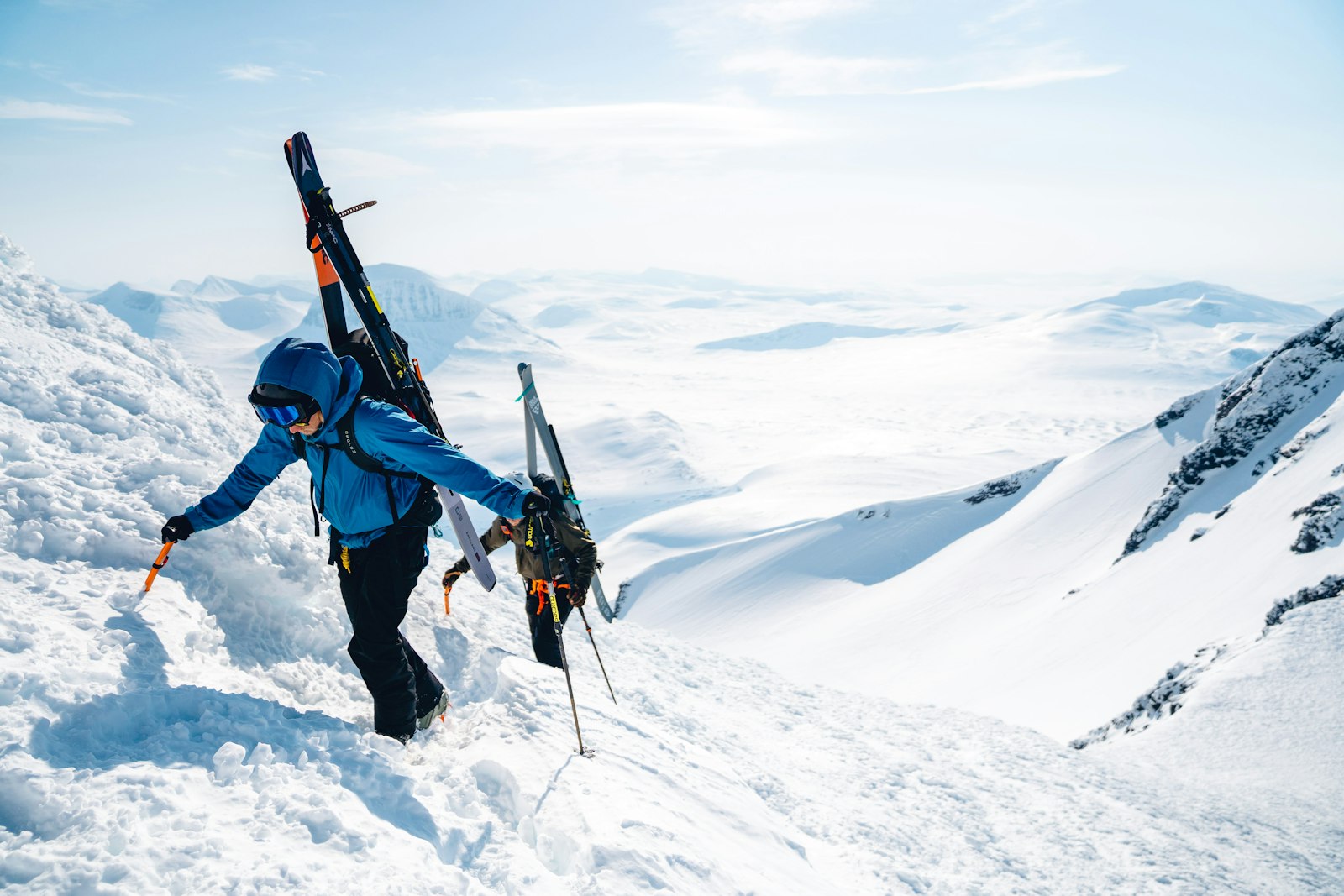
Mountaineering & ski touring
Mountaineering and ski touring take small groups off the ship onto Antarctic slopes and ridgelines, roped up or on skins, away from the usual landing sites. It trades the zodiac cruise for a slower, physical read of the same white terrain.
Activity
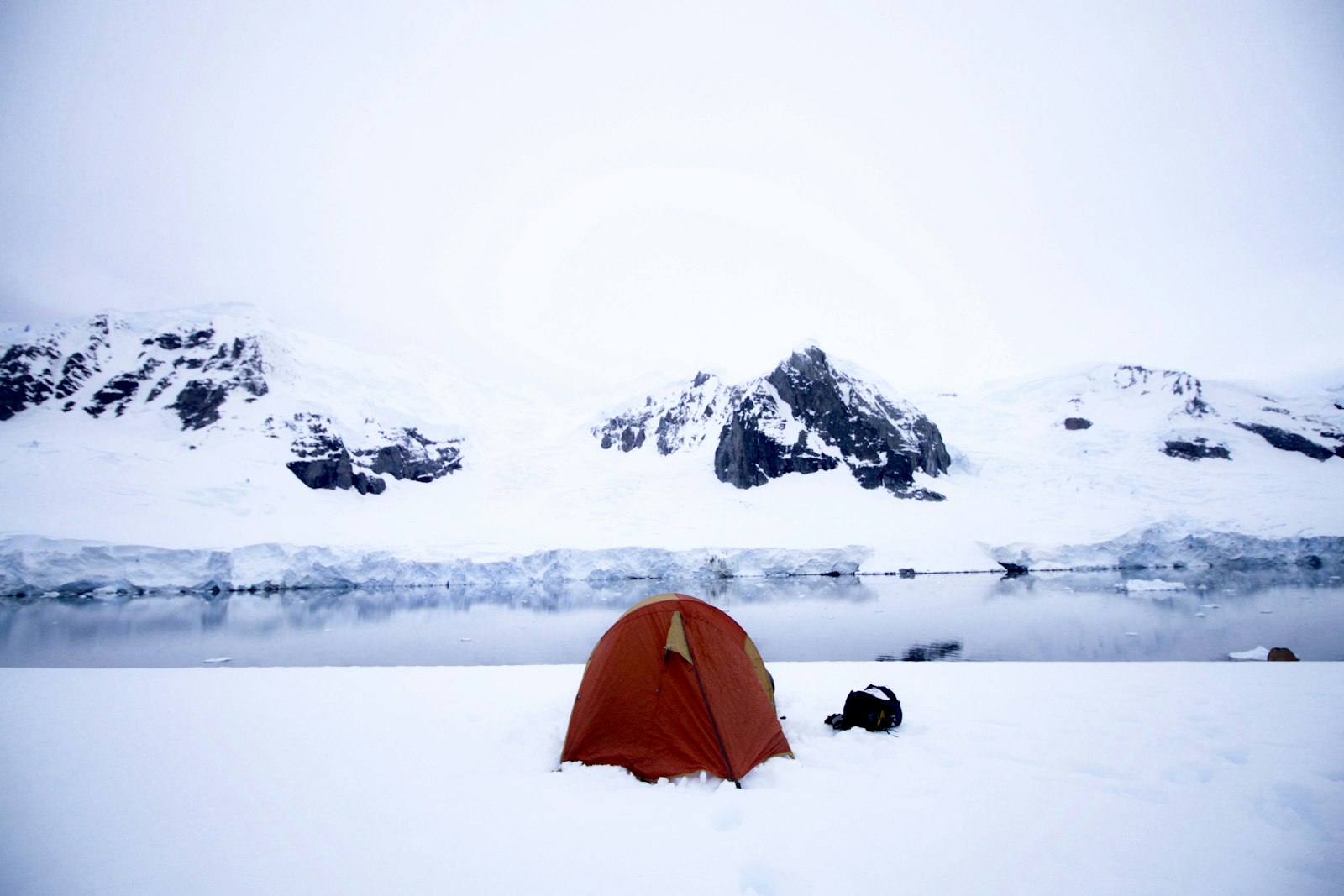
Camping
Camping on the Antarctic continent means sleeping in a bivy bag directly on the snow, under a sky that rarely goes fully dark in summer. It runs on select nights when conditions allow, with places limited by each ship's shore permit.
Wildlife
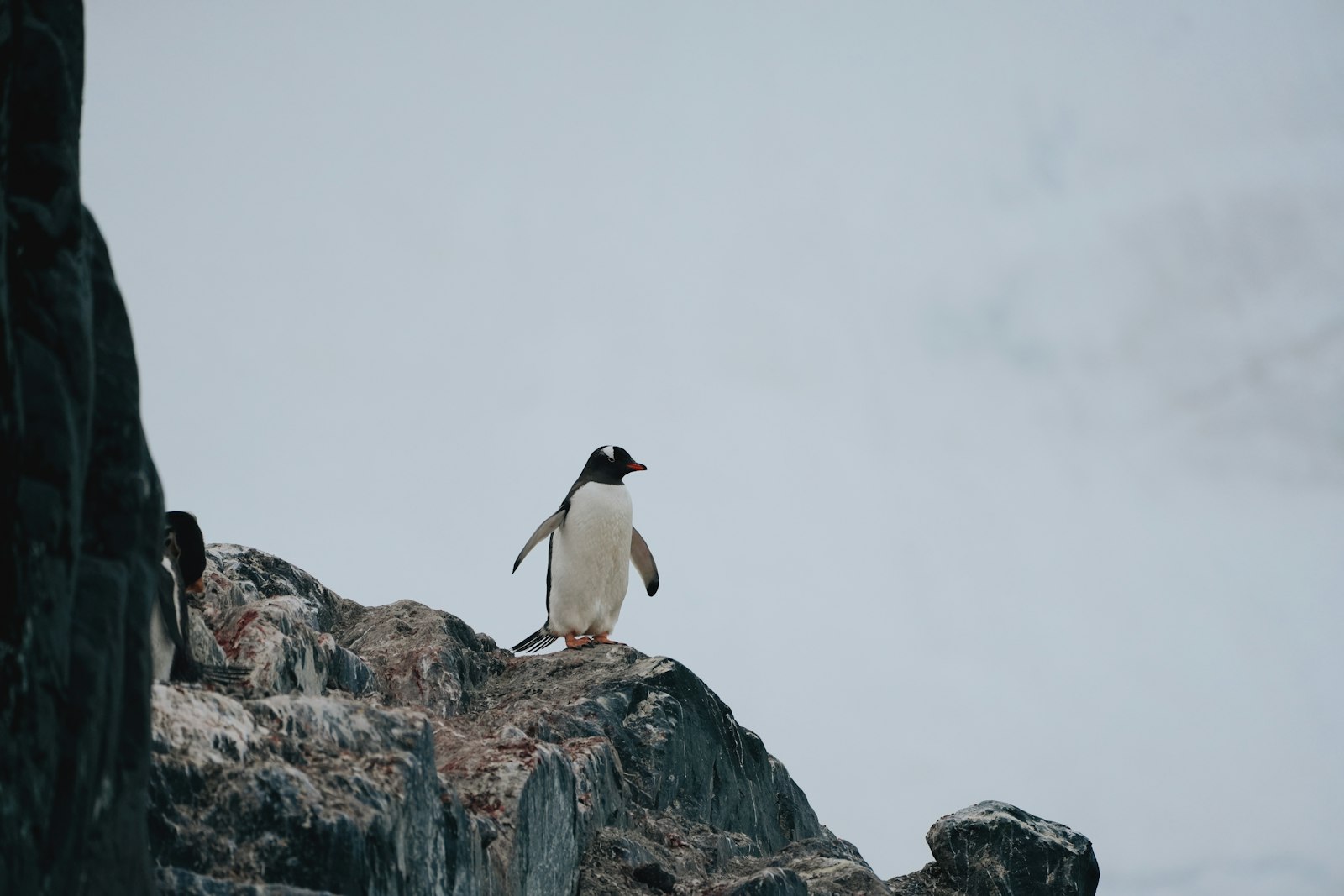
Gentoo Penguin
A stocky, orange-billed penguin of the genus Pygoscelis, closest kin to the Adélie and Chinstrap. Its loud, trumpeting call, delivered with head thrown back, carries across the shoreline colonies where expedition landings are made.