Wildlife
Southern Elephant Seal
The southern elephant seal is the largest of all pinnipeds, with bulls roughly twice the bulk of a walrus. Watching a beachful of them roar and shove over territory is one of the most physical wildlife spectacles the Southern Ocean offers.
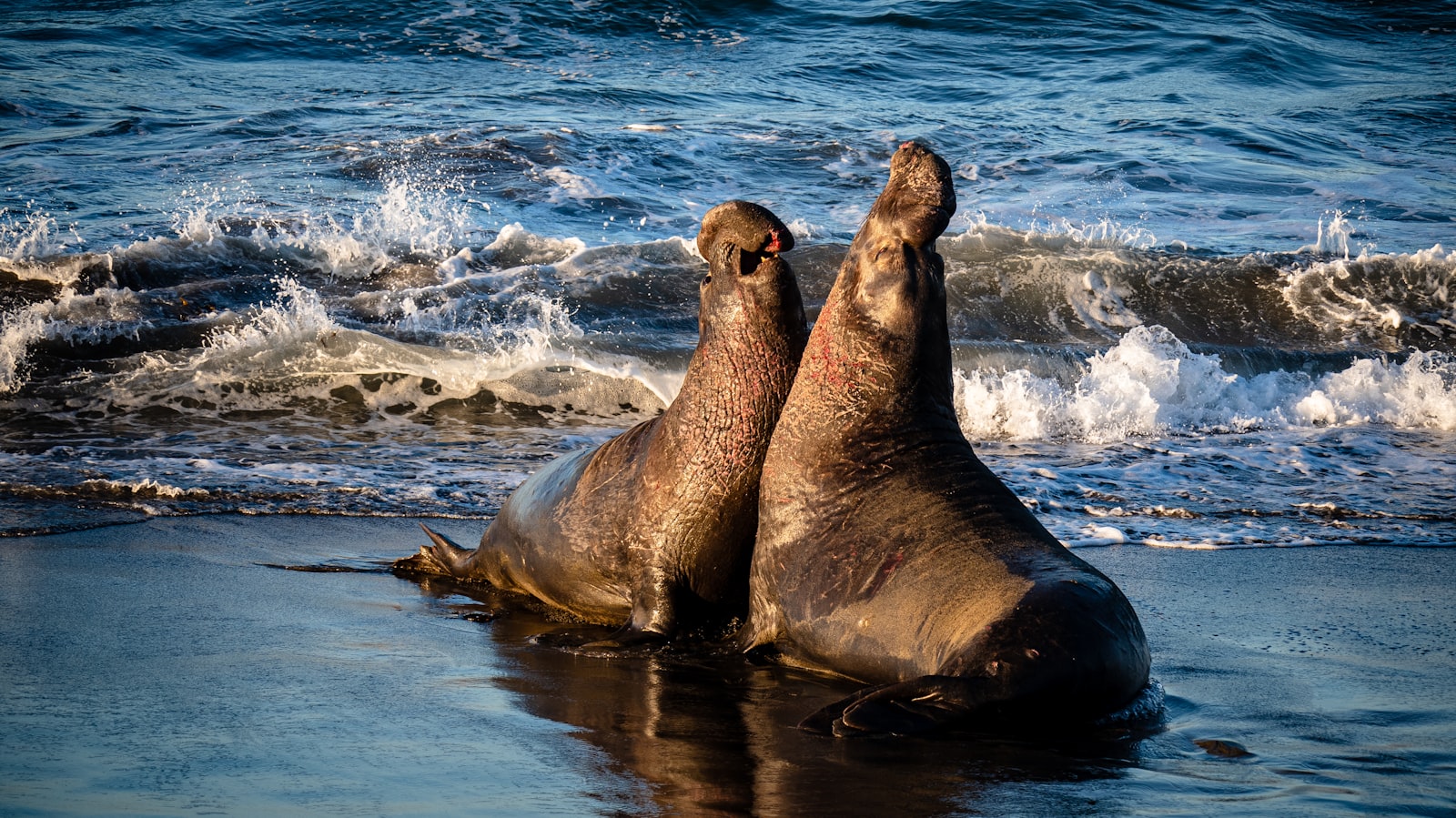
The best place to grasp the scale of this animal is South Georgia, where thousands haul out on the beaches each spring. Bulls can be about 40% heavier than a male northern elephant seal and nearly twice the weight of a walrus, which makes the southern elephant seal the largest member of the seal, sea lion and walrus group, and the largest marine mammal that isn't a whale or dolphin. The proboscis that gives the species its name is put to loud use during the breeding season, when dominant males roar to hold their harem and see off rivals.
Smaller, more scattered colonies show up on beaches in the Falkland Islands and along the coast of Patagonia, useful stops if a voyage doesn't reach South Georgia's big rookeries. Further south again, Macquarie Island holds its own sizeable population, a reminder that this species ranges across the entire Southern Ocean rather than clustering in one spot.
Timing matters: the roaring, fighting spectacle of the breeding season is a spring event, while later in the season the beaches fill instead with seals hauled out to moult, quieter but still impressive simply for the sheer bulk involved.
Find departures that go there →
More highlights
Activity
Mountaineering & ski touring
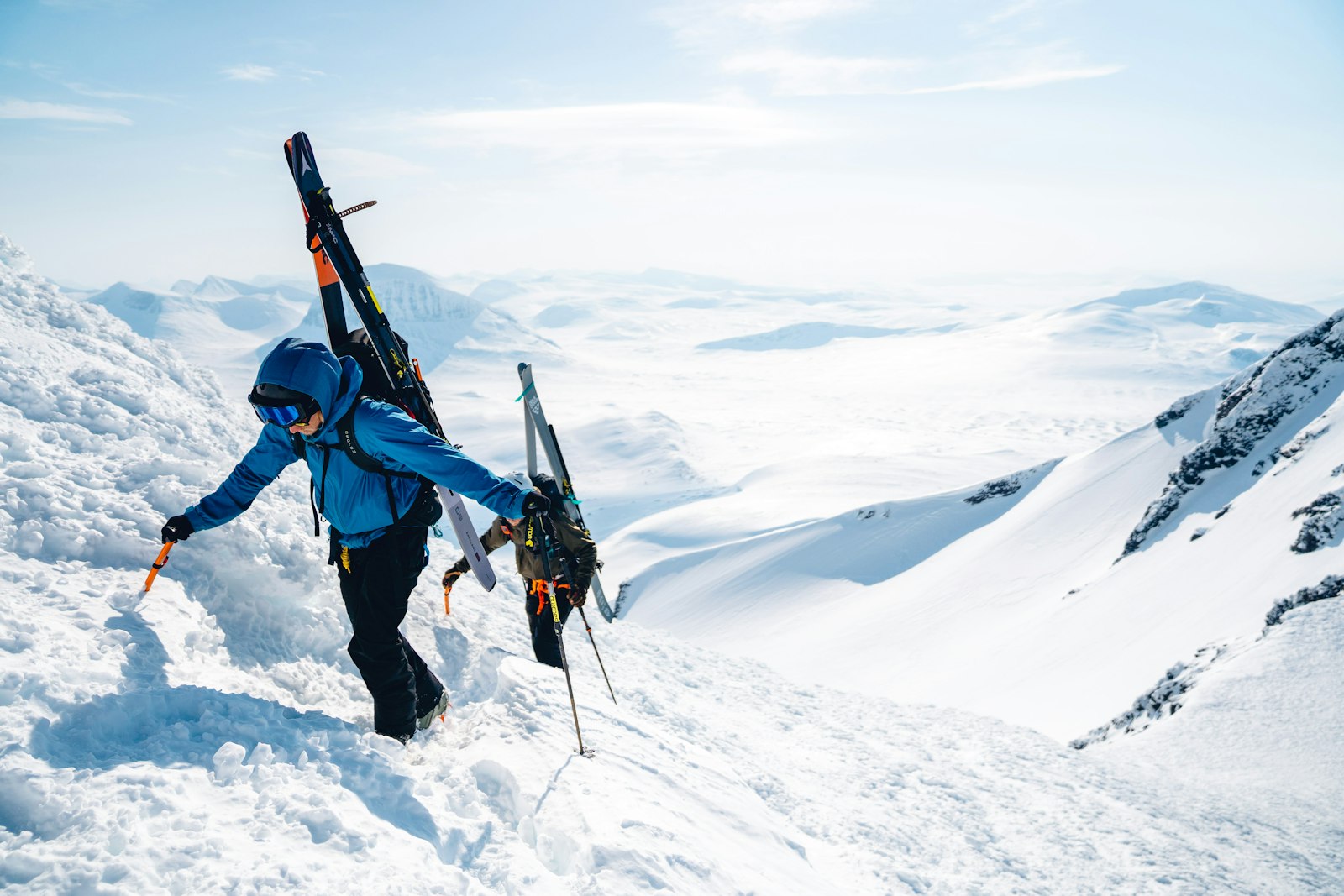
Mountaineering and ski touring take small groups off the ship onto Antarctic slopes and ridgelines, roped up or on skins, away from the usual landing sites. It trades the zodiac cruise for a slower, physical read of the same white terrain.
Activity
Camping
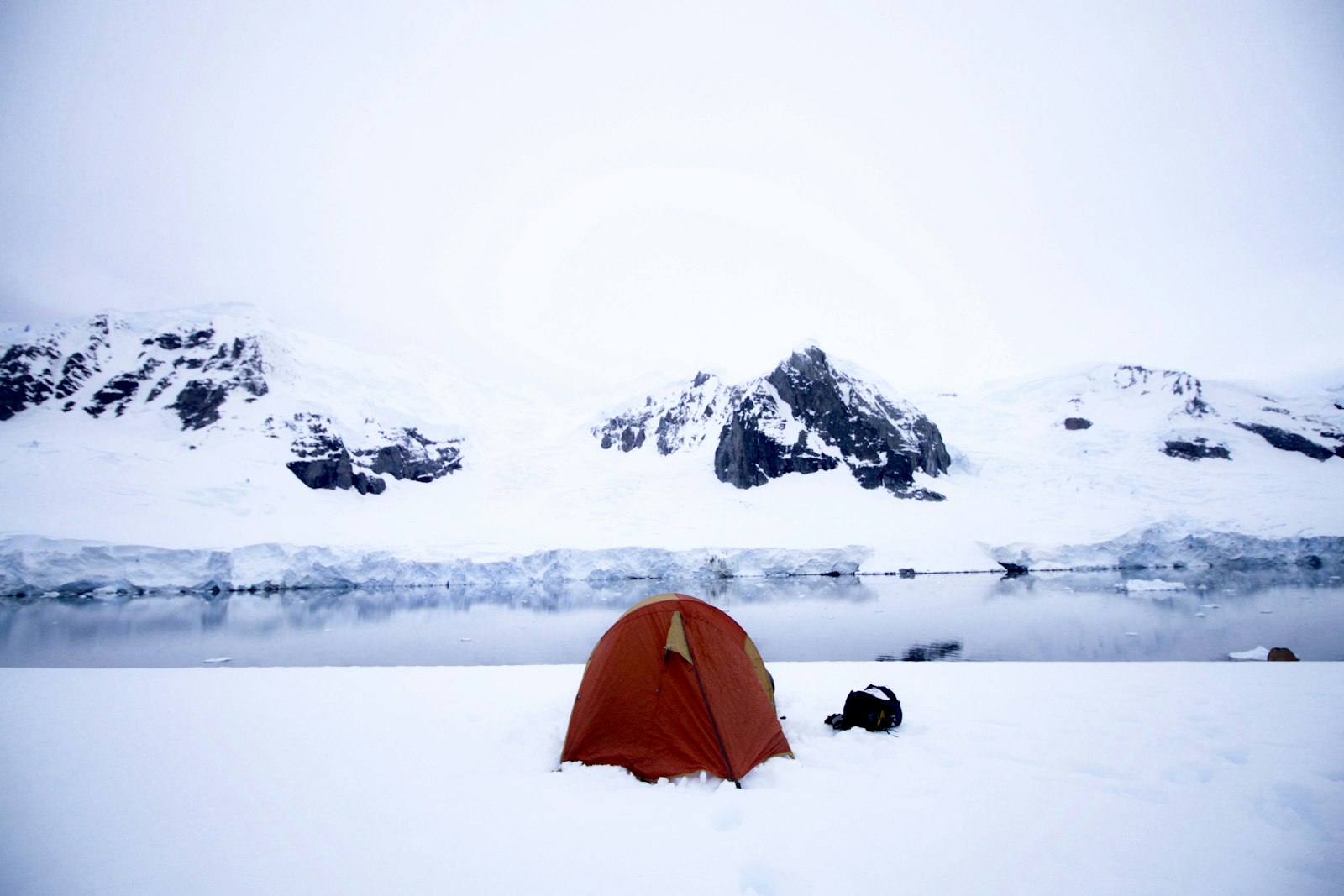
Camping on the Antarctic continent means sleeping in a bivy bag directly on the snow, under a sky that rarely goes fully dark in summer. It runs on select nights when conditions allow, with places limited by each ship's shore permit.
Wildlife
Gentoo Penguin
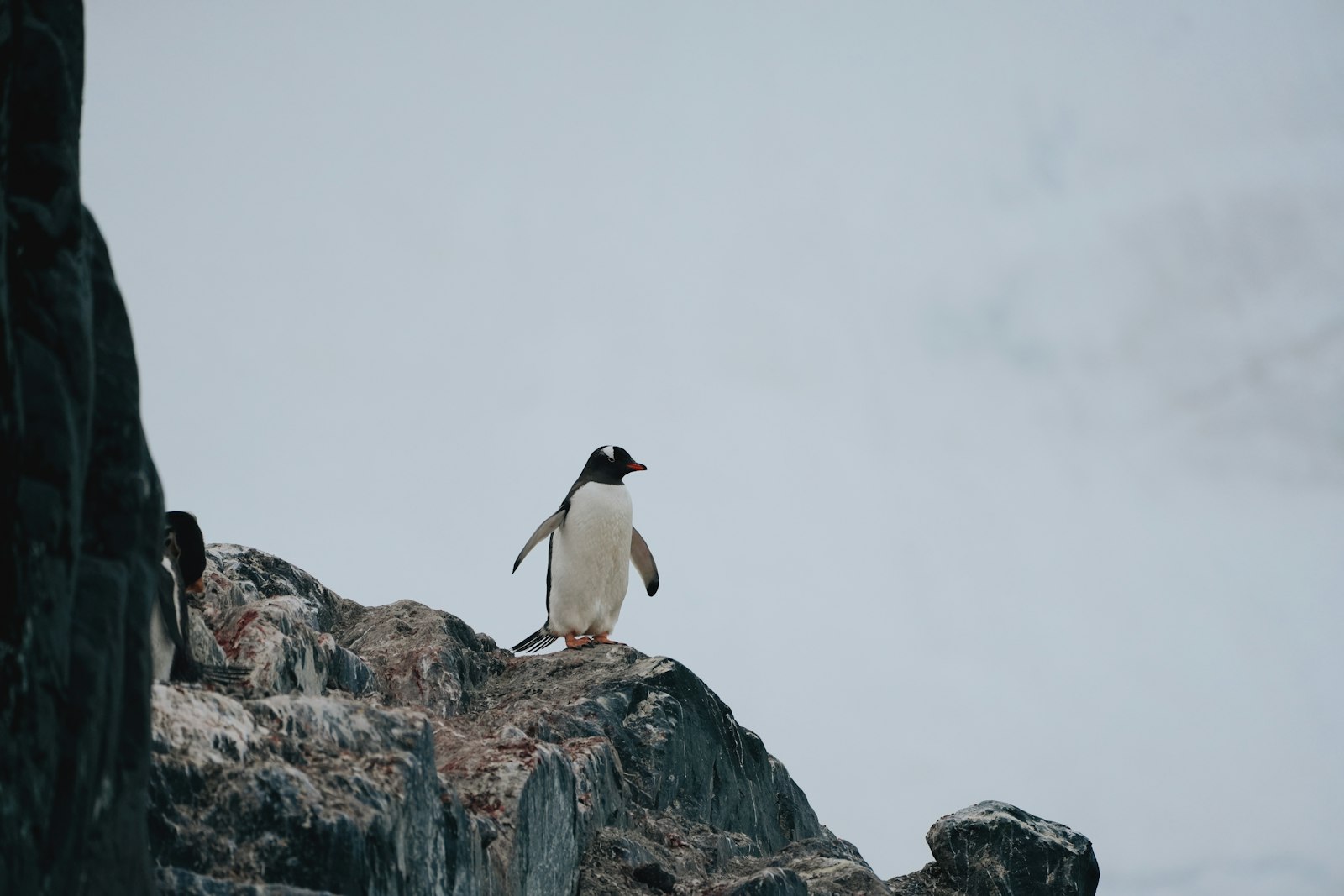
A stocky, orange-billed penguin of the genus Pygoscelis, closest kin to the Adélie and Chinstrap. Its loud, trumpeting call, delivered with head thrown back, carries across the shoreline colonies where expedition landings are made.