Cruise Accessibility Reality Check
Reachable by Zodiac Shore Landing on Select Voyages
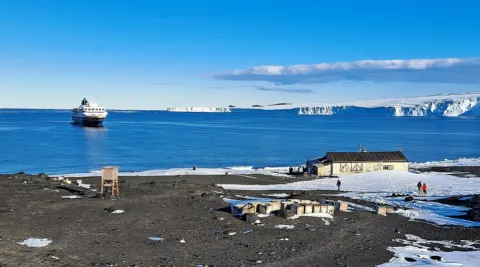
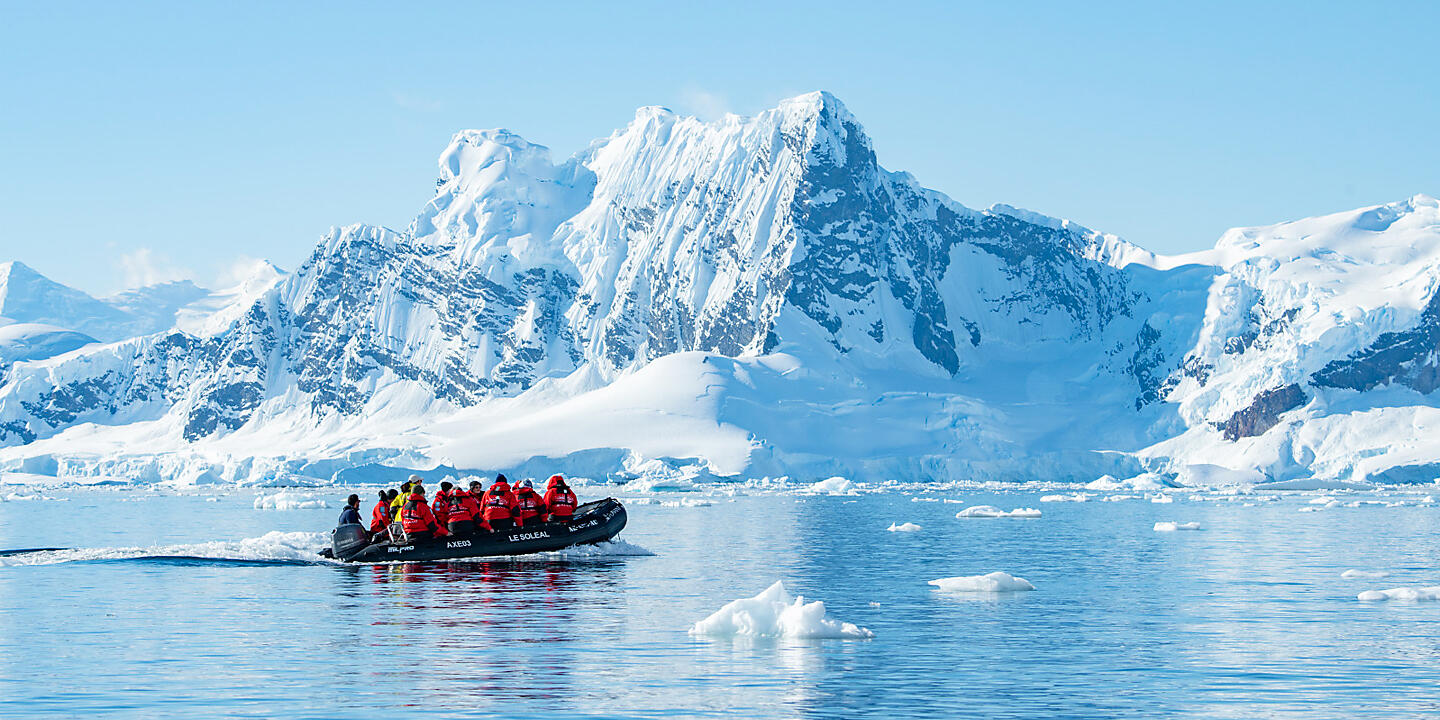
Expedition ships visiting this sector plan shore landings by Zodiac when sea ice, swell, katabatic wind, and IAATO site permits allow.
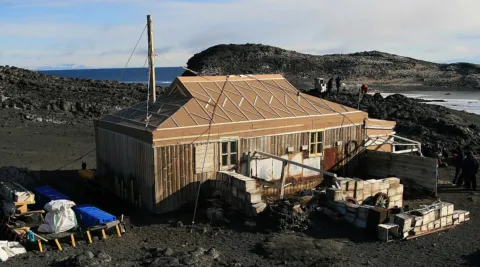
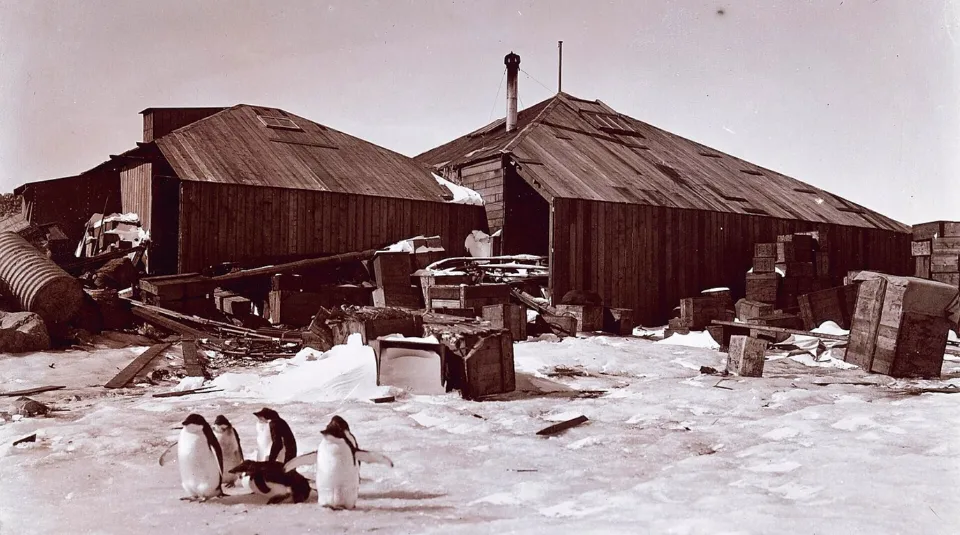
When Australian geologist Sir Douglas Mawson landed at Boat Harbour on Cape Denison in January 1912 to build the main base of the Australasian Antarctic Expedition, summer calm masked a meteorological anomaly: Commonwealth Bay funnels relentless katabatic gales off the East Antarctic Ice Sheet averaging more than 70 km/h across the entire year, with gusts exceeding 320 km/h. Crawling on hands and knees in spiked crampons just to read their weather instruments, eighteen men lived inside the pyramid-roofed Oregon-pine workshop and living hut — where Mawson staggered back alone in February 1913 after one of history’s greatest solo survival marches.
Maintained by the Mawson’s Huts Foundation and protected as an Antarctic Historic Site and Monument, Cape Denison is one of the hardest coastal shrines to reach in Antarctica: grounded East Antarctic icebergs and ferocious offshore katabatic winds mean only select East Antarctica and Ross Sea voyages departing Hobart or Bluff manage a Zodiac landing or helicopter shuttle ashore.
 (12) (2) (1).jpg)