Cruise Accessibility Reality Check
Reachable by Zodiac Shore Landing on Select Voyages
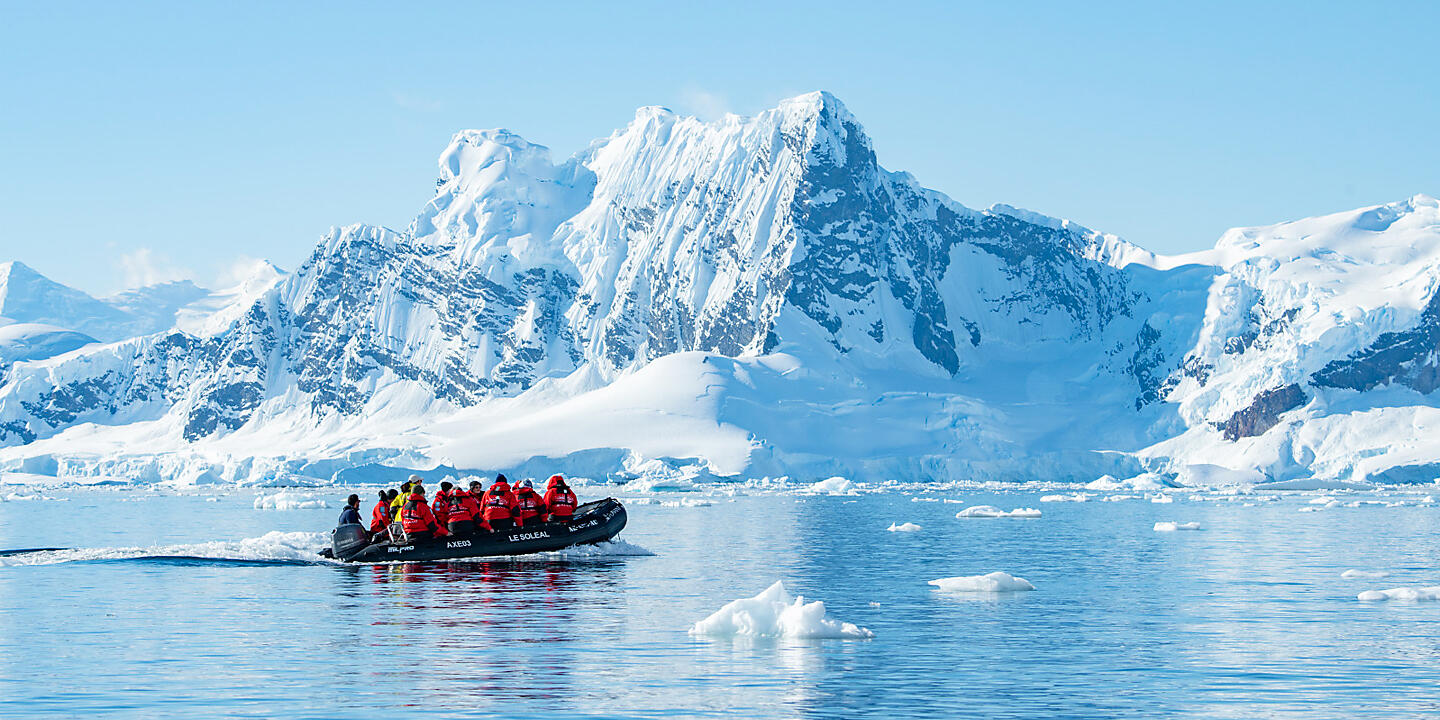
Expedition ships visiting this sector plan shore landings by Zodiac when sea ice, swell, katabatic wind, and IAATO site permits allow.
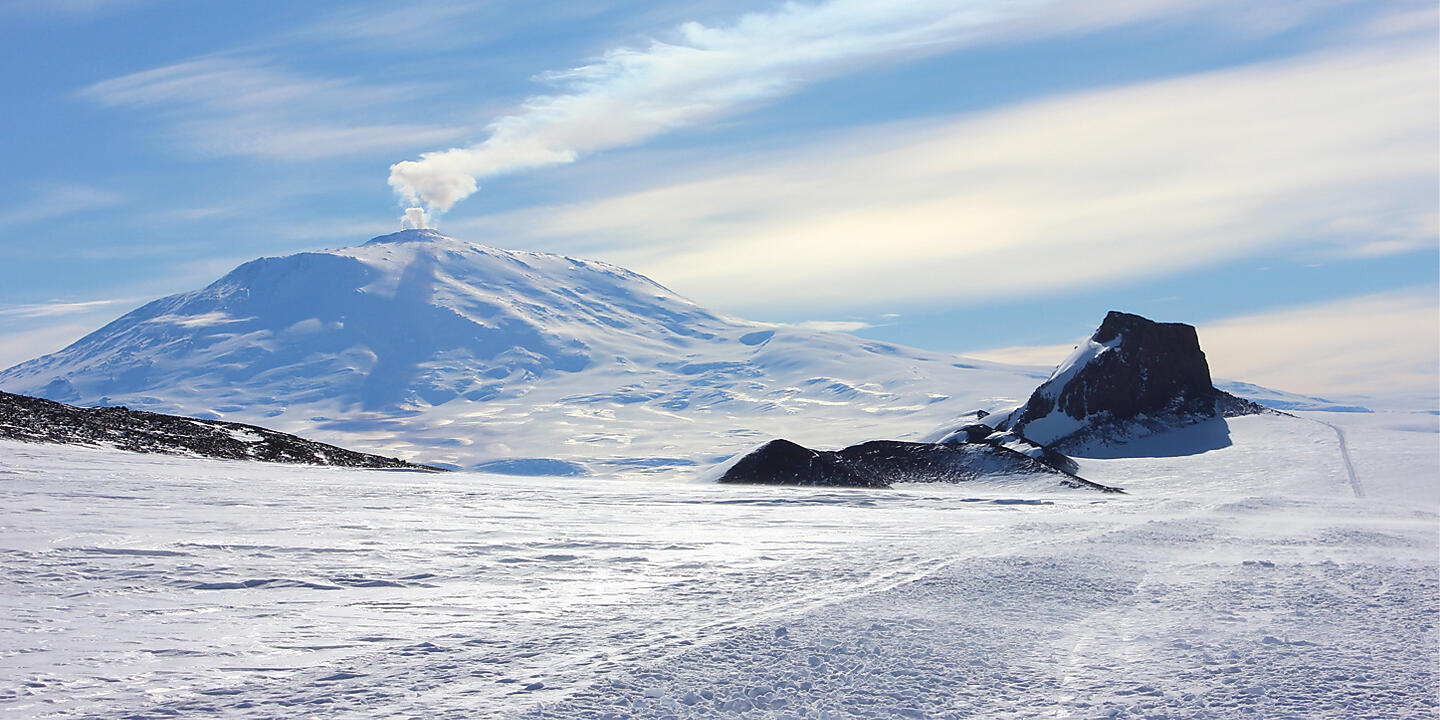
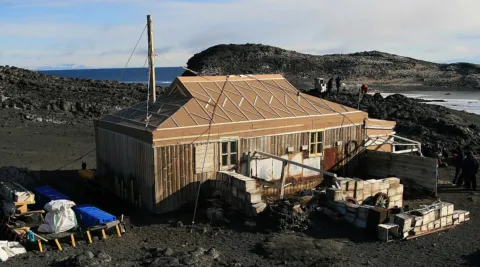
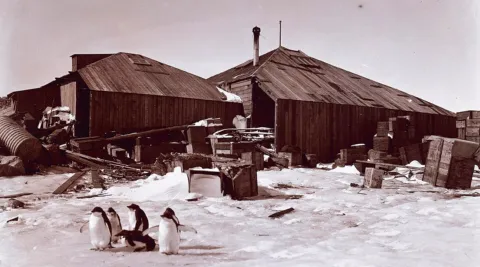
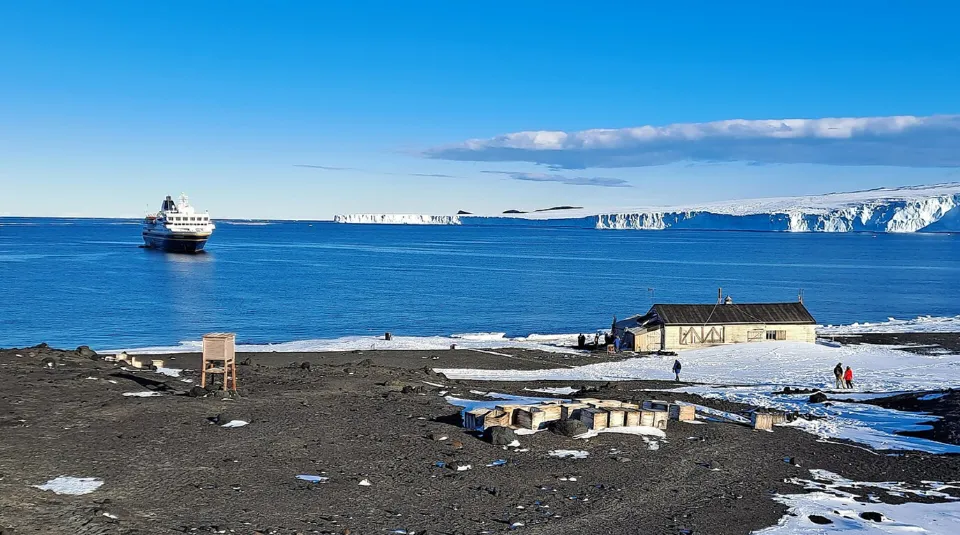
Erected in January 1911 on a dark volcanic beach on the western flank of Ross Island beneath Mount Erebus, the 15-by-7.7-metre prefabricated timber hut at Cape Evans served as headquarters for Robert Falcon Scott’s British Antarctic (Terra Nova) Expedition of 1910–1913 and later sheltered the stranded Ross Sea Party of Shackleton’s Imperial Trans-Antarctic Expedition in 1915–1917. Preserved by sub-zero dry air and conserved meticulously by the Antarctic Heritage Trust (New Zealand), its interior feels suspended in 1912: Herbert Ponting’s photographic darkroom, Edward Wilson’s biological workbench, stacked tins of Fry’s cocoa, and an emperor penguin specimen still lying on a table.
Visited only by long-range Ross Sea expeditions sailing south from New Zealand or Tasmania, landings at Cape Evans follow strict biosecurity protocols: small groups of eight to twelve visitors enter the hut at a time after brushing boots clean, before walking up Windvane Hill to the wooden memorial cross overlooking McMurdo Sound.
 (12) (2) (1).jpg)