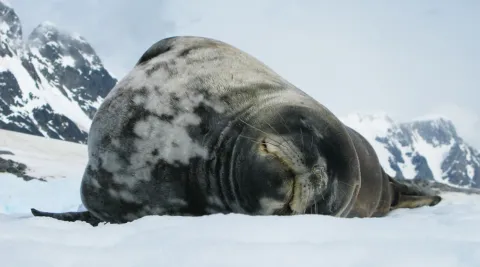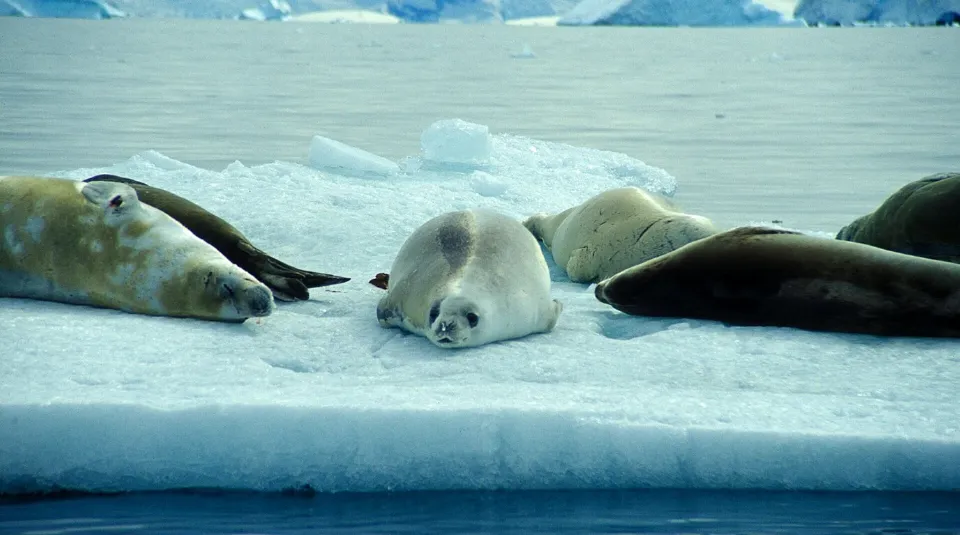
| Scientific name | Lobodon carcinophaga |
|---|---|
| Conservation status | LC Least Concern |
| Body length | 2.2–2.6 m |
| Weight | 200–300 kg |
| Primary diet | Over 90% Antarctic krill (zero crabs) |
| Diving & swimming | To 430 m · sieve-lobed cheek teeth |
| Did you know? | Despite its name, it eats no crabs at all — multi-cusped interlocking teeth strain krill like baleen, supporting an estimated 7–15 million seals (Earth’s most abundant wild large mammal). |
Crabeater seals are a near-constant companion on pack-ice routes through the Antarctic Peninsula and the Weddell Sea, where ice floes give them somewhere to rest, mate and gather between feeding bouts. They also turn up regularly around the South Shetland Islands, the Gerlache Strait and Marguerite Bay, usually during the austral summer sailing season when the ice is loose enough for zodiacs to work between the floes.
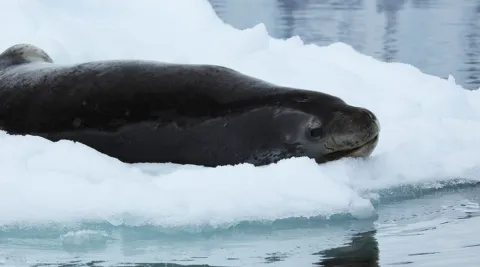
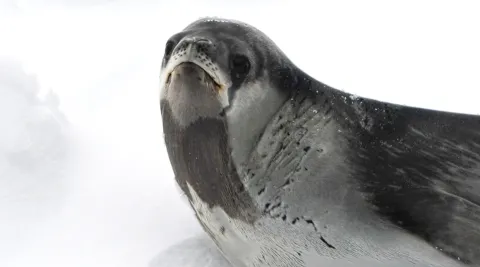
They are slender, pale-coated animals, over two metres long, and despite the name they don't touch crabs — the finely lobed teeth that give the species its scientific name are a specialised sieve for Antarctic krill. It's an effective strategy: estimates of the global population range from roughly 7 million to as many as 75 million, which would make the crabeater seal the most abundant seal species on Earth by a wide margin.
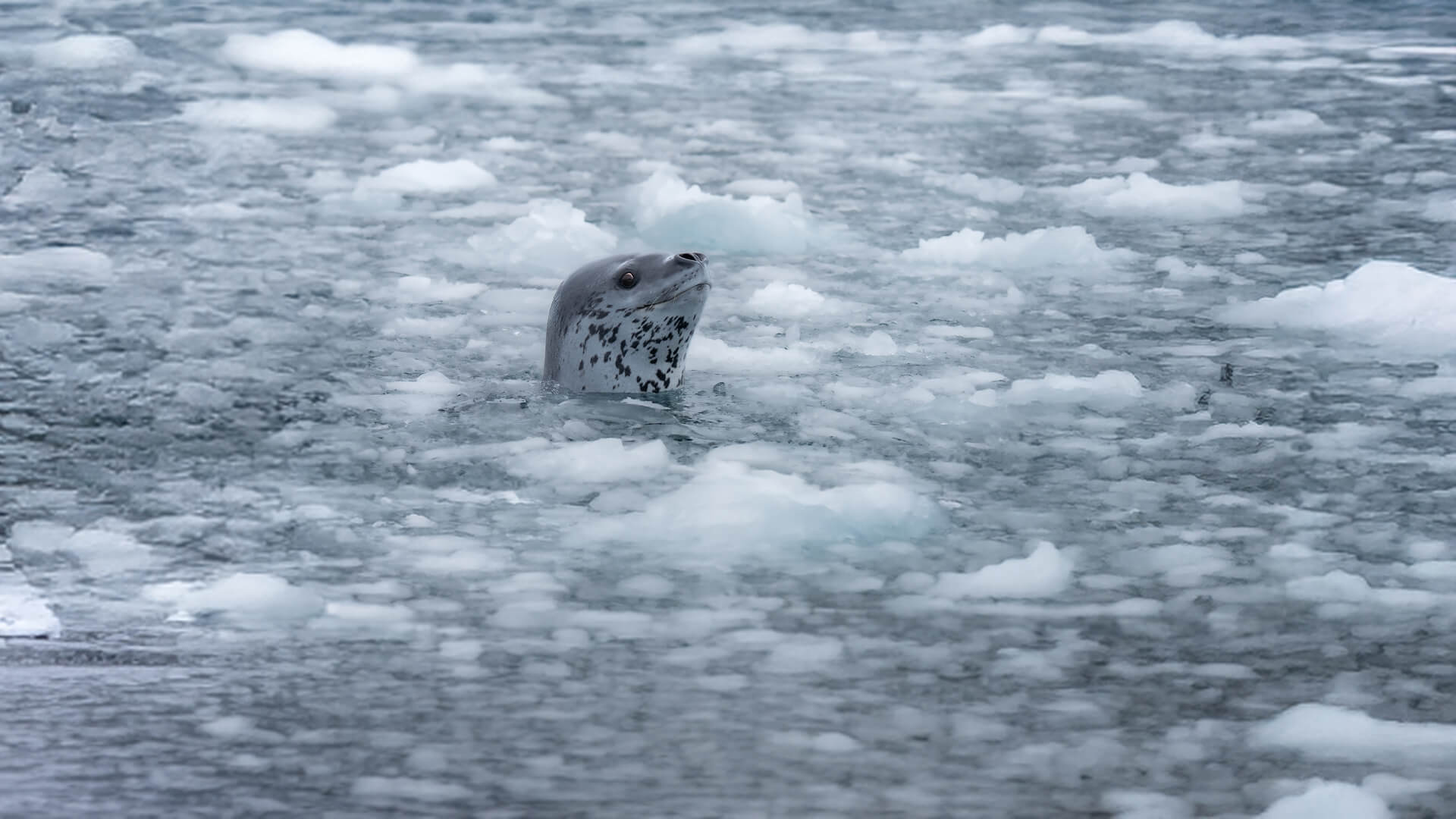
Their numbers make them a key part of the food web in more ways than one — crabeater pups are a significant prey item for leopard seals, so patient watchers on pack ice sometimes see both predator and prey in the same afternoon.
When to Spot Crabeater Seal (Oct–Mar)
Haul-outs along ice floes and sub-Antarctic beaches run reliably from November through February, shifting from breeding ashore to coastal foraging.
Frequently asked questions about Crabeater Seal
Browse all Antarctica expedition FAQsWhen is the best time to see Crabeater Seal in Antarctica?
Peak sighting months for Crabeater Seal are November, December, January. Haul-outs along ice floes and sub-Antarctic beaches run reliably from November through February, shifting from breeding ashore to coastal foraging. Compare conditions in our Early, Peak & Late Summer FAQ.
Where can you spot Crabeater Seal on an Antarctica cruise?
Crabeater Seal (Lobodon carcinophaga) is primarily encountered in Antarctic Peninsula, Lemaire Channel, Gerlache Strait, Weddell Sea, Bellingshausen Sea, with 947 upcoming expedition departures visiting these habitats. Key field traits: diet of Over 90% Antarctic krill (zero crabs); Diving & swimming: To 430 m · sieve-lobed cheek teeth. Learn how daily Zodiac excursions and shore landings work.
How close can you approach Crabeater Seal under IAATO rules?
Under mandatory IAATO wildlife distance and biosecurity rules, visitors must maintain at least 15 to 25 metres (50–80 feet) from Crabeater Seal ashore or on ice floes and never walk between a seal and the water. See our polar telephoto lens recommendations.