Wildlife
Antarctic Minke Whale
The Antarctic minke is a small, fast-moving rorqual, the most abundant baleen whale on Earth, though singles and pairs still take some looking to spot. It surfaces briefly among the pack ice, more often glimpsed than watched.
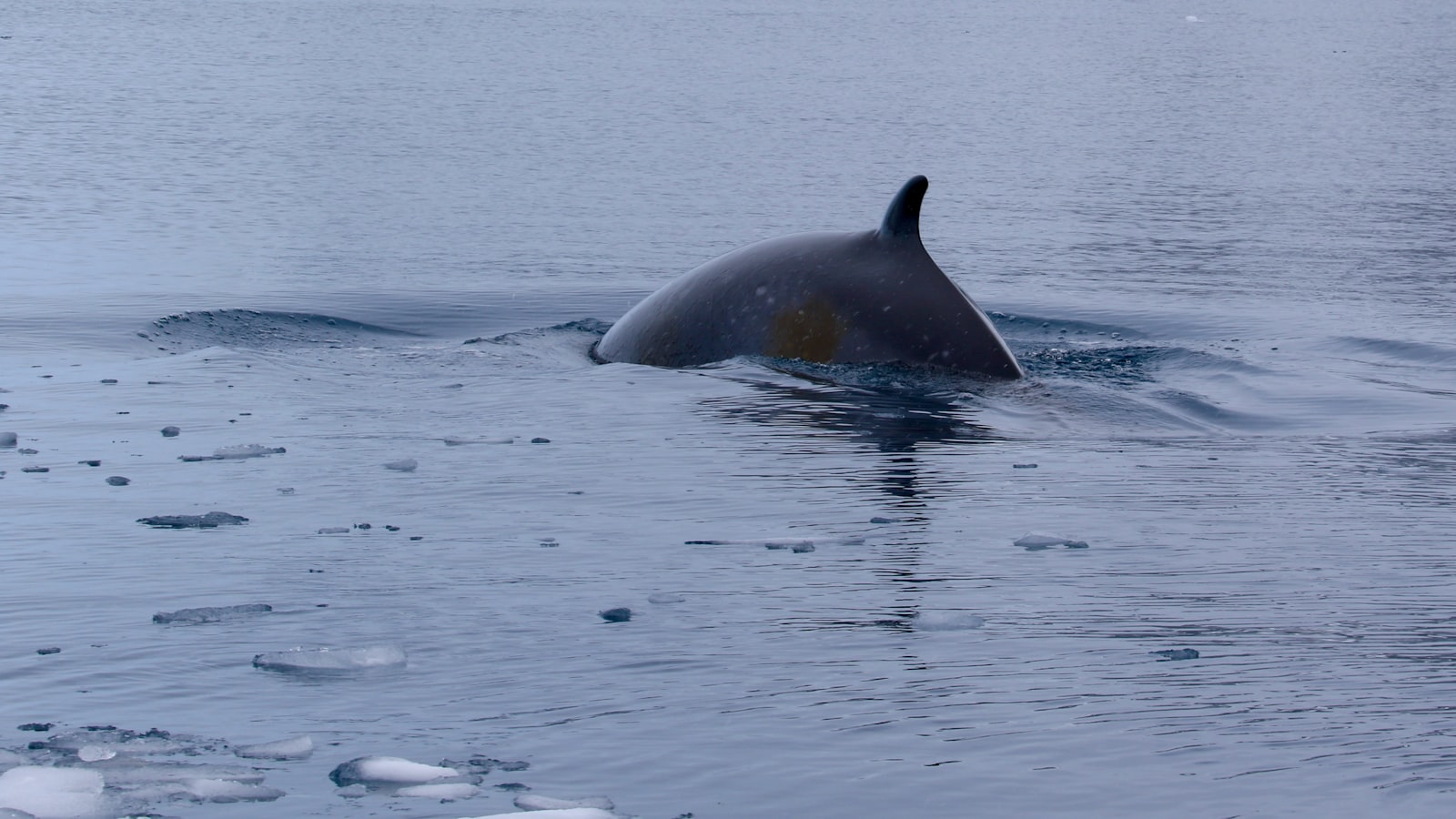
Despite being the most numerous baleen whale in the world, the Antarctic minke is not an easy animal to watch well. It is the second smallest rorqual after the common minke and the third smallest baleen whale overall, and it tends to surface briefly, log a breath or two, and slip under again rather than lingering for photographs. Sightings from the bow or a Zodiac in the Gerlache Strait and along the Antarctic Peninsula are usually quick, low, dark shapes cutting through brash ice rather than the theatrical breaches associated with humpbacks.
They are around from the start of the austral summer season, with encounters picking up as sea ice retreats and krill swarms concentrate near the surface, since euphausiids are effectively the whole of this whale's diet. The Weddell Sea's ice edge is a reliable place to find them working a krill patch, and they also turn up among loose pack ice in the Ross Sea further west. Because the species was largely ignored by commercial whaling on account of its small size and poor oil yield, it never suffered the population collapse that hit the larger rorquals, and it is this history, as much as its habit of staying half-hidden in the ice, that makes a good sighting feel like a small privilege rather than a guaranteed tick.
It is worth noting the animal was not even confirmed as a distinct species from its Northern Hemisphere relative until the 1990s, so what expedition guides point out today as the Antarctic minke is a comparatively recent addition to the wildlife checklist, one more reason naturalists on board tend to get quietly enthusiastic when a dark back rolls past the ice.
Find departures that go there →
More highlights
Wildlife
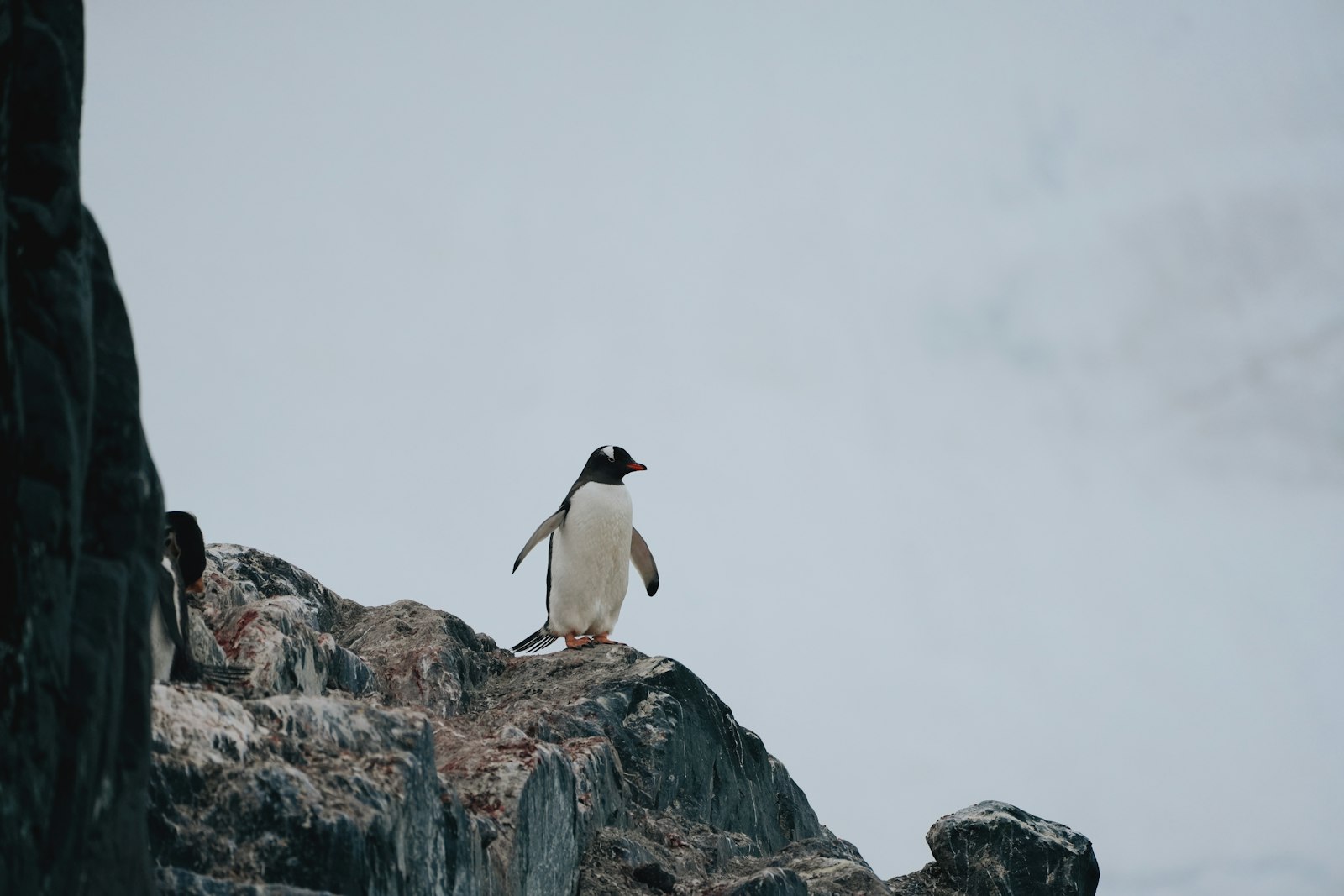
Gentoo Penguin
A stocky, orange-billed penguin of the genus Pygoscelis, closest kin to the Adélie and Chinstrap. Its loud, trumpeting call, delivered with head thrown back, carries across the shoreline colonies where expedition landings are made.
Wildlife
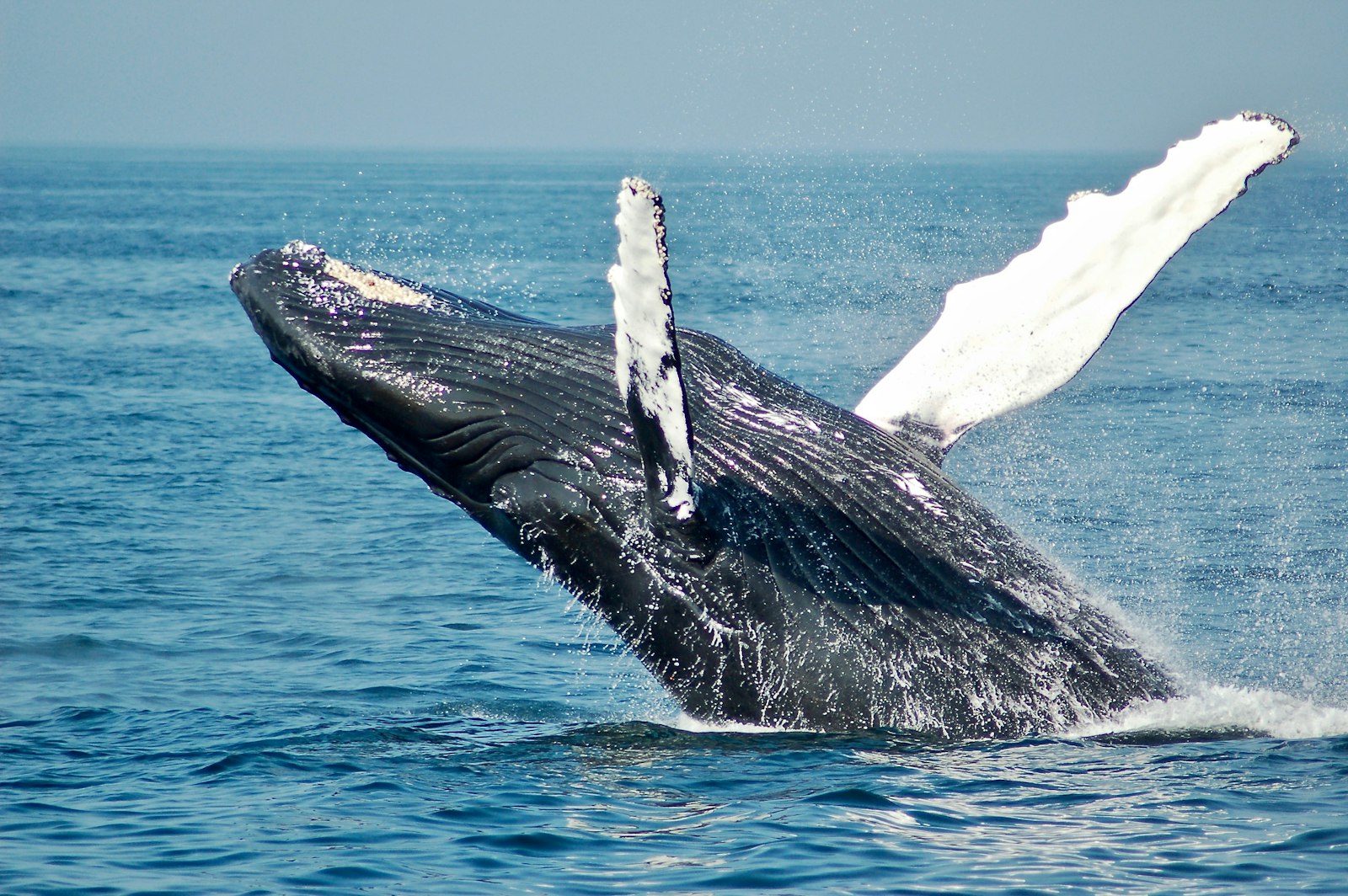
Humpback Whale
A 14–17 metre baleen whale known for breaching and long pectoral fins, often seen feeding on krill in loose groups along the ice edge.
Wildlife
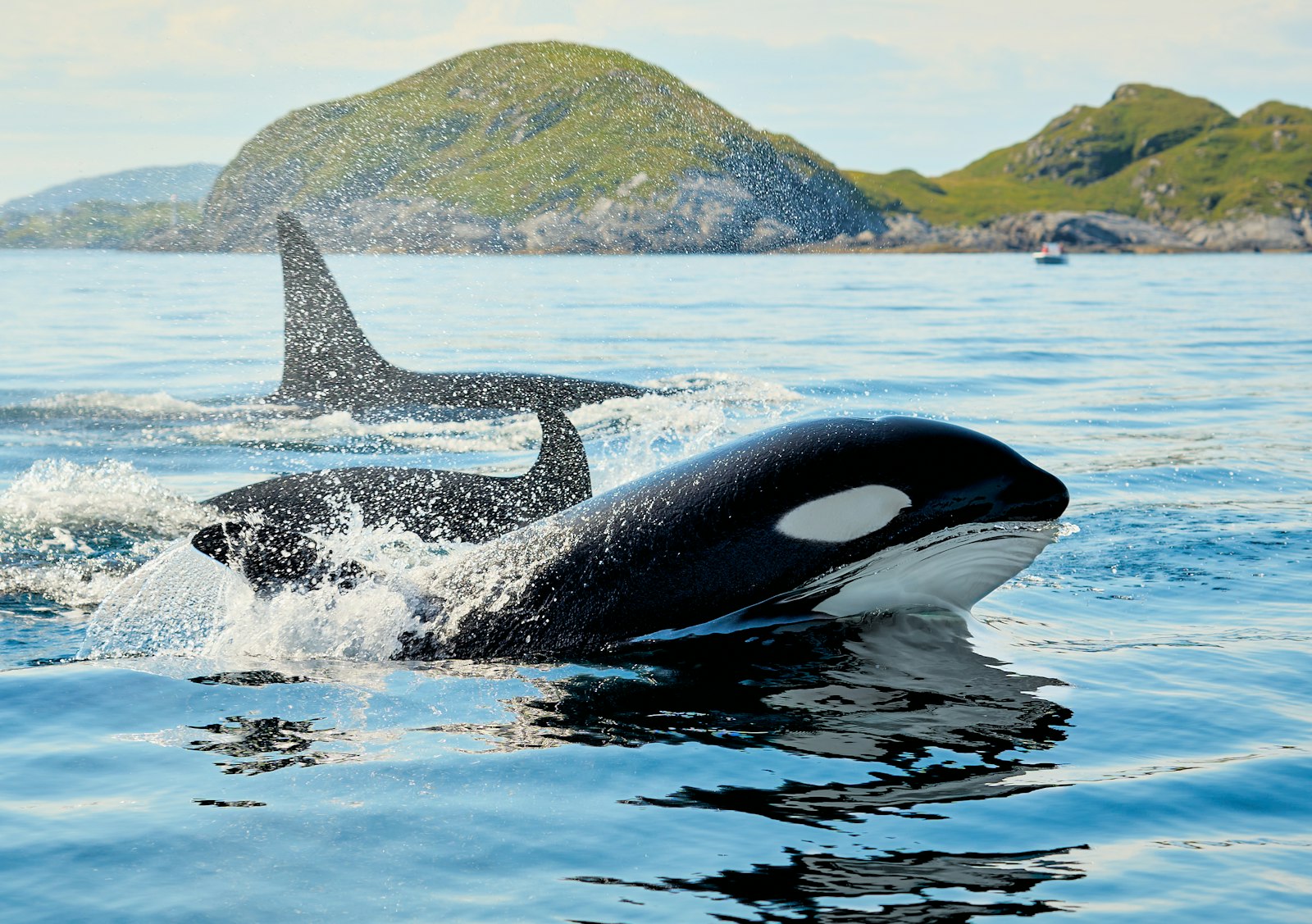
Orca
Black and white apex predator instantly recognizable by its pale eye patches, the orca is the largest of the dolphins and one of the ocean's most capable hunters. Sightings often involve a tight-knit family pod working the ice edge together.