Wildlife
Antarctic Prion
The Antarctic prion is the largest of the prions, a group of small Southern Ocean petrels sometimes called dove prions. Watch for loose flocks wheeling low over the swell as your ship crosses open water between landings.
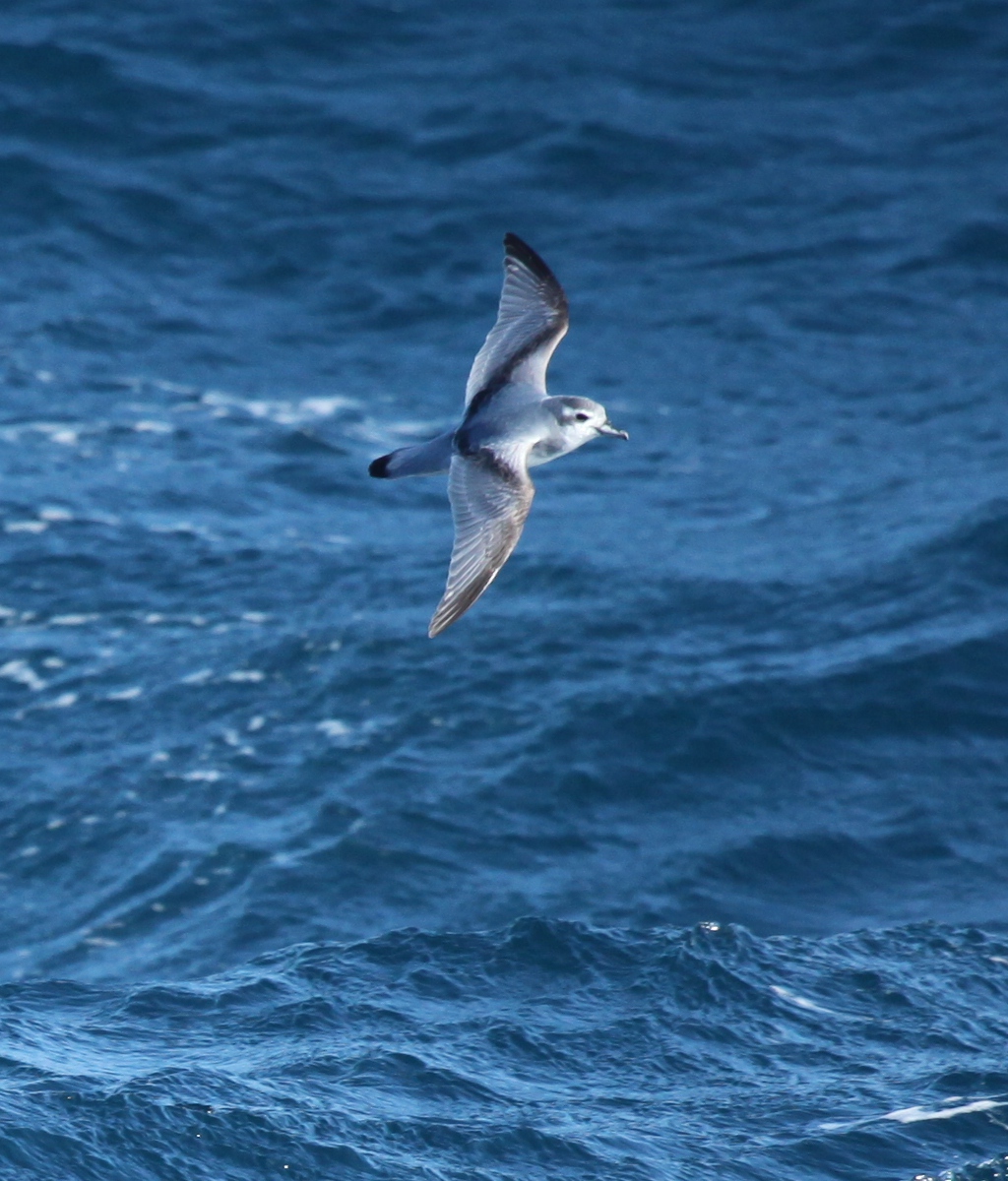
Somewhere in the long crossing of the Drake Passage, small grey-and-white shapes start cutting low arcs over the wave troughs, easy to dismiss as gulls until you notice how tightly they bank together. This is usually the Antarctic prion, also known as the dove prion or, in Māori, totorore, and it is the largest species in the prion genus, a family of small petrels built for life on the open Southern Ocean.
The birds keep good company with expedition ships through the Scotia Sea as well, often turning up in numbers well offshore where few other passerine-sized seabirds venture. Around South Georgia sightings tend to cluster closer to the island itself, part of the wider seabird traffic that uses the surrounding waters as a feeding ground.
They rarely sit still for long, which is part of the appeal: rather than a single dramatic photograph, what stays with most travellers is the pattern of a loose flock skimming just above the water, vanishing into a trough and reappearing a wingbeat later, a small constant presence across some of the roughest crossings on the itinerary.
Find departures that go there →
More highlights
Wildlife
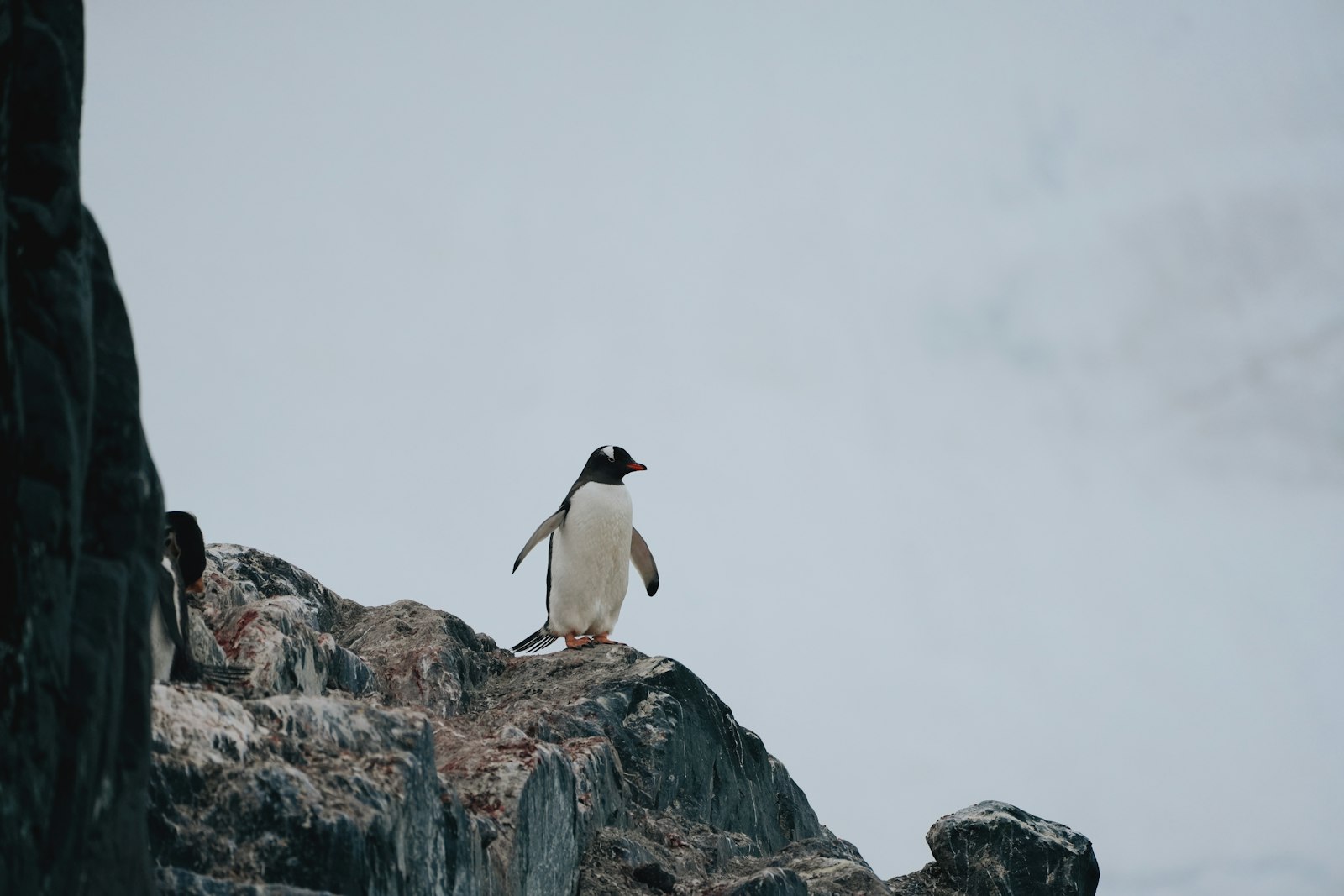
Gentoo Penguin
A stocky, orange-billed penguin of the genus Pygoscelis, closest kin to the Adélie and Chinstrap. Its loud, trumpeting call, delivered with head thrown back, carries across the shoreline colonies where expedition landings are made.
Wildlife
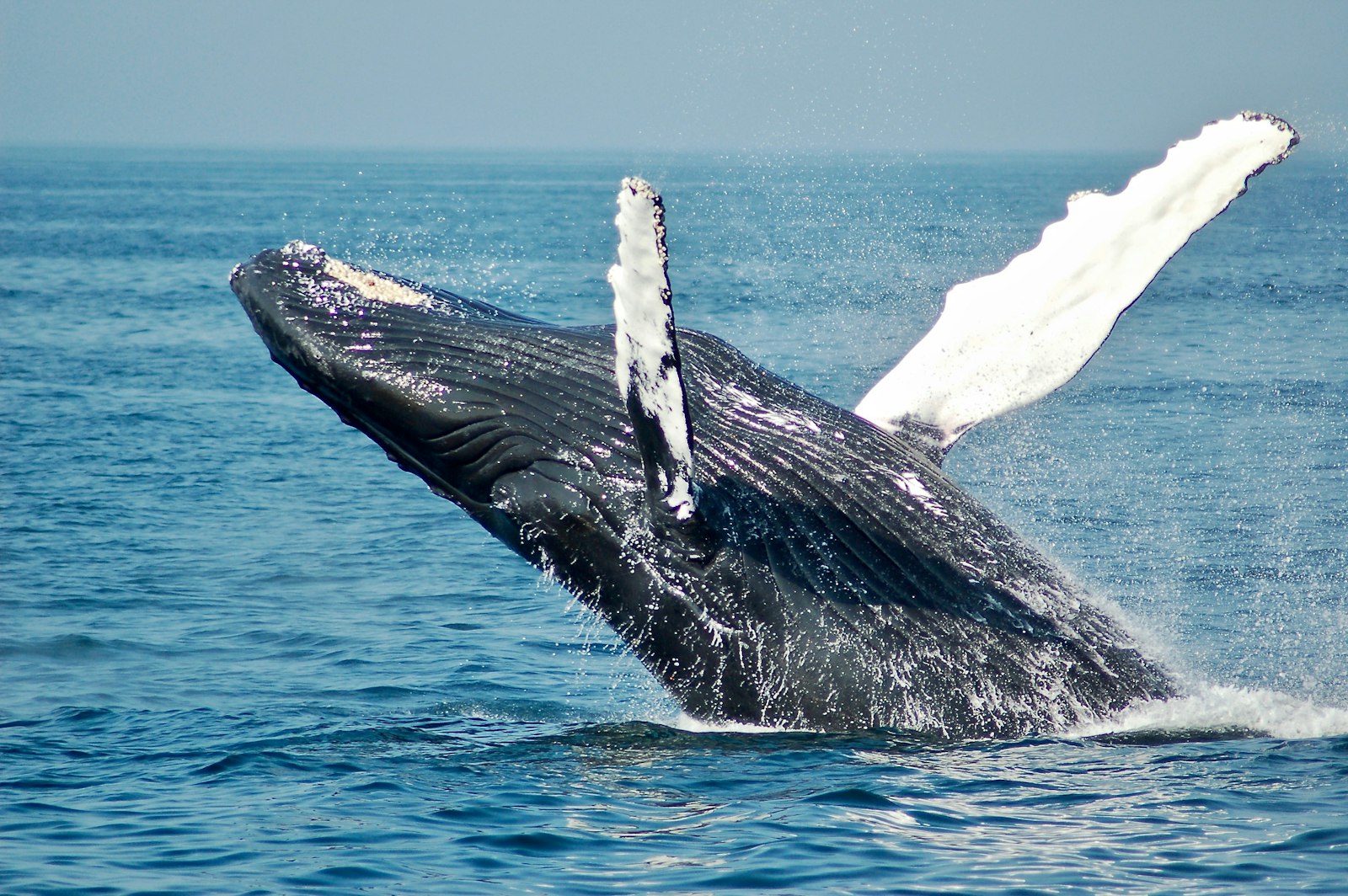
Humpback Whale
A 14–17 metre baleen whale known for breaching and long pectoral fins, often seen feeding on krill in loose groups along the ice edge.
Wildlife
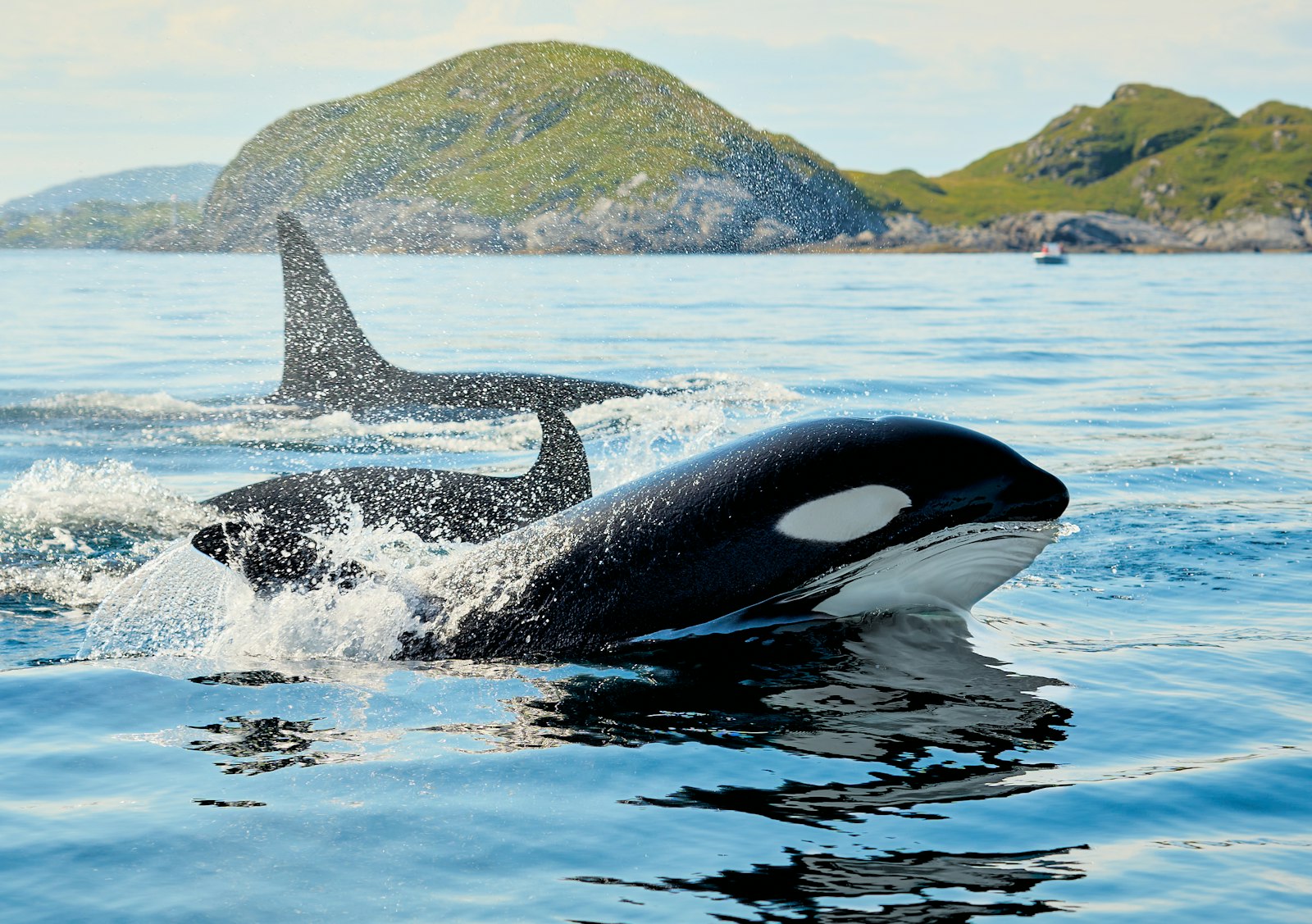
Orca
Black and white apex predator instantly recognizable by its pale eye patches, the orca is the largest of the dolphins and one of the ocean's most capable hunters. Sightings often involve a tight-knit family pod working the ice edge together.