Activity
Birdwatching
Birdwatching in Antarctica means penguins ashore and albatrosses riding the wind off the ship's stern, often without leaving the deck. It rewards patience more than gear, though a decent pair of binoculars helps.
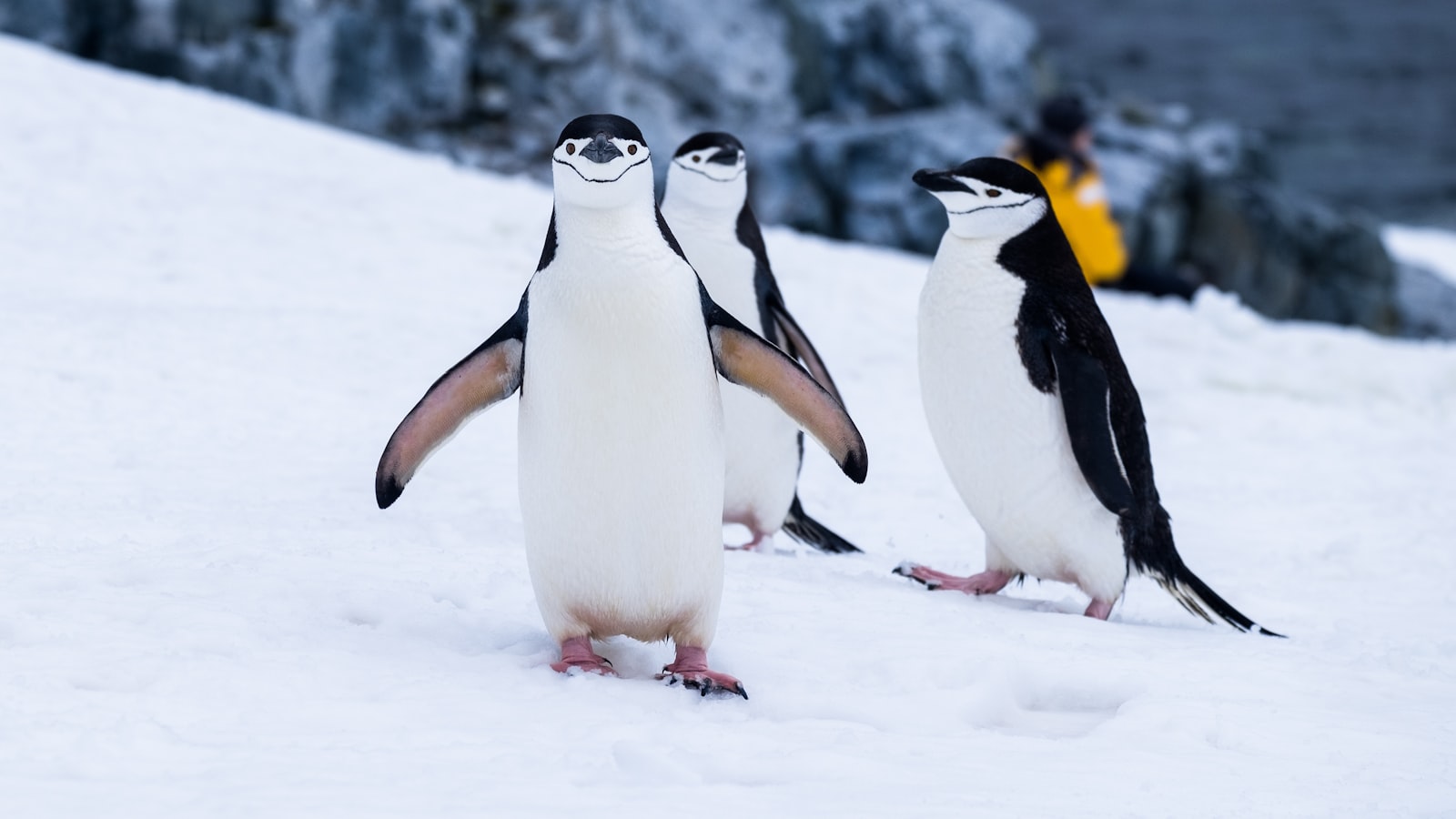
On most expedition ships, birdwatching isn't a separate excursion so much as a way of paying attention to what's already around you: the wandering and black-browed albatrosses that shadow the vessel through Drake Passage, the petrels and prions working the wake, and the penguin colonies you'll walk past on almost every landing. Some ships do offer dedicated birding sessions, usually led by an onboard ornithologist, either as a bridge-deck watch during sea days or as a slower, more deliberate version of a regular zodiac cruise along cliffs and coastlines where nesting sites cluster.
Where a dedicated birding outing exists as a bookable activity, it typically runs alongside the standard landing or zodiac tour for that time slot, so you're choosing between the two rather than doing both. Places are limited and allocated per departure, so it's worth flagging interest early, particularly on trips timed for the November to January nesting season when colonies are busiest and behaviour is easiest to observe. As with everything in the Antarctic itinerary, the final call depends on weather, sea state and ice conditions on the day, and plans can shift with little notice.
It suits travellers who'd rather stand still and watch than tick off another shore landing, and who don't mind cold hands for the sake of a clean look through binoculars. No previous birding experience is expected; guides tend to explain what you're seeing as you go. If you already know this is a priority for your trip, mention it when booking optional activities, since the better-organised sessions on smaller expedition ships can fill quickly once departures are confirmed.
Find departures that go there →
More highlights
Activity
Mountaineering & ski touring
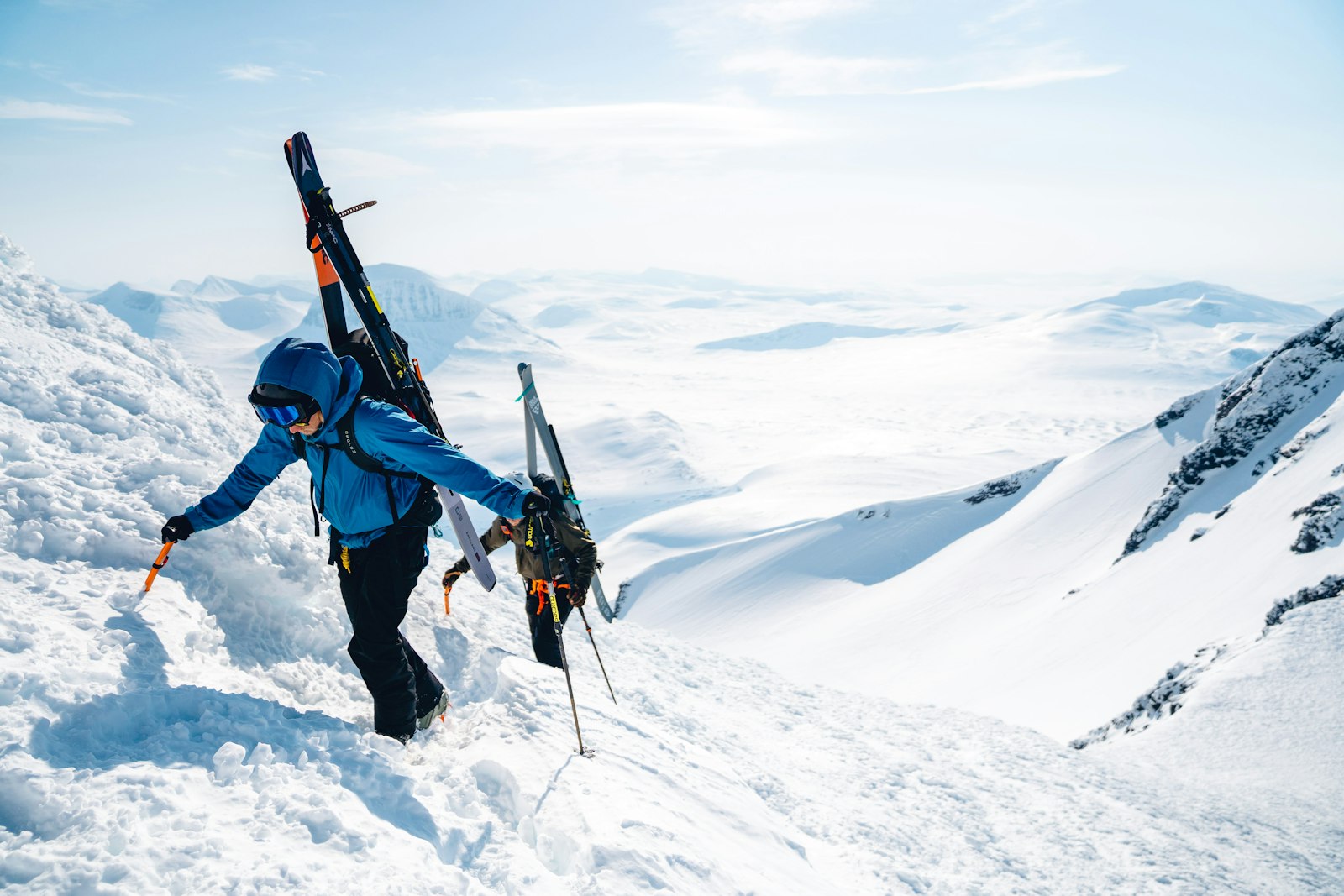
Mountaineering and ski touring take small groups off the ship onto Antarctic slopes and ridgelines, roped up or on skins, away from the usual landing sites. It trades the zodiac cruise for a slower, physical read of the same white terrain.
Activity
Camping
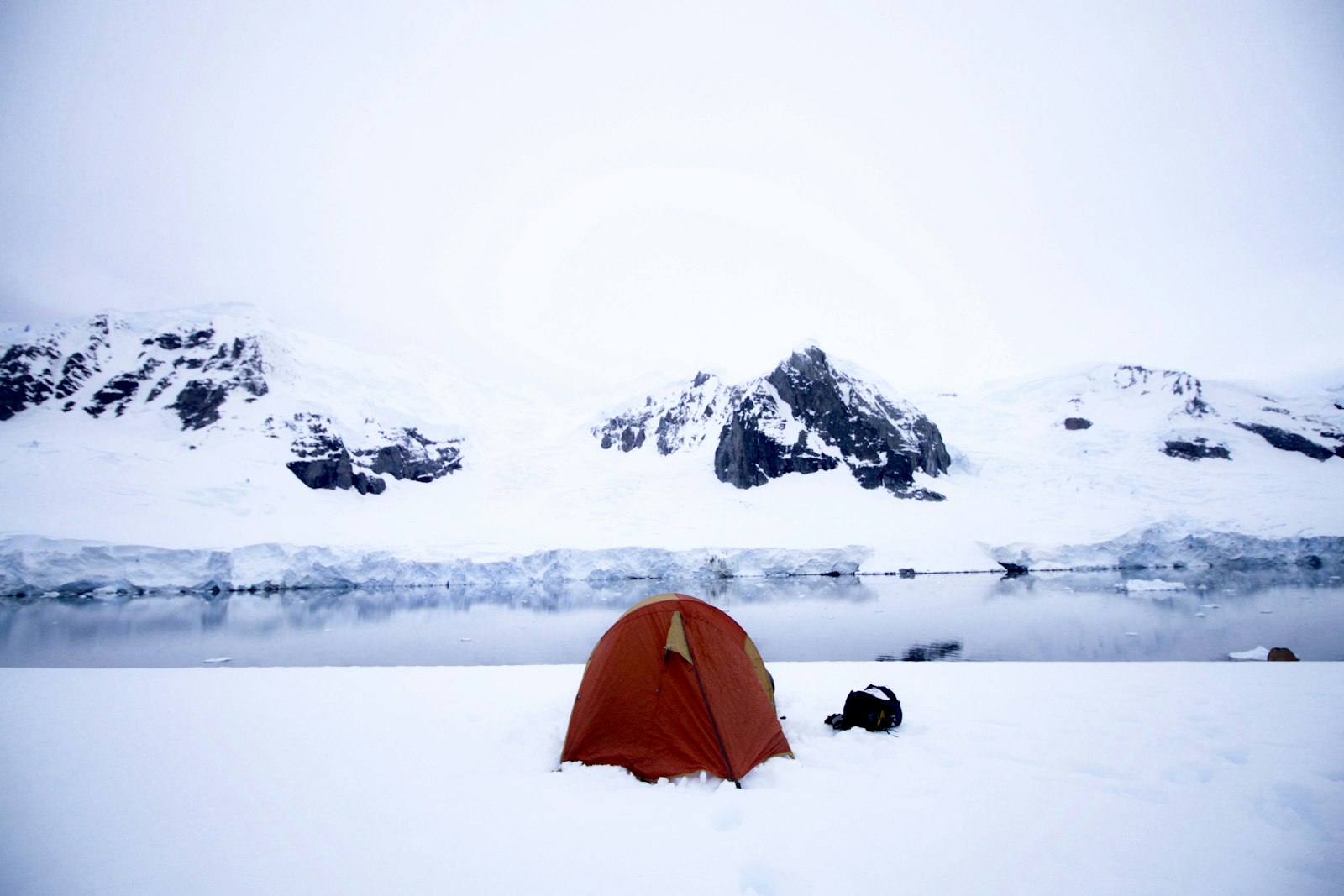
Camping on the Antarctic continent means sleeping in a bivy bag directly on the snow, under a sky that rarely goes fully dark in summer. It runs on select nights when conditions allow, with places limited by each ship's shore permit.
Wildlife
Gentoo Penguin
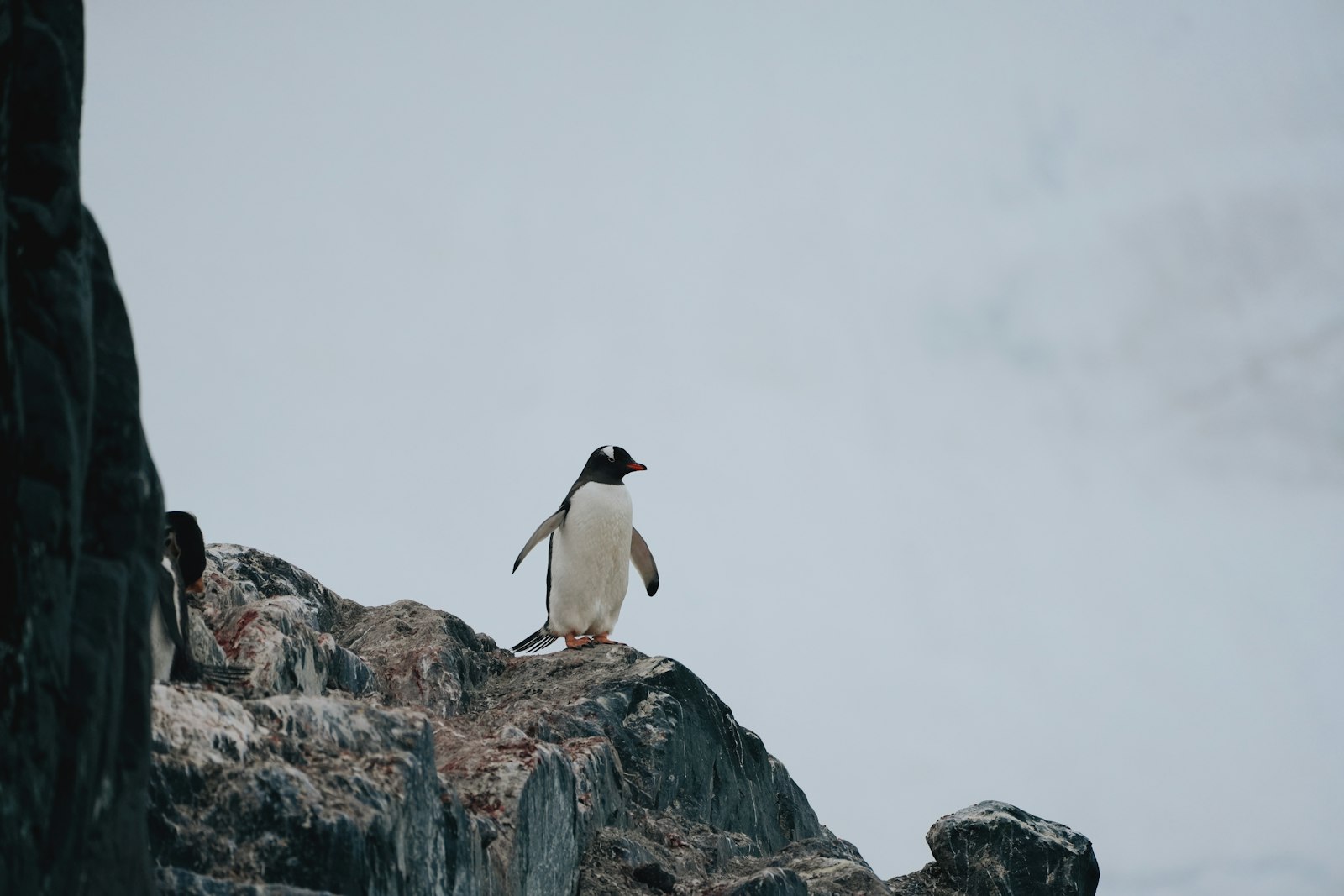
A stocky, orange-billed penguin of the genus Pygoscelis, closest kin to the Adélie and Chinstrap. Its loud, trumpeting call, delivered with head thrown back, carries across the shoreline colonies where expedition landings are made.