Wildlife
Leopard Seal
The leopard seal is the Antarctic's second-largest seal after the elephant seal, built long and muscular with a spotted, leopard-like coat. It is the region's top predator, hunting penguins, fish, and even other seals along the ice edge.
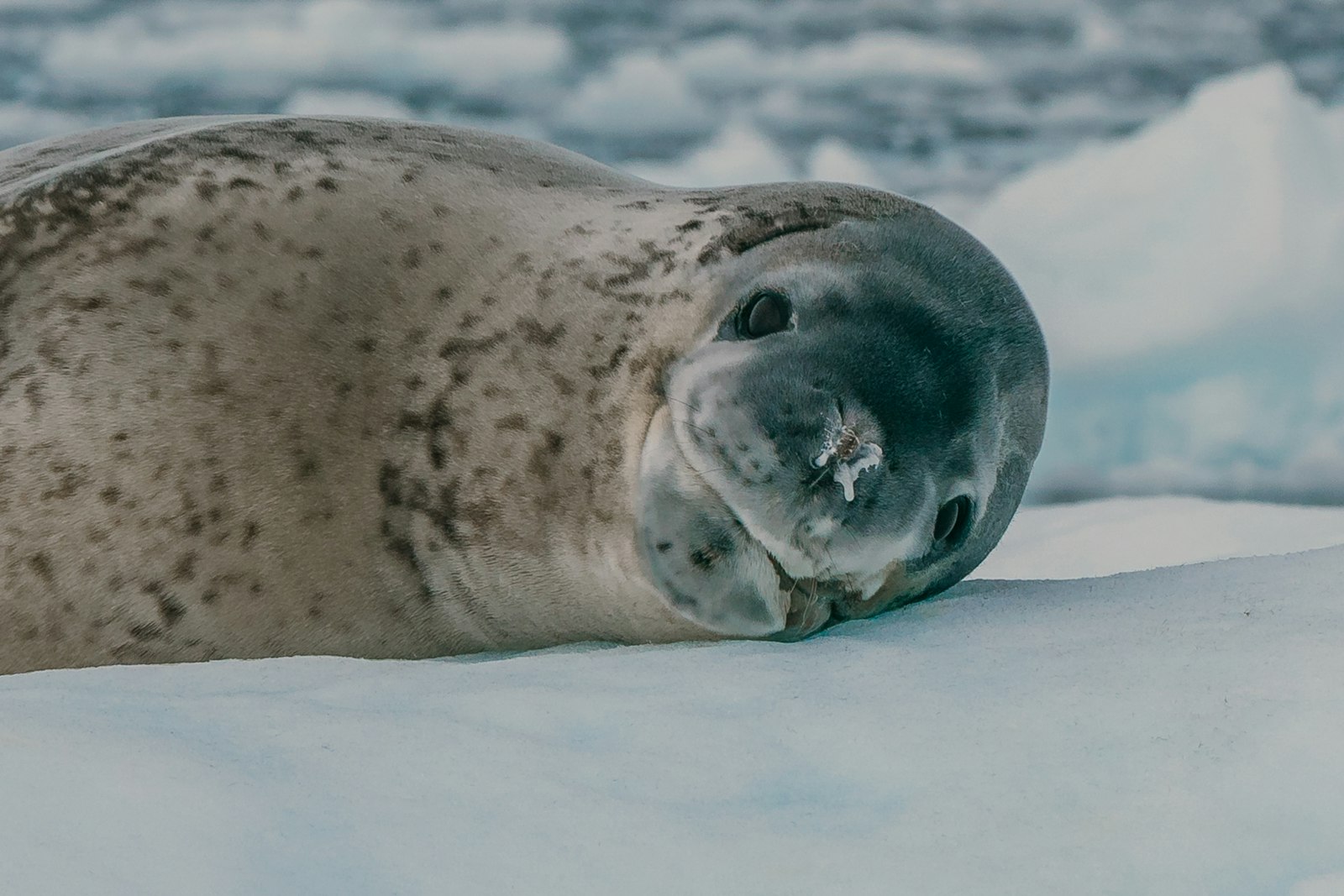
Long, muscular, and countershaded silver below to dark grey above, the leopard seal is unmistakable for its leopard-like spotting. It is the second-largest seal species in Antarctica after the southern elephant seal, and matches a walrus in length while weighing roughly half as much. Its jaws are massive, its teeth 2.5cm long, and its diet ranges from krill and fish to cephalopods, penguins, and other seals — an apex predator answerable only to the orca.
On our voyages, the best sightings tend to come along the ice edges of the Antarctic Peninsula and the South Shetland Islands, where leopard seals haul out on floes near penguin colonies or patrol the shallows waiting for chicks to enter the water. Further south, they turn up regularly in the pack ice of the Weddell Sea, and around Elephant Island and the Antarctic Sound, usually between November and March, when open leads make both travel and hunting easier.
They are unhurried on the ice — often just a raised head tracking a passing Zodiac — but strikingly fast and precise in the water, relying on keen hearing and sensitive whiskers to find prey beneath the surface. A close pass from one in a Zodiac, or the sight of a kill at a colony's edge, tends to be among the sharper memories of a Peninsula voyage.
Find departures that go there →
More highlights
Wildlife
Gentoo Penguin
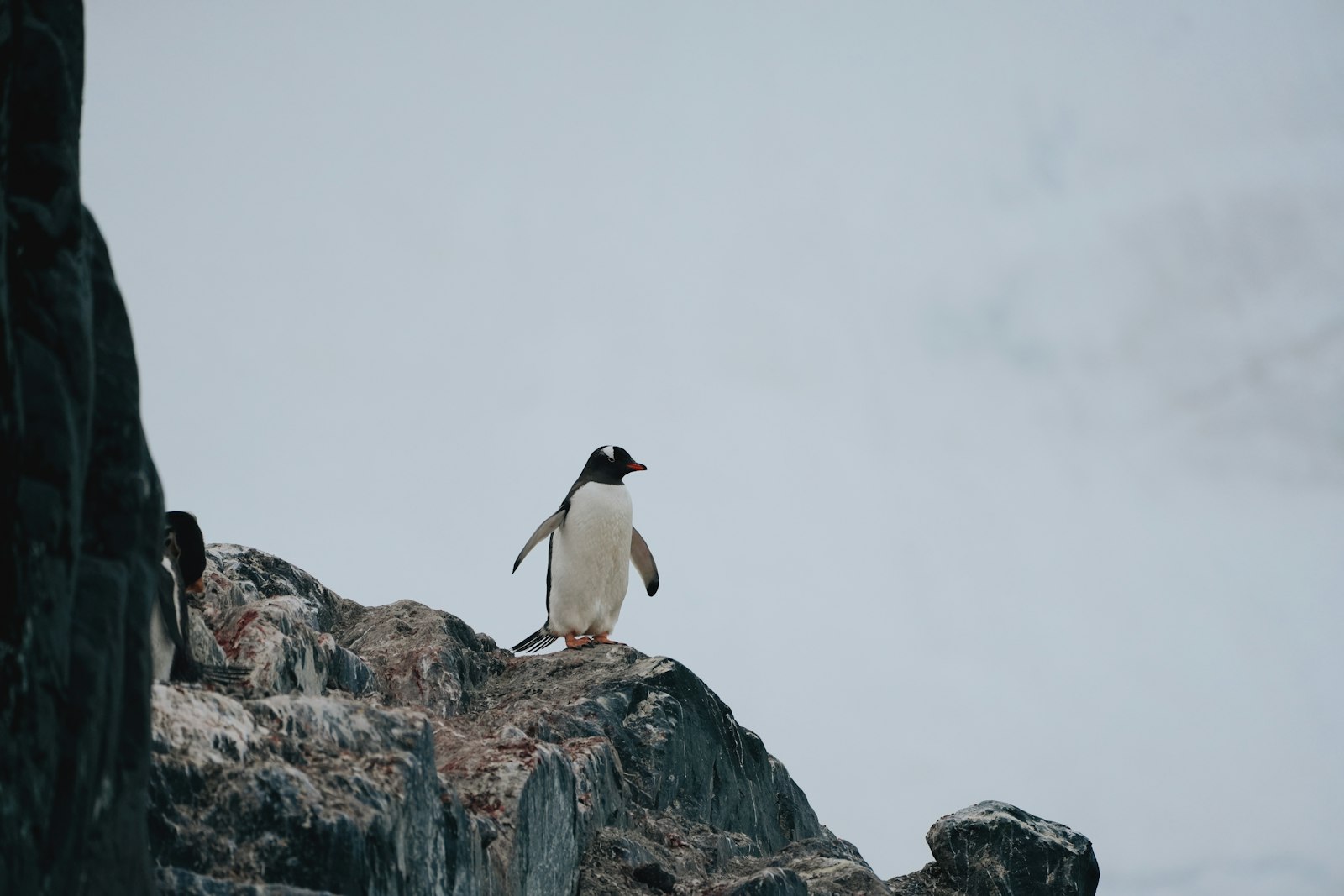
A stocky, orange-billed penguin of the genus Pygoscelis, closest kin to the Adélie and Chinstrap. Its loud, trumpeting call, delivered with head thrown back, carries across the shoreline colonies where expedition landings are made.
Wildlife
Humpback Whale
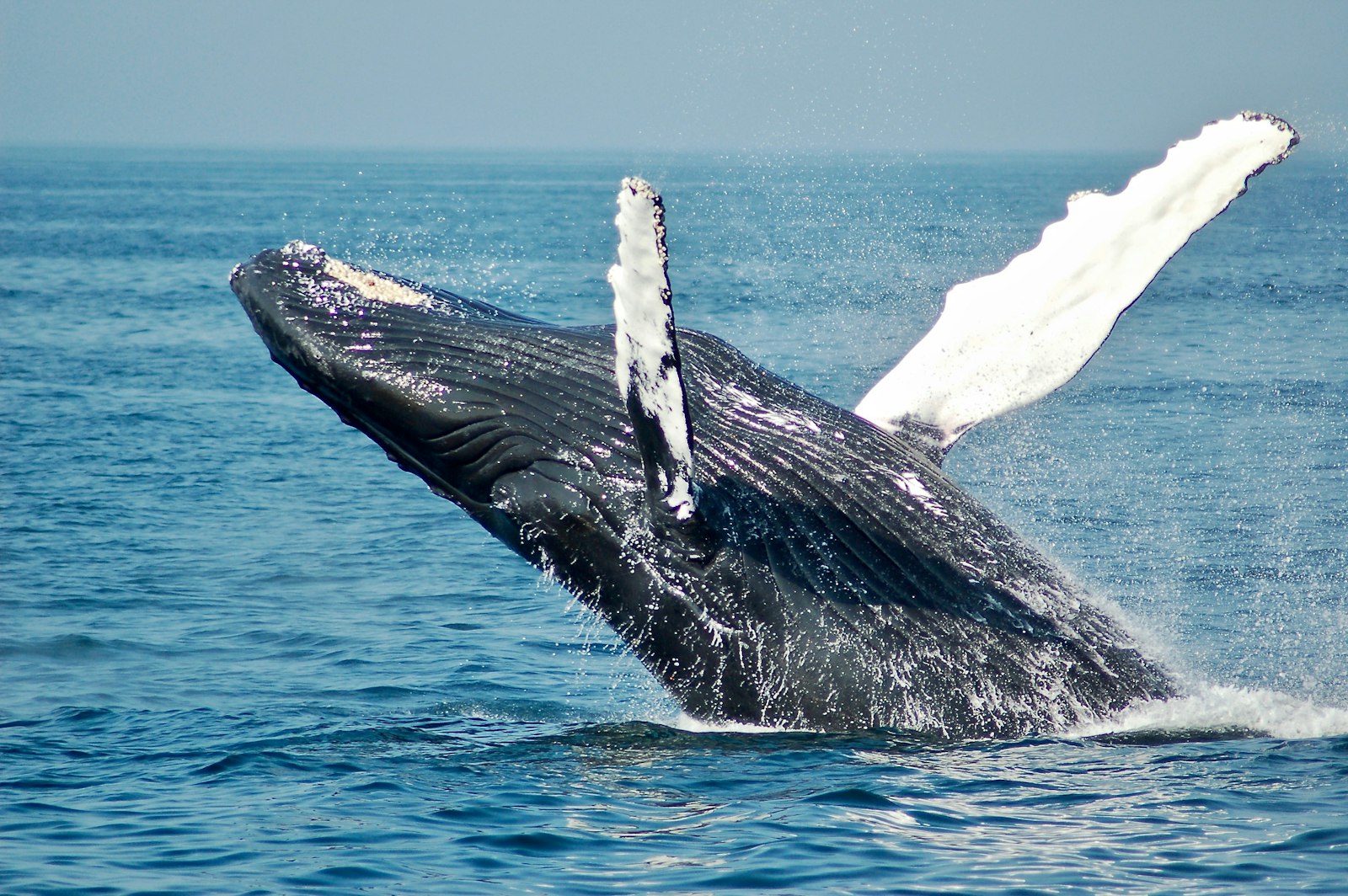
A 14–17 metre baleen whale known for breaching and long pectoral fins, often seen feeding on krill in loose groups along the ice edge.
Wildlife
Orca
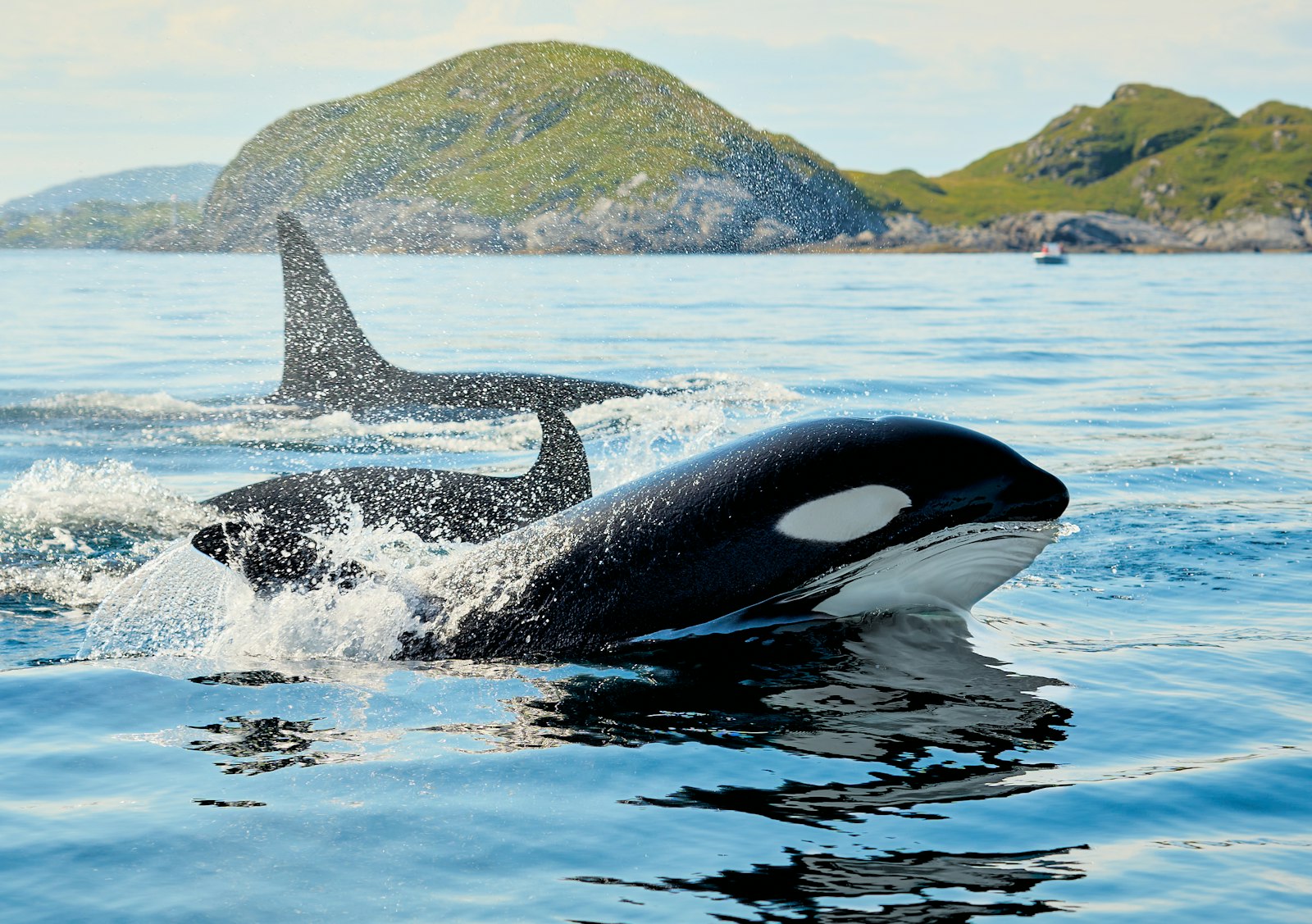
Black and white apex predator instantly recognizable by its pale eye patches, the orca is the largest of the dolphins and one of the ocean's most capable hunters. Sightings often involve a tight-knit family pod working the ice edge together.