Wildlife
Southern Royal Albatross
One of the two largest albatrosses alive, with a wingspan topping three metres. Watch for it gliding low over the swell around New Zealand's subantarctic islands.
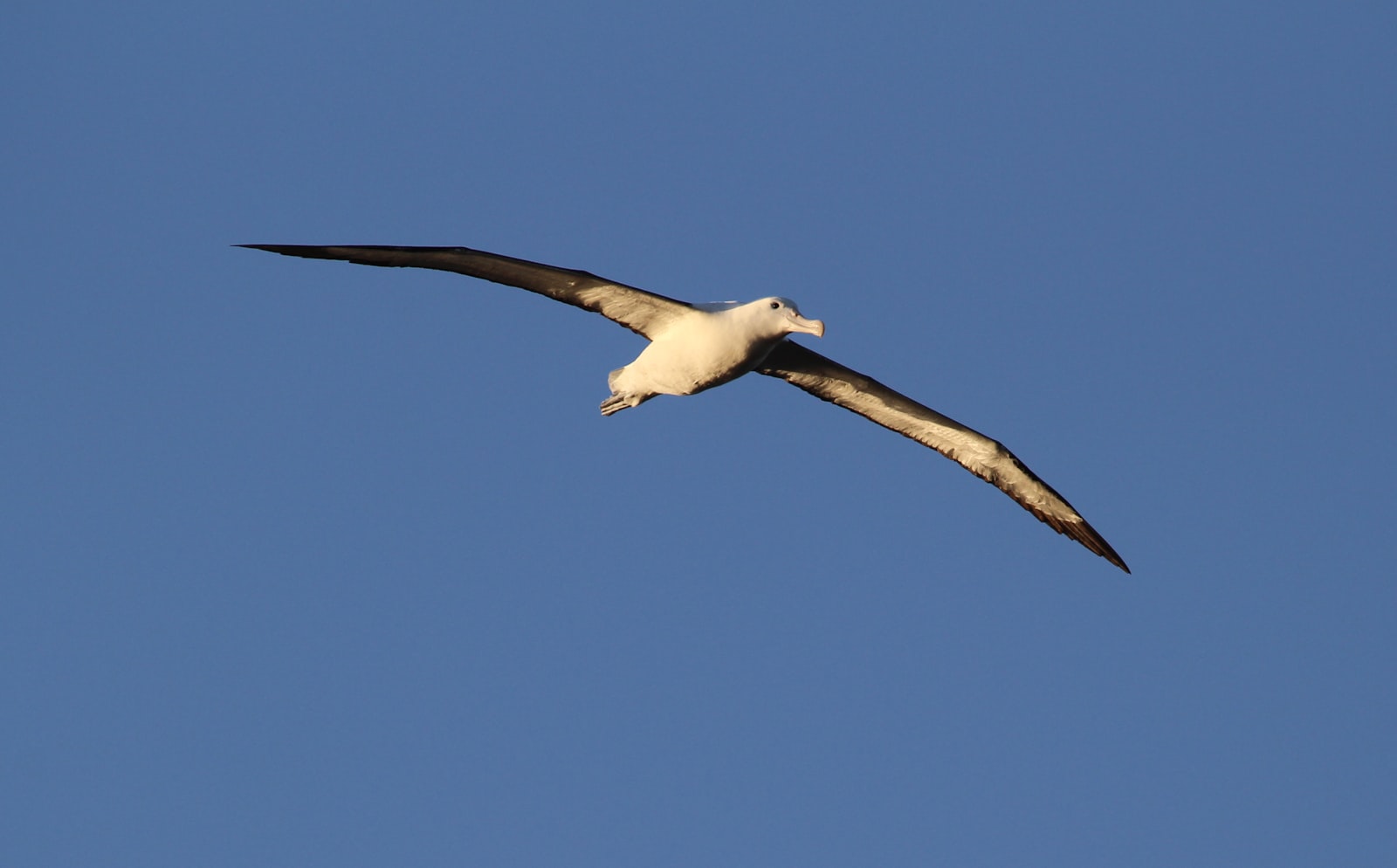
The southern royal albatross turns up reliably on the subantarctic legs of Southern Ocean voyages, tracking ships and riding the wind off the stern for hours at a time. It nests in scattered colonies on Campbell Island and the Auckland Islands, and travellers heading further south sometimes pick it up again near Macquarie Island, well outside its breeding grounds.
It is worth pausing on deck for: this is one of only two albatross species, alongside the wandering albatross, to exceed three metres across the wings, and some recent measurements suggest it may actually be the heavier bird on average, even if the two remain close enough in size that observers rarely agree which is larger in the field.
Because it breeds on remote, low-lying islands rather than open ocean, seeing one on the wing near land — rather than as a distant shape astern — is one of the small privileges of the subantarctic route.
Find departures that go there →
More highlights
Wildlife
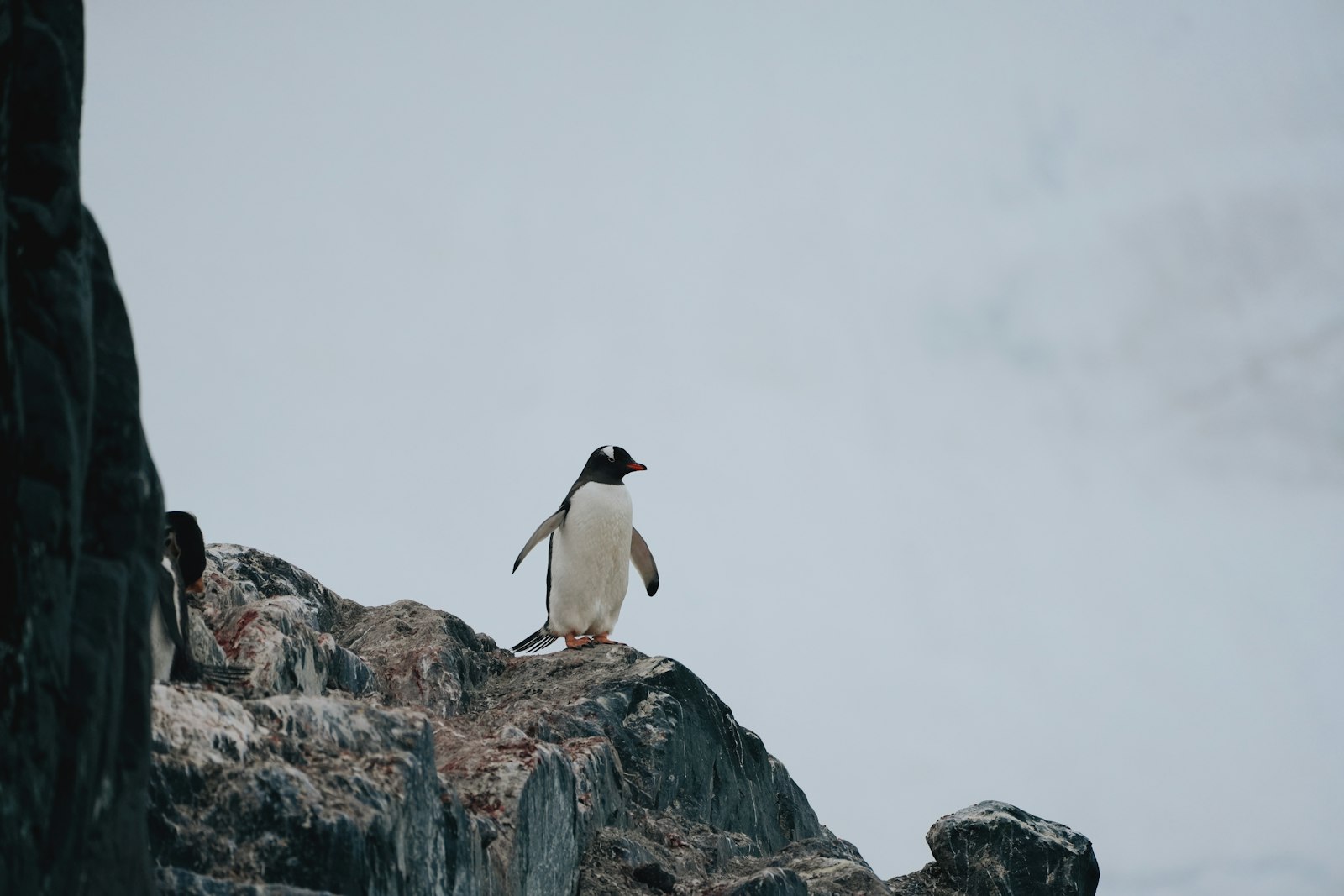
Gentoo Penguin
A stocky, orange-billed penguin of the genus Pygoscelis, closest kin to the Adélie and Chinstrap. Its loud, trumpeting call, delivered with head thrown back, carries across the shoreline colonies where expedition landings are made.
Wildlife
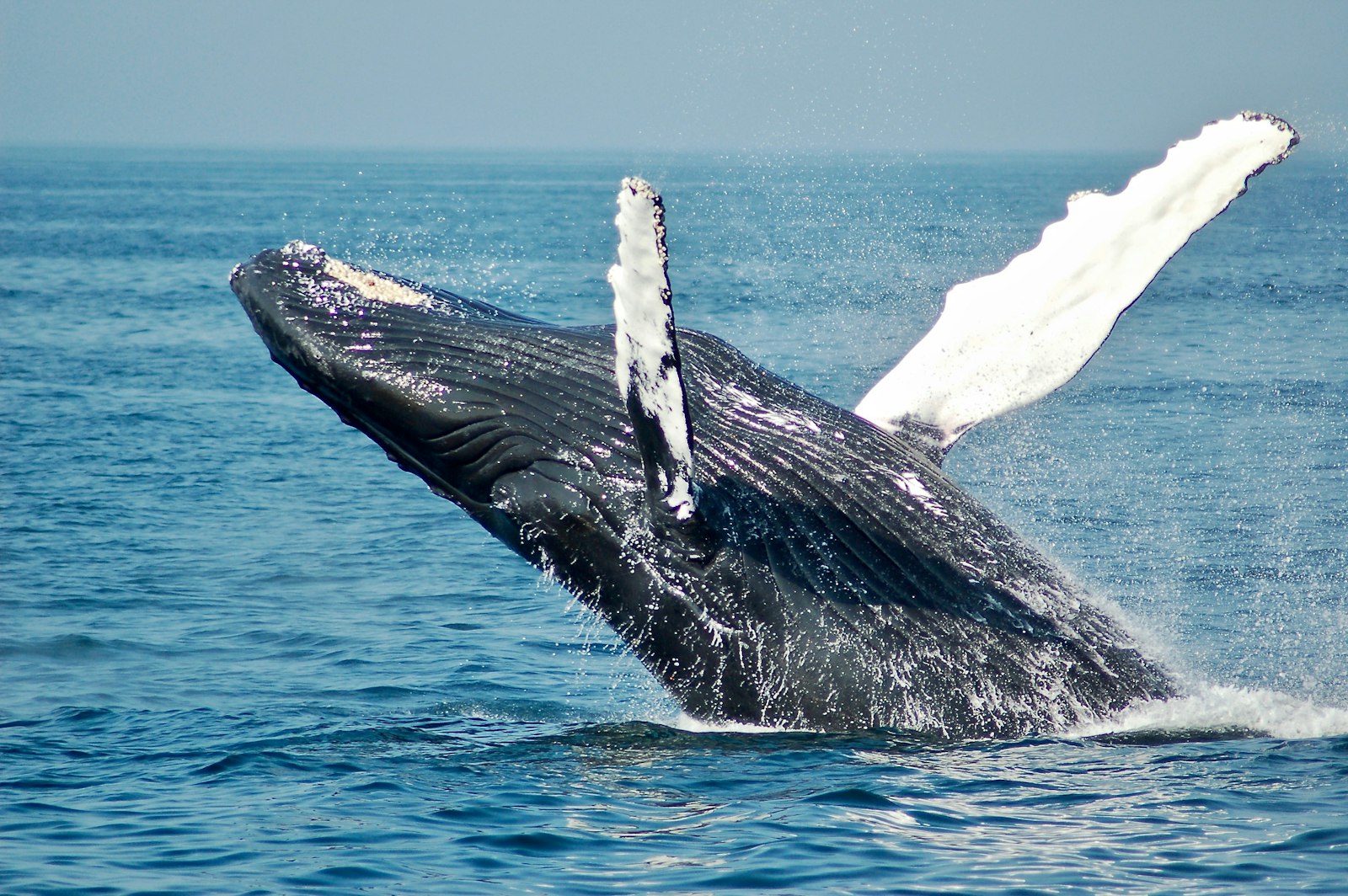
Humpback Whale
A 14–17 metre baleen whale known for breaching and long pectoral fins, often seen feeding on krill in loose groups along the ice edge.
Wildlife
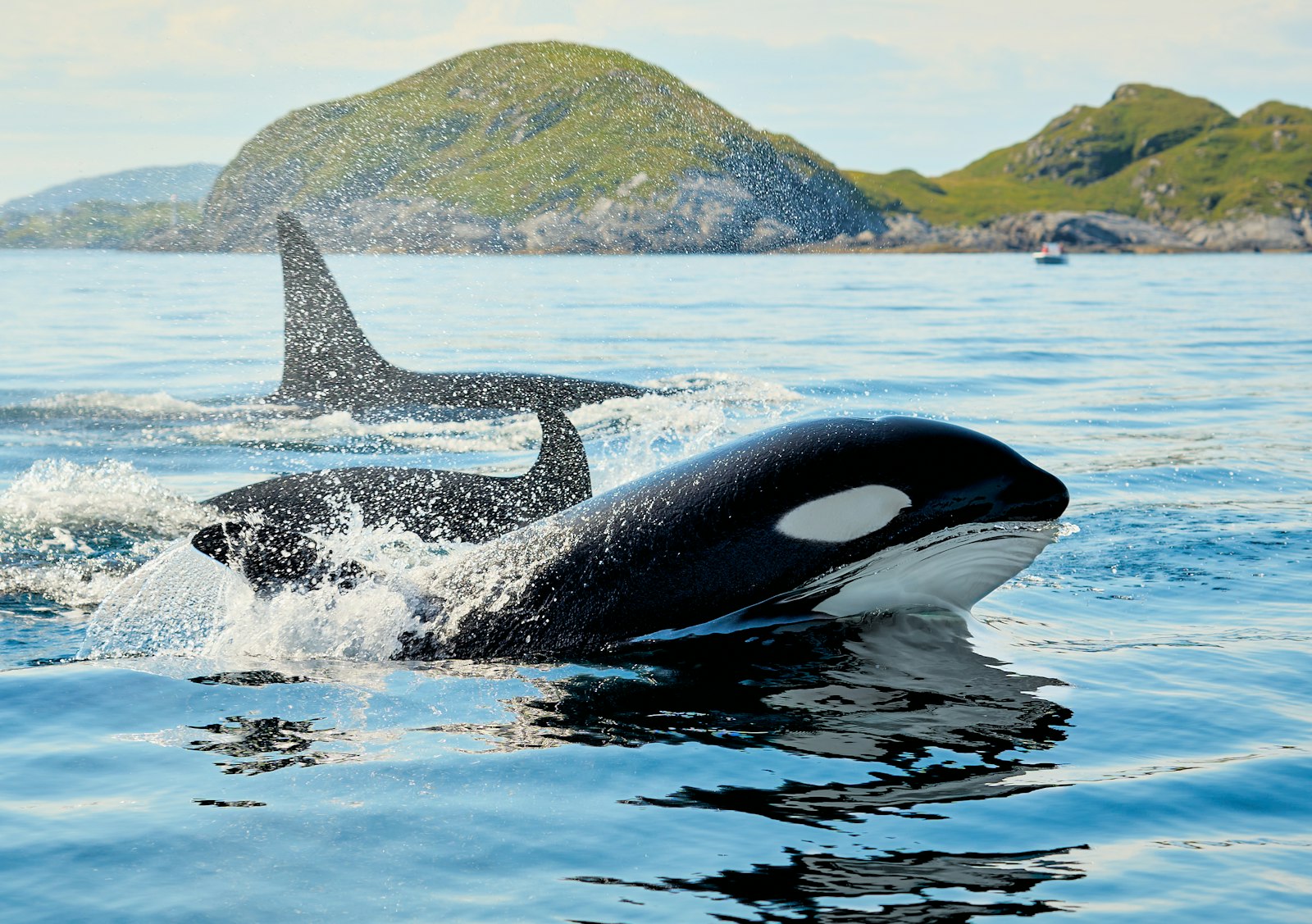
Orca
Black and white apex predator instantly recognizable by its pale eye patches, the orca is the largest of the dolphins and one of the ocean's most capable hunters. Sightings often involve a tight-knit family pod working the ice edge together.