Day 0
— Halifax, Nova Scotia, Canada
The City of Trees welcomes you with a pleasant city crowned by the star-fortress of Citadel Hill, a National Historic Site, with its iconic Halifax Town Clock overlooking the downtown. The city rises from Halifax Harbour, still an important international port, however the area or wharves and warehouses known as the Historic Properties now host a thriving neighborhood of restaurants bars, galleries and shops. Outside the town, visitors are encouraged to explore the reconstructed French Fortress of Louisbourg, as well as the scenic lighthouse route and picturesque Peggy’s Cove.
Days 1-4
— Days At Sea
Day 5
— Carambola Beach, Saint Kitts and Nevis
A classic golden arc of sugary sand at South Friar’s Bay, Carambola is home to the island’s most luxurious beach clubs and restaurants. Umbrellas, loungers and optional water sports abound for those so inclined. Otherwise St. Kitts has other attractions, including a number of lovingly preserved plantation great houses, the UNESCO World Heritage Site of Brimstone Hill Fortress and a scenic narrow gauge sugarcane railway.
Day 6
— Little Bay, Montserrat
Little Bay’s charm lies in its intimate and unspoiled nature, offering a picturesque escape that’s as peaceful as it is beautiful. The bay is framed by lush, verdant hills that provide a stunning backdrop, while the warm, crystal-clear waters beckon for a refreshing dip or a leisurely swim. Whether you’re seeking solace in the sun, indulging in a beachside picnic, or exploring the vibrant marine life with a snorkel, Little Bay offers a perfect blend of relaxation and natural wonder.
Day 7
— Rodney Bay, Saint Lucia
This is the island’s yachting center, quieter and less crowded than the main port of Castries. You can visit the island’s “drive-in” volcano at Soufriere, view the iconic peaks of the Pitons or perhaps snorkel at Pigeon Island, one of Jacques Cousteau’s favorite dive spots.
Day 8
— Bridgetown, Barbados
Bridgetown, a UNESCO World Heritage Site, is a refined capital city that elegantly showcases its four centuries of British lineage. This charming island was initially inhabited by Amerindian communities 1,500 years ago, but in the 17th century, Barbados emerged as one of the most prolific sugarcane producers worldwide. At its zenith, the revenue from this sweet crop surpassed the combined income of all other British colonies. A stroll through Bridgetown is a journey through time. From the statue of Admiral Horatio Nelson to the stately Parliament Buildings, the imposing St Michaels Cathedral and St Mary’s church, and the tranquil Jubilee Gardens, each step is steeped in history. Your exploration continues over the picturesque Chamberlain Bridge and along a scenic seaside boardwalk, leading you to an array of exquisite shoreline cafes and restaurants. Witness the ancient Baobab trees in Queen's Park — the Caribbean's largest — standing as silent sentinels to the island's vibrant past. Take time to unwind on a peaceful beach, delve into the history of a plantation, encounter majestic sea turtles, and even indulge in a tasting at one of the island's famed rum distilleries.
Day 9
— Port-of-Spain, Trinidad and Tobago
At the southernmost fringe of the Caribbean Sea, the independent Republic of Trinidad and Tobago is a cultural mosaic with roots tracing back to Spain, Africa, India, and the indigenous communities that called these islands home long before European settlers arrived. INCLUDED SHORE EXCURSIONS: Option 1: Port of Spain Panorama & Angostura Distillery Experience A half-day exploration encompassing the highlights of the Port of Spain, culminating in a visit to the renowned Angostura Distillery. Enjoy a picturesque drive passing some of the city's most iconic sites, then ascend to Lady Young Lookout for panoramic views of the city below. Your journey continues to the celebrated House of Angostura, the cradle of Trinidad’s prime rum. Here, you'll delve into the complexities of rum production and gain insight into the creation of two of the Caribbean’s most venerated rum brands - Fernandes and Old Oak. Option 2: Caroni Swamp Bird Sanctuary: A sunset tour of the Caroni Nature Sanctuary, a globally lauded natural wonder. A short drive from Port of Spain transports us to this maze of mangrove-bordered waterway. Board a spacious flat-bottomed boat and glide through this serene, picturesque wetland. The pièce de résistance is the Scarlet Ibis, the nation’s emblematic bird that nests and feeds in this sanctuary. Dressed in a vivid red plumage with black-tipped wings, these birds create a mesmerizing spectacle at sunset, when hundreds, even thousands, descend upon the swamp to roost in the mangrove trees.
Days 10-11
— Days At Sea
Day 12
— Devils Island, French Guiana
Before they were a notorious penal colony, the Îles du Salut (Islands of Salvation) provided French colonists with a welcome escape from the fever-ridden jungles of the Guiana mainland. Lying ten miles off the coastline, and swept by treacherous ocean currents, the trio of small islands provided a perfect isolated location for incarcerating criminals without danger or expense, since the shark-infested sea and the trackless jungles ashore precluded any possibility of escape. All three islands, popularly known as Devil's Island, were used as a prison from 1852 to 1953. INCLUDED EXPEDITIONS: Devil's Island Tour: Although the group is commonly called ""Devil´s Island"", visitations are permitted only to Île Royale and Île St Joseph. Join our expedition team to explore ashore and learn about the history and natural history of the area. Monkeys, Agouties and other animals have been introduced to the island and can be observed when visiting.
Days 13-14
— Days At Sea
Day 15
— Crossing the Equator
If you are a “pollywog,” who has never crossed the line at sea, you will be expected to undergo a mock trial by King Neptune and his court for the entertainment of the “shellbacks” who have already done so. Mild but hilarious indignities will be conjured, and in the end a good time will be had by most, if not all.
Day 16
— Fortaleza, Brazil
Fortaleza, in the northeastern state of Ceara, is one of Brazil's chief seaports. Among the wealth of exports passing through its harbor are cotton, beans, rice, sugar, fruit, and of course, coffee. Lovely beaches shaded by coconut palms and some of the finest handicrafts Brazil has to offer are among the city's appealing attractions. Explore the highlights of the region along with some of its traditional activities.
Day 17
— Natal, Brazil
Natal is the capital of Rio Grande do Norte, a Brazilian state located in the country’s northeast. The city lies near the mouth of the Potenji (Potengi) River along the Atlantic coast, and its sun-kissed shores are lined with gorgeous white-sand beaches and towering dunes. The 16th-century Forte dos Reis Magos is an imposing, star-shaped fortress that marks the place where Natal was officially founded by the Portuguese on December 25, 1599 (Natal is Portuguese for “Christmas”). Ribeira and Cidade Alta, the city’s oldest neighborhoods, invite with an array of handsome colonial and Victorian buildings, many of which are now adorned with colorful murals. Natal’s vibrant Afro-Brazilian culture gave birth to the capoeira circle, an intoxicating blend of martial arts, acrobatics, dance, and music that UNESCO designated as a living expression of Intangible Cultural Heritage. You might see capoeira groups performing on one of the city’s popular beaches like Ponta Negra; browse the nearby handicraft market for unique ceramics, musical instruments, textiles, and wooden sculptures. Head to Genipabu (Jenipabu) to ride a camel, go sand surfing, or drive a buggy around its huge complex of sand dunes.
Day 18
— Days At Sea
Day 19
— Salvador da Bahia, Brazil
If Rio is the heart of Brazil and Sao Paulo is its brain, Salvador is its spirit. It was here in 1549 that the Portuguese founded the capital city and chief port of their new colony. Vast fortunes were made through the slave trade, and the introduction of a large African population had an important effect on the local culture. Salvador is built in two levels, with the most appealing being the upper city, the lovely colonial neighborhood of Pelourinho, which in recent years has been completely restored to its former glory.
Days 20-21
— Days At Sea
Day 22
— Armacao dos Buzios, Brazil
Buzios is on everyone’s top ten most beautiful places list. With dozens of gorgeous beaches, warm, clear waters, lush tropical vegetation and a wealth of opportunities for active or relaxing play, it earns the spot easily. The place thrives on pleasing visitors, and you’ll be no exception.
Day 23
— Parati, Brazil
The tiny harbor town of Parati (Paraty) is a colonial-era charmer, overlooking a protected bay along Brazil’s Costa Verde, “the Green Coast.” Founded by the Portuguese in 1597, Parati flourished as a transportation hub during the 17th and 18th centuries after gold was discovered in the state of Minas Gerais. The port was all but forgotten after Brazil declared its independence in 1822; today, its time-warp Old Town — designated a UNESCO World Heritage site in 2019 — the largest concentration of colonial architecture in the country. Spend some time wandering its pedestrianized cobblestone streets, admiring the elegant churches and whitewashed buildings with colorful trim. Forte Defensor Perpétuo — in the 18th century to protect the town from pirates — features a small museum and mesmerizing views. The historic Caminho do Ouro or Gold Trail is a 1,200-mile-long thoroughfare laid by slaves that connected Minas Gerais with neighboring states; you can follow a stretch from Parati through lush Atlantic rainforest in Serra da Bocaina National Park, stopping at a series of waterfalls and freshwater pools.
Day 24
— Rio de Janeiro, Brazil
The harbour of Rio de Janeiro, cradled by the southern contours of Guanabara Bay under the majestic shadows of Corcovado and Sugarloaf mountains, is one of the world's most unique and awe-inspiring ports. As you approach by sea, Sugarloaf Mountain is your welcoming beacon, inviting you to experience the exhilarating cable-car ride to its summit for a panoramic view of the city and its famed beaches: Copacabana, Tijuca, Ipanema, and Leblon. Rio de Janeiro vibrates with the rhythm and vitality of its renowned Carnavál Sambadrome parades, regardless of when you choose to visit. The city enjoys UNESCO World Heritage status, recognized as the "Carioca Landscapes, Between the Mountain and the Sea." Your exploration of Rio wouldn't be complete without visiting certain landmarks: the ascent to Sugarloaf, the lush Tijuca Rainforest Park, the towering Christ the Redeemer statue on Corcovado, and for football aficionados, the legendary Maracanä Stadium.
Day 25
— Days At Sea
Day 26
— Camboriu, Brazil
Camboriú, a vibrant city in the southern Brazilian state of Santa Catarina, is best known for its stunning beaches and dynamic urban atmosphere. The city’s most famous district, Balneário Camboriú, is a renowned tourist hotspot featuring high-rise buildings, luxurious resorts, and an array of restaurants and nightlife options. Often referred to as the "Dubai of Brazil" due to its modern skyline and upscale lifestyle, Balneário Camboriú also offers a range of family-friendly attractions, including parks, cable car rides, and ecological trails that showcase the region's lush Atlantic Forest. Praia Central, the city's main beach, is a hub of activity where locals and tourists enjoy water sports, beach volleyball, and vibrant festivals. Beyond its bustling tourist areas, Camboriú offers a more tranquil side, with neighboring rural areas and small communities that provide a glimpse into traditional Brazilian life. These regions feature picturesque landscapes, charming countryside, and opportunities to explore local culture through artisanal markets and culinary experiences. Camboriú’s blend of urban sophistication and natural beauty makes it a unique destination that appeals to a wide variety of visitors.
Days 27-28
— Days At Sea
Day 29
— Montevideo, Uruguay
Tucked between Brazil and Argentina, the Republic of Uruguay decidedly holds its own with unique traditions and identity. Despite being South America's second smallest nation, Uruguay feels like a vibrant city enveloped by expansive ranchlands. Often dubbed as the "Switzerland of South America," Montevideo mirrors Switzerland's discreet banking system. INCLUDED SHORE EXCURSIONS: OPTION 1: Montevideo Highlights & Tango Experience Immerse yourself in the beauty of Montevideo on a scenic drive. Witness historic landmarks and monuments, then visit the Mercado Agricola, a bustling farmer's market teeming with local charm. End your day with a stirring tango performance at Baar Fun Fun, a venue steeped in over 80 years of history. OPTION 2: Montevideo Old Town Walk & Tango Show Explore the architectural wonders of Montevideo on foot. Discover the eclectic mix of styles in the city, then experience the passion of Uruguayan dance at Baar Fun Fun. *Experiences subject to change.
Days 30-31
— Days At Sea
Day 32
— The Seabourn Falkland Island Experience (Day 1)
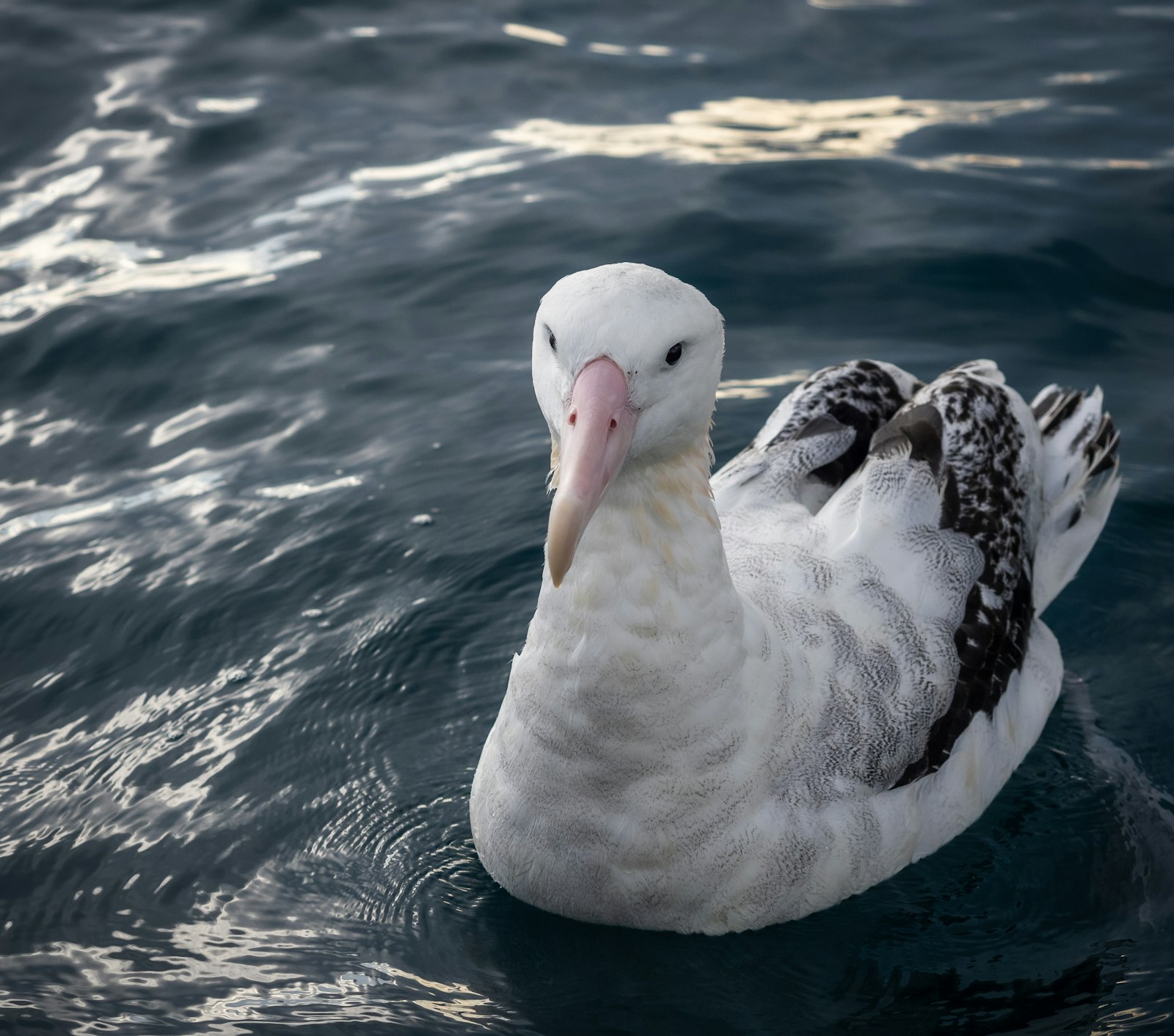
There is nowhere else in the world like the Falkland Islands. This archipelago is a remote, wind-swept place of stunning landscapes, dazzling white sand beaches, magnificent wildlife, and a rather gregarious mix of people. Over 200 islands surround the two main islands of West and East Falkland. These isolated and treeless shores are home to an overwhelming abundance of birdlife: albatross, penguins, caracaras, geese, and many others. Perhaps it was the very remoteness of the islands; the allure of its barren landscapes, pure in their austerity and colorful in their details, and the immensely large open skies that attracted settlers to its shores long ago, the islands have an accumulated a wealth of maritime and military history. More than three hundred shipwrecks litter its shores, while the stark white crosses of both British and Argentine soldiers stand as a silent reminder to the war of 1982. Numerous claims for the islands have been put forward in the course of their history. Nowadays the Falkland Islands are a self-governing British Overseas Territory.
Day 33
— Stanley/Falkland Is/Islas Malvinas
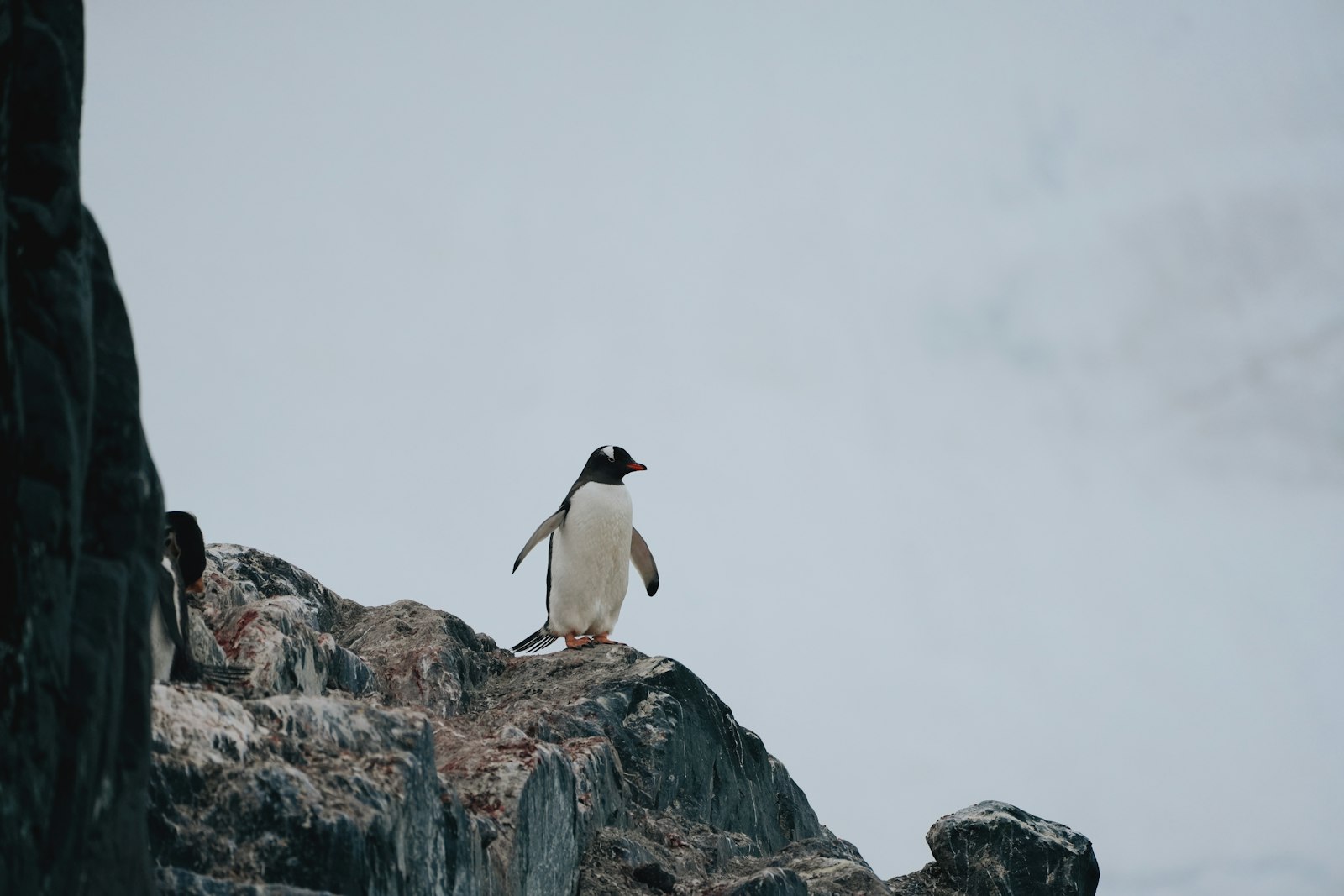
The lonely lighthouse at Cape Pembroke welcomes arrivals to Stanley. It alerts ships to the treacherous rocks, reefs and shoals for which the Falkland Islands have long been known. With a population of over 2,000 people, Stanley is the largest settlement on the islands. Its gardens, tea rooms, brightly colored houses and hotels lend it a slightly Victorian feel, seemingly suspended in time. The Anglican Cathedral, the southernmost in the world, stands prominently on Stanley’s waterfront. The Falklands’ unique abundance of wildlife is evident in Stanley. Dolphins visit its harbor, while steamer ducks, kelp gulls, and other birds abound on shore. Southern sea lions can be spotted basking in the sun. Southern giant petrels often fly through town, oblivious to the human presence. Founded in the 1840s, the town was named after Edward Smith-Stanley, Earl of Derby, who never visited the islands. INCLUDED SHORE EXCURSION: Bluff Cove Lagoon: Penguins & Tea Discover breeding King and Gentoo penguins and the abundant bird species of the Falkland Islands on this scenic, off-road excursion to the privately-owned Bluff Cove Lagoon wildlife haven. After tendering ashore, you will be met by the Bluff Cove team and set out with your driver/guide by minibus. A 20-minute journey takes you through Stanley and across the rolling hills to Bluff Cove Farm. Here, switch to a 4x4 Land Rover vehicle. Your skillful driver will navigate the rugged off-road terrain for 20 minutes to the Bluff Cove Lagoon penguin rookery. A knowledgeable and friendly ranger will accompany you on a leisurely stroll through the penguin colony, which features a scenic backdrop of a large lagoon and a white, sandy beach that is occasionally patrolled by sea lions from the nearby island. This beautiful, pristine reserve is home to more than 1,000 breeding pairs of Gentoo penguins which protect the growing colony of King penguins and their chicks. Magellanic penguins, which burrow on the nearby island, can often be found on the beach. Bird species that frequent or nest in the area include skuas, upland geese, ruddy-headed geese, Magellanic oyster-catchers, South American terns, dolphin gulls, flightless Falkland steamer ducks, snowy sheathbills and southern giant petrels, among others. At the legendary Sea Cabbage Café on the beach, relax over tea, coffee and hot chocolate accompanied by delicious home-baked treats such as scones with diddle-dee jam and fresh cream. Bask in the warmth and aroma of the peat stove while the enjoying splendid vistas of waves crashing on the sandy beach and penguins porpoising in. The Bluff Cove Museum, also by the beach, depicts life in the Falklands and tells the story of Bluff Cove. You can find out about the farm, the nearby 1863 ‘sugar wreck’, the 1982 war with Argentina and the fabulous lagoon wildlife. You will have free time to take photographs, stroll along the beach and look around the museum. A small gift shop sells unique Bluff Cove souvenirs, including Bluff Cove tweed items made with the farm wool, and postcards that can be stamped and mailed from here. Look for samples of knitted, crocheted and felted local wool work displayed on the walls of the café and museum. OPTIONAL SHORE EXCURSIONS: Kelp Point Exclusive Wildlife Excursion 74 Days to Victory
Day 34
— The Seabourn Falkland Island Experience (Day 2)
There is nowhere else in the world like the Falkland Islands. This archipelago is a remote, wind-swept place of stunning landscapes, dazzling white sand beaches, magnificent wildlife, and a rather gregarious mix of people. Over 200 islands surround the two main islands of West and East Falkland. These isolated and treeless shores are home to an overwhelming abundance of birdlife: albatross, penguins, caracaras, geese, and many others. Perhaps it was the very remoteness of the islands; the allure of its barren landscapes, pure in their austerity and colorful in their details, and the immensely large open skies that attracted settlers to its shores long ago, the islands have an accumulated a wealth of maritime and military history. More than three hundred shipwrecks litter its shores, while the stark white crosses of both British and Argentine soldiers stand as a silent reminder to the war of 1982. Numerous claims for the islands have been put forward in the course of their history. Nowadays the Falkland Islands are a self-governing British Overseas Territory.
Day 35
— The Seabourn Falkland Island Experience (Day 3)
There is nowhere else in the world like the Falkland Islands. This archipelago is a remote, wind-swept place of stunning landscapes, dazzling white sand beaches, magnificent wildlife, and a rather gregarious mix of people. Over 200 islands surround the two main islands of West and East Falkland. These isolated and treeless shores are home to an overwhelming abundance of birdlife: albatross, penguins, caracaras, geese, and many others. Perhaps it was the very remoteness of the islands; the allure of its barren landscapes, pure in their austerity and colorful in their details, and the immensely large open skies that attracted settlers to its shores long ago, the islands have an accumulated a wealth of maritime and military history. More than three hundred shipwrecks litter its shores, while the stark white crosses of both British and Argentine soldiers stand as a silent reminder to the war of 1982. Numerous claims for the islands have been put forward in the course of their history. Nowadays the Falkland Islands are a self-governing British Overseas Territory.
Days 36-37
— Days At Sea
Day 38
— The Seabourn Antarctic Experience (Day 1)
This is no ordinary day— with no fixed itinerary, the day unfolds like a secret whispered by nature herself. Depending on weather, ice conditions and reported wildlife distribution during your voyage, your Expedition Leader will craft a bespoke adventure, guided by tides and instinct for you to discover.
Day 39
— The Seabourn Antarctic Experience (Day 2)
This is no ordinary day— with no fixed itinerary, the day unfolds like a secret whispered by nature herself. Depending on weather, ice conditions and reported wildlife distribution during your voyage, your Expedition Leader will craft a bespoke adventure, guided by tides and instinct for you to discover.
Day 40
— The Seabourn Antarctic Experience (Day 3)
This is no ordinary day— with no fixed itinerary, the day unfolds like a secret whispered by nature herself. Depending on weather, ice conditions and reported wildlife distribution during your voyage, your Expedition Leader will craft a bespoke adventure, guided by tides and instinct for you to discover.
Day 41
— The Seabourn Antarctic Experience (Day 4)
This is no ordinary day— with no fixed itinerary, the day unfolds like a secret whispered by nature herself. Depending on weather, ice conditions and reported wildlife distribution during your voyage, your Expedition Leader will craft a bespoke adventure, guided by tides and instinct for you to discover.
Day 42
— The Seabourn Antarctic Experience (Day 5)
This is no ordinary day— with no fixed itinerary, the day unfolds like a secret whispered by nature herself. Depending on weather, ice conditions and reported wildlife distribution during your voyage, your Expedition Leader will craft a bespoke adventure, guided by tides and instinct for you to discover.
Days 43-44
— Days At Sea
Day 45
— Ushuaia, Argentina
Once deemed too harsh for European settlement, Ushuaia's rugged beauty was the realm of its native inhabitants - the Yahgan People. Today, it holds the distinctive title of being the southernmost city on Earth, often referred to as "the end of the world." Situated along the banks of the Beagle Channel, Ushuaia unveils itself like an artist's masterpiece. A mosaic of vibrant houses adds a splash of color against the dramatic backdrop of snow-capped mountains. Dominating this breathtaking panorama is Monte Olivia, its jagged peaks soaring 4,530 feet above the landscape. The terrain transforms from dense forests of Southern beech trees at sea level to alpine ecosystems as you ascend. Thanks to its strategic location and proximity to the Antarctic Peninsula, Ushuaia has earned its status as the gateway to the Great White Continent. Yet, Ushuaia is more than just a stepping stone to Antarctica. It's a treasure trove of natural history, indigenous heritage, and the spirit of exploration. From embarking on awe-inspiring treks in the nearby Tierra del Fuego National Park to delving into the rich narratives at "The End of the World" museum, Ushuaia promises a plethora of experiences that cater to the curious and the adventurous alike.
Day 45
— Buenos Aires
Ezeiza International Airport, the airport for Buenos Aires. Referred to as the "Paris of South America", Buenos Aires is considered as one of the most livable cities in South America. Although the bustling capital city has just under 3,000,000 inhabitants and a population density of 13,680 inhabitants per square kilometer (34,800 per square mile), it was rated in 2018 as one of the top cities on the continent for its ‘quality of life’. Twinned with world cities such as Moscow and Miami, Buenos Aires displays through its architecture, a cultural past rooted in both the Old and New Worlds. A vibrancy for life can be seen everywhere. Crowded public markets, street performers dancing the tango, colorful graffiti-style street art, ultra-modern buildings, a dramatic skyline and a bustling port. Culturally, Buenos Aires has the busiest live theatre industry on Earth, outperforming New York, London and Paris. Every weekend, over 300 theatres are active with plays and productions. Buenos Aires was founded in 1580 by Spanish explorer Juan de Garay, and has changed hands many times during its history.