| Scientific name | Dissostichus mawsoni |
|---|---|
| Conservation status | LC Least Concern |
| Body length | 1.3–2.1 m |
| Weight | 30–135 kg |
| Primary diet | Silverfish, icefish, grenadiers & deep-sea squid |
| Polar adaptation | To 2,200 m · antifreeze glycoproteins |
| Did you know? | Lacking a swim bladder, adult Antarctic toothfish achieve effortless neutral buoyancy in sub-zero water by storing lightweight lipids and cartilaginous skeletons as they age. |
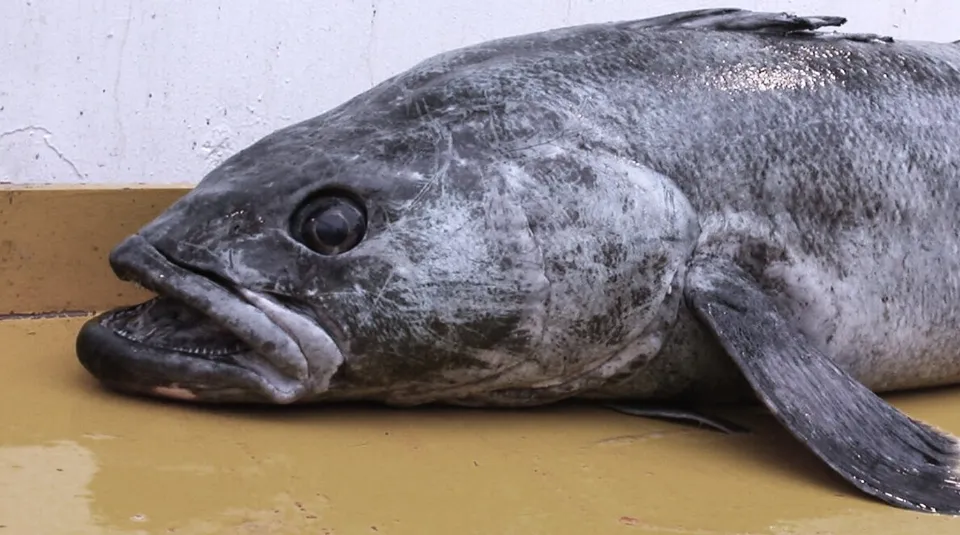
Reaching lengths over two metres and weights exceeding 120 kilograms, the Antarctic toothfish (Dissostichus mawsoni) occupies the ecological role of large sharks across high-Antarctic continental shelves where seawater sits at −1.9 °C year-round. To prevent ice crystals from rupturing its cells below the freezing point of normal fish blood, its liver synthesizes specialized antifreeze glycoproteins while lipid deposits replace a swim bladder for neutral buoyancy.
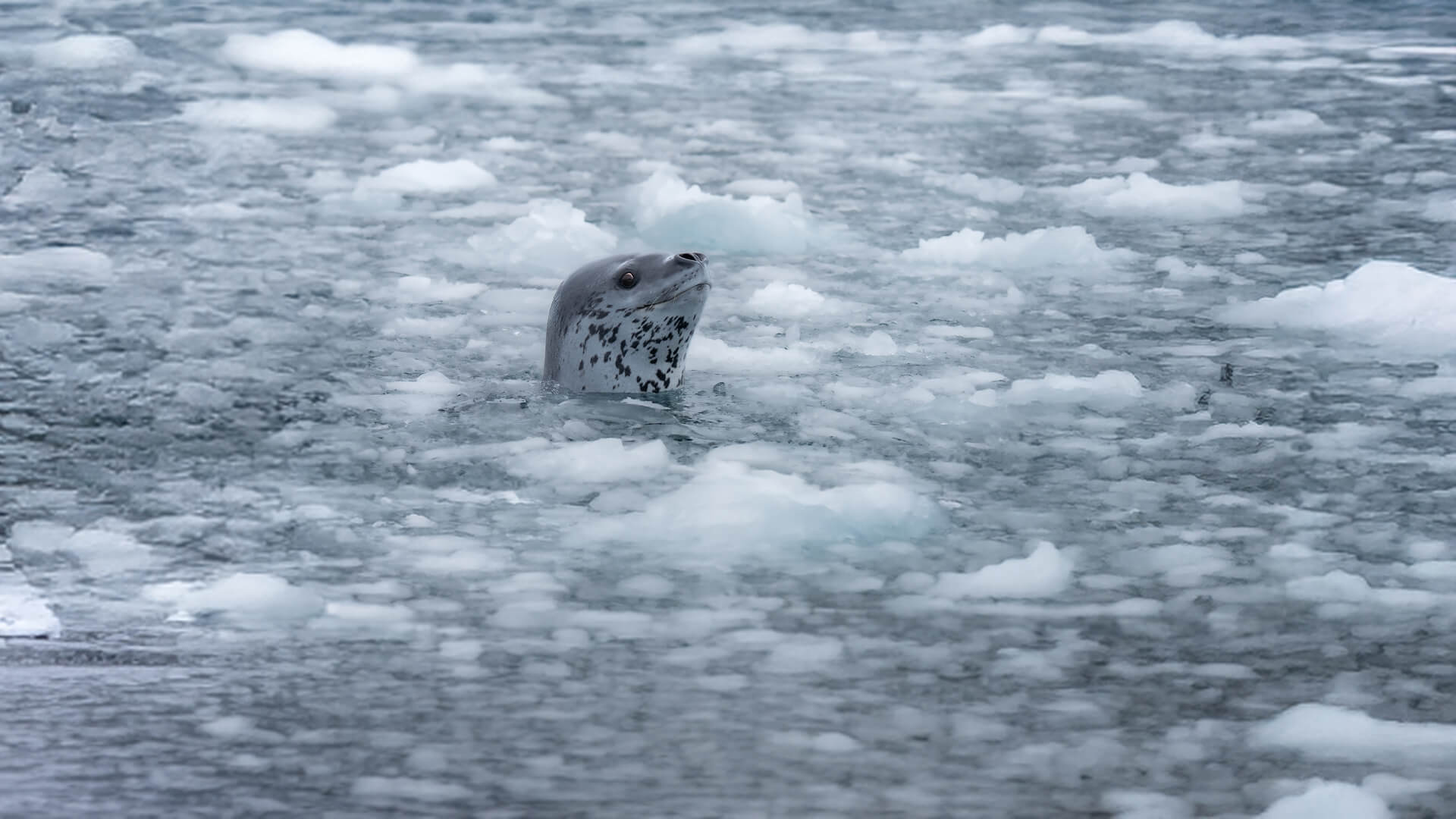
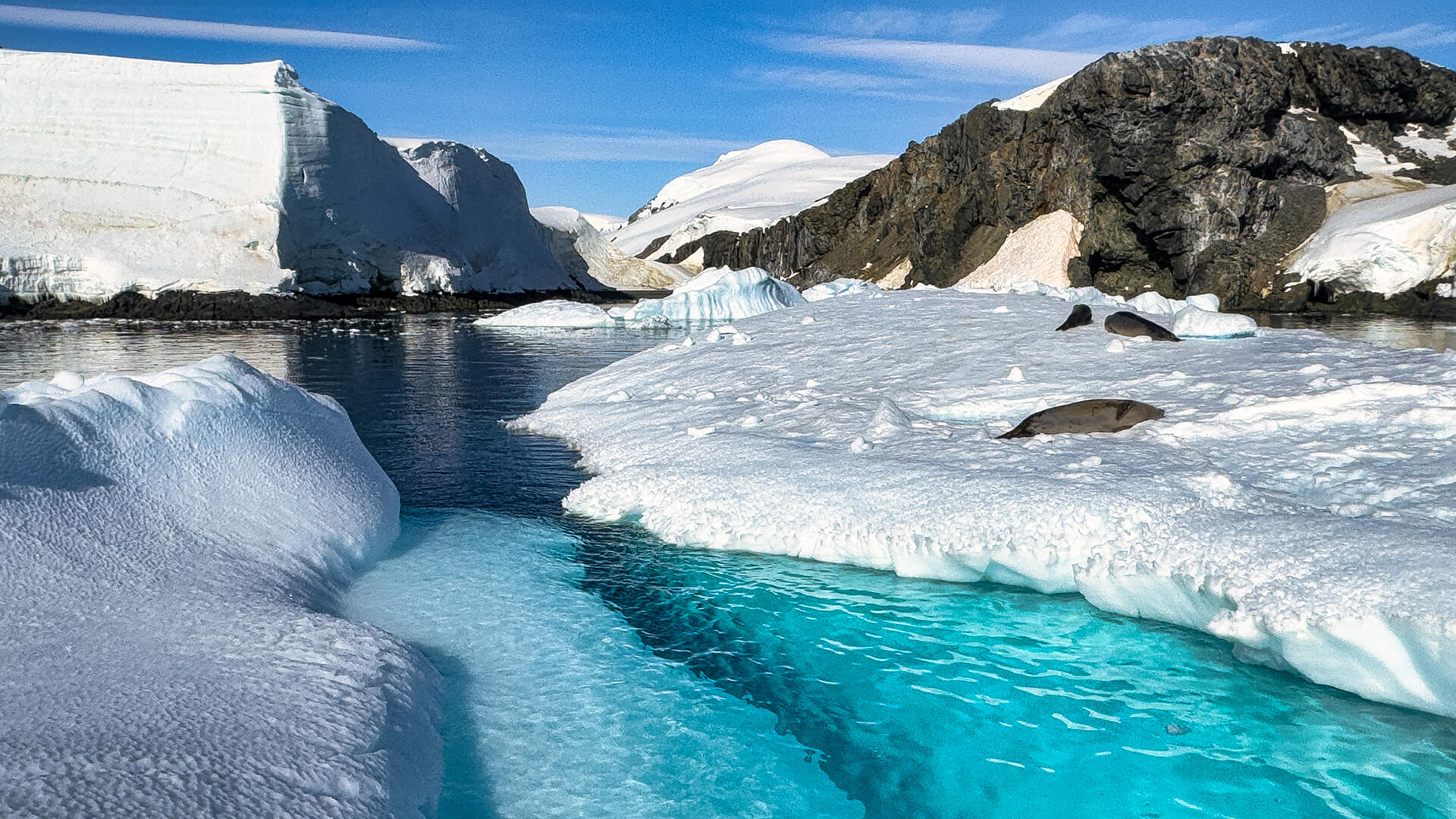
Protected inside the vast Ross Sea Region Marine Protected Area, giant toothfish are the prized quarry of deep-diving Weddell seals and Ross Sea Type C (“fish-eating”) killer whales — occasionally surfaced right beside fast-ice edges in McMurdo Sound.
When to Spot Antarctic Toothfish (Oct–Mar)
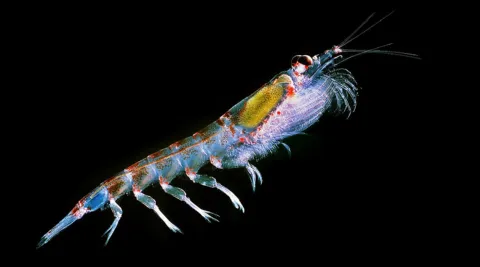
Southern Ocean summer daylight drives massive phytoplankton and krill blooms from December through February across polar upwelling zones.
Frequently asked questions about Antarctic Toothfish
Browse all Antarctica expedition FAQsWhen is the best time to see Antarctic Toothfish in Antarctica?
Peak sighting months for Antarctic Toothfish are December, January, February. Southern Ocean summer daylight drives massive phytoplankton and krill blooms from December through February across polar upwelling zones. Compare conditions in our Early, Peak & Late Summer FAQ.
Where can you spot Antarctic Toothfish on an Antarctica cruise?
Antarctic Toothfish (Dissostichus mawsoni) is primarily encountered in Antarctic Peninsula, South Shetland Islands, Weddell Sea, Ross Sea, with 943 upcoming expedition departures visiting these habitats. Key field traits: diet of Silverfish, icefish, grenadiers & deep-sea squid; Polar adaptation: To 2,200 m · antifreeze glycoproteins. Learn how daily Zodiac excursions and shore landings work.
How close can you approach Antarctic Toothfish under IAATO rules?
Under mandatory IAATO wildlife distance and biosecurity rules, visitors ashore must keep at least 5 metres (15 feet) from Antarctic Toothfish, give birds the right of way on colony trails, and never kneel or place gear on the snow. If a curious penguin walks closer on its own, remain still and let it pass. See our recommended camera lenses (70–200mm / 100–400mm).