Wildlife
Blue Whale
The blue whale is the largest animal known to have existed, reaching up to 30 metres in length and 200 tonnes in weight. Sightings are rare but unmistakable, usually a distant blow and a long grey-blue back rolling at the surface.
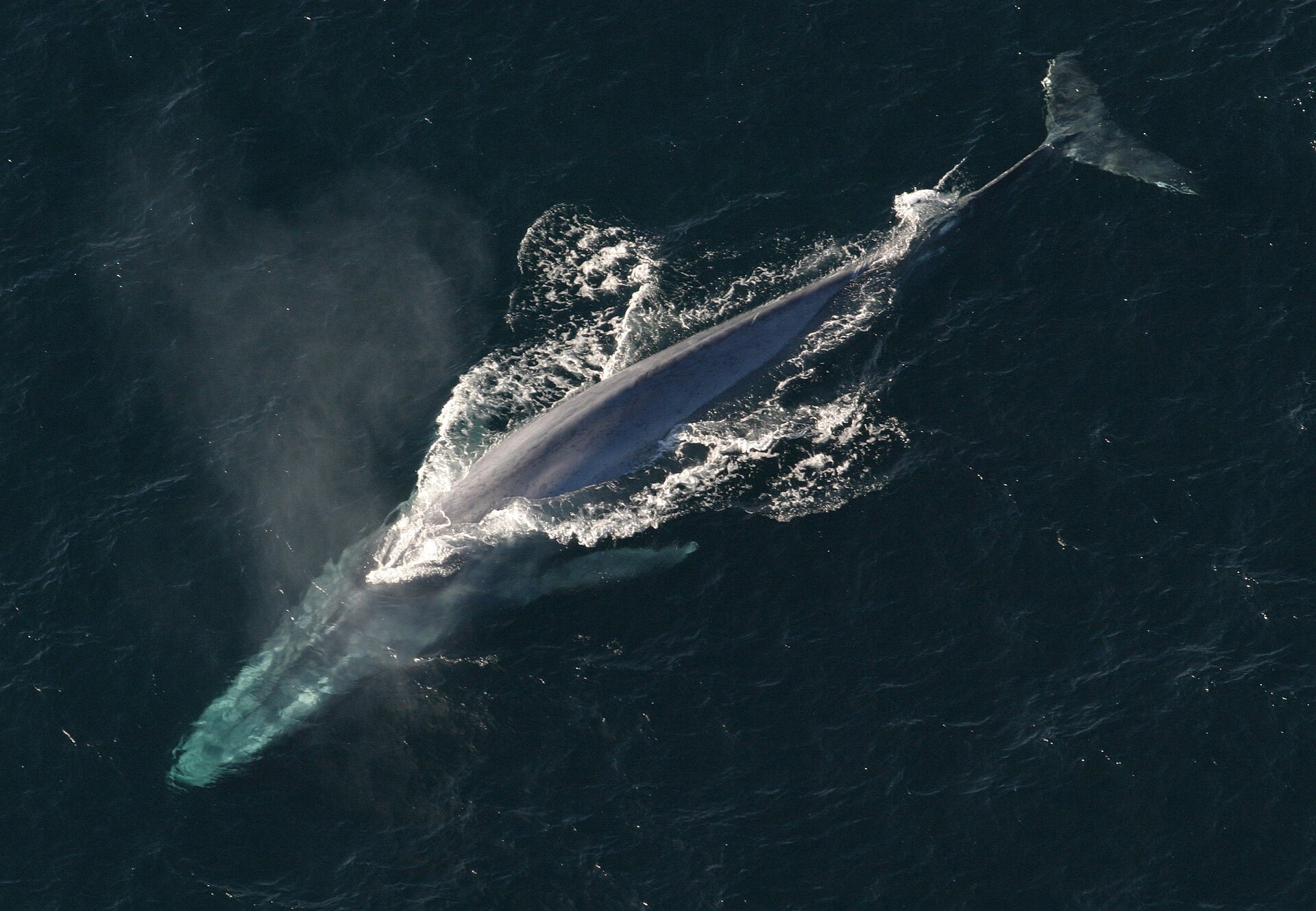
The Southern Ocean subspecies, Balaenoptera musculus intermedia, is the one you have a chance of meeting on an Antarctic voyage, generally between December and March when whales move south to feed. Krill is effectively their only food, and the dense swarms found around the Antarctic Peninsula and through the Scotia Sea are exactly what draws them in. Sightings are never guaranteed — blue whales are usually solitary or seen in twos, with no social structure beyond a mother and calf travelling together — but the reward is a body that can stretch close to 30 metres, longer than most ships' zodiacs laid end to end.
Waters off South Georgia are another place expedition staff keep binoculars ready, given the productive feeding grounds nearby. Blue whales were hunted here heavily through the whaling era, brought to the edge of extinction before the International Whaling Commission's 1966 ban, and numbers are still recovering; the species remains listed as endangered. What you are looking for from the deck is a tall, single blow and a long grey-blue back that seems to take a while to finish surfacing — a fair indication of just how much animal is beneath the water.
Find departures that go there →
More highlights
Wildlife
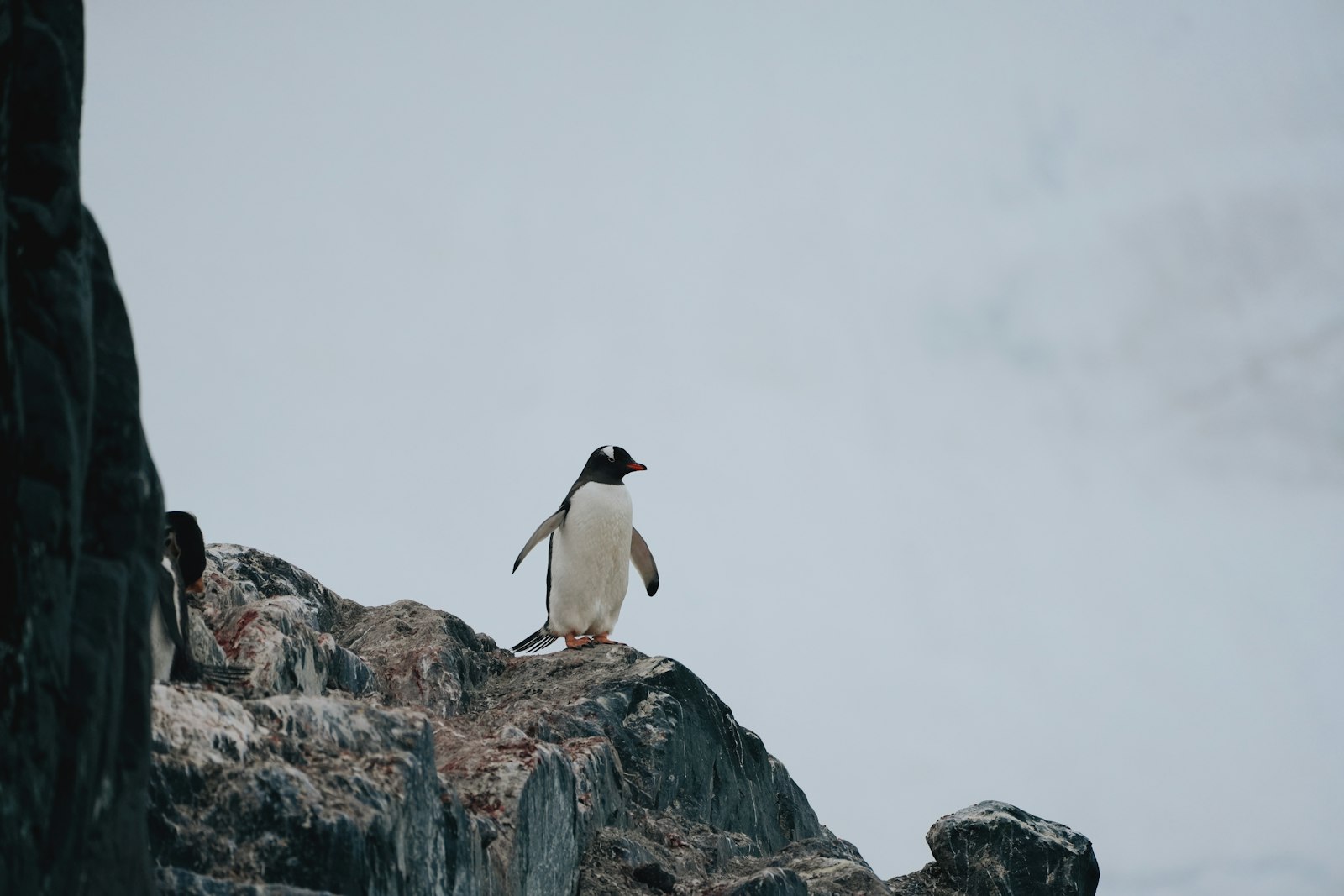
Gentoo Penguin
A stocky, orange-billed penguin of the genus Pygoscelis, closest kin to the Adélie and Chinstrap. Its loud, trumpeting call, delivered with head thrown back, carries across the shoreline colonies where expedition landings are made.
Wildlife
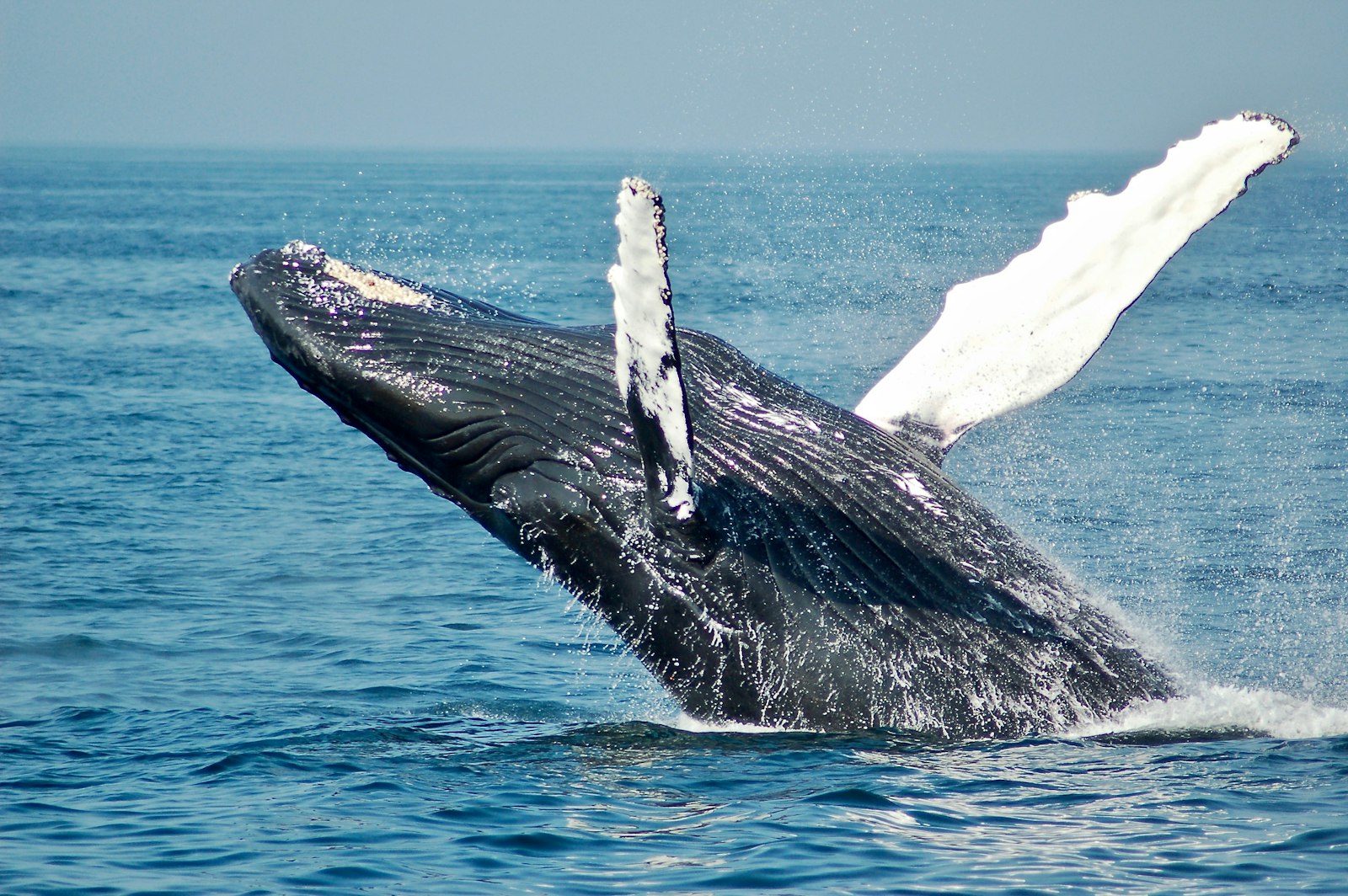
Humpback Whale
A 14–17 metre baleen whale known for breaching and long pectoral fins, often seen feeding on krill in loose groups along the ice edge.
Wildlife
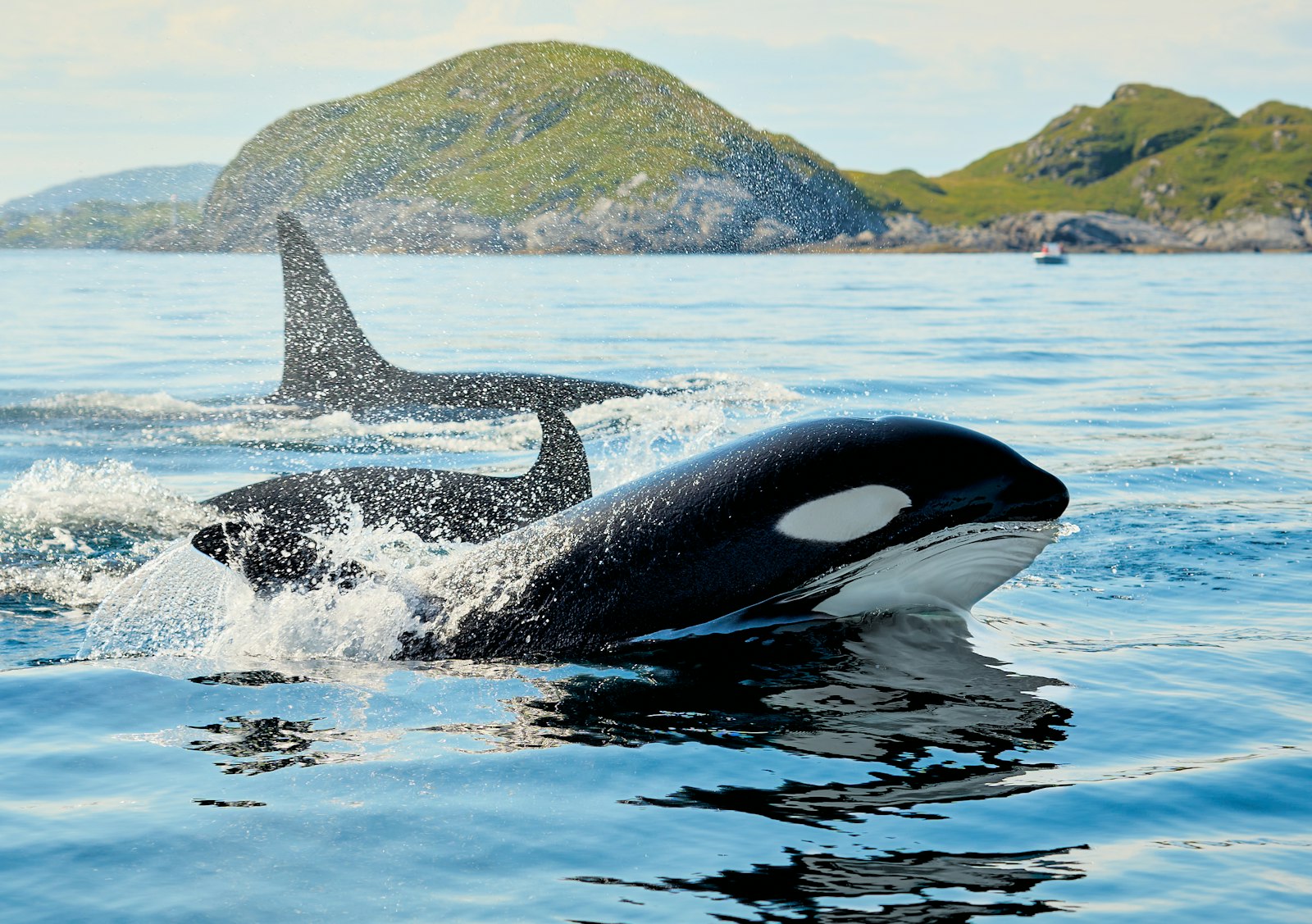
Orca
Black and white apex predator instantly recognizable by its pale eye patches, the orca is the largest of the dolphins and one of the ocean's most capable hunters. Sightings often involve a tight-knit family pod working the ice edge together.