Wildlife
Macaroni Penguin
Look for the shaggy yellow eyebrows: this stocky, crested penguin breeds in dense, noisy colonies across the Southern Ocean. It's the most numerous penguin species on Earth, though its numbers have been falling since the 1970s.
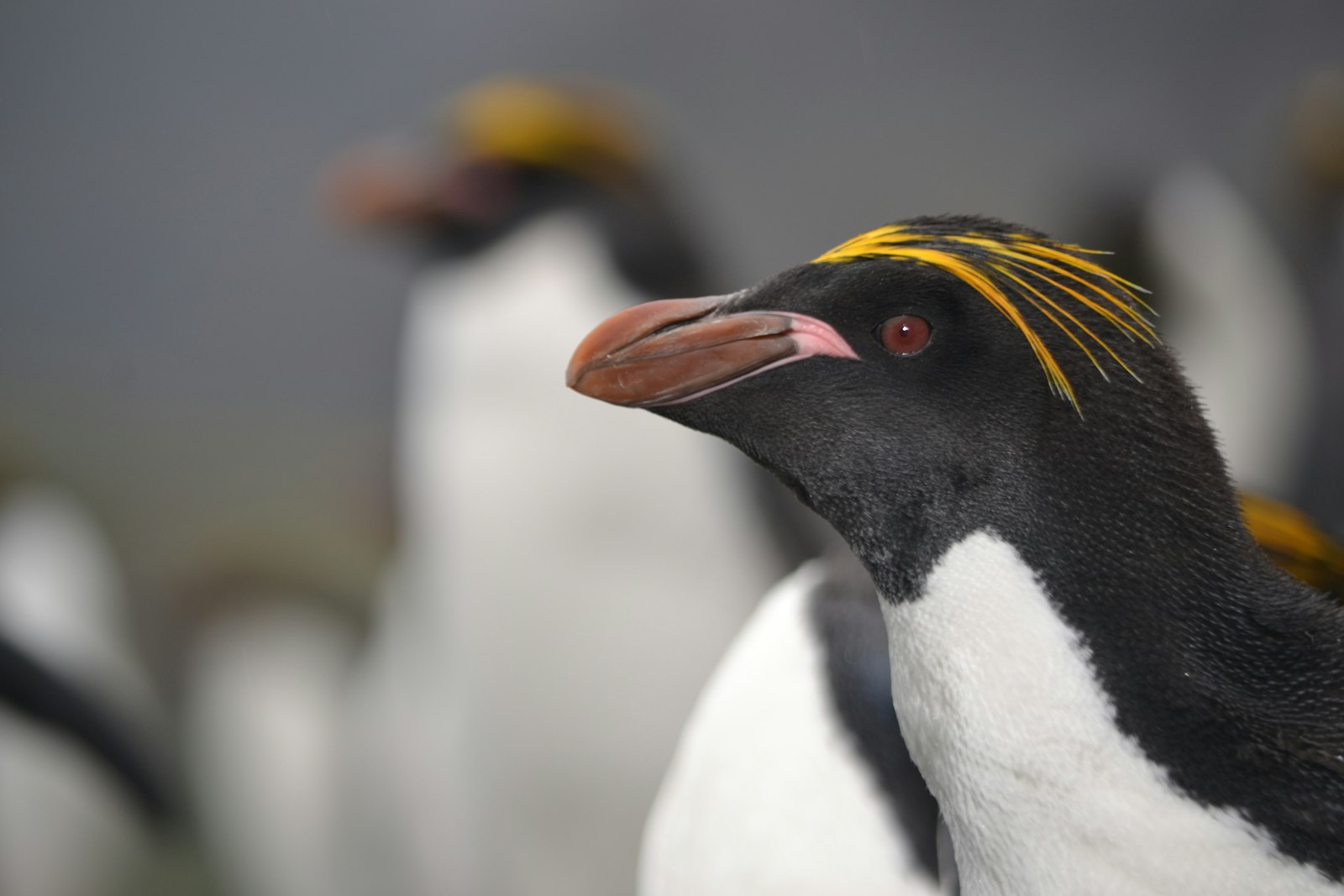
You'll recognise the macaroni penguin long before you're close enough to see its eyes: a spiky yellow-orange crest fans out above a black face, set hard against a white belly. Adults run about 70 cm long and 5.5 kg, with the males carrying a slightly heavier build and bigger bill. On our itineraries the reliable places to find them ashore are South Georgia, the South Sandwich Islands, and parts of the Falkland Islands, where they haul out onto tussock-covered slopes in their tens of thousands during the austral summer breeding season.
These are some of the largest and densest penguin colonies anywhere, with single sites holding up to 100,000 birds shoulder to shoulder — the noise and smell are part of the experience. Once the chicks are off and the season winds down, adults spend three to four weeks ashore to moult before heading back to sea, so early autumn visits can still catch birds standing around looking distinctly ragged.
Underwater, macaroni penguins are serious feeders, taking mostly krill along with small fish and squid; as a species they get through more marine life each year than any other seabird. After breeding, they scatter across the Southern Ocean for roughly six months — birds tracked from Kerguelen have covered over 10,000 km in a single dispersal. With around 18 million individuals, it remains the most numerous penguin species alive, though steady declines since the mid-1970s have left it classified as vulnerable, which makes seeing a working colony now rather than later worth planning around.
Find departures that go there →
More highlights
Wildlife
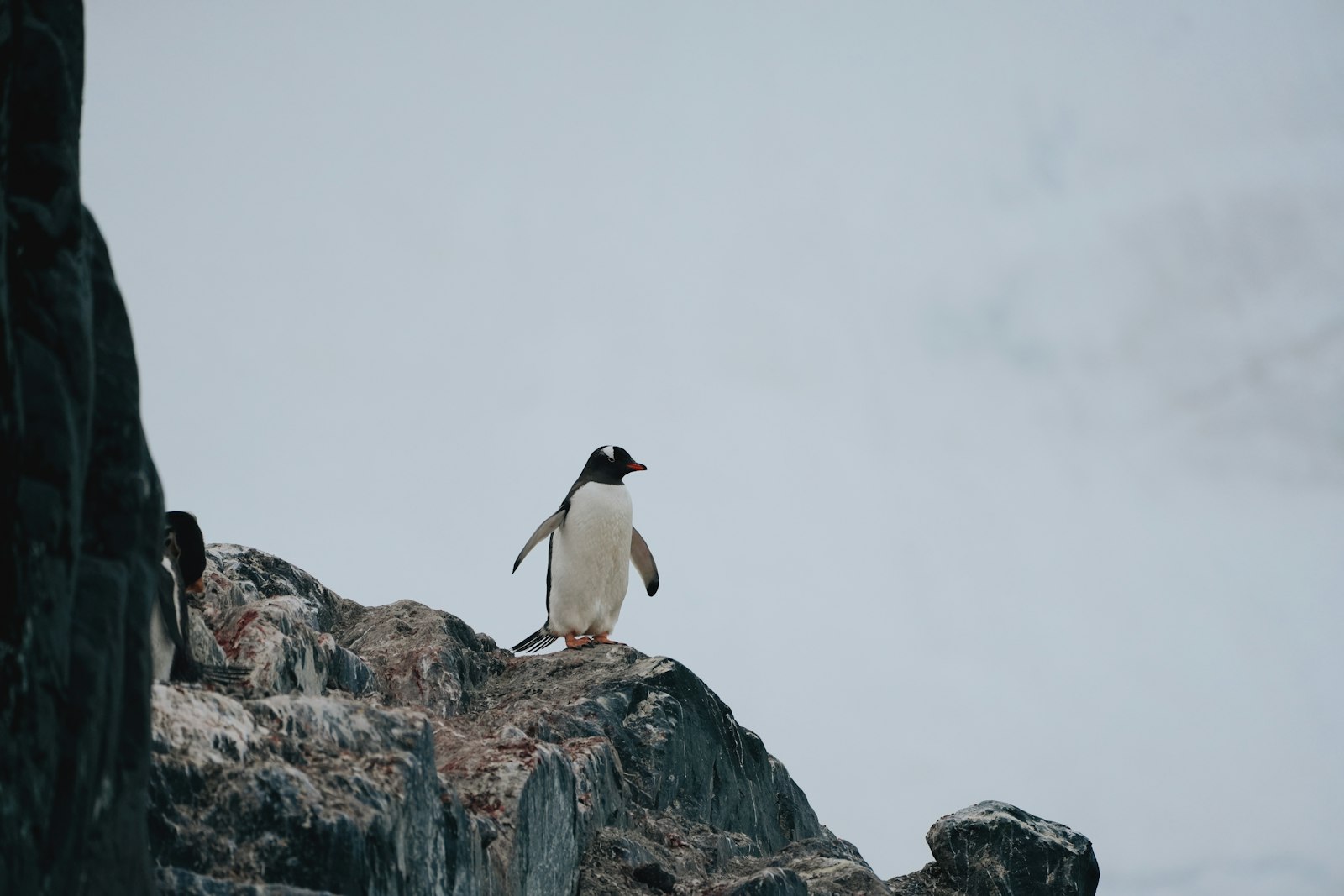
Gentoo Penguin
A stocky, orange-billed penguin of the genus Pygoscelis, closest kin to the Adélie and Chinstrap. Its loud, trumpeting call, delivered with head thrown back, carries across the shoreline colonies where expedition landings are made.
Wildlife
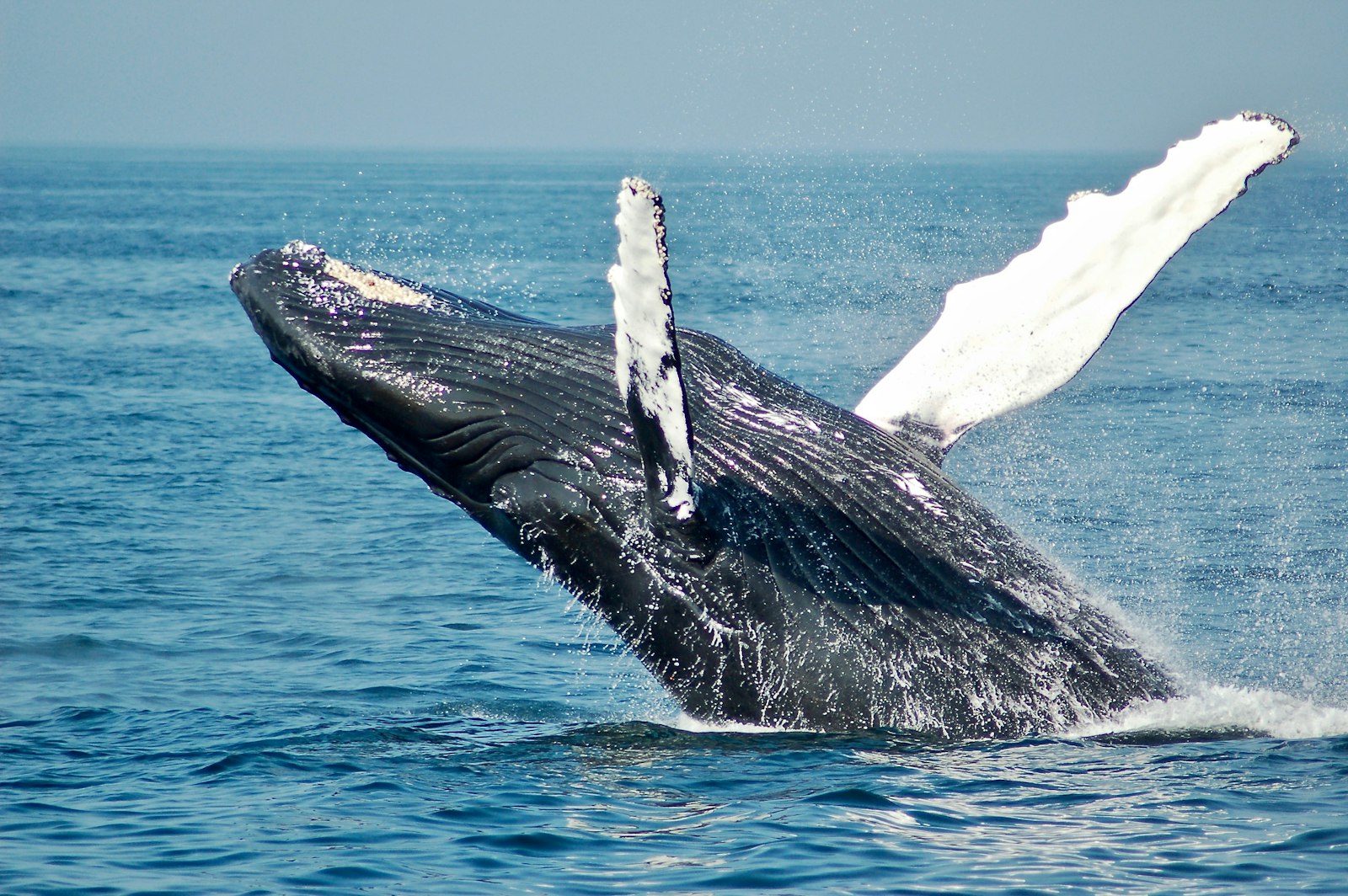
Humpback Whale
A 14–17 metre baleen whale known for breaching and long pectoral fins, often seen feeding on krill in loose groups along the ice edge.
Wildlife
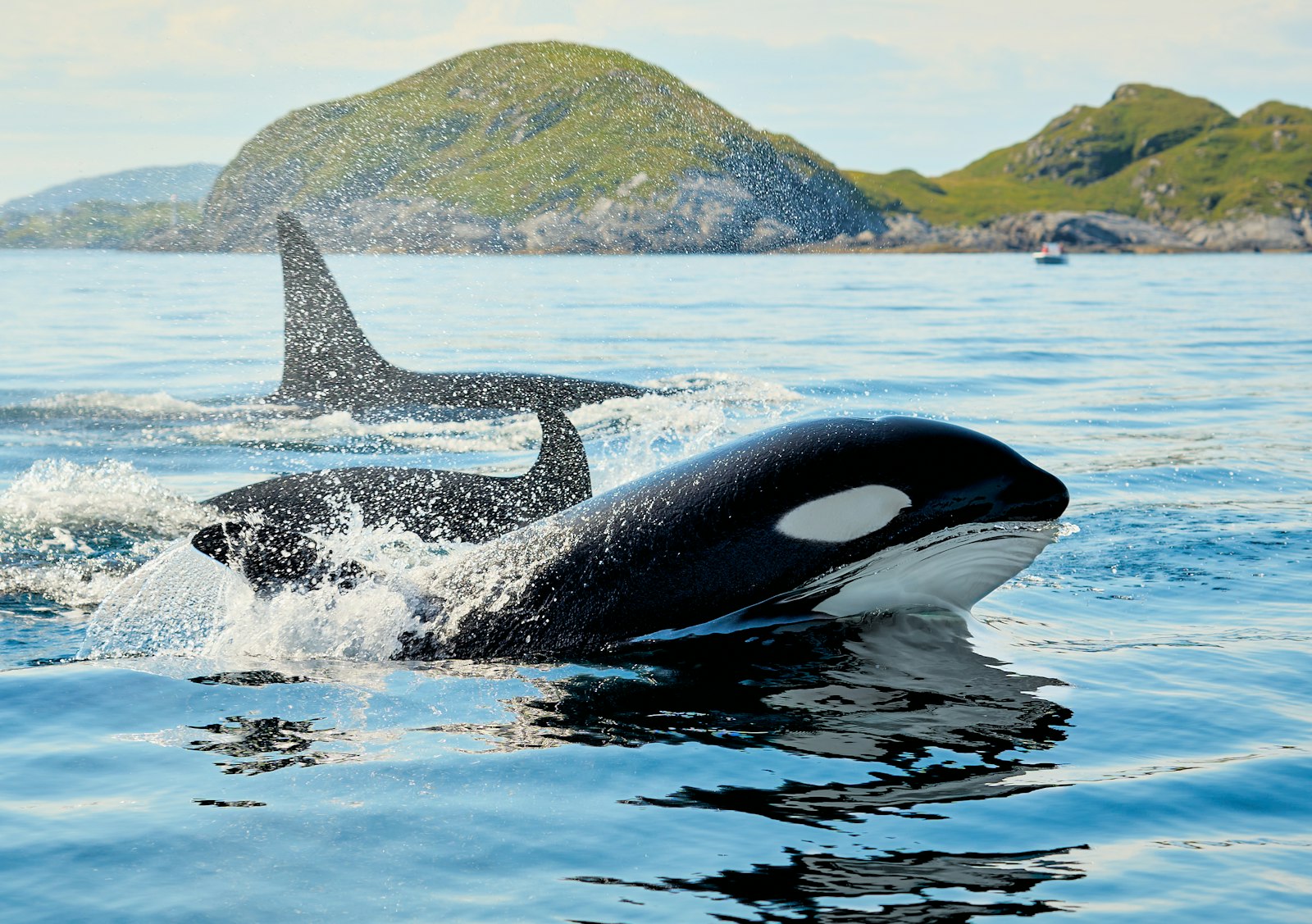
Orca
Black and white apex predator instantly recognizable by its pale eye patches, the orca is the largest of the dolphins and one of the ocean's most capable hunters. Sightings often involve a tight-knit family pod working the ice edge together.