Wildlife
Sei Whale
The sei whale is the third-largest rorqual after the blue and fin whale, and one of the fastest cetaceans afloat, capable of short bursts near 50 km/h. It favours deep offshore water, so a sighting on the crossing south is a genuine bonus rather than a certainty.
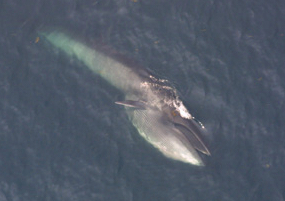
Sei whales are built for open water rather than coastlines, and that is exactly where expedition itineraries put you. Crossing the Drake Passage or working through the Scotia Sea, keep an eye on calmer stretches of deep water; sei whales avoid polar and tropical extremes and semi-enclosed bays, so they turn up mid-ocean rather than tucked into fjords. They are usually solitary or in loose groups of five or six, surfacing briefly to breathe before continuing at speed, and that speed is real: this is one of the fastest whales in the world, capable of short sprints around 50 km/h.
Around South Georgia and along the broader migration corridor, sightings cluster with the austral summer, when sei whales are moving through subpolar feeding waters before their return north to warmer breeding grounds later in the year. They feed by filtering copepods, krill, and other zooplankton, and a feeding animal at the surface is often the best clue to its identity, distinguished by a dark steel-grey body and the paler, blotchy patches sometimes visible along its underside.
Two centuries of commercial whaling took a severe toll on the species, with more than 255,000 killed across the twentieth century alone, and it remains listed as endangered. Numbers are recovering, however, which is part of why a distant blow or a fast, low dorsal fin cutting through these southern waters still counts as one of the more quietly memorable sightings of a voyage.
Find departures that go there →
More highlights
Wildlife
Gentoo Penguin
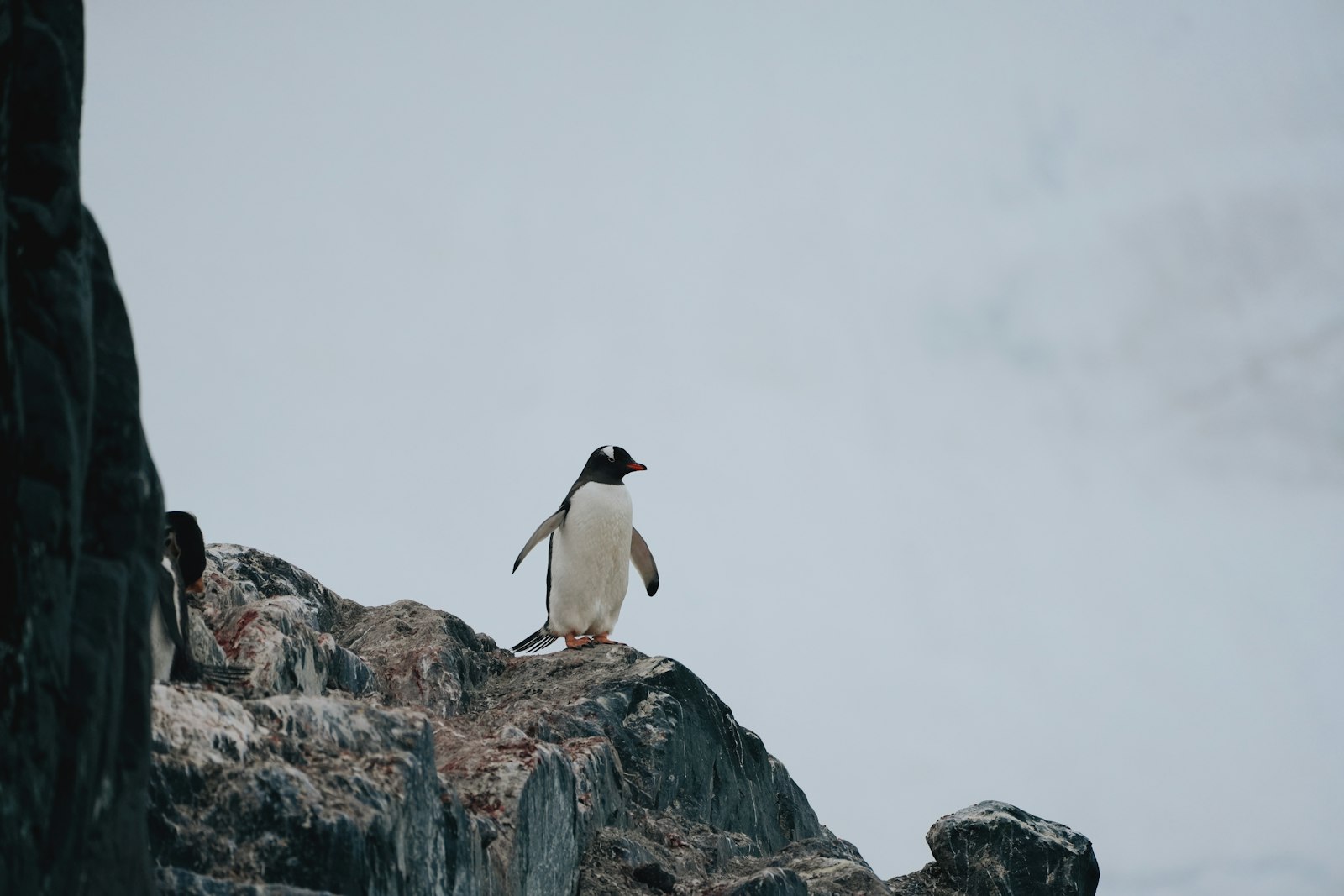
A stocky, orange-billed penguin of the genus Pygoscelis, closest kin to the Adélie and Chinstrap. Its loud, trumpeting call, delivered with head thrown back, carries across the shoreline colonies where expedition landings are made.
Wildlife
Humpback Whale
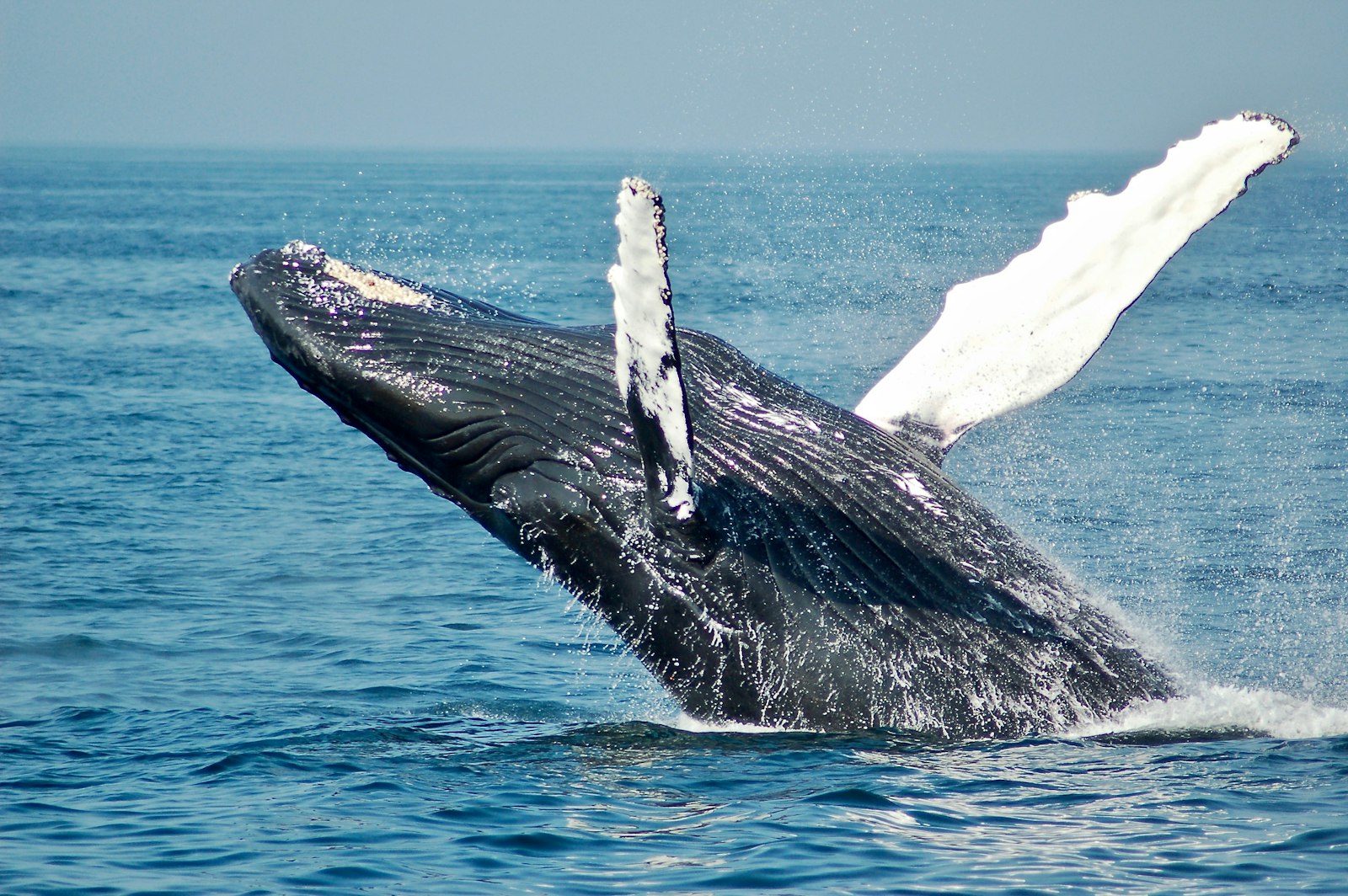
A 14–17 metre baleen whale known for breaching and long pectoral fins, often seen feeding on krill in loose groups along the ice edge.
Wildlife
Orca
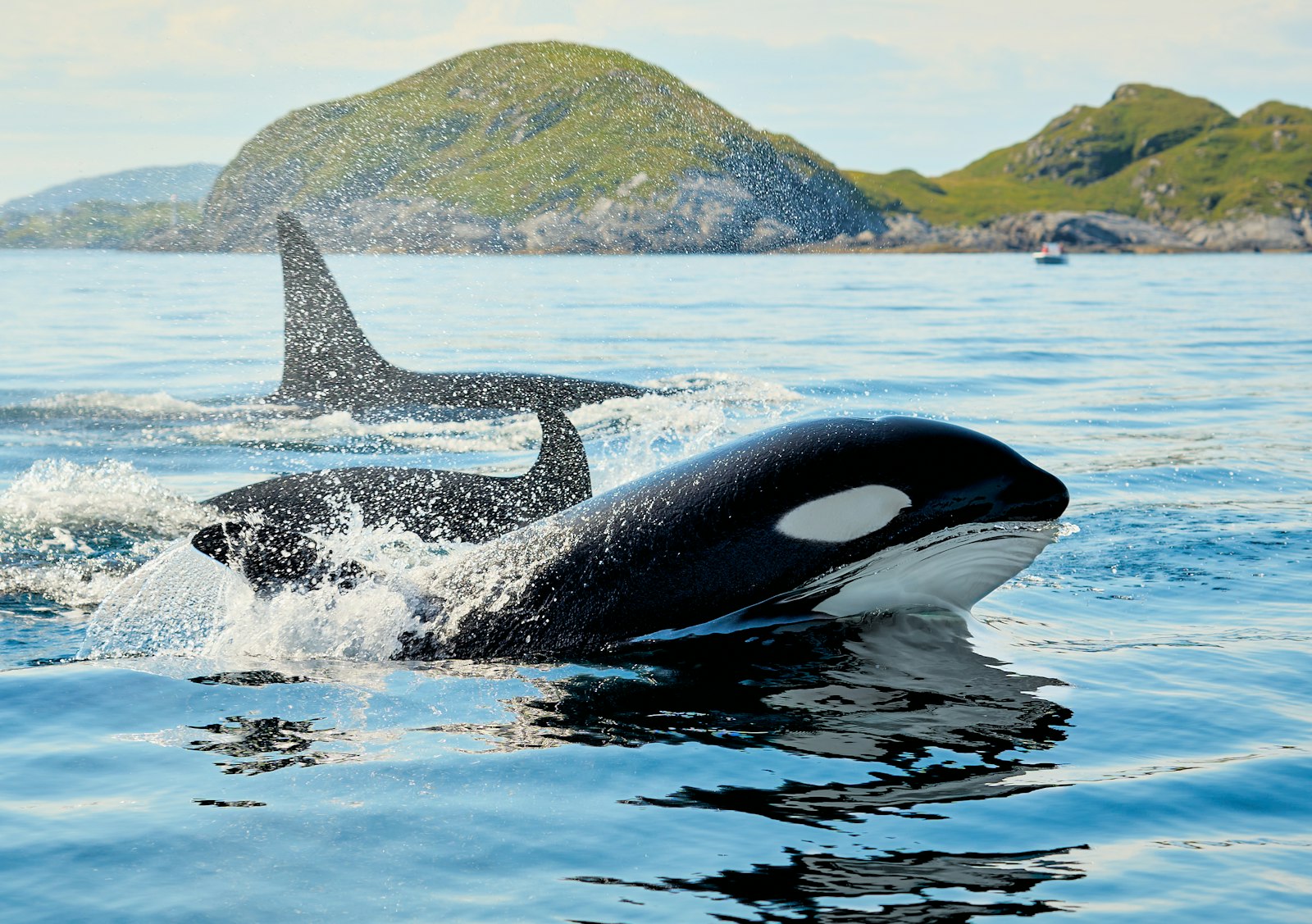
Black and white apex predator instantly recognizable by its pale eye patches, the orca is the largest of the dolphins and one of the ocean's most capable hunters. Sightings often involve a tight-knit family pod working the ice edge together.