Wildlife
Sperm Whale
The sperm whale is the largest toothed predator on Earth, hunting giant squid at depths few other mammals reach. Its blunt, box-shaped head holds the largest brain of any animal.
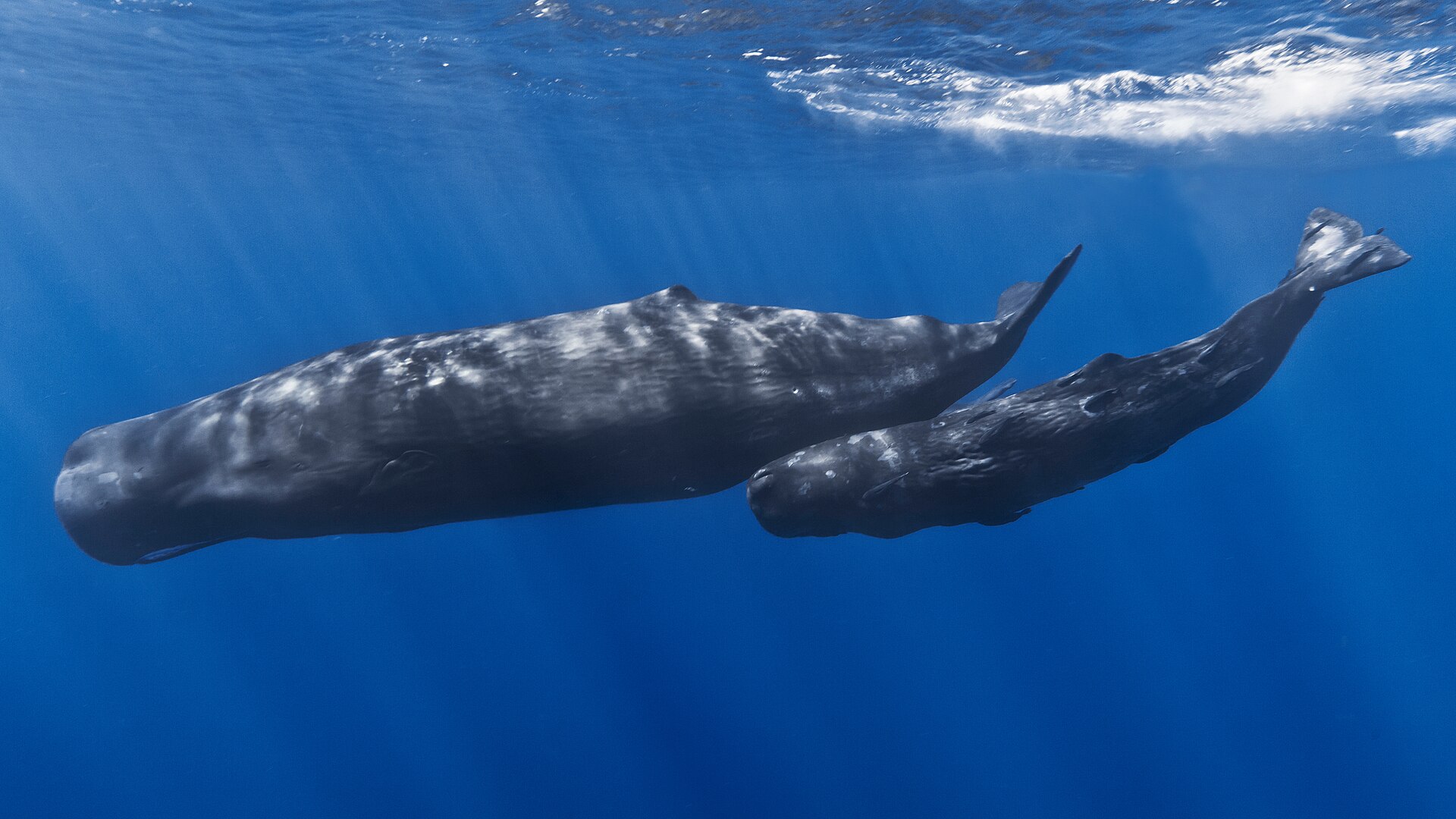
Sightings on Antarctic crossings are opportunistic rather than guaranteed, but the Drake Passage and the Scotia Sea are both deep-water transit routes where a solitary bull sperm whale can surface unexpectedly, usually during the austral summer months when ships are running the crossing most frequently. Mature males live apart from the female and calf groups outside the mating season, ranging alone into colder, higher-latitude waters to feed, which is why the whales encountered on these southern routes tend to be big, lone bulls rather than family pods.
What you are looking at is the largest toothed predator alive, with males averaging around 16 metres and a head making up as much as a third of that length. That head holds the spermaceti organ, the waxy substance the species is named for and once the target of an entire 19th-century whaling industry, along with the largest brain of any animal on the planet. Below the surface it is capable of extraordinary things: dives to depths of over 2,000 metres in search of squid, and clicks used for echolocation loud enough to be the most powerful sound produced by any living creature.
Calmer waters in the Beagle Channel occasionally offer a closer, more sheltered view during transit at the start or end of a voyage, though this species is far more at home in open ocean. Sperm whales can live 70 years or more, and females raise a single calf for over a decade before another is born, a slow breeding cycle that keeps the species listed as vulnerable despite decades of protection under the international whaling moratorium.
Find departures that go there →
More highlights
Wildlife
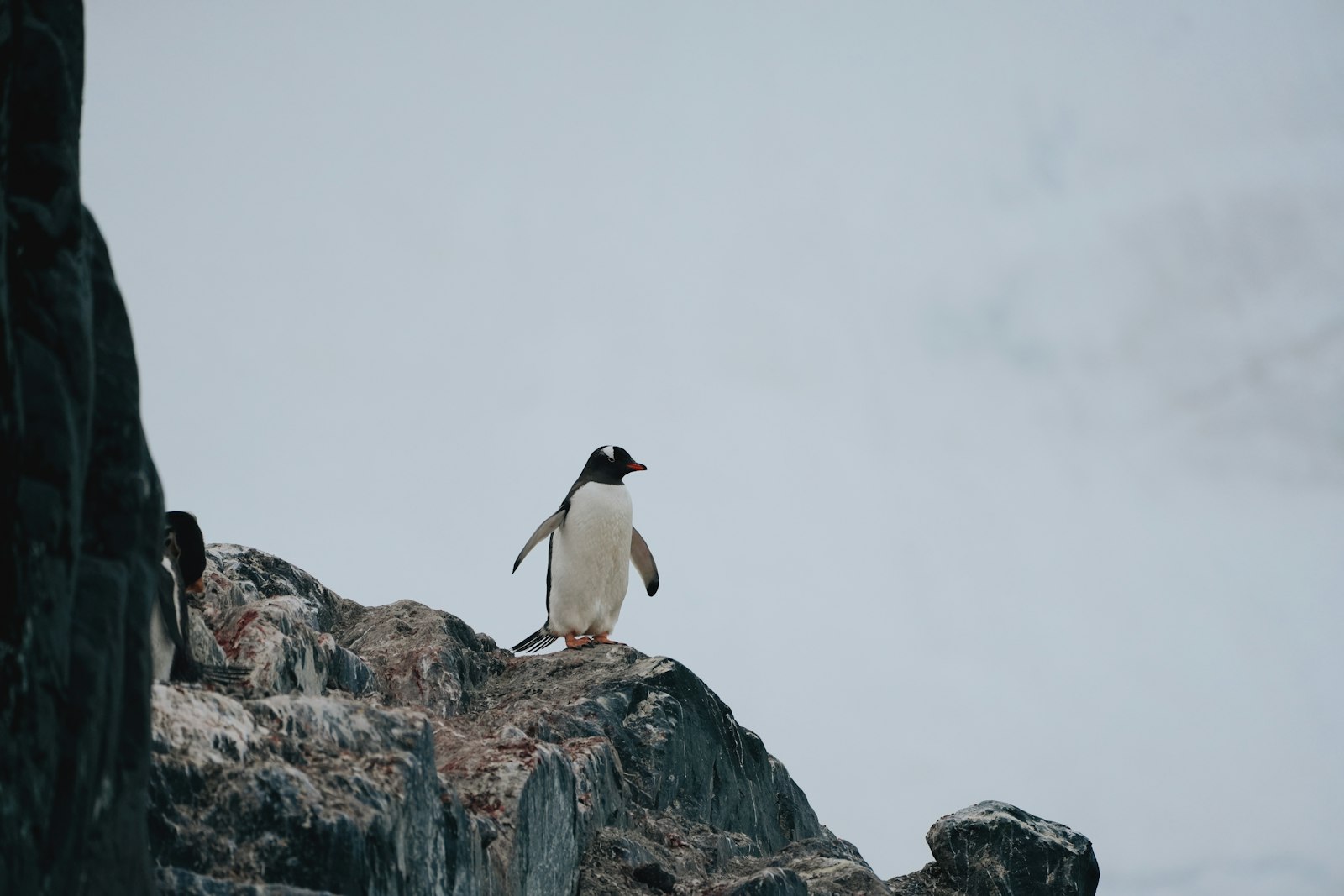
Gentoo Penguin
A stocky, orange-billed penguin of the genus Pygoscelis, closest kin to the Adélie and Chinstrap. Its loud, trumpeting call, delivered with head thrown back, carries across the shoreline colonies where expedition landings are made.
Wildlife
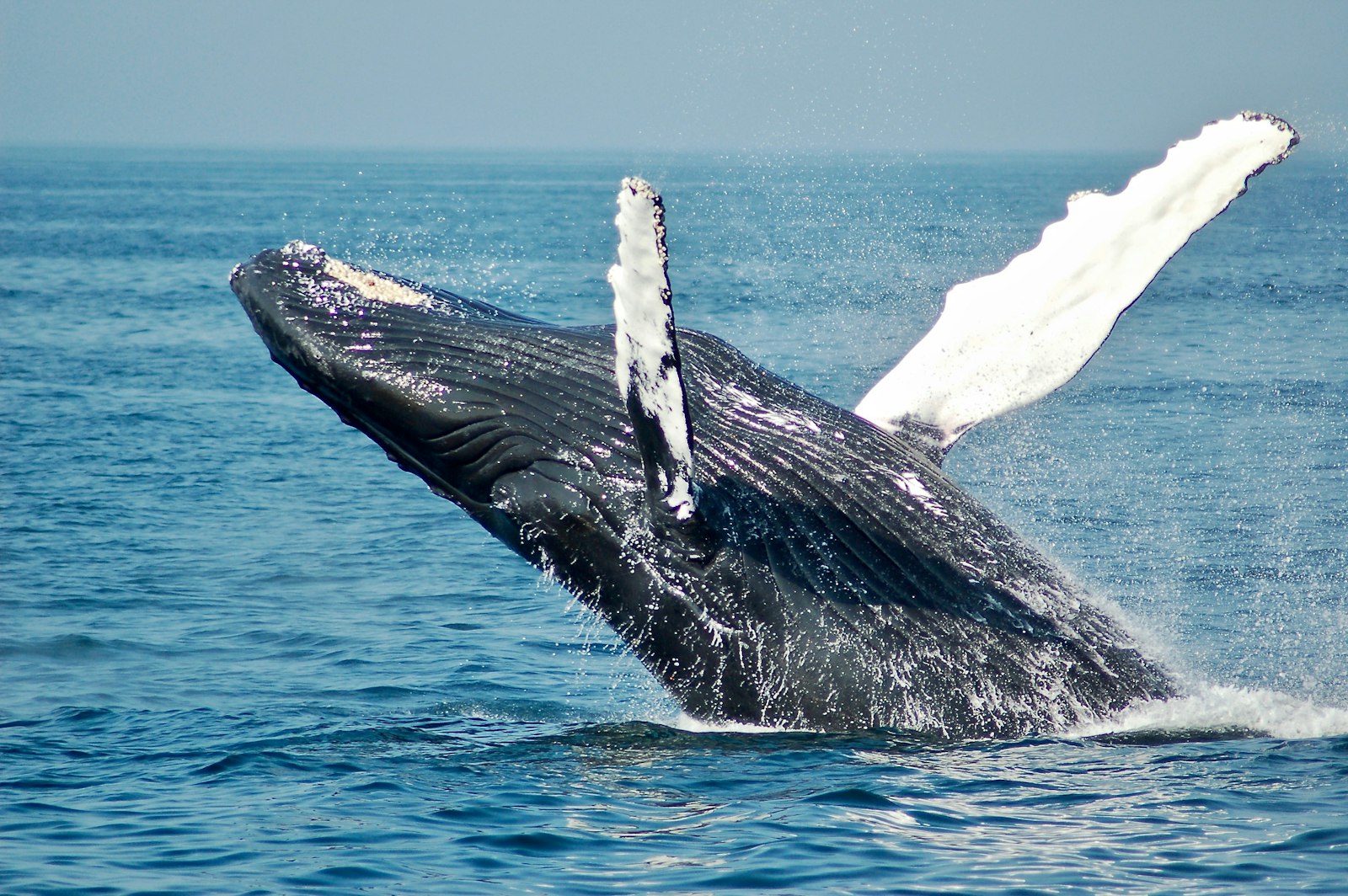
Humpback Whale
A 14–17 metre baleen whale known for breaching and long pectoral fins, often seen feeding on krill in loose groups along the ice edge.
Wildlife
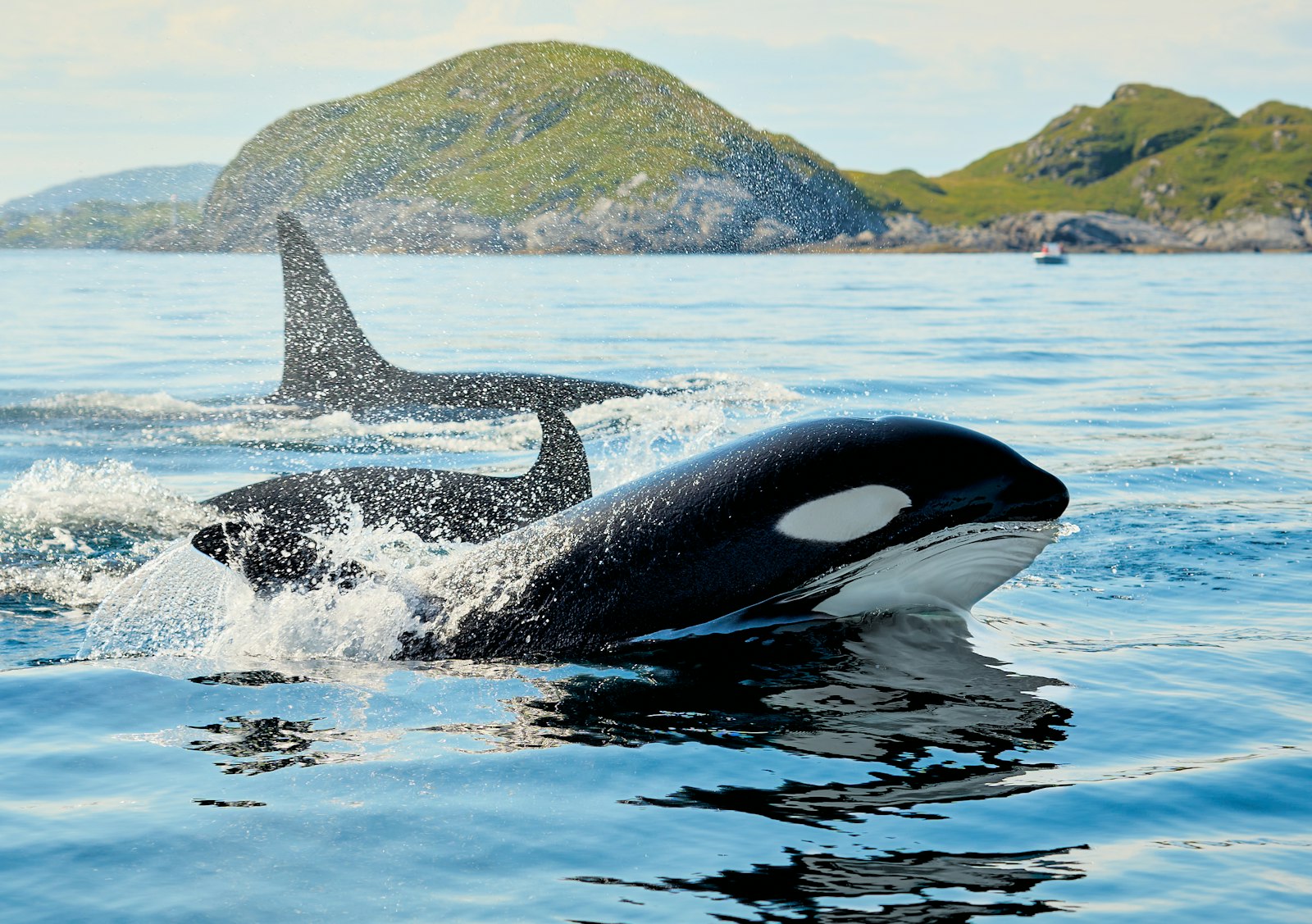
Orca
Black and white apex predator instantly recognizable by its pale eye patches, the orca is the largest of the dolphins and one of the ocean's most capable hunters. Sightings often involve a tight-knit family pod working the ice edge together.