Day 1
— Arrive in Buenos Aires, Argentina
Upon arriving in this cosmopolitan city, known for its architecture and rich European heritage, you will independently transfer to your group hotel (pre-expedition hotel night included in mandatory transfer package).
Day 2
— Fly to Ushuaia and Embark
After an early breakfast at the hotel, the group will transfer to the airport and board our private charter flight to Ushuaia, Argentina.Upon arrival, you will be transferred from the airport to a central downtown location to have some time on your own to explore this quaint port town before making your way to the pier.After a late afternoon embarkation, you will sail along the historic Beagle Channel, which transects the Tierra del Fuego archipelago in the extreme south of South America. Expect an air of anticipation as you depart—the next time you see land, you’ll be in the remote Antarctic wilderness!
Day 3
— At Sea
Your days at sea are filled with presentations led by your Expedition Team on photography, wildlife, glaciology, and history. In between presentations, spend time on deck looking for wildlife or chatting with your shipmates over a drink at the bar.
Day 4 & 5
— Falkland Islands (Islas Malvinas)
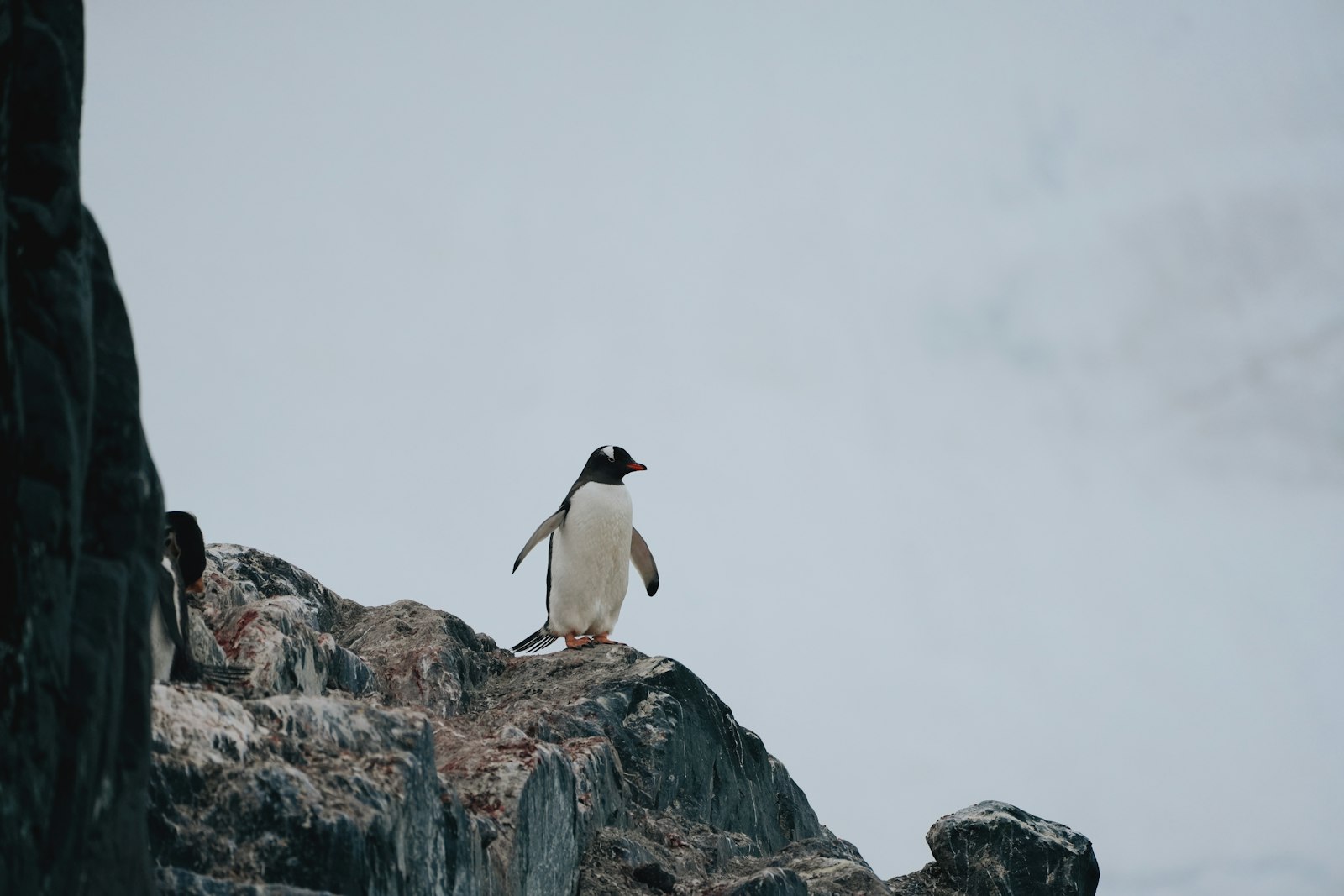
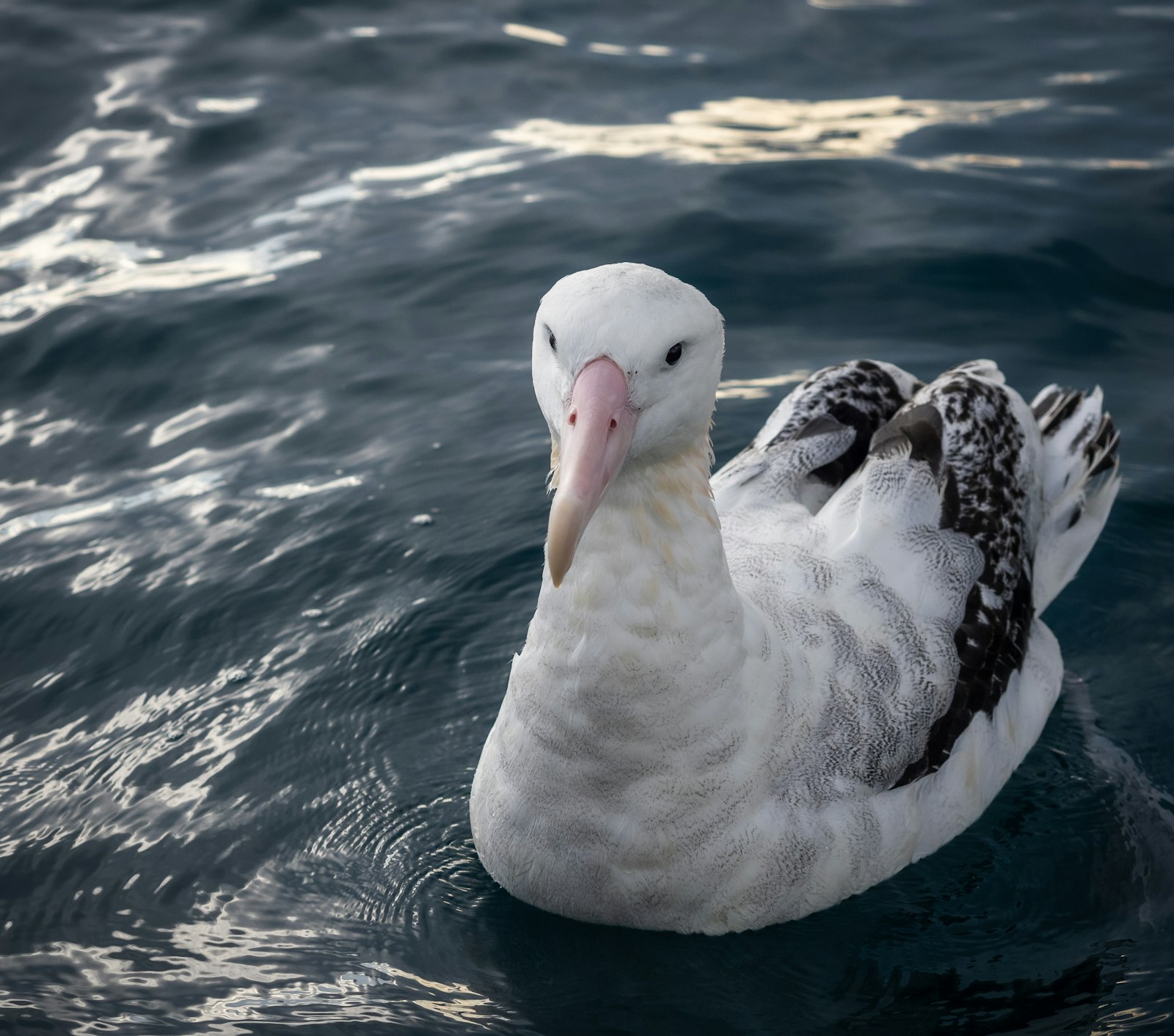
Upon your arrival in the Falklands (Malvinas), your camera will get its first real workout capturing the abundant wildlife and rugged feel of this sub- Antarctic region. The archipelago contains two main islands, East Falkland and West Falkland, which you will explore during daily Zodiac excursions and landings.Stanley, also known as Port Stanley, is a favorite landing site, as the town offers a unique British outpost feel, complete with eclectic charm. You’ll be free to explore, grab a pint at the local pub, or visit the numerous churches and museums.The archipelago is rich in wildlife, especially birds, and home to Magellanic, gentoo and southern rockhopper penguins. If you’re lucky, you may even spot king penguins here as well! Chances are good that you’ll see black– browed albatross, plus two endemic bird species—the flightless Falkland steamer duck, and possibly, the elusive Cobb’s wren.Your team of polar experts will enrich your understanding of the local flora and fauna, helping you make the most of your time in the Falklands.
Day 6 & 7
— At Sea
Sailing southeast to South Georgia, you’ll officially enter Antarctic waters once you cross the Antarctic Convergence, an invisible biological boundary encircling the continent. This meeting of oceans, where the cold Antarctic waters mix with the warmer waters of the Indian, Pacific and Atlantic oceans, helps nourish the abundance of krill that attracts whales, seals, and birdlife to this part of the world. Your Expedition Team will notify you when you cross this invisible yet important line, and will also help you look out for the seabirds and marine life that frequent this nutrient-rich area.
Day 8 to 11
— South Georgia
This remote, mountainous island was a popular stop for many historic Antarctic expeditions and was once a centre for whale– and seal–hunting. Today, island wildlife populations are rebounding, but you’ll still see remnants of old whaling stations and other abandoned outposts.Among the most significant and moving sites on South Georgia is the burial spot of the great explorer Sir Ernest Shackleton. You can visit his grave at the settlement of Grytviken, which is also home to an old whaling station, plus a museum, gift shop, church and small research station.Although South Georgia’s history is an important attraction to the island, it is the tremendous abundance of wildlife that surely captivate you and your shipmates. Each landing you make on South Georgia, often referred to as the Galapagos of the Poles, will give you opportunities to witness huge populations of wildlife.One day you may see rookeries with hundreds of thousands of pairs of king penguins waddling on shore, and the next, you may visit another beach dominated by hundreds of fur or elephant seals. The grasses, mountains and beaches of South Georgia all play an important role in the breeding and survival of different species on the island. Your Expedition Leaders will help you understand and appreciate the delicate balance among these fragile and interwoven relationships.
Day 12 & 13
— At Sea
Say goodbye to the king penguins, as your next destination is Antarctica! Your days at sea are filled with presentations, workshops, and social activities led by your Expedition Team.
Day 14 to 16
— South Shetland Islands and Antarctic Peninsula
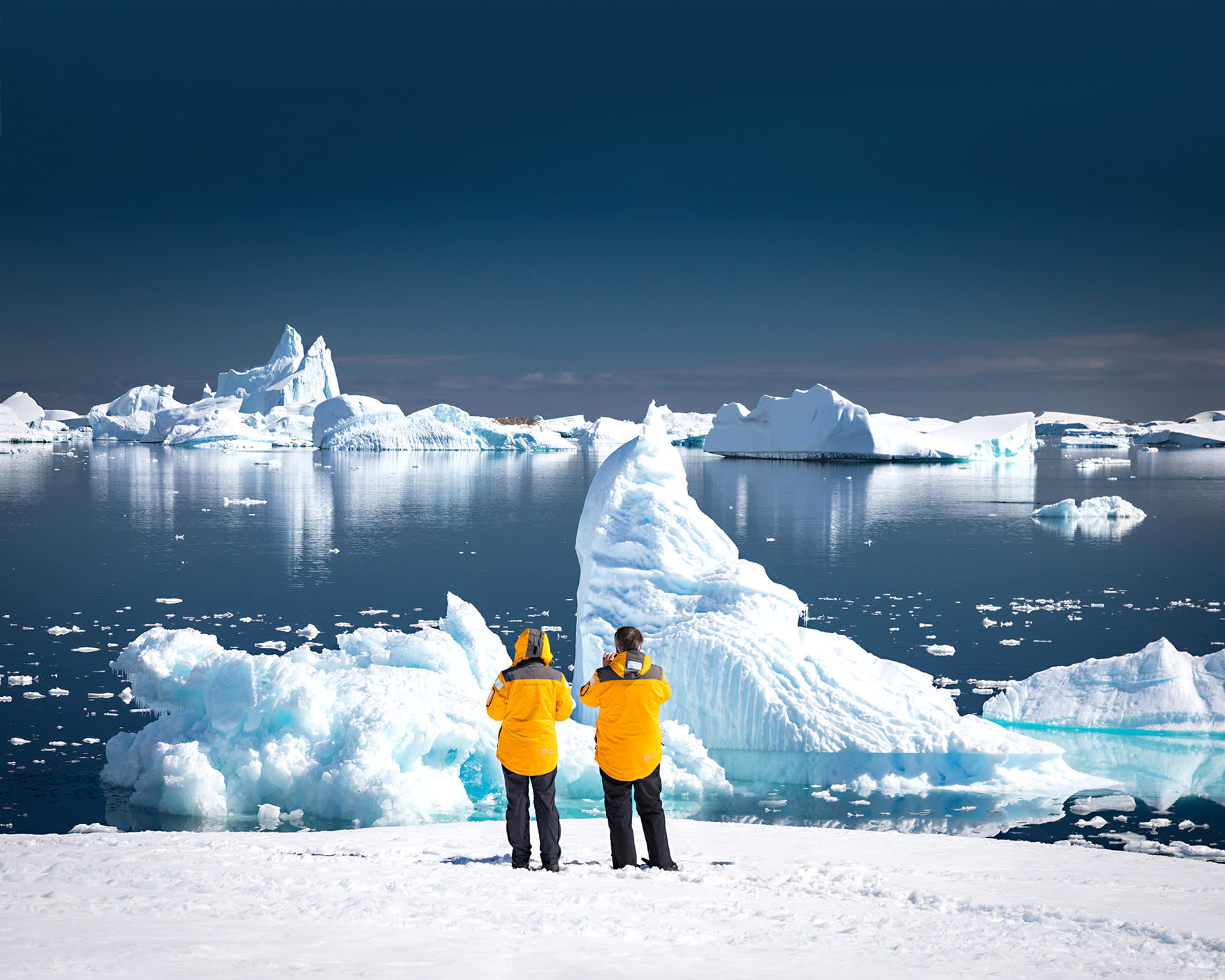
The experience is hard to put into words, but the most common reaction upon reaching the Antarctic Continent is a sense of reverence and awe. You will discover that Antarctica is a land of extremes: one moment you’ll be immersed in complete silence and solitude; the next, you’ll be laughing at the comical antics of a curious penguin.Zodiac cruising, visits to historical sites and, of course, communing with seals and penguins will highlight your days. Perhaps you’ll catch sight of the fearless penguin eater, the leopard seal, or maybe you’ll come eye to eye with an Antarctic minke whale while you cruise in a Zodiac. Each day, and each excursion, will present a new collection of creatures to captivate you and keep your camera busy.If you find yourself wanting more, treat yourself to an optional kayaking adventure (reserve in advance when booking your trip), or cast reason aside and join in the Polar Plunge— it’s something you’ll never forget!
Day 17 & 18
— Antarctic Circle
Crossing the Antarctic Circle is both a memorable experience and impressive achievement, as few travelers travel so far south. If conditions allow us to cross this famed latitude of 66°33 ́ South, we’ll toast the first explorers who ventured here, and you can raise a glass and take pride in knowing you’ve made it to a part of the world visited by very few people. This is raw Antarctica, home of the midnight sun, Weddell seals, and your best chances of encountering sea ice—the foundation of the Antarctic marine ecosystem.
Day 19 & 20
— Northbound Along the Peninsula
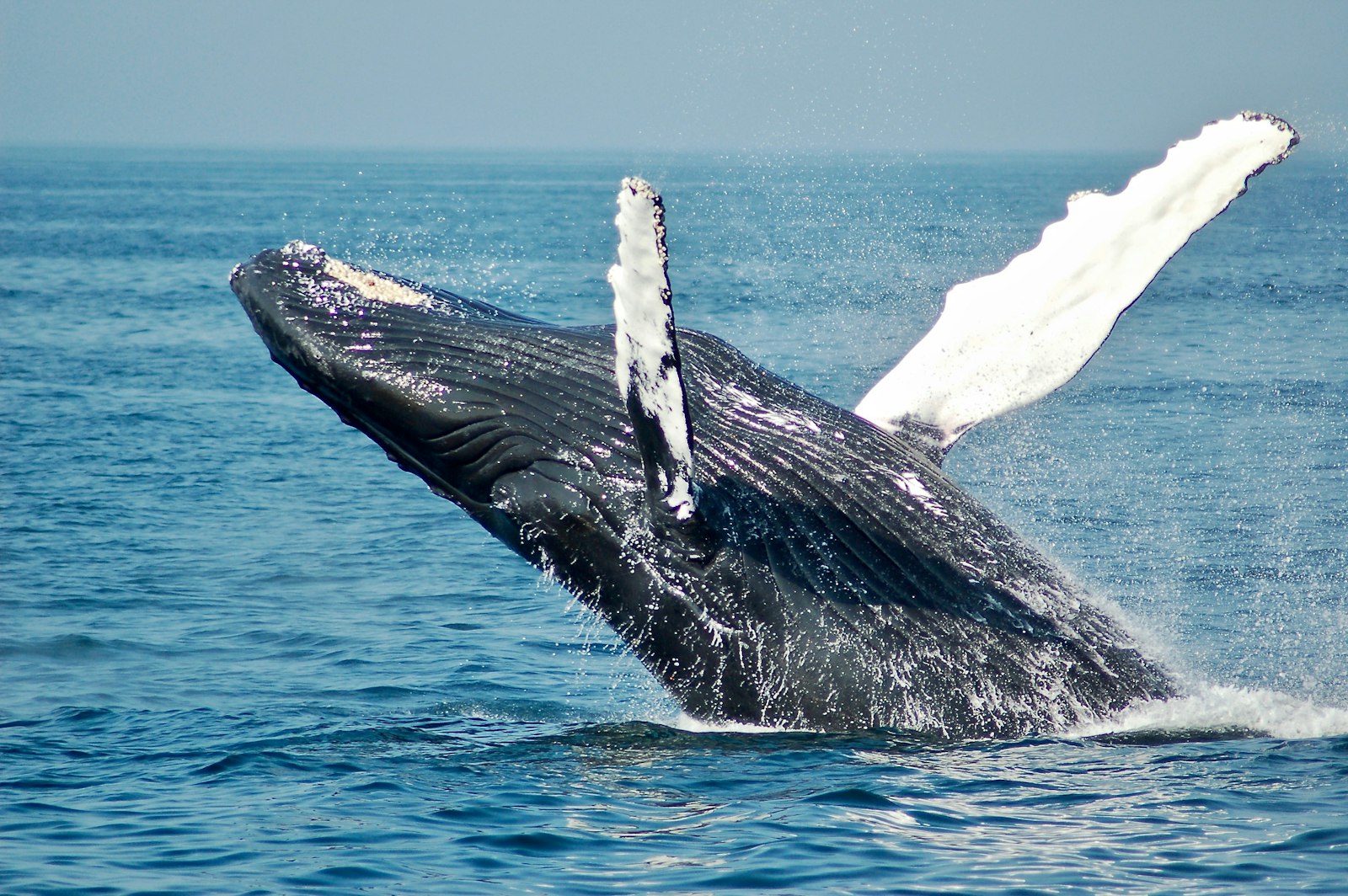
If you haven’t had your fill of Antarctic wildlife and icebergs by now, you’ll surely be satisfied by the time you return to the Drake Passage. You will continue to make excursions by Zodiac as you travel north along the western Antarctic Peninsula.Your Expedition Team will always be on the lookout for species of seabirds, seals and whales that may have eluded you on your journey south.
Day 21 & 22
— Crossing the Drake Passage
After more than three weeks of rare wildlife encounters and remarkable landscapes, your journey home begins. The unpredictable and exciting Drake Passage is an adventure unto itself. While being well taken care of by our expert onboard staff, you’ll have plenty of time to gaze out at the ocean, take pictures of seabirds swooping around the ship, and reflect on your remarkable Antarctic adventure.
Day 23
— Disembark in Ushuaia and Fly to Buenos Aires
You will arrive in Ushuaia in the morning and disembark after breakfast. Your Charter Flight and Hotel Package includes a transfer to the airport for the return group charter flight to Buenos Aires.
Preise werden von den Websites der Anbieter erfasst und können sich ändern — maßgeblich ist die Website des Anbieters.
Erfasst am Aug. 22, 2026 06:37 UTC.