Day 1
— Sandy Argentine beaches
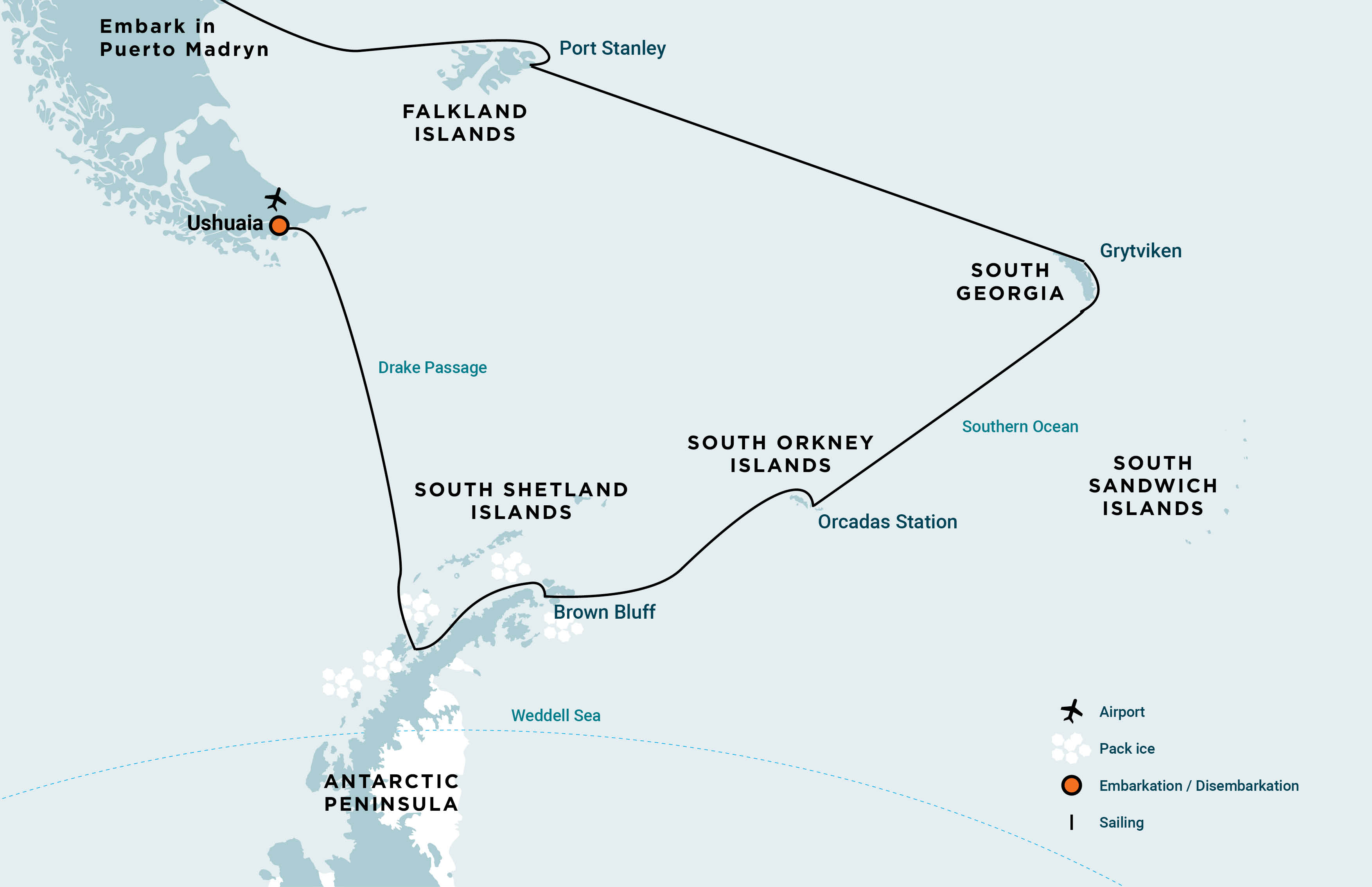
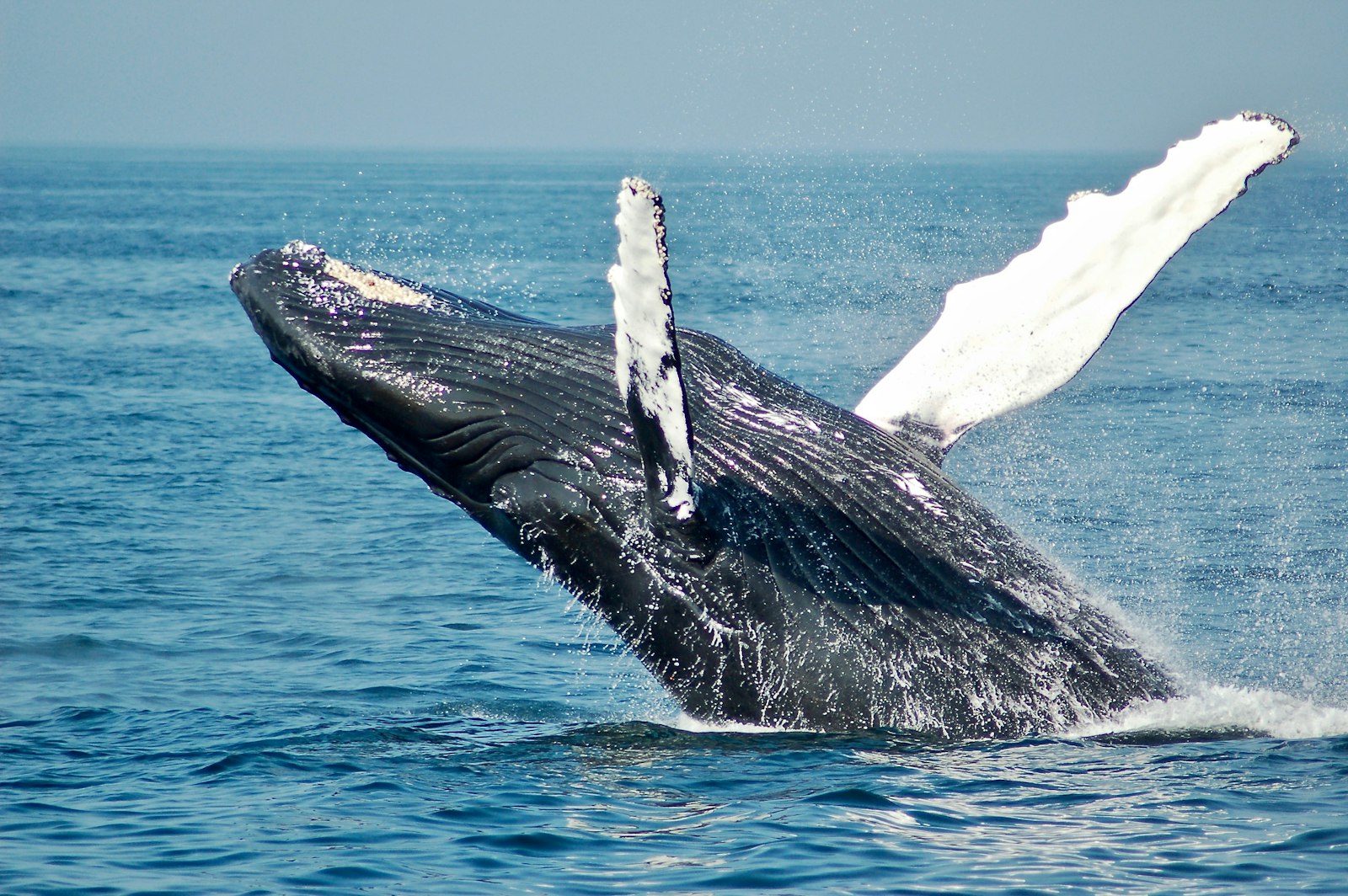
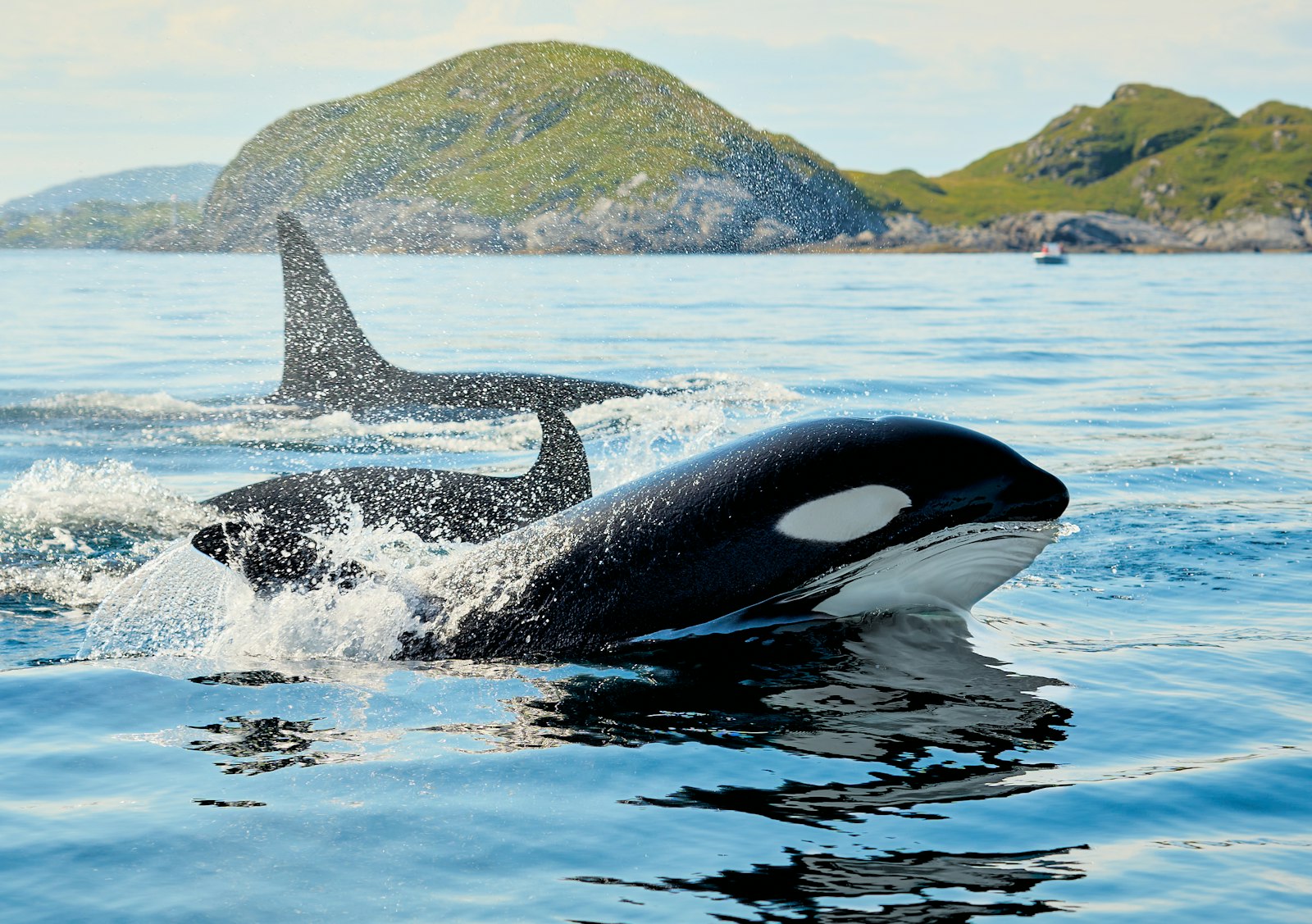
You embark from Puerto Madryn in the afternoon, your prow aimed for the Falkland Islands. Golfo Nuevo is renowned for its visiting southern right whales, so you have a good chance of spotting one as you sail toward the open ocean.
Day 2 – 3
— Sea life, sea birds
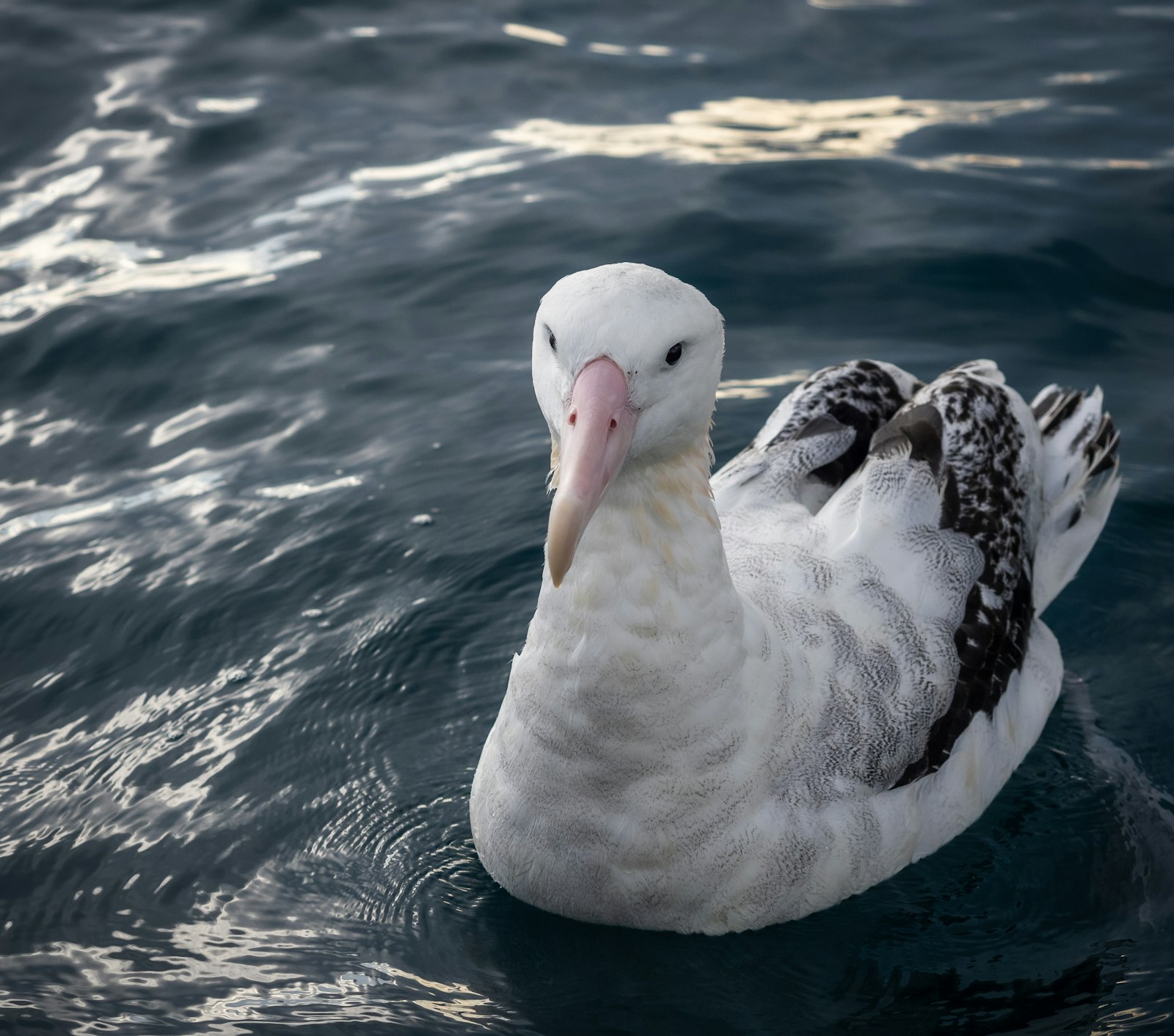
Though you’re now at sea, there’s rarely a lonesome moment here. Several species of bird follow the vessel southeast, such as albatrosses, storm petrels, shearwaters, and diving petrels.
Day 4
— Finding the Falklands
The Falkland Islands offer an abundance of wildlife that is easily approachable, though caution is always advised. These islands are largely unknown gems, the site of a 1982 war between the UK and Argentina. Not only do various species of bird live here, but chances are great you’ll see both Peale’s dolphins and Commerson’s dolphins in the surrounding waters.
During this segment of the voyage, you may visit the following sites:
Steeple Jason – Home to the world’s largest black-browed albatross colony (roughly 113,000), Steeple Jason is a wild and rarely visited island buffeted by wind and waves. Weather and swell conditions dictate the journey here.
Carcass Island – Despite its name, this island is pleasantly rodent-free and hence bounteous with birdlife and many endemic species. Anything from breeding Magellanic penguins and gentoos to numerous waders and passerine birds (including Cobb’s wrens and tussock-birds) live here.
Saunders Island – On Saunders Island you can see the black-browed albatross and its sometimes-clumsy landings, along with breeding imperial shags and rockhopper penguins. King penguins, Magellanic penguins, and gentoos are also found here.
Day 5
— The seat of Falklands culture
The capital of the Falklands and center of its culture, Port Stanley has some Victorian-era charm: colorful houses, well-tended gardens, and English-style pubs are all to be found here. You can also see several century-old clipper ships nearby, silent witnesses to the hardships of 19th century sailors. The small but interesting museum is also worth a visit, covering the early days of settlement up to the Falklands War. Approximately 2,100 people live in Port Stanley. Admission to the museum is included.
Day 6 – 7
— Once more to the sea
En route to South Georgia, you now cross the Antarctic Convergence. The temperature cools considerably within the space of a few hours, and nutritious water rises to the surface of the sea due to colliding water columns. This phenomenon attracts a multitude of seabirds near the ship, including several species of albatross, shearwaters, petrels, prions, and skuas.
Day 8 – 11
— South Georgia journey
Today you arrive at the first South Georgia activity site. Please keep in mind that weather conditions in this area can be challenging, largely dictating the program.
Sites you might visit include:
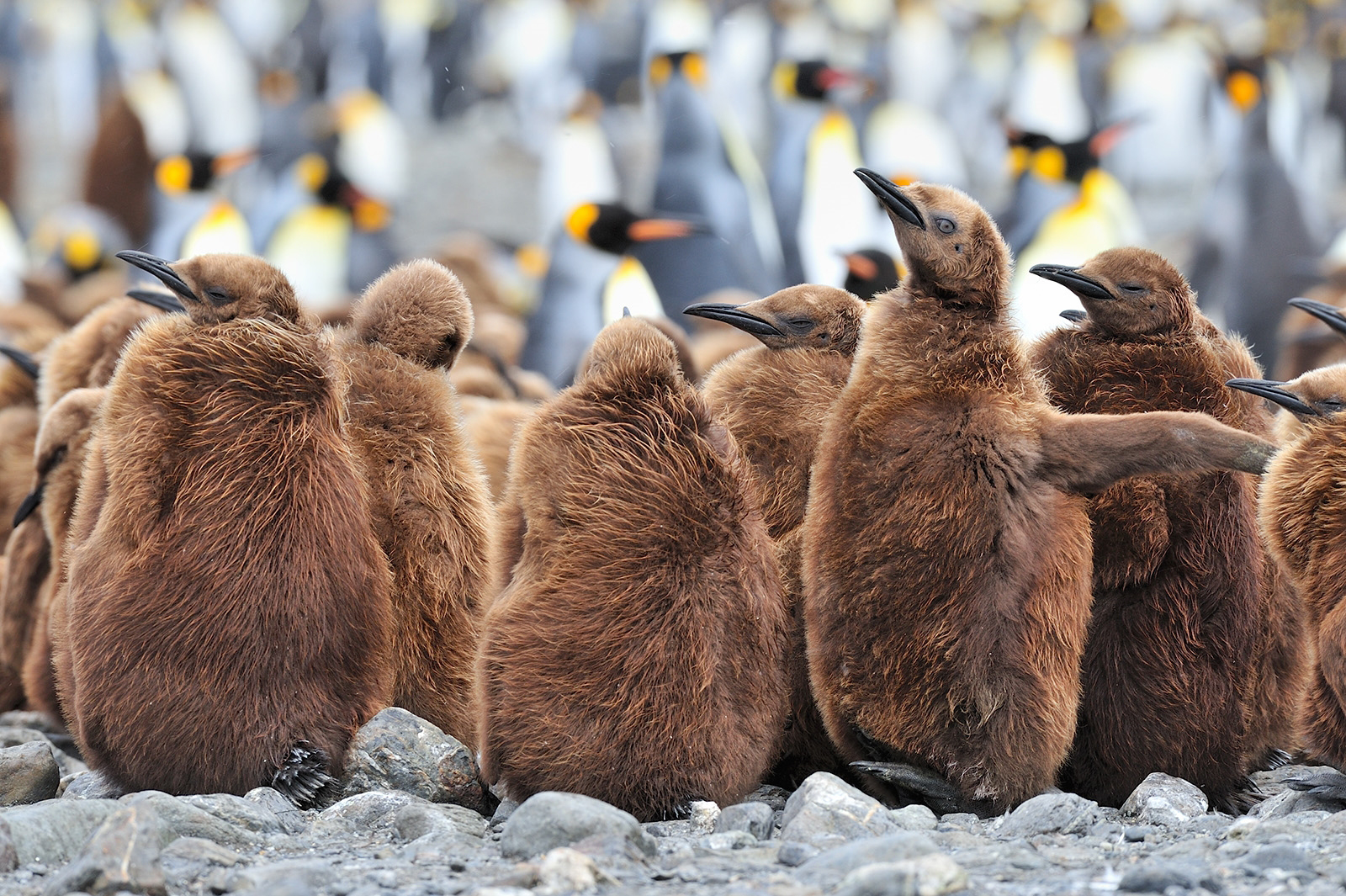
Salisbury Plain, St. Andrews Bay, Gold Harbour – These sites not only house the three largest king penguin colonies in South Georgia, they’re also three of the world’s largest breeding beaches for southern elephant seals. Only during this time of year do they peak in their breeding cycle. Watch the four-ton bulls keep a constant vigil (and occasionally fight) over territories where dozens of females have just given birth or are about to deliver. You can also see a substantial number of Antarctic fur seals here during the breeding season (December – January).
Fortuna Bay – A beautiful outwash plain from Fortuna Glacier is home to a large number of king penguins and seals. Here you may also have the chance to follow the final leg of Shackleton’s route to the abandoned whaling village of Stromness. This path cuts across the mountain pass beyond Shackleton’s Waterfall, and as the terrain is partly swampy, be prepared to cross a few small streams.
Grytviken – In this abandoned whaling station, king penguins walk the streets and elephant seals lie around like they own the place – because they basically do. Here you might be able to see the South Georgia Museum as well as Shackleton’s grave.
In the afternoon of day 11 and depending on the conditions, we will start sailing southwards in the direction of the South Orkney Islands.
Day 12
— Southward bound
There may be sea ice on this route, and at the edge of the ice some south polar skuas and snow petrels could join the other seabirds trailing the vessel south.
Day 13
— The scenic vistas of South Orkney
Shingle Cove, on the southern shore of Coronation Island in the South Orkney Islands, is home to a large and vibrant Adélie penguin colony. Gravel beaches and metamorphic rock formations serve as key Antarctic wildlife sites, featuring penguin colonies, nesting petrels, and lounging elephant and fur seals.
Day 14 - 15
— Entering the Antarctic
Enormous icebergs and a fair chance of fin whale sightings ensure there’s never a dull moment on this last sea voyage south. Also, your best chance to spot Antarctic petrels is here. Depending on conditions, we aim to begin activities the afternoon of day 15.
Day 16 – 18
— Awe-inspiring Antarctica
If the ice conditions permit, you now sail into the Weddell Sea. Here colossal tabular icebergs herald your arrival to the eastern side of the Antarctic Peninsula. Paulet Island, with its large population of Adélie penguins, is a possible stop. You might also visit Brown Bluff, located in the ice-clogged Antarctic Sound, where you could get the chance to set foot on the Antarctic Continent itself.
If conditions aren’t favorable to enter the Weddell Sea from the east, the ship will set course for Elephant Island and head into the Bransfield Strait, between the South Shetland Island's and the Antarctic Peninsula.
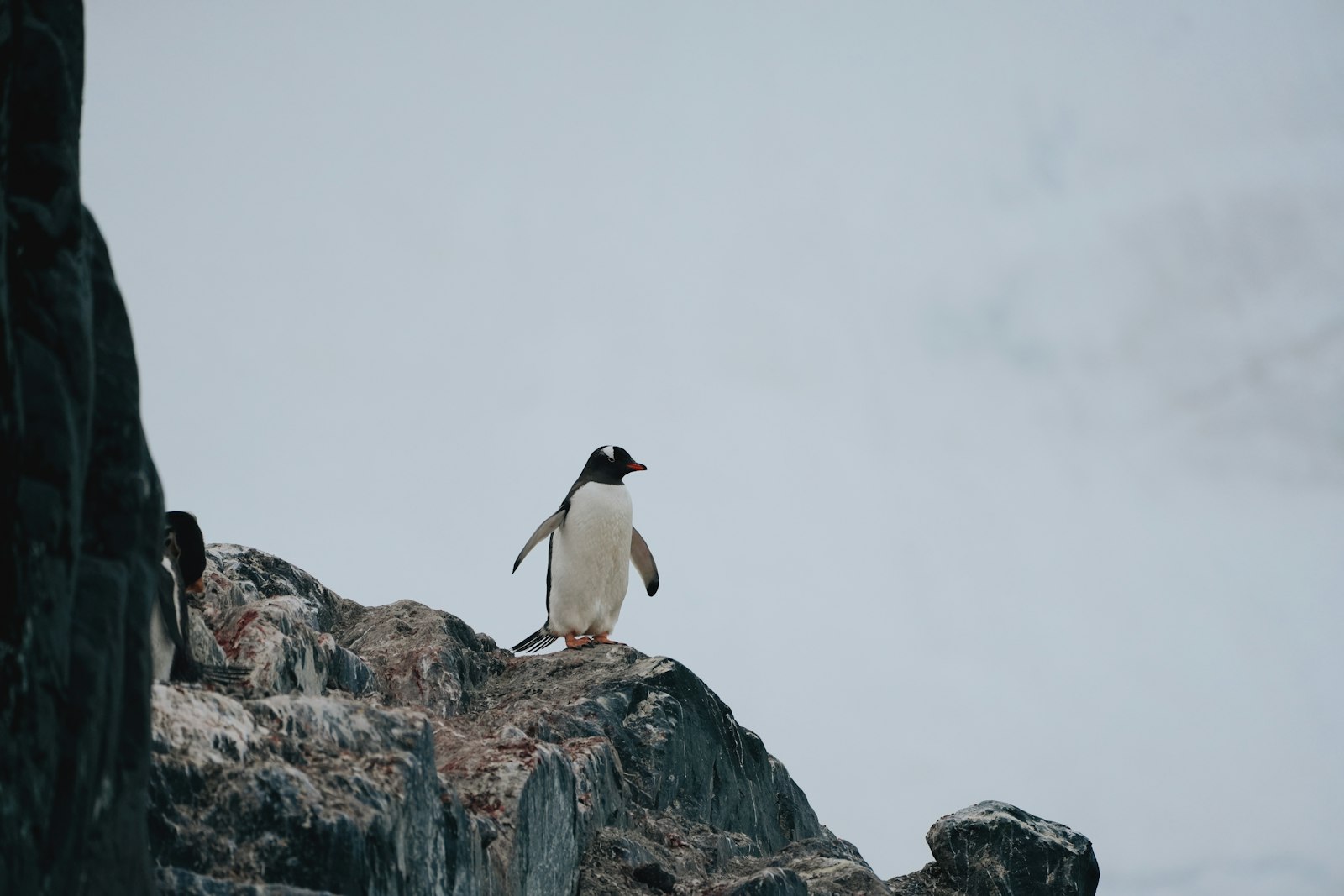
The volcanic islands of the South Shetlands are windswept and often cloaked in mist, but they nonetheless offer many subtle pleasures. A wide variety of flora (mosses, lichens, flowering grasses) and fauna (gentoo penguins, chinstrap penguins, southern giant petrels) live here.
On Half Moon Island, Chinstrap penguins and Weddell seals often haul out onto the beach near Cámara Base, an Argentine scientific research station.
On Deception Island, the ship plunges through Neptune’s Bellows and into the flooded caldera. Here you can find an abandoned whaling station, and thousands of cape petrels. A number of kelp gulls, brown skuas, south polar skuas, and Antarctic terns can be spotted too. Wilson’s storm petrels and black-bellied storm petrels also nest in the ruins of the whaling station in Whalers Bay. As an alternative, you can take part in activities near Telefon Bay, further inside the caldera.
This extended voyage gives you the chance to sail even farther down the icy coast of the western Antarctic Peninsula. There are several opportunities for great landings where you might set foot on the Antarctic Continent, surrounded by an epic landscape of alpine peaks and mammoth glaciers calving at sea level. Gentoo penguins, leopard seals, Weddell seals, humpback whales, and minke whales are often seen here.
The breathtaking scenery continues in the Bransfield Straight and, if conditions allow further South in the Gerlache Strait. Conditions on the Drake Passage determine the exact time of departure.
Day 19 – 20
— Familiar seas, familiar friends
Your return voyage is far from lonely. While crossing the Drake, you’re again greeted by the vast array of seabirds remembered from the passage south. But they seem a little more familiar to you now, and you to them.
Day 21
— Earth’s southernmost city
You arrive and disembark in Ushuaia, commonly held to be the world’s most southern city. It is located on the Tierra del Fuego archipelago, nicknamed the “End of the World.” But despite this stopping point, the wealth of memories you’ve made on your Antarctic expedition will travel with you wherever your next adventure lies.
Preise werden von den Websites der Anbieter erfasst und können sich ändern — maßgeblich ist die Website des Anbieters.
Erfasst am Aug. 22, 2026 06:13 UTC.