Emblematic Antarctica
Feb 28, 2027 – Mar 10, 2027 · 11 days
Ushuaia (Argentina)
From
$16,580
9 cabin offers
Available
735 upcoming Antarctic expeditions with Antarctic Peninsula on the route, from $8,641 per person.
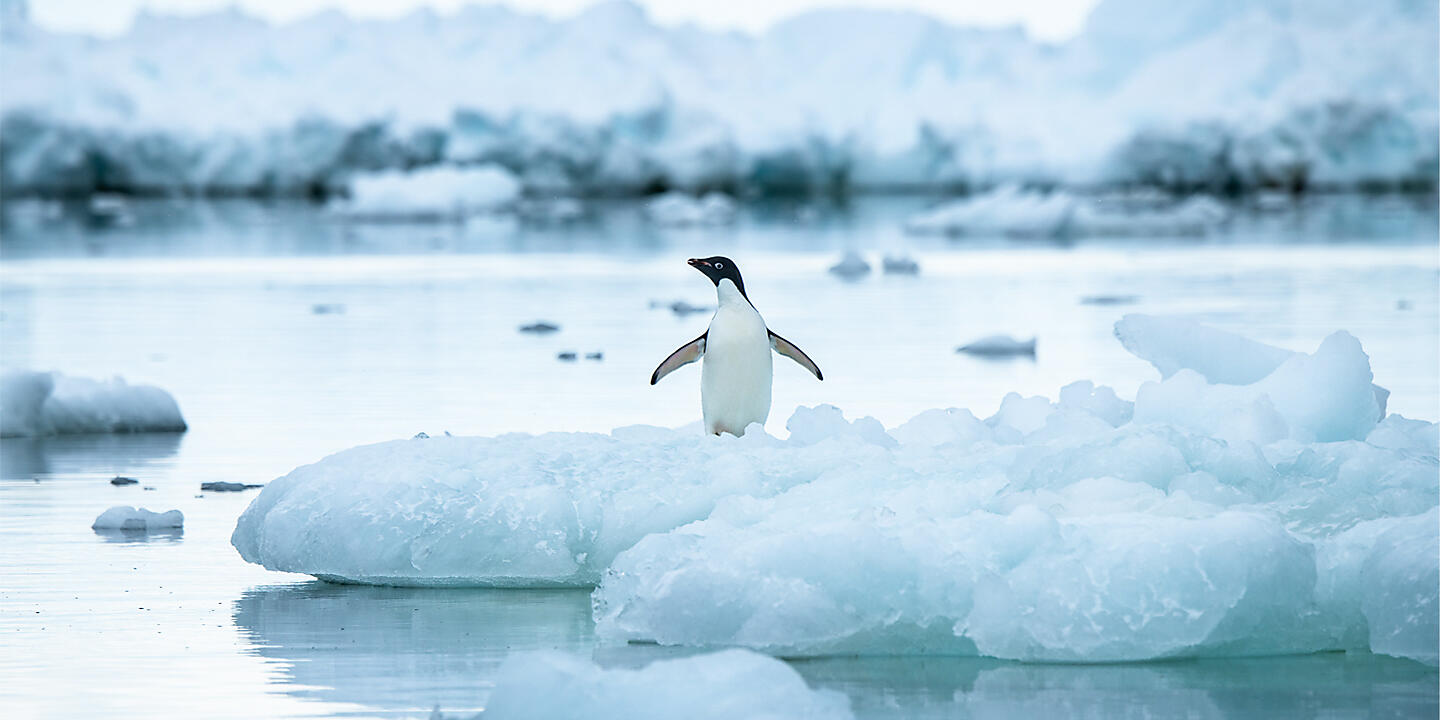
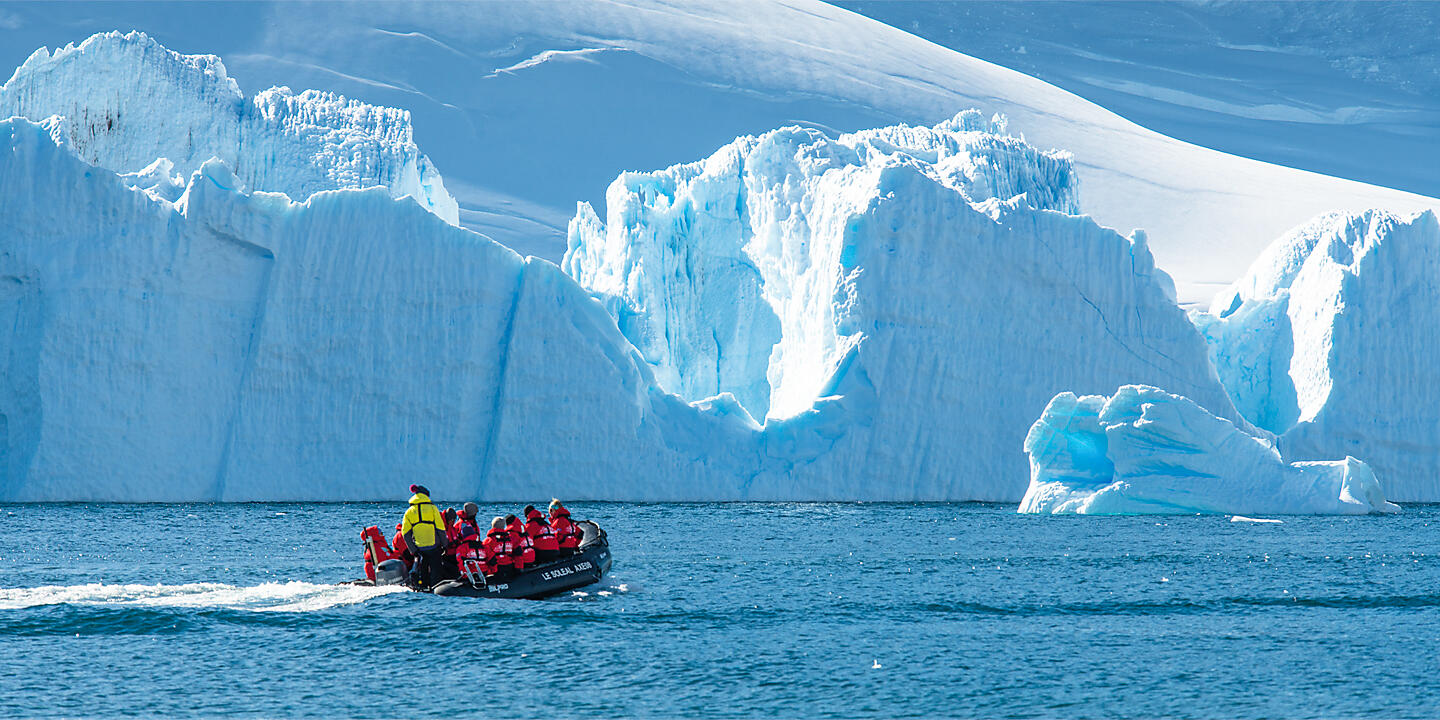
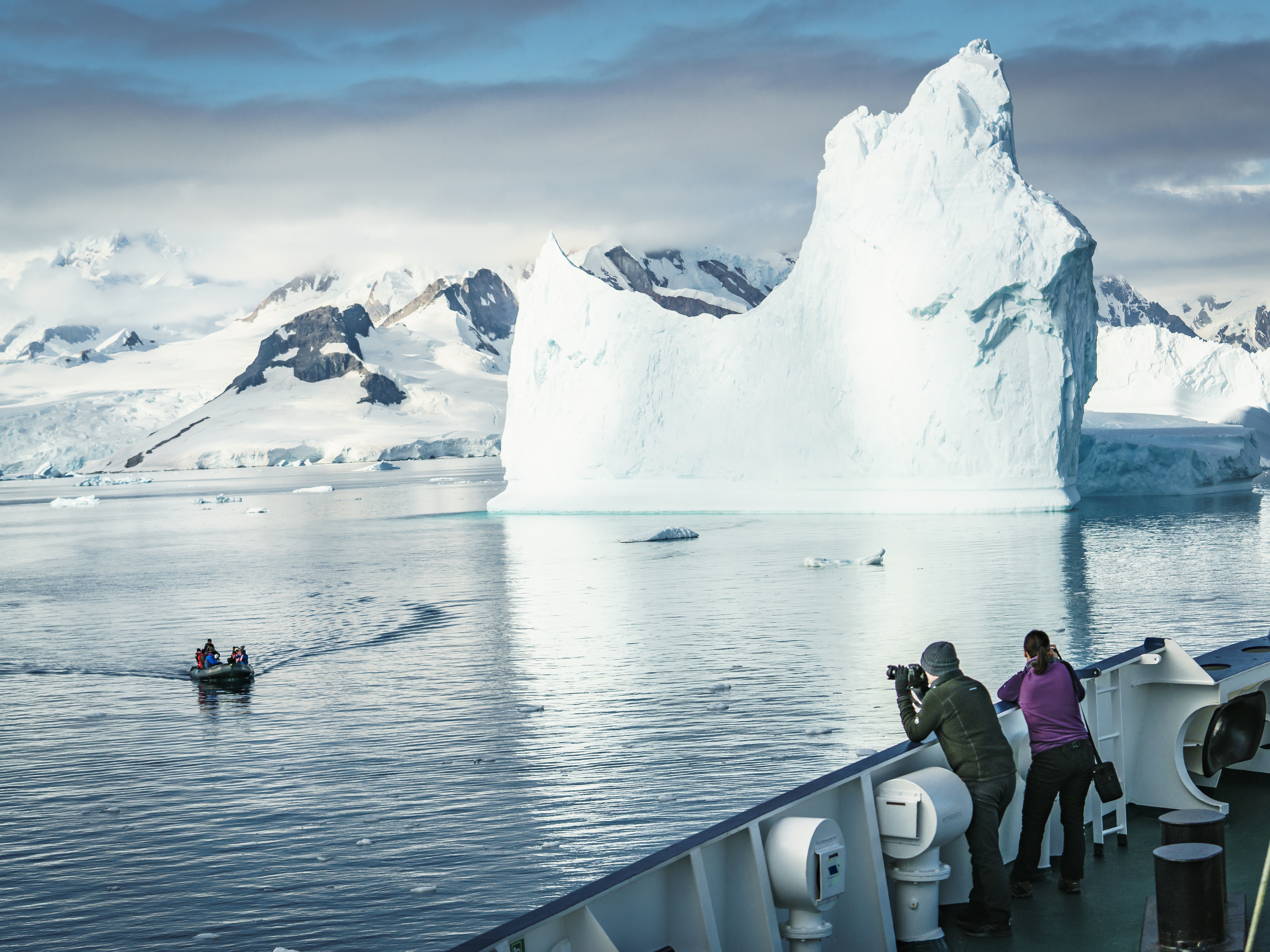
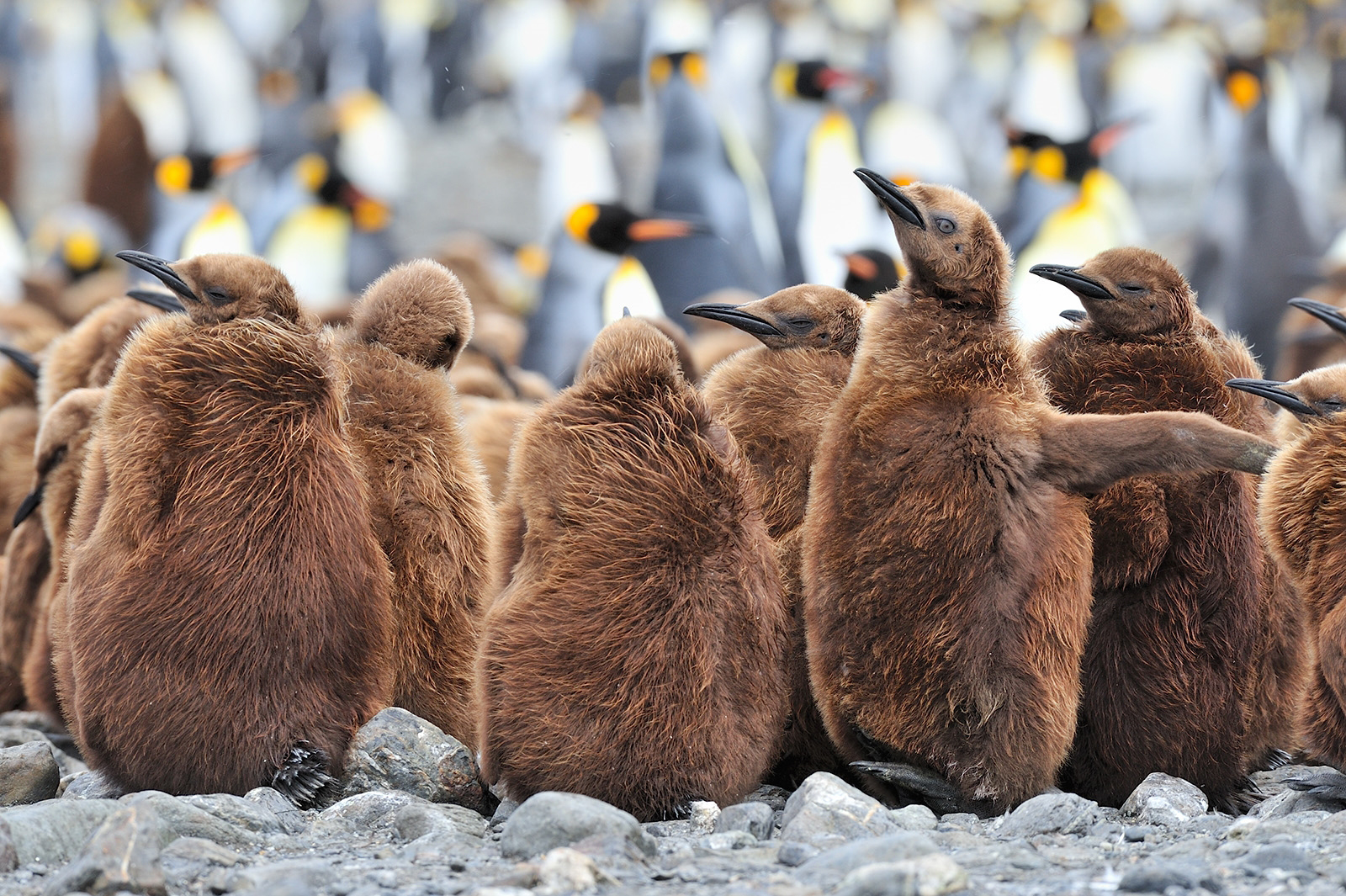
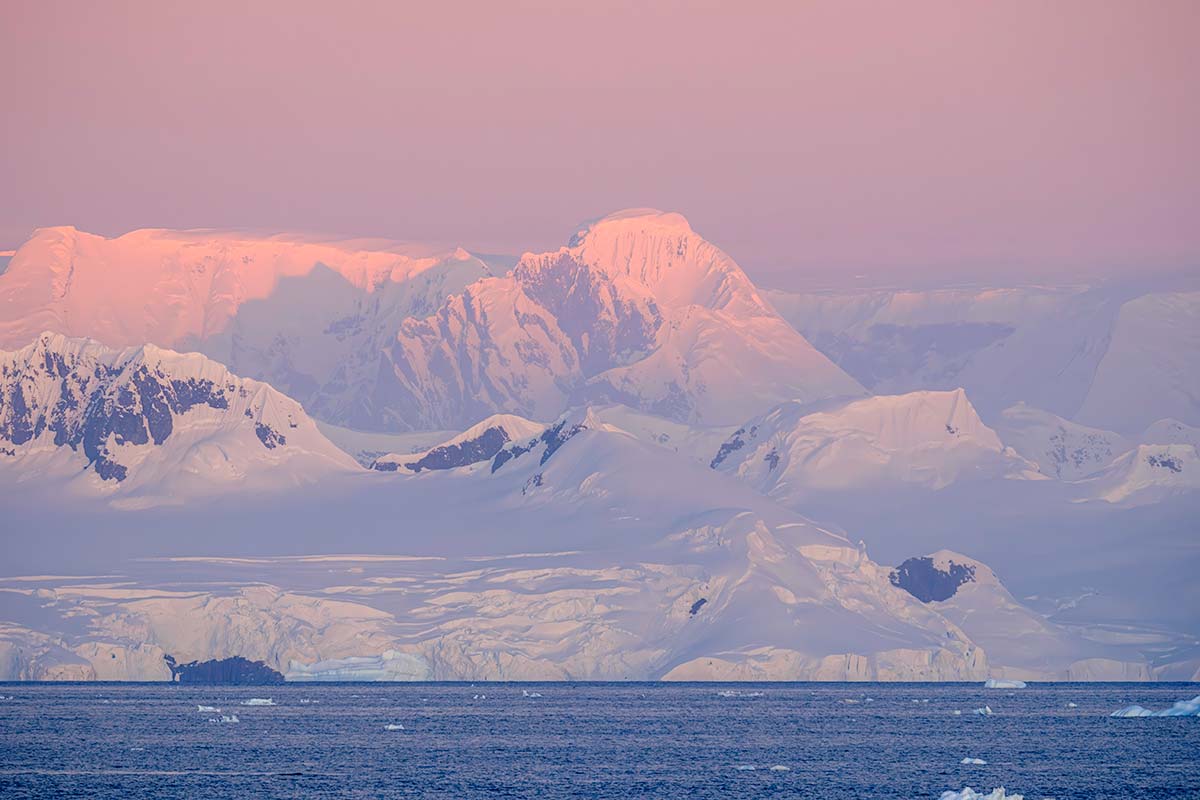
The Antarctic Peninsula is the continent's great arm reaching towards South America — and where the vast majority of expeditions spend their time. Sheltered channels wind between glaciated peaks that rise straight out of the sea, and almost every landing puts you among gentoo, chinstrap or Adélie penguins.
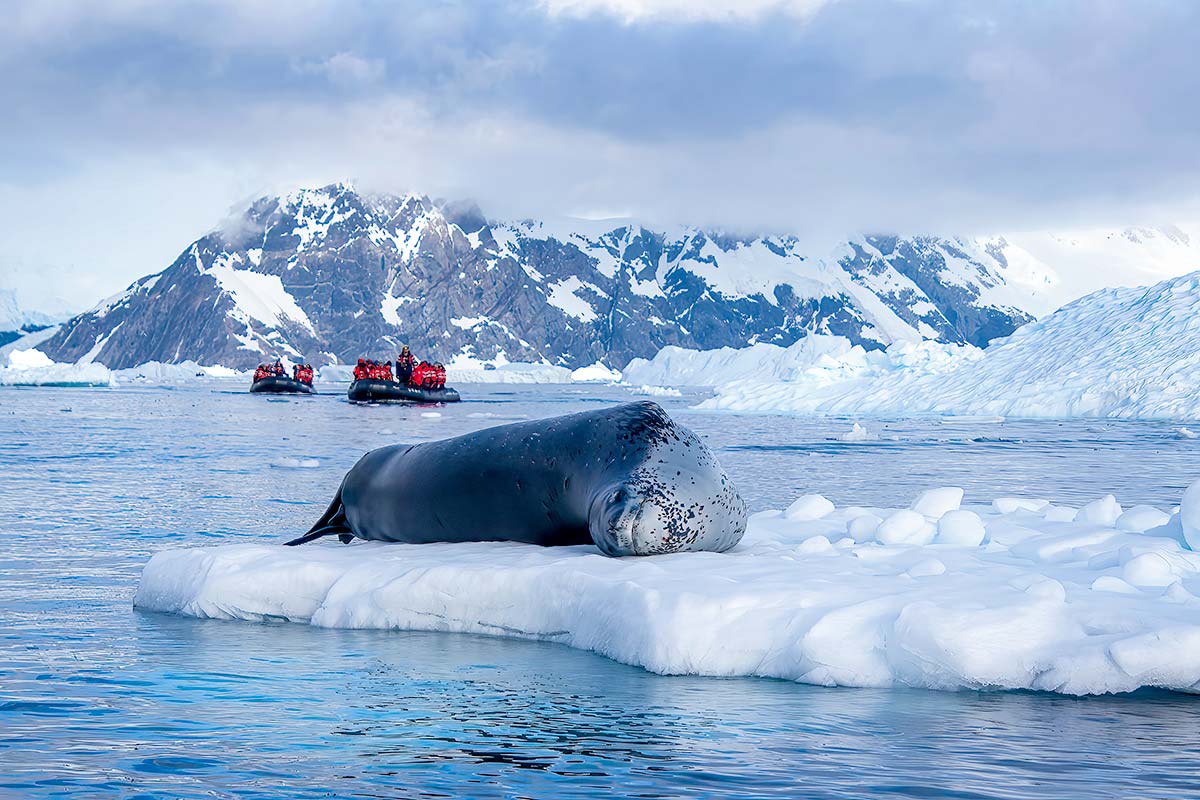
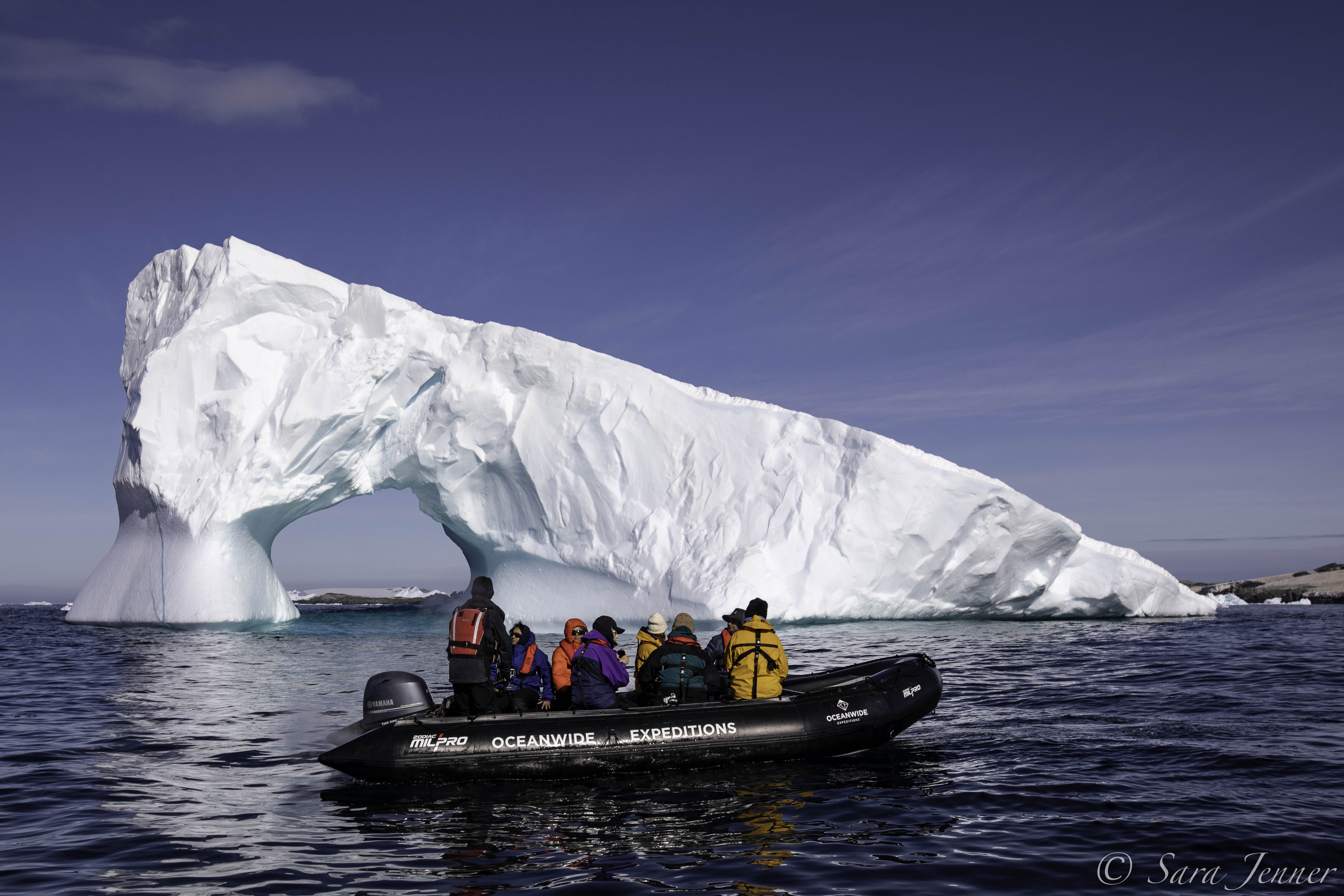
Expect one or two landings or Zodiac cruises a day: penguin rookeries at Cuverville and Neko Harbour, humpbacks feeding in the bays from January onwards, and seals hauled out on ice floes. It is the mildest, most wildlife-dense corner of Antarctica — the classic first taste of the continent.
Feb 28, 2027 – Mar 10, 2027 · 11 days
Ushuaia (Argentina)
Feb 28, 2027 – Mar 12, 2027 · 13 days
Ushuaia
Feb 28, 2027 – Mar 10, 2027 · 11 days

Mar 1, 2027 – Mar 10, 2027 · 9 days
Puerto Williams

Mar 2, 2027 – Mar 9, 2027 · 8 days
Punta Arenas, Chile

Mar 2, 2027 – Mar 14, 2027 · 13 days
Punta Arenas

Mar 2, 2027 – Mar 13, 2027 · 12 days
Ushuaia, Argentina
Mar 2, 2027 – Apr 27, 2027 · 56 days
Buenos Aires
Mar 2, 2027 – May 7, 2027 · 66 days
Buenos Aires

Mar 4, 2027 – Mar 19, 2027 · 16 days
Mar 4, 2027 – Mar 22, 2027 · 19 days
Ushuaia (Argentina)
Mar 6, 2027 – Mar 18, 2027 · 13 days
Ushuaia
Mar 8, 2027 – Mar 19, 2027 · 12 days
Ushuaia, Argentina

Mar 9, 2027 – Mar 20, 2027 · 12 days
Mar 9, 2027 – Mar 29, 2027 · 21 days
Ushuaia
Mar 9, 2027 – Mar 19, 2027 · 11 days
Mar 10, 2027 – Apr 1, 2027 · 21 days

Mar 10, 2027 – Mar 19, 2027 · 9 days
King George Island
Mar 10, 2027 – Mar 28, 2027 · 19 days
Ushuaia (Argentina)
Mar 12, 2027 – Mar 26, 2027 · 15 days
Ushuaia
Mar 12, 2027 – Mar 25, 2027 · 13 days
Ushuaia
Mar 13, 2027 – Mar 24, 2027 · 12 days
Ushuaia

Mar 13, 2027 – Mar 29, 2027 · 17 days
Ushuaia, Argentina
Mar 18, 2027 – Apr 2, 2027 · 16 days
Mar 18, 2027 – Mar 28, 2027 · 11 days

Mar 19, 2027 – Apr 6, 2027 · 19 days
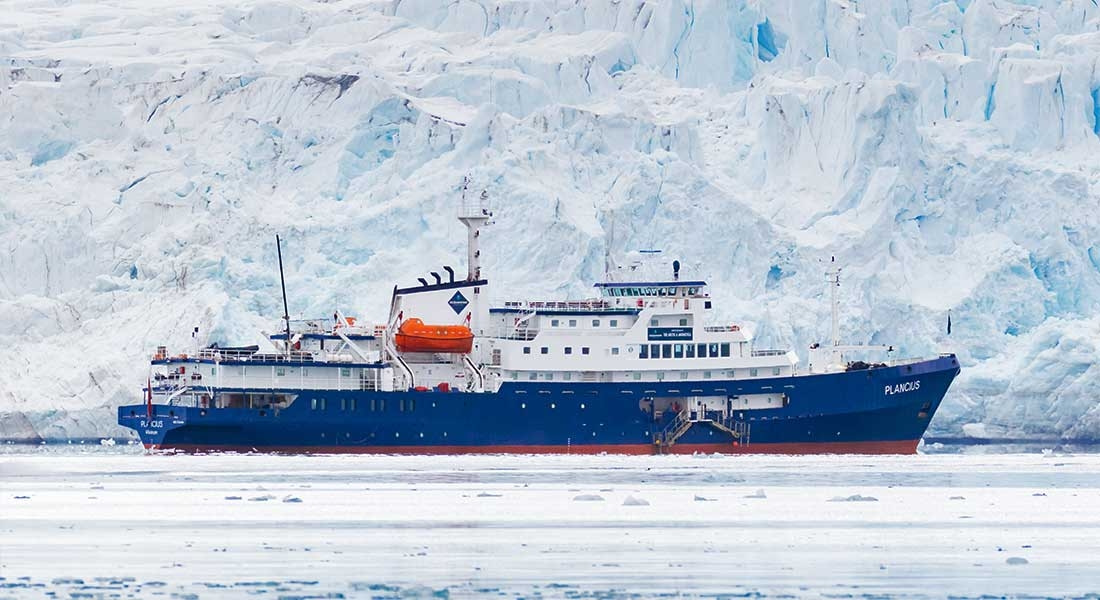
Mar 26, 2027 – Apr 27, 2027 · 33 days
Ushuaia
Mar 26, 2027 – May 7, 2027 · 43 days
Ushuaia

Oct 16, 2027 – Oct 29, 2027 · 9 days
Puerto Williams

Oct 23, 2027 – Nov 14, 2027 · 23 days

Oct 25, 2027 – Nov 4, 2027 · 18 days
Puerto Williams

Oct 26, 2027 – Nov 12, 2027 · 18 days

Oct 27, 2027 – Nov 13, 2027 · 18 days
Ushuaia, Argentina
Oct 29, 2027 – Nov 9, 2027 · 12 days
Oct 29, 2027 – Nov 7, 2027 · 9 days
King George Island
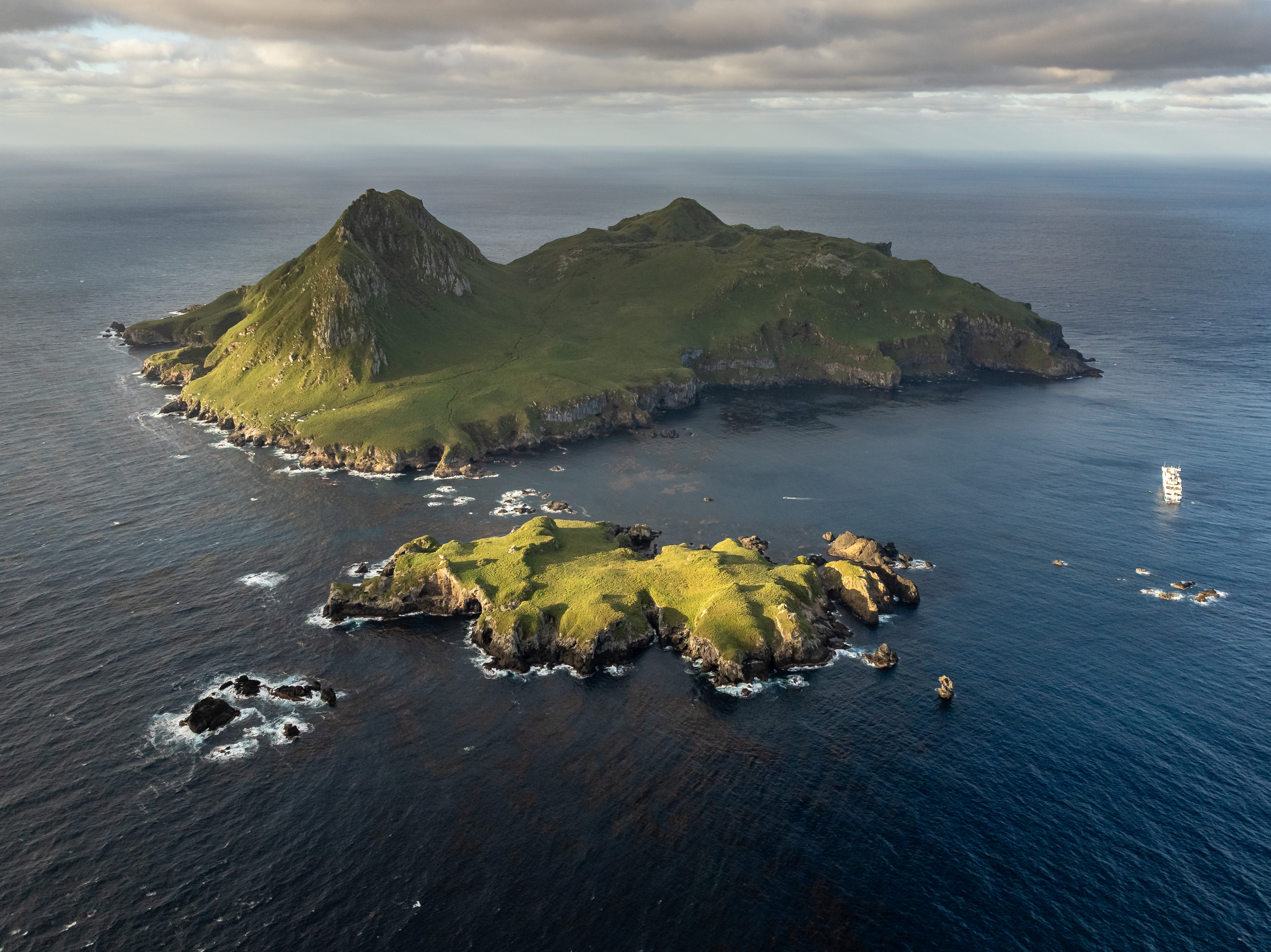
Oct 29, 2027 – Nov 18, 2027 · 21 days
Cape Town
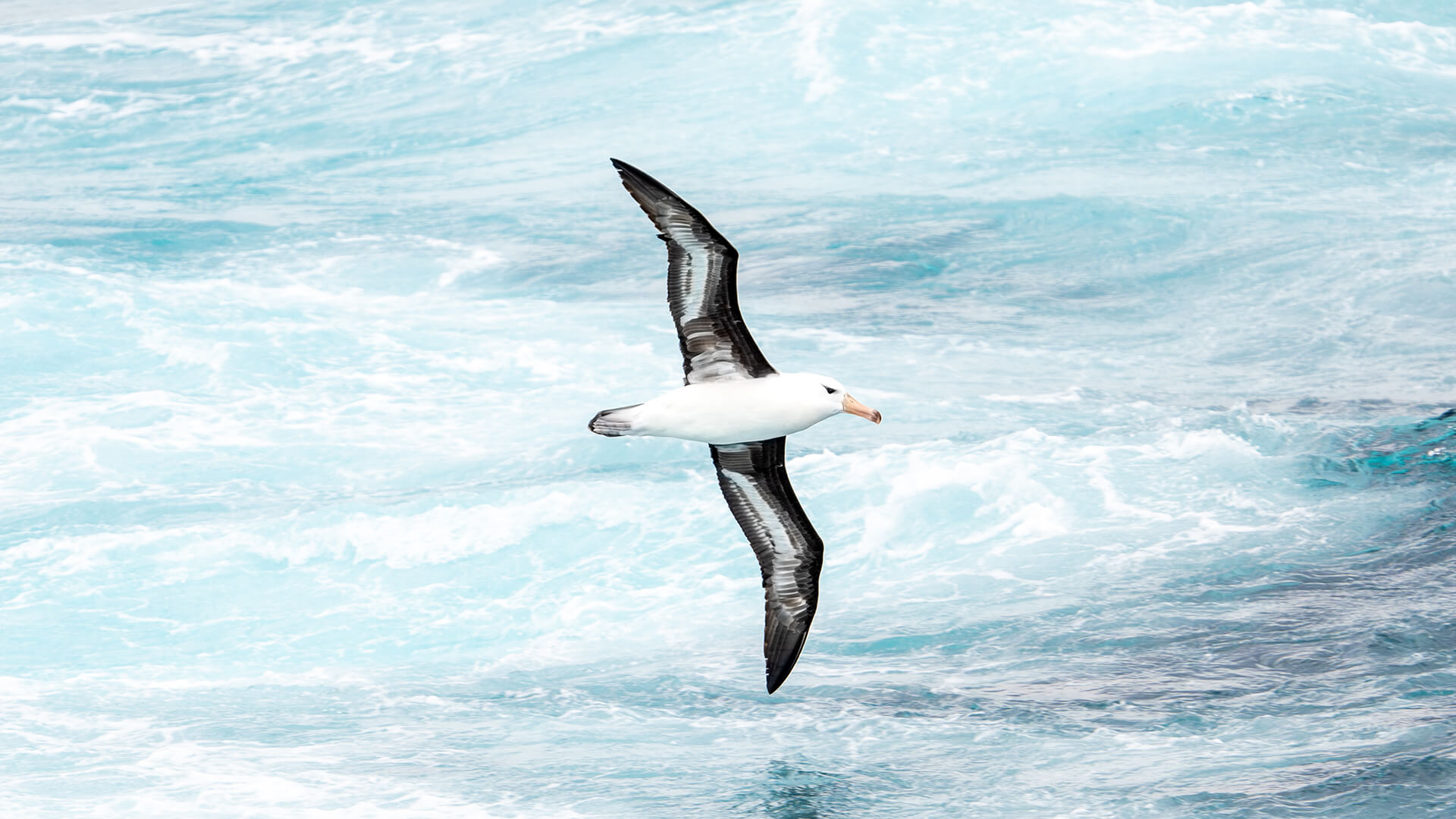
Oct 29, 2027 – Nov 10, 2027 · 13 days
Ushuaia, Argentina
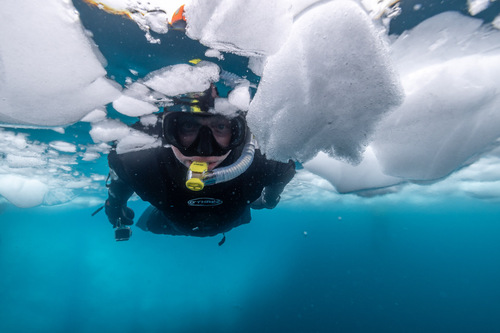
Oct 31, 2027 – Nov 13, 2027 · 14 days
Ushuaia

Nov 1, 2027 – Nov 16, 2027 · 16 days
Nov 2, 2027 – Nov 22, 2027 · 21 days
Puerto Madryn

Nov 3, 2027 – Nov 20, 2027 · 18 days
Nov 3, 2027 – Nov 13, 2027 · 11 days
Nov 4, 2027 – Nov 13, 2027 · 9 days
Puerto Williams
Nov 5, 2027 – Nov 25, 2027 · 21 days
Puerto Madryn
Nov 7, 2027 – Nov 18, 2027 · 12 days
Wildlife
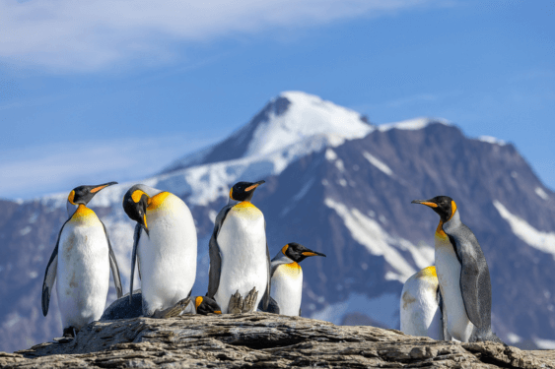
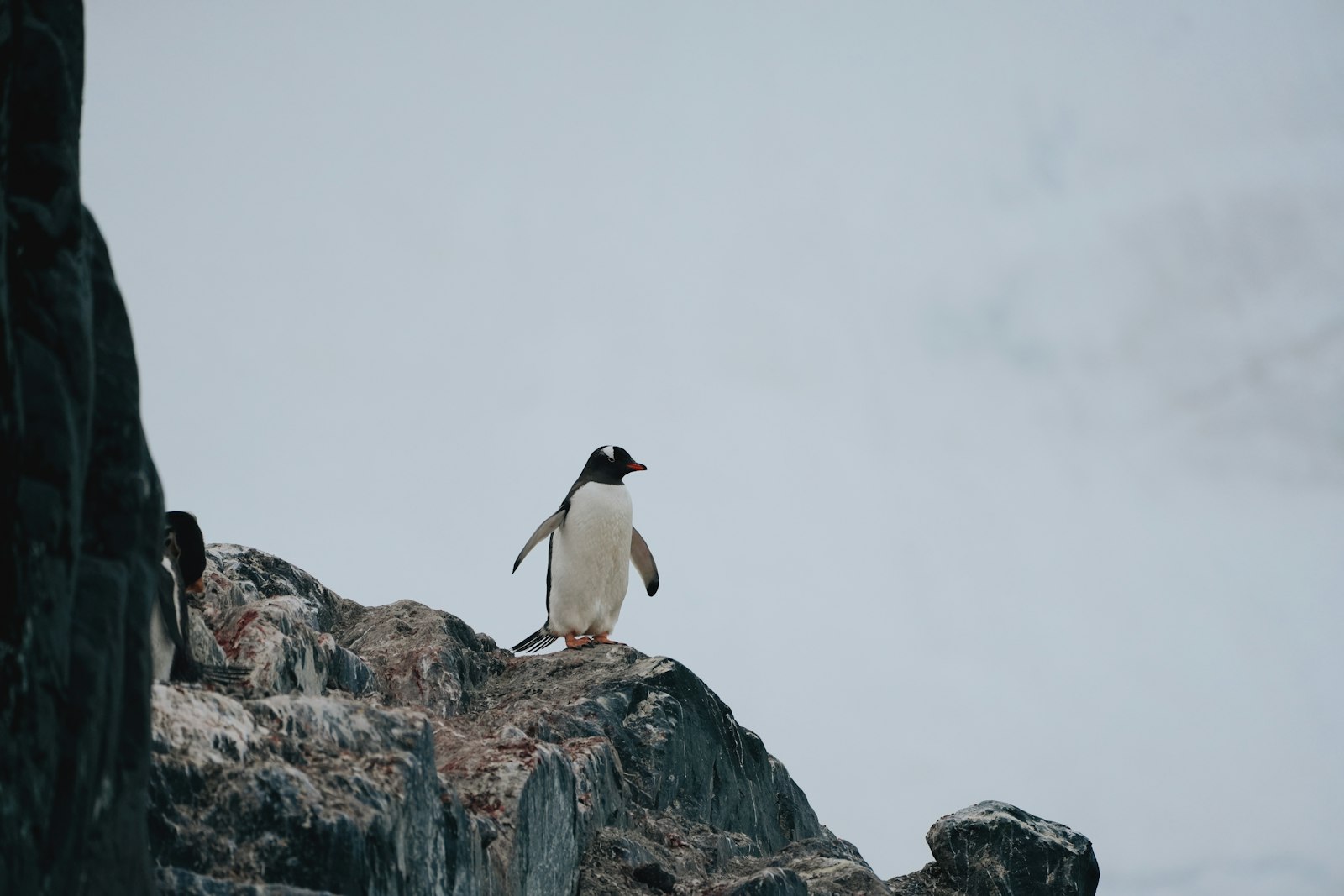
A stocky, orange-billed penguin of the genus Pygoscelis, closest kin to the Adélie and Chinstrap. Its loud, trumpeting call, delivered with head thrown back, carries across the shoreline colonies where expedition landings are made.
Wildlife
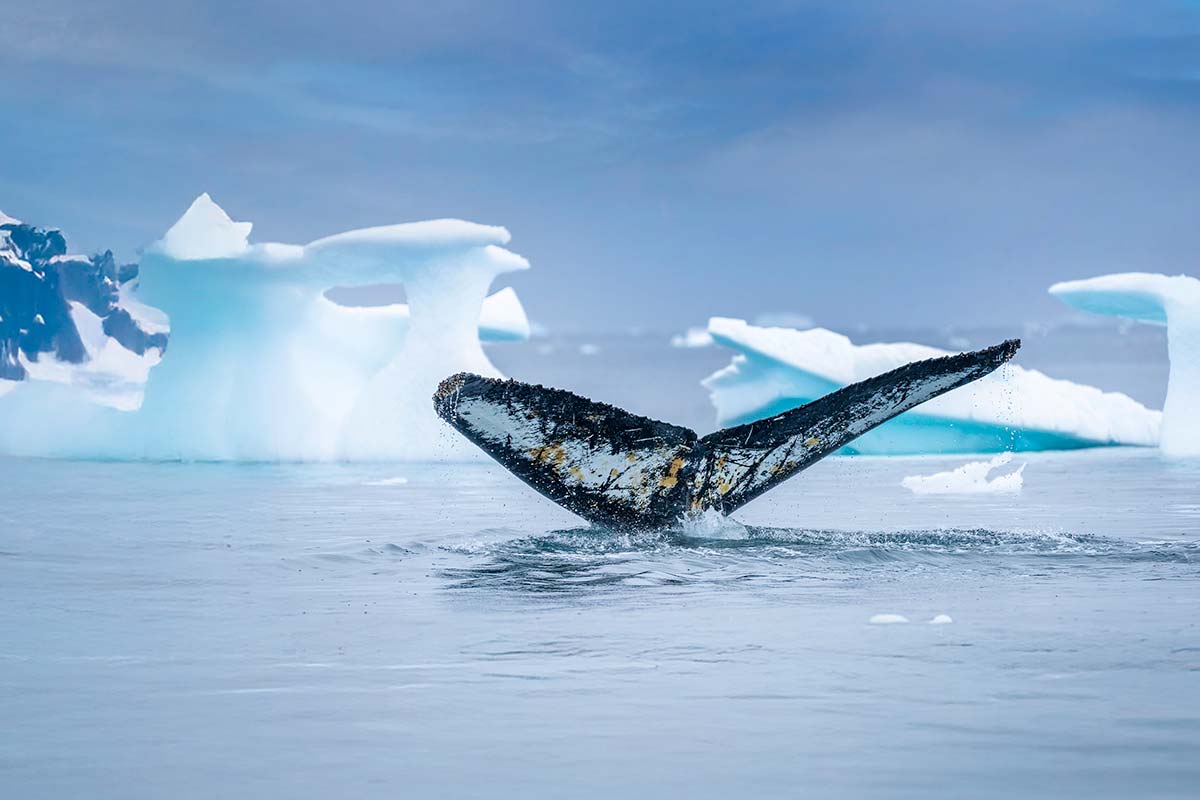
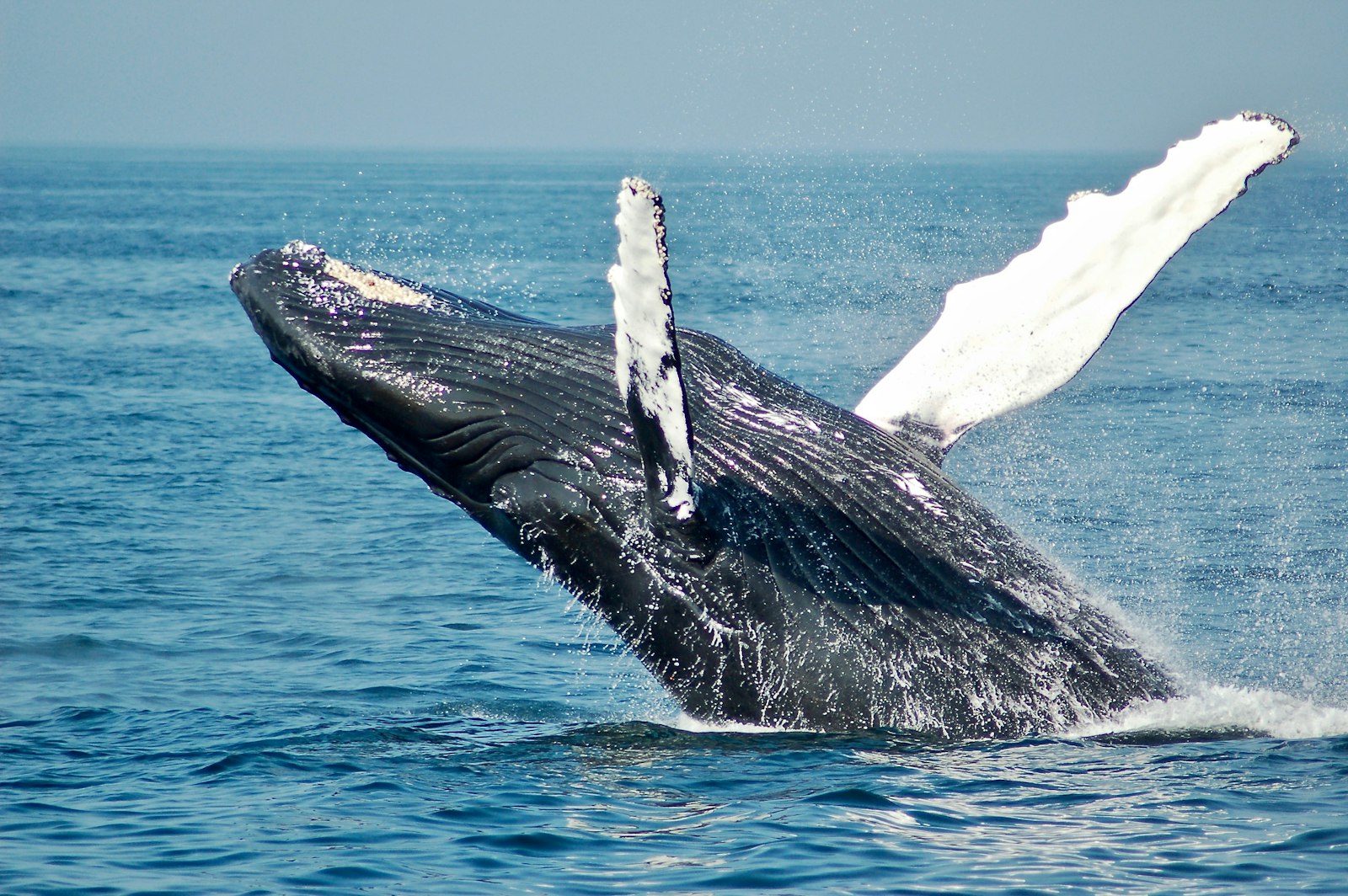
A 14–17 metre baleen whale known for breaching and long pectoral fins, often seen feeding on krill in loose groups along the ice edge.
Wildlife
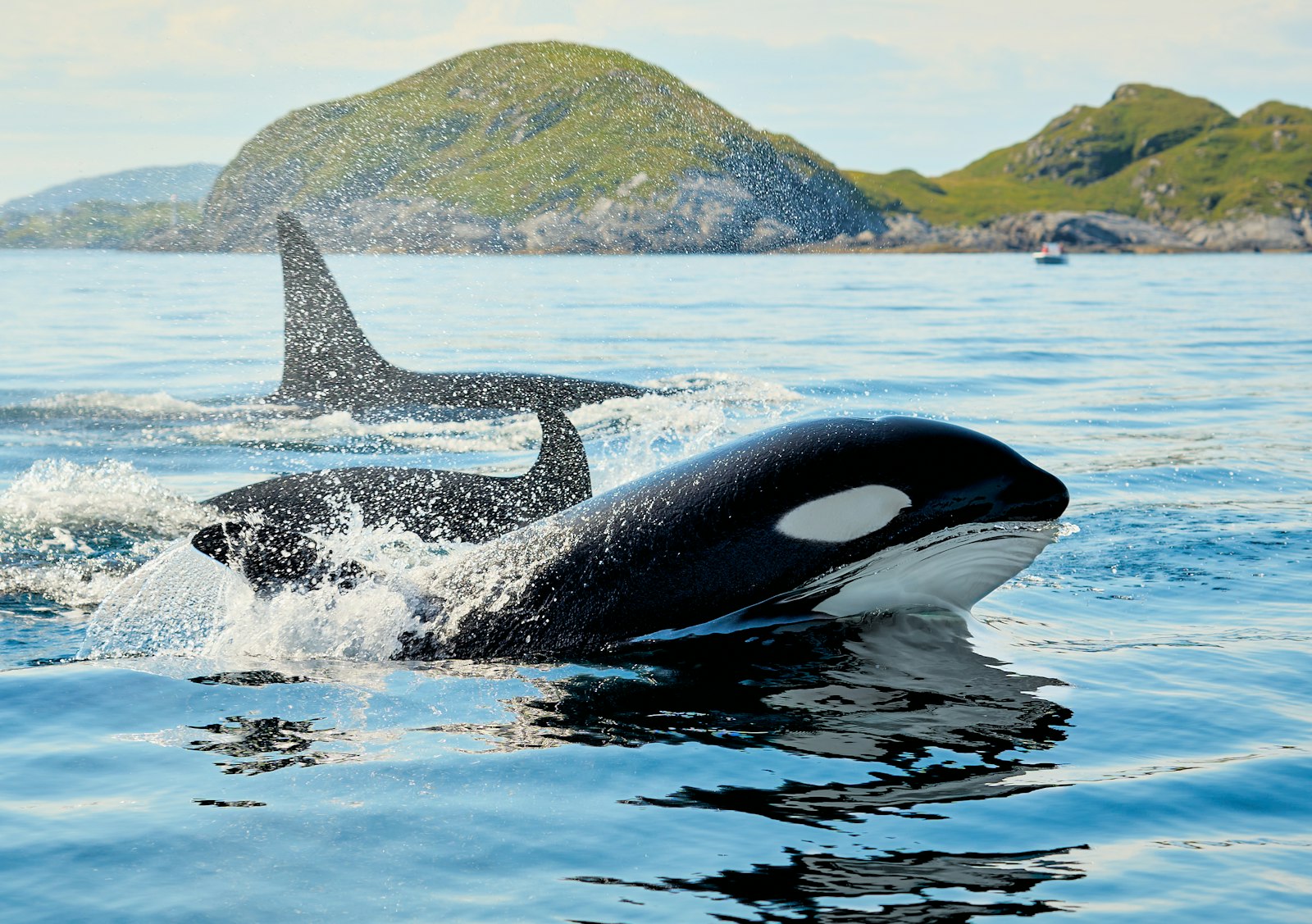
Black and white apex predator instantly recognizable by its pale eye patches, the orca is the largest of the dolphins and one of the ocean's most capable hunters. Sightings often involve a tight-knit family pod working the ice edge together.
Wildlife
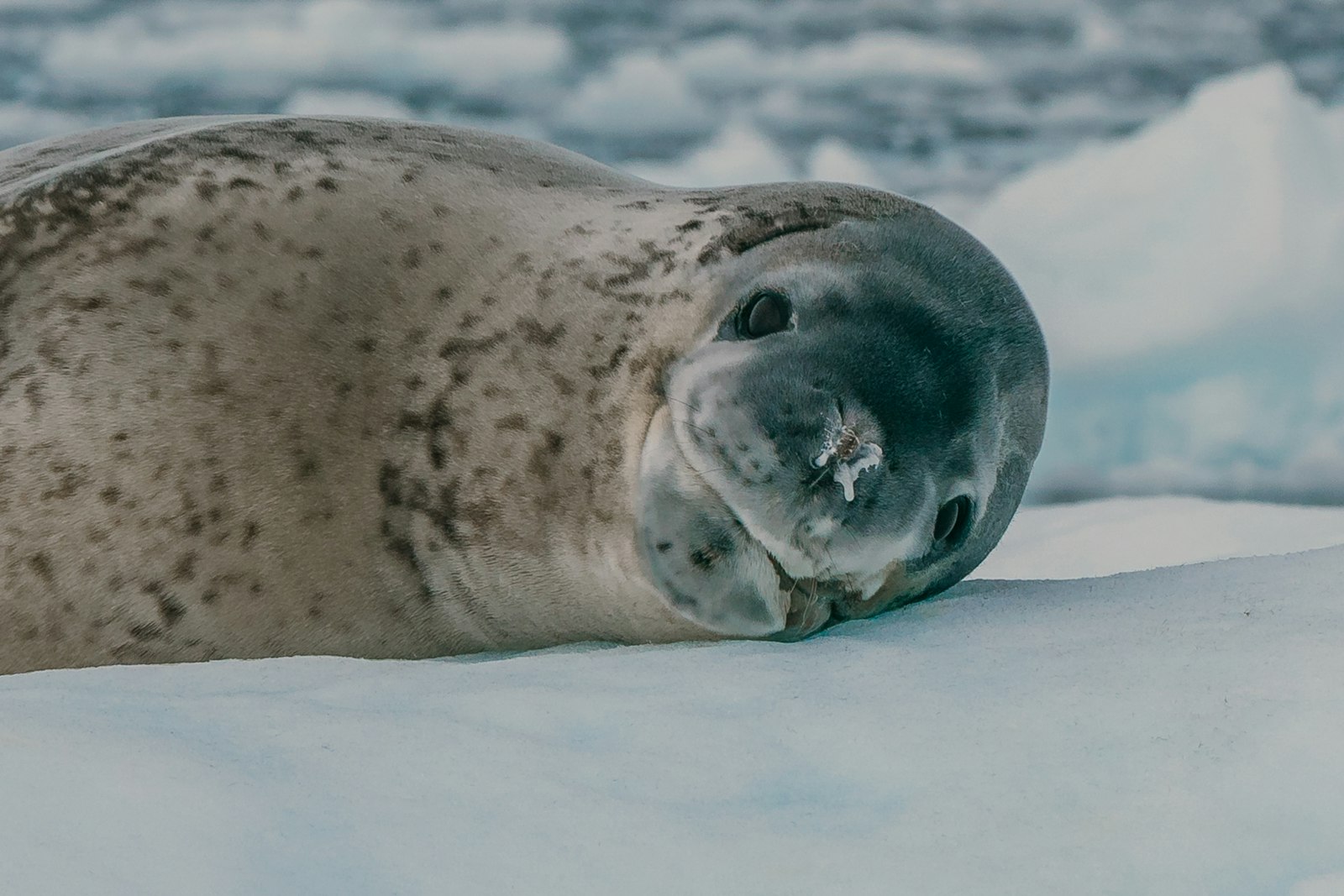
The leopard seal is the Antarctic's second-largest seal after the elephant seal, built long and muscular with a spotted, leopard-like coat. It is the region's top predator, hunting penguins, fish, and even other seals along the ice edge.
Wildlife
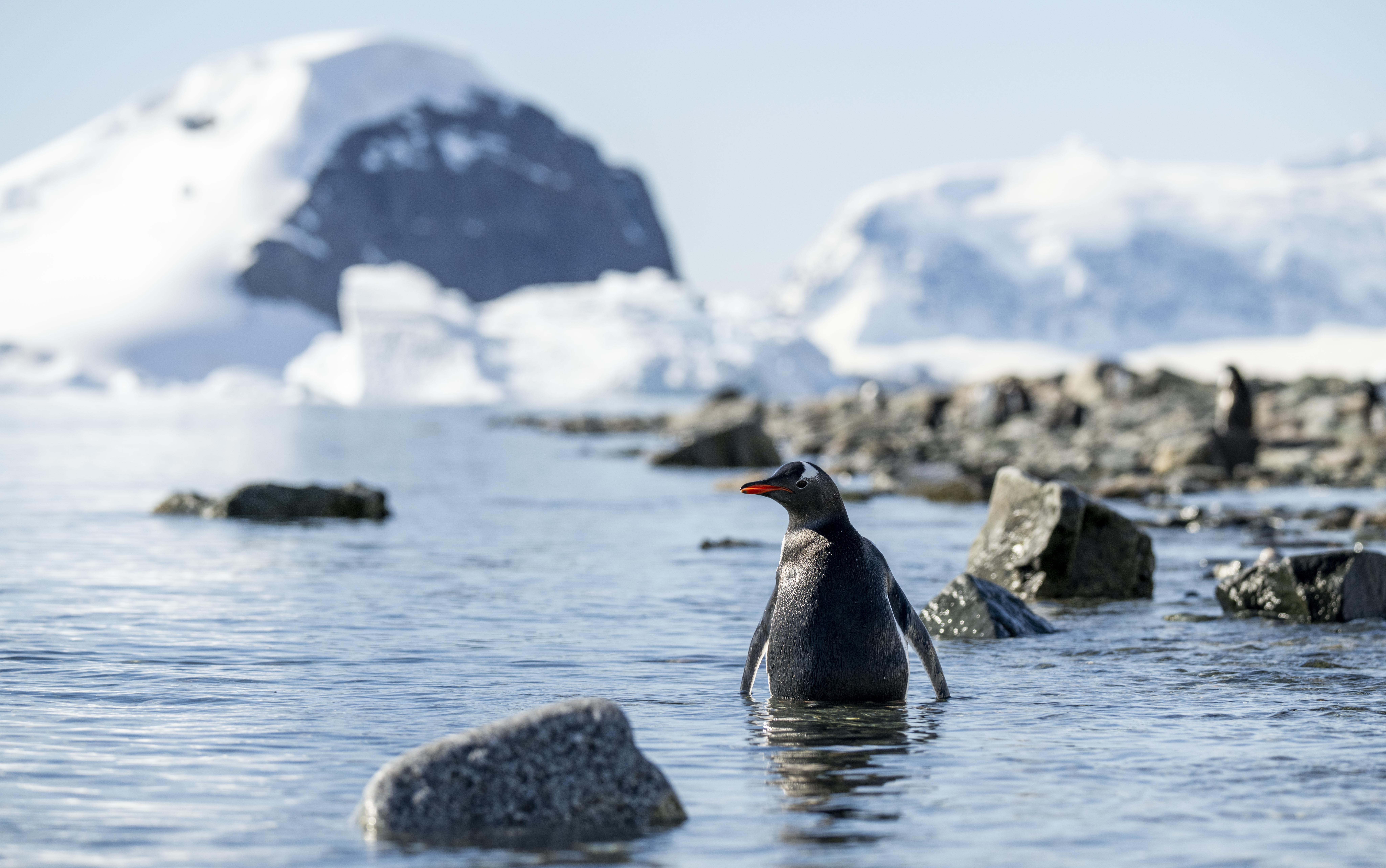
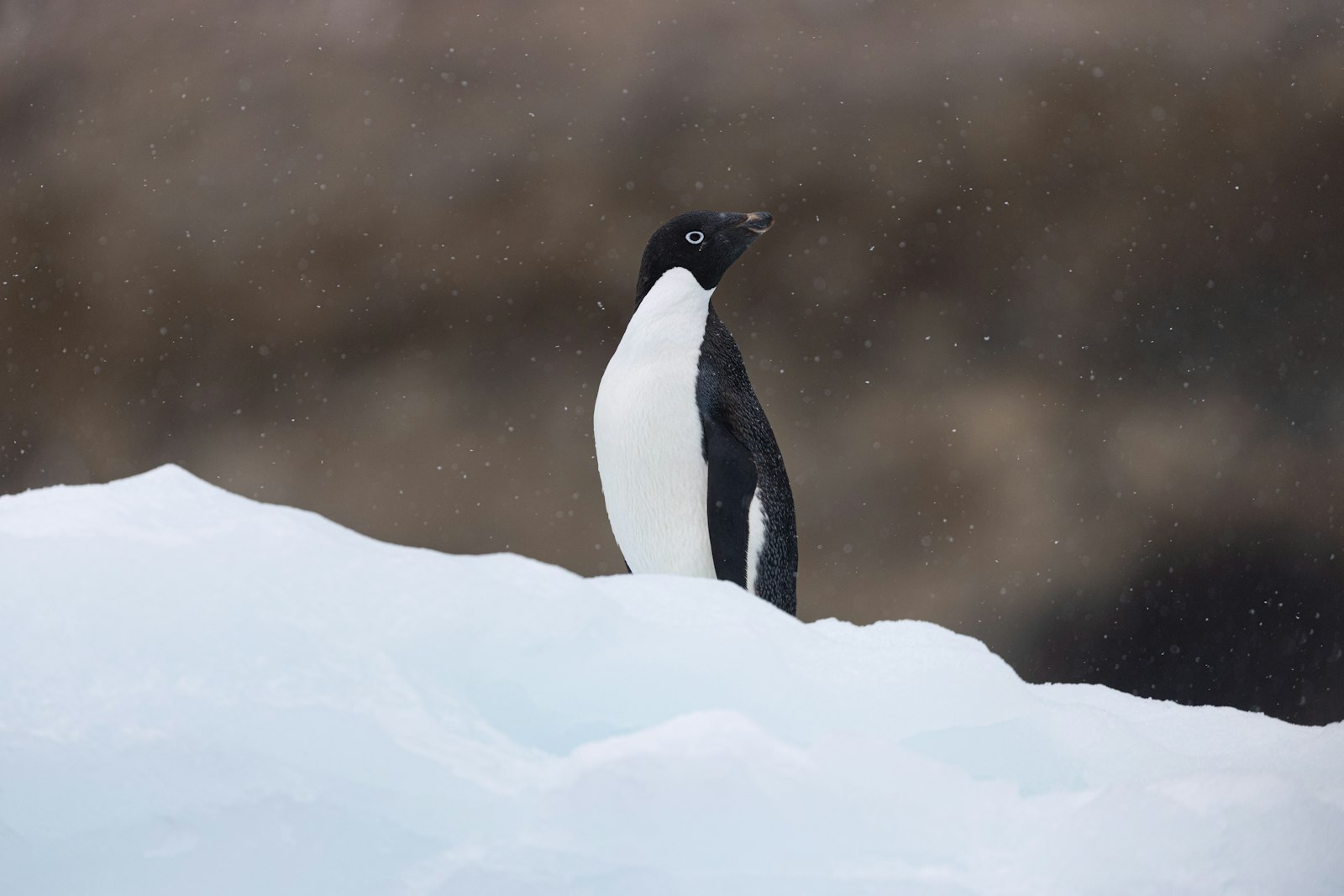
One of the most widespread penguins in Antarctica, the Adélie is often the first tuxedoed local guests meet ashore. Its stark white eye-ring and brisk, purposeful waddle make it easy to pick out along the ice edge.
Wildlife
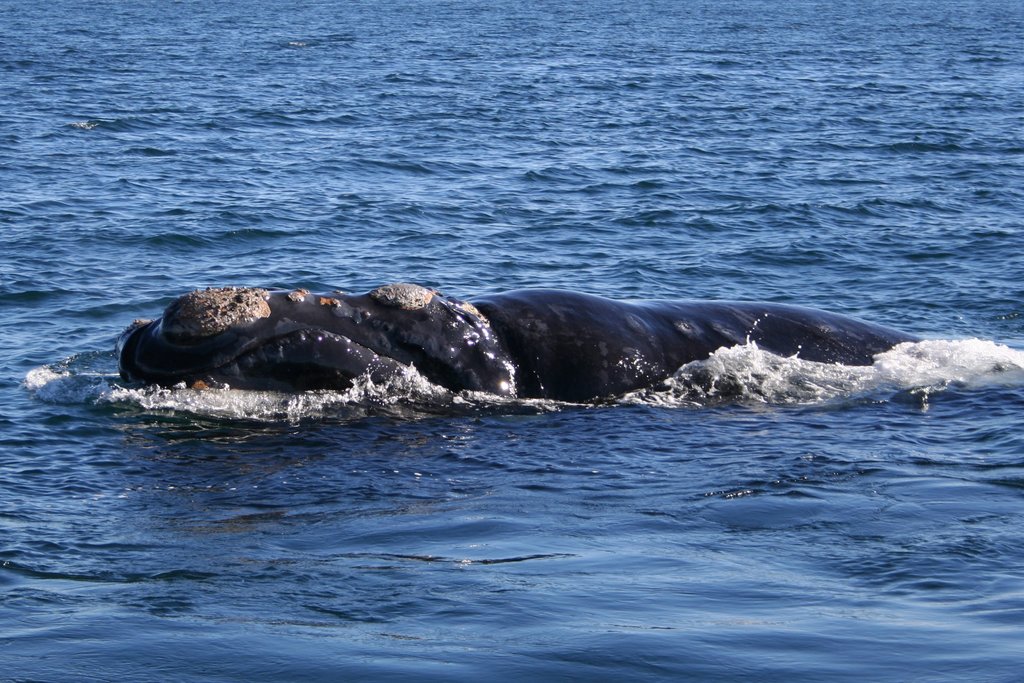
A stocky baleen whale with no dorsal fin and a head crusted in pale callosities, once hunted almost to extinction and now the whale most likely to breach or wave a fluke at passing ships. It favours the same cold, food-rich waters that expedition itineraries already follow.
Wildlife
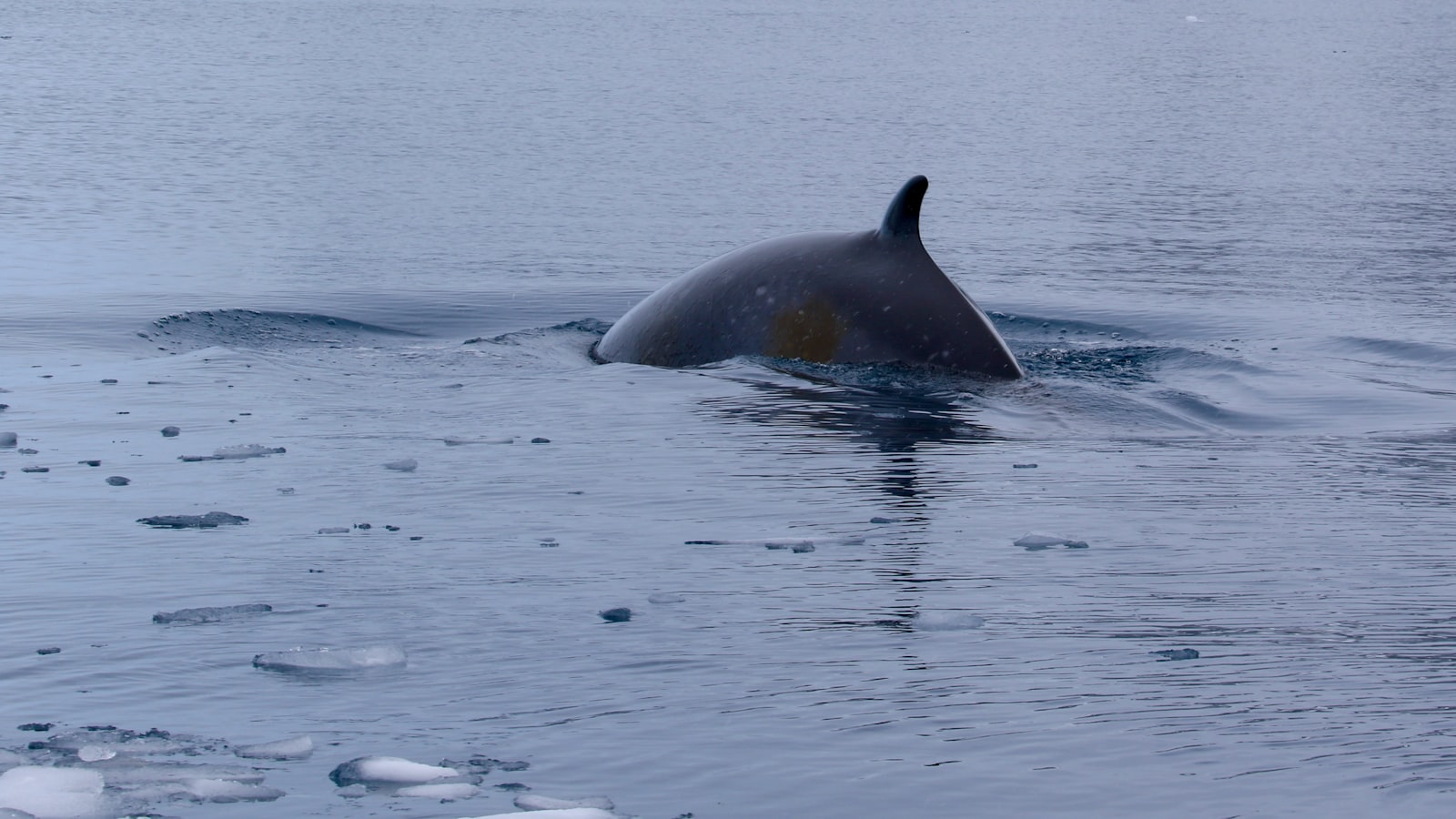
The Antarctic minke is a small, fast-moving rorqual, the most abundant baleen whale on Earth, though singles and pairs still take some looking to spot. It surfaces briefly among the pack ice, more often glimpsed than watched.
Wildlife
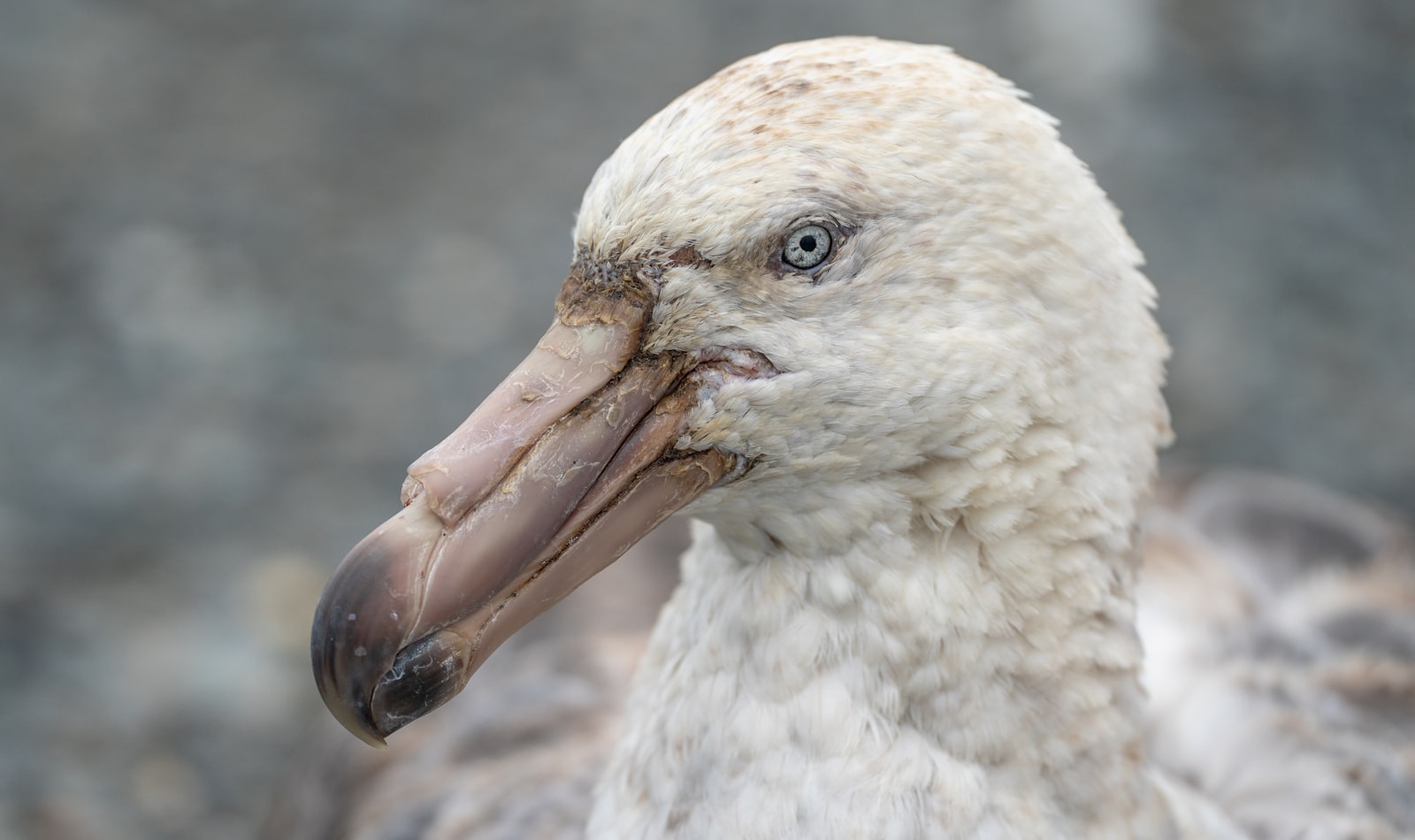
A large seabird of the southern oceans, also called the Antarctic giant petrel, giant fulmar or simply the stinker. Its range overlaps broadly with the near-identical northern giant petrel, the two told apart chiefly by the colour of the bill-tip.
Wildlife
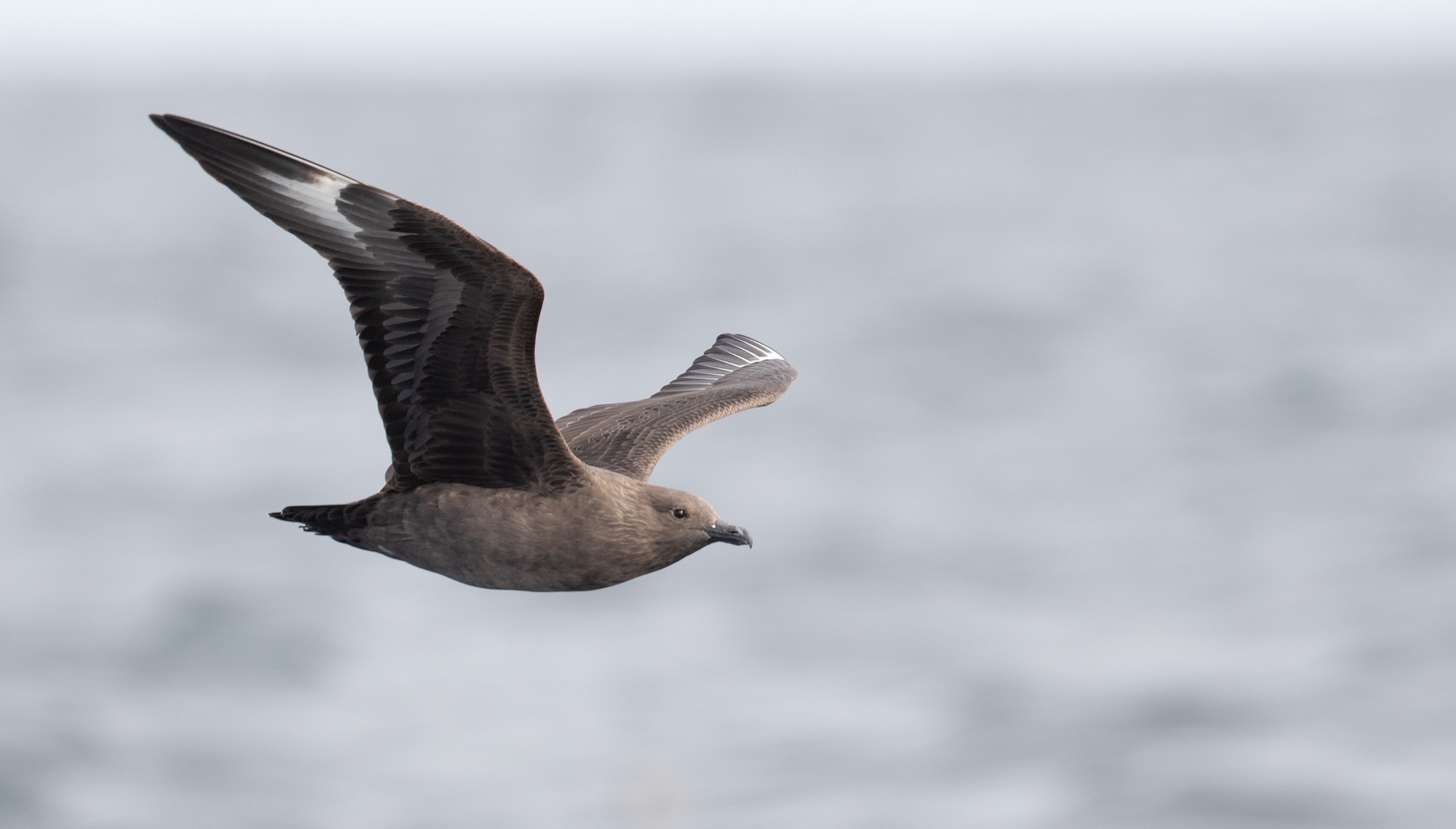
A large, heavy-built seabird of the skua family, the south polar skua ranges the Southern Ocean and its ice edges with an unmistakable, gull-like silhouette. Its older name, MacCormick's skua, recalls the naval surgeon who collected the first specimen.
Wildlife
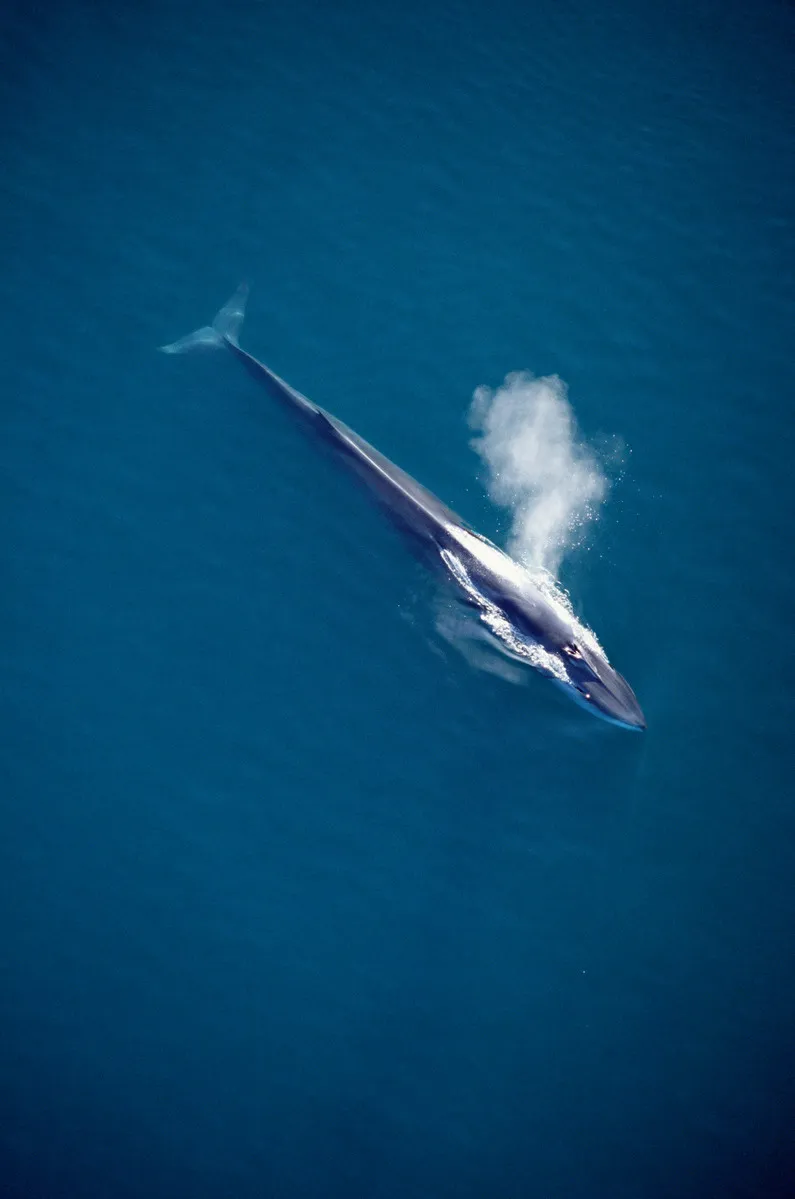
The fin whale is the second-longest animal on Earth after the blue whale, reaching up to 27 metres. Its long, slender, countershaded body is most often seen slicing through open water rather than breaching.
Wildlife
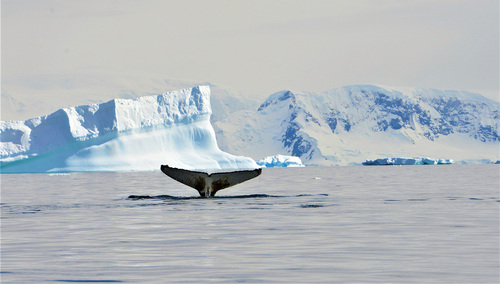
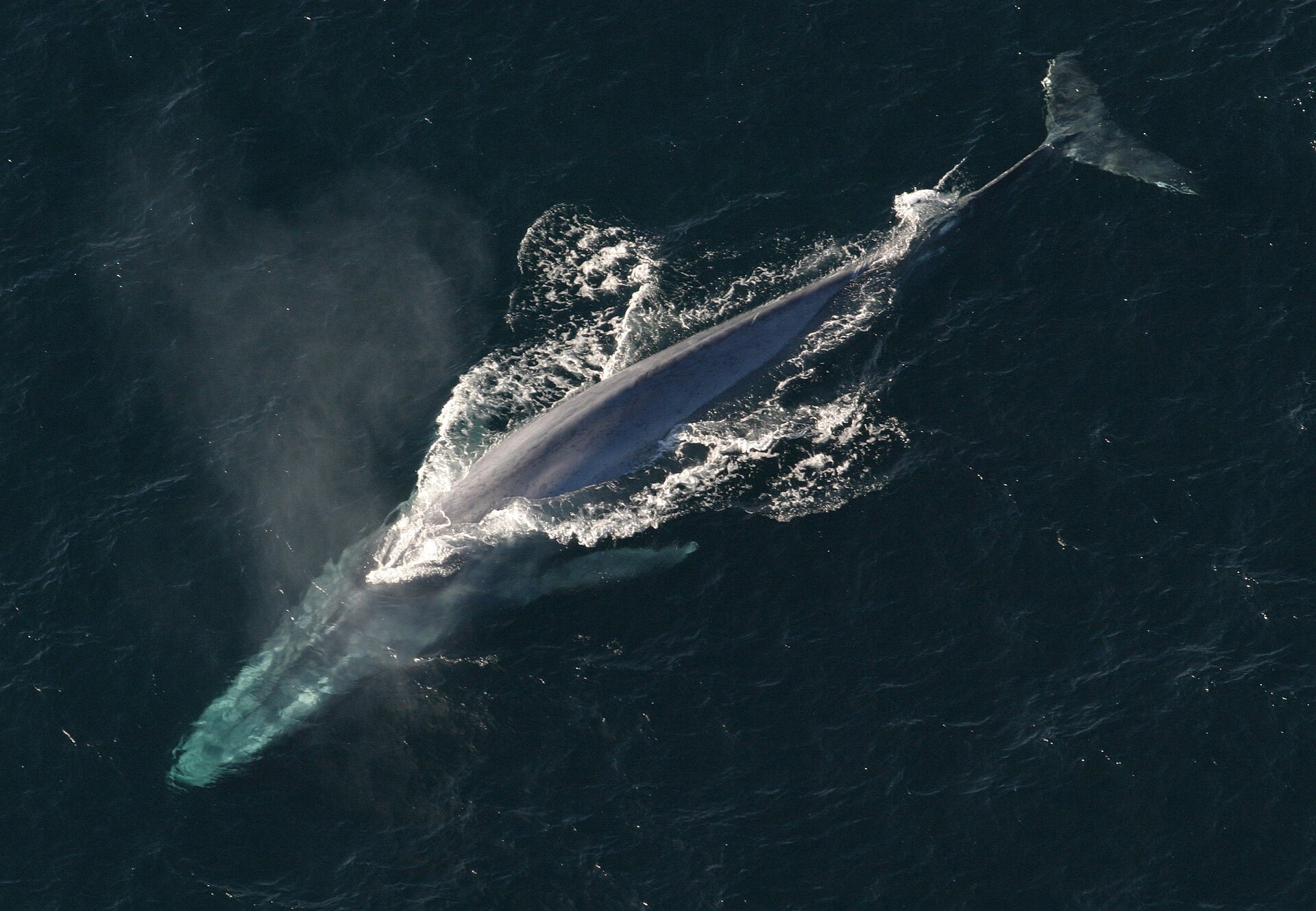
The blue whale is the largest animal known to have existed, reaching up to 30 metres in length and 200 tonnes in weight. Sightings are rare but unmistakable, usually a distant blow and a long grey-blue back rolling at the surface.
Wildlife
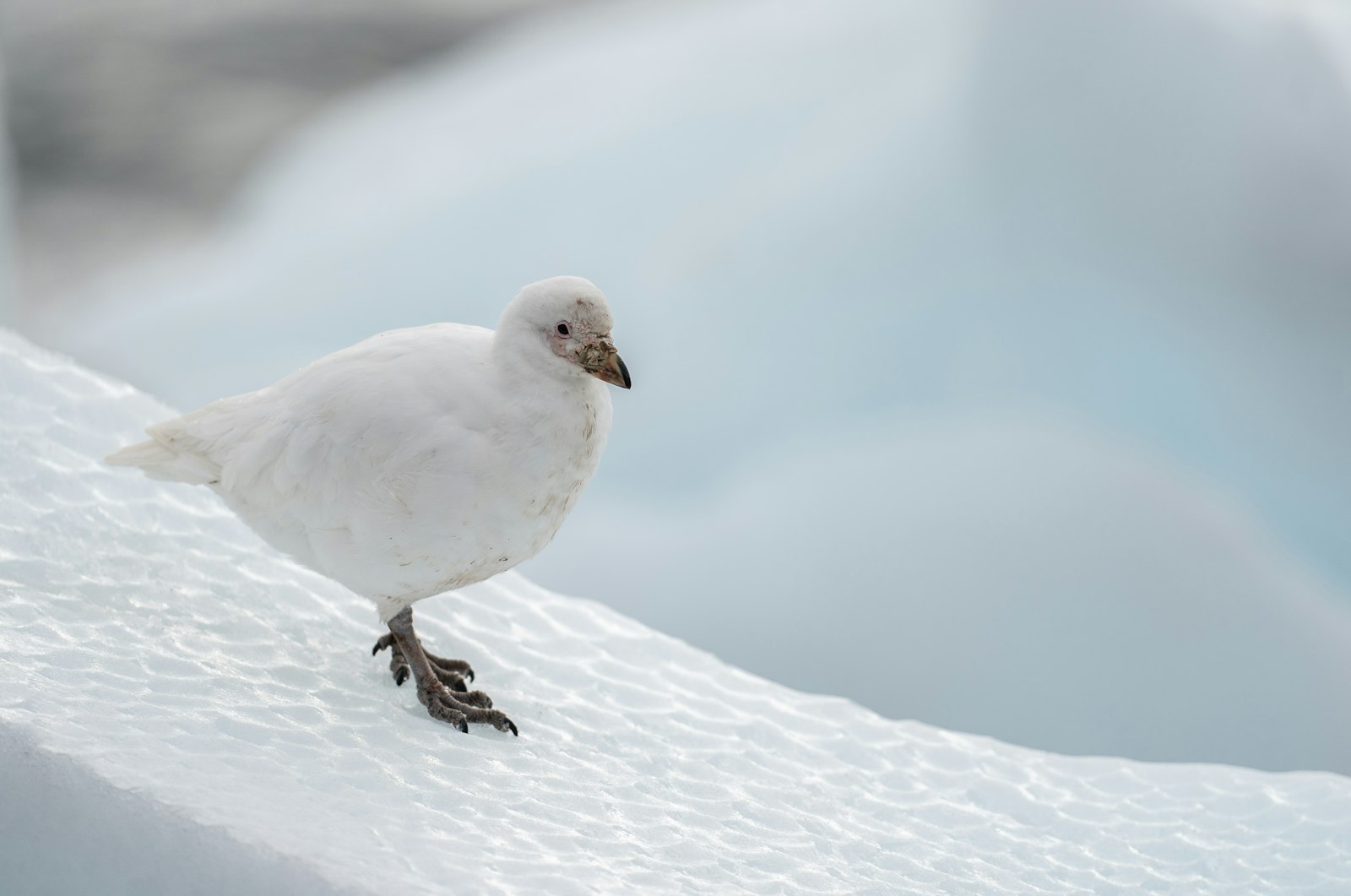
The snowy sheathbill is the only land bird native to the Antarctic continent, and one of just two sheathbill species in the world. Look down, not up: it spends its time walking the shoreline and rocks rather than flying.
Wildlife
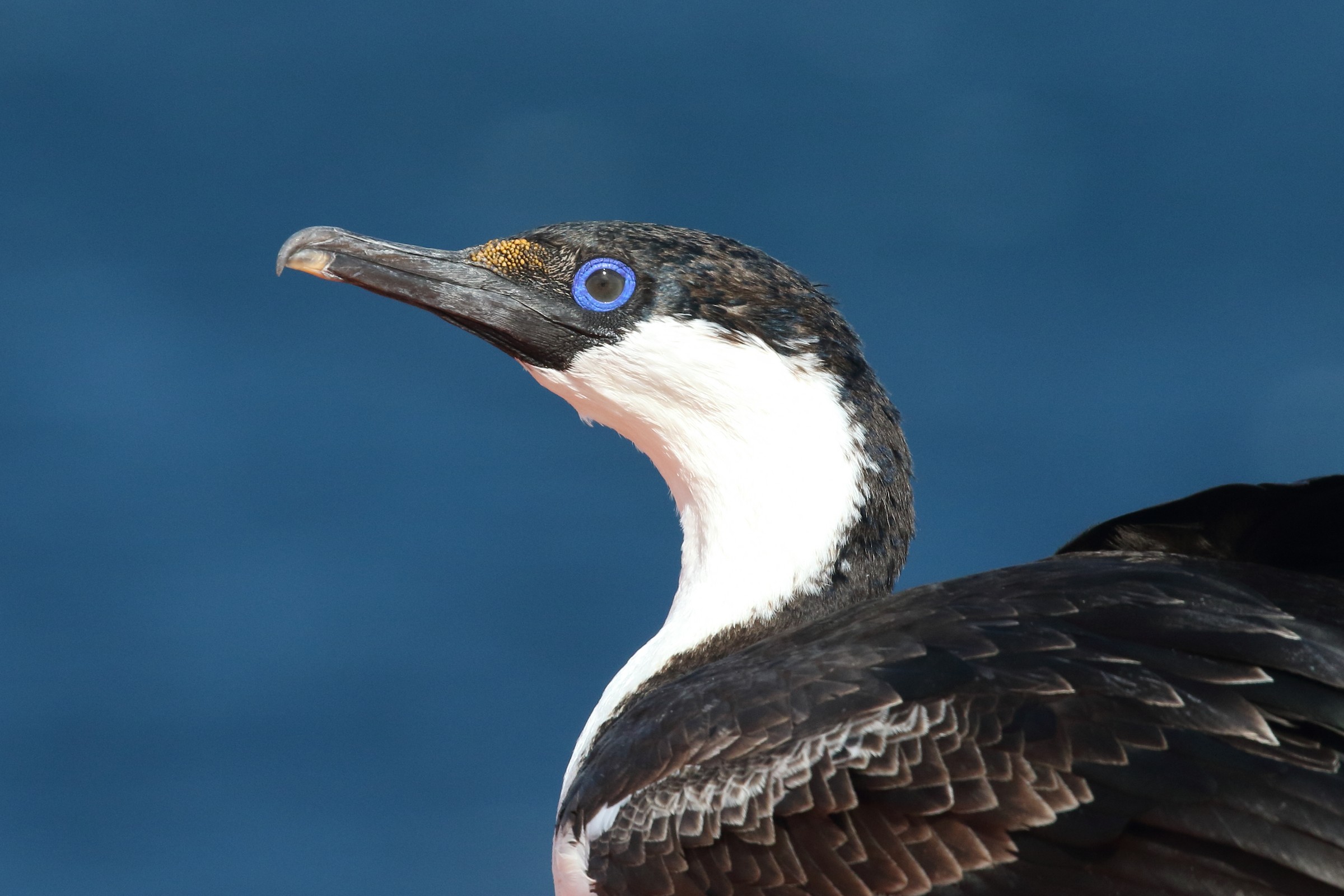
The Antarctic shag is the only cormorant species found on the continent, easy to pick out by its blue-ringed eyes as it stands stiffly upright on ice floes and coastal cliffs. It nests in small colonies apart from the penguin rookeries along rocky shorelines.
Wildlife
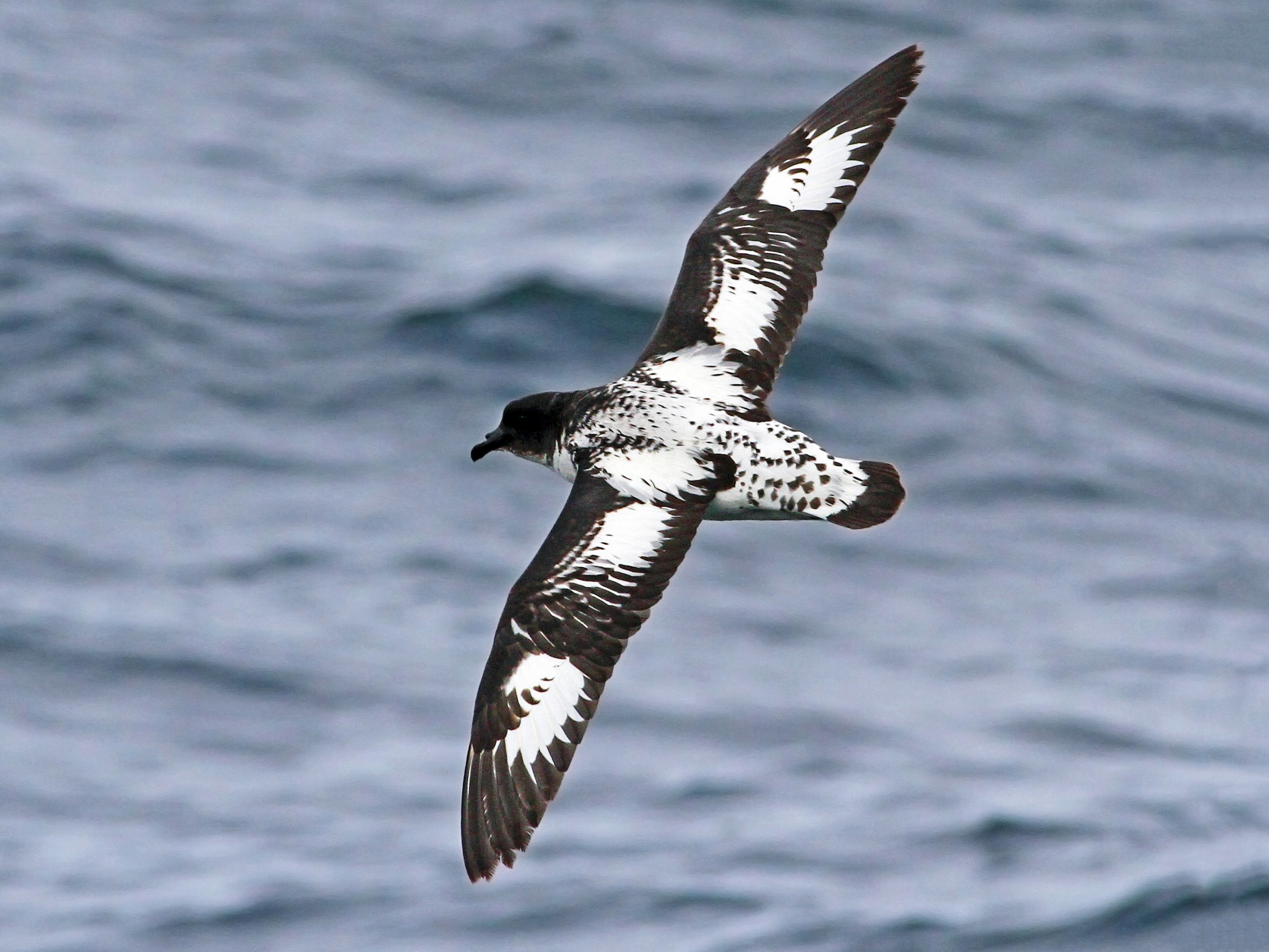
The pintado petrel, better known as the Cape petrel, is one of the most abundant seabirds of the Southern Ocean, with a population estimated at around two million. Travellers usually meet it long before they see land, tracking ships across open water.
Wildlife
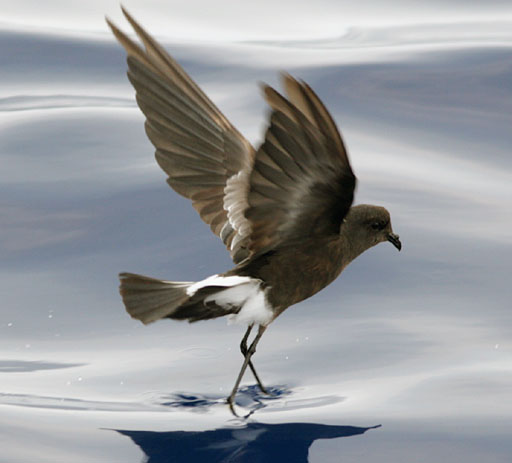
A small, sooty-black seabird that flits and patters over the wake like it's walking on water. Named for ornithologist Alexander Wilson, it's reckoned among the most numerous bird species on Earth.
Wildlife
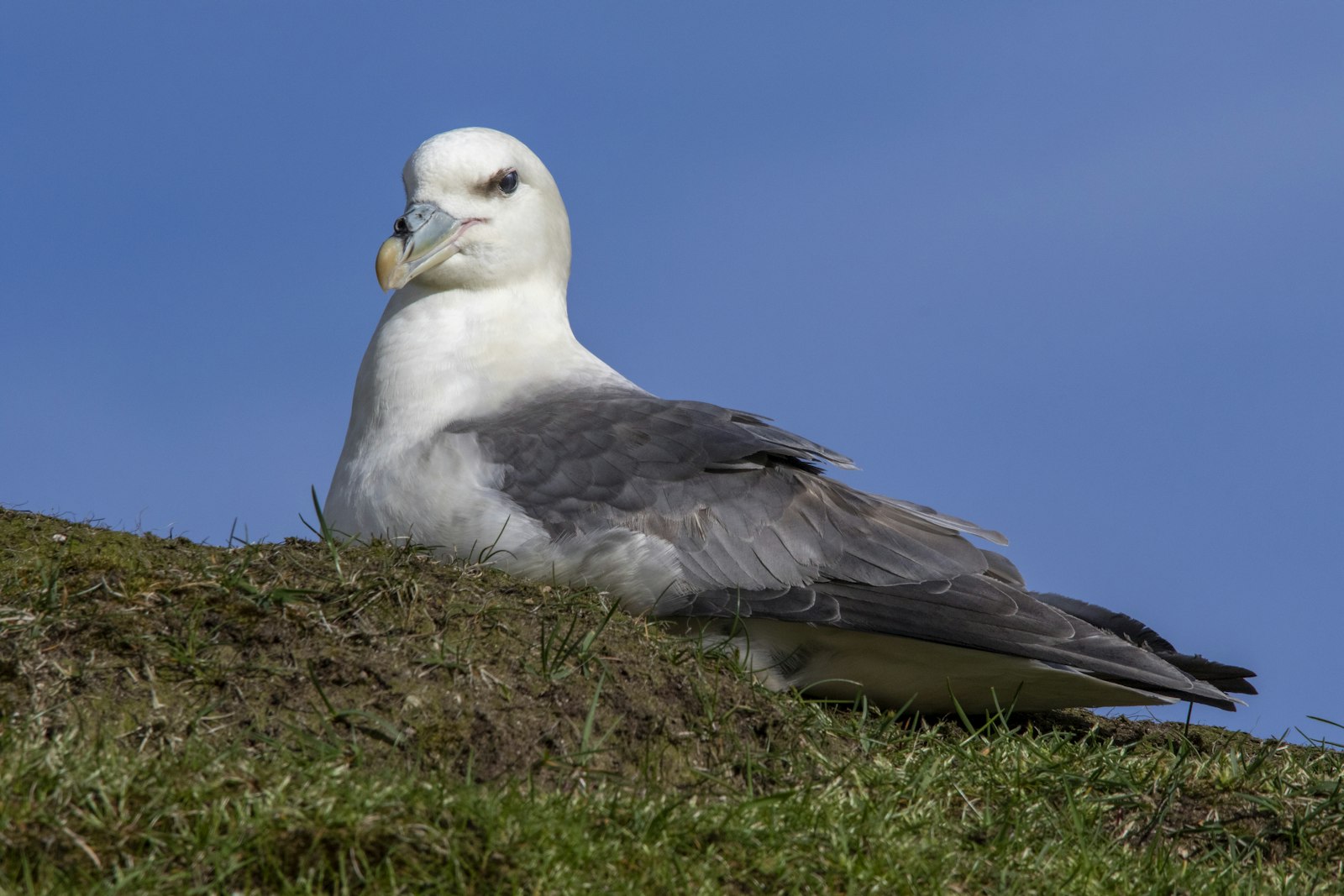
Pale grey above, white below, and marked with a distinctive white wing patch, the southern fulmar is a familiar shape trailing expedition ships south of the Antarctic Convergence. It breeds on Antarctic cliffs and islands, then disperses north with the winter ice.