Antarctica Unlocked

1,000 departures across 14 operators and 39 ships

Cruises visiting Ross Sea

8 upcoming Antarctic expeditions with Ross Sea on the route, from $26,710 per person.

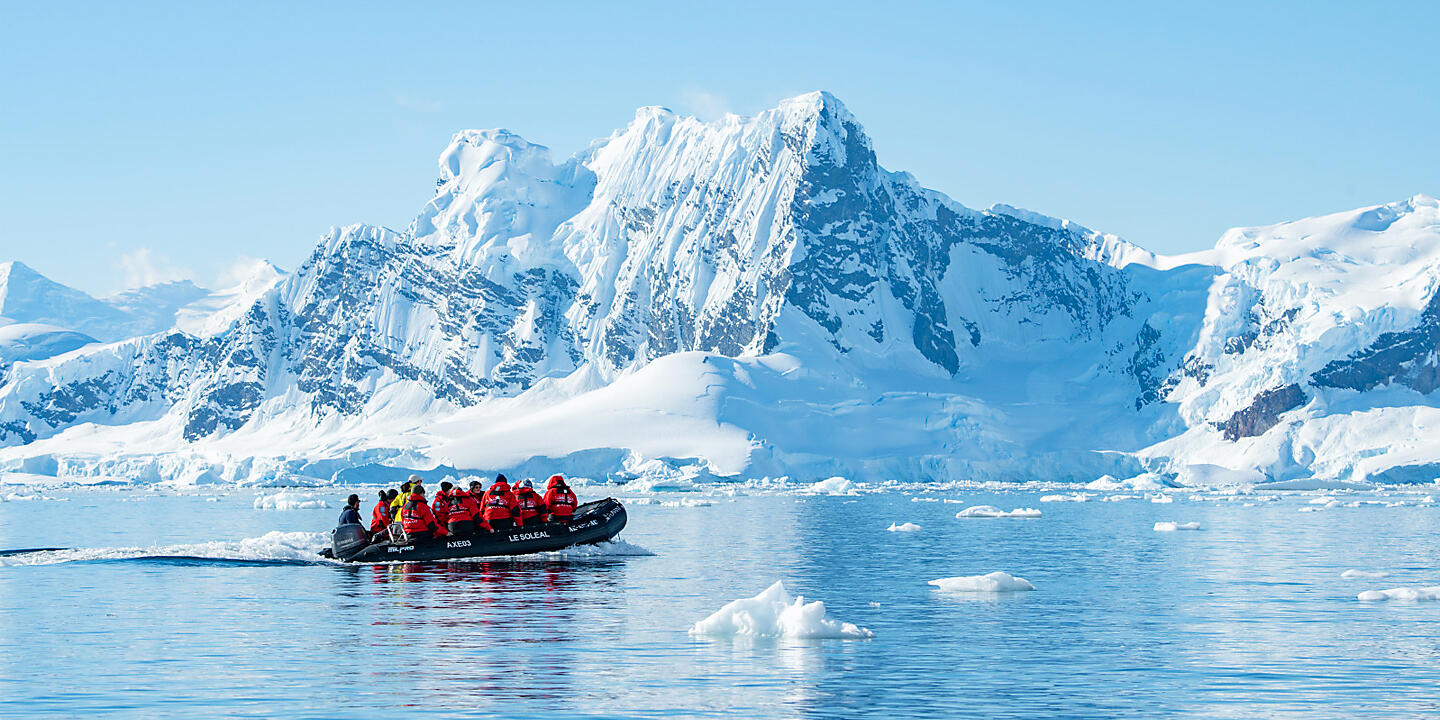
The Ross Sea is Antarctica's remote deep south, reached on long expeditions from New Zealand or Australia. It holds the continent's most storied huts — Scott's and Shackleton's expedition bases, preserved in the cold exactly as they were left.

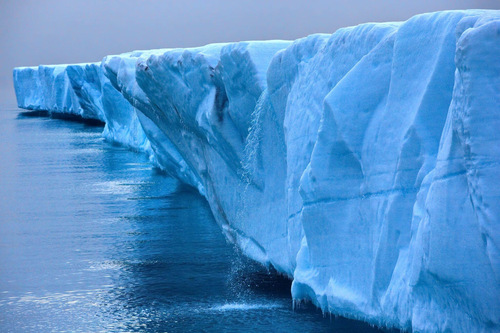
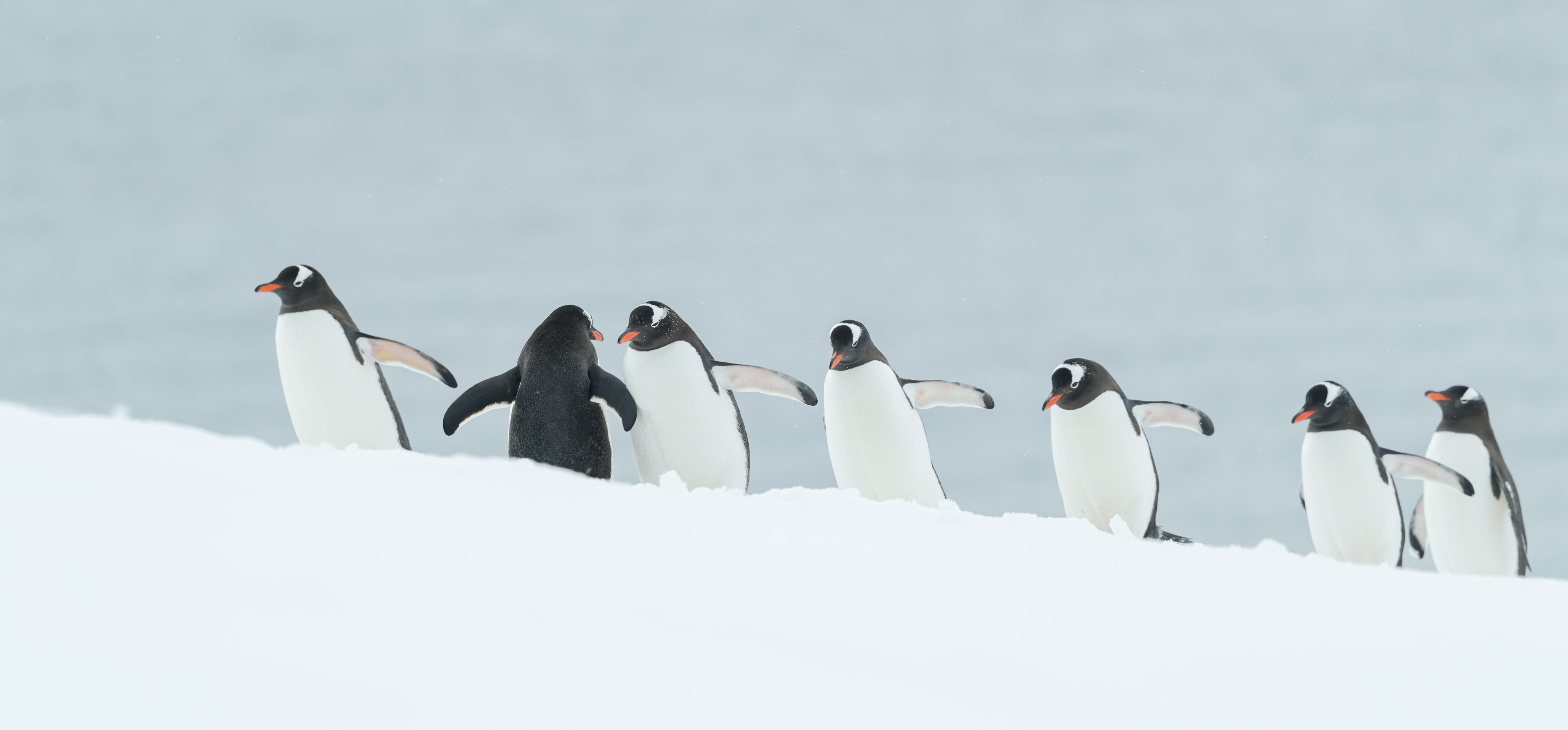
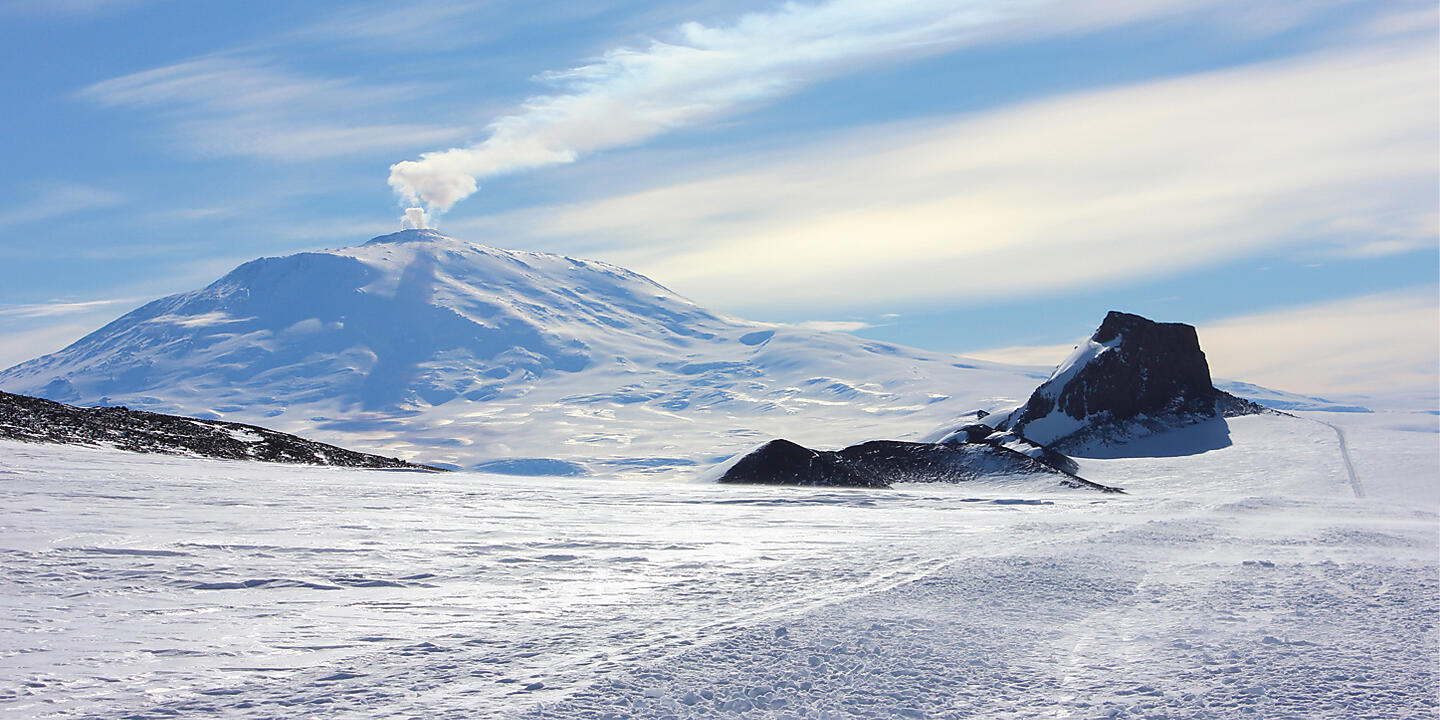
Expect emperor and Adélie penguins in vast numbers, the Ross Ice Shelf's endless white cliff, active volcano Mount Erebus, and the McMurdo Dry Valleys. These voyages are rare, long and priced accordingly — the connoisseur's Antarctica.

Wildlife you can spot here

Wildlife

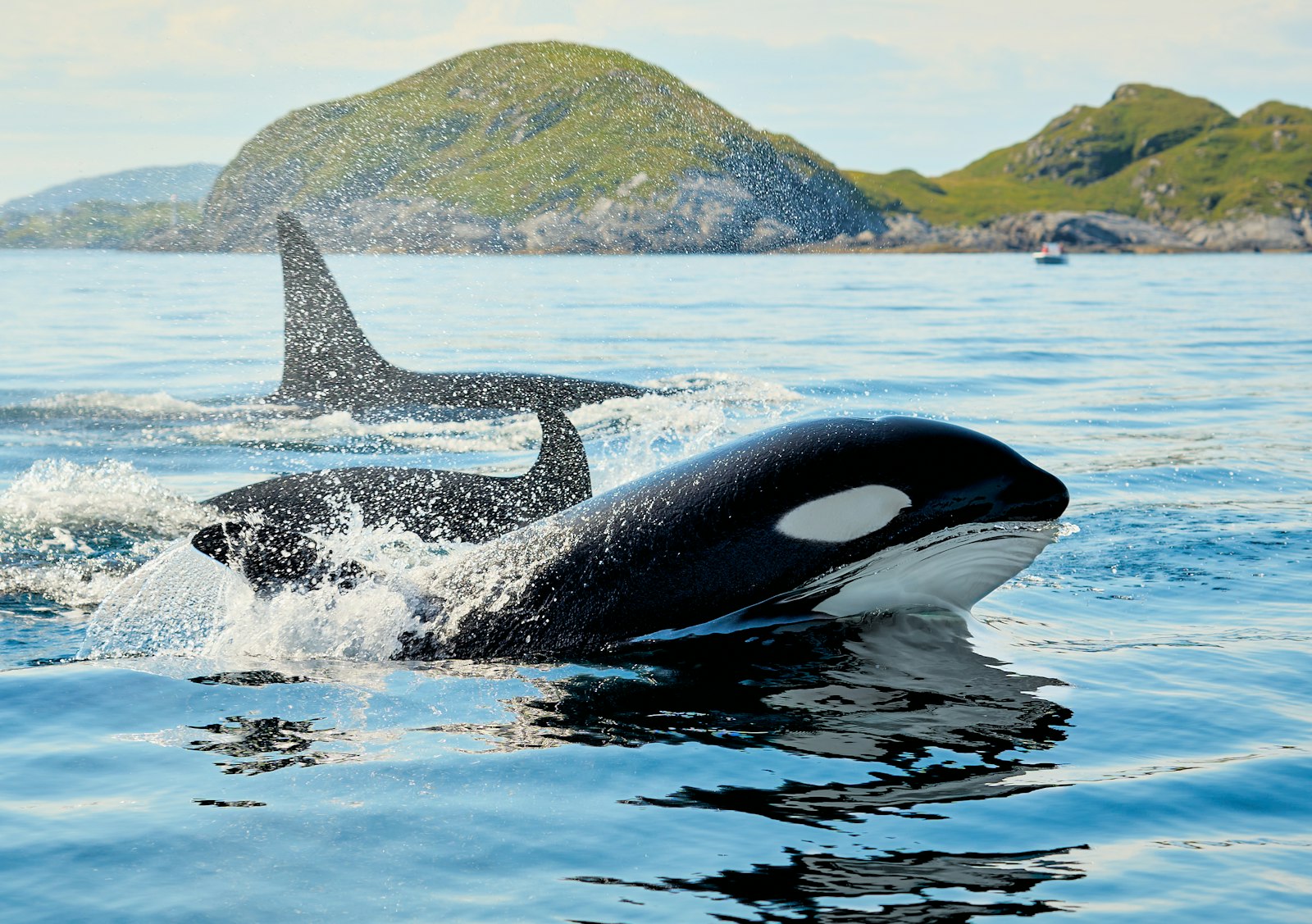
Orca

Black and white apex predator instantly recognizable by its pale eye patches, the orca is the largest of the dolphins and one of the ocean's most capable hunters. Sightings often involve a tight-knit family pod working the ice edge together.

Wildlife

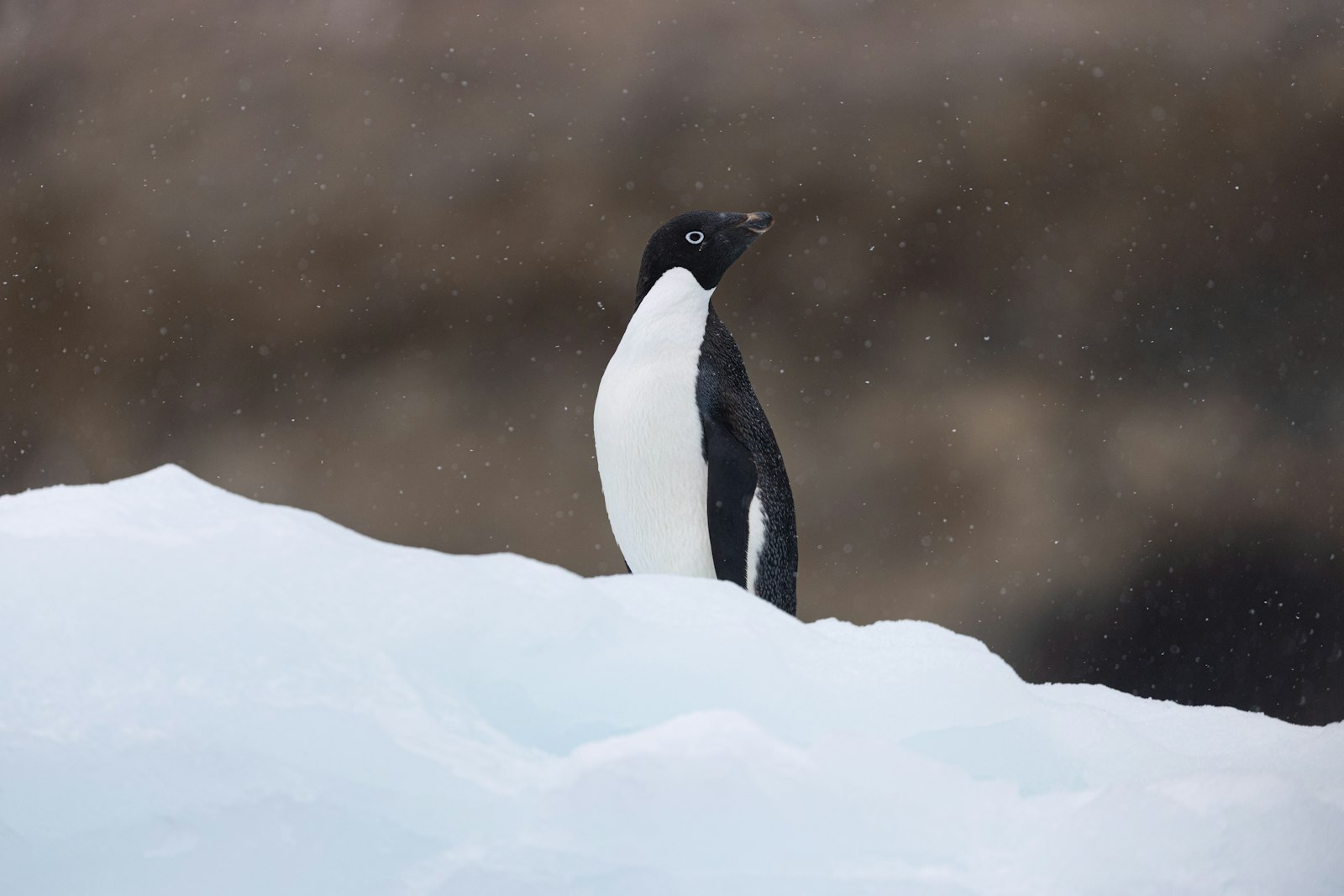
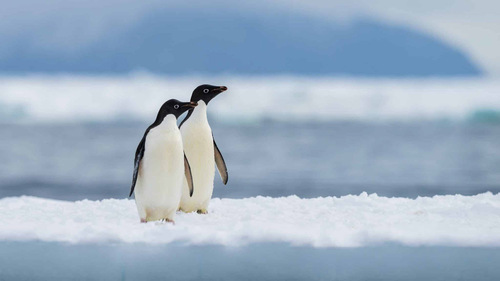
Adélie Penguin

One of the most widespread penguins in Antarctica, the Adélie is often the first tuxedoed local guests meet ashore. Its stark white eye-ring and brisk, purposeful waddle make it easy to pick out along the ice edge.

Wildlife

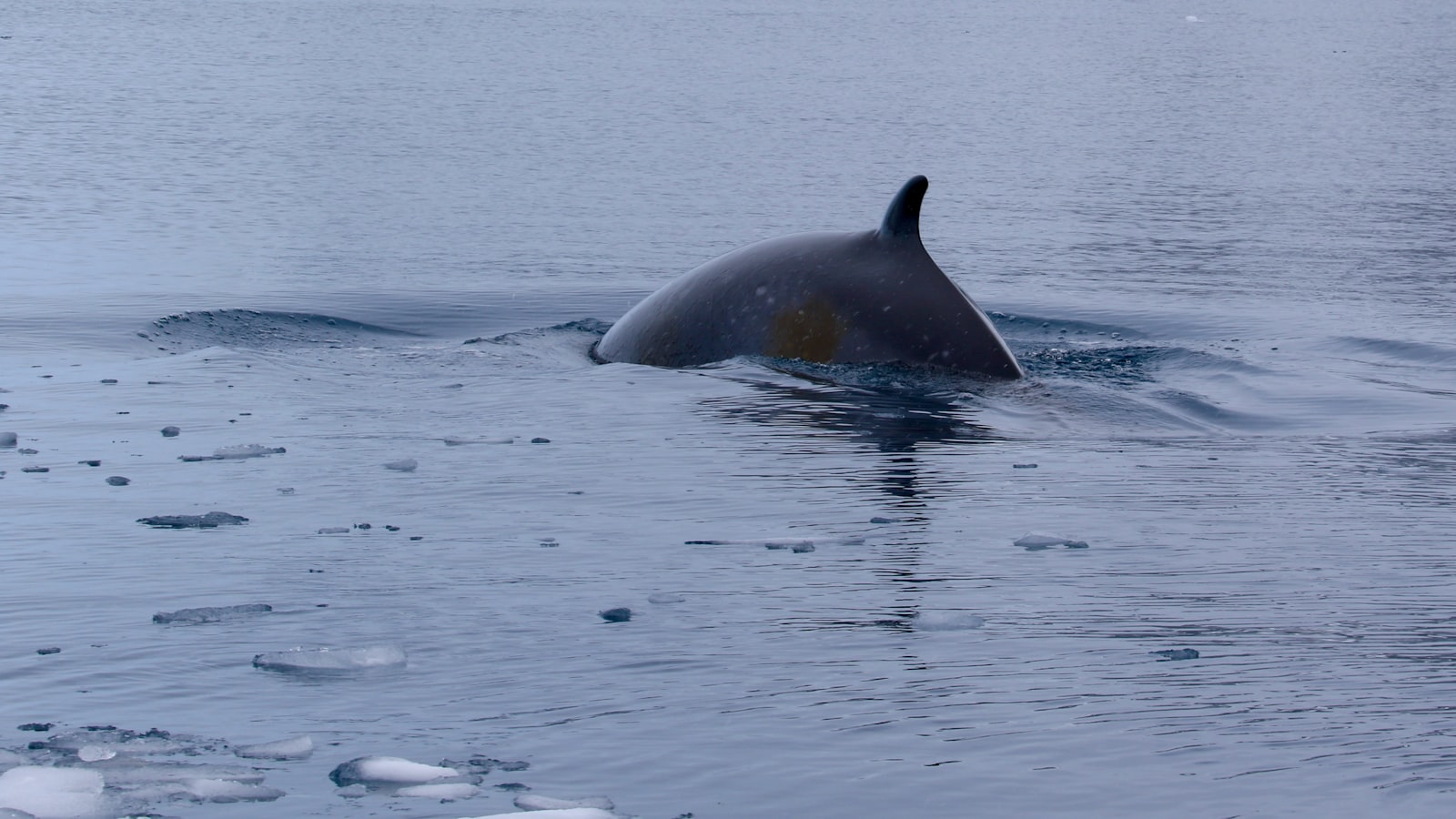
Antarctic Minke Whale

The Antarctic minke is a small, fast-moving rorqual, the most abundant baleen whale on Earth, though singles and pairs still take some looking to spot. It surfaces briefly among the pack ice, more often glimpsed than watched.

Wildlife

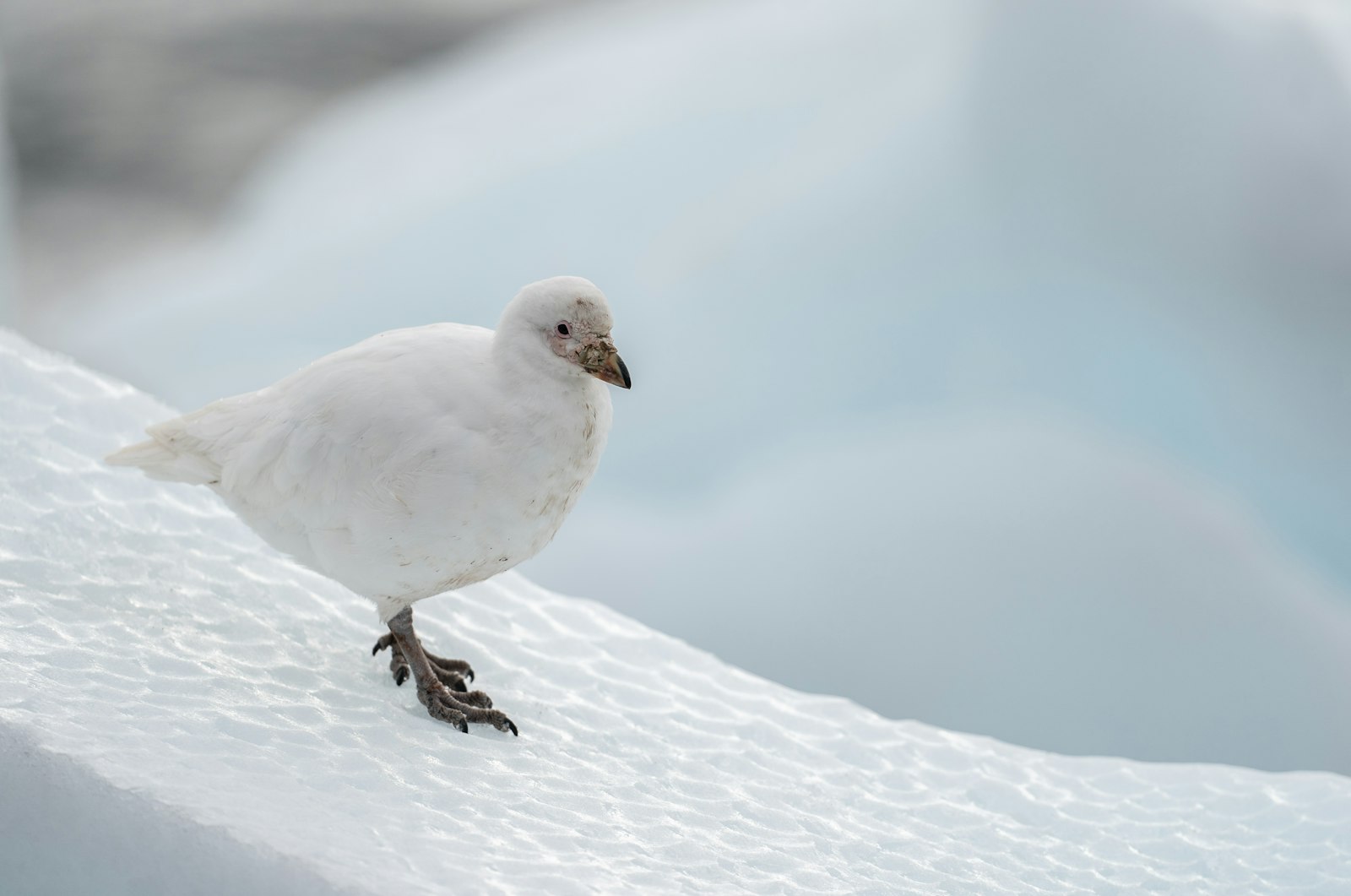
Snow Petrel

The snow petrel is one of only three bird species ever recorded at the Geographic South Pole, and it holds the record for the most southerly breeding sites of any bird. Pure white against dark rock and ice, it is unmistakable and easy to pick out from a moving ship.

Wildlife

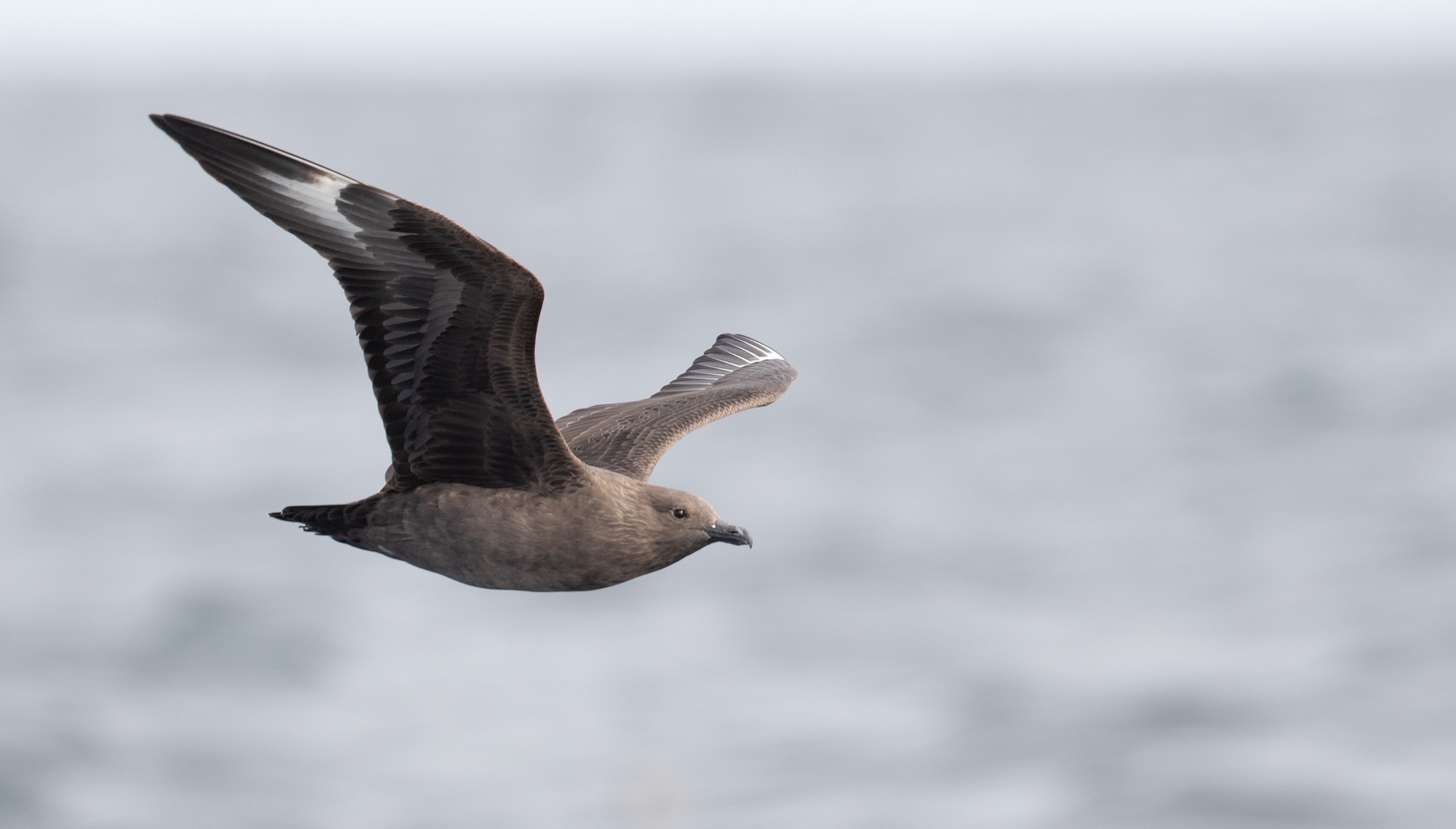
South Polar Skua

A large, heavy-built seabird of the skua family, the south polar skua ranges the Southern Ocean and its ice edges with an unmistakable, gull-like silhouette. Its older name, MacCormick's skua, recalls the naval surgeon who collected the first specimen.

Wildlife

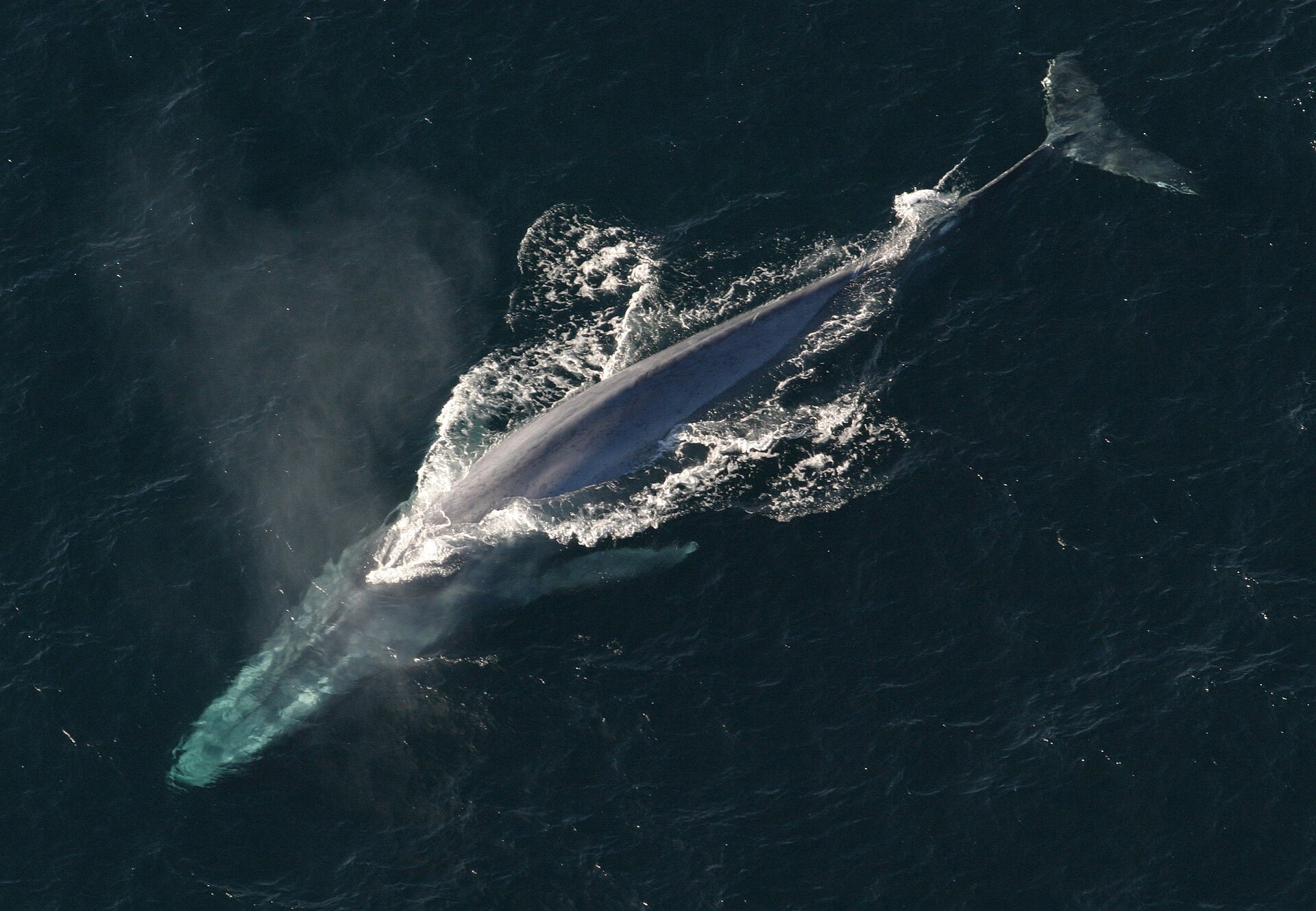
Blue Whale

The blue whale is the largest animal known to have existed, reaching up to 30 metres in length and 200 tonnes in weight. Sightings are rare but unmistakable, usually a distant blow and a long grey-blue back rolling at the surface.

Wildlife

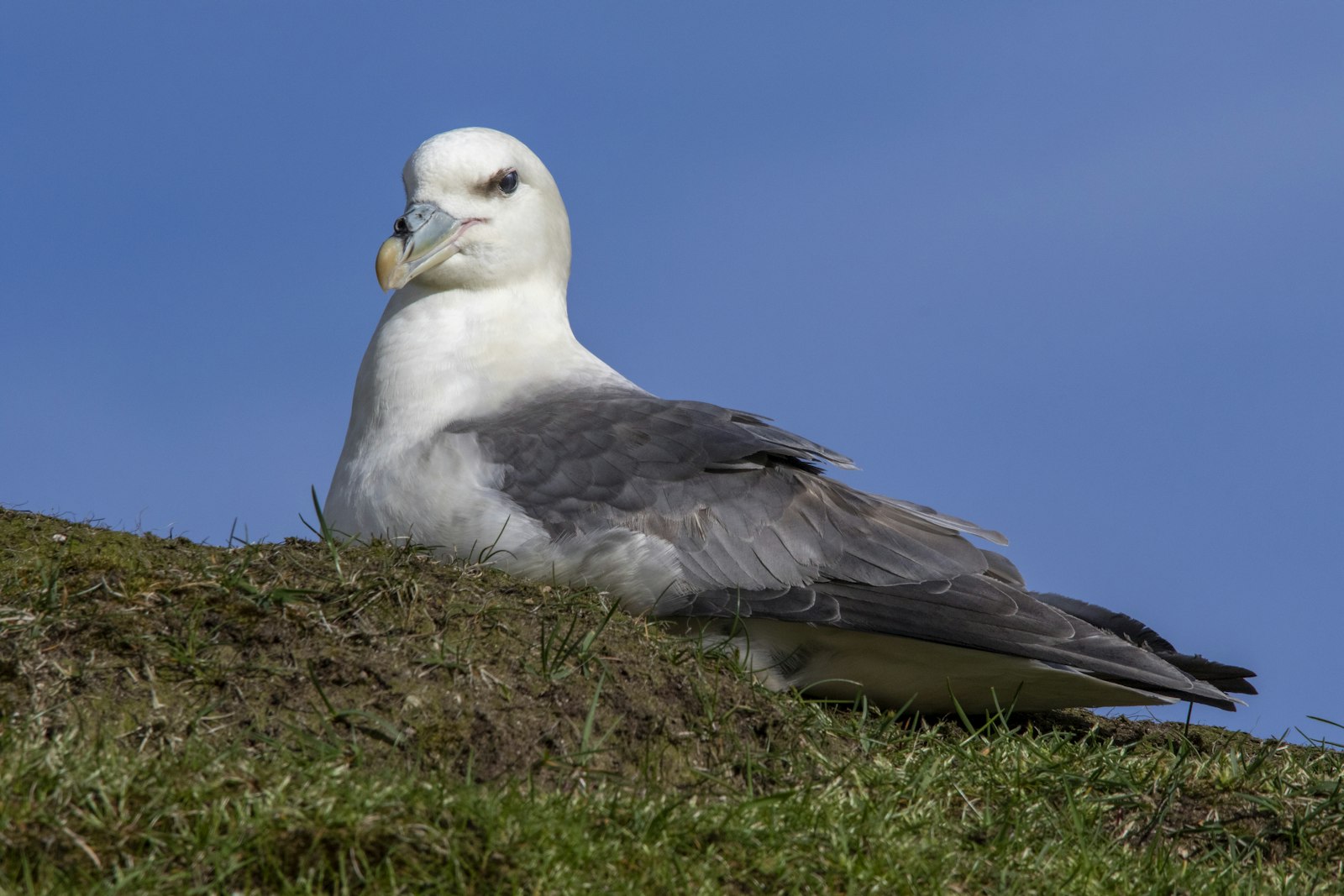
Southern Fulmar

Pale grey above, white below, and marked with a distinctive white wing patch, the southern fulmar is a familiar shape trailing expedition ships south of the Antarctic Convergence. It breeds on Antarctic cliffs and islands, then disperses north with the winter ice.

Compare all Antarctic departures across operators →