Antarctica Unlocked

1,000 departures across 14 operators and 39 ships

Cruises visiting South Shetland Islands

711 upcoming Antarctic expeditions with South Shetland Islands on the route, from $5,995 per person.

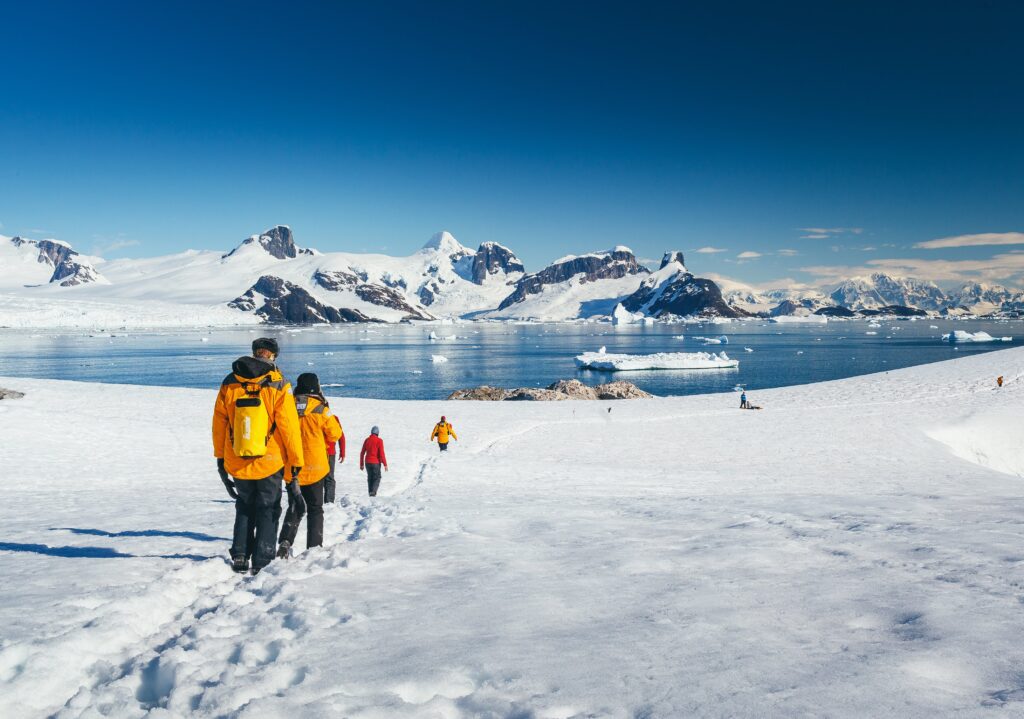
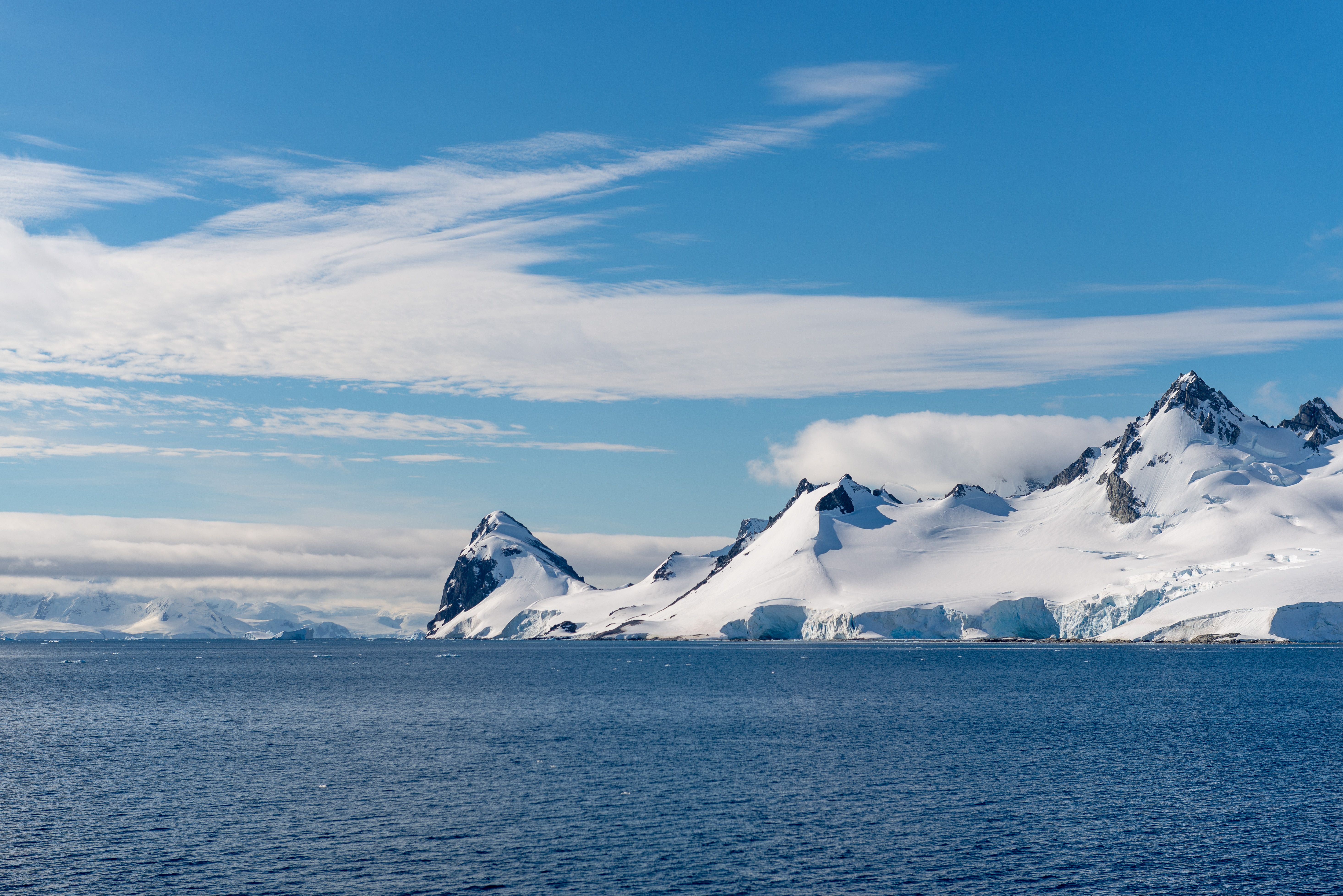
The South Shetlands are the first land most ships reach after the Drake Passage, about 120 km off the Peninsula. The archipelago packs volcanic beaches, steaming calderas and enormous penguin and seal colonies into a single day's sailing.

Highlights include the flooded volcano of Deception Island, chinstrap colonies numbering hundreds of thousands, and southern elephant seals on the beaches. Fly-cruise itineraries start here, at King George Island's airstrip.

Wildlife you can spot here

Wildlife

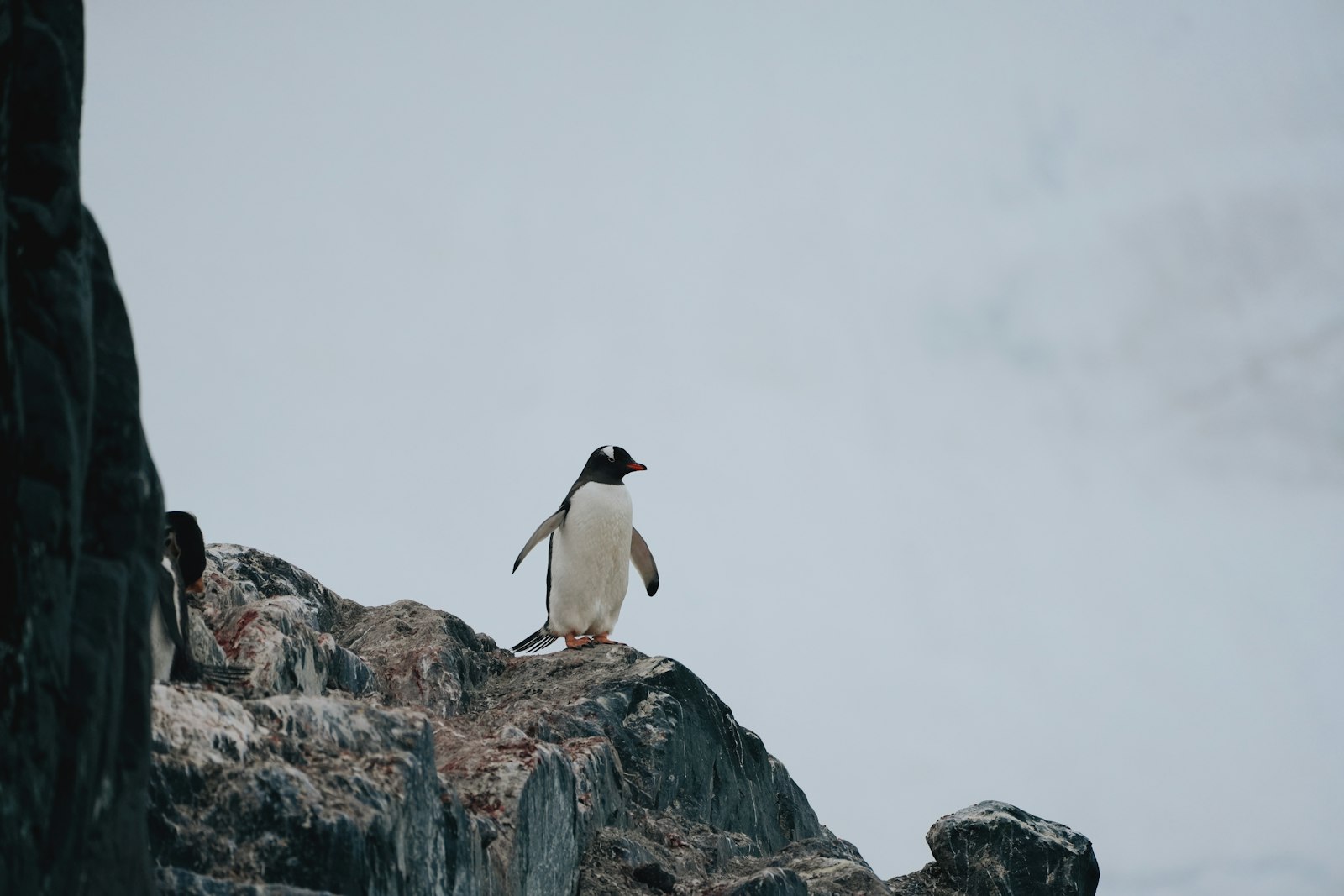
Gentoo Penguin

A stocky, orange-billed penguin of the genus Pygoscelis, closest kin to the Adélie and Chinstrap. Its loud, trumpeting call, delivered with head thrown back, carries across the shoreline colonies where expedition landings are made.

Wildlife

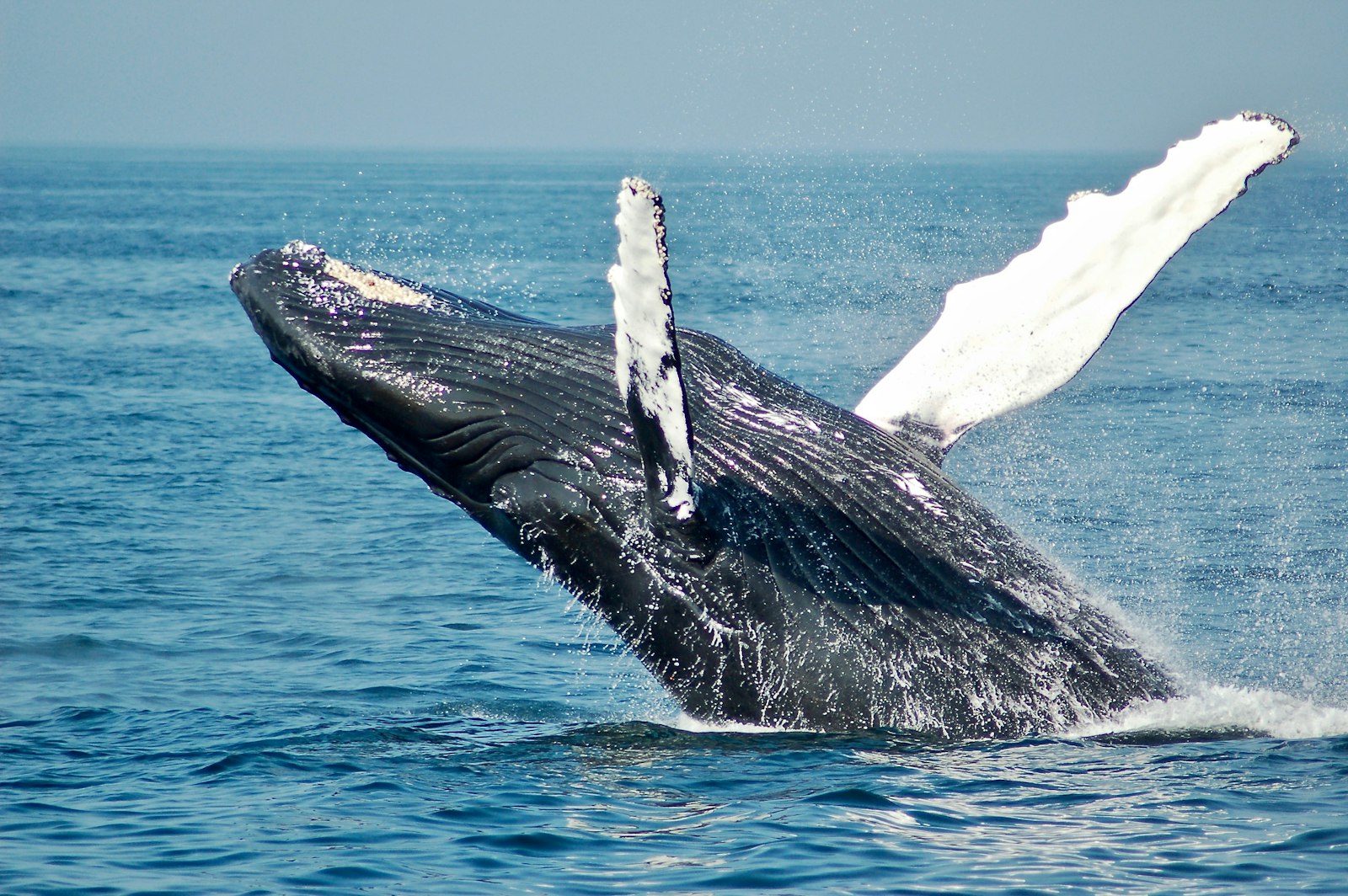
Humpback Whale

A 14–17 metre baleen whale known for breaching and long pectoral fins, often seen feeding on krill in loose groups along the ice edge.

Wildlife

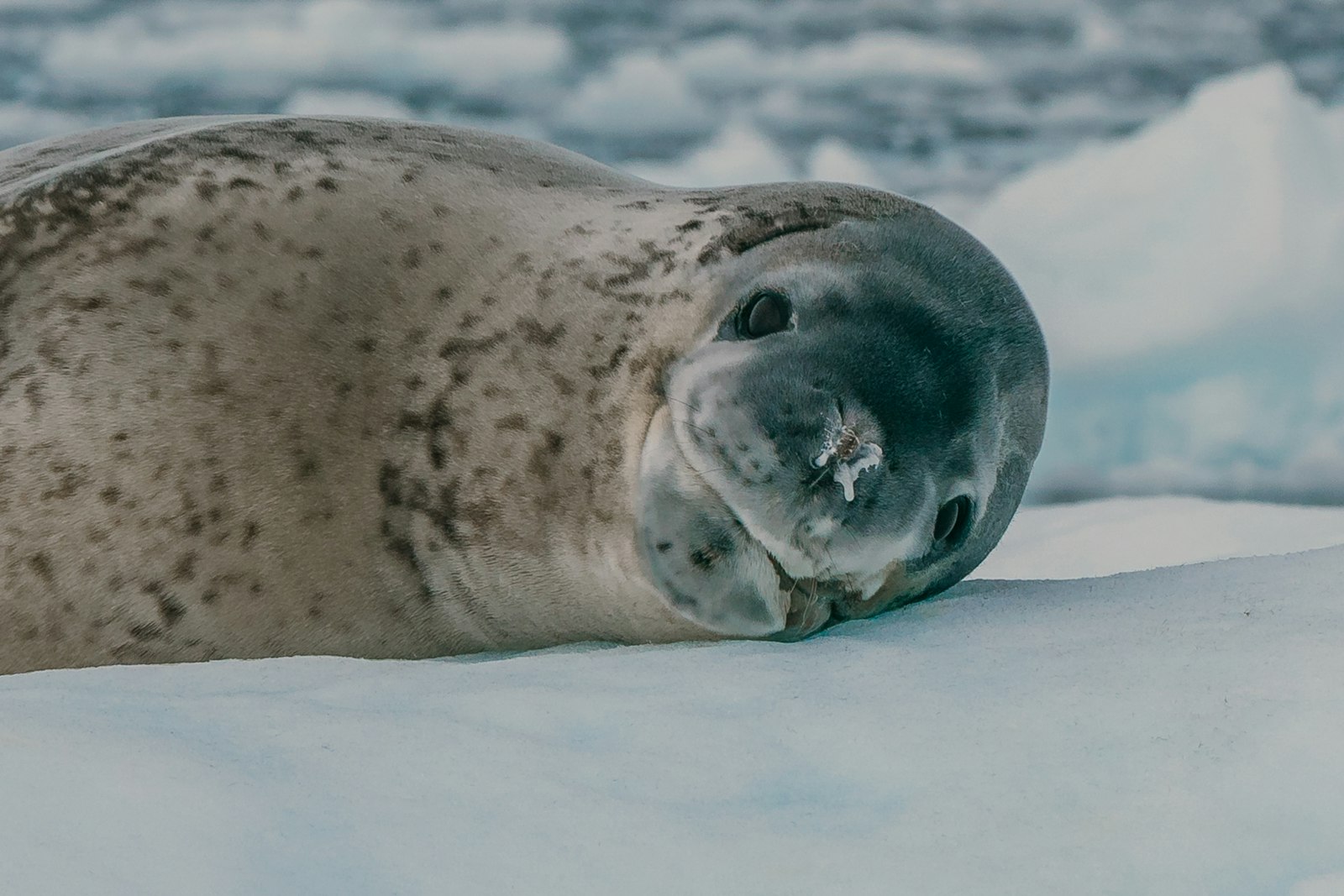
Leopard Seal

The leopard seal is the Antarctic's second-largest seal after the elephant seal, built long and muscular with a spotted, leopard-like coat. It is the region's top predator, hunting penguins, fish, and even other seals along the ice edge.

Wildlife

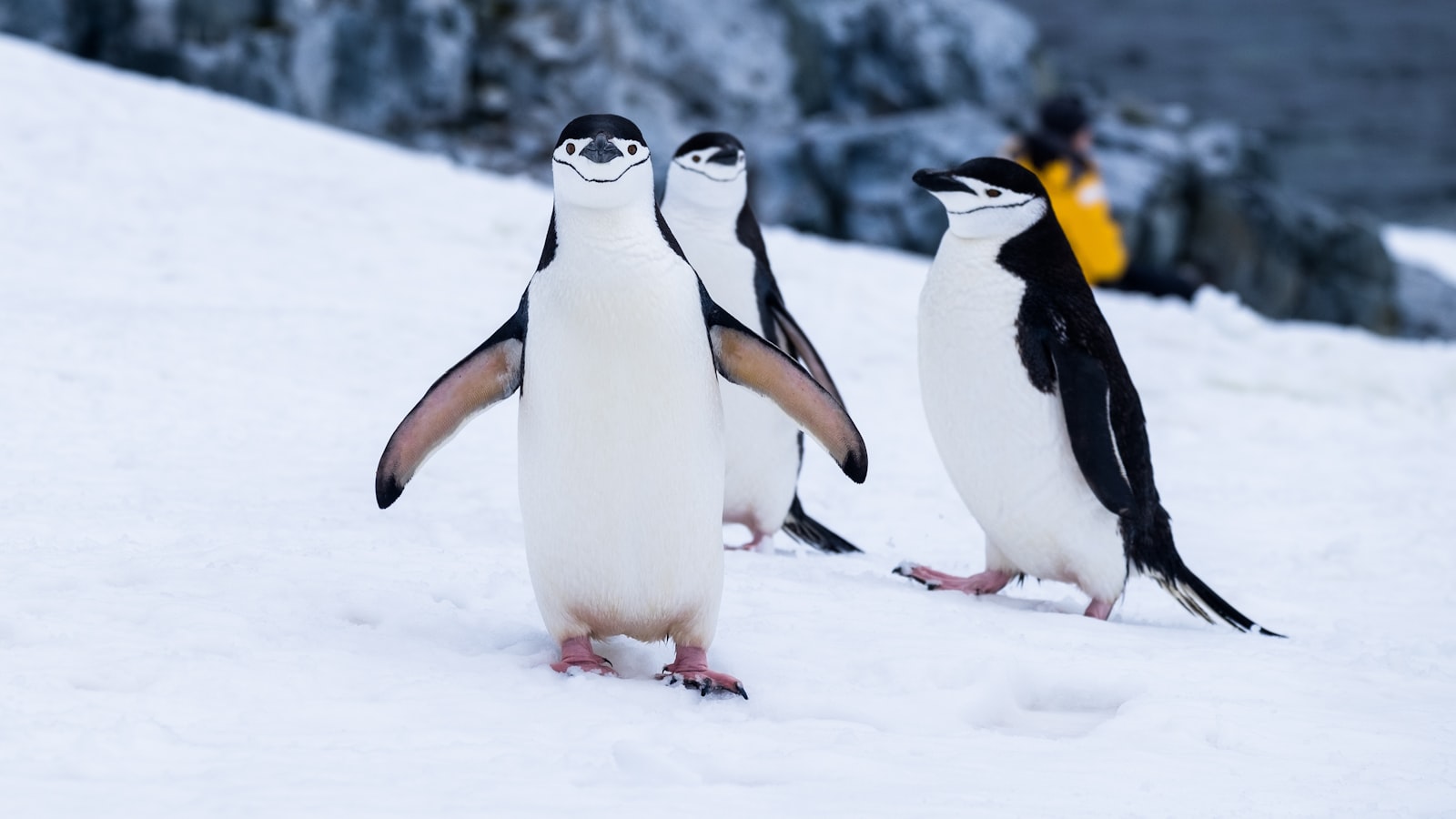
Chinstrap Penguin

Named for the thin black band under its chin, the chinstrap penguin looks as if it is wearing a helmet. Listen for it before you see it: it has one of the loudest, harshest calls of any penguin.

Wildlife

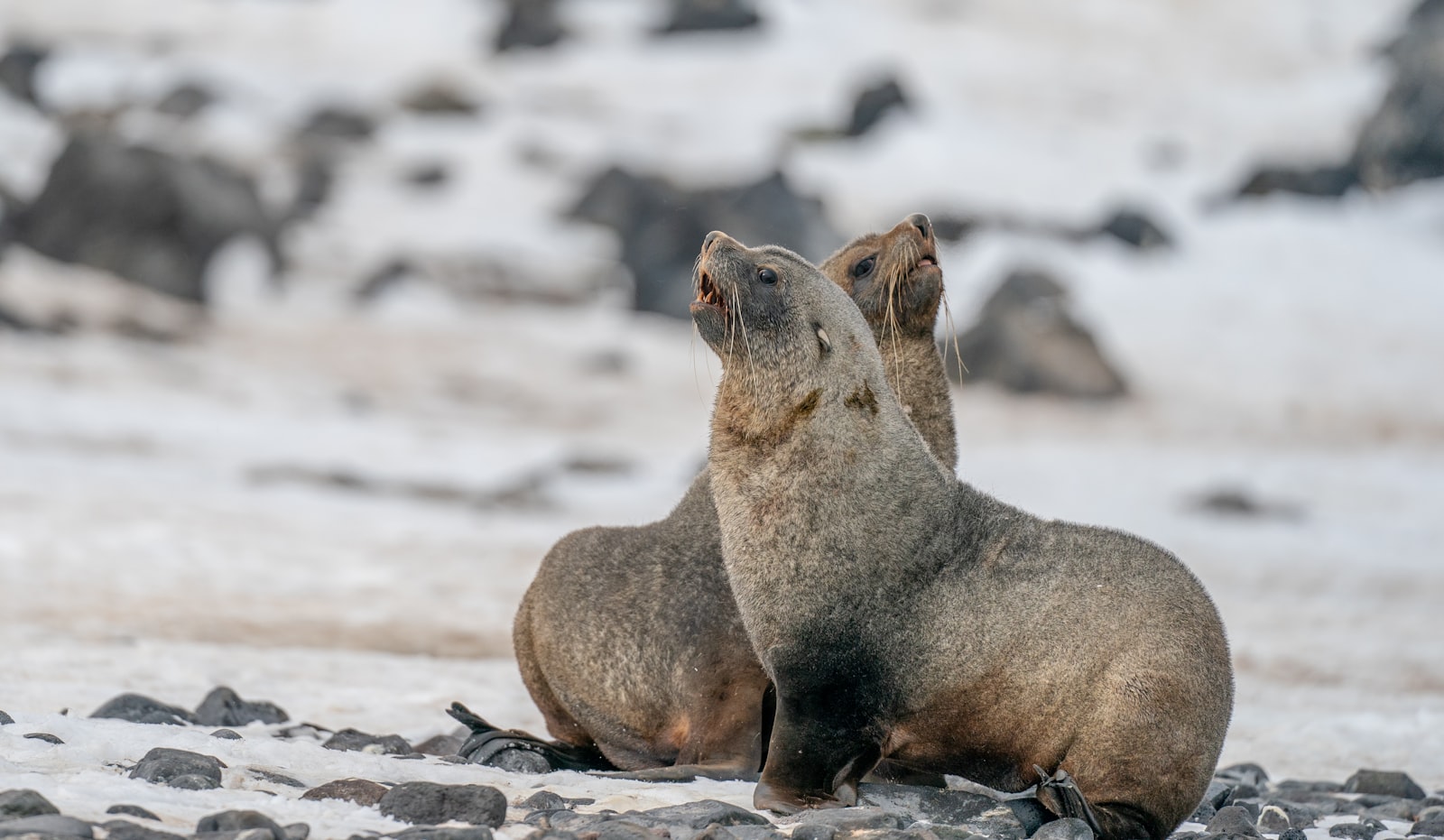
Antarctic Fur Seal

A small, quick-moving seal named almost by accident after the German ship that first collected it near Kerguelen, not for the continent it's rarely seen on. Despite the name, most encounters happen on subantarctic beaches, not the Antarctic mainland.

Wildlife

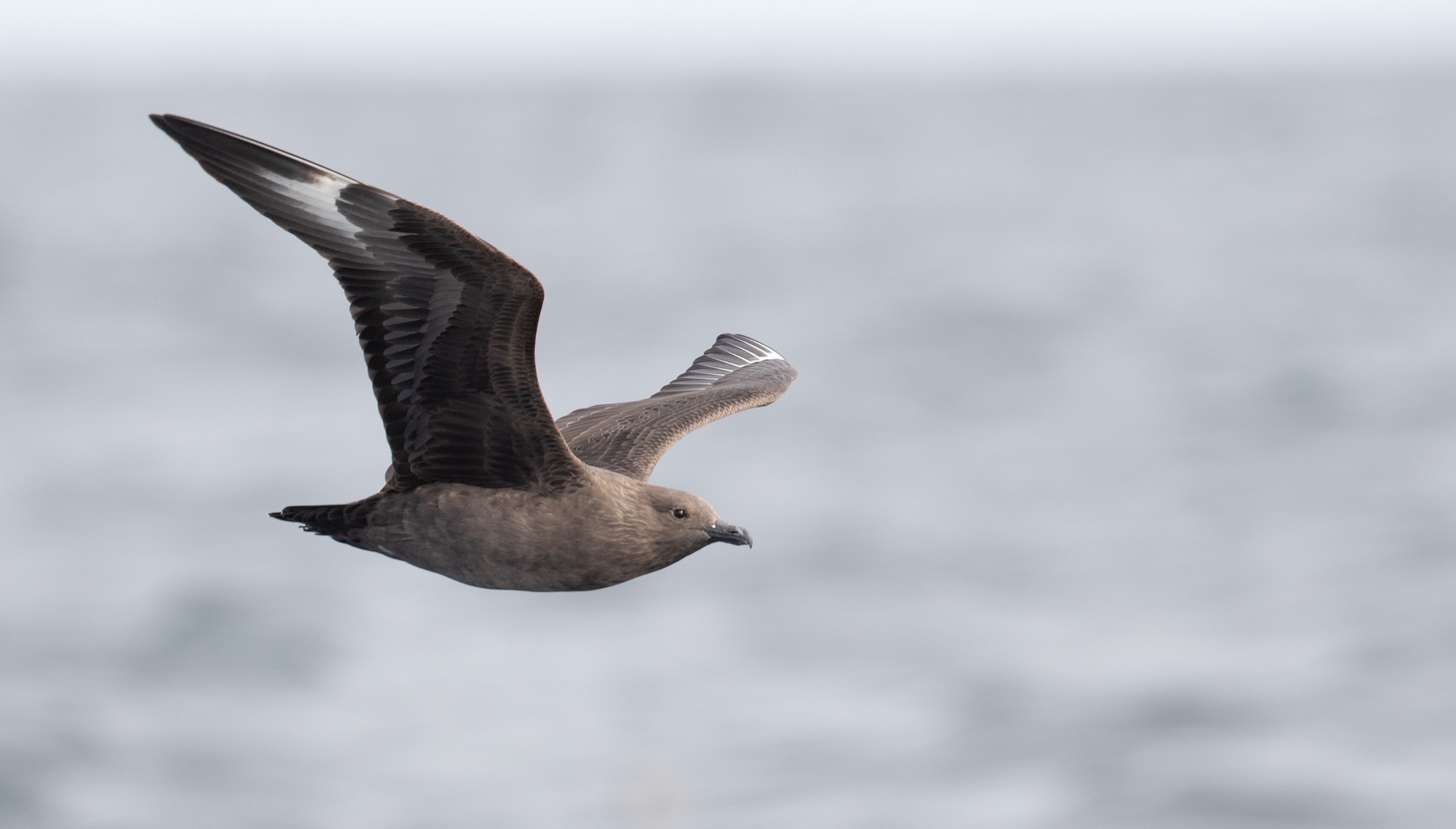
South Polar Skua

A large, heavy-built seabird of the skua family, the south polar skua ranges the Southern Ocean and its ice edges with an unmistakable, gull-like silhouette. Its older name, MacCormick's skua, recalls the naval surgeon who collected the first specimen.

Wildlife

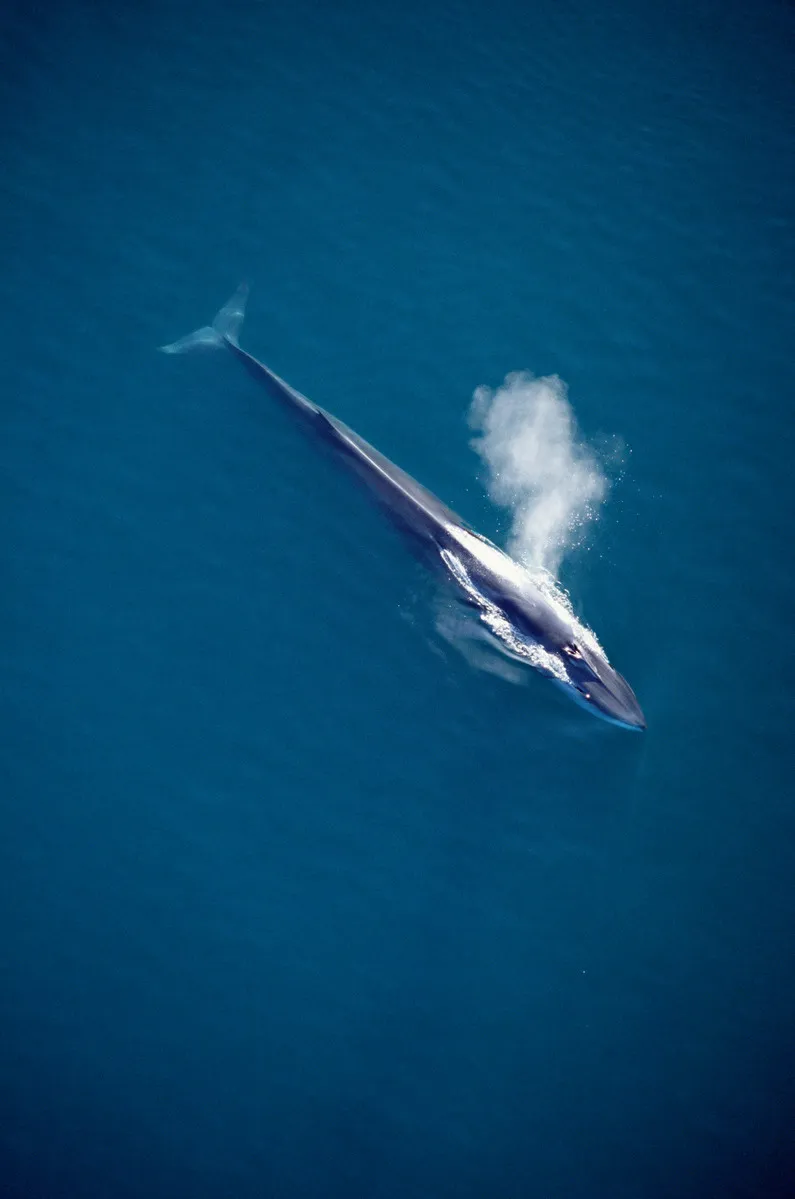
Fin Whale

The fin whale is the second-longest animal on Earth after the blue whale, reaching up to 27 metres. Its long, slender, countershaded body is most often seen slicing through open water rather than breaching.

Wildlife

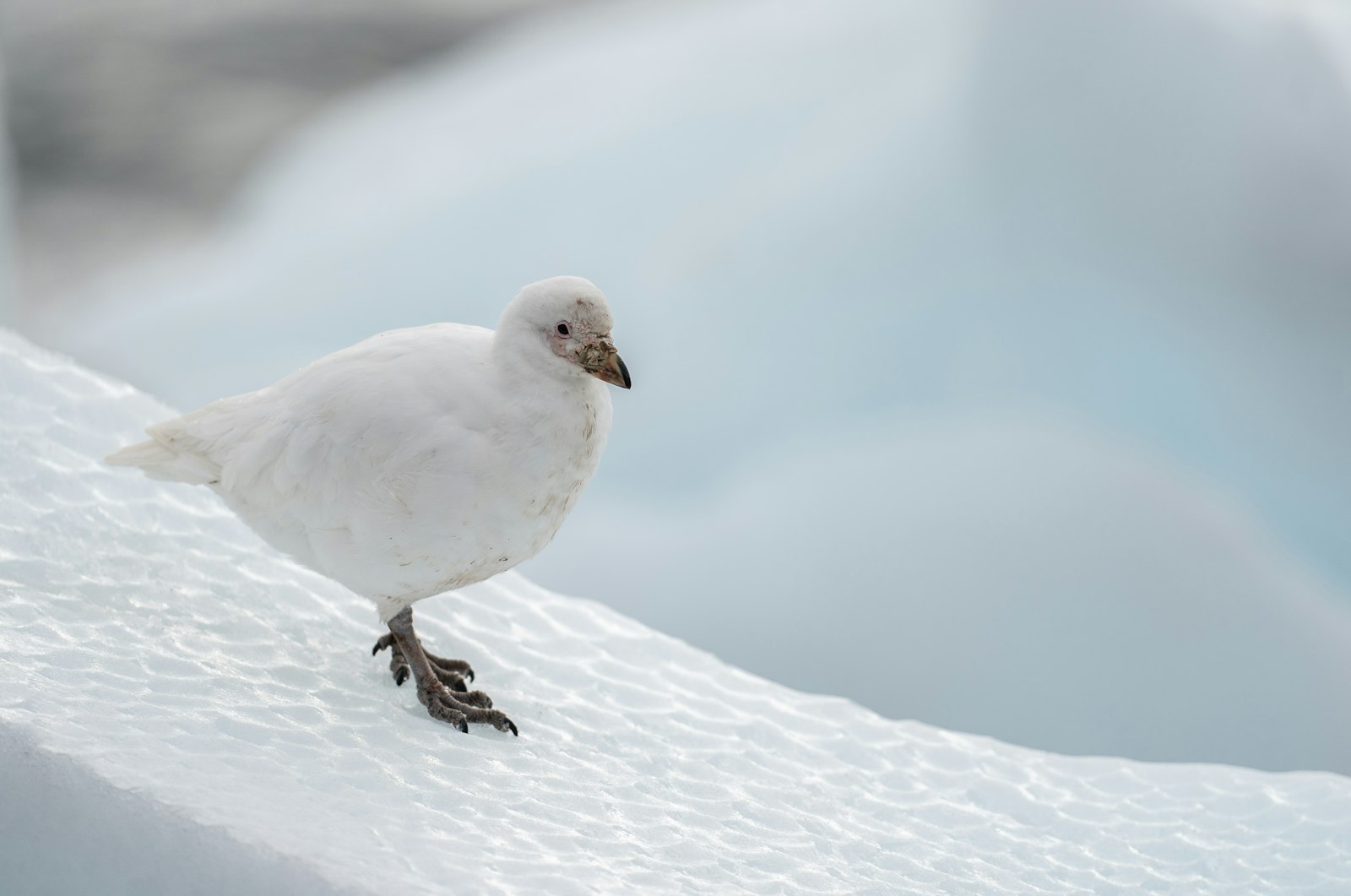
Snowy Sheathbill

The snowy sheathbill is the only land bird native to the Antarctic continent, and one of just two sheathbill species in the world. Look down, not up: it spends its time walking the shoreline and rocks rather than flying.

Wildlife

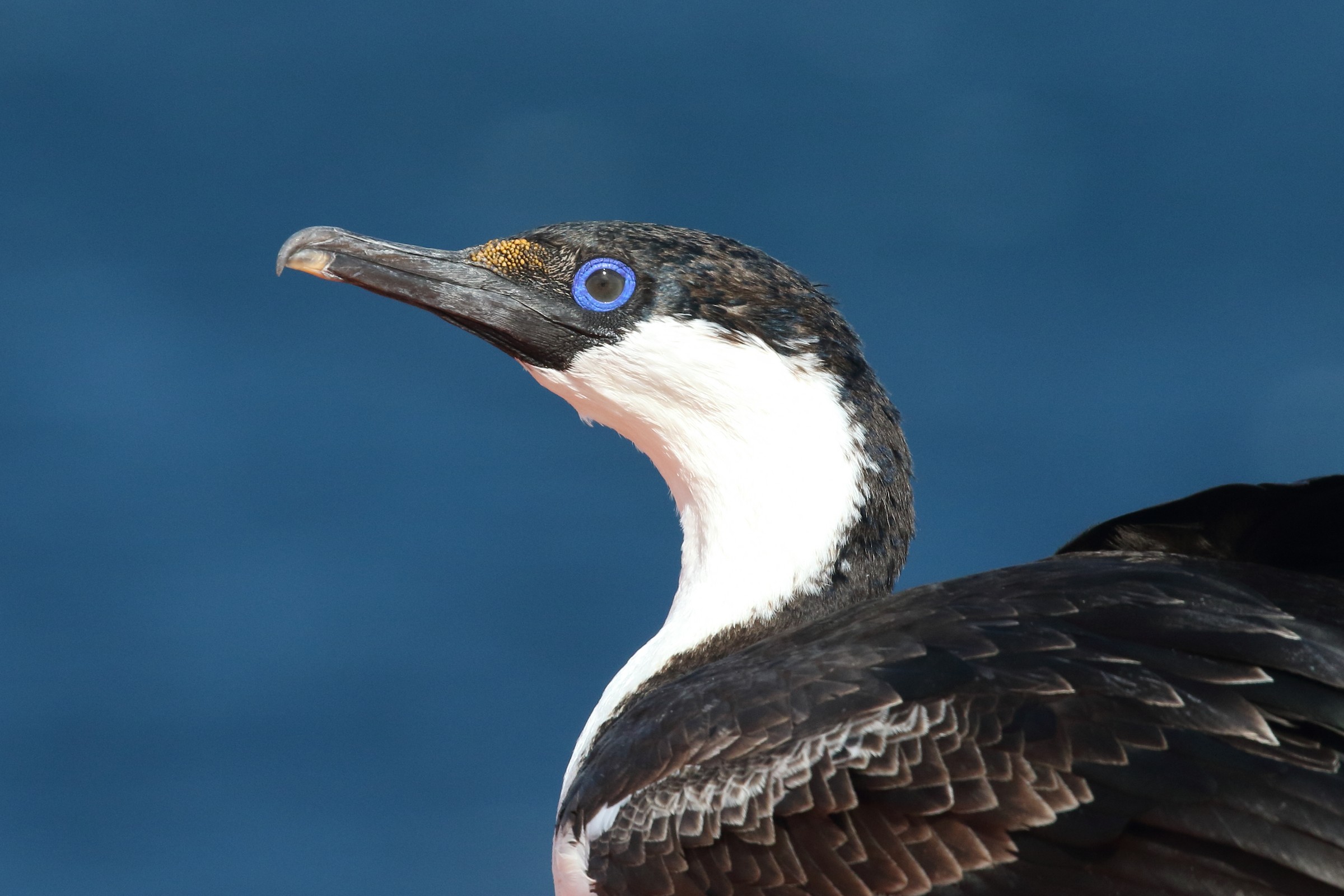
Antarctic Shag

The Antarctic shag is the only cormorant species found on the continent, easy to pick out by its blue-ringed eyes as it stands stiffly upright on ice floes and coastal cliffs. It nests in small colonies apart from the penguin rookeries along rocky shorelines.

Compare all Antarctic departures across operators →